Makkah (also known as Mecca), reserved exclusively for Muslims, is more than just a city; it is the spiritual heart of Islam, pulsing with centuries of history and devotion. For Muslims around the world, it represents the birthplace of Prophet Muhammad, the site where the first revelation of the Quran took place, and the direction of daily prayer.
Every year, millions of pilgrims arrive to perform Hajj, a journey of faith and one of the five pillars of Islam. But Makkah's significance is not just religious; it’s deeply personal, a place where faith, history and devotion intertwine.
Here are some of Makkah’s holiest sites, usually included in the ziyarat tours that take pilgrims to the various significant religious and historical places in and around the holy city.
1. Masjid al-Haram
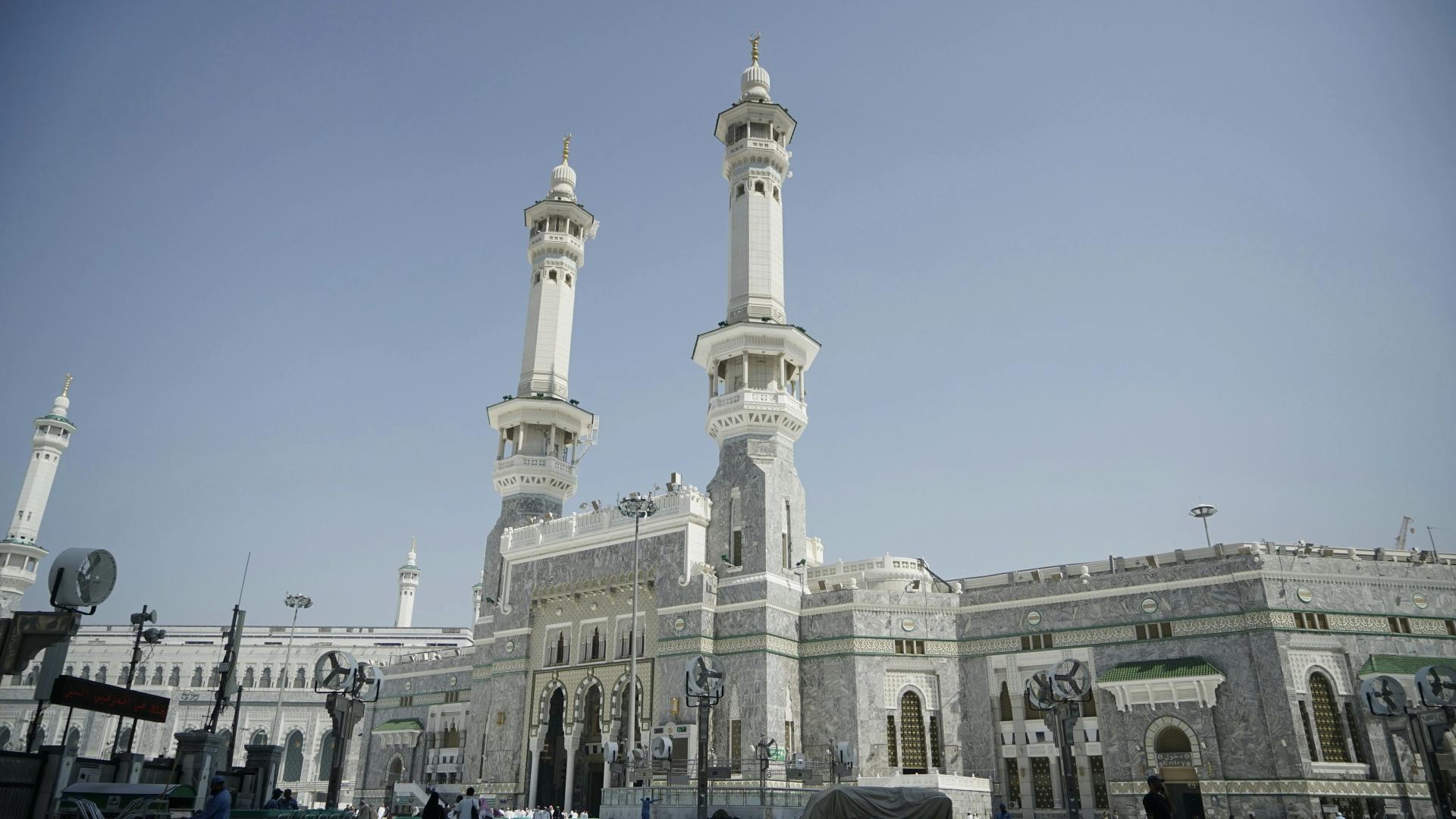
The largest mosque in the world, also known as the Grand Mosque, is the spiritual heart of Islam as it encompasses the Kaaba. The mosque, where Muslims come to pray and seek blessings, has the capacity to hold millions of worshippers. The sacred and iconic site is Makkah’s most visited and where visitors can also find the Zamzam Well. About 21 metres away from the Kaaba, it is where water suddenly appeared after Hajar, Ismail’s mother, went back and forth between the hills of Safa and Marwa seven times to find sustenance. Water from the well, available all around the mosque, is said to have healing properties as it was believed to have sprung forth by a command from Allah.
This architectural masterpiece has witnessed numerous renovations and expansions, reflecting its enduring significance, and it is home to the Maqam Ibrahim, or Station of Ibrahim. This ancient, square-shaped stone is endowed with Prophet Ibrahim’s footprints, as it is believed to be what he stood on while raising the foundations of the Kaaba.
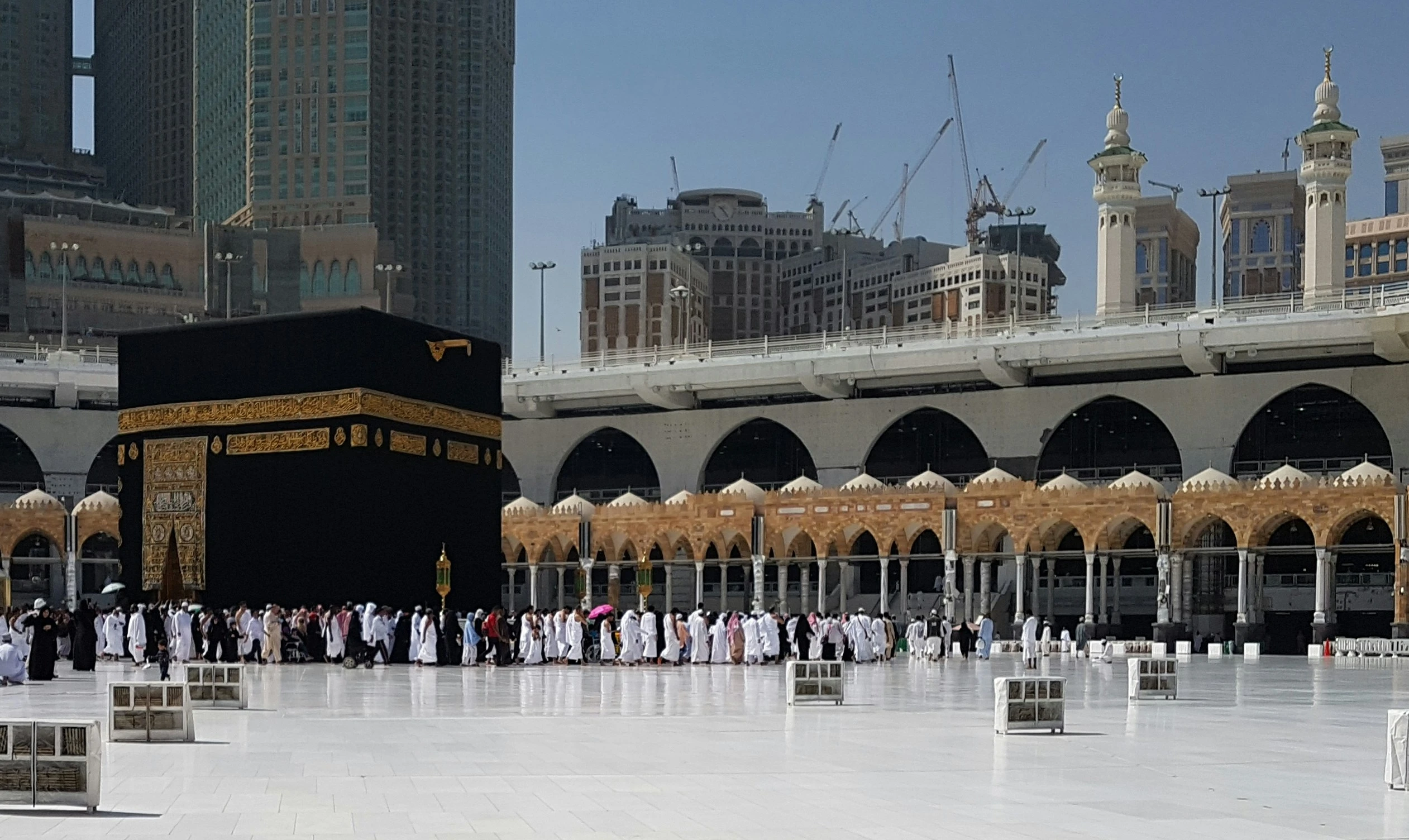
2. The Kaaba
This grey stone and marble cube-shaped building, around 15 metres high, is the focal point for the global Muslim community while praying and where they perform Tawaf. Considered the most sacred structure in Islam and the “house of Allah,” it stands at the centre of Masjid al-Haram. Muslims believe Prophet Ibrahim and his son, Ismail, originally built it, but the exact date is unconfirmed.
This symbol of unity holds the sin-forgiving Black Stone, which was originally white and given to Adam when he was expelled from paradise, according to legend. Found on the Kaaba’s eastern side, it is commonly believed Prophet Muhammad kissed it, so visitors kiss or touch the partially visible stone as a demonstration of love.
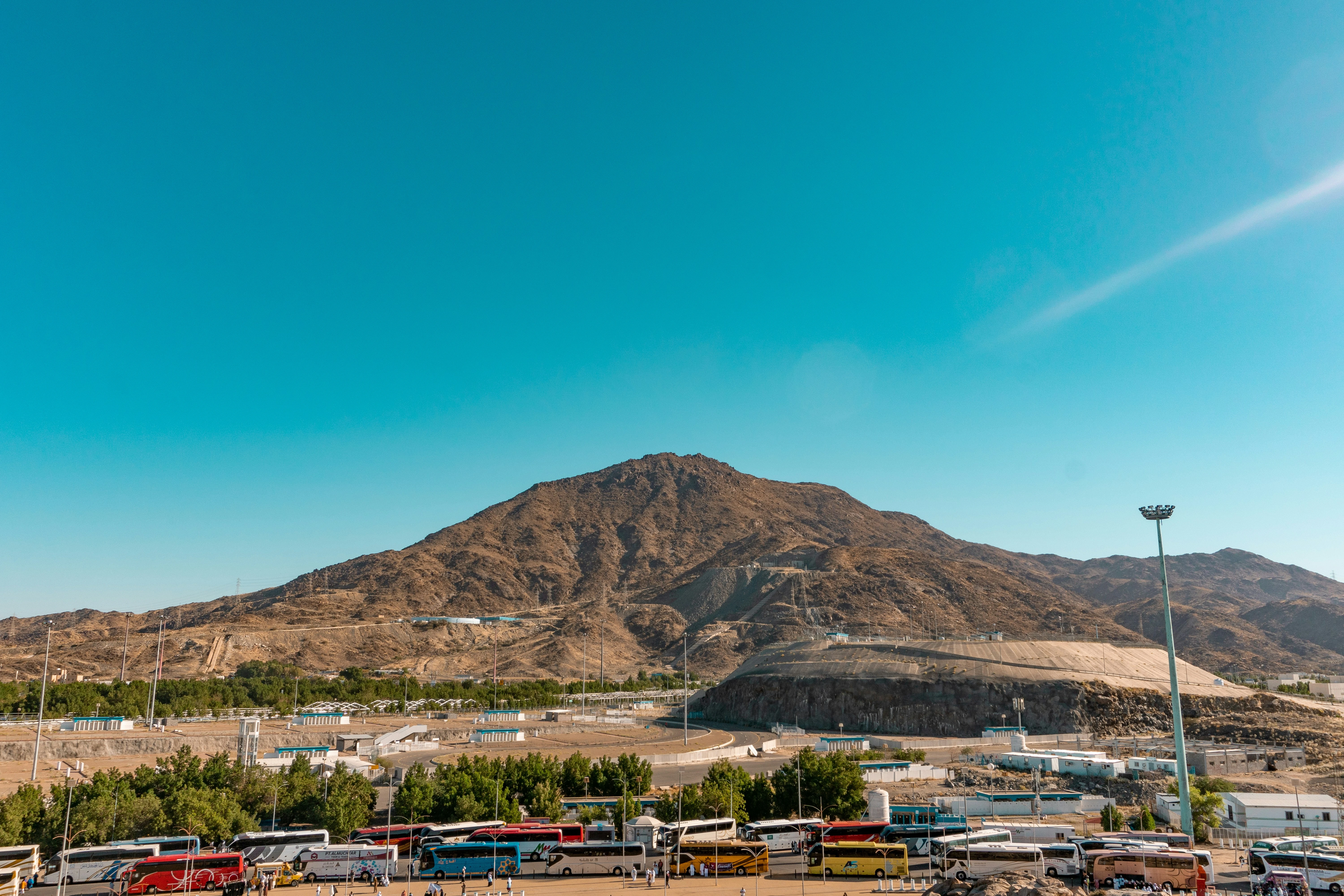
3. Mount Arafat
This spot has profound significance during Hajj as it is a fundamental requirement and marks the most important ritual during the pilgrimage. Pilgrims come here for the Day of Arafat to stand in a contemplative vigil, praying, repenting and listening to Islamic scholars giving sermons.
The granite hill, about 20km south-east of Makkah, is important because it’s where Prophet Muhammad gave his final sermon, known as the Farewell Sermon, highlighting key Islamic values. Mount Arafat is often called the Mountain of Mercy because it is where Prophet Ibrahim was prepared to sacrifice Ismail before Allah mercifully substituted a ram instead.
Some Muslims believe that Mount Arafat is also where a forgiven Adam and Eve reunited after being expelled from paradise, further adding to its spiritual significance as a place of repentance and renewal. The area is also where worshipers can find Nimrah Mosque, an important Islamic landmark where Prophet Muhammad stayed before delivering his last sermon.
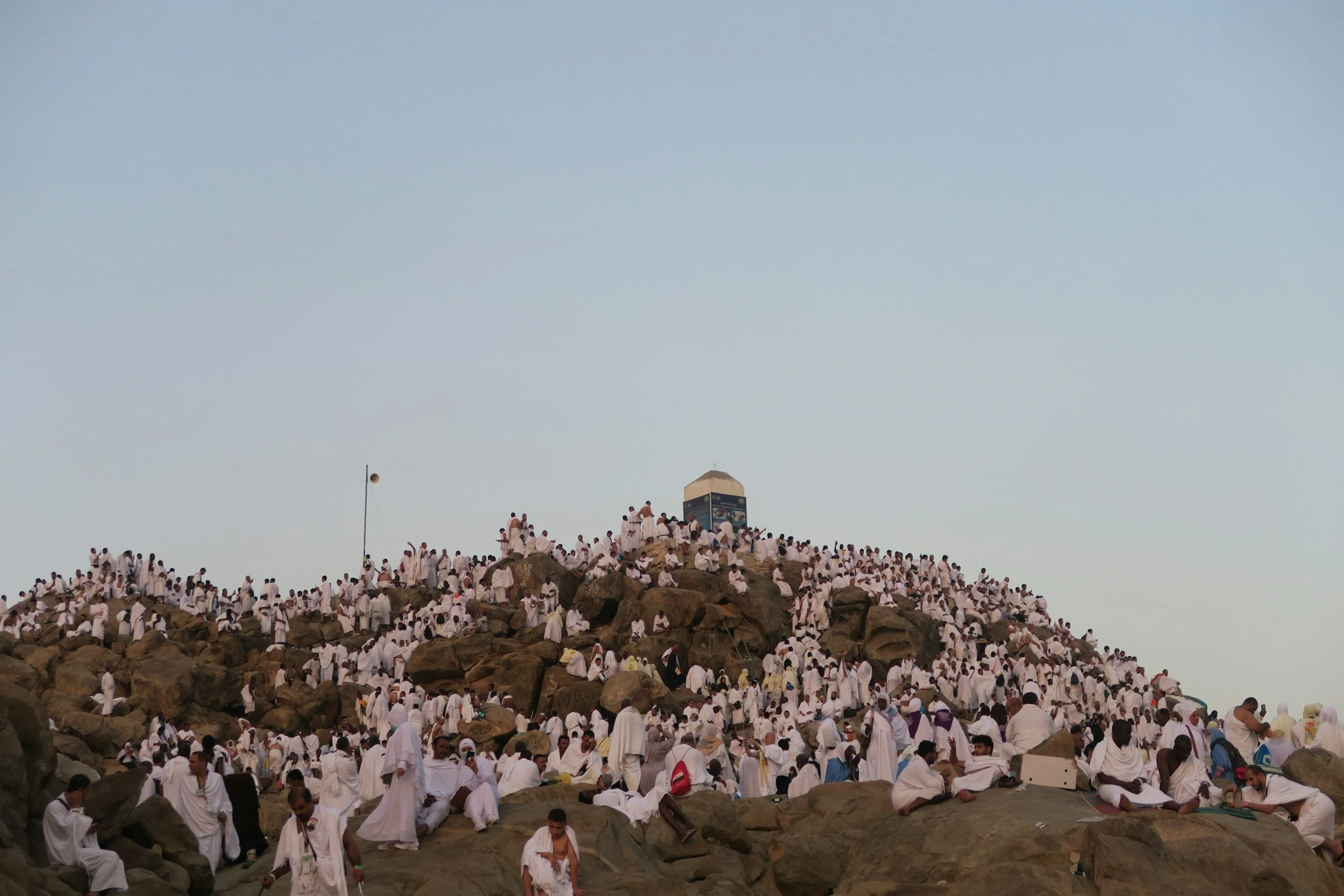
4. Muzdalifah
Muzdalifah, situated between Arafat and Mina, is where pilgrims gather during Hajj to collect pebbles for the upcoming stoning ritual in Mina. It is a crucial part of the pilgrimage, between the Day of Arafat and Eid. Pilgrims spend the night outdoors, collect the pebbles, and perform special prayers (the Fajr prayer, when dawn breaks, is particularly significant here). As well as pilgrims focusing on remembrance and pleading to Allah, they feel humble and have a sense of unity and solidarity in this space for reflection and spiritual renewal.
5. Mina
Mina is a valley surrounded by mountains around 7km east of the Grand Mosque. It is where pilgrims throw pebbles at the Jamarat, the three stone pillars (small, medium and large) as part of the symbolic stoning of the devil during Hajj. Mina is associated with various events, including Prophet Ibrahim stoning the pillars and sacrificing a ransom for his son Ismail, and Prophet Muhammad stoning them during the Farewell Pilgrimage. Additionally, this is where Surah al-Nasr was revealed and the first and second Pledges of Aqabah took place.
There are several landmarks in Mina, like Al Khayf Mosque, the Jamarat Complex and Wadi Muhassir. It is also considered the largest tent city in the world. The vast number of air-conditioned tents accommodate pilgrims who sleep there during Tashreeq, traditionally days in which meat from the sacrificed animals was dried in the sun to preserve it.

6. Mount Thawr
Mount Thawr (or Jabal Thawr) is the location of the cave in which Prophet Muhammad and Abu Bakr, his close companion, sought refuge for three days and nights from the Quraysh tribesmen, while they were leaving Makkah and emigrating to Madinah.
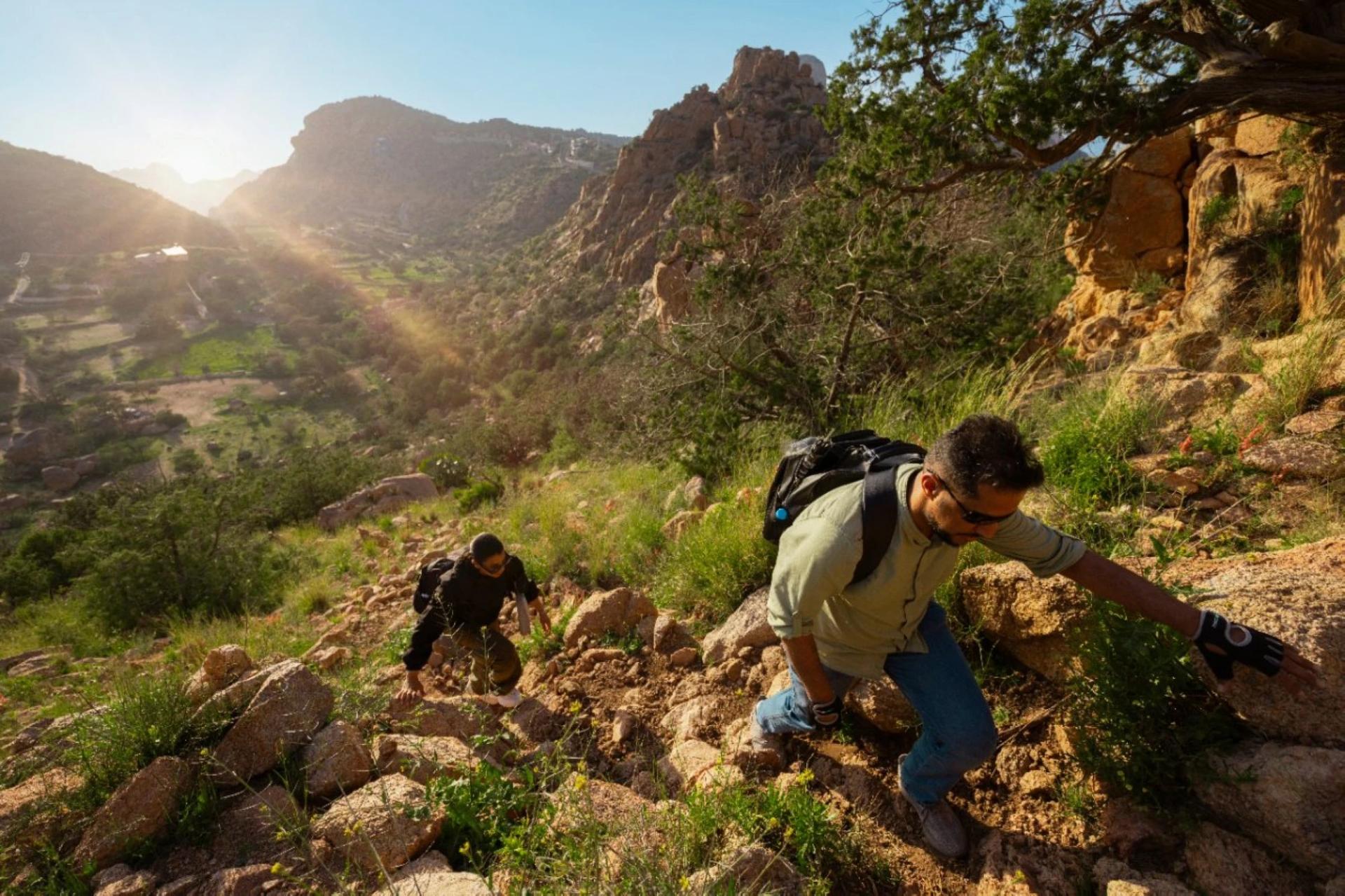
Getting up Mount Thawr, which is around 760m high and 12km south of Makkah, isn’t easy, but the sweeping views make up for it. (For those who can’t make the hike, there are taxis available.) A visit here is very important to Muslims, as they get a better understanding about Islam’s history and the challenges experienced by Prophet Muhammad and his consorts. It reminds them of the difficulties endured while spreading the word about Islam and the sacrifices and inspiring work by early Muslims.
7. Jabal Al Nour and Hira cave
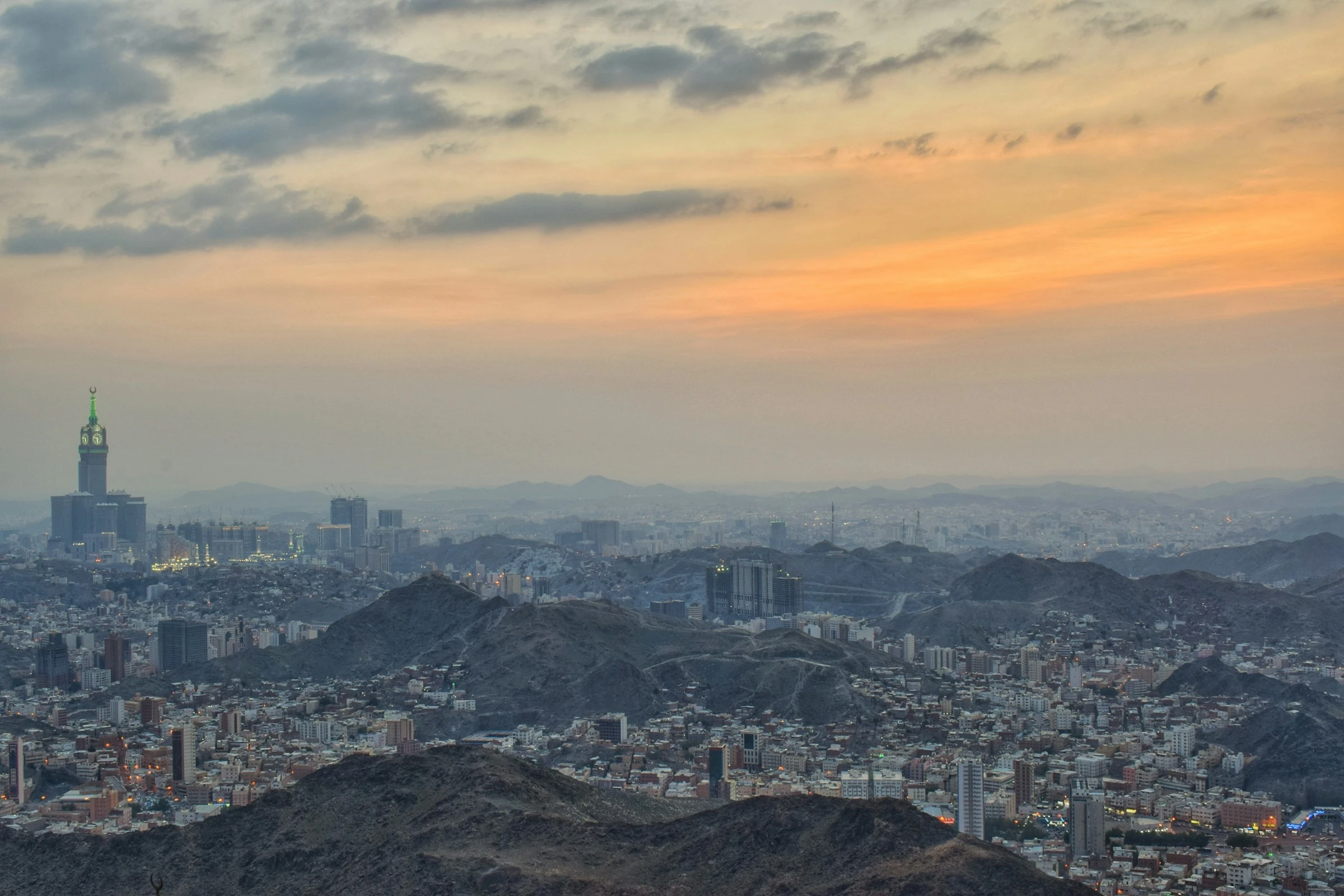
Jabal Al Nour, or the Mountain of Light, has been given several names, including Jabal Hira and the Hill of Illumination. Climbing the steps up this major attraction can take approximately two hours, depending on fitness levels and age. Fortunately for the less fit, there are now plans to construct a cable car system, slated to open this year.
The summit, which stands at around 642m above sea level, is often described as a camel's hump and offers beautiful views of Makkah and the Grand Mosque. What’s more, this is where believers will find the Hira cave, one of the most important Islamic sites. According to tradition, this is where archangel Gabriel gave Prophet Muhammad the first of his various Quranic revelations. As well as being where the call of Islam began, the cave is where he would go to be alone and ruminate before he became a prophet. Needless to say, the small and narrow Hira sanctuary is the perfect place for visitors to pray and contemplate.