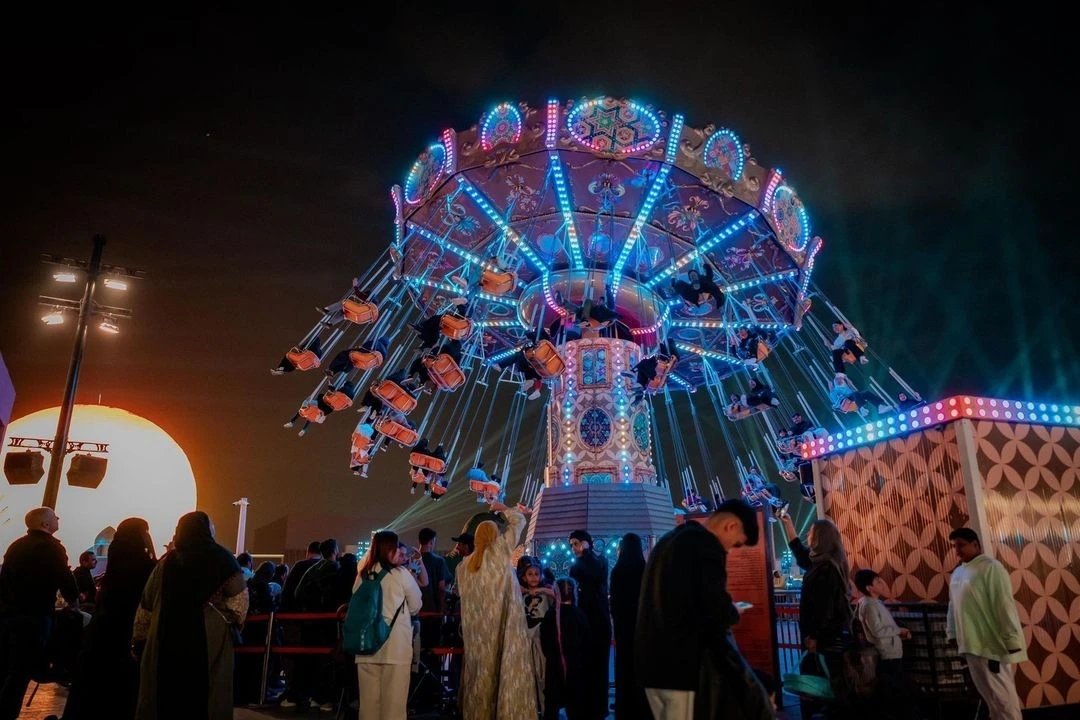
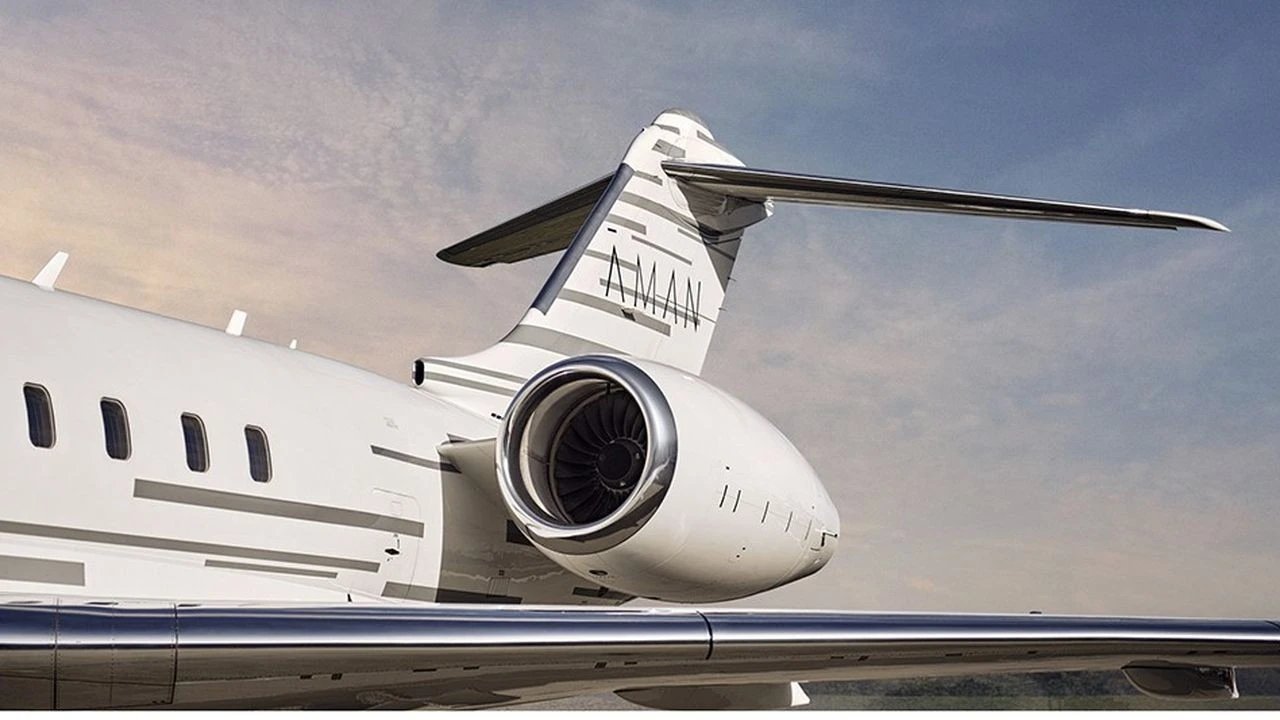
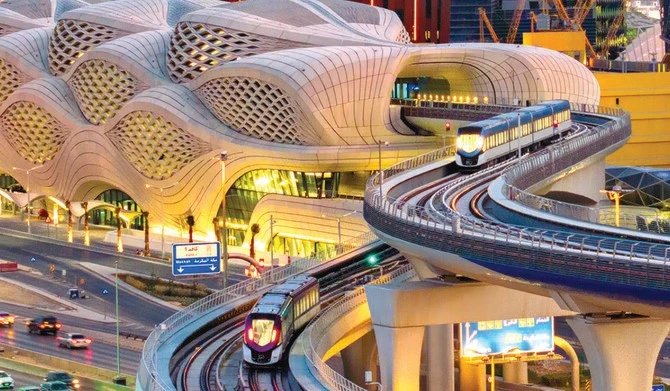
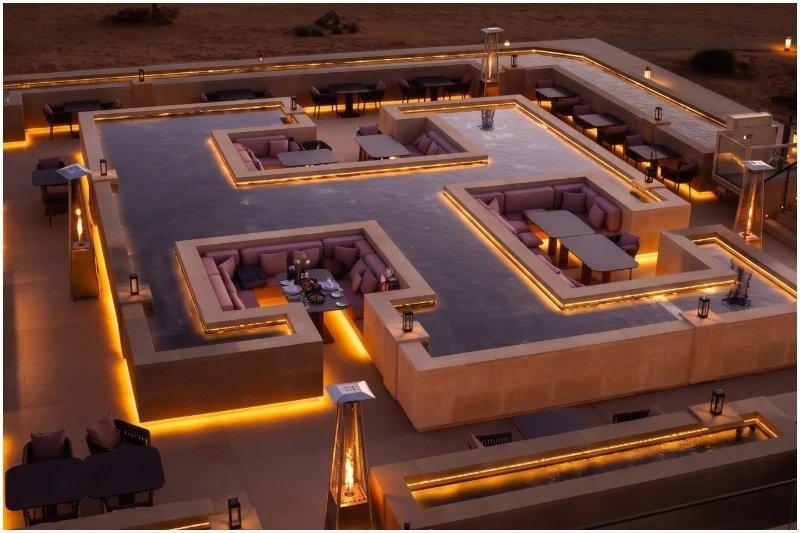
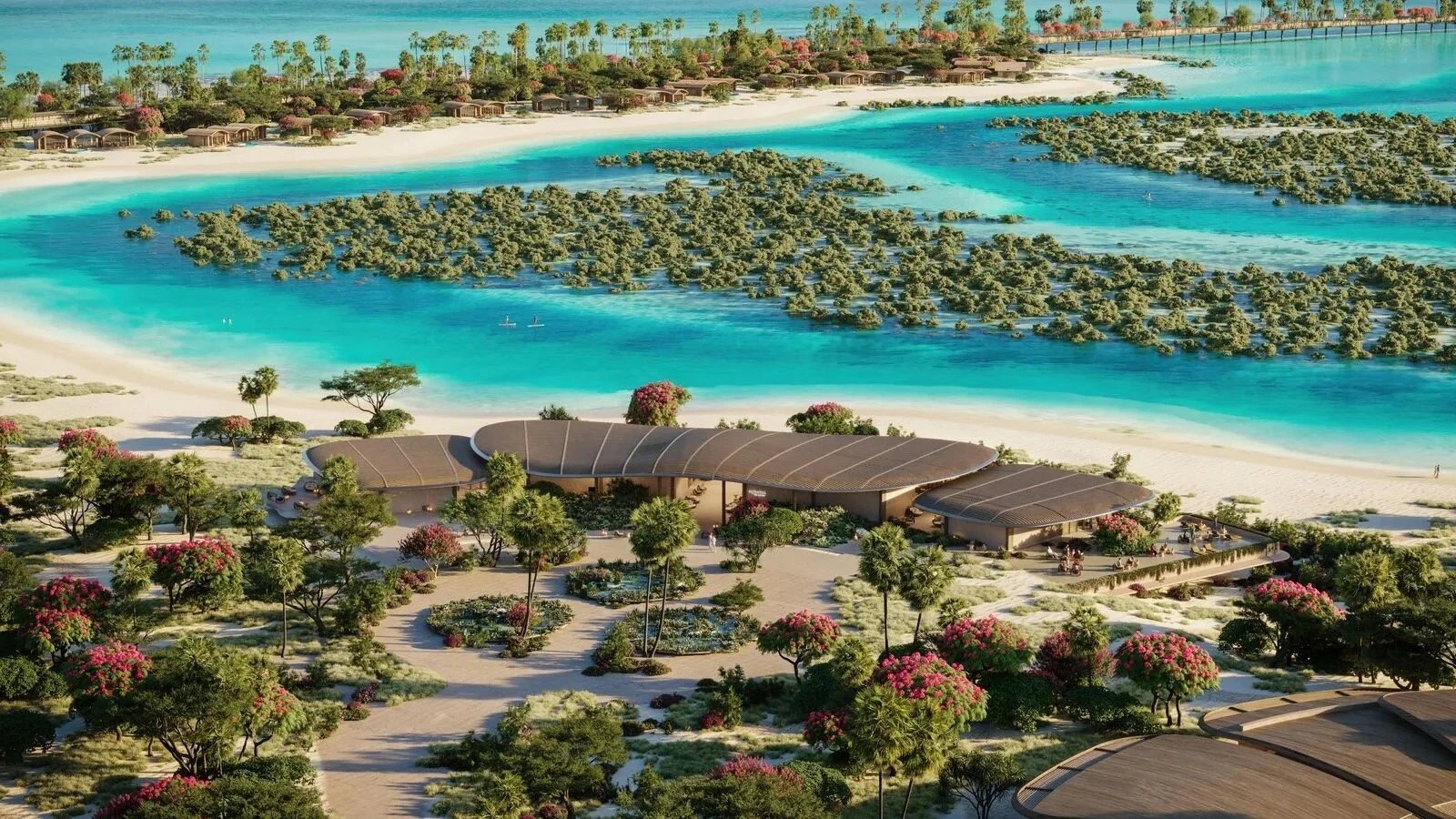
Saudi Arabia’s transition into a global leisure and entertainment powerhouse is showing remarkable resilience in the face of broader regional constraints.
According to the latest market snapshot from hospitality and real estate consultancy Cavendish Maxwell, the Kingdom’s tourism sector generated a massive SAR82.7 billion (US$22 billion) in total spending during the first quarter of 2026 alone. This revenue influx was underpinned by a steady 8% year-on-year increase in overall arrivals, bringing a total of 37.2 million visitors across the country between January and March.
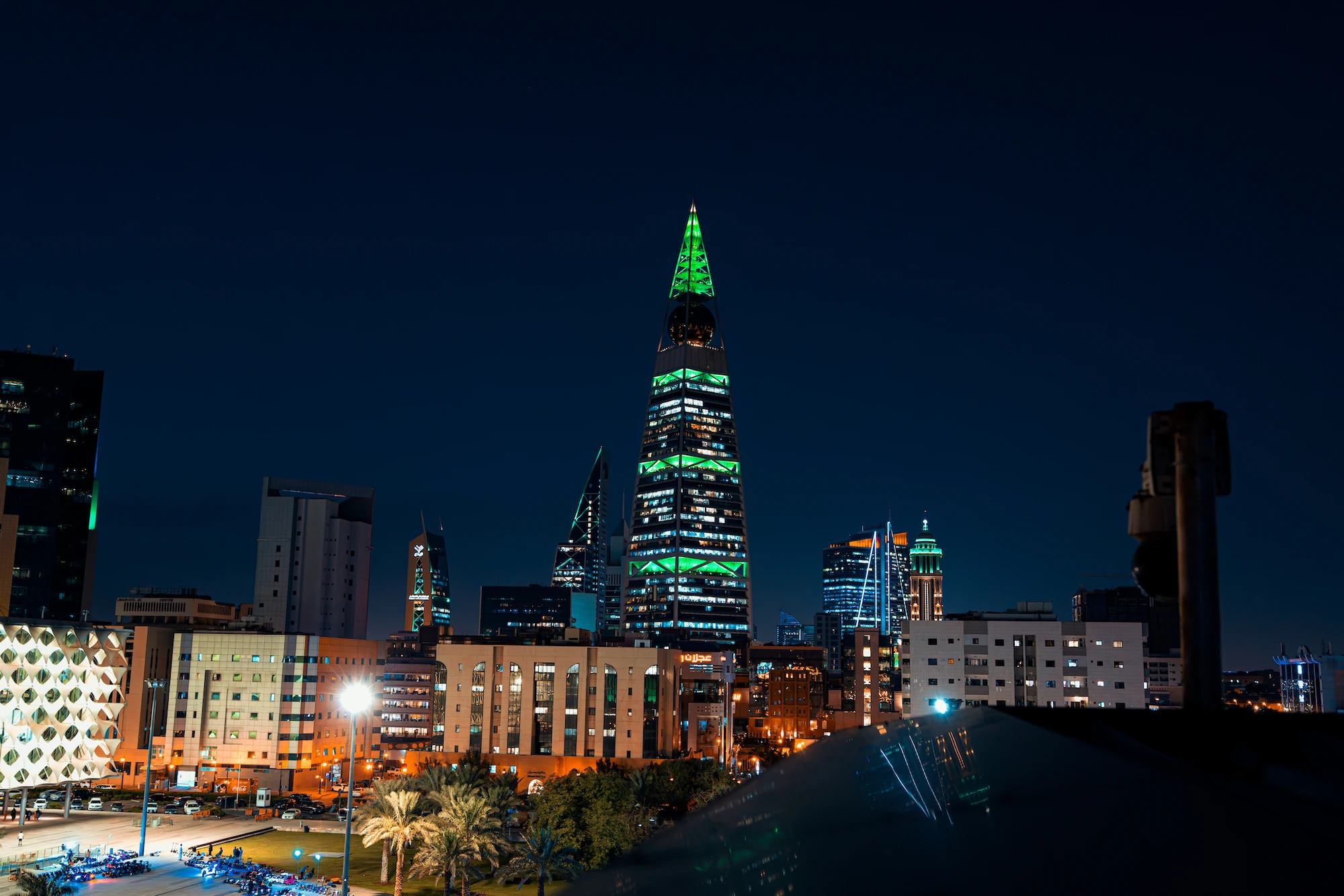
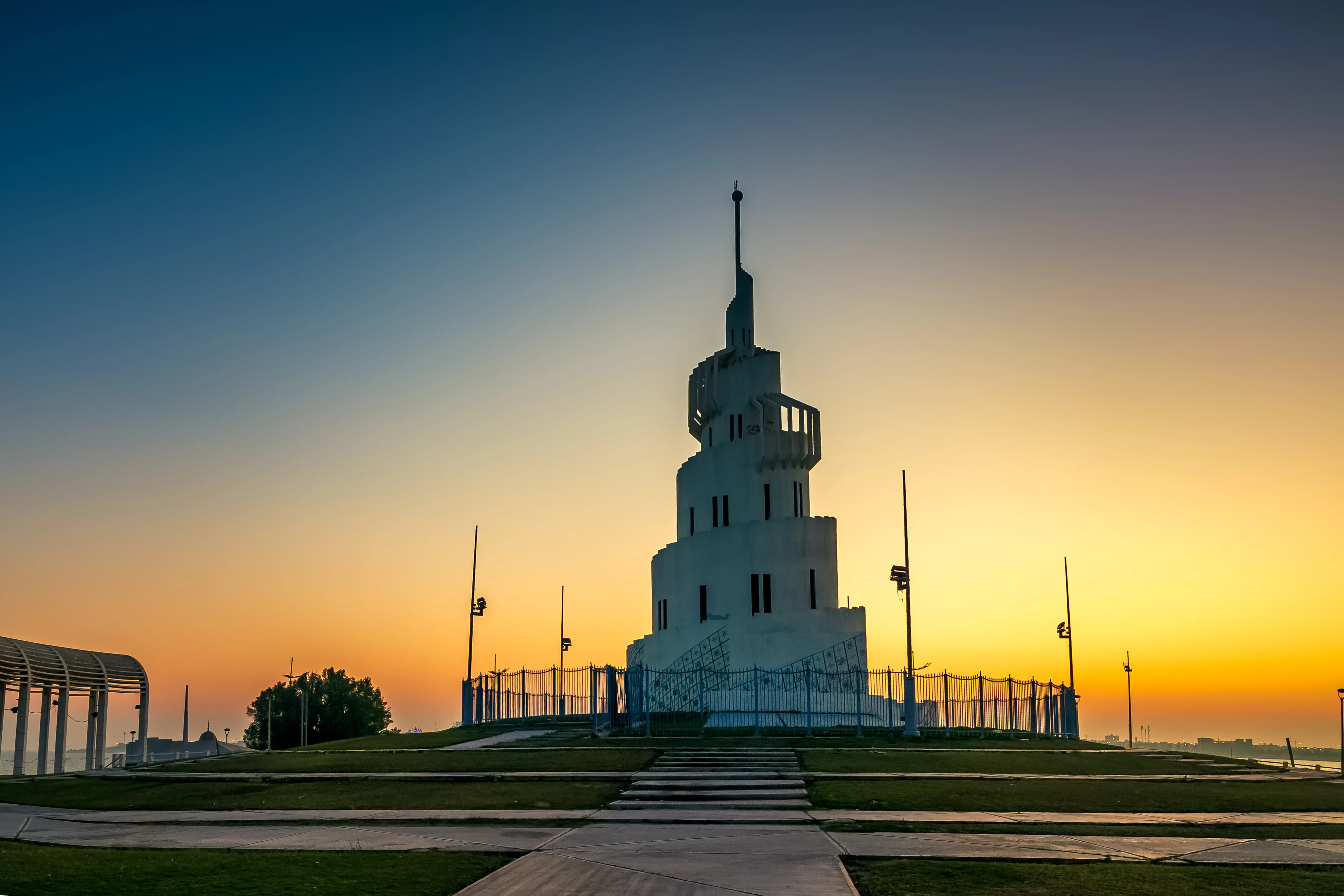
This data set supports the fact that Saudi Arabia’s luxury tourism sector is experiencing a profound domestic evolution, with residents and citizens exploring more of what the Kingdom has to offer. According to the latest insights from the Cavendish Maxwell KSA hospitality report, inbound international travel was impacted when the region faced temporary pauses and restrictions to air travel. However, the high-end domestic market stepped up, embracing the Kingdom for vacations — such as Eid Al Fitr and Eid Al Adha — with local travellers accounting for a staggering 78% of all guest numbers during the quarter.
Dip in Inbound International Arrivals
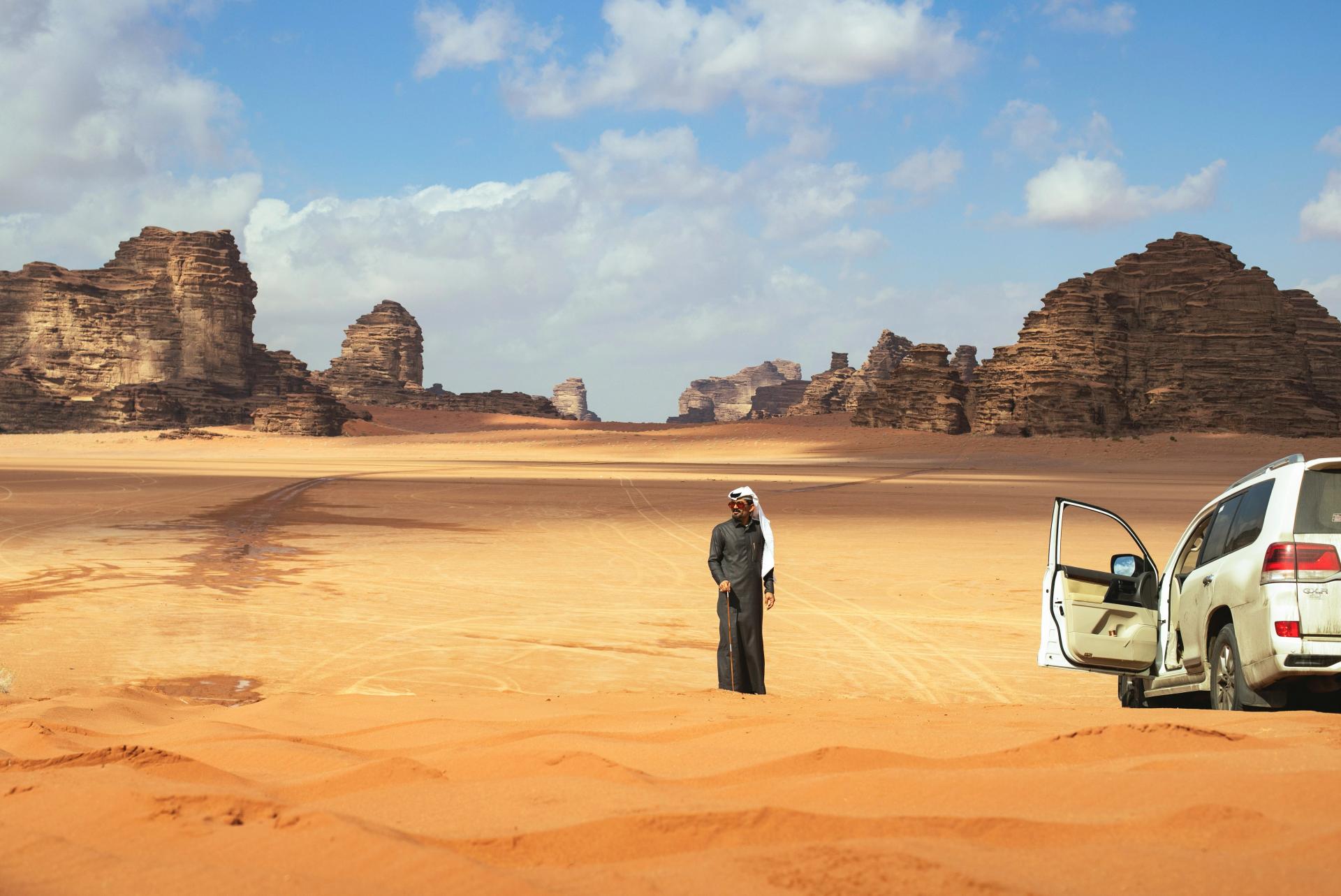
Despite experiencing a growing number of international visitors in 2025, inbound international arrivals inevitably experienced a dip in Q1, 2026. This dip was of 13% to 8.3 million visitor, due to ongoing geopolitical tensions in the wider region, the economic impact of overseas visitors remained incredibly potent. International travellers made up just over a fifth of total volume but generated nearly 60% of all tourism spend, pumping SAR48 billion (US$12.8 billion) into the economy. This indicates that while fewer overseas guests are arriving, those who do are spending significantly more per visit, further strengthening the country's high-yield tourism model.
Saudi's Domestic Travel Boom
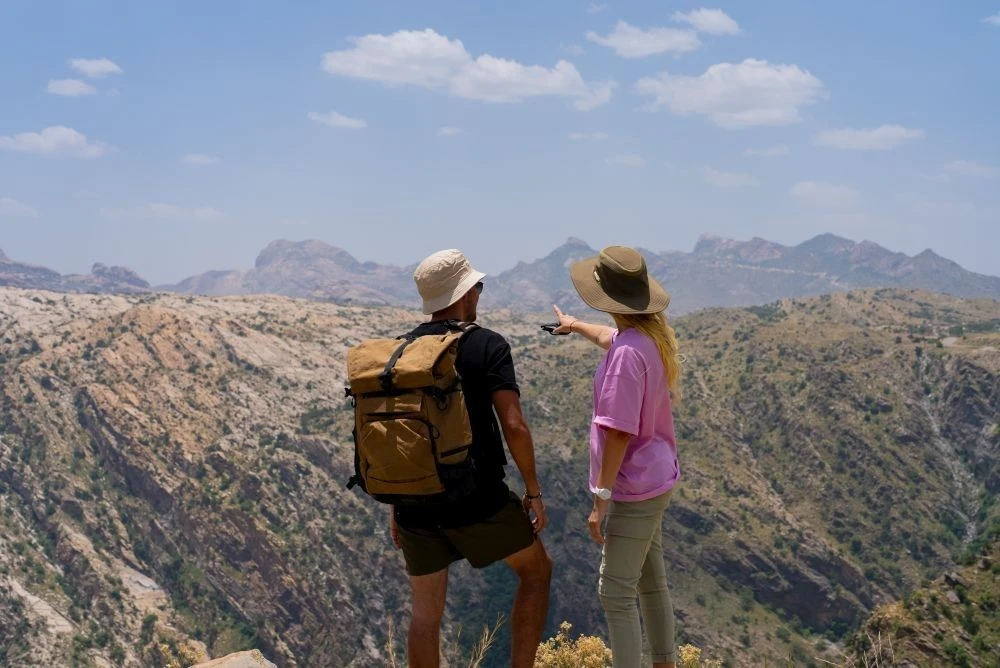
Saudi's Opted for Stayations
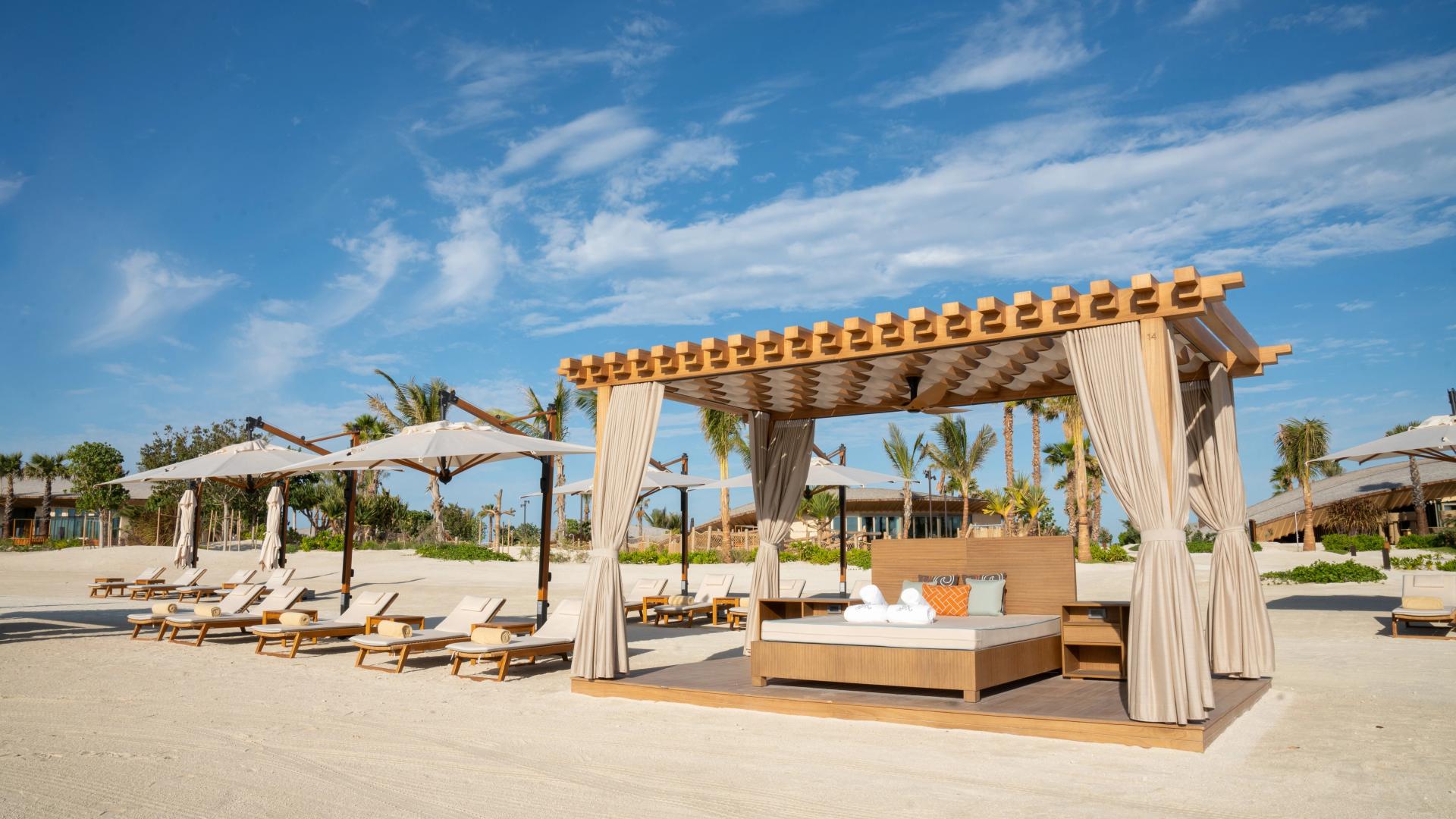
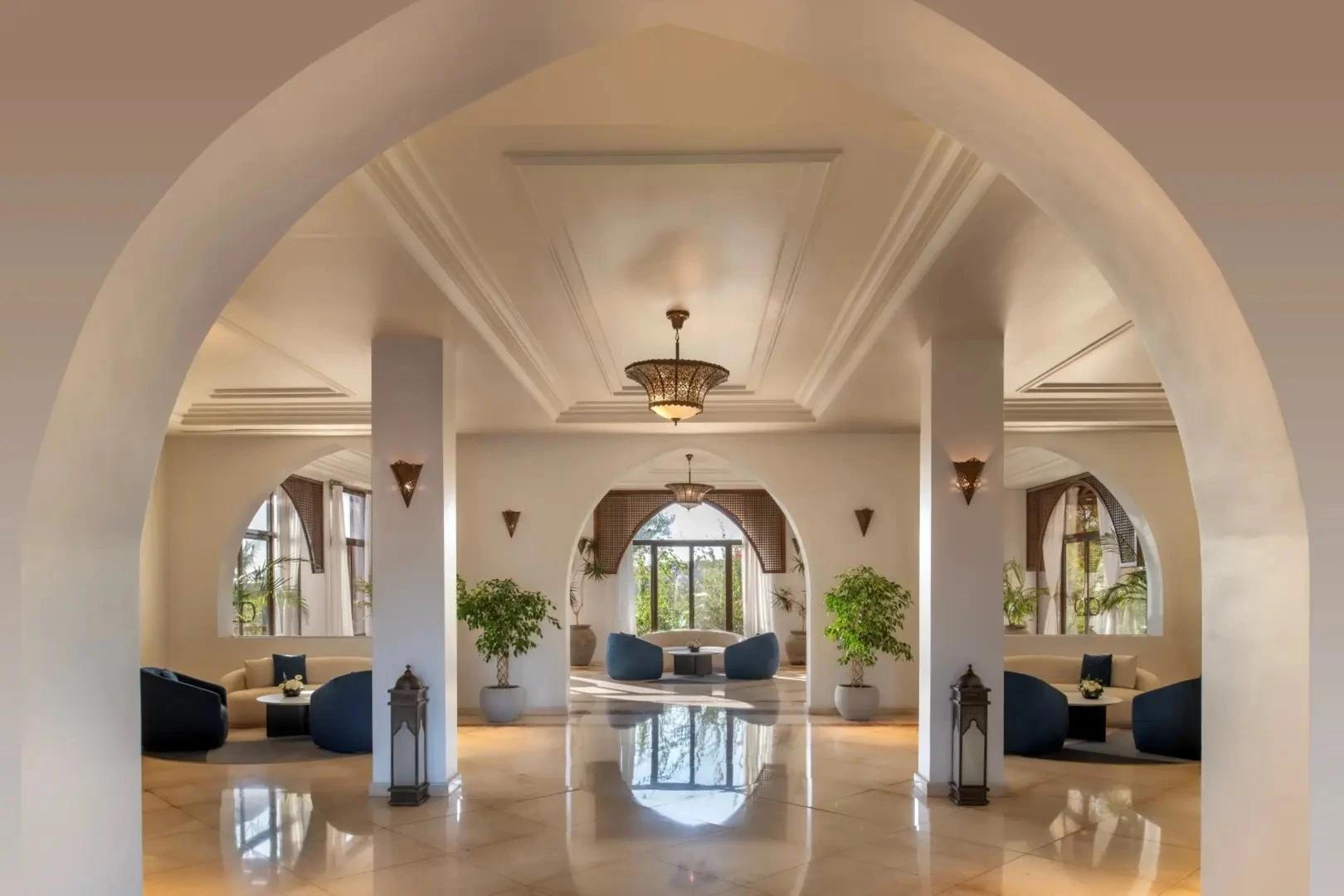
This localised travel boom translated into nearly 29 million domestic trips during the opening quarter of 2026, representing a sharp 16% increase compared to the same period last year. Industry experts note that this powerful surge in premium staycations has effectively anchored the country's ambitious hospitality ecosystem and shielded it from external pressures. As residents increasingly choose to explore the wealth of newly opened, internationally revered ultra-luxury resorts, boutique heritage properties, and private coastal sanctuaries, the domestic market has solidified its status as a cornerstone of the Kingdom's cultural and leisure renaissance.
Premium Spending Habits
This premium spending pattern is directly reflected in hotel performance metrics. The national Average Daily Rate (ADR) climbed a robust 12% year-on-year to hit SAR825, with religious and spiritual tourism hubs Makkah and Madinah consistently outpacing the rest of the country. Nationwide occupancy peaked at nearly 75% in January before normalising to a steady 63 percent average by May. Commenting on the structural balance, Kevin Duffield, Director of Built Asset Consulting at Cavendish Maxwell, noted that the sharp rise in domestic travel has largely insulated KSA from the inbound reductions felt across the region.
Saudi's Growing Hospitality & Travel Sector
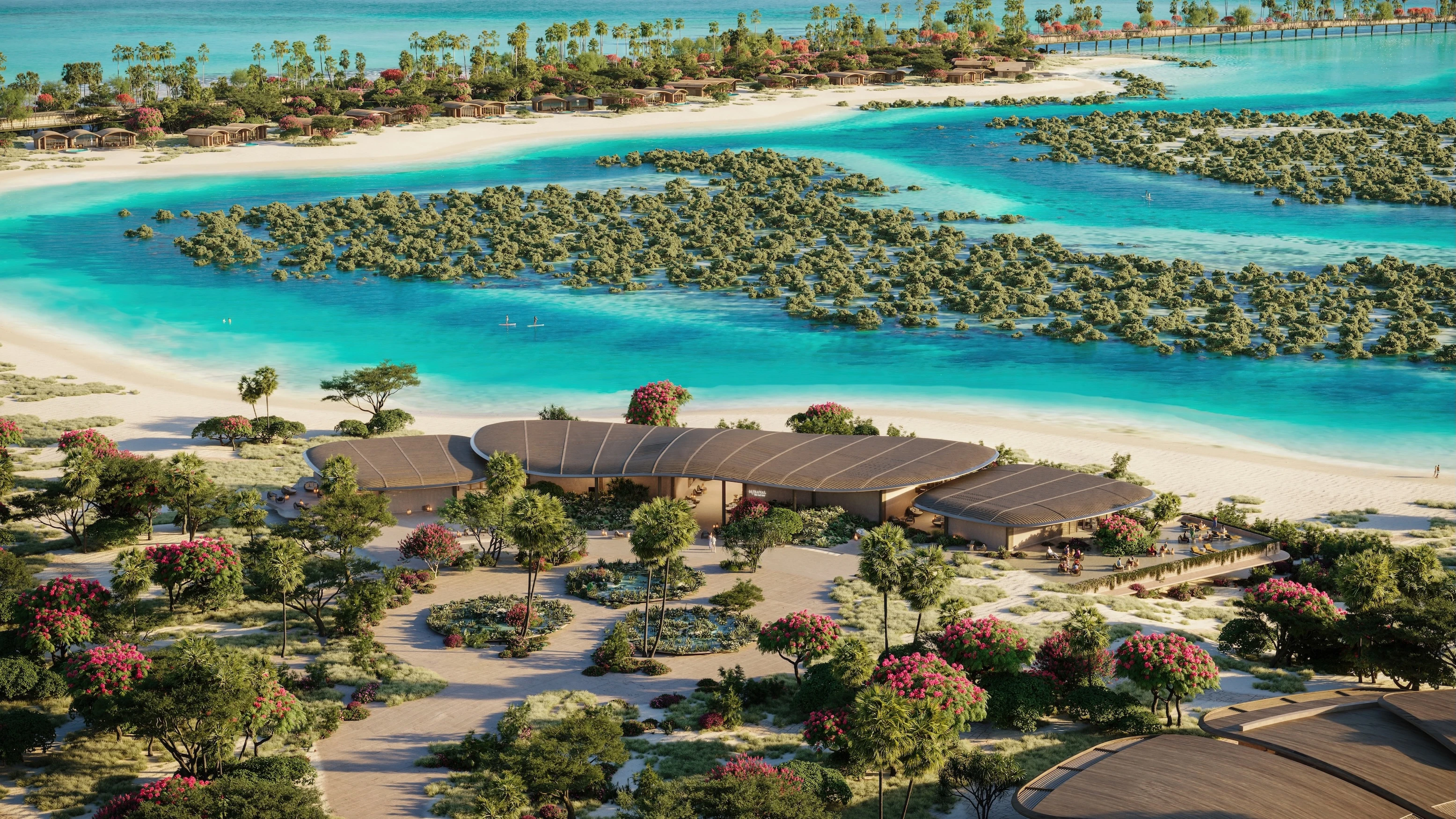
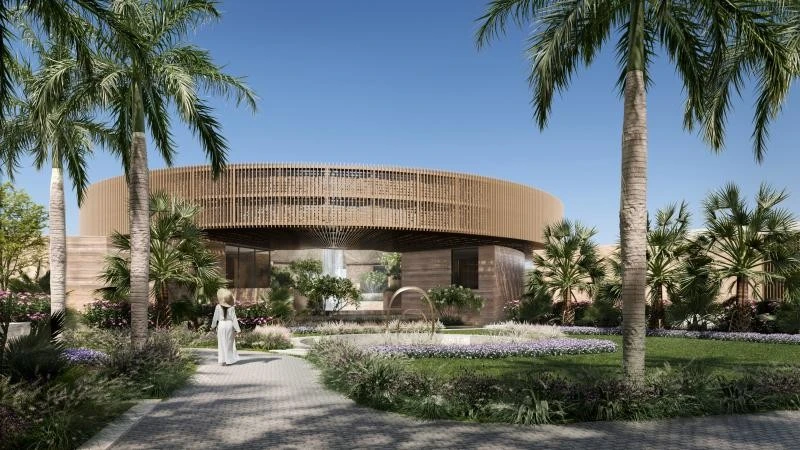
Looking forward, the temporary shift in traveler demographics has done little to slow Saudi Arabia’s impactful infrastructure expansion. The Kingdom currently boasts a baseline of 176,000 hotel rooms, with an additional 18,150 keys scheduled to debut before the end of this year.
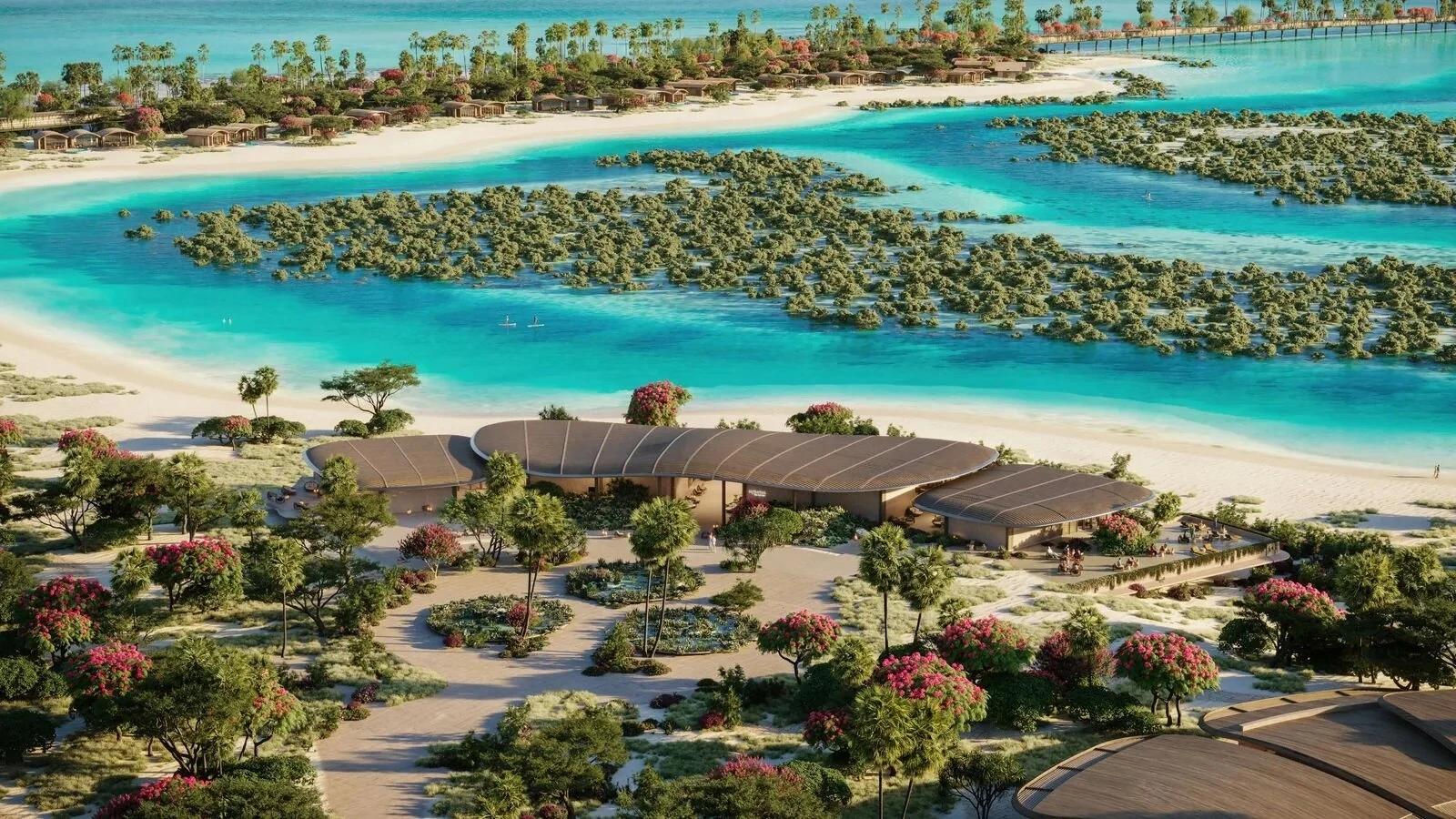
This growth in hotel rooms and keys can be attributed to several key new openings across the nation, including several notable wellness and longevity focussed openings like the 202 key destination of Four Seasons Resort and Residences AMAALA in Triple Bay, 180 keys at Miraval The Red Sea and the anticipated Jayasom Wellness Resort. Importantly, these destinations are served by top-notch and internationally positioned airports.
By 2030, a colossal pipeline of 105,500 new rooms spread across 382 hotels will be fully realised.
The Kingdom's continued and rapid development with regards to hospitality, supports the pillars of Vision 2030 and keeps the country firmly on track to hit its ultimate target of 150 million annual visitors by the end of the decade, a goal supercharged by landmark upcoming global events including Riyadh Expo 2030 and the FIFA World Cup 2034.
Read the full report from Cavendish Maxwell here