



In the rapidly evolving landscape of hospitality and heritage, few structures command as much reverence as Riyadh's Al Masmak Palace.
While the capital city continues its ascent as a global metropolis defined by futuristic skylines and world-class tourism developments, the reopening of the Al Masmak Palace Museum marks a pivotal moment in the Kingdom’s cultural narrative. This is not merely the unveiling of a renovated building; it is the restoration of a pivotal symbol of Saudi's national identity, now reimagined to meet the expectations of an interested audience seeking authentic, high-end cultural and historical experiences.
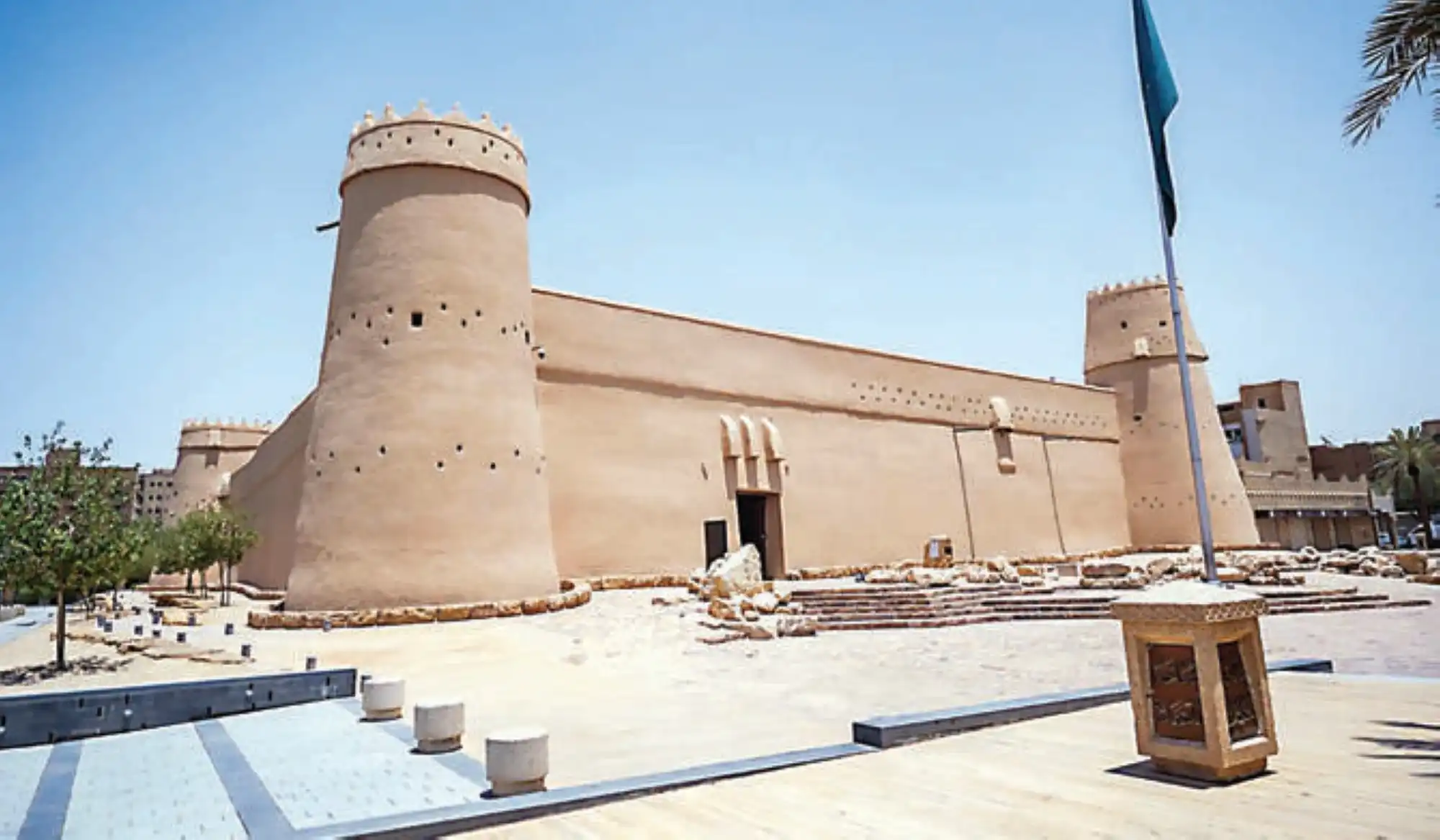
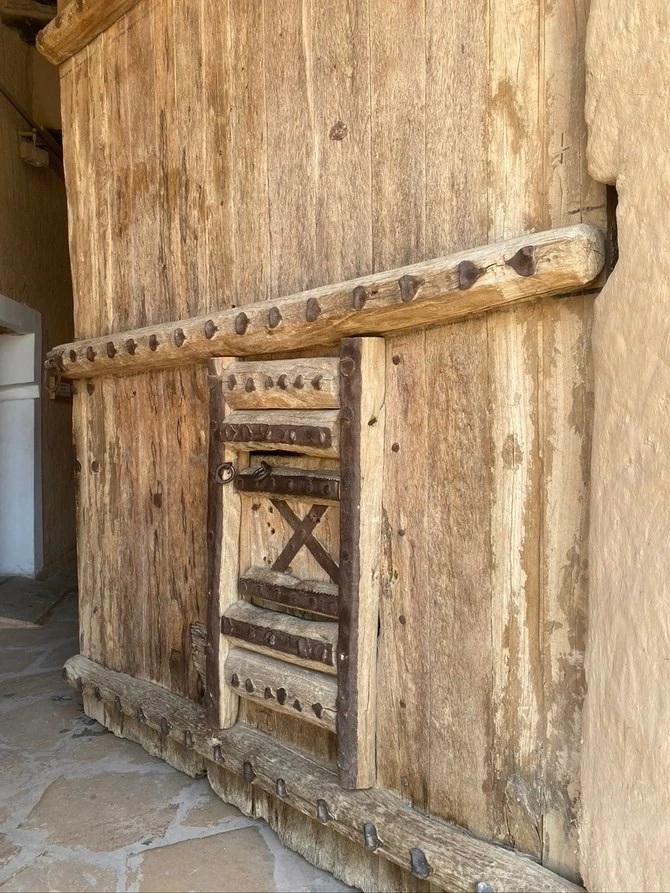
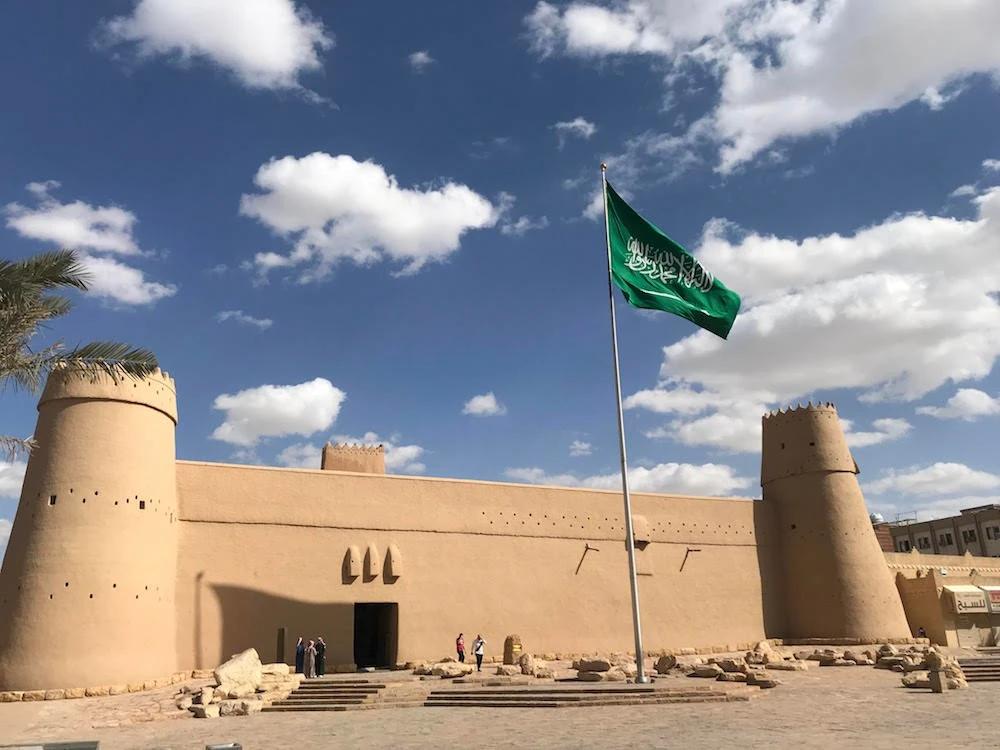
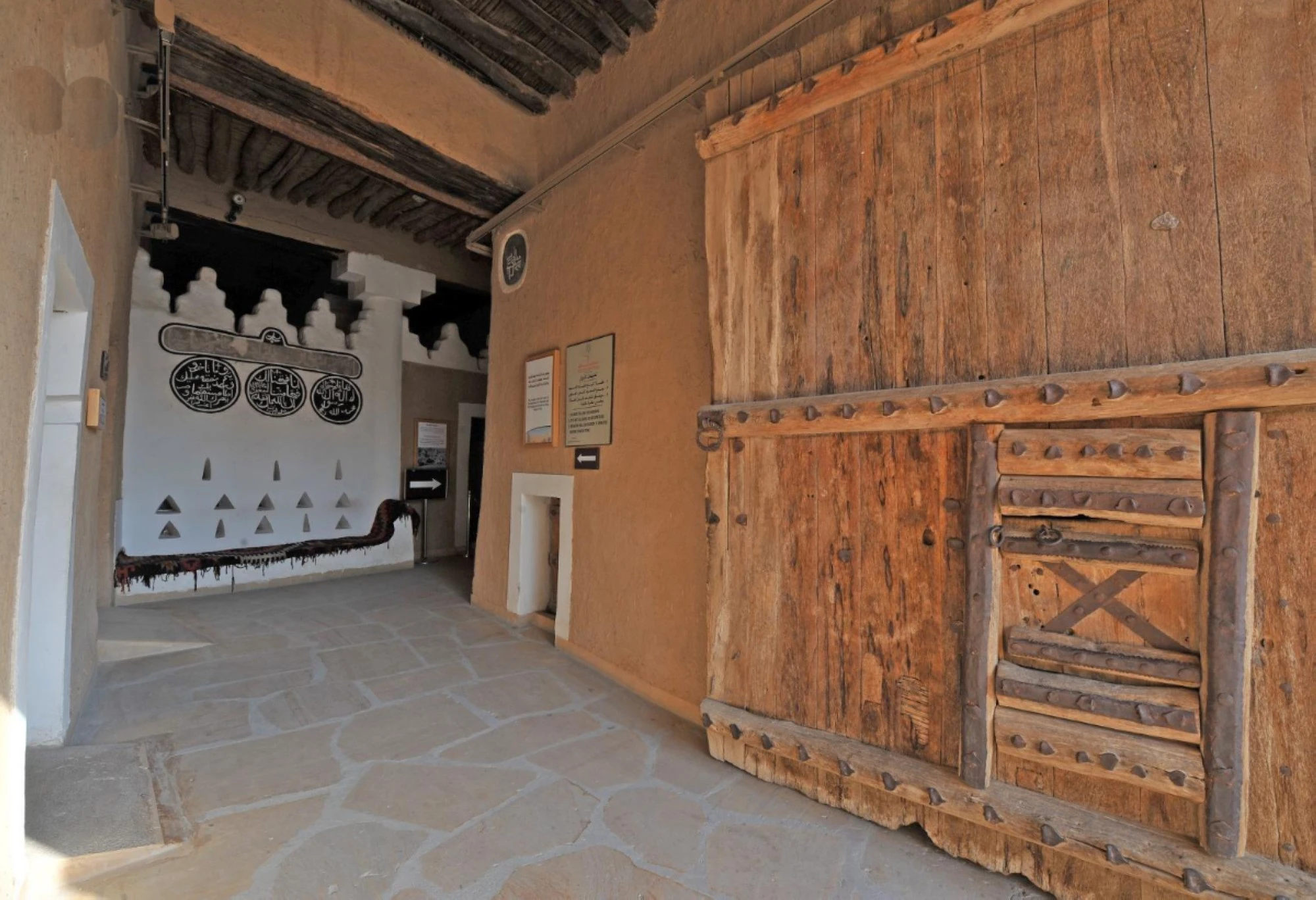
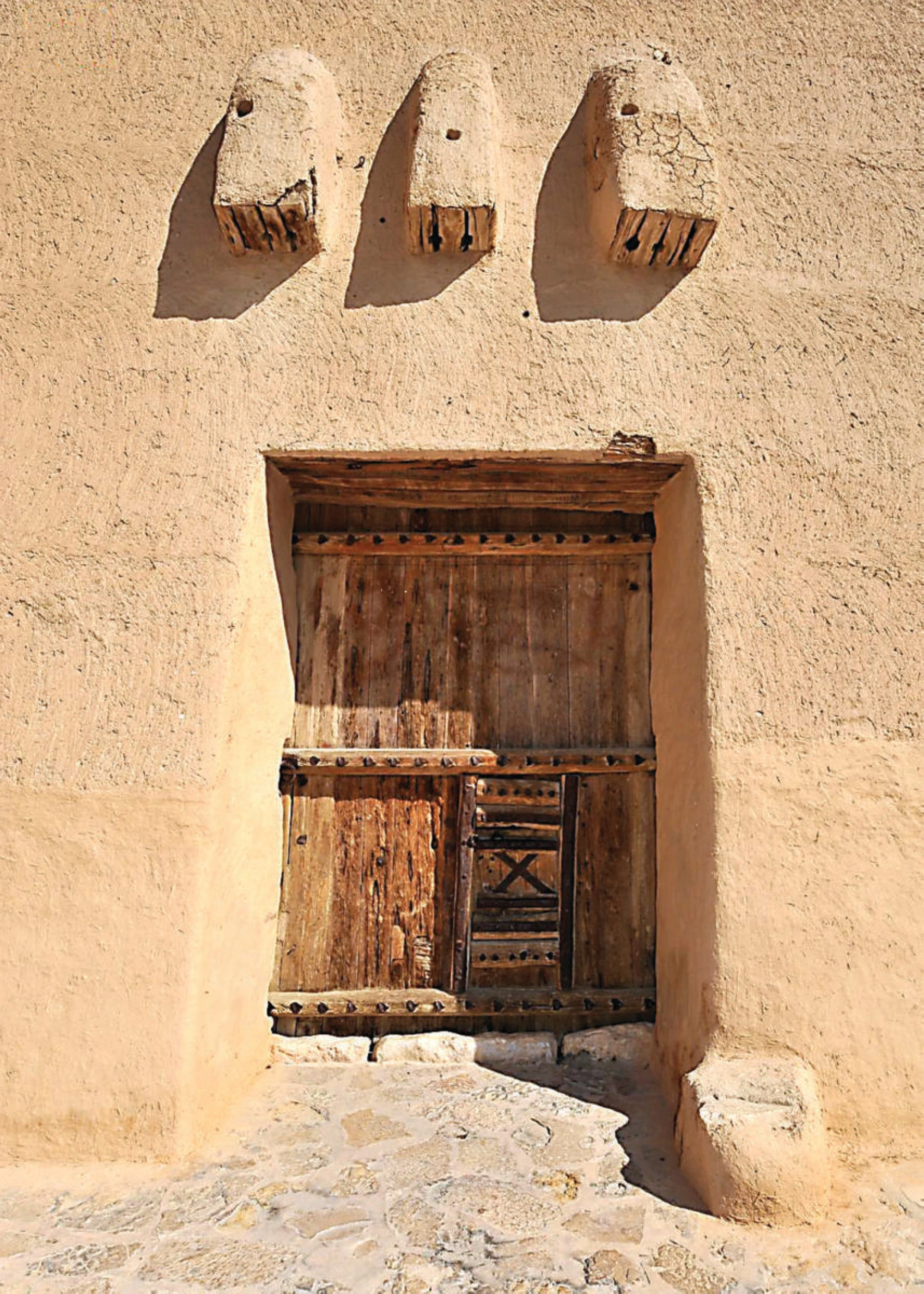
The traditional fortress, a 19th-century clay and mud-brick citadel, serves as a physical record of the unification of Saudi Arabia. Its thick walls and four imposing watchtowers have long stood as a testament to the durability of traditional Najdi architecture. By utilising traditional building techniques alongside contemporary conservation science, the project ensures that the tactile history of the fort — from its heavy palm-wood gates to its intricate decorative carvings— remains the central focus for visitors. The recent restoration efforts have been meticulous, focusing on preserving the integrity of the original materials while integrating the climate control and lighting infrastructure necessary for a modern museum. This transformation came under royal directive, first initiated by His Royal Highness King Salman bin Abdulaziz in 1979 during his time as governor of Riyadh, and brought to life with the museum’s official opening in 1995.
Spread across nearly 4,000 square metres, the newly reopened Al Masmak Museum offers a sophisticated bridge between the foundational events of the Saudi state and the ambitious cultural future of the Kingdom. Originally constructed in 1865 during the reign of Imam Abdullah bin Faisal, the fortress became the location of a pivotal turning point in Saudi unification when, in January 1902, King Abdulaziz Al-Saud famously recaptured Riyadh from within its thick, clay walls. That decisive moment would go on to mark the beginning of modern Saudi Arabia.
Visitors can admire clay and straw walls, tamarisk and palmwood doors, gypsum detailing, and shaded courtyards. With 44 rooms, six courtyards, and even its own mosque and water well, the site feels more like a fortress-palace hybrid than your average historic monument.
The reopening of Al Masmak Palace as an immersive museum strategically aligns with the broader redevelopment of the Kingdom's historic destinations such as Diriyah and Al-Balad locations, positioning Saudi Arabia as a destination that balances luxury with profound historical depth. As part of the ongoing Saudi Vision 2030 cultural initiatives, the museum serves as a landmark for "slow tourism" — encouraging both local and international visitors to engage deeply with the craftsmanship, stories, and sensory details of the Najd region.
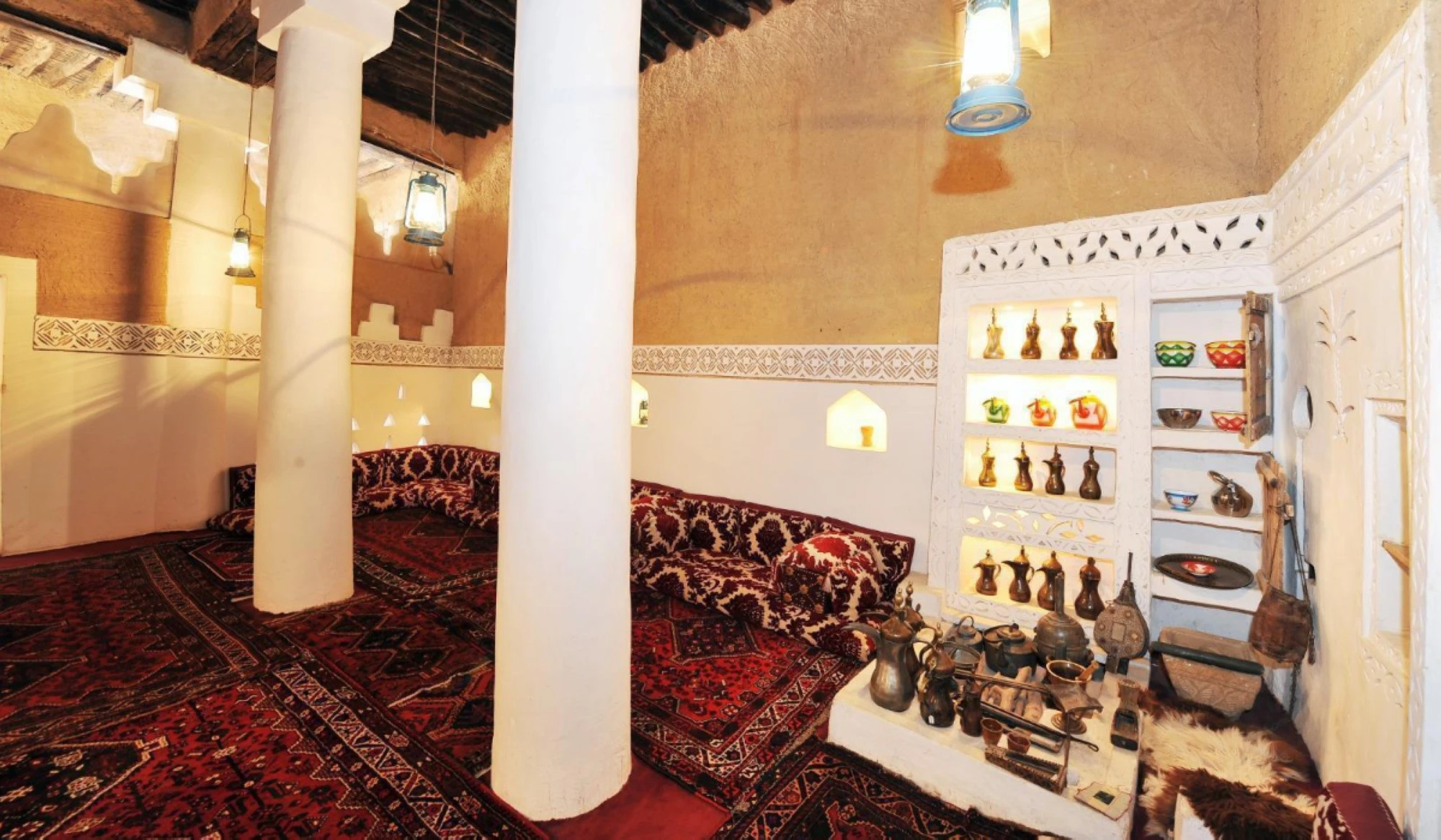
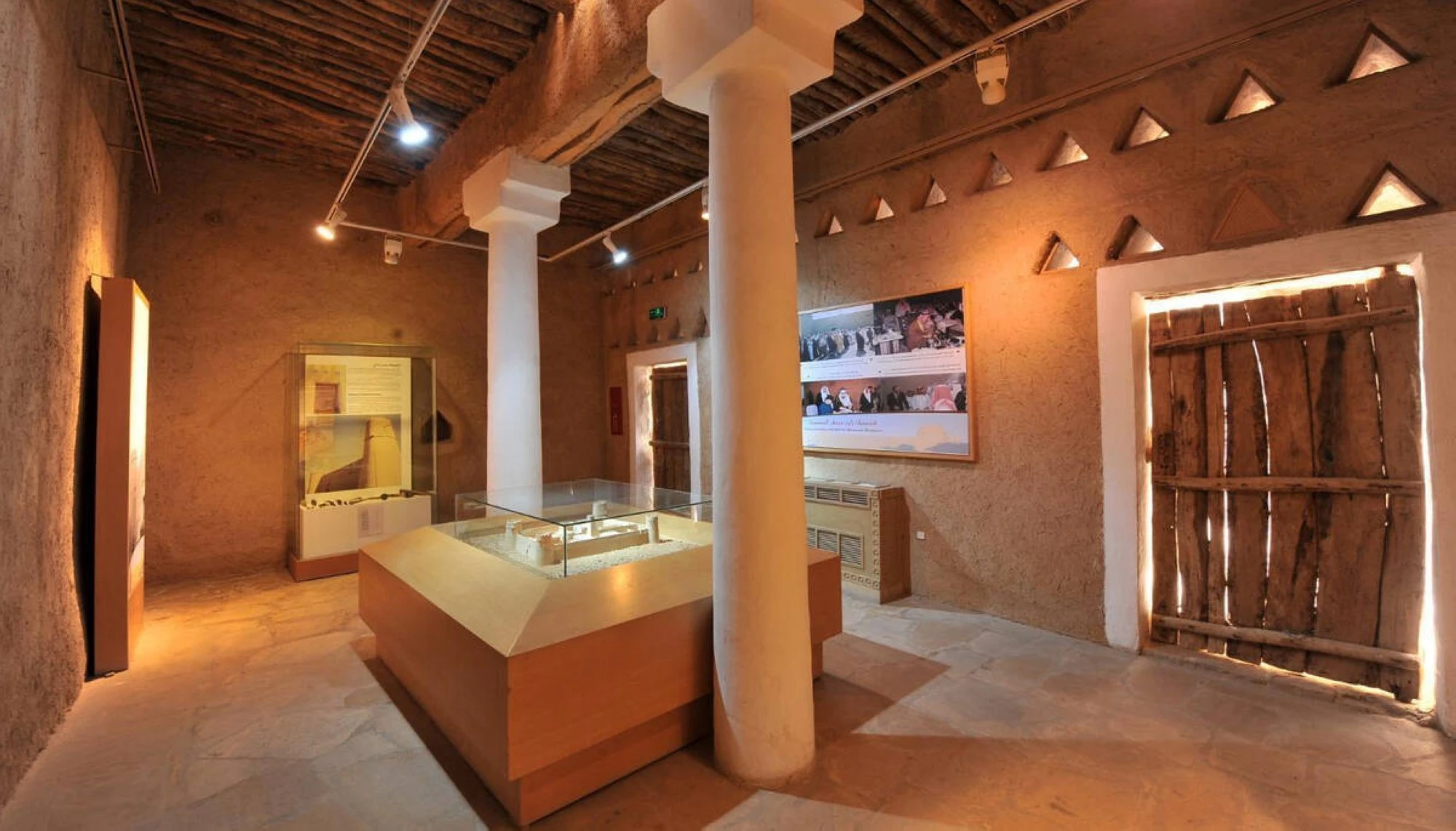
Exhibits are cleverly curated across dedicated halls. At Al-Masmak Conquest Hall, relics from the legendary 1902 battle are on display — old weapons, original maps, and rarely seen photos. Nearby, the audiovisual hall plays a bilingual documentary, while the Pioneers Hall pays tribute to the figures who supported King Abdulaziz’s return. The Historical Riyadh Hall charts the capital’s transformation through archival photography and cartography.
Elsewhere, courtyards showcase antique cannons, rooms filled with models of the fort’s construction, and galleries that highlight how Al Masmak’s role has shifted over the decades, from weapons depot to cultural cornerstone.
Still overseen today by the Museums Commission under the Ministry of Culture, Al Masmak Palace continues to serve as a powerful symbol of unity, resilience and heritage.
This article was originally published in July 2025, and has since been updated
Al Masmak Palace Museum is open daily from 8am - 9pm, and is free to the public to visit
6937 Al Thumairi St, Al Dirah District, Riyadh 12634
@mocsaudi @museums_moc