

Saudi Arabia is a vast country where modern cities jostle with vast deserts, natural wonders, and historic sites for attention.
From the shores of the Arabian Gulf, across Al-Ahsa to Riyadh, and then south-west to the Hejaz and the Red Sea, further south to Najran and the border with Yemen, Saudi Arabia’s cities are as diverse as the peoples that populate them.
That’s true even within the cities themselves. In Jeddah, Ottoman era coral houses exist alongside flashy concrete and glass skyscrapers, ancient tombs alongside the resorts of the Red Sea. In Riyadh, some of the world’s most cutting edge architectural wonders loom just a few kilometres from the restored mud-brick houses that were home to the founders of the Saudi state.
Or Dammam, a city that barely existed four decades ago but a region where people have lived for thousands of years, fishing in the waters of the Gulf and farming dates in the Al-Ahsa Oasis. This is everything you need to know about visiting the cities of Saudi Arabia.
1. Riyadh – the dynamic capital
Riyadh, Saudi Arabia’s capital, is a modern city with pockets of ancient history scattered amongst the urban neighbourhoods. Its towering skyscrapers and sprawling highways stand alongside historical landmarks and cultural sites. As the nation’s political and economic centre, Riyadh is a glimpse both at Saudi Arabia’s past and its future.
Top attractions
Begin your day at the National Museum, which features exhibits on the Kingdom’s ancient history, unification and cultural traditions. Then head to Diriyah, a UNESCO World Heritage Site, where restored mudbrick structures show off traditional Najdi architecture.
For a modern take, stroll the Kingdom Centre’s Sky Bridge for panoramic views. Meanwhile, the ancient Wadi Hanifah, which has supplied water to this city for centuries, has been meticulously restored in recent years to provide walking paths and picnic spots. A fusion of old and new.
Riyadh Season
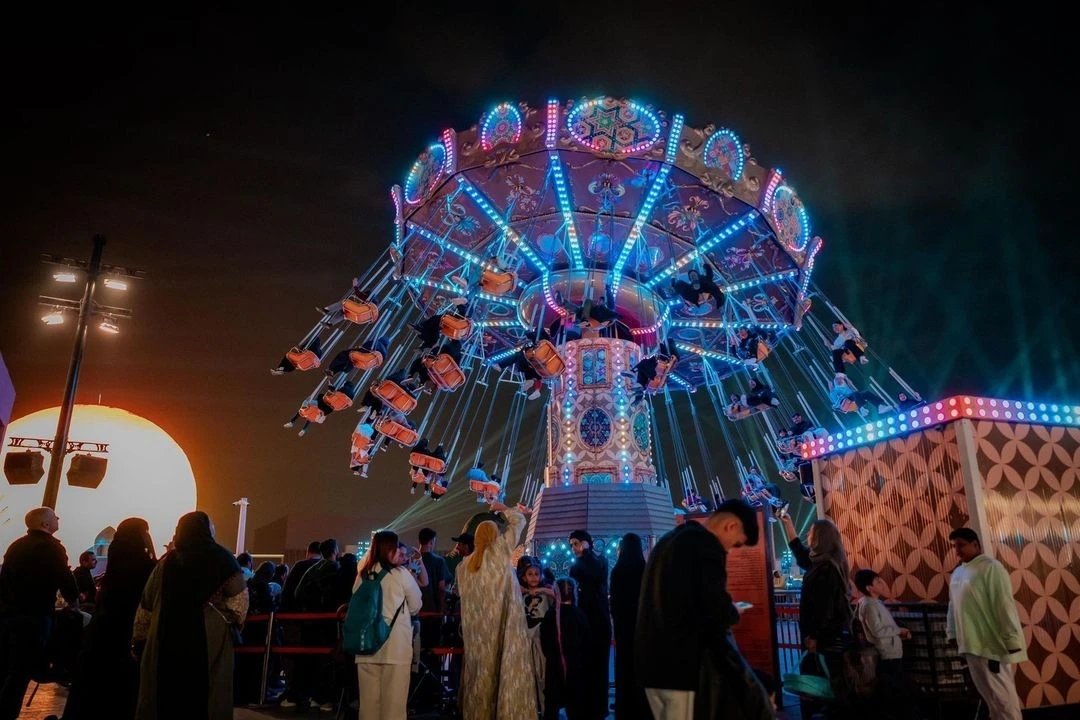
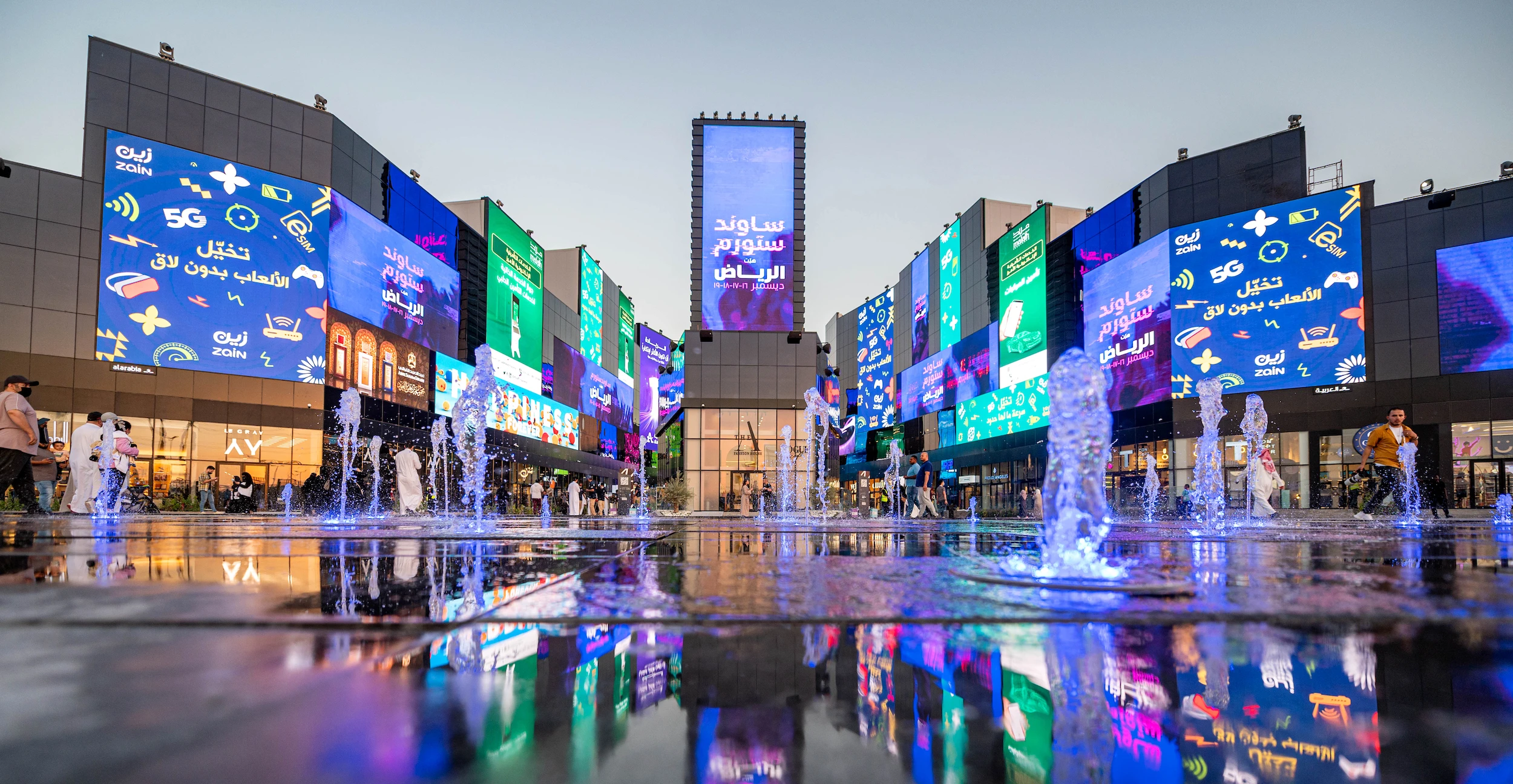
From October to March, Riyadh transforms into an entertainment hub. Expect concerts, theatre shows, art exhibits and culinary experiences, while popular zones like Boulevard City and Winter Wonderland offer family-friendly activities.
Who is Riyadh best for?
Business travellers, families, and those interested in Saudi Arabia’s cultural and historical development.
Insider tip for Riyadh
Winter is the best time to visit Riyadh, with cooler temperatures making outdoor activities – both in the city and further afield – far more comfortable. Plan and book early if you're visiting during Riyadh Season, as popular events often sell out.
2. Jeddah – where the city meets the sea
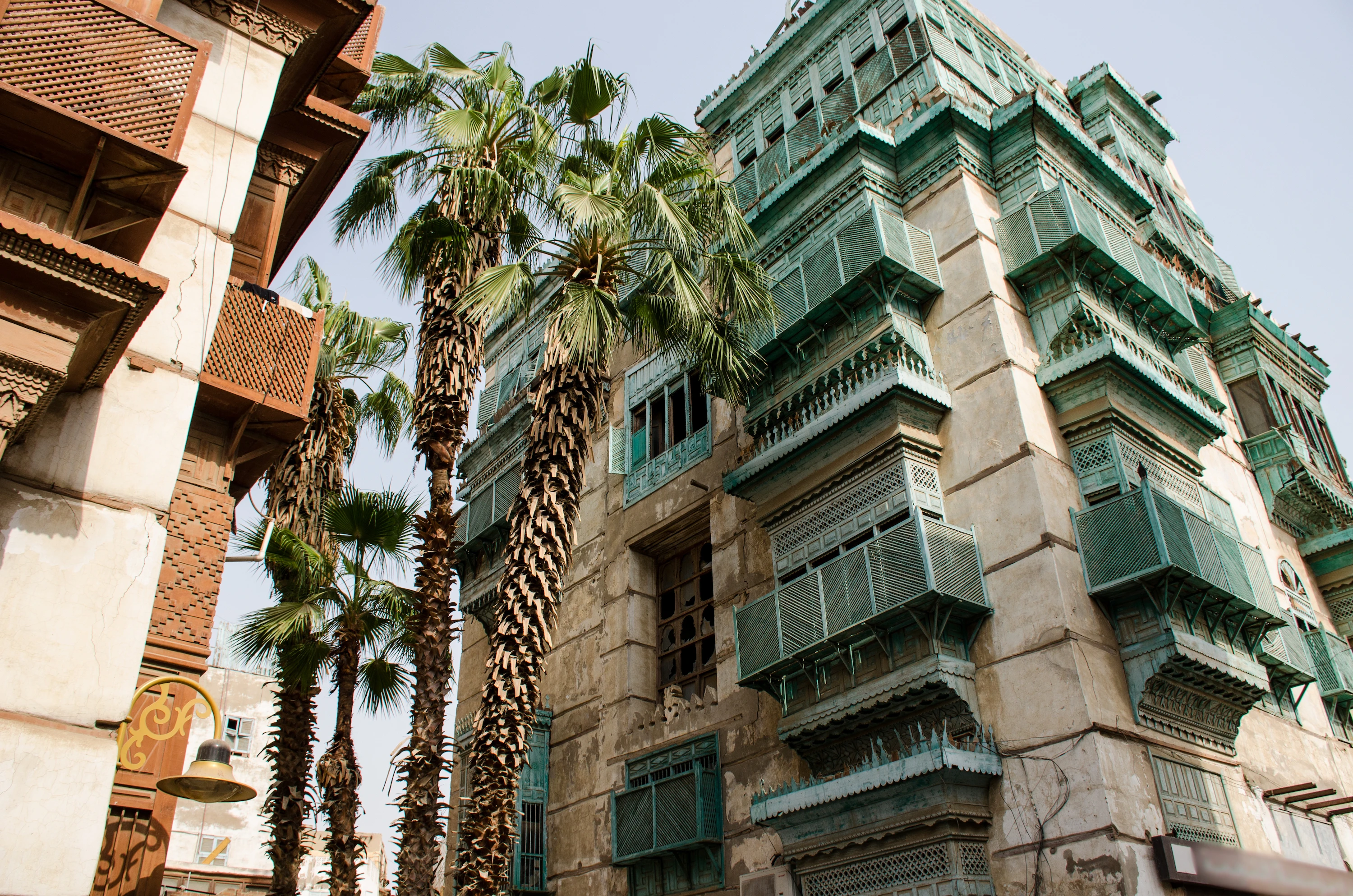
Located on the Red Sea, Jeddah has been a hub for travellers and pilgrims for hundreds of years. Since 2013, its historic heart has been restored to its former glory, allowing it to blend with the modern city and become an incredible destination in its own right.
Top attractions
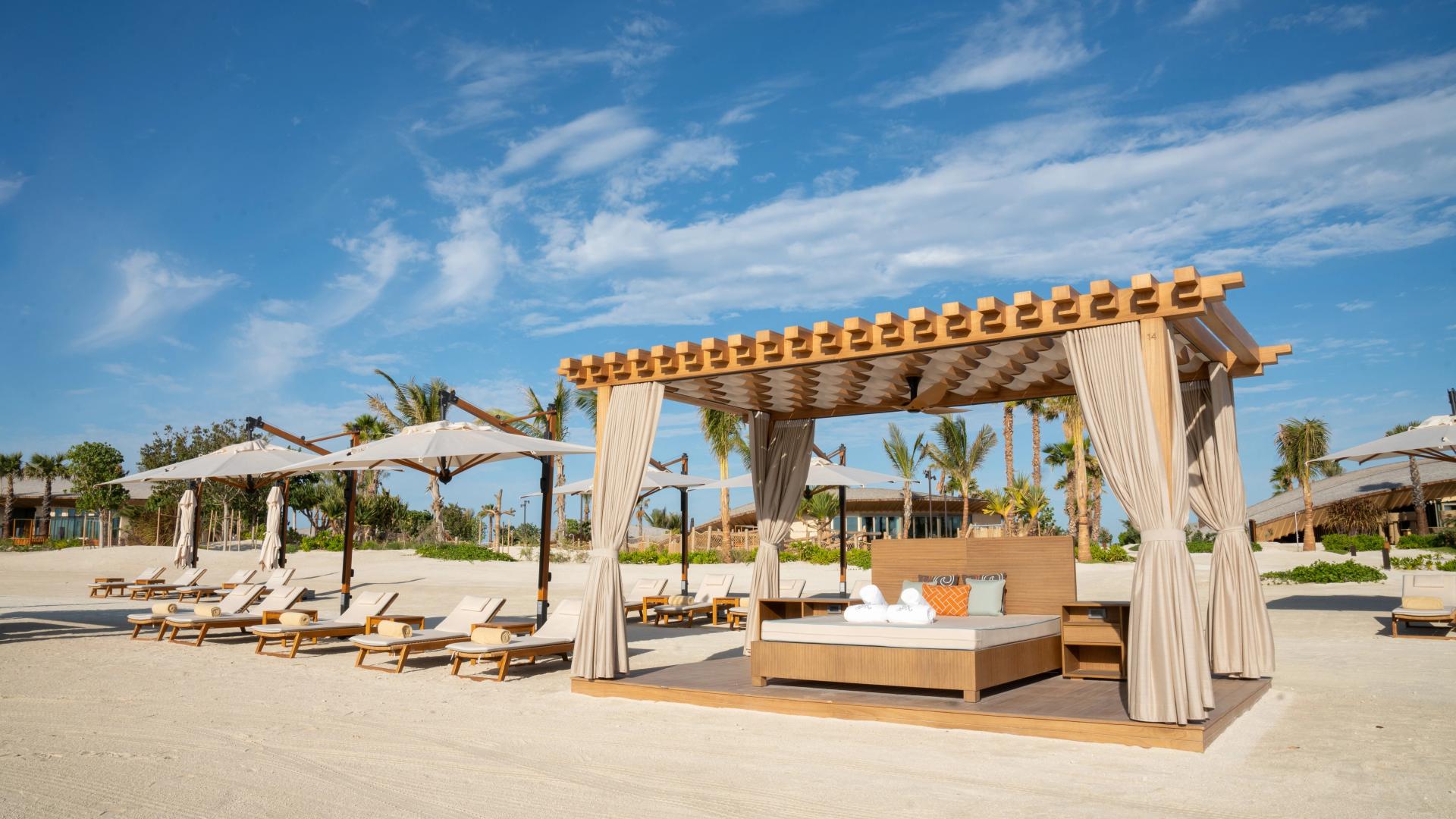
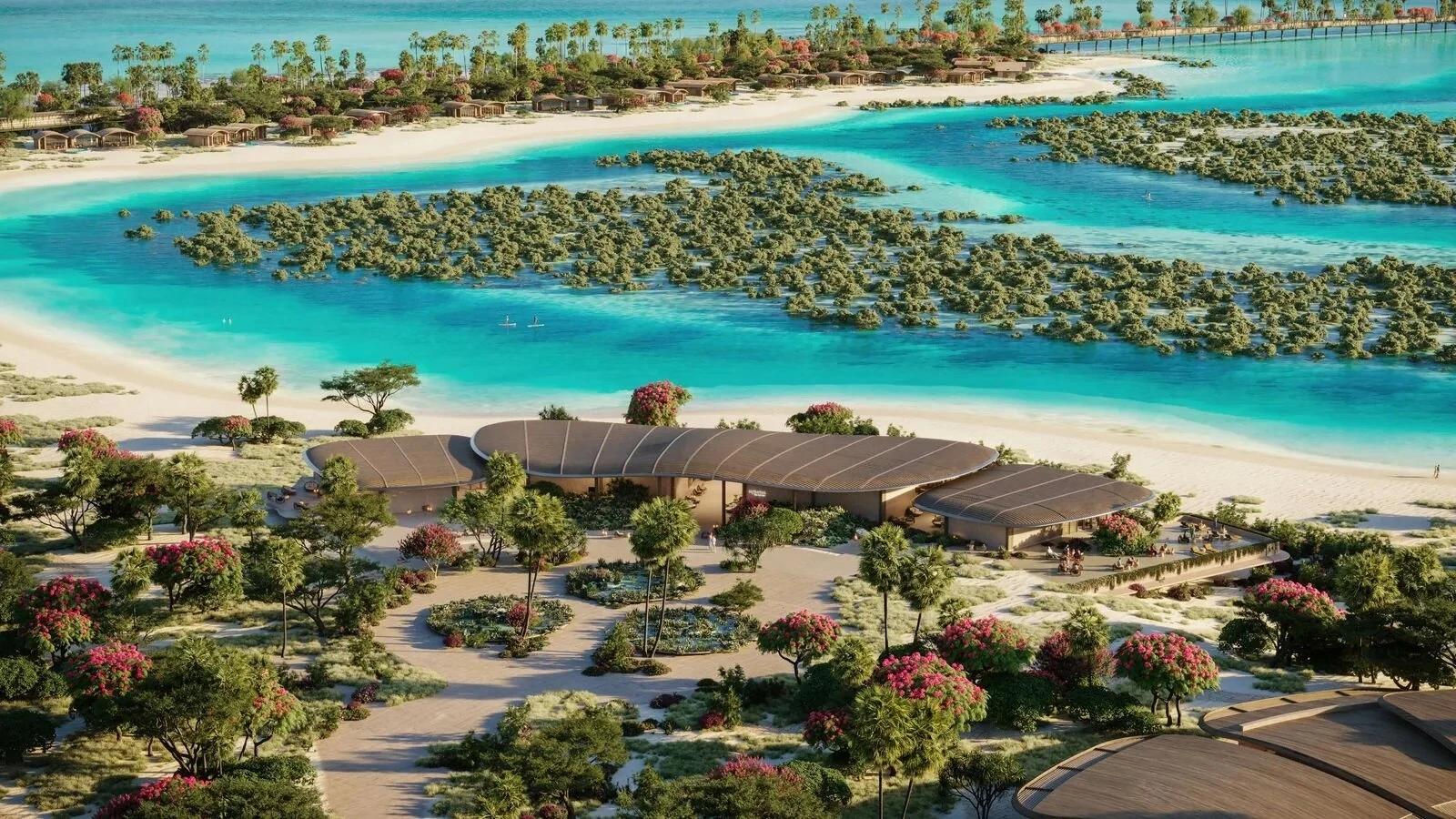
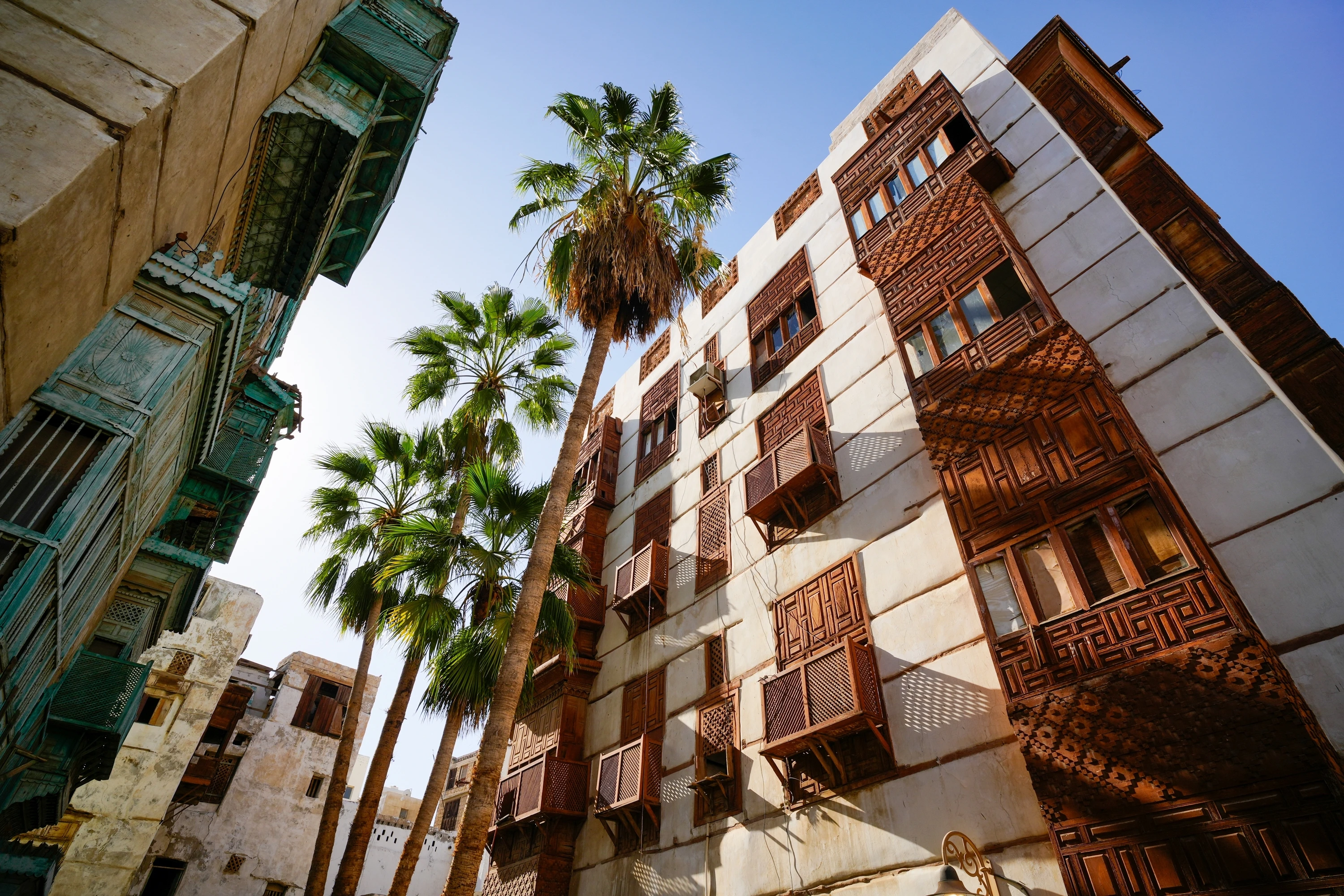
Al Balad, Jeddah’s historic district and a UNESCO World Heritage Site, is defined by picturesque coral stone buildings and winding alleys. Further north, the Jeddah Corniche stretches along the coast, offering public art installations and ocean views. For underwater enthusiasts, the Red Sea is a world-class diving destination.
Cultural highlights
Jeddah’s art scene is thriving, with installations scattered around the city and galleries, such as the Athr Gallery, showcasing contemporary works. Culinary specialities reflect its multicultural heritage – look out for sayadieh, a traditional seafood dish.
Who is Jeddah best for?
History buffs, beachgoers and food lovers.
Insider tip for Jeddah
Jeddah is a sprawling city and not hugely walkable, so unless you want to spend a good deal of your time (and money) in taxis, find a hotel appropriate for your visit. If you’re interested in history, stay in Al Balad. If you’re all about the beach, pick one of the incredible beach resorts.
3. Makkah – a spiritual centre
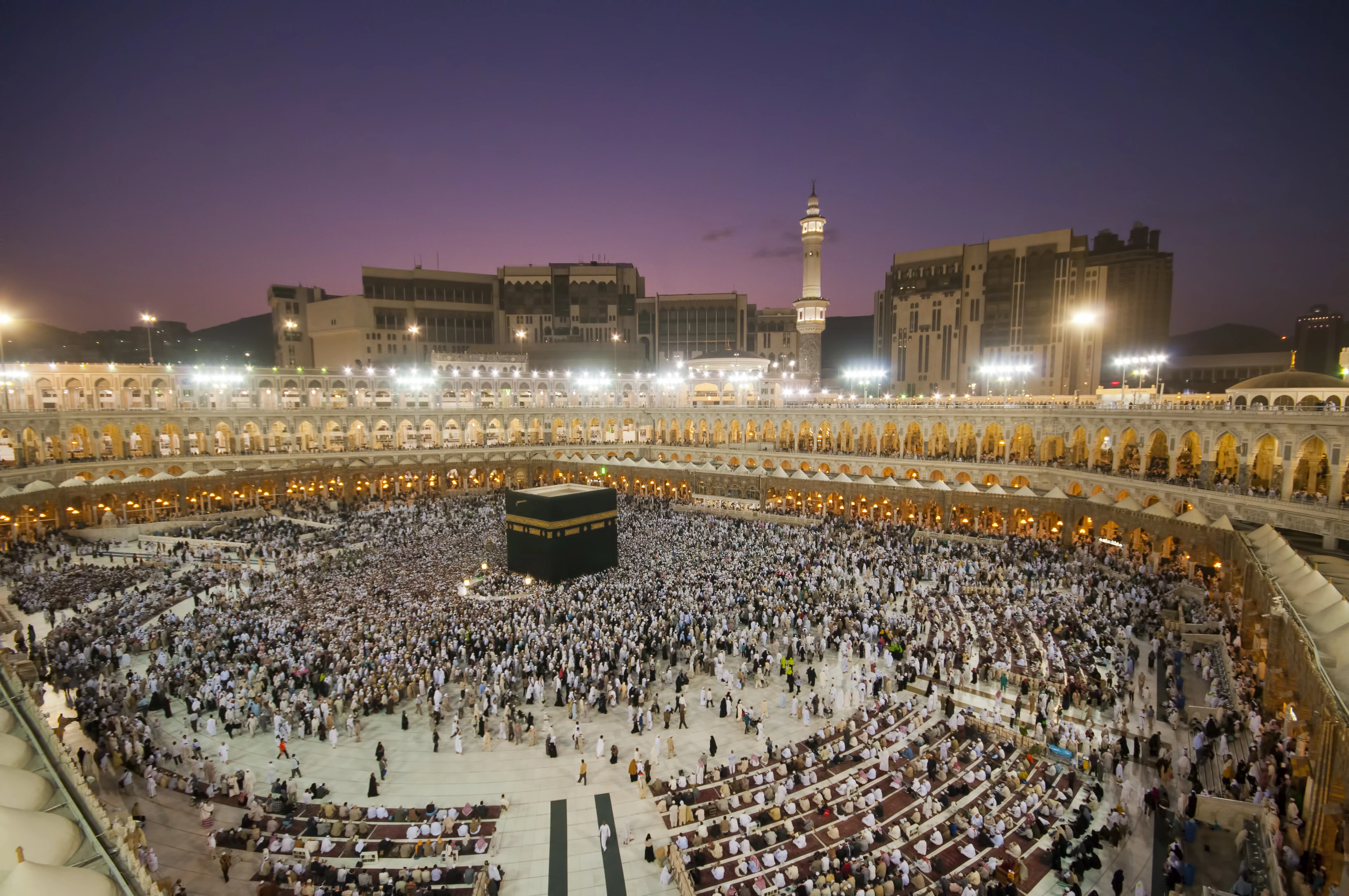
As the birthplace of Islam, Mecca (Makkah) is a city of immense religious significance to Muslims and home to the Kaaba, the holiest site in Islam, believed to have been built by Abraham himself. The city is the destination for millions of pilgrims undertaking Hajj or Umrah each year.
Top attractions
The Masjid Al Haram (Grand Mosque) is the centre of religious activity, with the Kaaba at its heart. The nearby Abraj Al-Bait Towers provides accommodation, shopping and dining options for pilgrims.
Who is Makkah best for?
Muslim pilgrims (non Muslims are not permitted inside the city).
Insider tip for Makkah
Plan well ahead for visits during the peak pilgrimage season to ensure accommodation. Non-Muslims cannot enter Mecca.
4. Madinah – tranquility and heritage
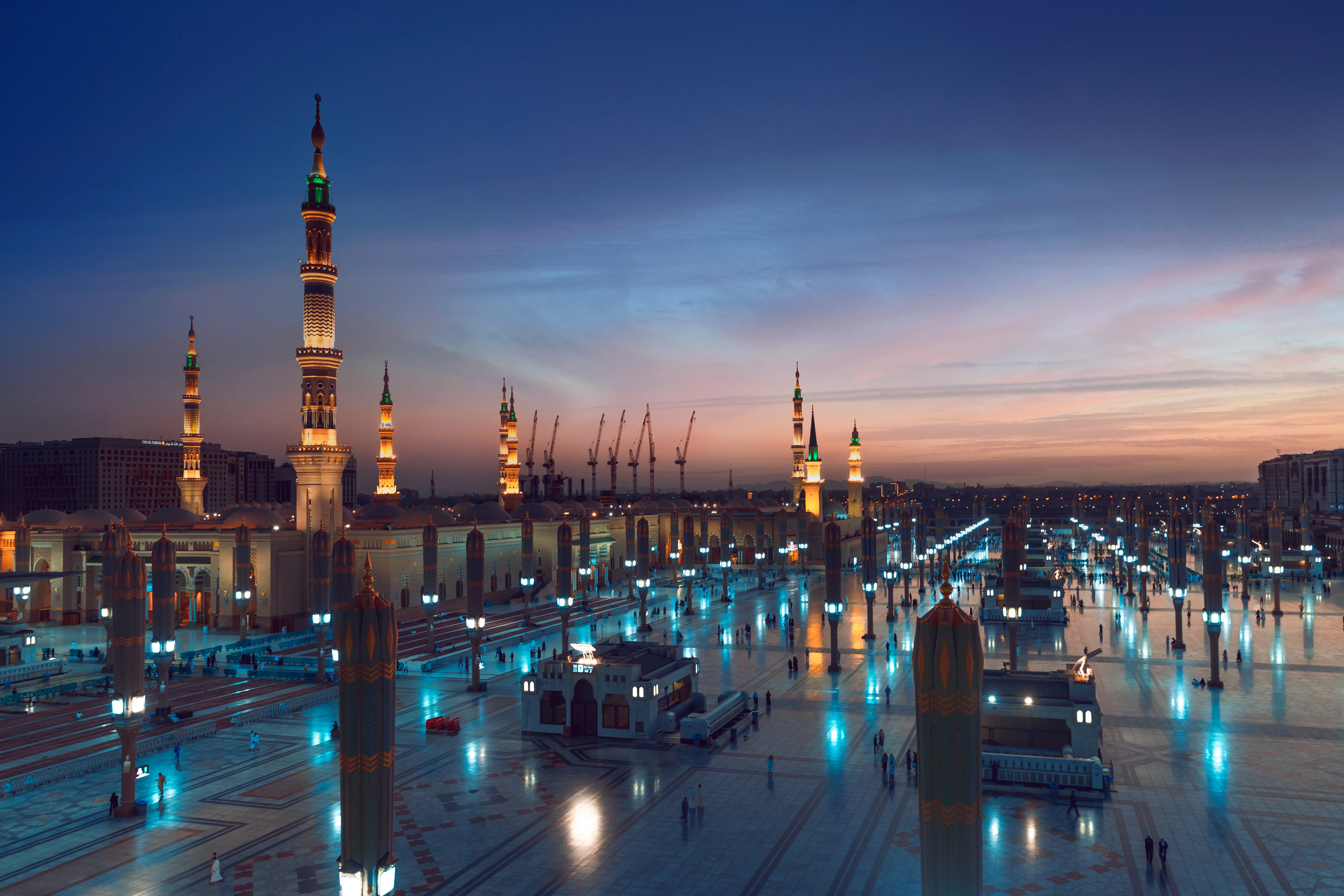
The second holiest city in Islam and home to significant religious sites, Medina (Madinah) is a city deeply connected to Islamic history – it’s where the Prophet Muhammed moved after his expulsion from Makkah in 622 CE.
Although he ultimately returned to Makkah, triumphant, in 629 CE, he returned to Madinah and died in the city in 632 CE. His tomb is below the Masjid an Nabawi, the Prophet’s Mosque, a site of pilgrimage for the Muslim faithful ever since.
Top attractions
The Prophet’s Mosque is Medina’s most iconic site, with its peaceful courtyards and the tomb of the Prophet. Other key landmarks include Quba Mosque, the first mosque, and Mount Uhud, the scene of a key battle in the history of Islam.
Who is Madinah best for?
Families, pilgrims and those interested in the Kingdom’s history and heritage.
Insider tip for Madinah
While the Prophet’s Mosque compound and its sites are reserved for Muslims, sites like Mount Uhud and others can be visited by non-Muslims. The city of Madinah has been open to non-Muslims since 2023.
5. Dammam and Al Khobar – a coastal gateway
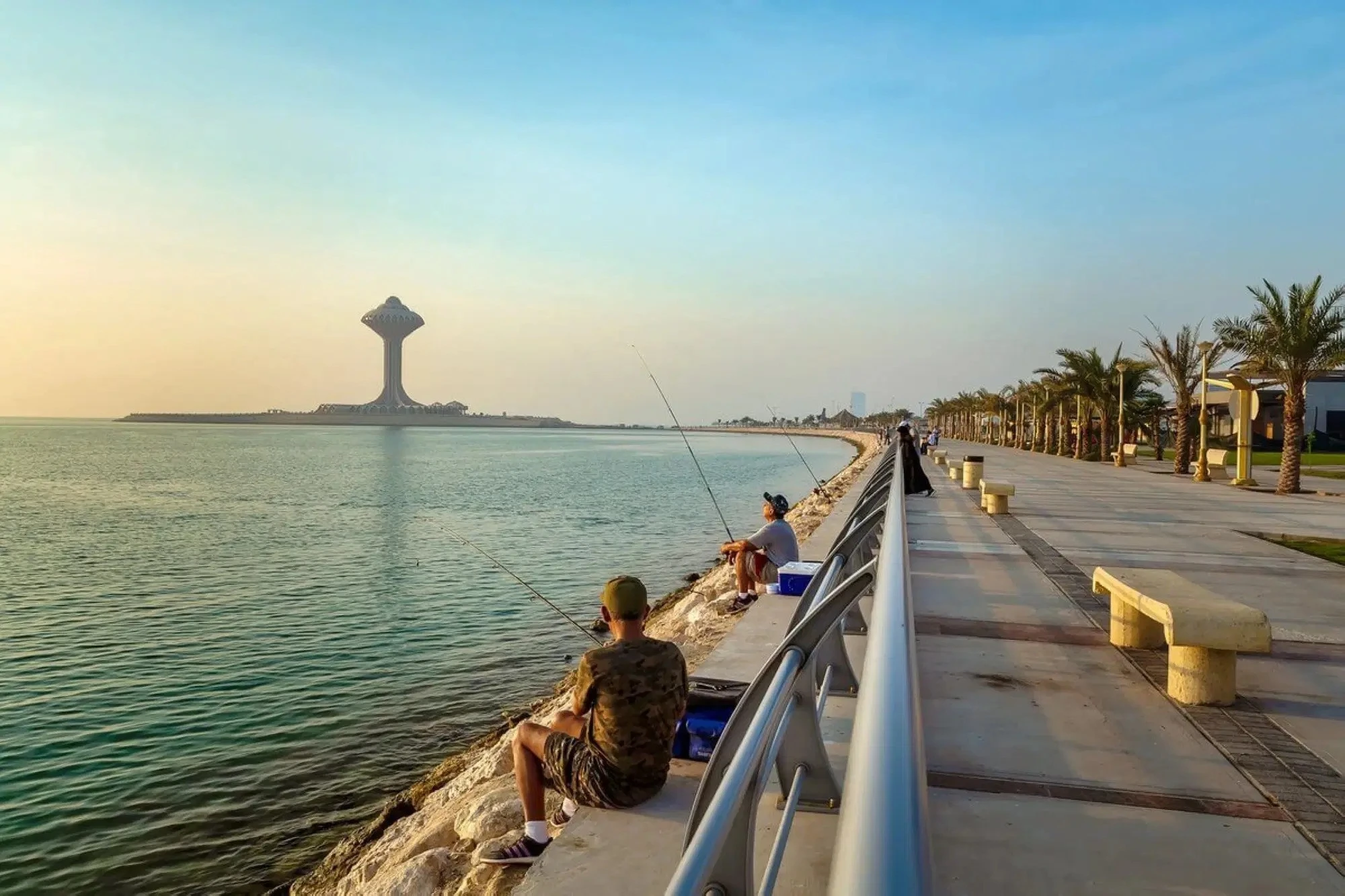
Relatively new cities by Saudi standards, Dammam and Al Khobar were little more than a cluster of pearl-fishing huts before the discovery of oil in the 1930s. Now they are both sprawling metropolises, home to millions of people.
But Al Khobar and Dammam are more than just industrial towns: the cities are the gateway to the Al Ahsa Oasis to the west, and to the Arabian Gulf to the east. Dharan, the third in the triumvirate of the Eastern Province, is also home to the King Abdulaziz Center for World Culture (Ithra), a must-see on any Saudi itinerary.
Top attractions
Half Moon Bay is a popular beach destination known for its calm waters and sandy shores, while the Corniche provides walking paths, parks and sea views. Ithra, in Dhahran, combines art and science exhibitions with epic modern architecture.
Who is Dammam and Al Khobar best for?
Families, couples and visitors seeking a coastal escape.
Insider tip for Dammam and Al Khobar
Summers in the Eastern Province can be extremely hot, so plan indoor activities or evening outings during warmer months.
6. Taif – mountain breezes and natural treasures
Taif, located just outside Jeddah, is a favourite day trip from the coast, known for its cooler climate, rose farms and some of the best (and most expensive) honey in the world.
Top attractions
The cable car at Al-Hada provides sweeping views of the landscape, while Shubra Palace Museum offers a glimpse into local history. In spring, visitors can explore the rose gardens and purchase rosewater products from local distilleries. Taif is also famous for its honey, which can be found at local markets.
Who is Taif best for?
Nature lovers and travellers looking for a quieter destination.
Insider tip for Taif
April is the best time to visit for the rose harvest.
7. Hofuf – history and natural wonders in Al-Ahsa

Hofuf, in the Al-Ahsa region, is a city that combines historical significance with natural beauty. As part of one of the world’s largest oases, it offers unique experiences for visitors.
Top attractions
Check out Al-Qarah Mountain for cool caves and panoramic views, while the Souq Al Qaisariya, the oldest bazaar in the Eastern Province, is an atmospheric place to wander. The Al-Ahsa Oasis, a UNESCO World Heritage Site, is known for its palm groves and intricate irrigation canals.
Who is Hofuf best for?
History buffs and travellers interested in natural heritage.
Insider tip for Hofuf
Visit during winter for mild weather and to enjoy locally grown dates, which are renowned across the region.