


Whether you're planning to explore Dammam’s museums and cultural centres, spend time outdoors by the sea or delve into the local festival scene, choosing the perfect time to visit depends on a few key factors: weather, costs and crowds. From its hot summers to its cooler winter months, every season offers something different.
One important thing to remember when planning your trip is not to be too scared off by the summer heat. Saudis have been coping with infamously high temperatures for millennia – between late-night socialising, indoor attractions and plenty of air-conditioning, the whole country, including Dammam, is well-equipped to handle the weather. Fall in line with local customs, and you’ll find great experiences year-round.
This is everything you need to know about choosing the best time to visit Dammam.
October to March is the best time for outdoor adventures
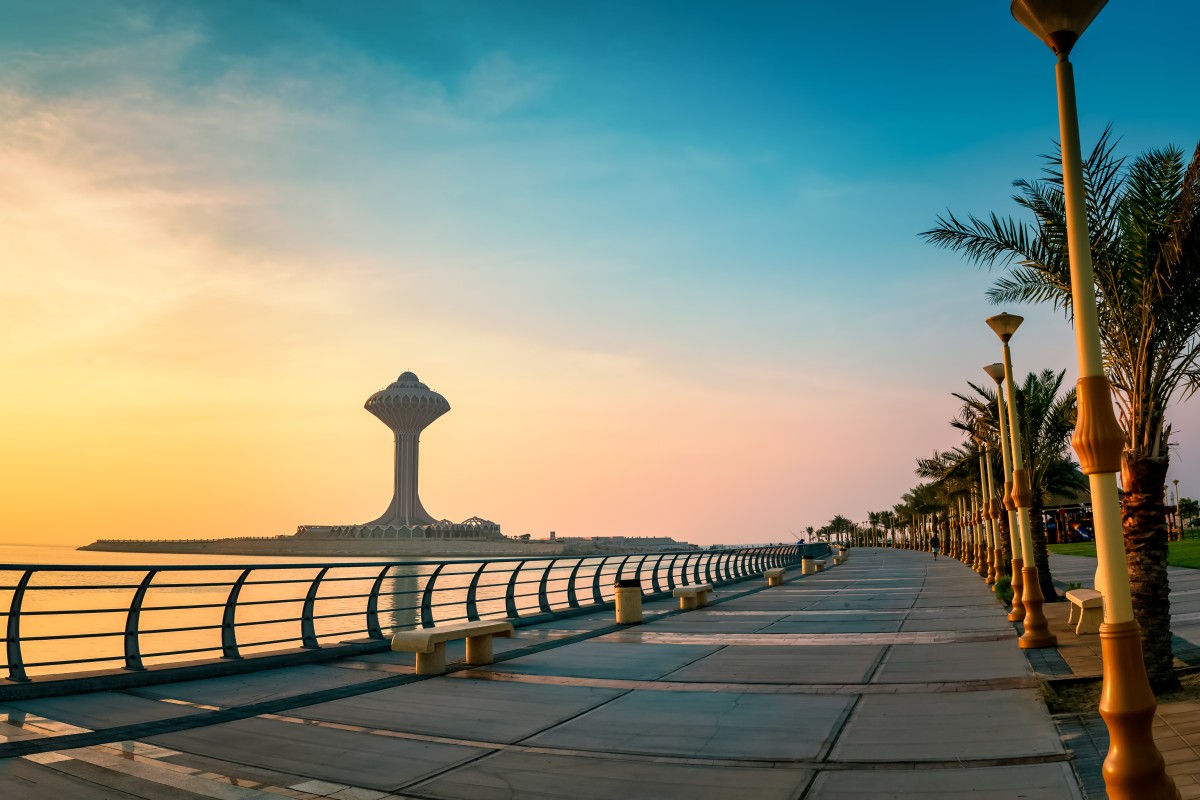
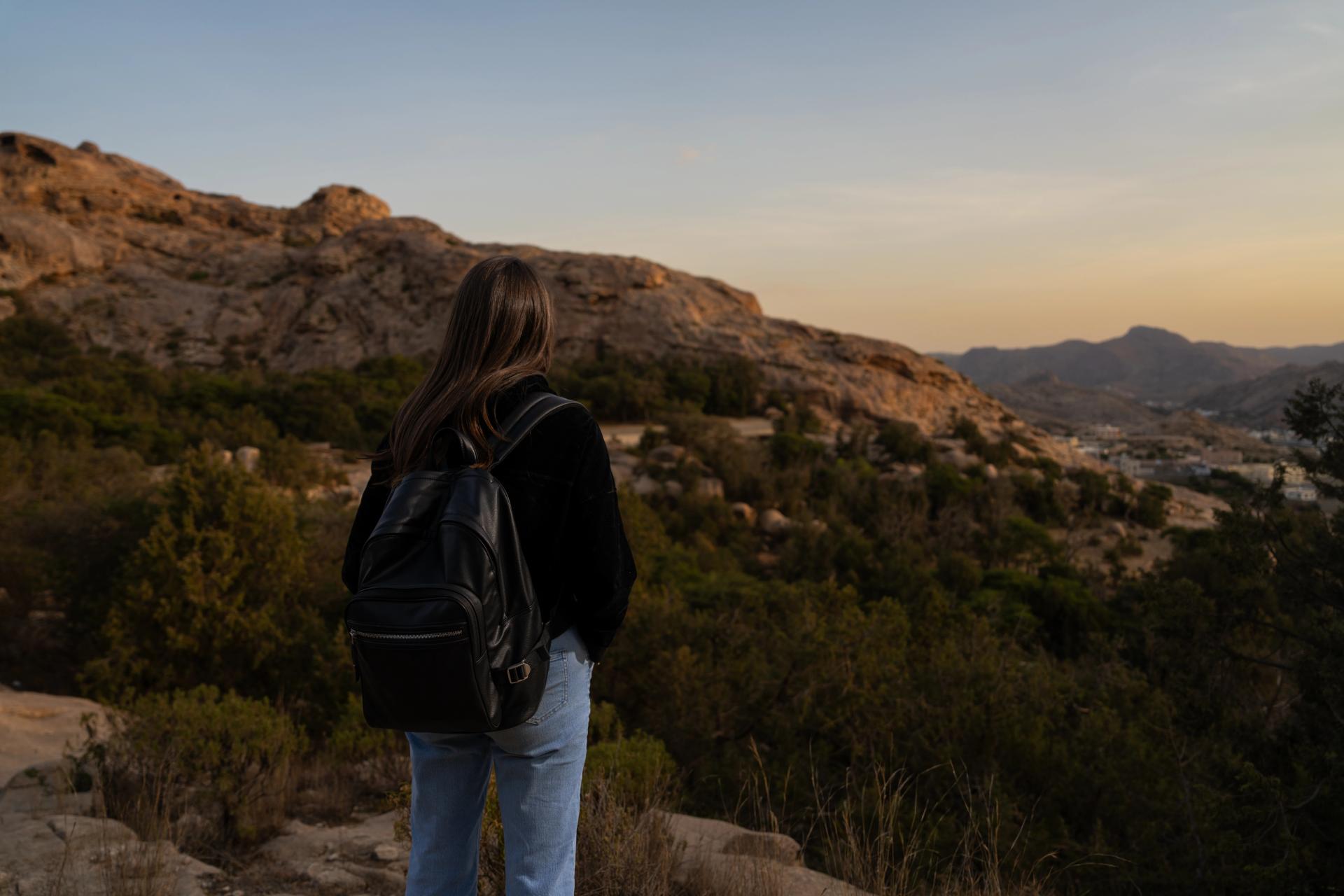
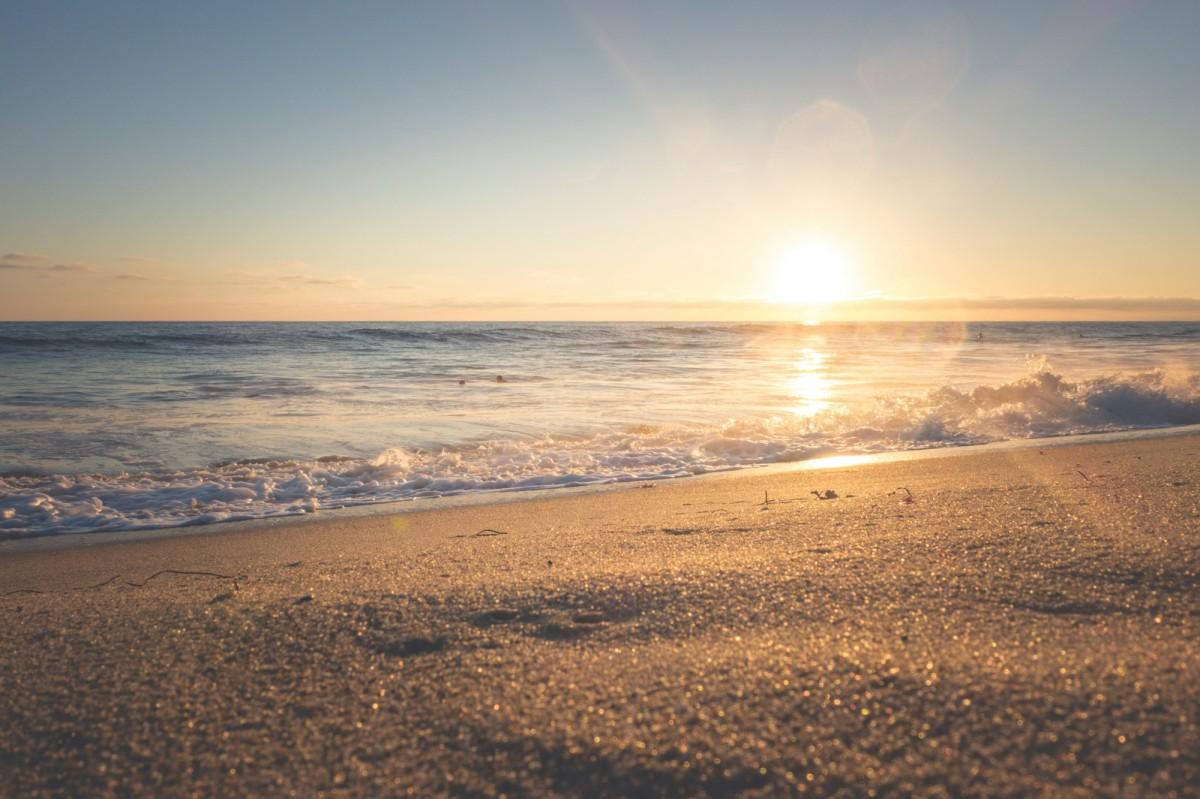
Some of Damman’s biggest draws are its outdoor activities – trips to Marjan Island, afternoons in the tranquil King Fahd Park or blissful days on the beach. To really make the most of these, it’s best to time your visit between November and March when temperatures are mild, ranging from 15°C to 25°C.
Unsurprisingly, this period is also peak travel season, so expect higher hotel prices and limited availability when booking around this time. Saudi’s national public holiday, Founding Day, falls on February 22, and while the city’s public places will be packed then, it’s also a really fun time to be in Dammam – expect fireworks, light shows, music events and other celebrations.
Ramadan is the best time for a unique cultural experience
For non-practising visitors, being in Dammam during Ramadan comes with a long list of pros and cons. Most businesses and restaurants close during daylight hours, and you won’t be able to eat or drink in public. Many tourist attractions will be closed or very quiet.
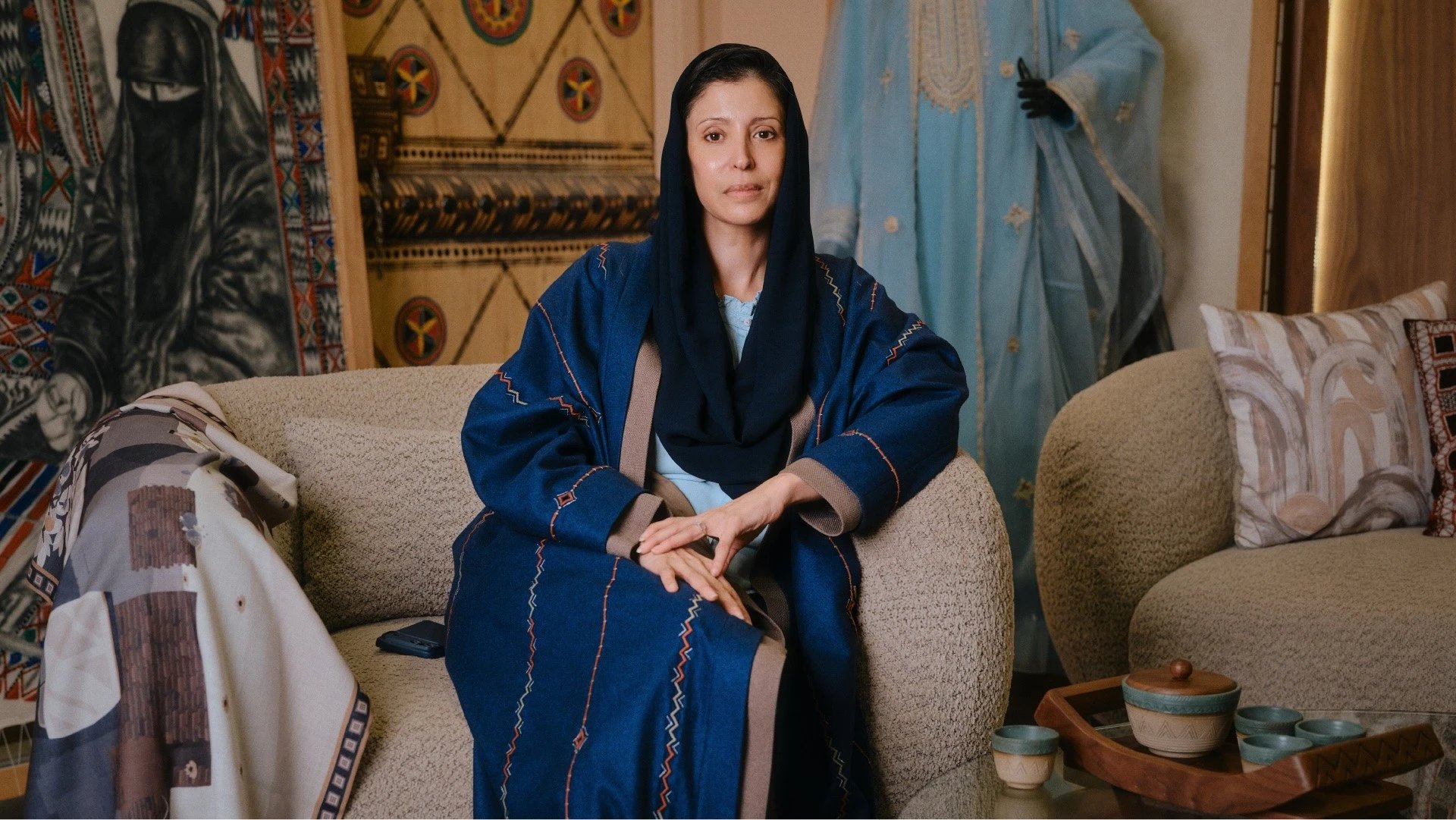
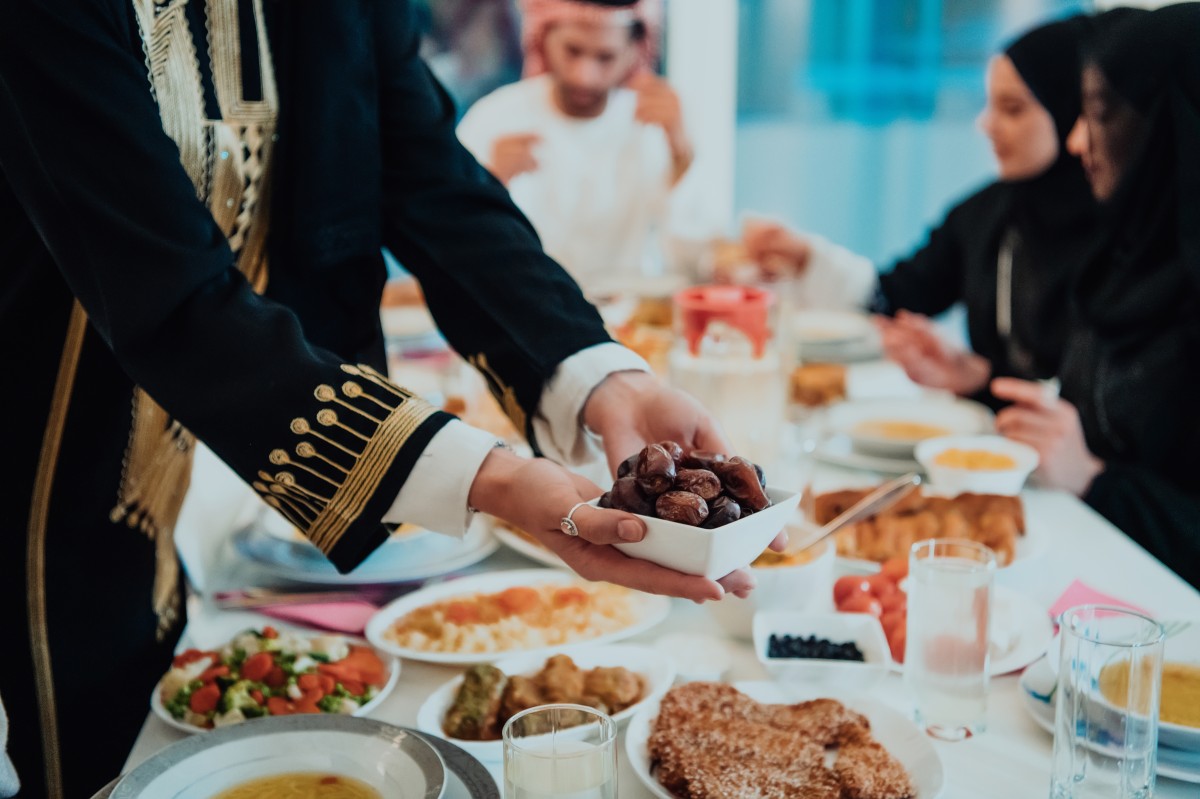
After dark is a different story though, as the city comes alive with fast-breaking Iftar and late-night Suhoor meals, plus there are often get-togethers, special markets and events that run into the small hours. If you’re willing and able to adjust your own schedule accordingly, Ramadan can be a very culturally rewarding time to visit, and a chance to take part in the region’s religious traditions.
In 2027, the holy month of Ramadan will fall between February 7th and March 9th, followed by Eid Al-Fitr, meaning the weather will be glorious – a bonus reason to visit at a time that offers a whole new perspective on the region.
March to June are the best months for festival fun
As the weather starts to warm up, March to June are perfect months for experiencing Dammam’s festivals and events. Temperatures hover between 25°C and 35°C, and while it's hotter than the winter months, it's still manageable for outdoor activities, especially in the mornings and evenings.
If you’re visiting during this time, mark Sharqiyah Season in your diary – a two-week cultural festival in March that includes light shows, concerts, sports tournaments and more across the Eastern Province, including Dammam, Dhahran and Al Khobar.
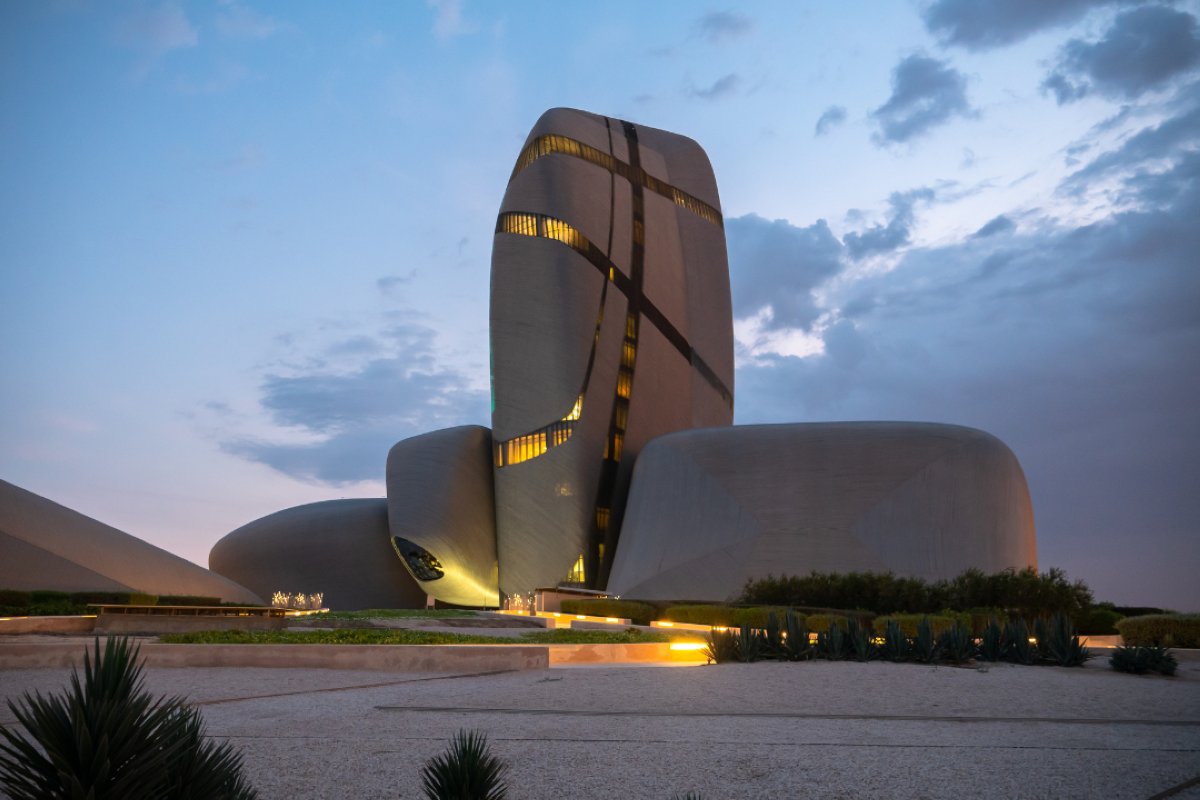
Other special events during this time include the glamorous Saudi Film Festival, which is held annually at Ithra and is widely celebrated across Dammam. Keep your ear to the ground for smaller local food, crafts, and music festivals, which are often hosted at this time of year too.
While scuba diving is possible all year round in the Arabian Gulf, it’s worth noting that enthusiasts consider these months the most comfortable for excursions.
June to September is best for travellers on a budget
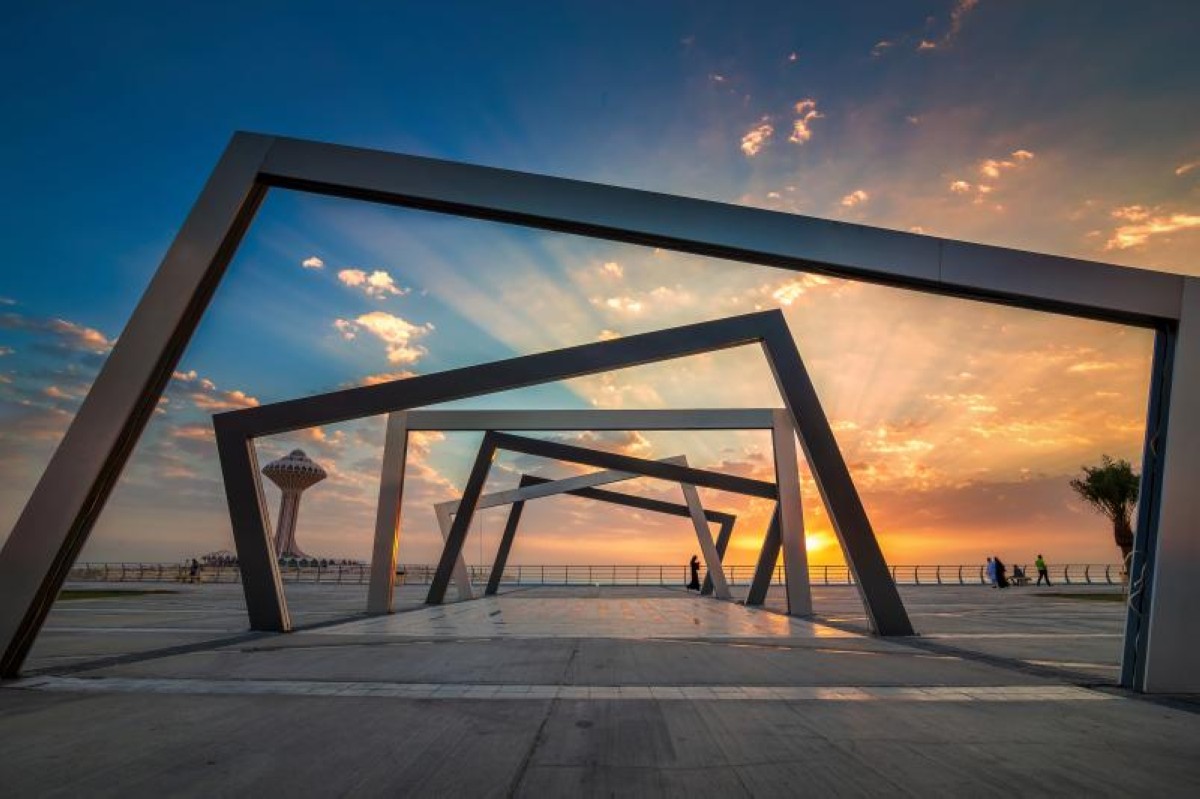
Dammam has a true desert climate, and these months are when the heat really kicks in. Expect temperatures to regularly hit 40°C and above, with humidity. So is it crazy to consider travelling during this period? Actually, no.
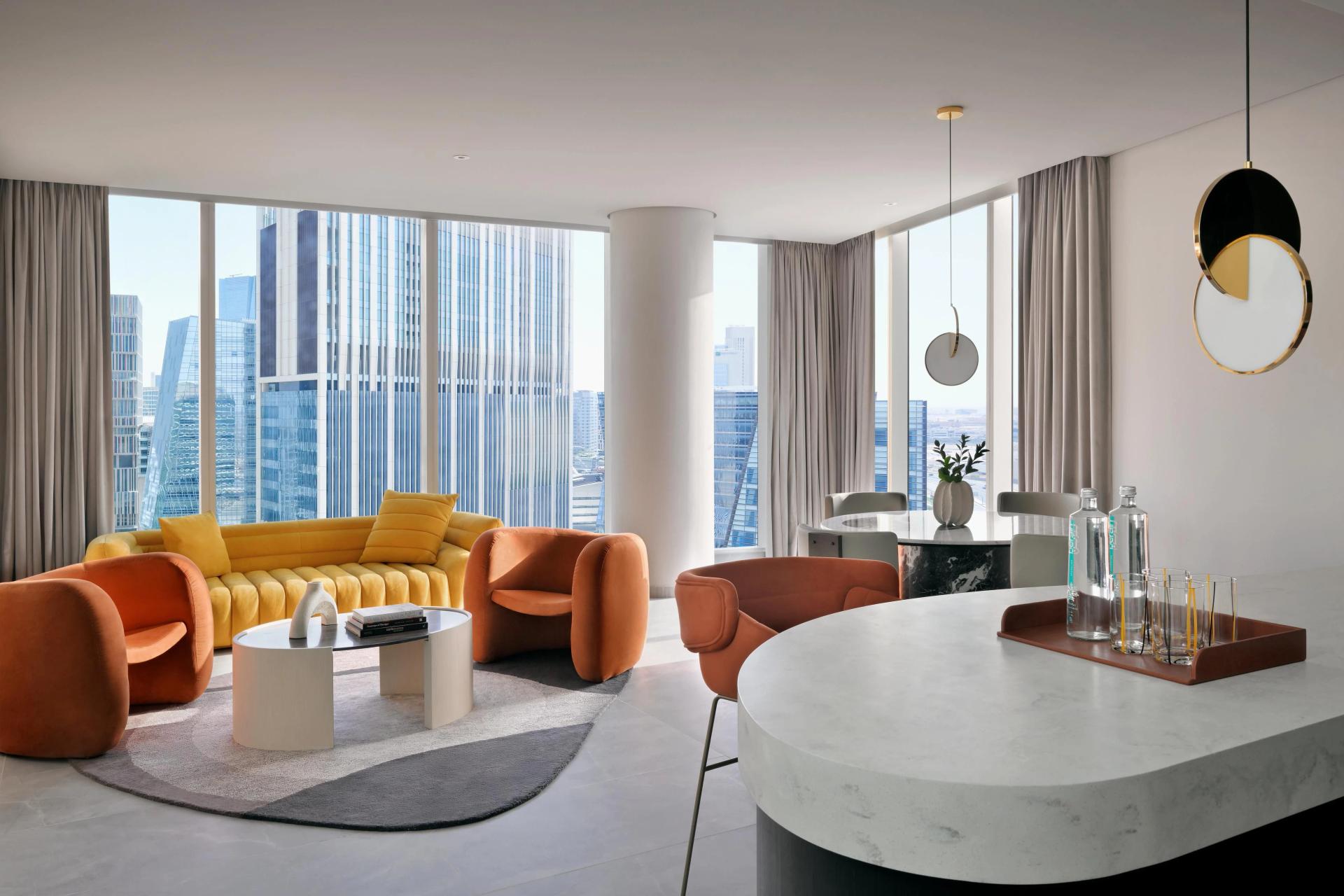
While you may have to skip some of the outdoor attractions during the day, there are plenty of trade-offs to make it worthwhile. Hotels and flights are much cheaper, the city is less crowded, giving you plenty of space to explore at your own pace, and there’s a wealth of things to do inside comfortable, air-conditioned buildings. After all, residents live here year-round, and life doesn’t stop when the mercury rises – so malls, museums, cultural centres and restaurants are all open for business (and you probably won’t need to book in advance).
All the above applies in July and August too, but be warned these are the hottest months, with temperatures as high as 45-50°C, meaning it’s best to avoid being outside altogether during the day. Even the evenings don’t give much respite, staying warm and sticky well after the sun goes down. If there’s a time to avoid visiting Dammam, this is probably it, as you’ll be limited in making the most of the city’s full diversity of experiences.