Though they’re known outside Saudi Arabia as bustling commercial hubs, Dammam, Dhahran and Al Khobar are home to a surprisingly diverse range of museums that not only offer insight into Saudi life, but also highlight the Eastern Province’s role in the country's broader narrative.
The three sites are within a few hours' drive of each other, and some travellers even do the region’s ‘Big Three’ – Dhahran’s Ithra, Dammam’s Heritage Village, and Al Khobar’s Taybeen Museum – in a single day, but it is far better, if you can, to take your time.
Arabian history buffs will love perusing the weapons and antiquities at the Heritage Village, while Al Khobar’s Scitech Center is a great option for young families. Start planning your trip today with our guide to Dammam's best museums.
1. The Heritage Village
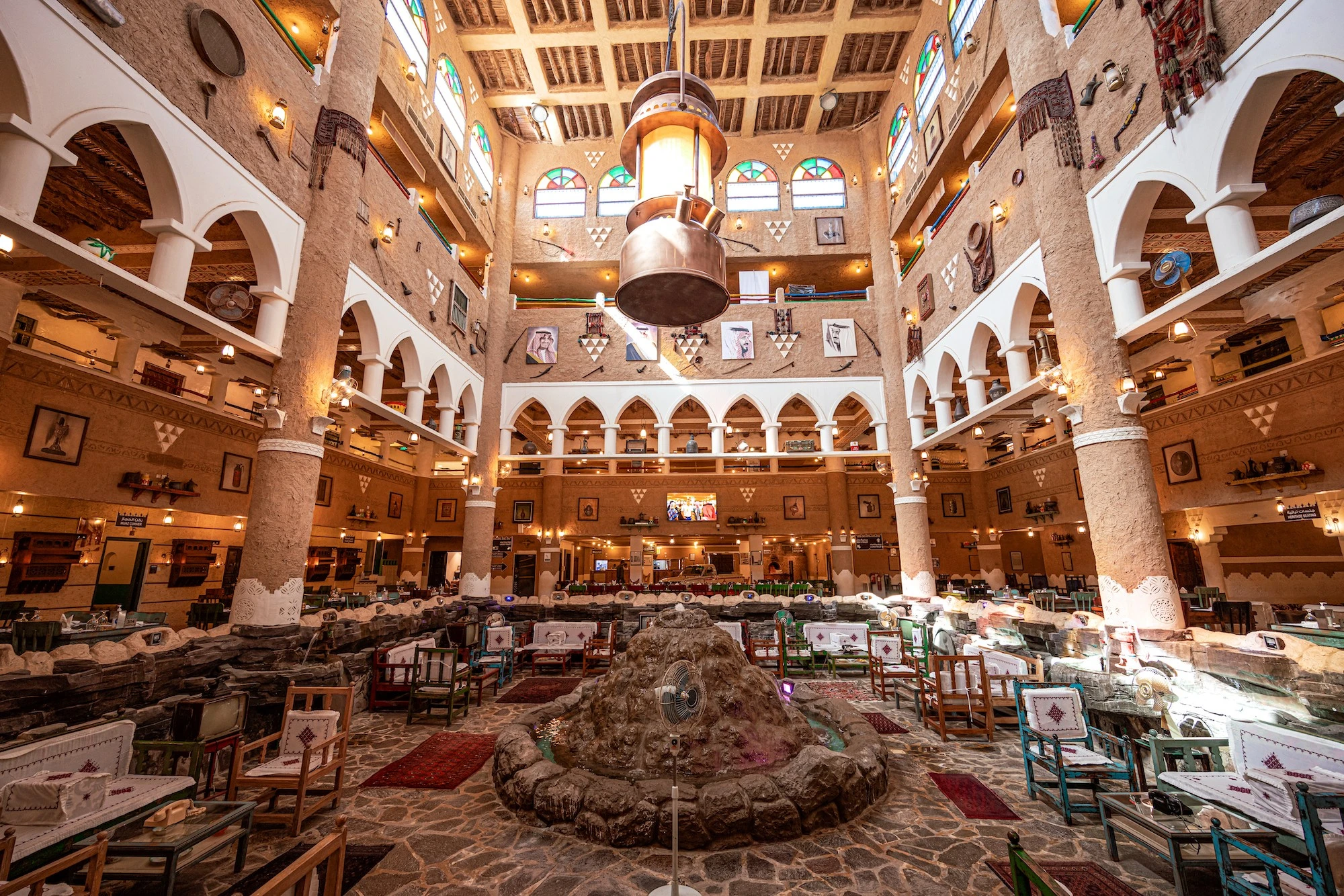
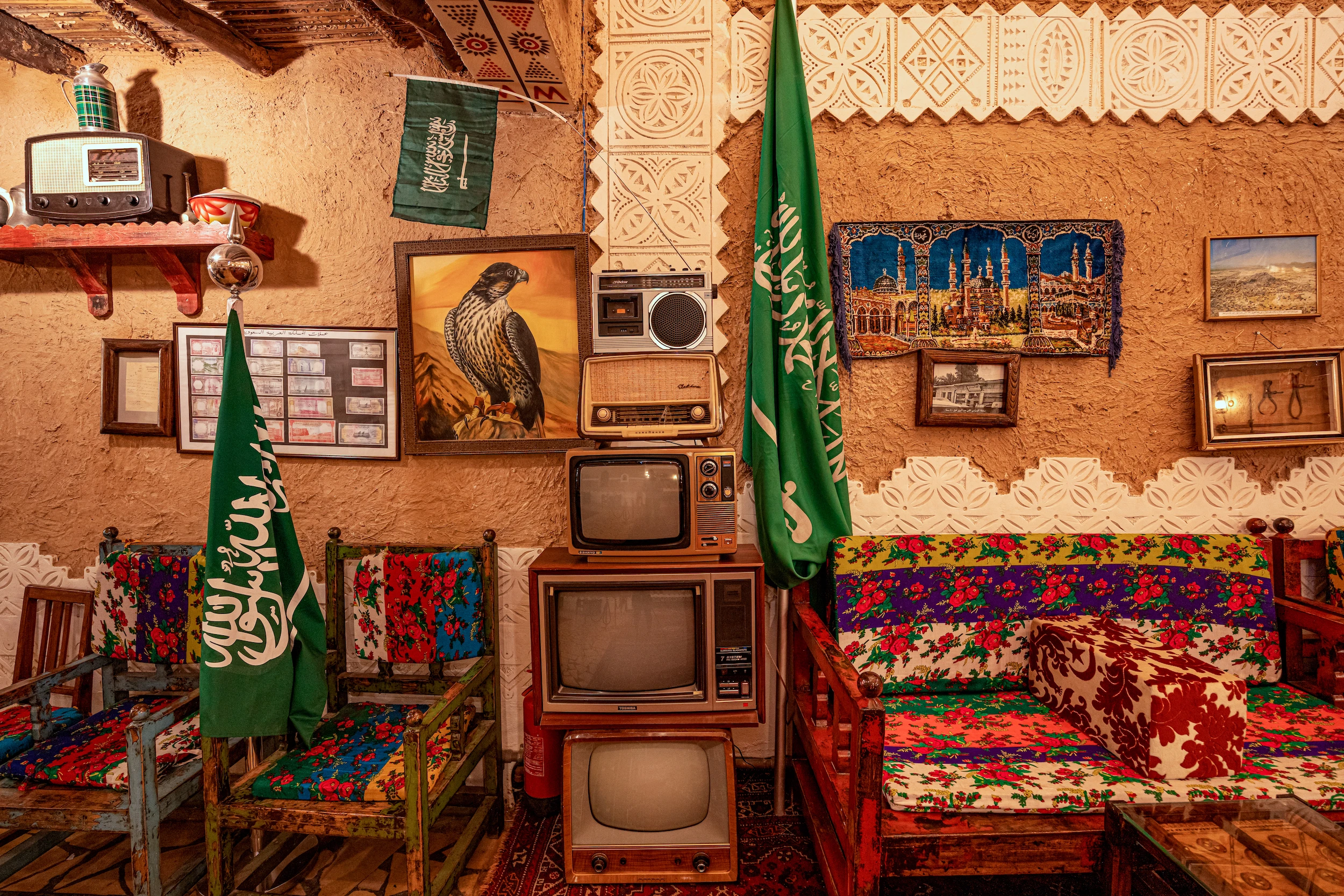
Near the scenic Al Khobar Corniche, the Heritage Village is a five-floored smorgasbord of Saudi history. Built out of mud and clay, the building is centred around a grand foyer that connects to the rest of the building through a network of corridors and anterooms.
It is home to artefacts from throughout the Eastern Province and a decent restaurant, which offers dishes from Saudi Arabia and the wider Arab regions. The village is also home to a market, where you can buy local trinkets, souvenirs and traditional clothes. Among the more unusual exhibits on display at the Heritage Village are some of King Salman’s cars, including everything from off-roaders to motorbikes.
The entry fee is SAR 30 for adults and SAR 15 for children.
2. Scitech Technology Center
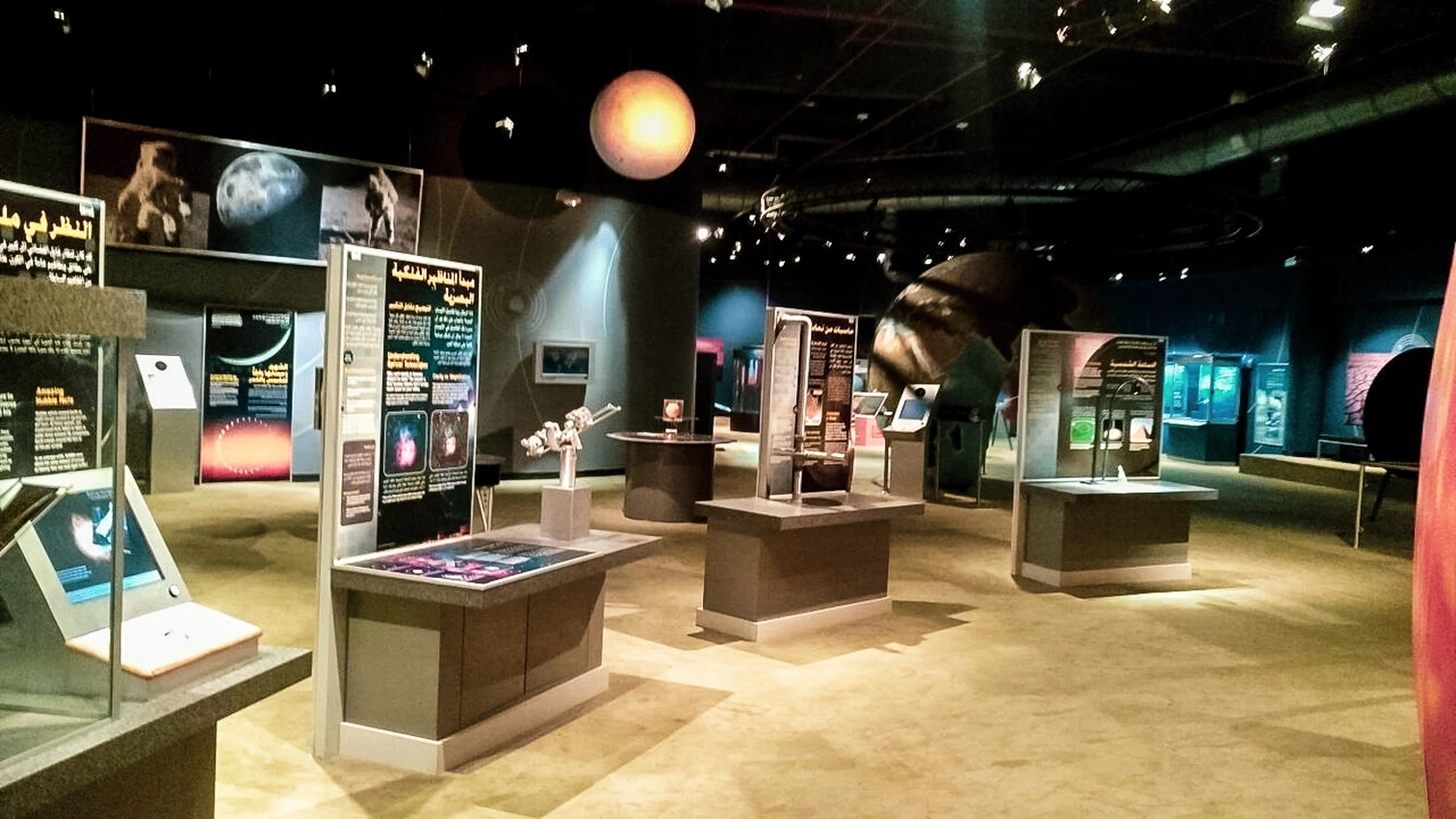
Al Khobar’s Scitech Technology Center includes galleries and interactive exhibits on space and the human body, as well as an IMAX theatre that shows a documentary on exploration from the deep sea to outer space. Both the building and the interior are a little dated, with some of the ‘futuristic’ exhibits feeling worthy of a place in a museum themselves. Scitech was opened in 2000 and hasn’t changed much in the intervening 24 years, but for the kitsch value alone it is worth a visit – especially on a hot day.
3. The King Abdulaziz Center for World Culture (Ithra)
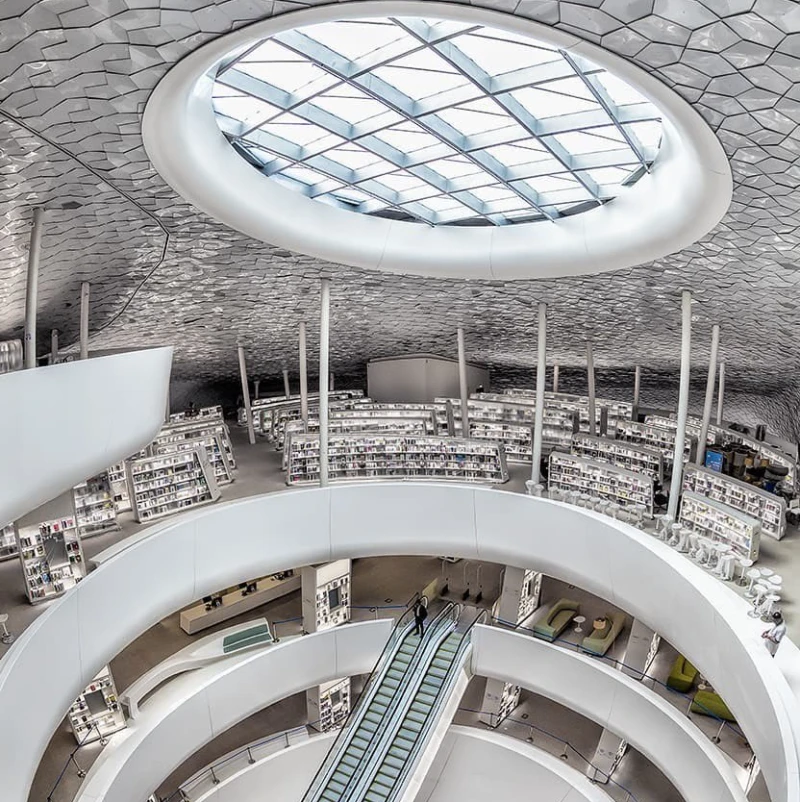
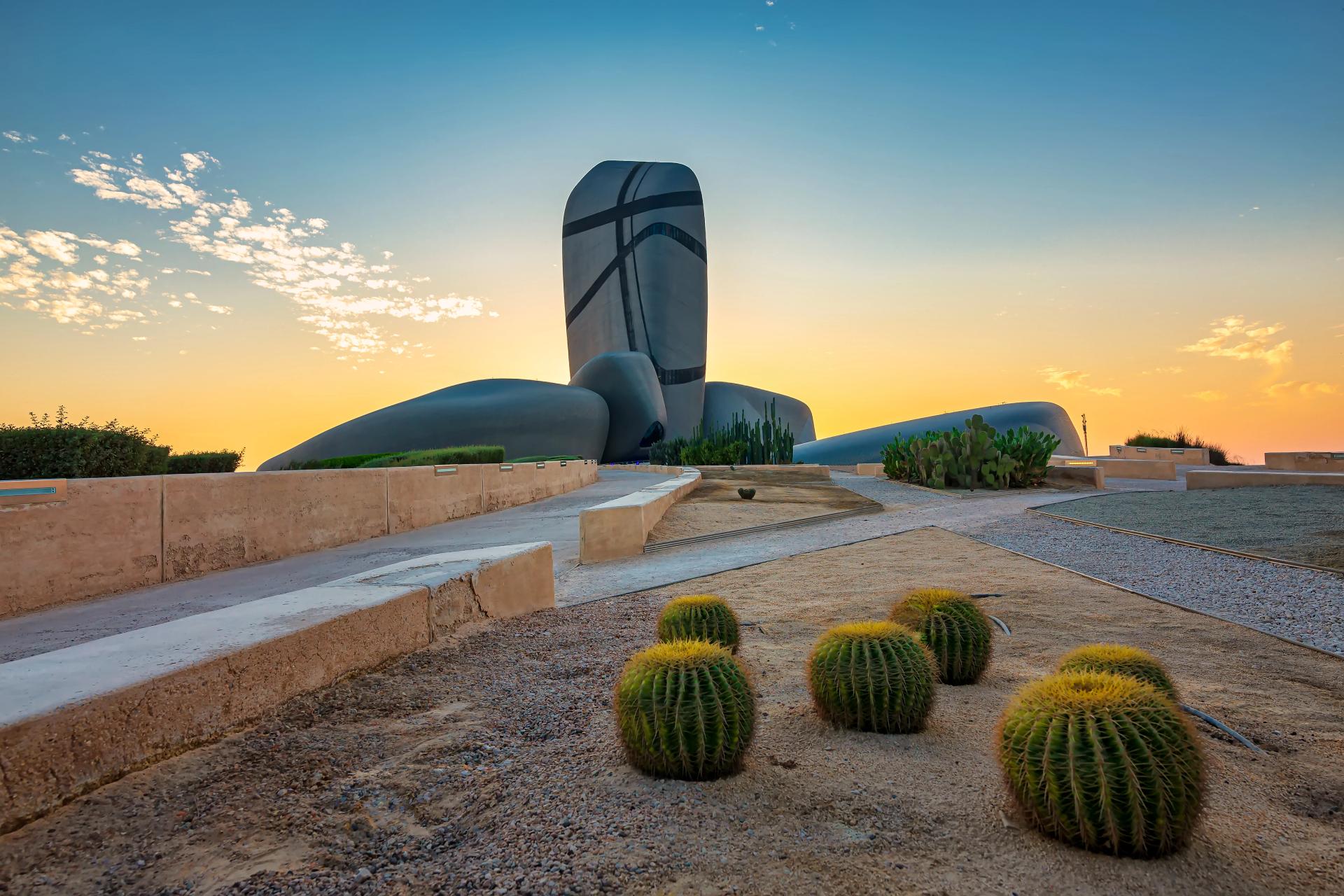
Funded and built by Saudi Aramco, the oil giant whose vast reserves run beneath its very foundations, Ithra is something of an architectural marvel and was built on the site of the first Saudi oil field, discovered in 1938. Its imposing design, by Norwegian architecture firm Snøhetta, was based on the shape of oil-bearing shale. It consists of four large ‘stones’, three lying on the ground and one on top, supported by the others.
But Ithra – the Arabic word for ‘enrichment’ – was designed to be an intellectual marvel as well, serving as a cultural educational hub and a centre for learning. Its museum is spread across four levels, with the earliest periods of history dealt with at the basement and ground level, and the exhibits progressively more modern as you make your way up through the floors.
The earliest exhibits include part of an eighth-century Quran, while its most futuristic include a virtual reality tour of the holy cities of Makkah and Madinah. The centre is also home to a growing library – 310,000 books at the last count – and a concert hall. There is also a well-supervised kids' play area, and the building is air-conditioned throughout.
4. Dammam Regional Museum
Also known as the Eastern Province Museum, the Dammam Regional Museum traces the region’s history from prehistoric times to the present day, with particular emphasis on the archaeological findings from nearby sites. Part museum, part events space and administrative building, it is architecturally interesting, centred around a massive glass dome. Visitors will find displays of ancient pottery, stone tools, and artefacts from the early Islamic period.
5. Taybeen Museum
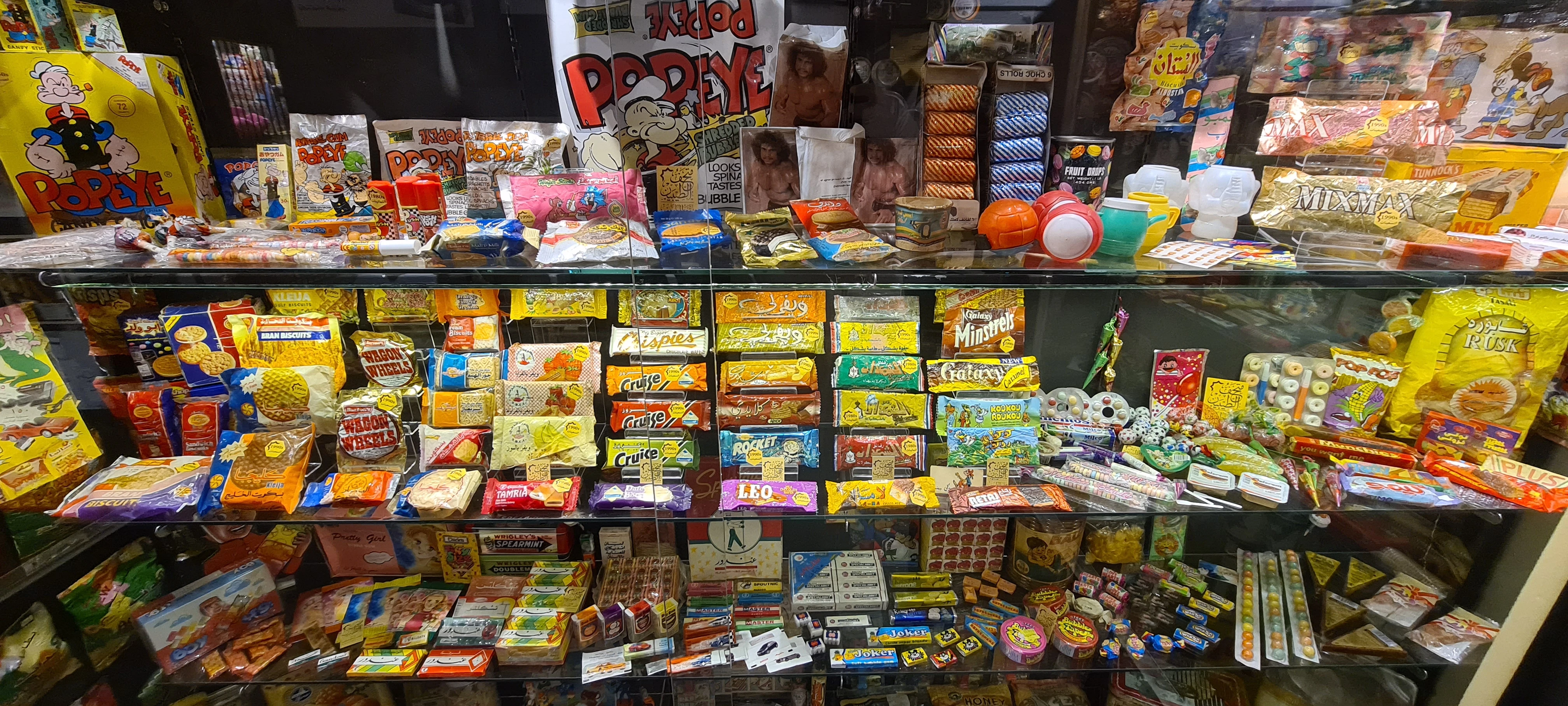
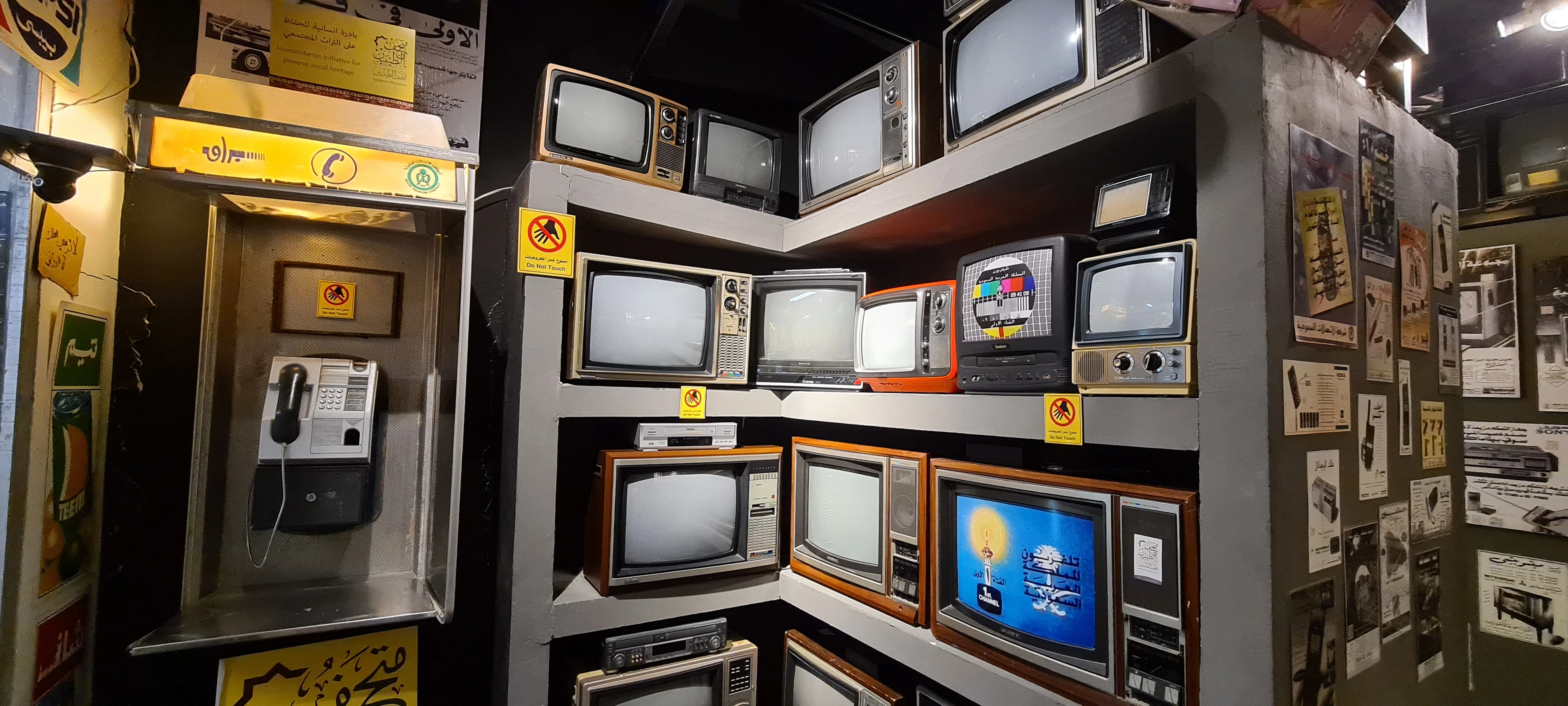
This curious privately owned museum began as the collection of one man, Majid al-Ghamdhi, and has since grown into a 300-square-metre museum that contains everything from antiquated electronics to toys and posters, and for nostalgic middle-aged visitors, a display about the changes in physical bottles of Coca-Cola between the 1970s and 1990s. Housed in a villa in the suburbs of Al Khobar, Taybeen is two blocks inland from the beach. It is home to a small shop and cafe.