

With the Shammar Mountains to its north and Salma Mountains to its south, Ha’il (also referred to as Hail), tucked away by the edge of Al Nafud desert , is an enchanting destination that seamlessly blends history, culture and the beauty of nature. While often overshadowed by the country’s larger metropolises, Hail, in the north-west of the Kingdom, offers a refreshing escape for travellers seeking a taste of authentic Arabian life.
Known for its historical significance as a crossroads for ancient trade routes, as well as its captivating landscapes, this is a destination that invites exploration. Whether you’re gazing upon ancient rock art in a UNESCO World Heritage Site, dune bashing or wandering through its bustling souqs, Hail serves as a gateway to a deeper understanding of Saudi’s rich past and vibrant present. Here’s your guide to discovering the hidden gems of this desert oasis.
1. Al Qishla Palace
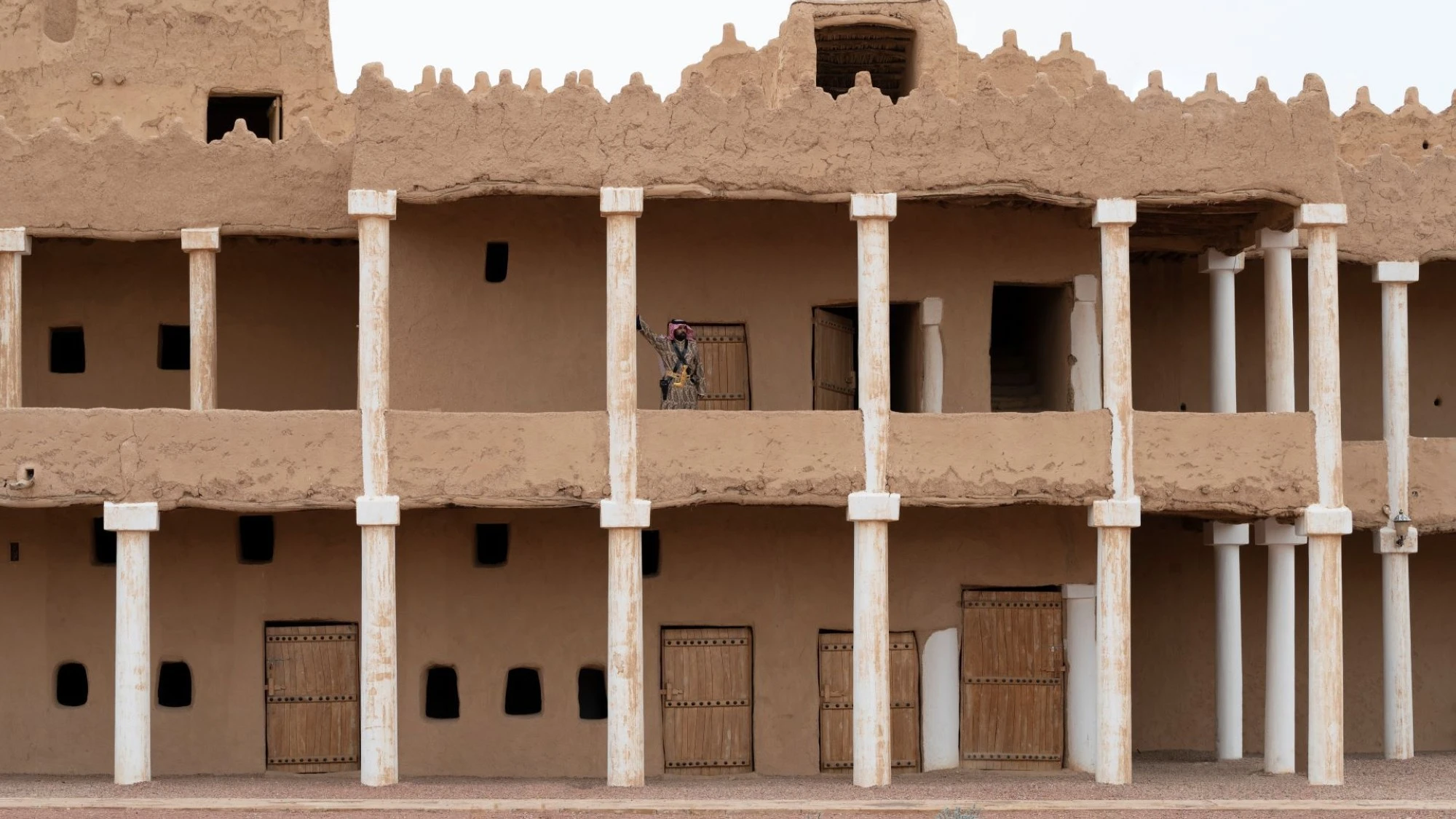
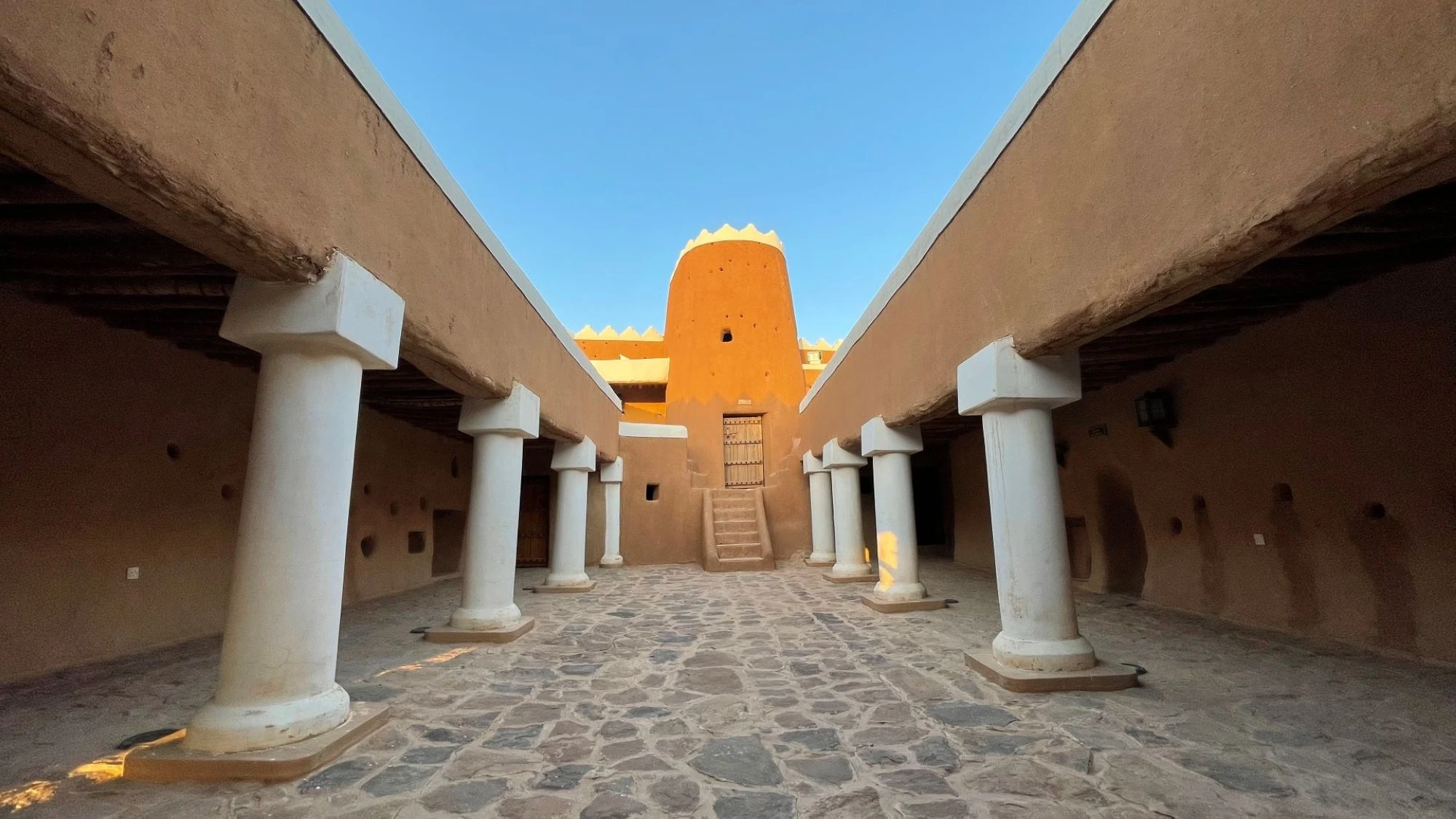
A visit to Hail is incomplete without exploring the iconic Al Qishla Palace. Built in the early 1940s by King Abdul Aziz, the majestic fortress is a good way to get an understanding of the region’s history and admire traditional Najdi architectural grandeur, including detailed and colourful plaster decorations with geometric and botanical motifs, and engraved doors and windows. Once a military headquarters, the castle-turned-museum offers visitors an insight into the heritage of Hail. The distinctive clay, mud-brick, and stone marvel with eight 12-metre-tall cylindrical-shaped defensive towers, including four internal ones called Al Sanidah, provides the perfect backdrop for a historical journey. The two-storey palace houses a mosque and a stunning courtyard.
2. A'arif Fort
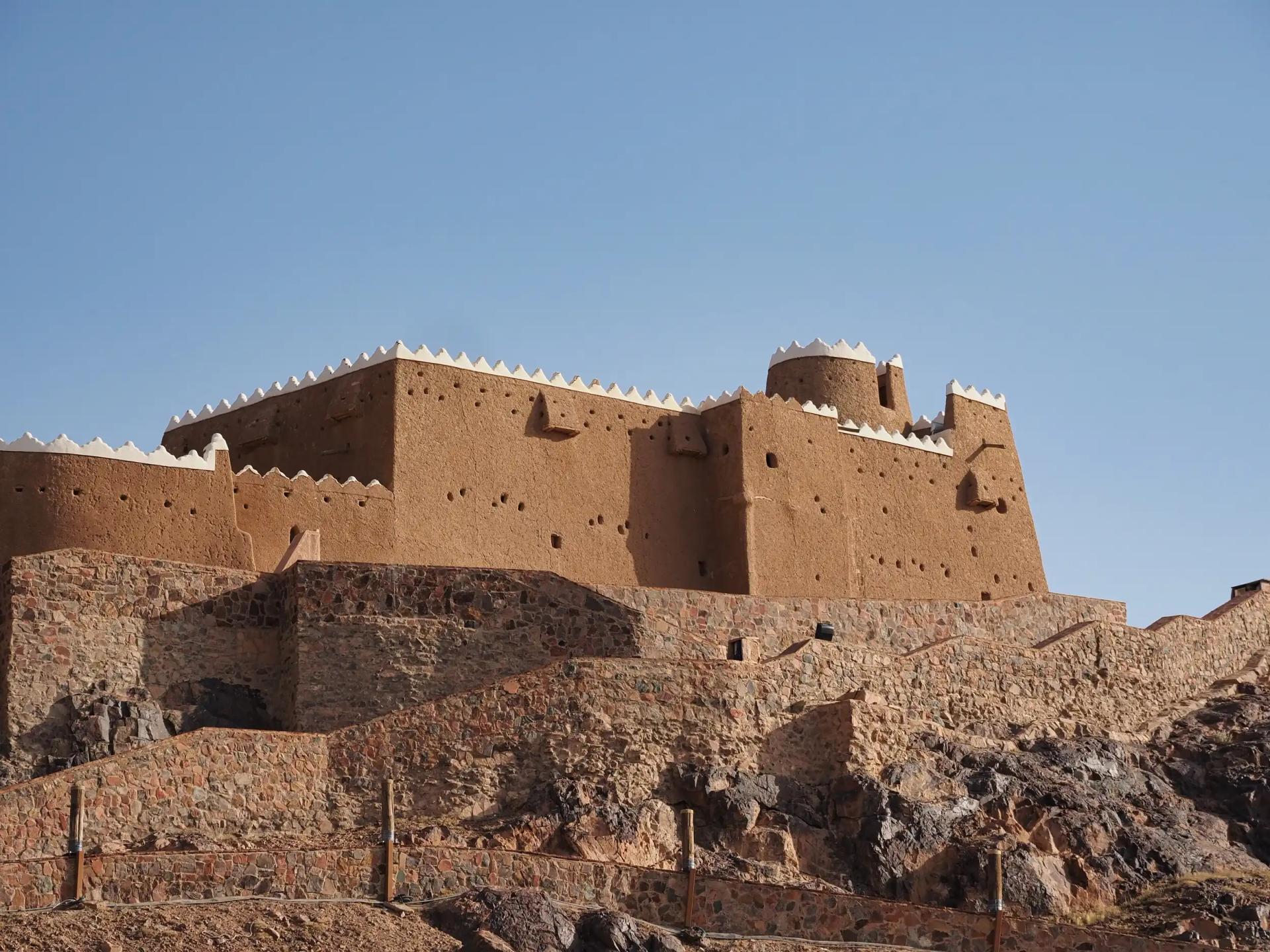
Perched atop a hill, A’arif Fort is a must-visit for those who seek panoramic views of the city and the surrounding desert. The rectangular-shaped castle, built in the 17th century, is one of Hail’s oldest landmarks. As you climb the steep steps leading to the summit, you’ll be rewarded with sweeping vistas that stretch across the horizon, offering an unforgettable perspective of this ancient desert city. Meanwhile, inside, visitors can browse through the exhibits featuring period artefacts. This sanctuary, with standout reddish mud-brick walls, contrasting fine white battlements, inscribed large wooden doors, watchtowers, baths, a Turkish-style mosque, and more , has also been used to sight the moon during Ramadan, with the Iftar cannon fired from its walls to signal the breaking of the fast.
3. Rock art in Jubbah
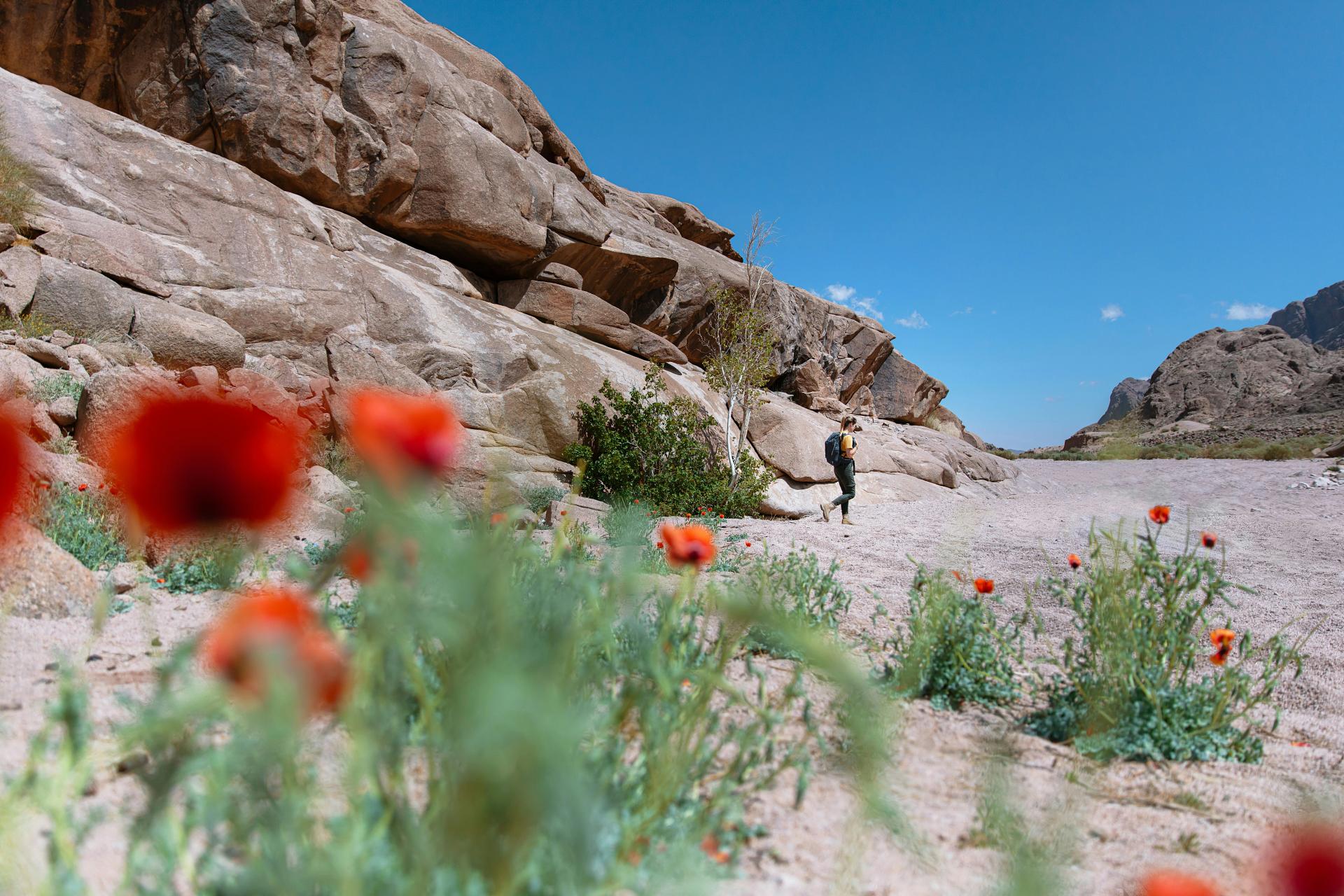
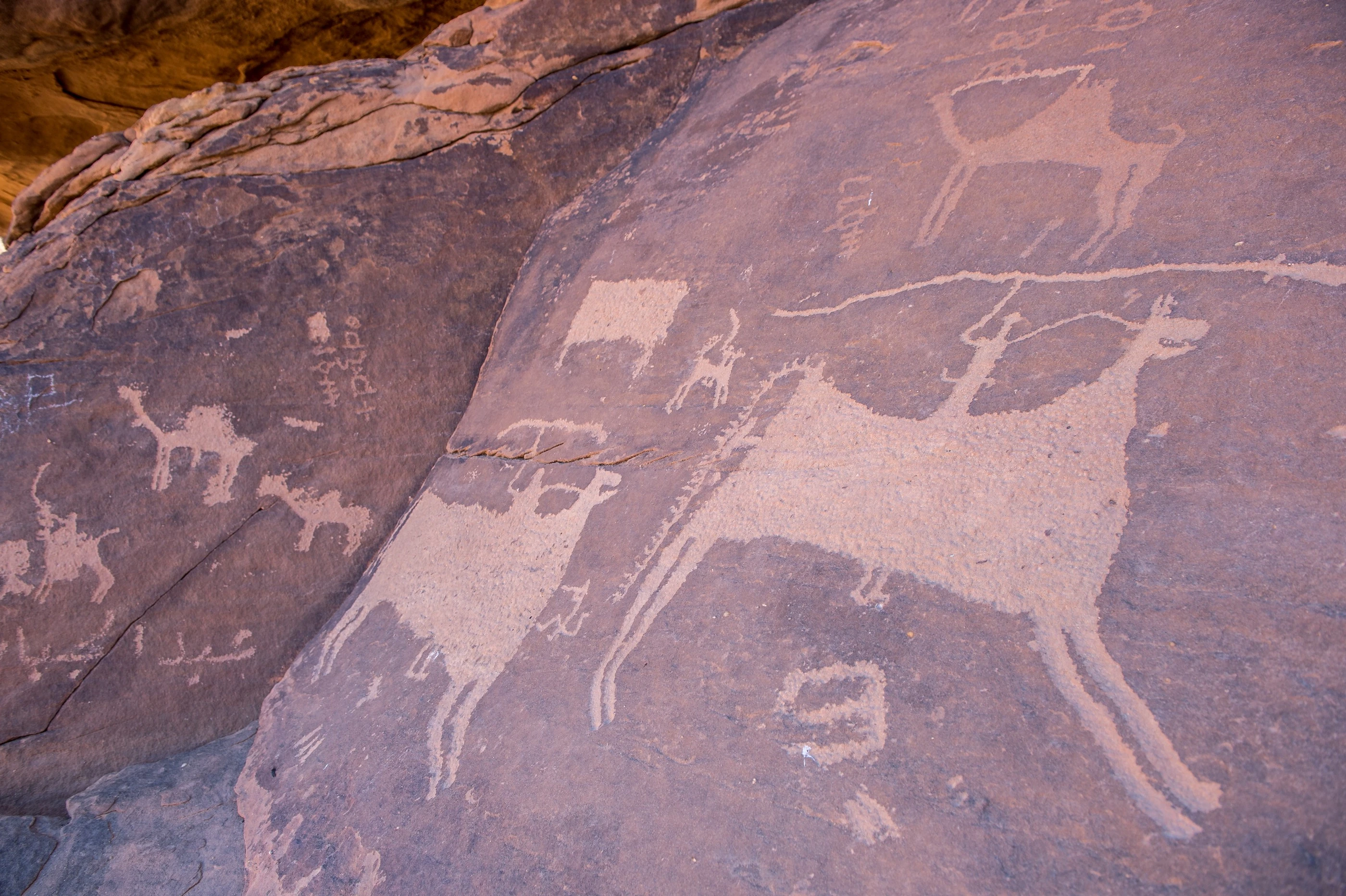
For history enthusiasts, Jubbah is an essential stop. Located just outside Hail, some of the ancient petroglyphs here date back over 10,000 years, when there was a valley with flowing water. Offering a glimpse into the early human presence in the Arabian Peninsula, these carvings, depicting animals like camels and oryx, hunting scenes and ancient symbols, are etched into the rock faces of Jabal Umm Sinman. Created using various techniques with simple stone hammers, they offer a fascinating peek into the region’s prehistoric past and are a testimony to the challenges people faced.
As a central component of the broader UNESCO World Heritage site, which also includes Jabal al-Manjor, with around 200 rock art panels, and Jabal Raat at Shuwaymis, Jubbah is definitely a wonder. Its position as Saudi's premier location for prehistoric petroglyphs, or rock art, combined with the region's natural and enchanting splendour, solidifies its place as an essential attraction on any tour of Ha’il.
3. Hail Souq
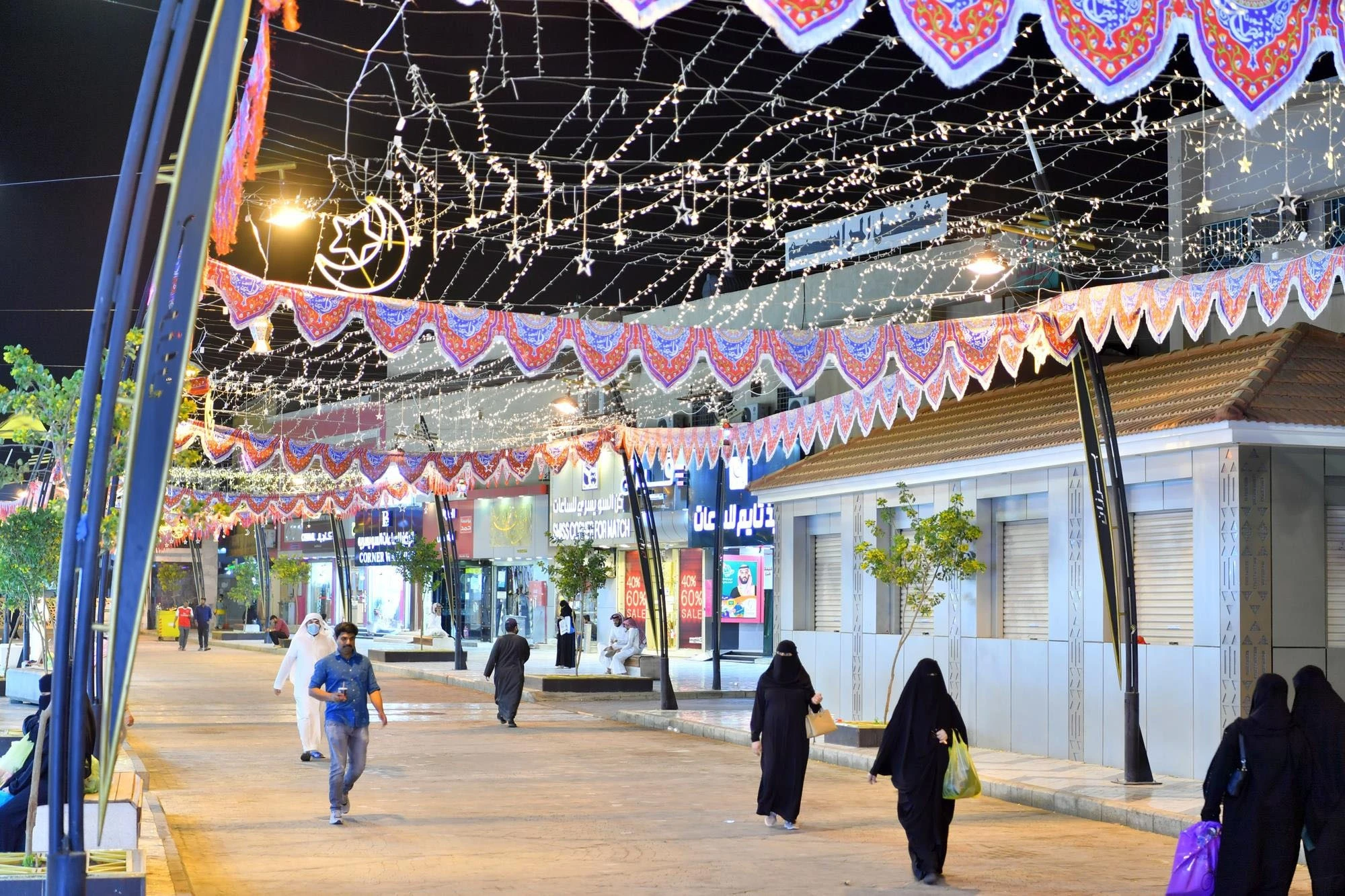
This bustling traditional market in the centre of town goes all the way back to the days of the ancient trading caravans. The old world meets the new here, and you can find everything from hand-woven fabrics, aromatic spices and home accessories, including beautiful rugs and artisanal silverware, to gold jewellery and local crafts. It’s the perfect place to buy some souvenirs. Don’t forget to haggle for the best deals – it’s all part of the fun! Additionally, vegetables and fruits are available, including those famous Saudi dates.
A walk through the engaging jumble of mud-brick buildings interlaced with narrow alleyways and courtyards is an immersive experience, with the scent of incense and the lively chatter of vendors filling the air. The social and commercial scene offers vivid glimpses of local life and visitors have the chance of catching some cultural presentations, including those centred on music and falconry.
4. Al Nafud desert
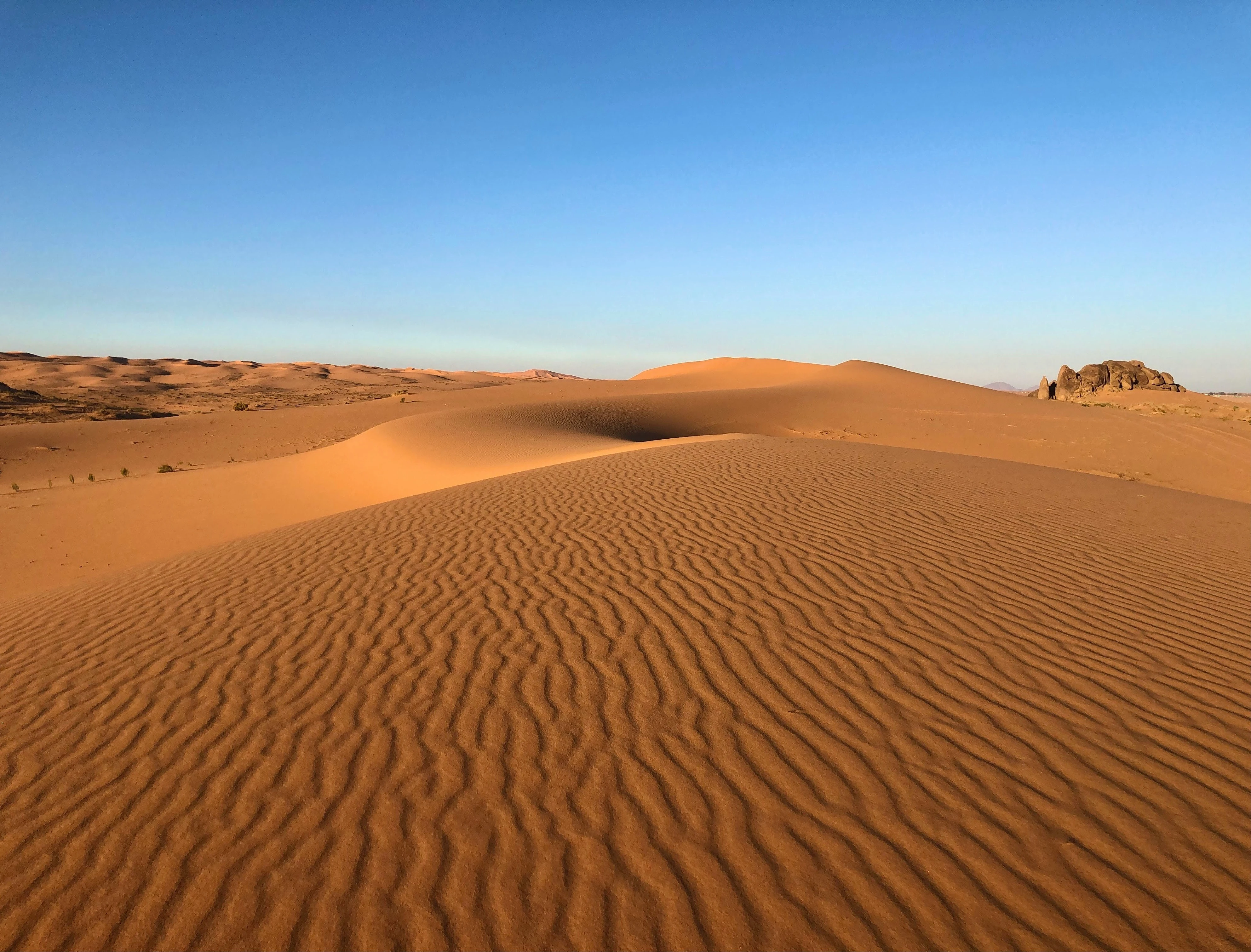
For a memorable desert adventure, a visit to the vast Al Nafud is a must. Spanning over 103,000 square kilometres, this desert is renowned for its striking red crescent-shaped sand dunes. Spring is a great time to visit the desert, so get planning.
Al Nafud, known locally as Nafud Al Kabir, is a dynamic adventure playground, with local tour operators offering exciting desert camps with that renowned Bedouin hospitality. The wide range of day activities cater to all types of adventurers and include camel rides, quad biking, sandboarding and dune bashing in a 4x4. Then it’s time to marvel at the serenity of the landscape. Drinking Saudi coffee atop the dunes while watching a stunning sunset and then camping under the stars is a truly memorable way to spend the evening.
5. Al Samra Park
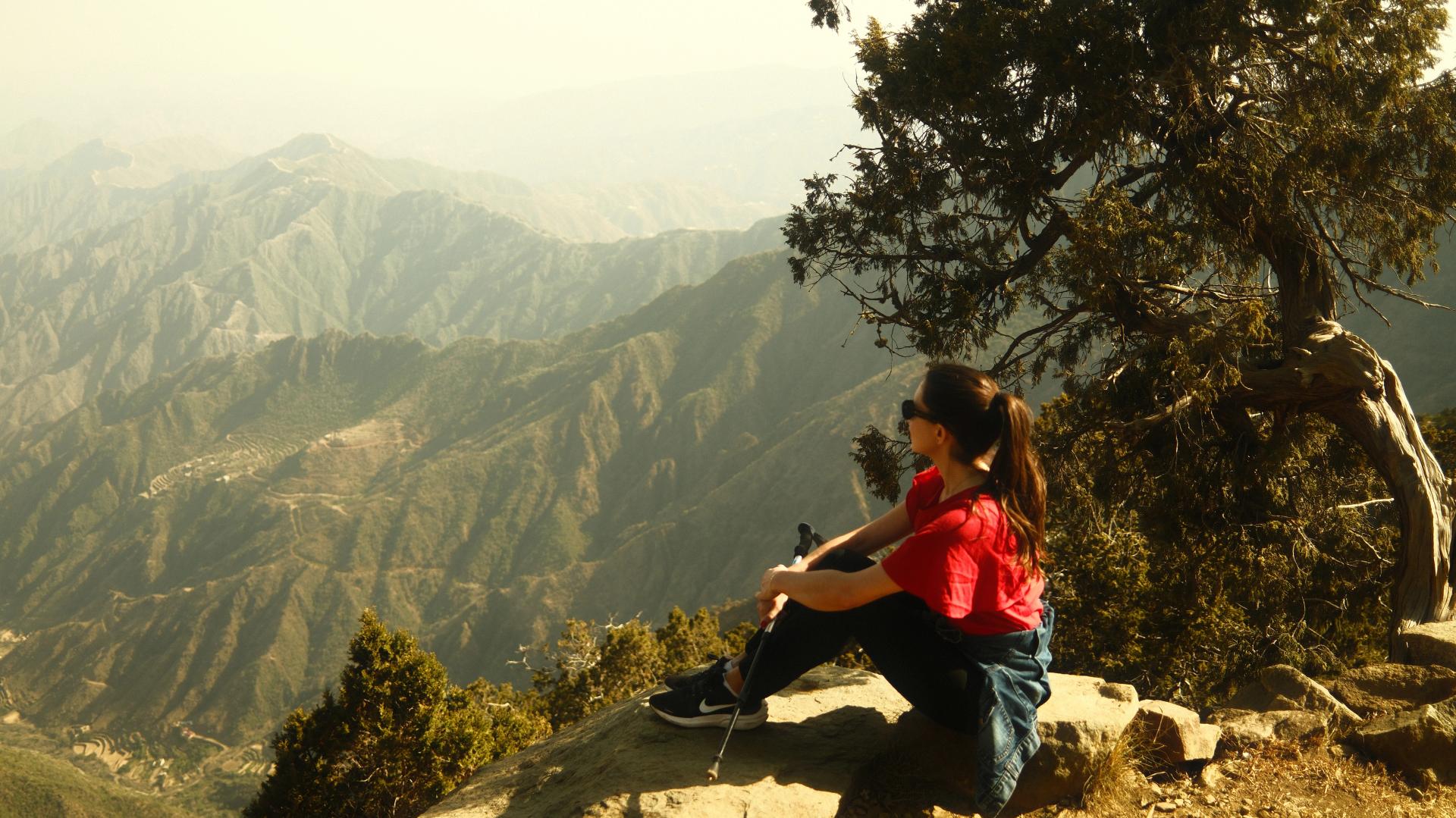
Besides the desert, Hail boasts Al Samra Park, with hiking trails, beautiful plants and panoramic city views from Jabal Al Samra, part of the Shammar Mountains in the Al Adreea Valley of the eastern Hail region. With jaw-dropping views, a scenic overlook and an Italian restaurant and cafe offering an alternative dining experience, Jabal Al Samra is a charming blend of heritage and modern leisure. In the sixth century BCE, Hatim Al-Tai, an Arab knight and a legendary poet, would light a fire on its summit, known as Al Mawqida, to guide people to his home.
The park is perfect for families with kids as it includes children’s playgrounds and areas designated for play and recreation. It is also home to a large lake in the centre that becomes even more enchanting at night. Whether it’s the significant cultural significance or the photogenic rugged landscapes offering countless activities, this majestic peak has something for everyone.
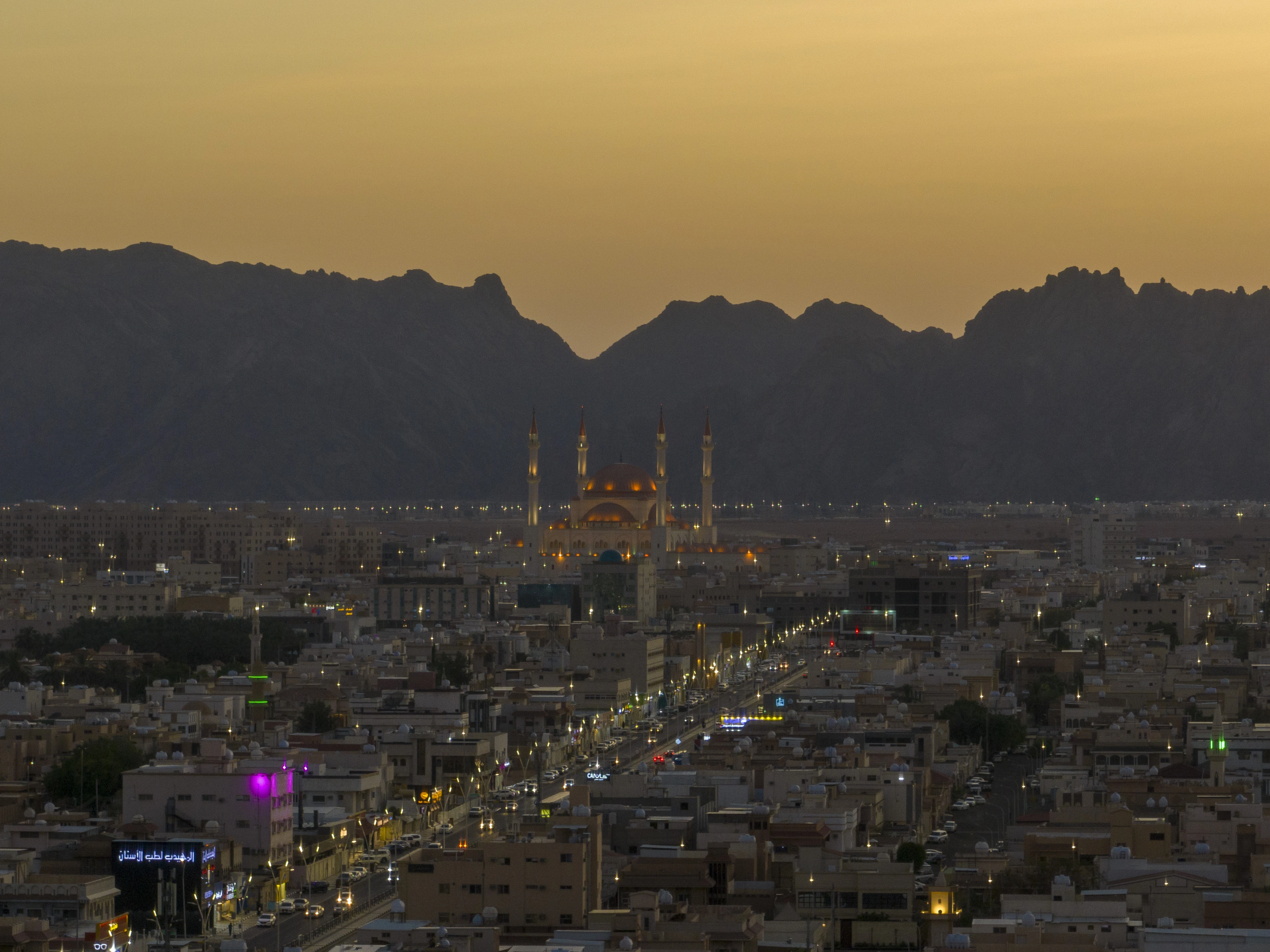
6. Al Rajhi Mosque
A recognised landmark, the magnificent Al Rajhi Mosque has striking ornamentation on its columns, four 80-metre-high, ultra-thin minarets, and its cascading sequence of 50 vermillion red domes. What’s more, the cream-coloured interior boasts one of the largest chandeliers in the world. Other Al Rajhi Mosque features include a 53-metre-long main square-shaped prayer space, a rectangular open courtyard and a southern rectangular arcade.
Islamic heritage abounds at this distinctive mosque, which also happens to have impressive modern services. These include a cooling system that helps visitors stay comfortable during the summer heat, LED lighting on the mosque's exterior, an infrared security system and water-saving technology. The mosque can accommodate 4,000 worshippers inside and an additional 3,000 in the popular courtyard, with sermons translated into other languages and big panels with sign language breakdowns.