

Most of the towns and cities that make up Saudi Arabia’s Eastern Province today are barely one hundred years old, founded in the decade prior to the discovery of oil in Dammam in 1938 and then expanding exponentially in the years since.
But a short drive from the cities are a number of ancient sites, including in Qatif, one of Saudi Arabia’s oldest inhabited territories, with evidence of human habitation dating back to 3500 BCE. Sadly, some of the region’s most historic sites – such as Qatif Castle, built in the third century by the Sassanids – have been destroyed. Others, like Jawatha Mosque in neighbouring Hofuf, have been saved, restored and can now be visited again.
Learn more about the ancient history of the Kingdom at these top historic sites in the Eastern Province.
1. Tarout Castle (Tarut Island)
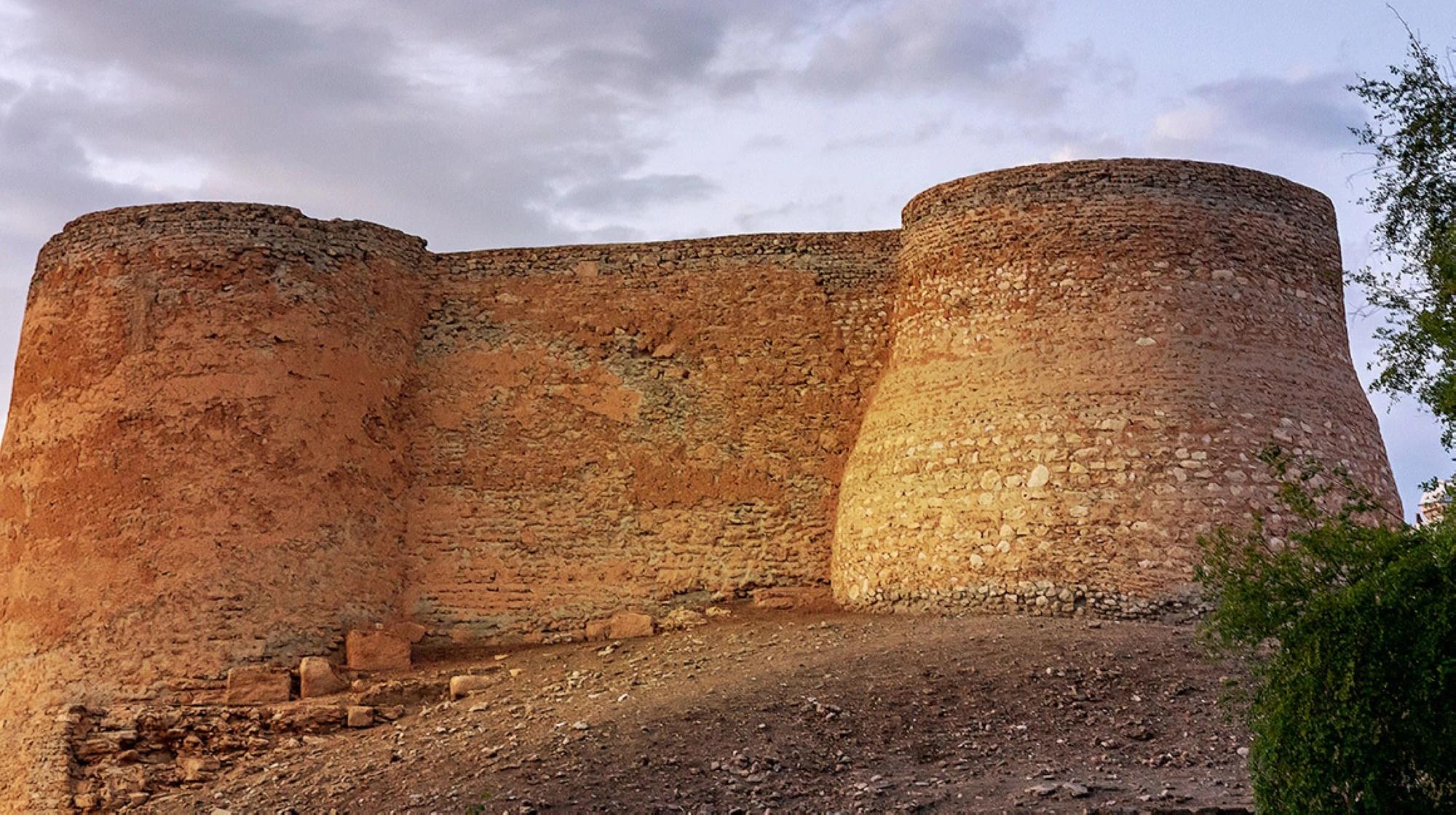
One of the oldest historical sites in the region, Tarout Castle is located near Qatif, not far from Al Khobar and Dammam, and has a history that dates back thousands of years. It sits on an island and is inaccessible to the public, but the two towers that remain of the 16th century port – reportedly built by the Portuguese – are visible.
It is believed that the name, Tarout, comes from the ancient Phoenician goddess, Astarte, and that a temple to her was built on this spot in the pre-Islamic era. The earliest archaeological evidence suggests foundations that date back to the Al-Obaid era, in 4300 BCE.
2. Energy Exhibit
From the Eastern Province’s most ancient history to the event that changed it all – the discovery of oil.
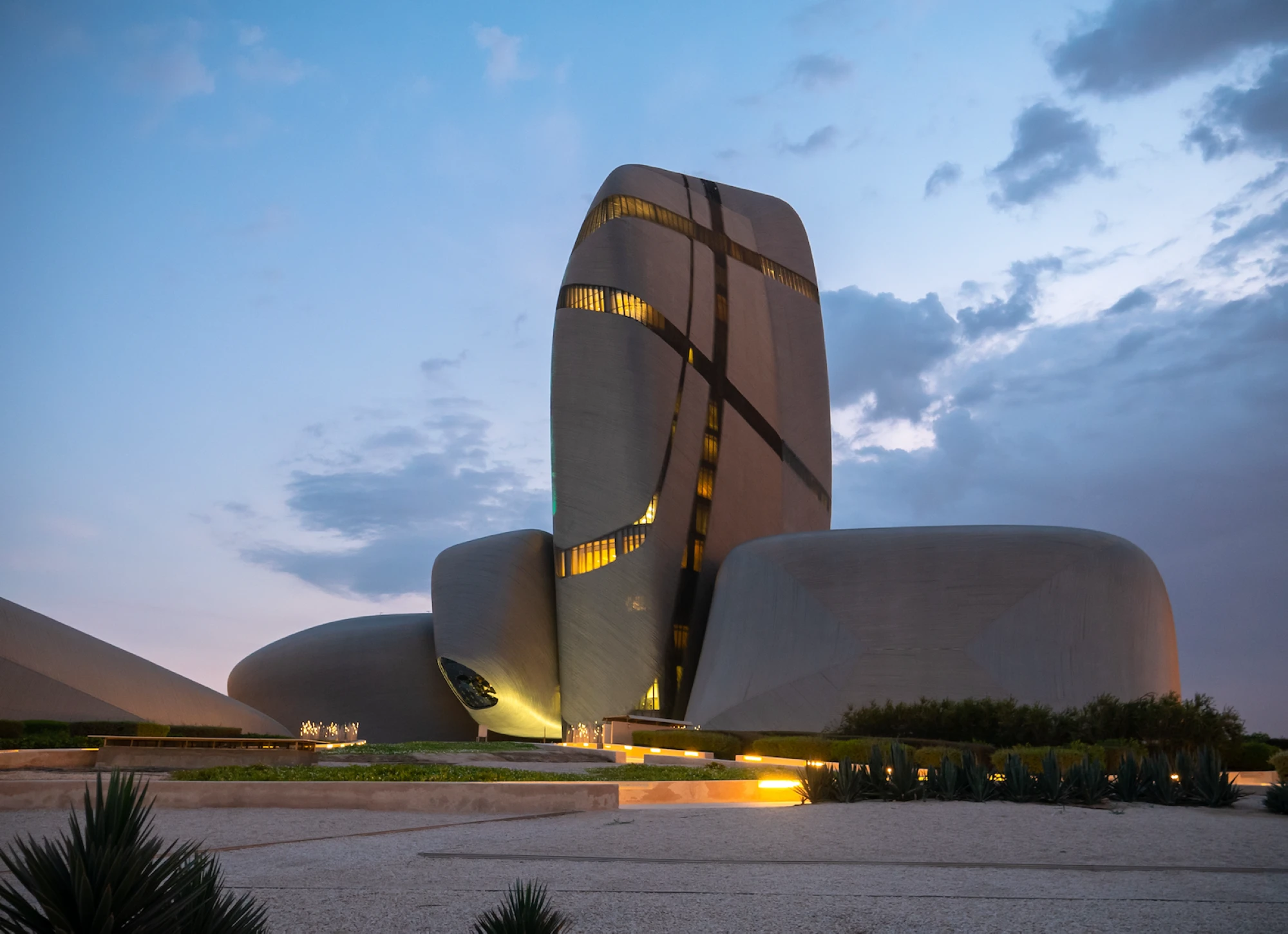
Now part of the uber-modern Ithra development, the Energy Exhibit is built on top of the Dammam oil field, just one mile from Prosperity Well No. 7 – the first well to be tapped in the Kingdom and the beginning of the creation of modern Saudi Arabia.
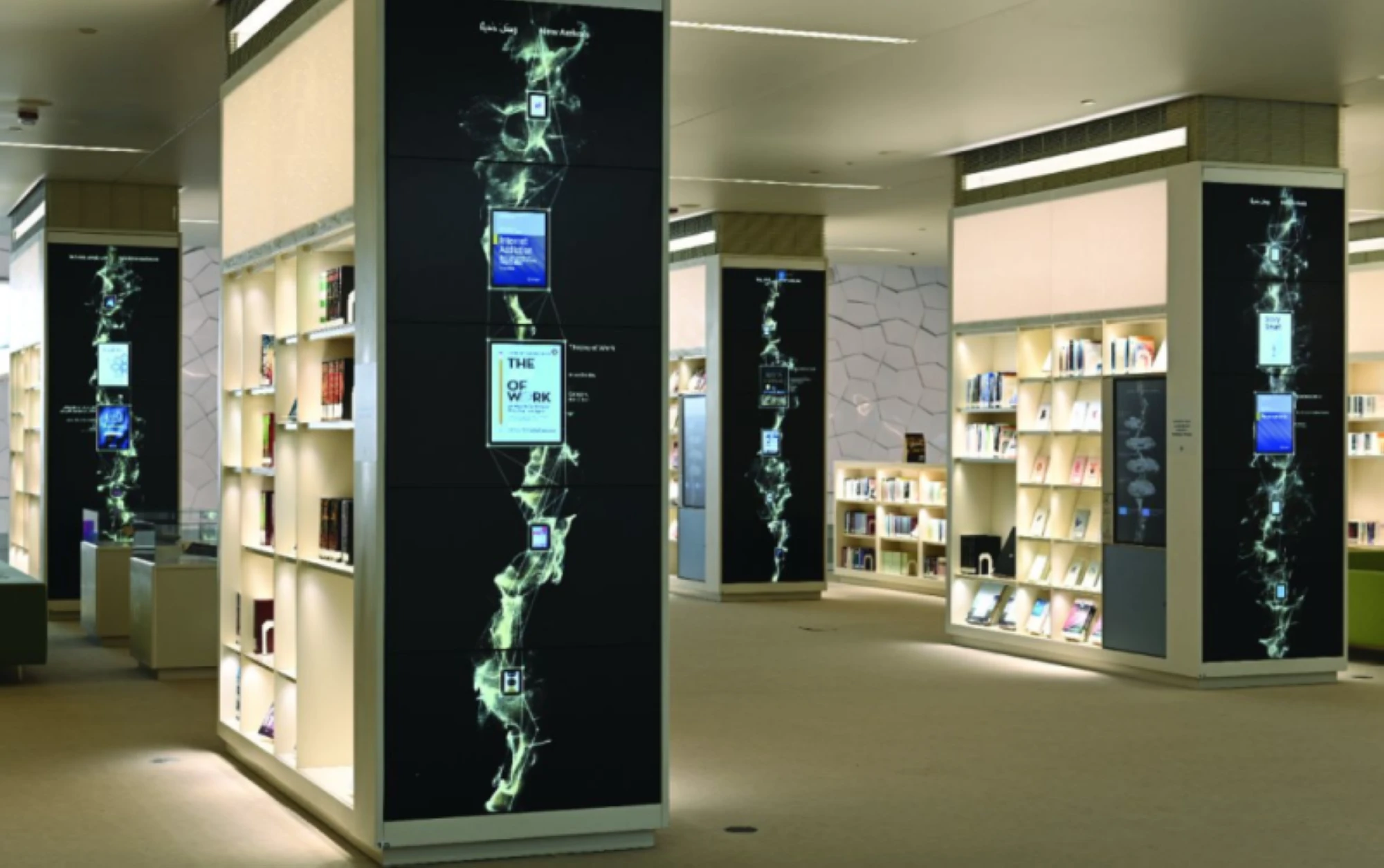
Visitors start their tour in a mock cave deep underground where they learn how oil was formed on the ocean floor millions of years ago. Various rooms and halls then take visitors up to the present day, with information about refineries and petrochemicals and all the products that hydrocarbons are used to create. Even if Ithra, which opened in 2018, isn’t a historic site per se, visitors will learn about – and be walking on – a major event in Saudi Arabia’s modern era.
3. Al Khobar Corniche
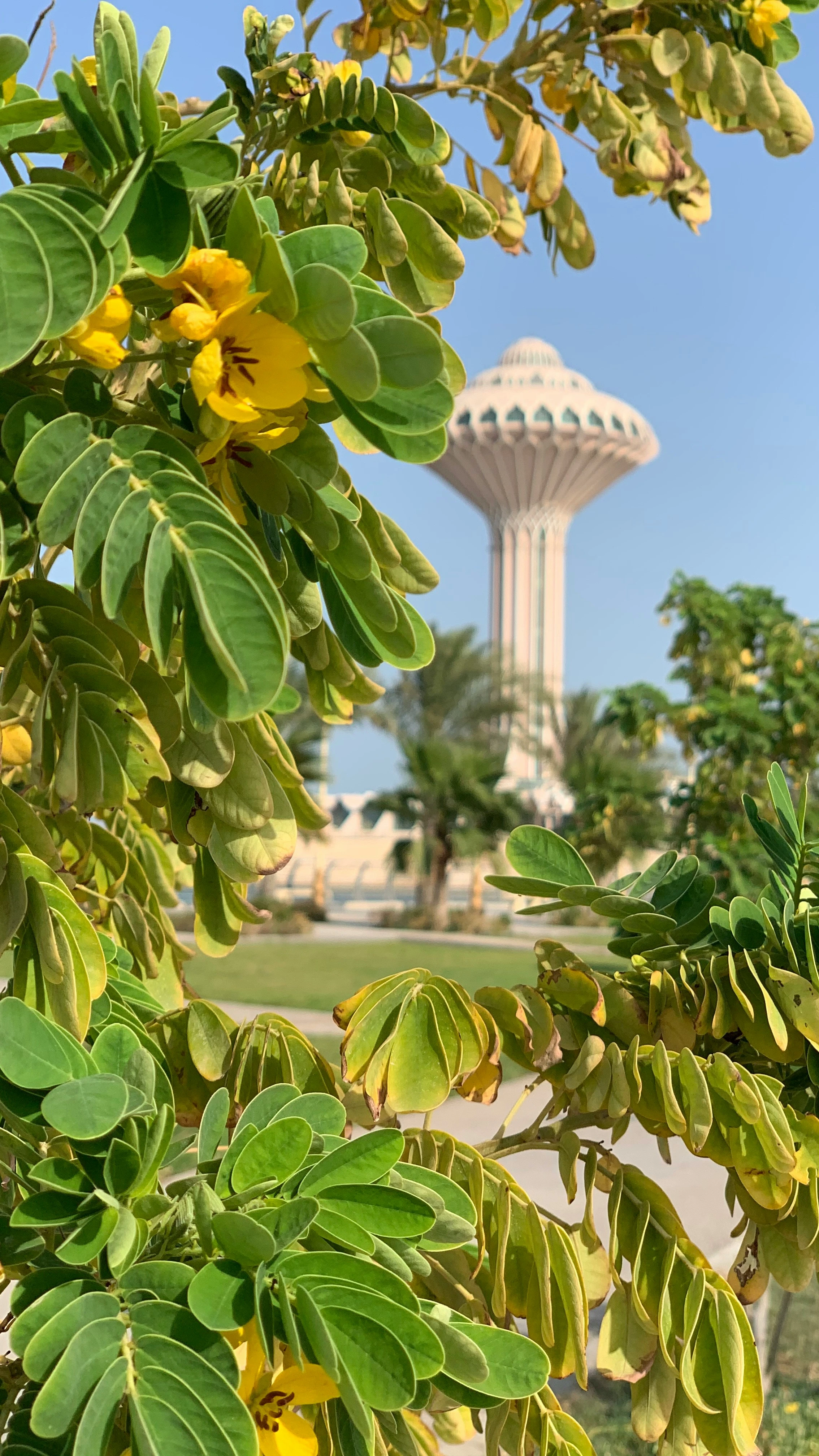
Perhaps it is a misnomer to describe a beachside promenade as a historical site, but Al Khobar Corniche is as old as the rest of the city (i.e. not very old) and is a lovely place to visit during the spring, autumn and winter months. Gazing out at the Arabian Gulf towards Bahrain, you are looking at history: Al Khobar may not have been a city for very long, but the waters that hug its coast have been routes for trade and exploration since humankind first took to the water.
At the end of the Corniche is another historic-not-historic site, the Al Khobar Water Tower, which was built in 1986 and is now undergoing a massive development. It is the best place to be if you want to watch fireworks during Ramadan, and the Eid al-Fitr and Eid al-Adha festivals. Once the redevelopment is complete it will feature restaurants, shops and open-air theatres as well as panoramic viewing platforms to take in views of Al Khobar and the Gulf.
4. Al-Ahsa Oasis
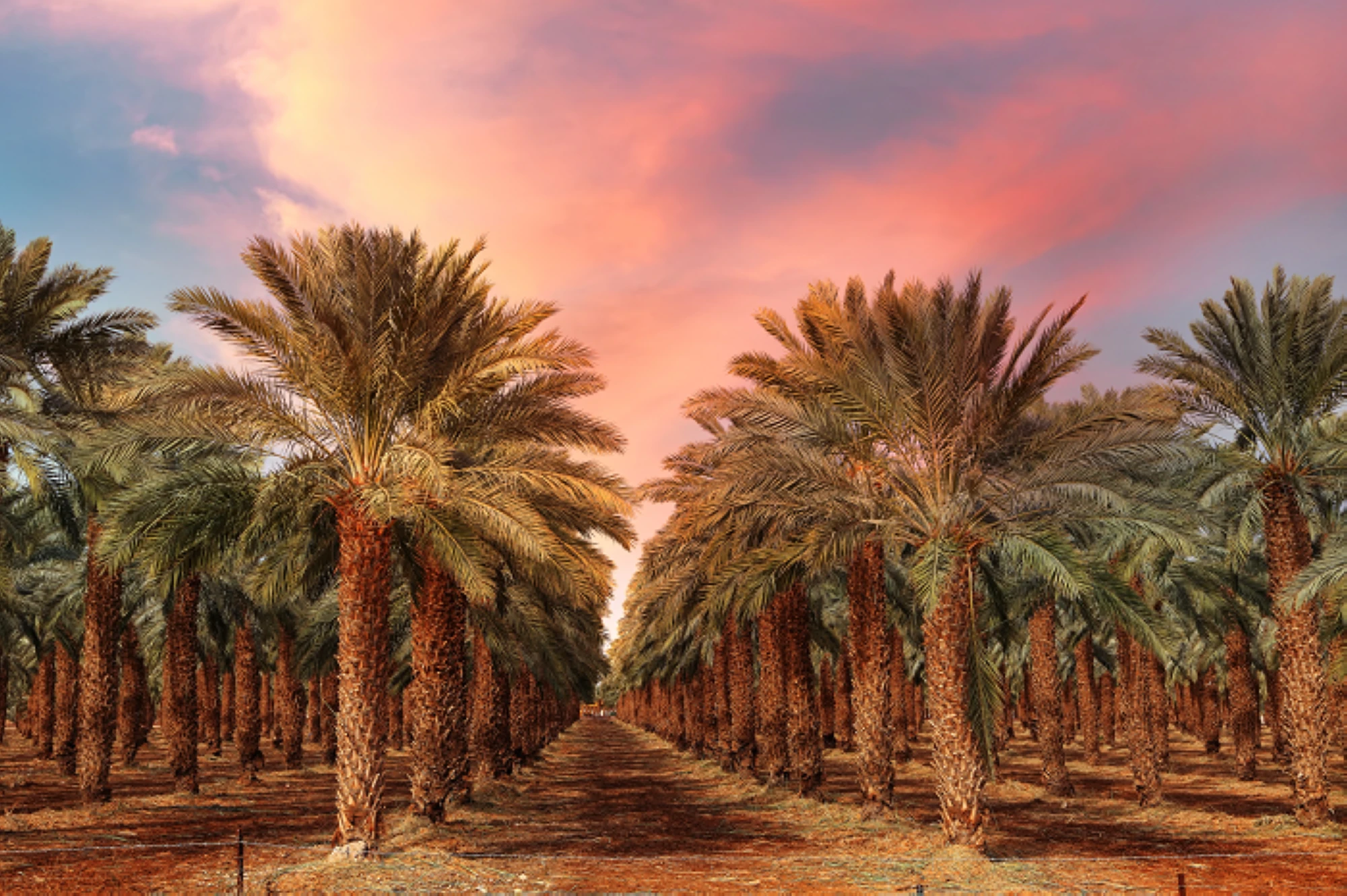
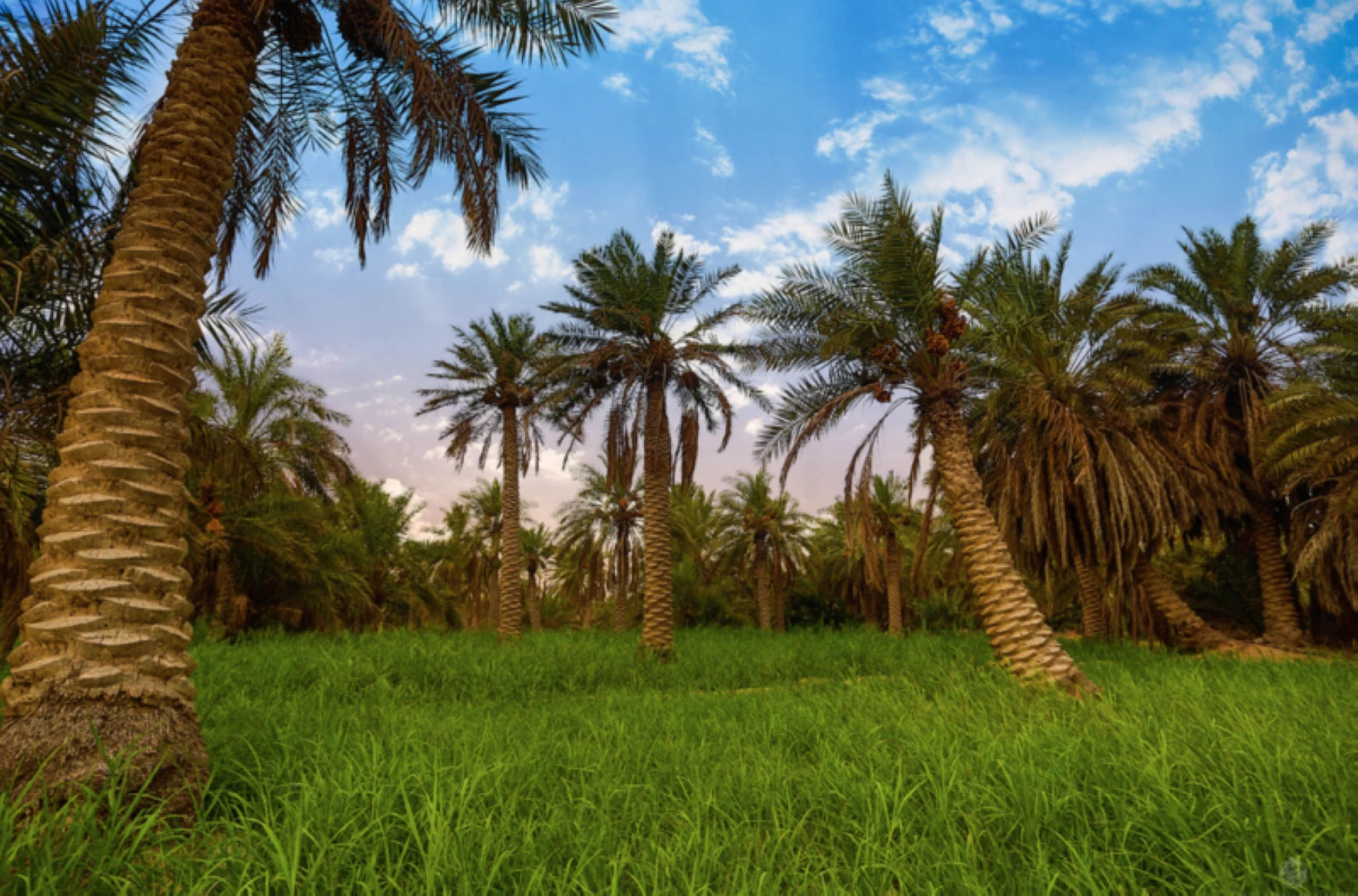
A UNESCO World Heritage Site, Al-Ahsa Oasis is around 40 miles inland from the coast and includes the cities of Al Mubarraz and Hofuf as well as around 20 villages. It is home to 2.5 million palm trees and date palms fed by a vast underwater aquifer accessed by wells to irrigate the surrounding farmland. Parts of Al-Ahsa have been inhabited since prehistoric times. In 2021, a new 800 km-long road was constructed through the Empty Quarter linking Al-Ahsa with Oman, while the area is also a popular tourist attraction for Qataris as it is a short drive over the border.
Interesting historic locations include Qasr Ibrahim, in Hofuf – also known as Ibrahim Castle – that includes a mosque dating from the 1500s. The building was later expanded by the Ottomans into a palace and adjoining prison, along with a Turkish bath. In 2019, the entire complex received a makeover by the Saudi Commission for Tourism and National Heritage.
5. Jawatha Mosque
This mosque is one of the earliest established in the Kingdom, with suggestions that it was first built in 628CE, which would put its construction within the lifetime of the Prophet Muhammed, who died in 632 CE. After the Prophet’s own mosque in Medinah, it is believed that Jawatha was the first mosque to hold Friday prayers in the Islamic world. The building had fallen into disrepair until it underwent a massive restoration project in 2007, which retained some of the earliest features (including a 9th-century qibla wall), and was in the style of the development of the Masmak Fortress in Riyadh.
6. Roman Theatre Uqair
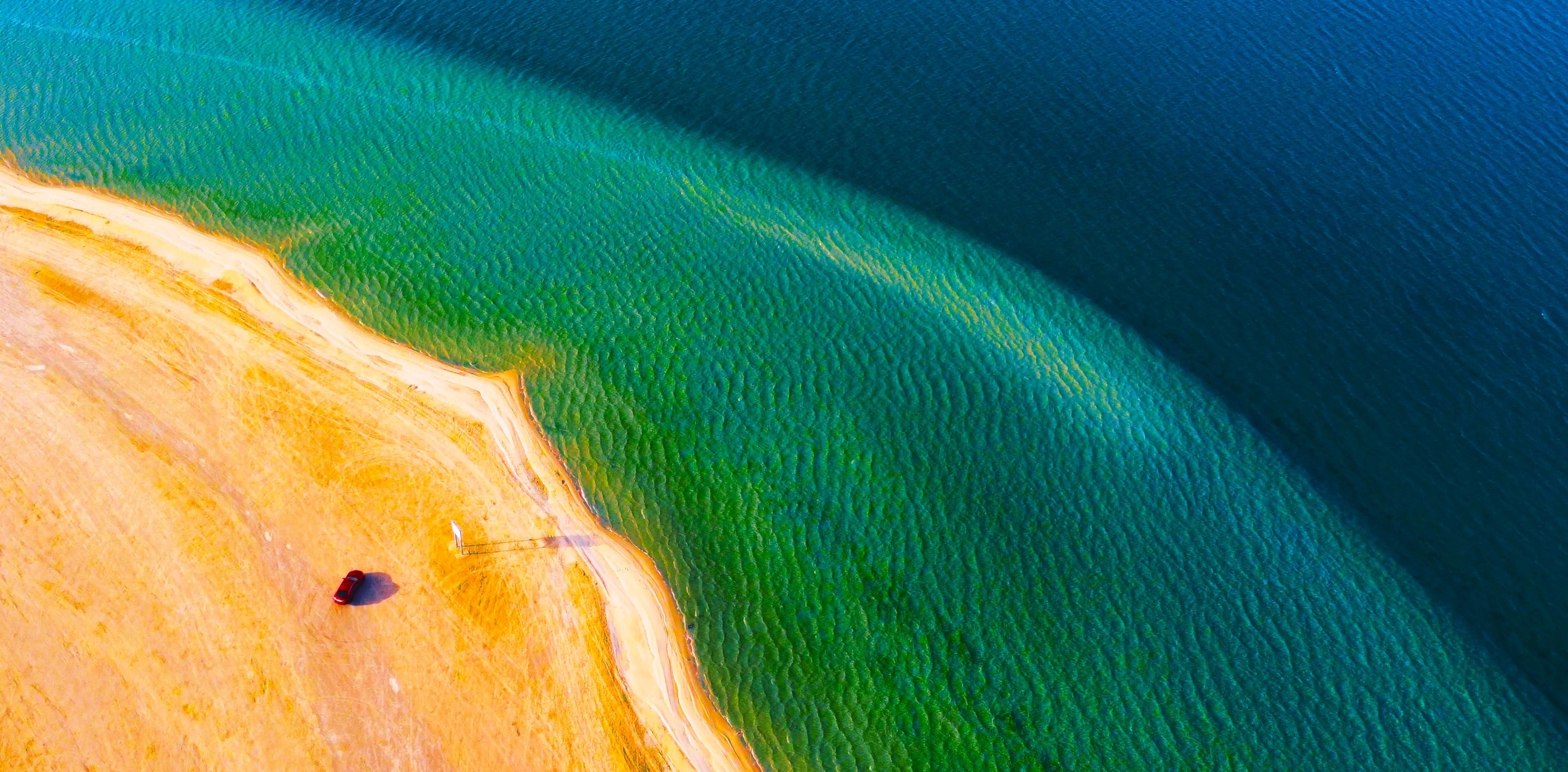
Around 85 km from Al Khobar and situated on Al-Uqair beach, this impressive roman theatre is worth the drive. It was built in the 2nd century CE and used for around a century before falling into disrepair. Uqair itself is an interesting city that has been linked with the pre-Islamic ancient city of Gerrha, said to have been a sprawling trading hub, which explorers have tried to locate for hundreds of years.
As well as the roman theatre there are also the remains of a mud brick fort of unknown origin in Uqair. In modern times, the city served as a base for discussions between Saudi Arabia’s founder, Ibn Saud, and other nations to discuss and ultimately agree the boundaries of the modern state when it was founded in the 1930s.