



The International Union for Conservation of Nature (IUCN) has expanded its Green List of Protected and Conserved Areas, adding 12 new sites from Brazil, China, Colombia, France, Saudi Arabia, and Zambia.
The IUCN Green List recognises protected areas that demonstrate exceptional conservation practices and contribute significantly to biodiversity conservation. These sites serve as models for others to follow, inspiring positive change and progress towards global conservation goals.
The Green List plays a crucial role in supporting the implementation of the Global Biodiversity Framework. By providing a credible and verified benchmark, it helps governments, donors, and communities understand the effectiveness of conservation efforts.
Saudi's IUCN Recognised Locations
The Kingdom of Saudi Arabia has made significant strides in conservation efforts, with the recent addition of two new sites to the IUCN Green List of Protected and Conserved Areas.
The Ibex Protected Area and the King Salman Royal Nature Reserve have now been officially recognised for their exemplary conservation practices. These protected areas contribute to the preservation of Saudi Arabia's rich biodiversity and natural resources.
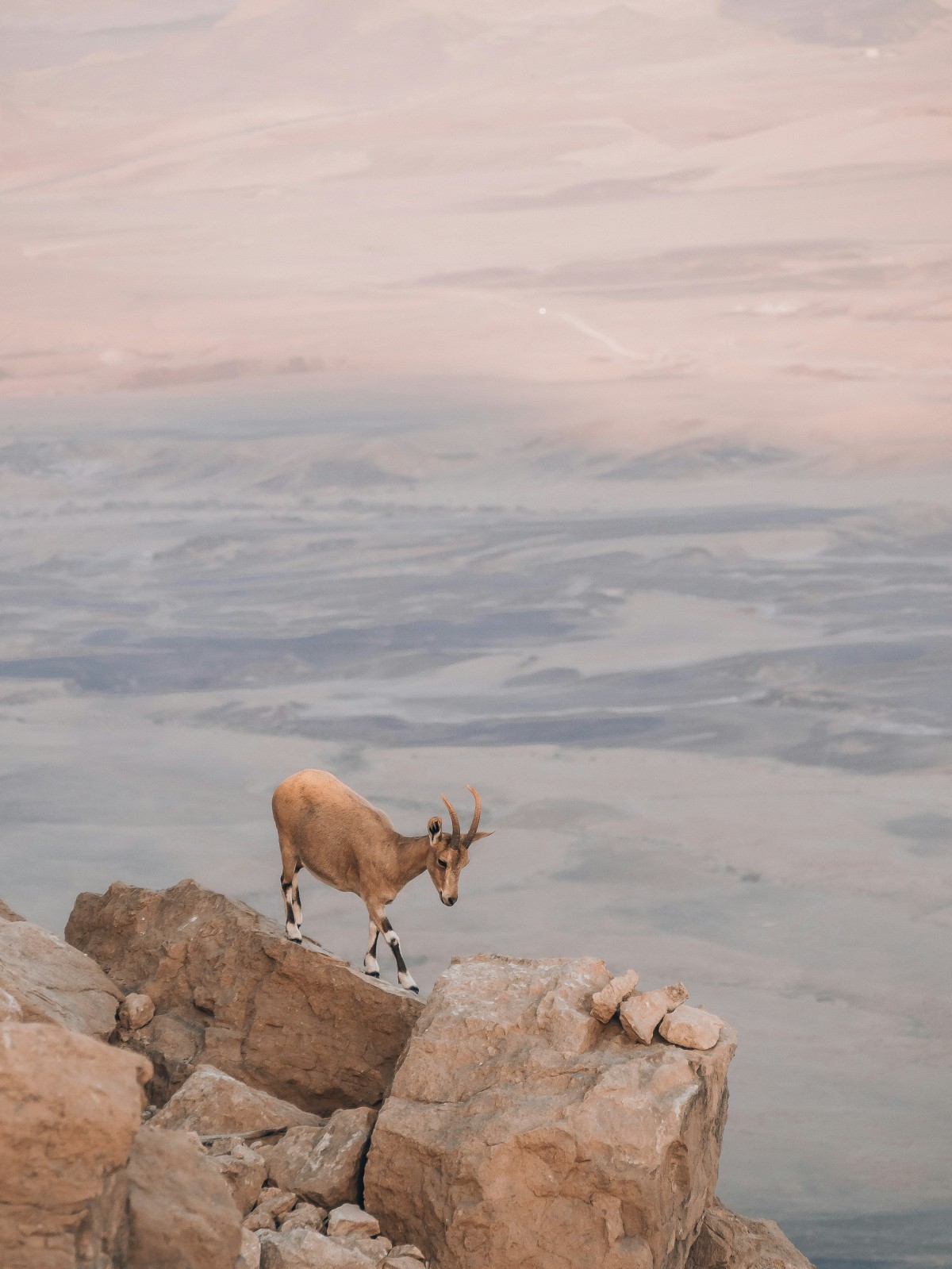
Ibex Protected Area: Located in the south of Riyadh, this protected area is home to wild Nubian ibex and other desert mammals.
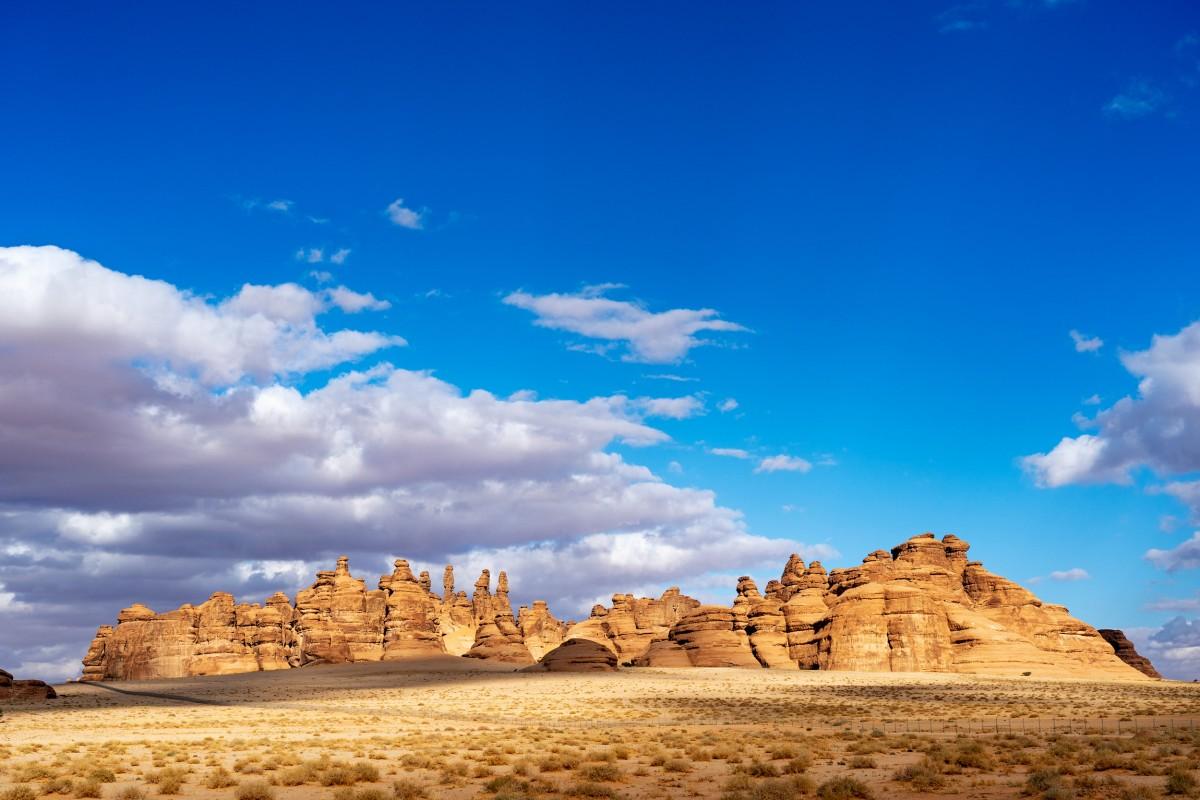
King Salman Royal Nature Reserve: This reserve, spanning a vast area, is a haven for over 300 species of wildlife and boasts a rich cultural heritage with over 420 archaeological assets.
The addition of these two sites to the Green List demonstrates Saudi Arabia's progress in protecting its natural heritage. The Kingdom's commitment to conservation is evident in its various initiatives, including the establishment of protected areas, sustainable development practices, and efforts to combat climate change.
New Additions to the Green List
These new additions bring the total number of Green List sites to 87 across 18 countries.
The inclusion of these new sites on the Green List highlights each location's positive impact on both people and nature. These protected areas are vital for safeguarding biodiversity, protecting ecosystems, and promoting sustainable development.
The IUCN Green List is a global standard that recognises areas with exemplary governance and effective management. It also contributes to the Kunming-Montreal Global Biodiversity Framework's Target 3.
New Sites Joining the Green List
- Brazil: Soure Marine Extractive Reserve
- China: Guizhou Mount Fanjing National Nature Reserve, Nanshan National Park, Shandong Kunyushan National Nature Reserve, and Wuyishan National Park (Jiangxi Area)
- Colombia: Alto Fragua Indi Wasi Natural National Park, Guanentá Alto Río Foncé Fauna and Flora Sanctuary, and Los Katíos National Natural Park
- France: Regional Natural Park of the Northern Vosges and Maures Integral Biological Reserve
- Saudi Arabia: Ibex Protected Area and King Salman Royal Nature Reserve
- Zambia: Nsumbu National ParkMexico: San Pedro Mártir Island Biosphere Reserve
As the IUCN Green List continues to grow, it will play an increasingly important role in advancing global conservation efforts. By acknowledging and rewarding conservation excellence and a high standard of protected area management, the Green List inspires action and drives positive change.