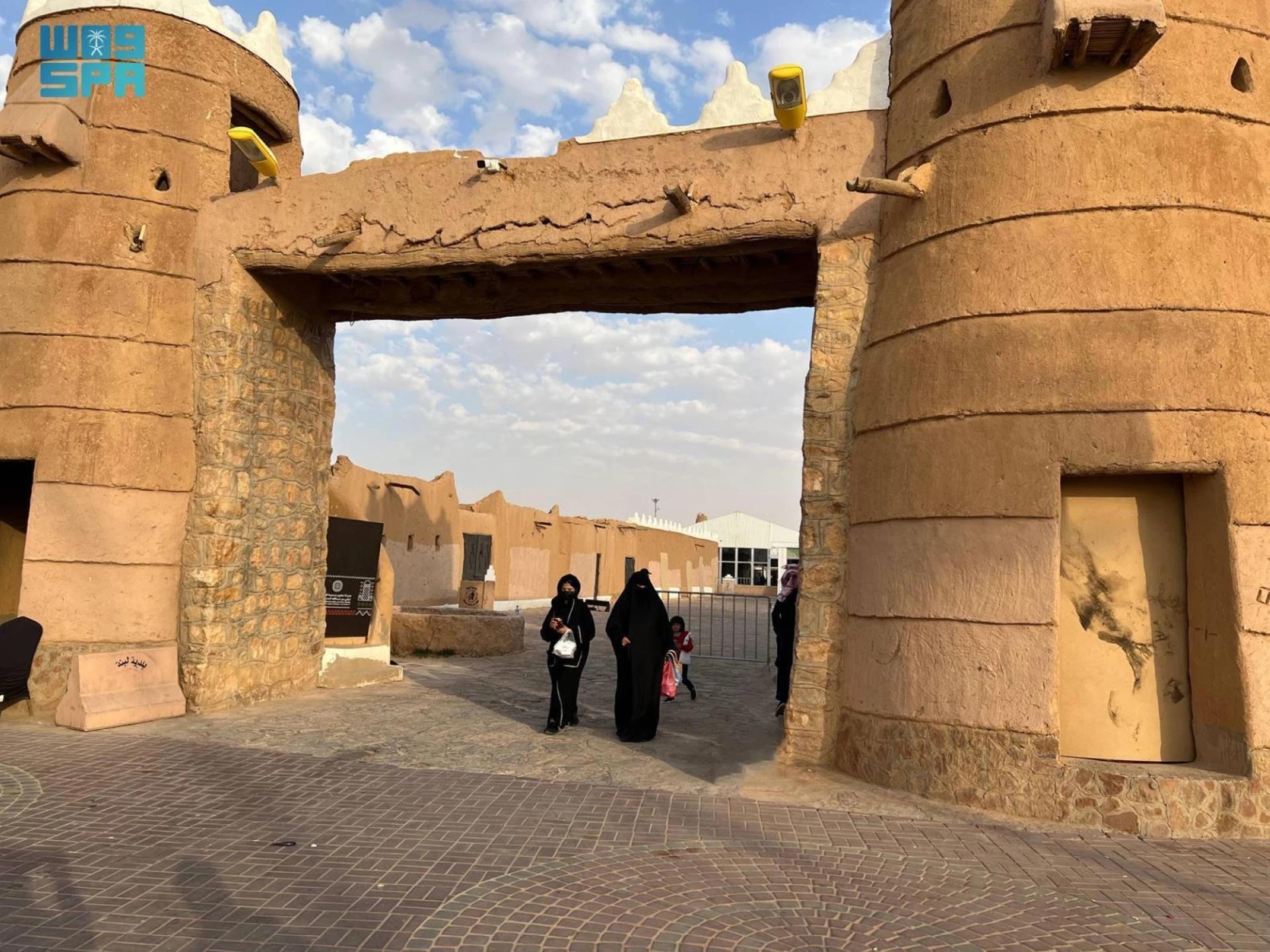





Found in the heart of Saudi Arabia's Northern Borders region, 105 kilometres south of Rafha, is the historic village of Laynah.
The village is known for its deep-rooted cultural significance and unique architectural heritage, and it offers a captivating glimpse into the lives of generations long past.
As one of the oldest settlements in the Arabian Peninsula, Laynah's historical narrative makes it an essential destination for tourists seeking a connection with Saudi Arabia's storied past.
You Might Also Like: Ultimate guide to UNESCO sites in Saudi Arabia
A Historical Hub
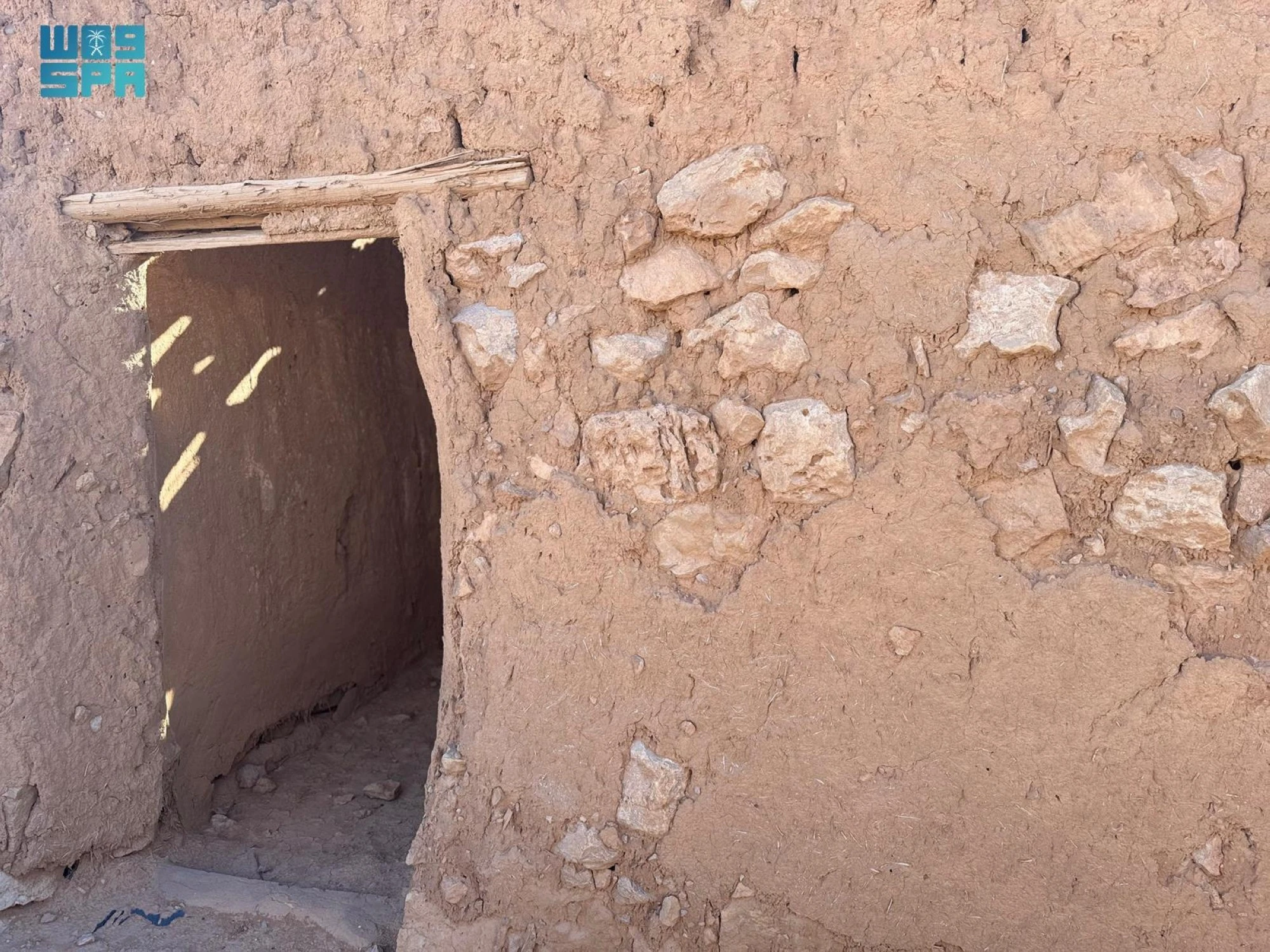
During the mid-20th century, Laynah emerged as a vital commercial hub due to its strategic location on the ancient trade route between Najd and Iraq. This position facilitated the exchange of goods and ideas, contributing to the village's prosperity and cultural accumulation.
Today, visitors can explore remnants of this bustling past, including the old market established in 1932, which continues to tell the tales of Laynah’s historical commerce and community life.
Ancient Architecture
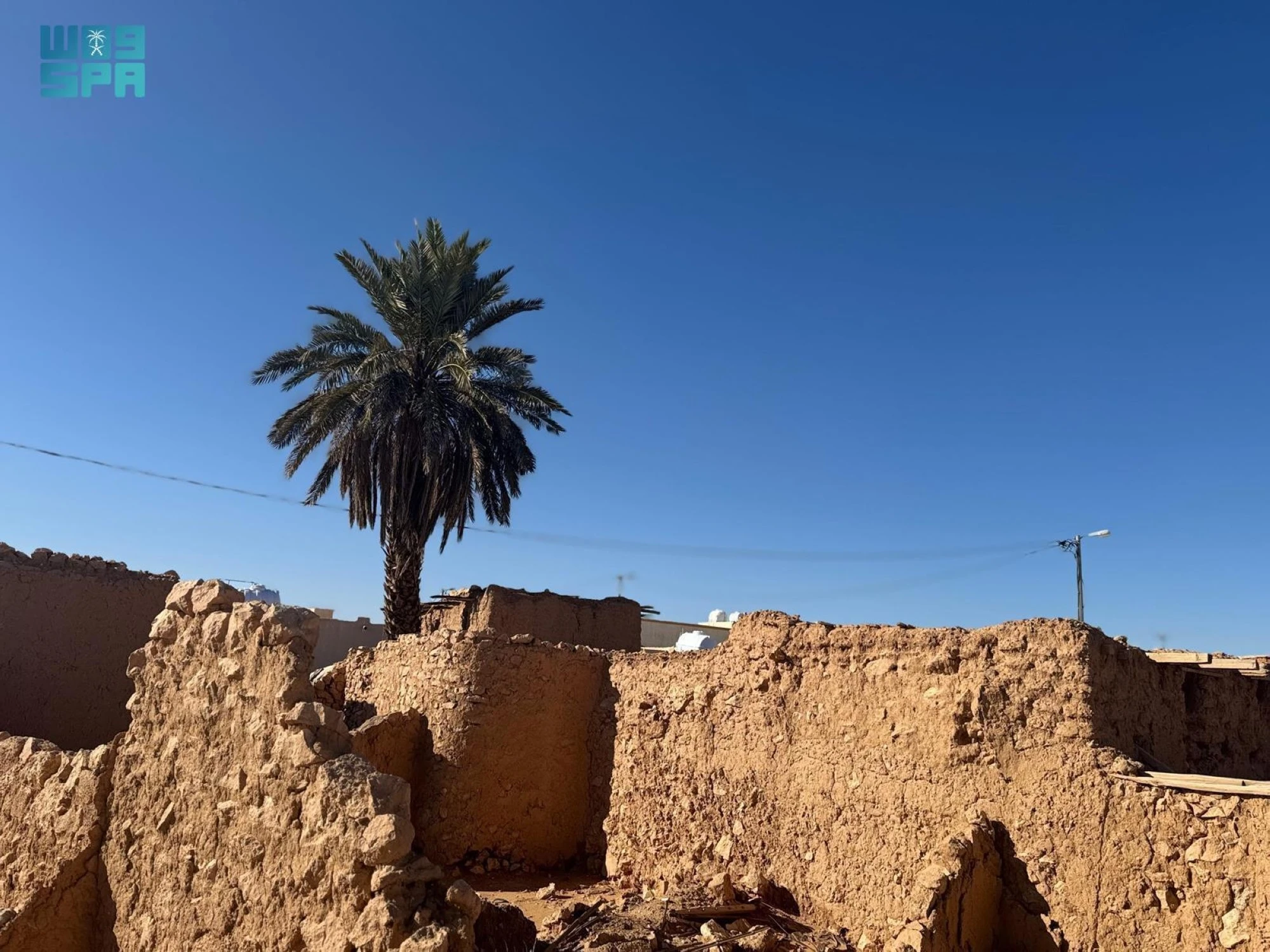
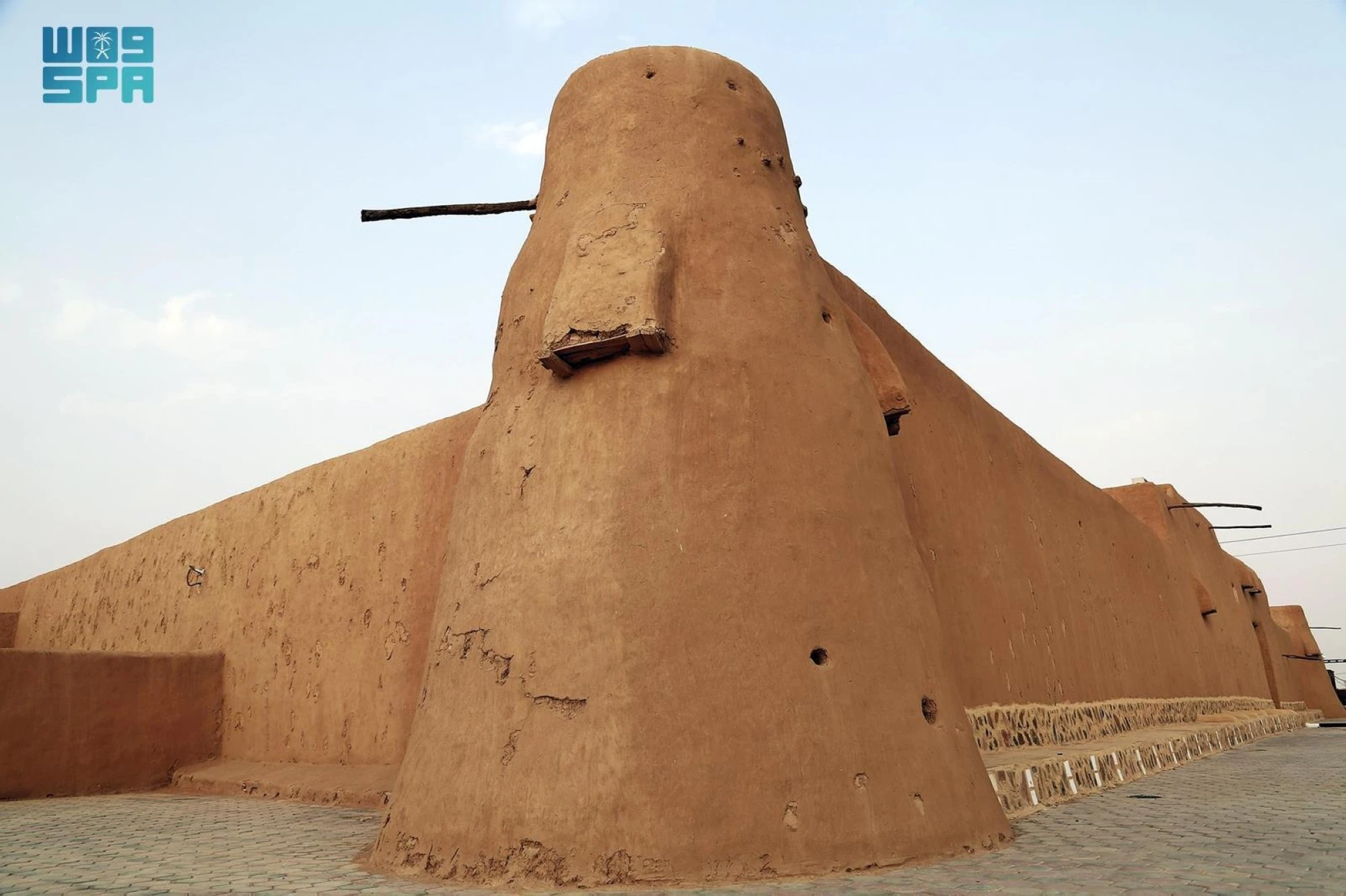
Laynah Village is distinguished by its traditional mud buildings, constructed using local materials such as mud, stone, and wood. These structures are designed with simplicity and functionality in mind, featuring inner courtyards surrounded by circularly arranged rooms. This design not only reflects the ingenuity of past builders but also maintains moderate temperatures throughout the year, offering a lesson in sustainable ancient architecture.
You Might Also Like: The journey to restore and future-proof Jeddah's historic sites and buildings
The Legendary Wells of Laynah
Perhaps the most intriguing aspect of Laynah’s heritage is its ancient water wells, believed to be among the oldest in the north of the Arabian Peninsula. These wells, carved into the hard rocky soil, are surrounded by legends and tales, including one that credits their creation to the jinn of Prophet Suleiman.
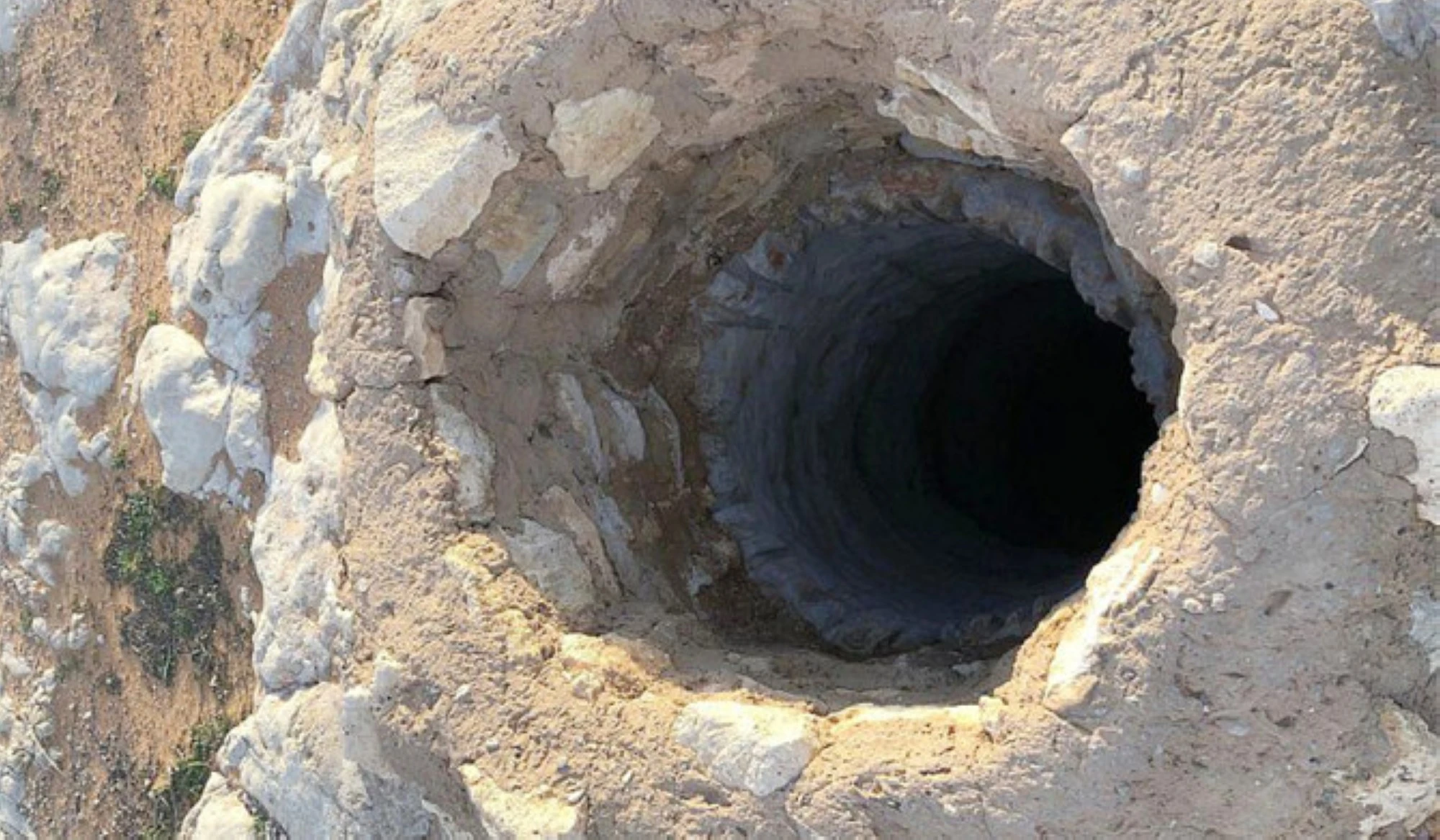
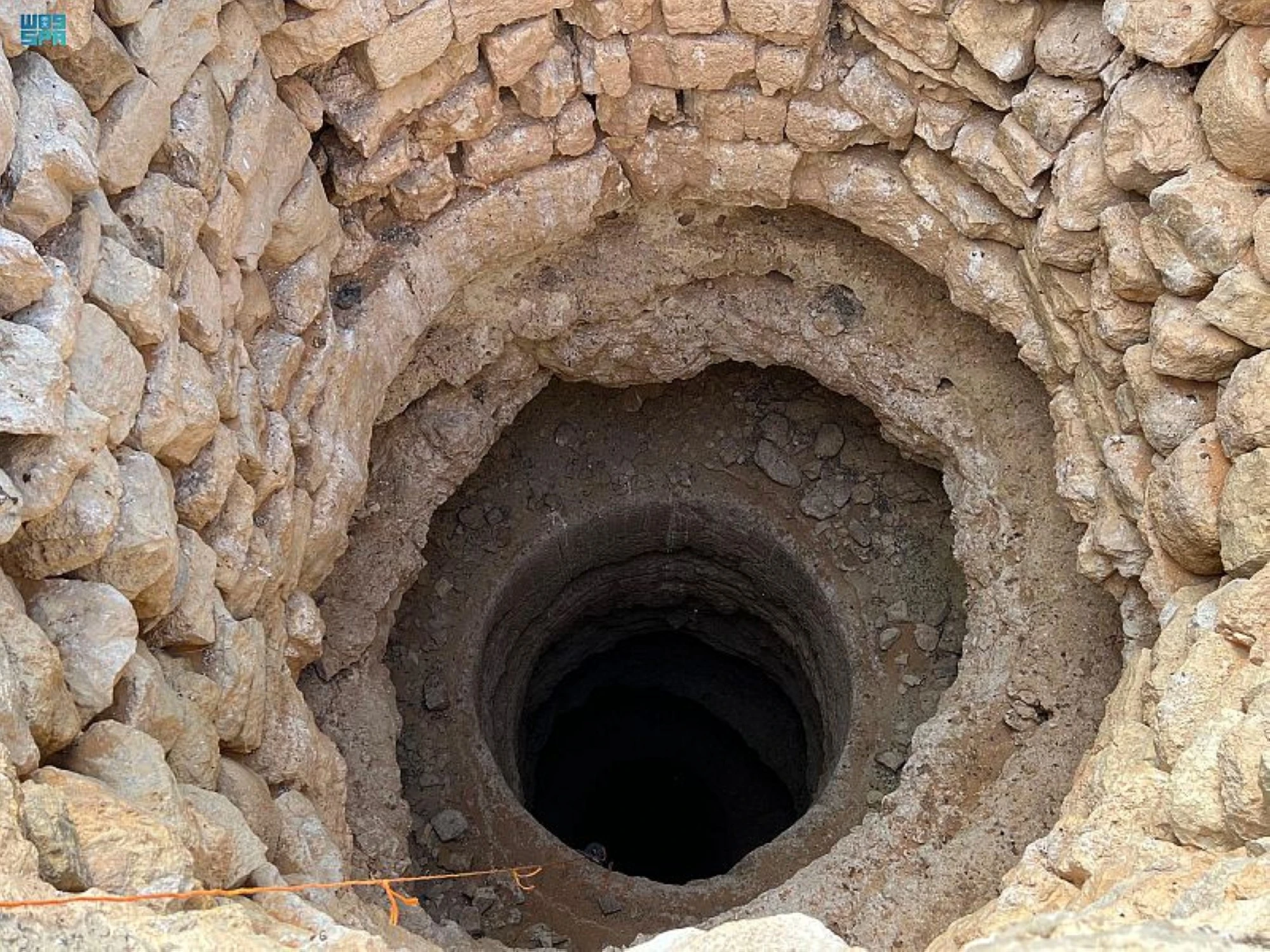
While historians debate the authenticity of these stories, the wells' intricate construction, as well as their depth and narrowness (thought impossible without modern tools) lend a mystical aura to their origins.
Preserving and Celebrating Heritage
The preservation efforts in Laynah not only safeguard these architectural and historical treasures but also serve as a bridge connecting the past to the present. Visitors and scholars alike are drawn to Laynah to study its structures and delve into its legends, making it a vibrant center for cultural tourism and historical research.
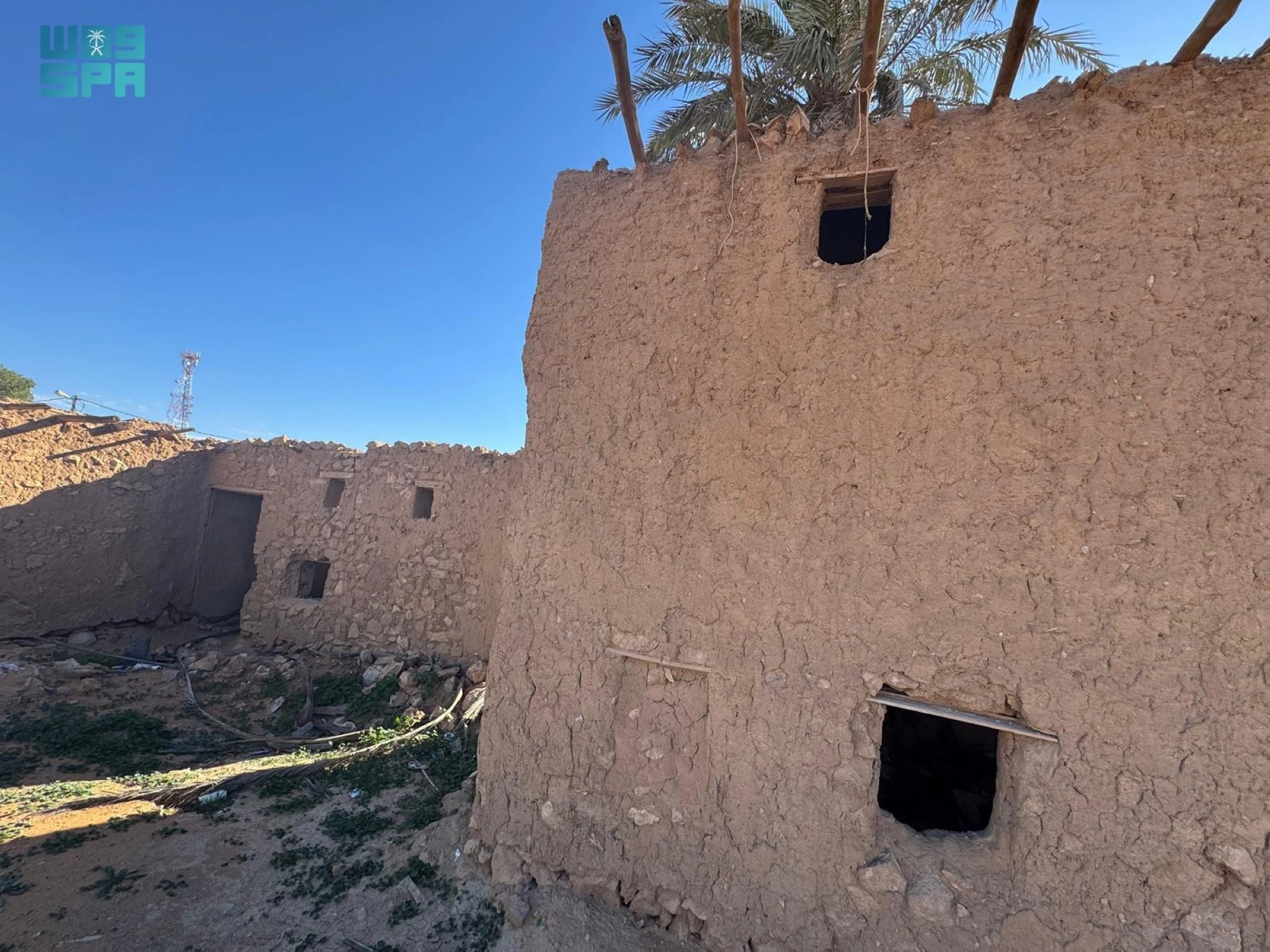
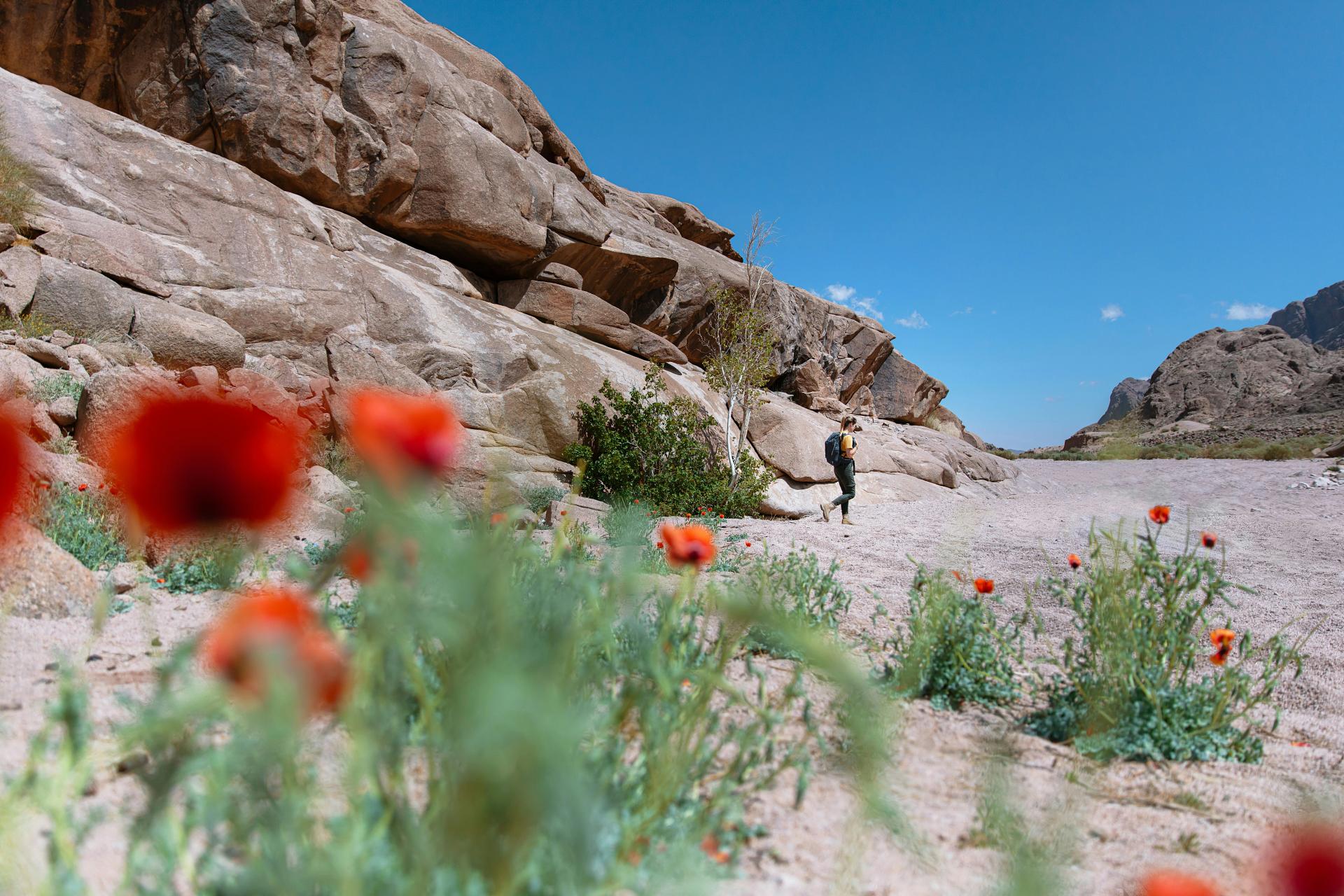
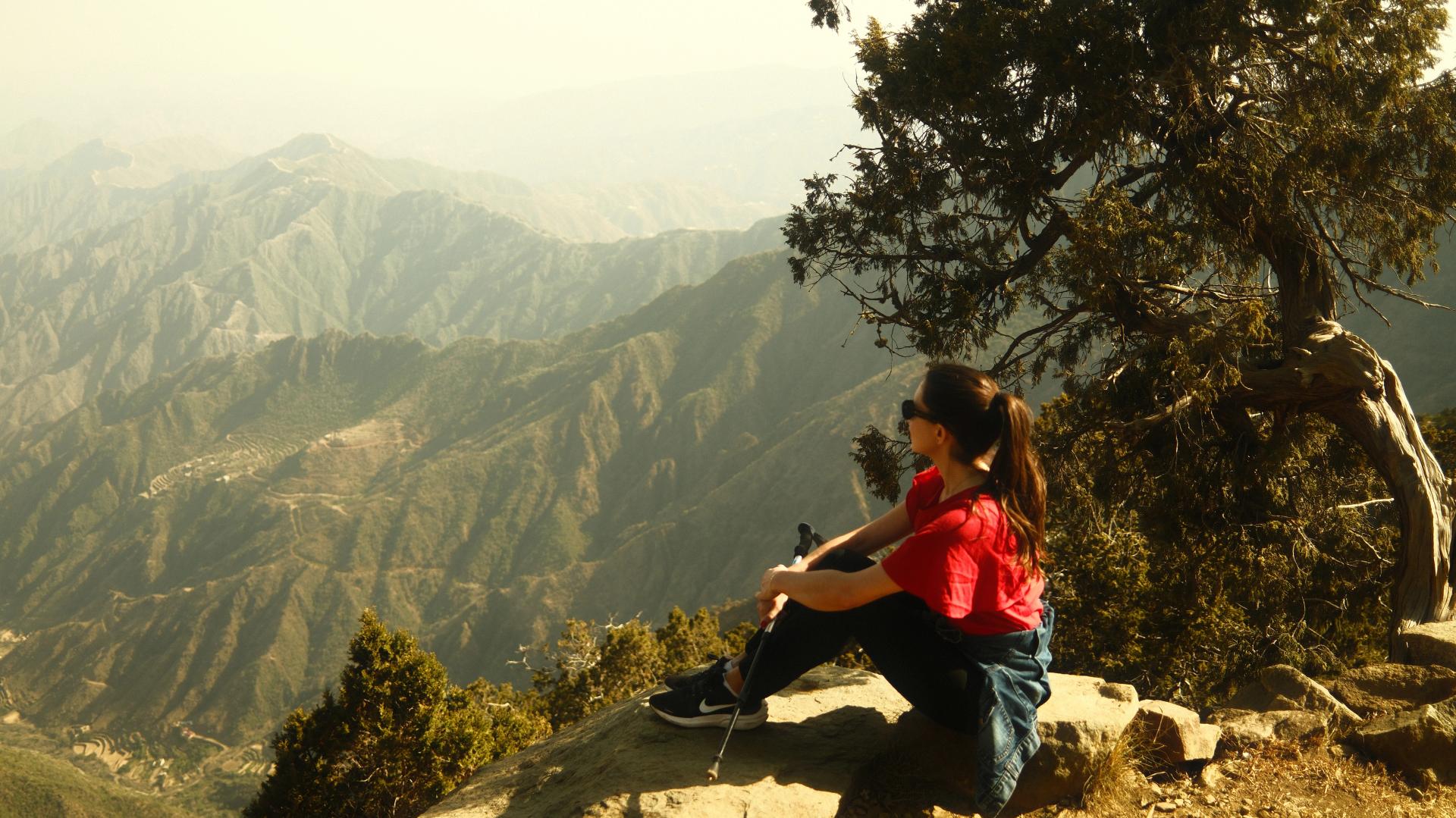
Today, Laynah is more than just a historical site; it is a thriving destination for hikers, nature enthusiasts, and those fascinated by the archaeological and historical wealth of Saudi Arabia. The village’s location near the well-known Zubaydah trail adds to its appeal, inviting adventurers to explore the scenic landscapes and enduring legacies of this remarkable region.
Laynah Village invites travelers from around the world to step back in time and experience the richness of Saudi heritage firsthand. Whether intrigued by its commercial history, architectural beauty, or the mystical tales of its wells, visitors to Laynah will find themselves immersed in a world where history and legend intertwine seamlessly with the sands of time.