
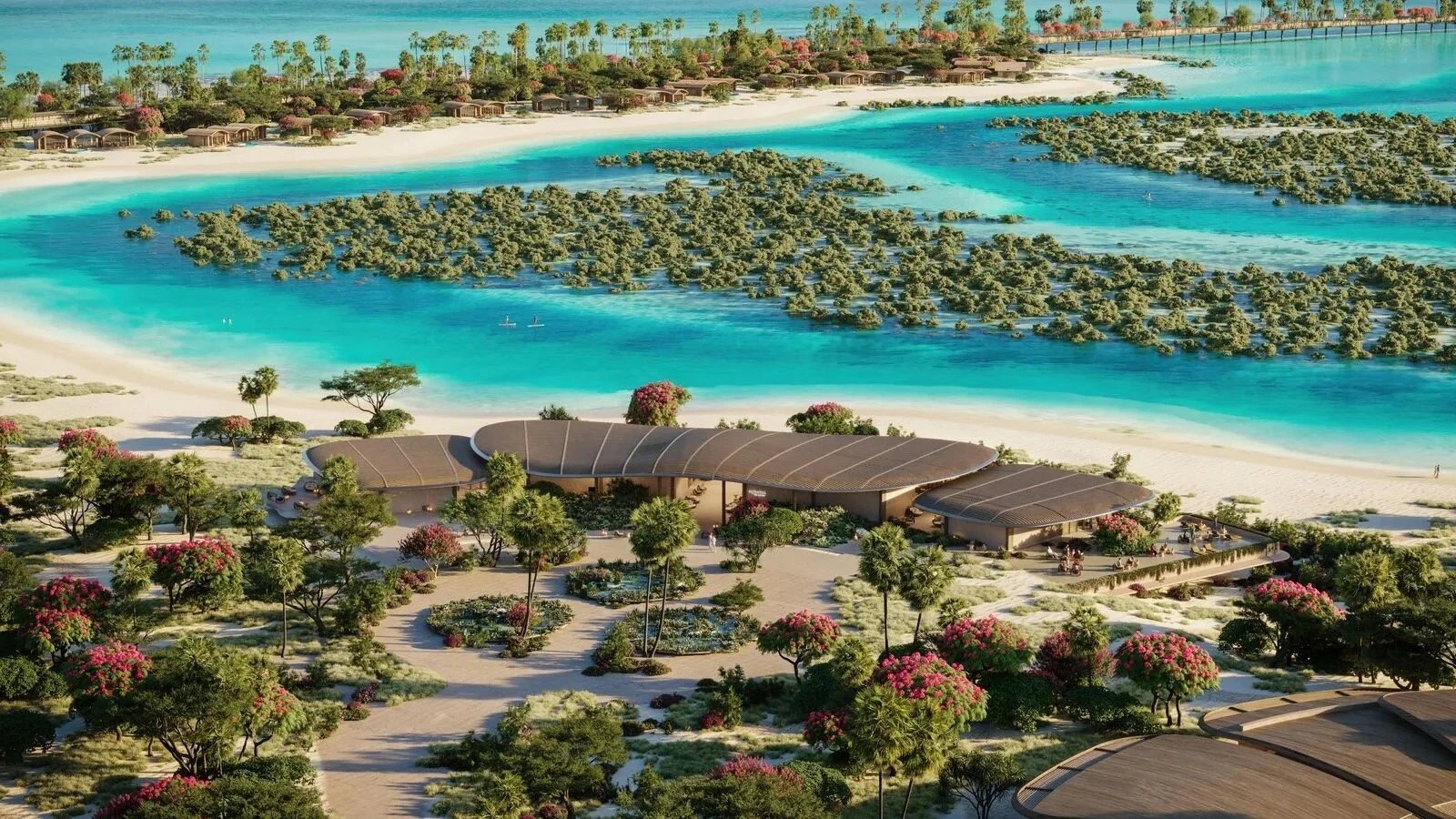
A trip to Tabuk Province in northwestern Saudi Arabia is still largely off the beaten path of most visitors to the region. However, tourism is now on the increase thanks to big developments on the Red Sea Coast and growing interest in the region’s rich historical sites.
Tabuk City has become a popular spot for visitors to use as a base for exploring the wider region, but the city itself is packed with fun attractions and makes an ideal weekend break for Saudi travellers looking for a relaxed break without a long flight. These are the top attractions in Tabuk City.
1. Tabuk Castle
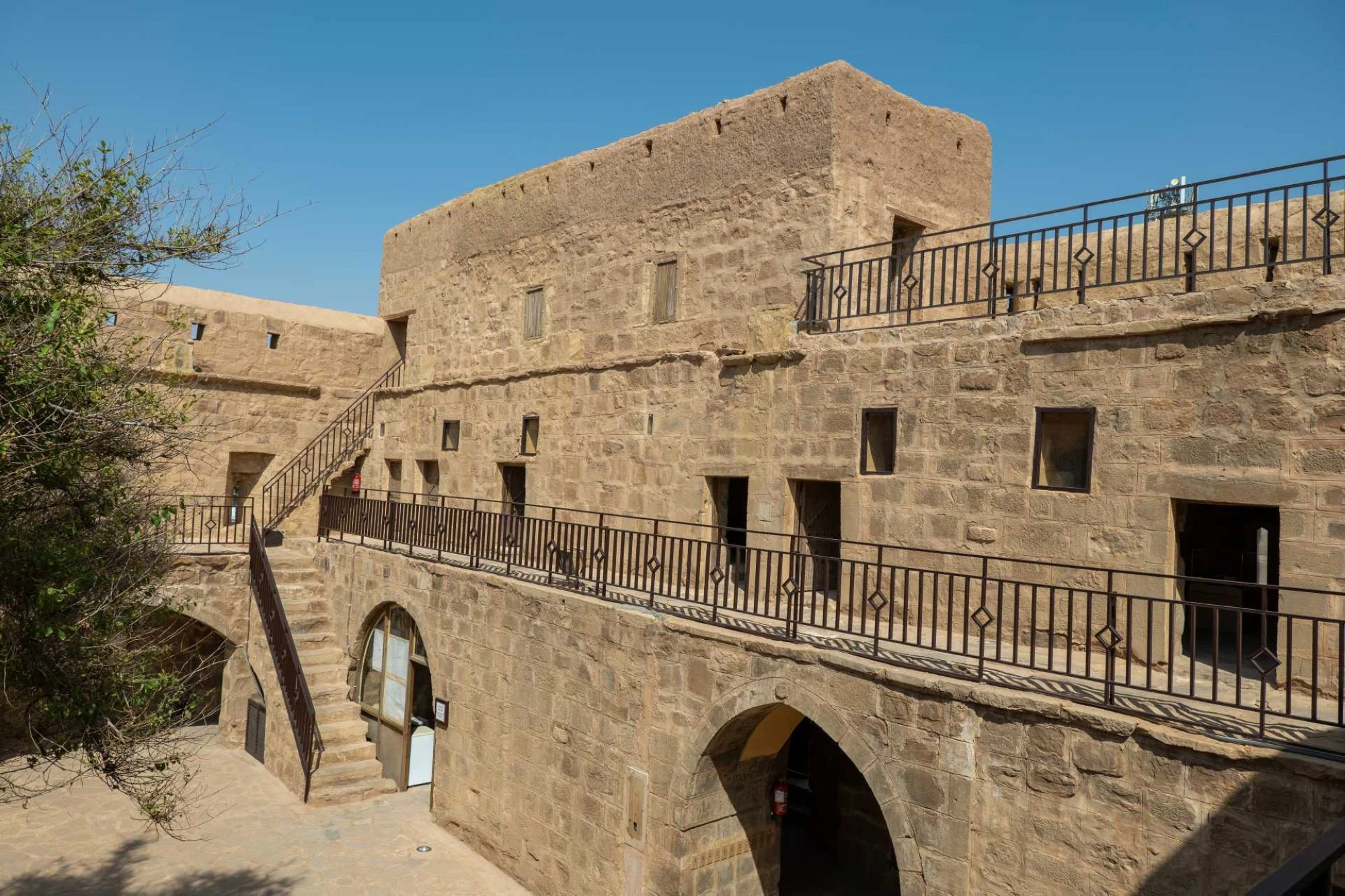
For those wishing to discover the rich history of Tabuk Province, the Tabuk Archaeological Castle is a must visit. The fortress, located in the centre of the city, is said to originally date back to around 3500 BC – a structure in this location is mentioned in the Qur’an as the Ashab al-Aykah – but most of the current building dates to 1559. Erected on the old road that connects Damascus to Madinah to protect a station for water, as well as for security and surveillance, it was once a major location for pilgrims travelling to Masjid Al-Haram and trade caravans, which led to the growth of the area’s economy.
The layout consists of an open courtyard and two floors, the first of which includes a mosque, a well, eight rooms and an internal staircase leading to the upper floor and another staircase that leads to the castle’s towers. The castle has now been converted into a museum that showcases historical artefacts and writings.
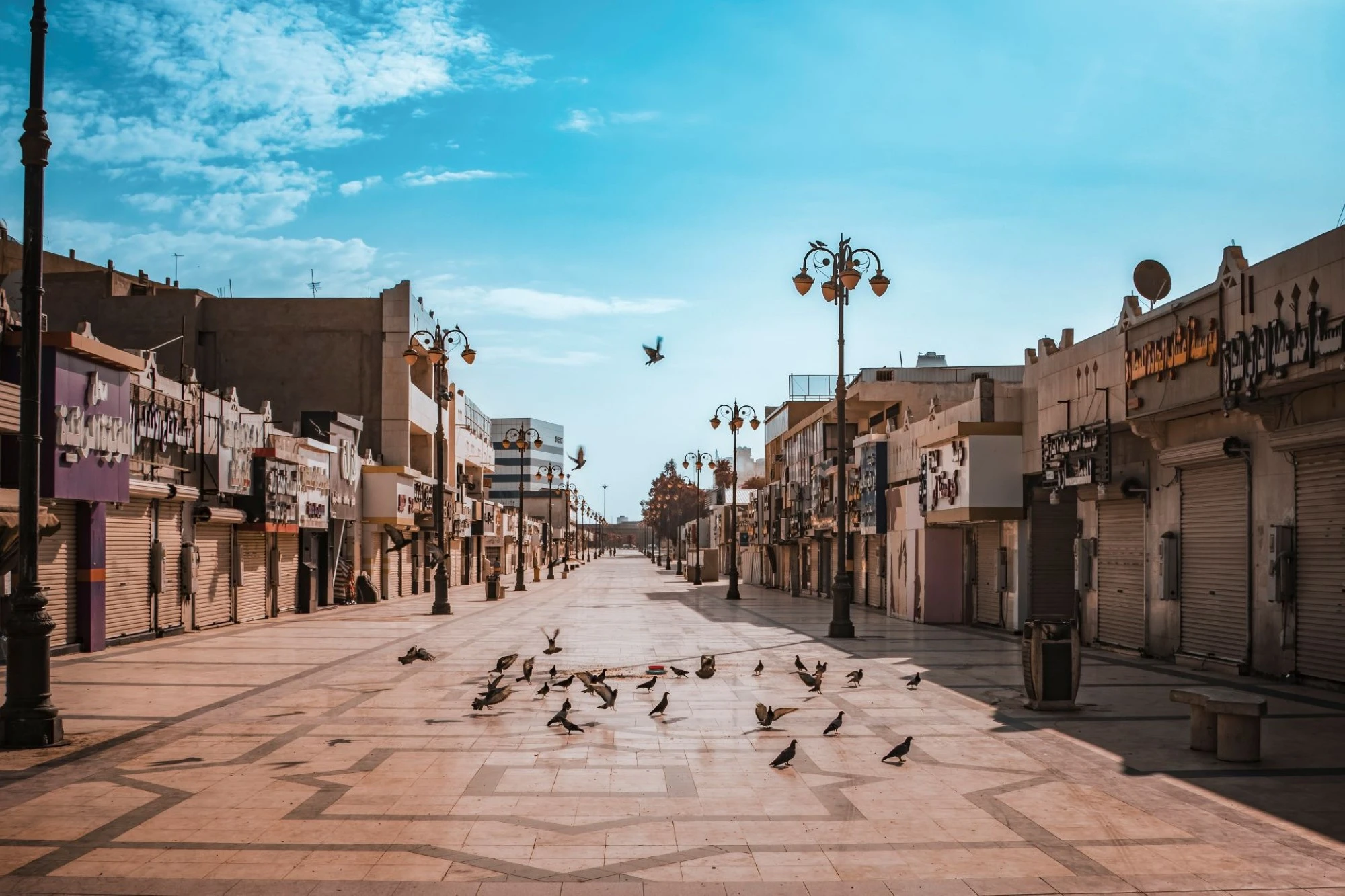
2. Souq Twaheen
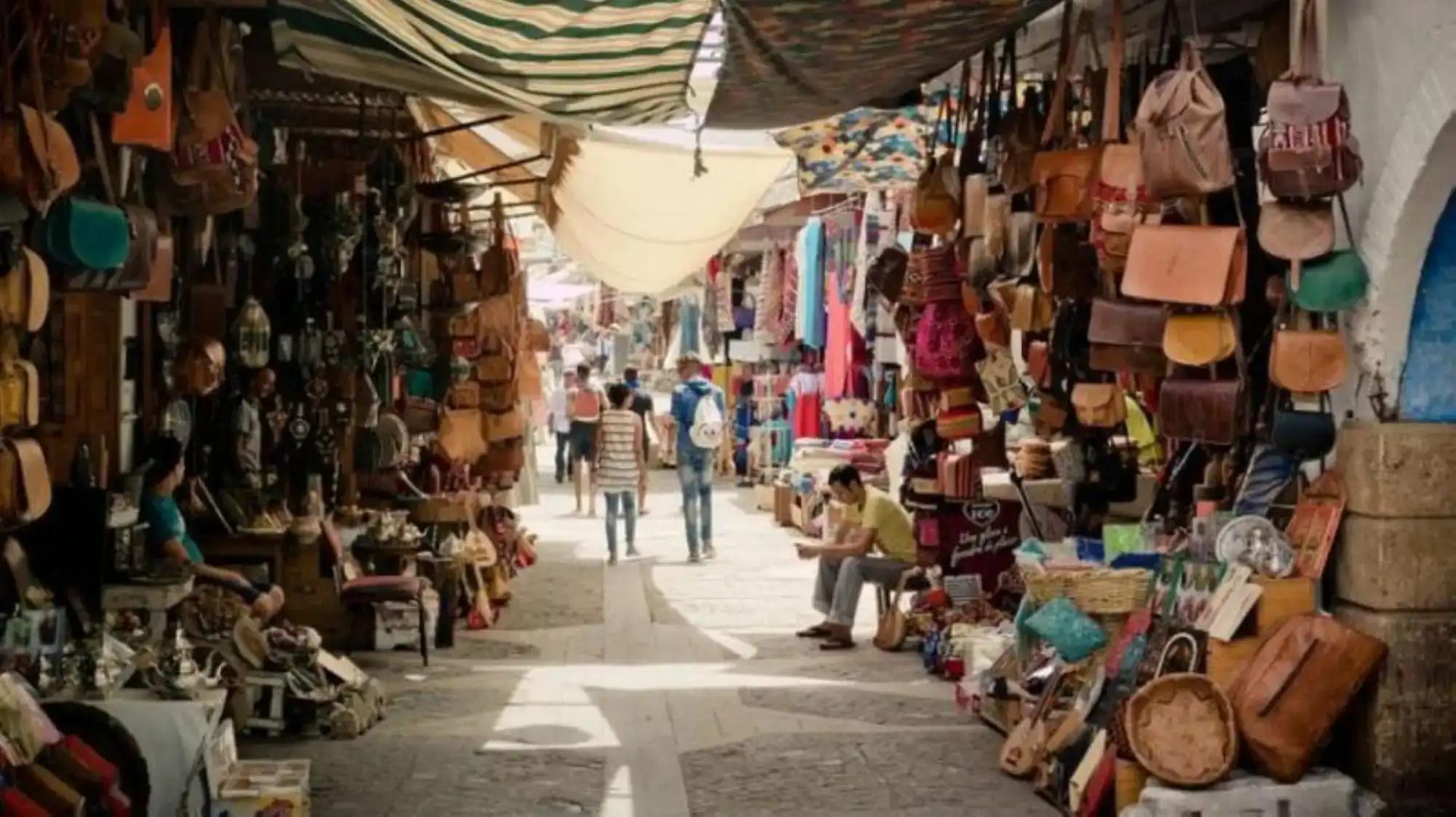
For those wishing to experience a traditional market and delve into local Bedouin culture, this centrally located souq in the heart of Tabuk still retains its original charm and whisks you back in time. It features small adjoining shops selling a variety of trinkets, abayas, and spices, and local Bedouins still come here to source their goat-haired tent covers and gas camp stoves. There’s also elaborate cushions, camel saddles and wonderfully patterned rugs – everything modern Bedouins need for desert life. It’s a wonderful way to meet and chat with local people and get a feel for life in this warm and welcoming corner of the Kingdom.
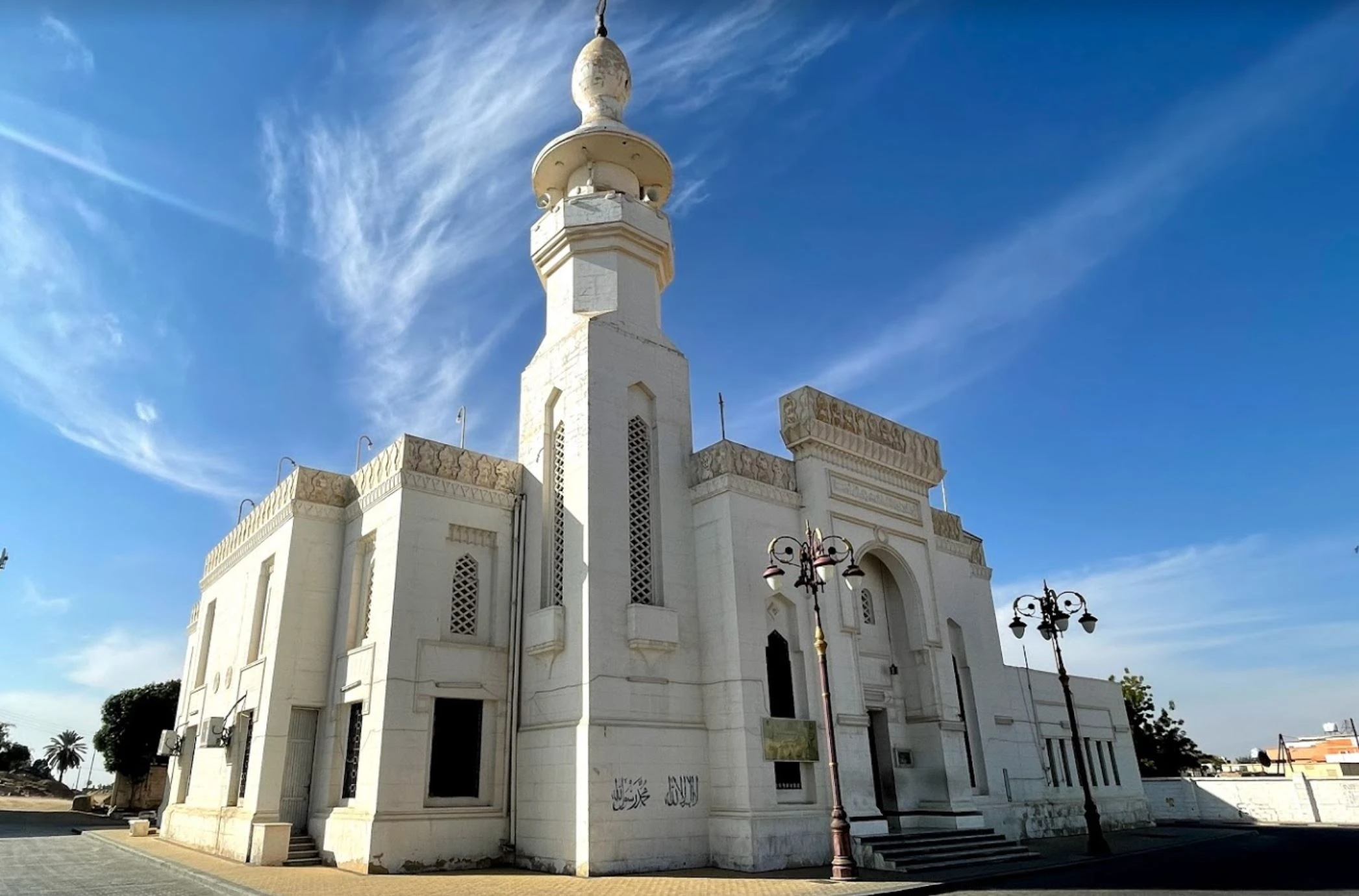
3. Al Tawba Mosque
Another important historical and cultural site is Al Tawba Mosque, which not only holds great significance for the surrounding area but also to Islam. In 630 BCE, the Prophet Muhammad (PBUH) camped and prayed for over 20 days at the location as there was a running spring at the time. The Prophet arrived with around 30,000 men for the Battle of Tabuk, the last battle he led with the intention of fighting the Byzantine army. Originally built in 716 BCE during the reign of Caliph Umar bin Abdulaziz and composed of bricks, mud and palm-trees, a major renovation took place in 1973 to include distinctive architectural styles featured in the Prophet’s Mosque in Madinah.
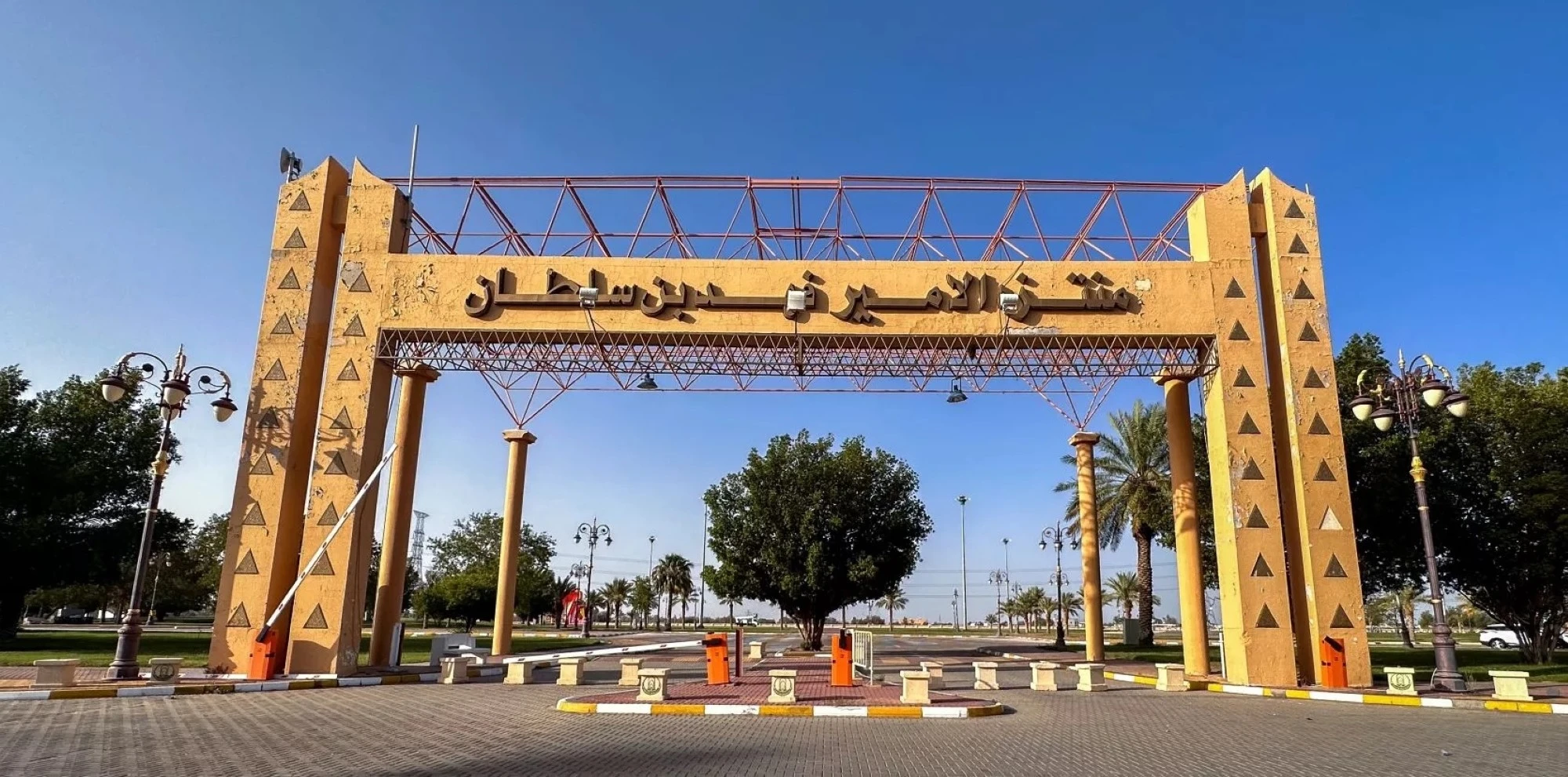
4. Prince Fahad Bin Sultan Park
For those traveling to Tabuk with their families and children, a visit to this park is the ideal opportunity to get out into nature for play, connection and rest. There’s a long stretch of lush grass that spans an area of 500,000 square meters where visitors can enjoy a cup of Saudi coffee, dates and other picnic dishes while relishing in the cool verdant surroundings.
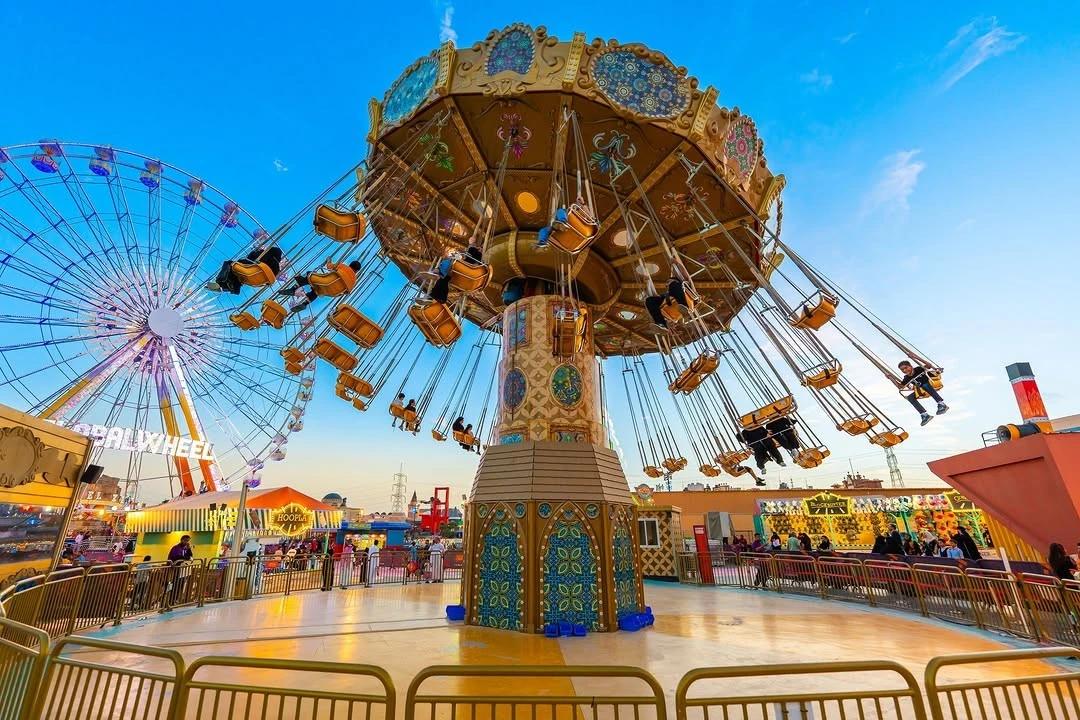
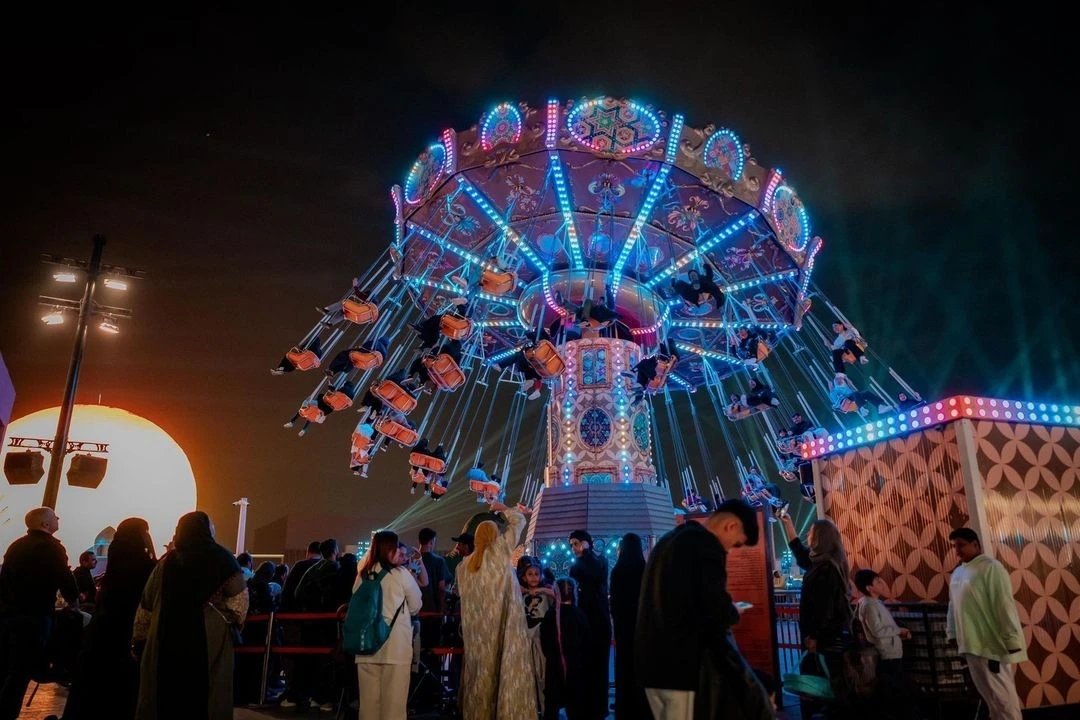
The park is open all day long and has a 1,600-meter walking track – perfect for stretching your legs in the cool evening breeze as the sun goes down. For children, there are a variety of fun rides and games in a designated playground area. There’s also a trail along a 630-meter track. If you haven’t brought a picnic, there are a variety of food stalls in the park serving local and international cuisine.
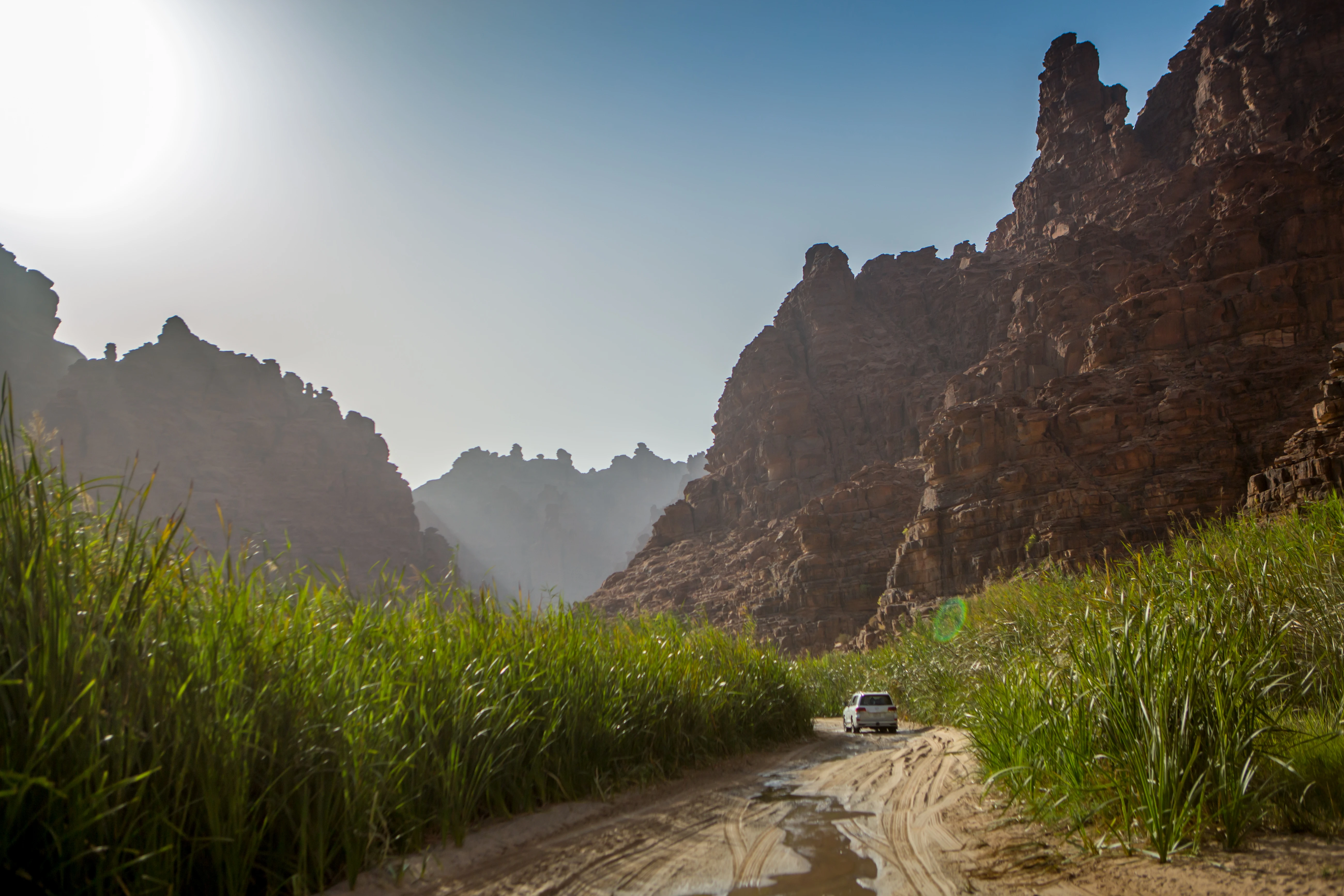
5. Day trip to Wadi al Disah
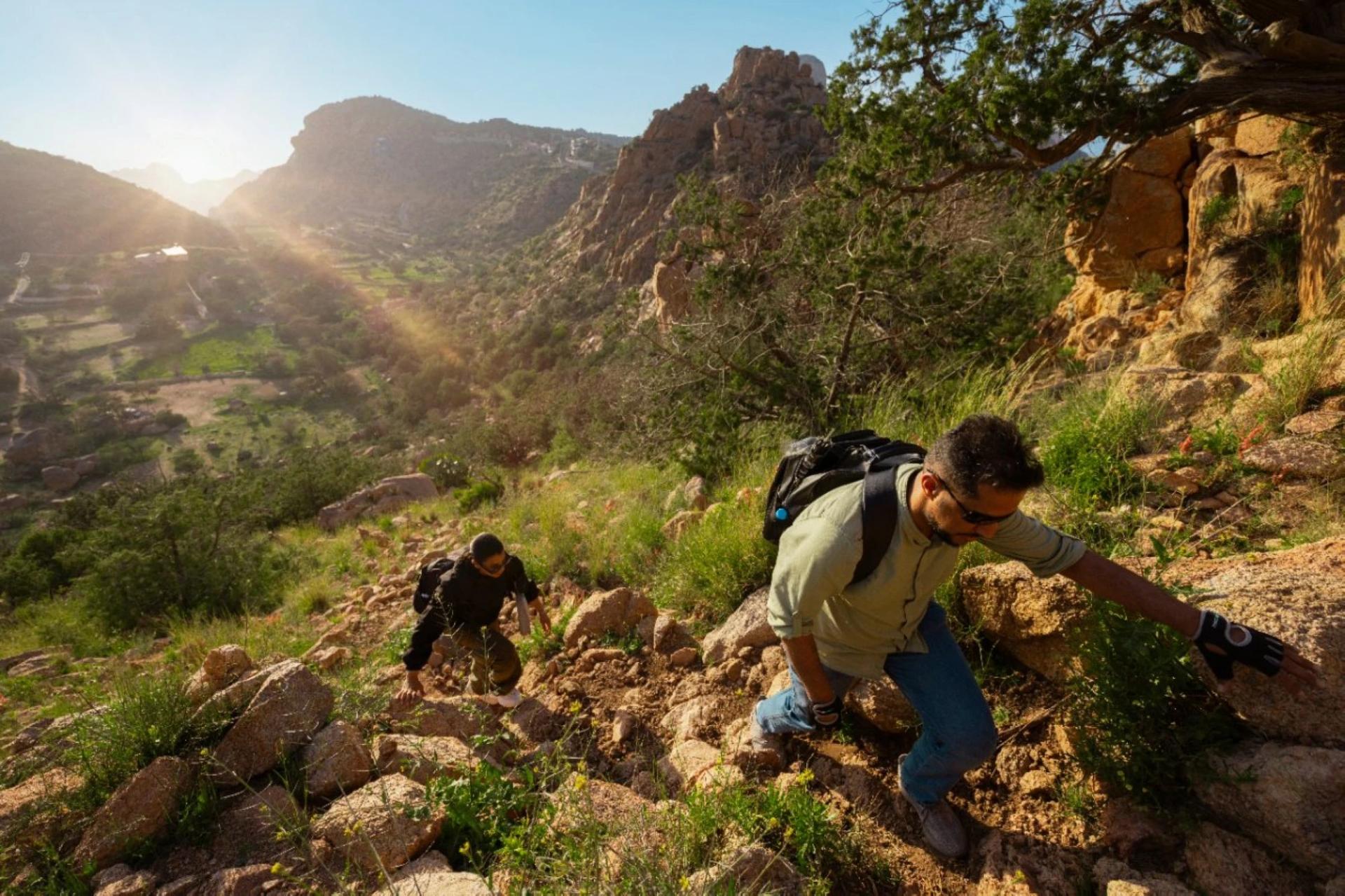
Visitors who want to behold and experience the breathtaking richness and variety of the surrounding Tabuk landscapes should make time for a day trip to Wadi al Disah, a mountainous area that’s considered to have one of the most beautiful natural landscapes in Saudi Arabia. Known as the “valley of palm trees”, it is nestled between majestic cliffs that extend to heights of around 400 meters. Locals and tourists alike love Wadi Al Disah and travel great distances to fall under its enchanting spell each year. It is a 2.5-hour drive from Tabuk City and well worth the effort.
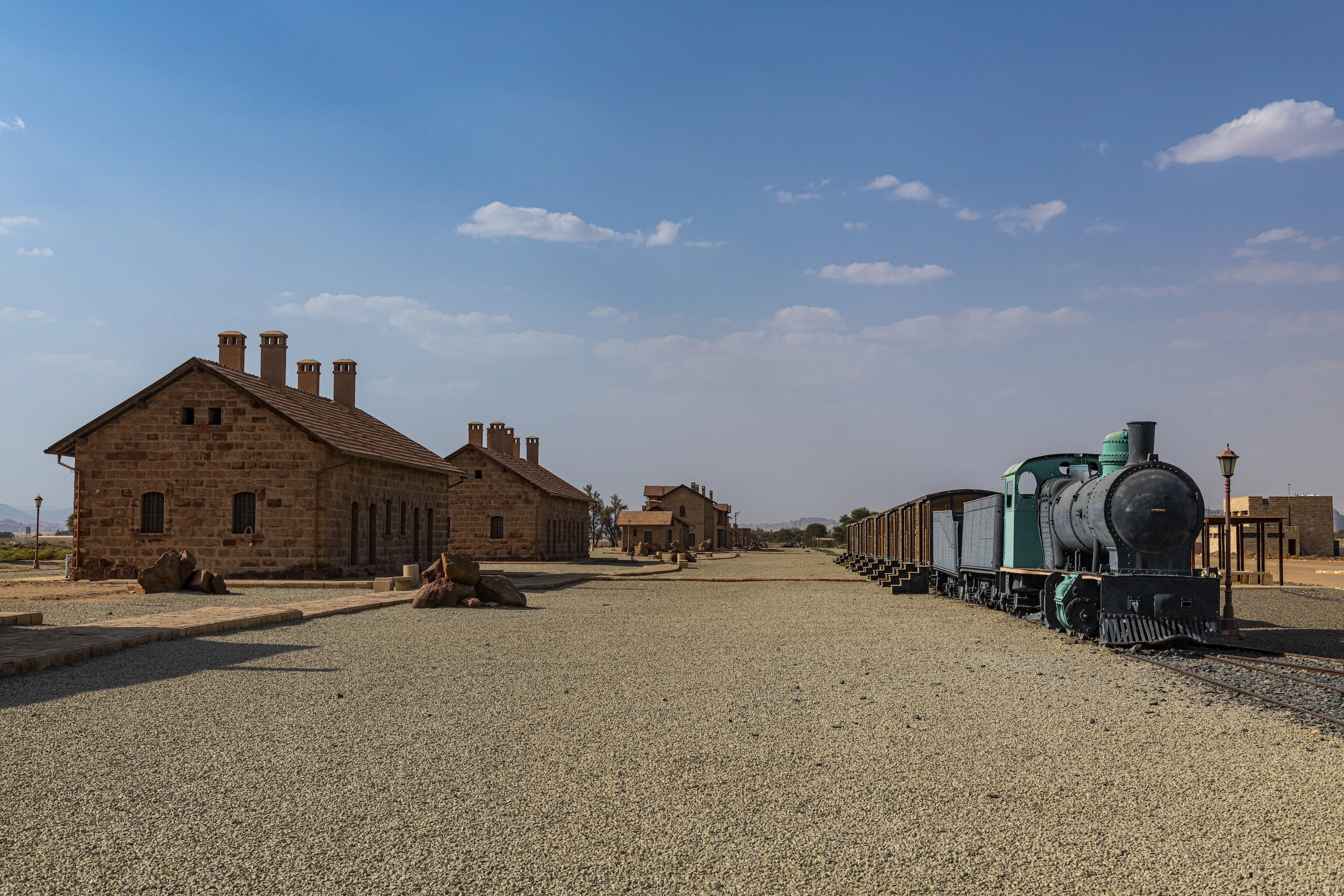
6. Hejaz Railway Station
Tabuk Station is considered one of the main stations on the historic railway established at the beginning of the 20th century to connect Damascus and Madinah. It is also likely the third largest in terms of area after the stations of Madinah and AlUla. The station was composed of around 13 buildings that were built to offer places of rest and respite for pilgrims and included a hospital, a quarantine station and a rest house. The Tabuk Station has now been transformed into a museum displaying the most important tools used to operate the station during the era of the Hejaz Railway.