



Saudi Arabia is a vast country featuring everything from red desert dunes and ancient cities to beaches on two sides of Arabia, the Red Sea and the Arabian Gulf.
It is very well connected by road and increasingly well connected by train and flight, so it is more than possible to visit many of its cities and key sites in two-to-three days, a little longer perhaps to do the Al-Ahsa Oasis or Najran, Jizan and the southwest justice.
A weekend is more than enough time to see the main sights in any of Saudi Arabia’s cities, and AlUla, although only if you fly. Once you’ve done the major sites, there are also a number of lesser-known cities that are worth exploring: Qatif, Hofuf and Uqair among them.
1. Riyadh – Saudi capital out of its shell at last
A decade ago Riyadh wasn’t high on the average traveller’s list for a weekend of leisure. Even despite its cultural importance to Saudi Arabia – and the Al Saud family that gave the nation its name – most of Riyadh’s historical sites were rarely visited, and there was absolutely no nightlife to speak of.
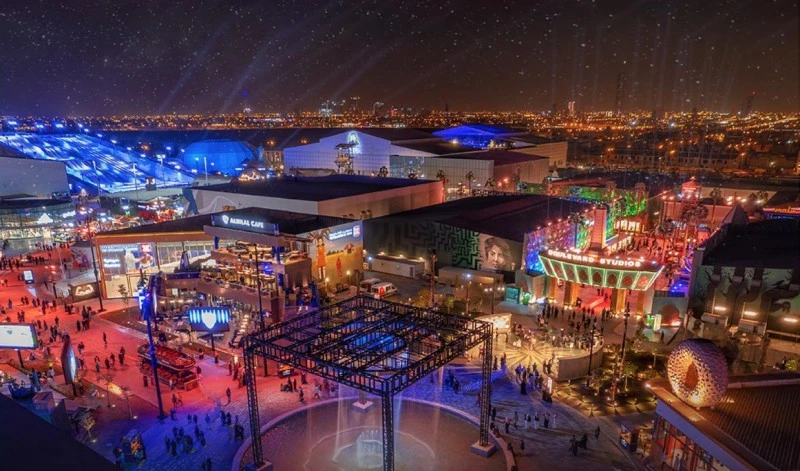
All that has changed since 2019. Now the city is an exciting destination, and not only for Saudis. Its sporting and event schedule easily rivals Dubai and Abu Dhabi, and entertainment hubs like Boulevard City are hives of activity during the Riyadh Season festival. For food and nightlife, you are spoiled for choice in the capital.
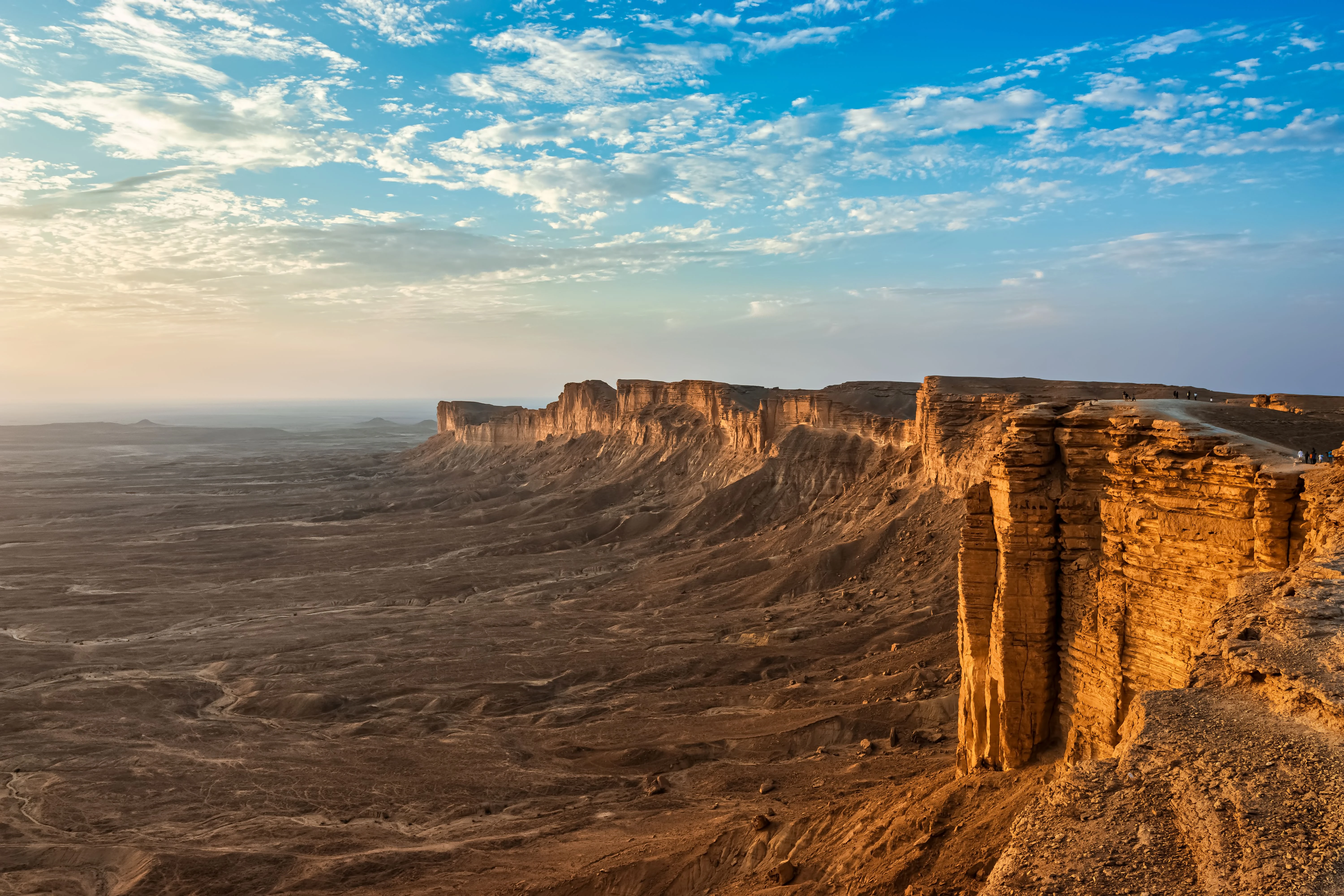
But for history buffs, it is the newly restored heritage sites like Diriyah that make Riyadh worth a weekend break, along with the At-Turaif heritage district and Wadi Hanifah, transformed in recent years to a prime picnicking and hiking spot. Riyadh is also an excellent base for hikes and excursions into the desert, including dune bashing, camel riding, sandboarding, and the Edge of the World.
2. Jeddah – An ancient gateway to the Hejaz
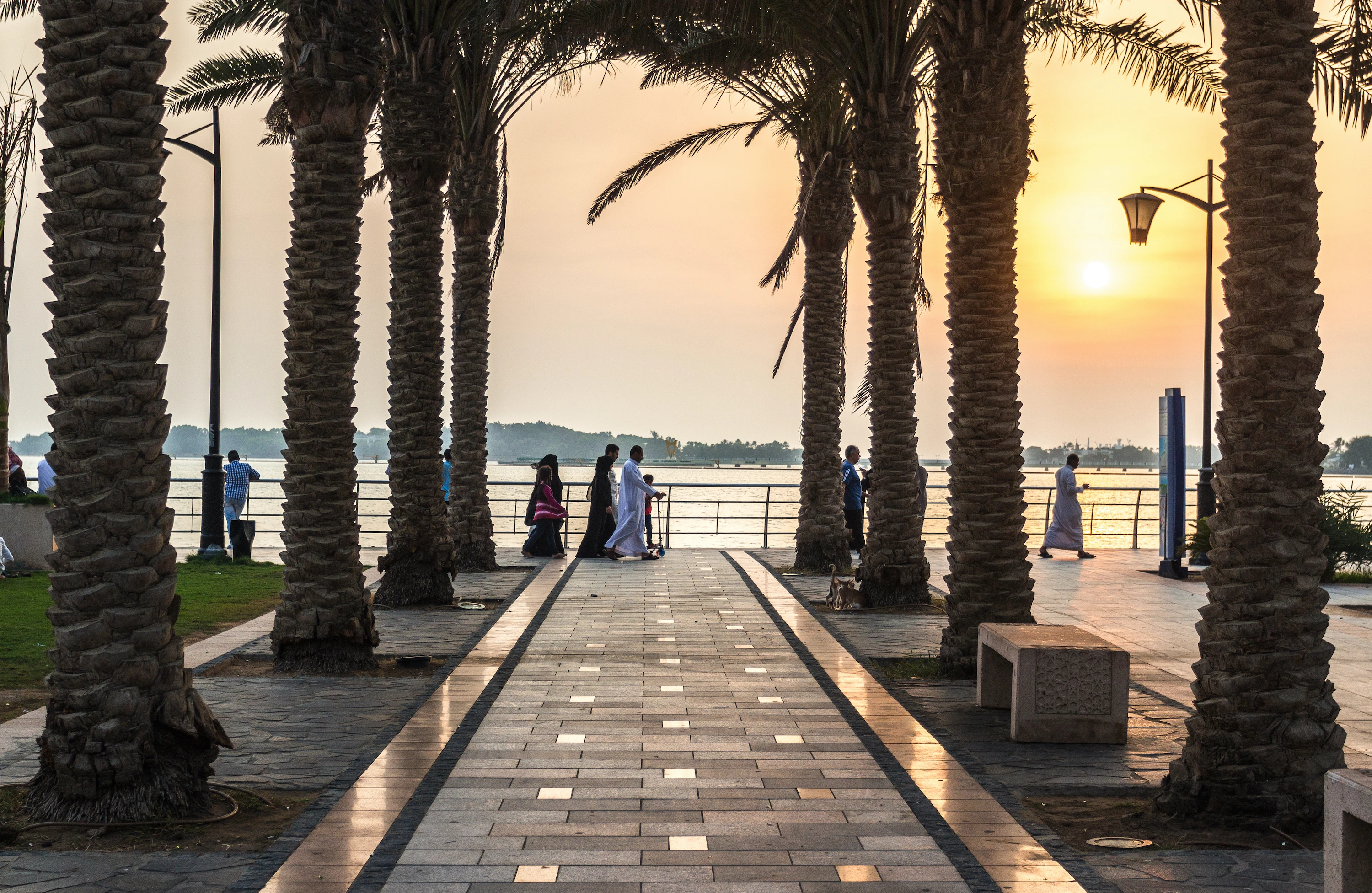
More than any other city in Saudi Arabia, Jeddah is the place where history and modernity collide. All trips to the city should begin in Al Balad, a gateway for pilgrims for over a thousand years, many of which have left their indelible mark on the architecture, cuisine and culture of this unique metropolis. Like Riyadh, Jeddah’s charms went unappreciated for decades, but a new raft of regeneration and redevelopment has restored Al Balad to its former glory.
There is so much hidden in the corners and winding streets of this ancient city, from ancient mosques and religious sights to the unique architecture of the old buildings, that a weekend is barely enough to see it all. To be honest, a lifetime may not be enough: this is one of the Middle East’s foremost cities, alongside Cairo, Istanbul and Damascus – drink it in.
The second jewel in Jeddah’s crown is its Red Sea coast, and visitors will likely find themselves strolling along the Corniche on most evenings, stopping for snacks and drinks, and maybe dipping a toe in the warm waters. As well as amusement parks and green space, the Corniche also features public art and the King Fahd Fountain, which claims to be the world’s tallest.
3. AlUla – Ancient wonders and desert landscapes
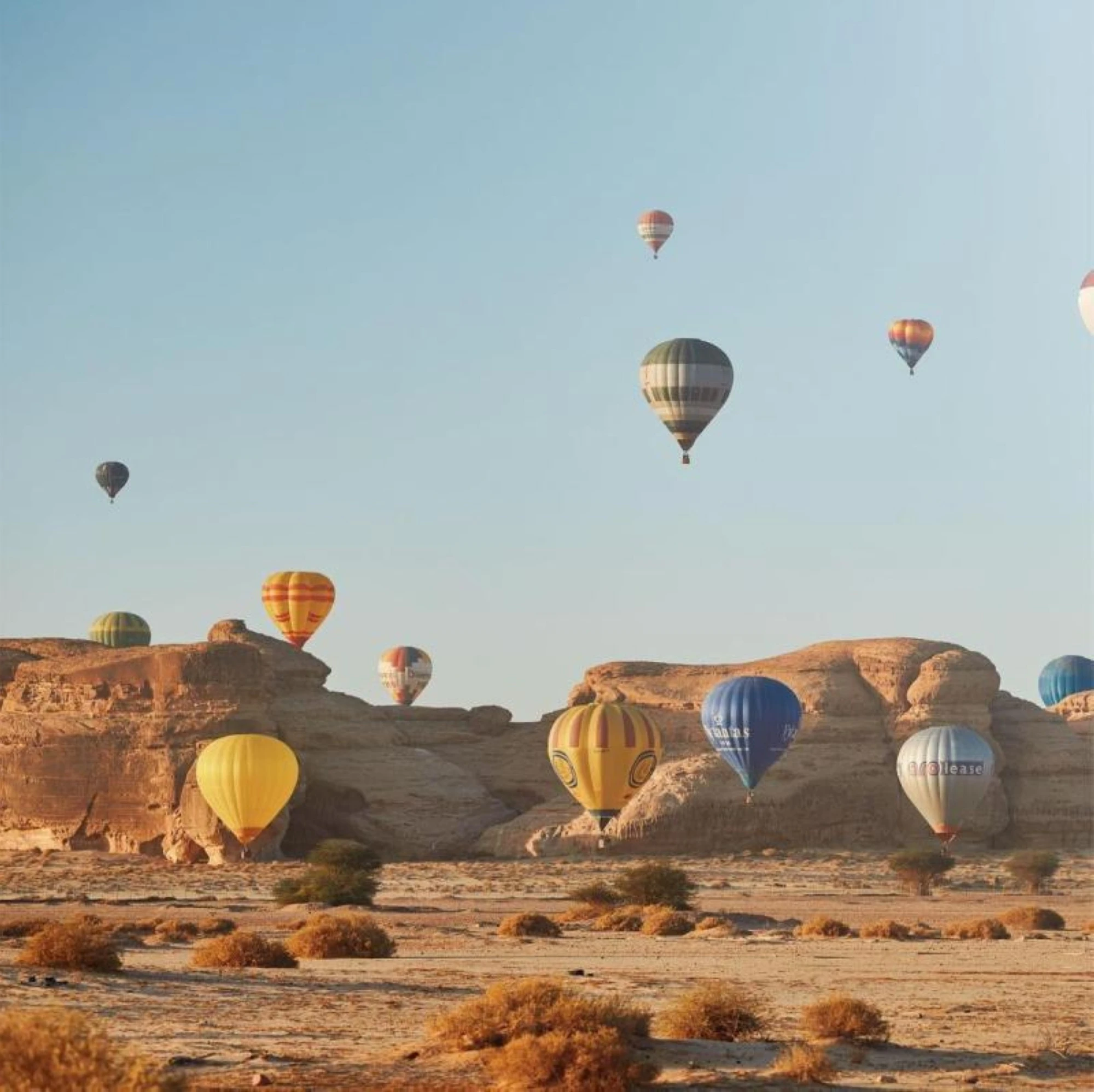
It is incredible that for most of Saudi Arabia’s modern history, AlUla has been hidden from view. Hegra, also known as Madain Saleh, is an ancient Nabataean city home to over 100 intricately carved tombs.
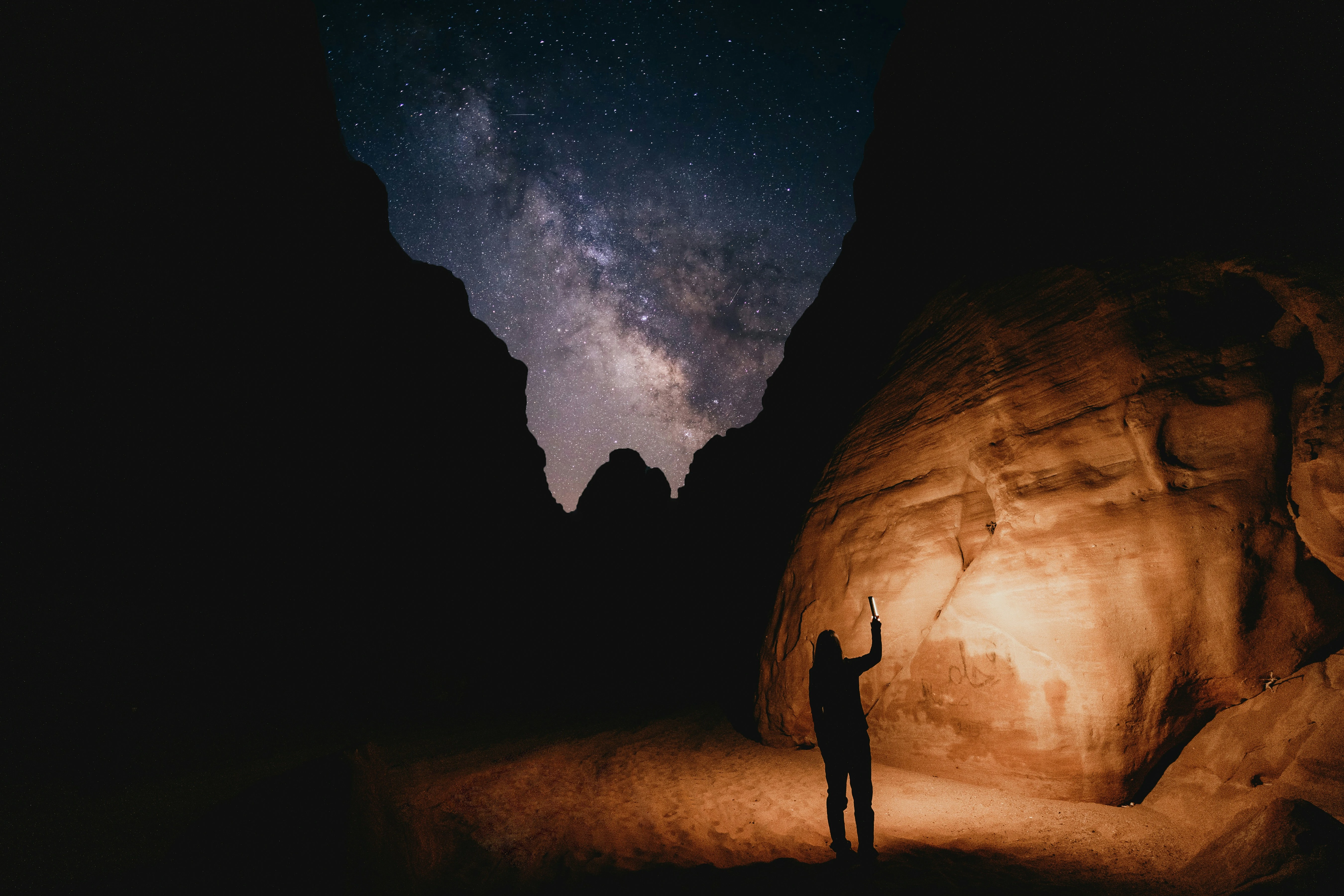
Recent work to preserve these 2,000-year-old structures allows visitors to step back in time and imagine life in a thriving desert civilisation. It is a wonder, as are other sites in the neighbourhood such as Elephant Rock, a natural sandstone formation shaped like its namesake, and the Ashar Valley, which offers hiking trails through spectacular desert terrain. Those staying over in AlUla will also get the opportunity to see the stars as they were viewed thousands of years ago.
There are plenty of opportunities for travellers to pair their cultural and historical adventure with a heavy dose of luxury, from Our Habitas, an eco retreat designed to blend into the natural surroundings, to the Banyan Tree, which has a pool built between two canyons.
4. Umluj – an incredible underwater world

Umluj has become famous for its crystal-clear waters, pristine white beaches, and world class diving and snorkelling and it's not only locals who flock here for a luxurious coastal escape.
Visitors can explore Umluj’s turquoise waters on a guided boat tour that takes in a few of the hundred or more islands, checking out unique wildlife such as dolphins and hawksbill turtles, as well as vibrant coral reefs and rich biodiversity.
Back onshore, unwind on the beaches or enjoy freshly caught seafood prepared with a local twist. Whether you're a diver or not, Umluj is a great place to chill out. Bear in mind that while it is possible to take your own car to Umluj, it can be complicated and tickets need to be booked in advance. It may be easier to arrange transportation via your hotel, or book a local taxi.
5. Taif – The City of Roses
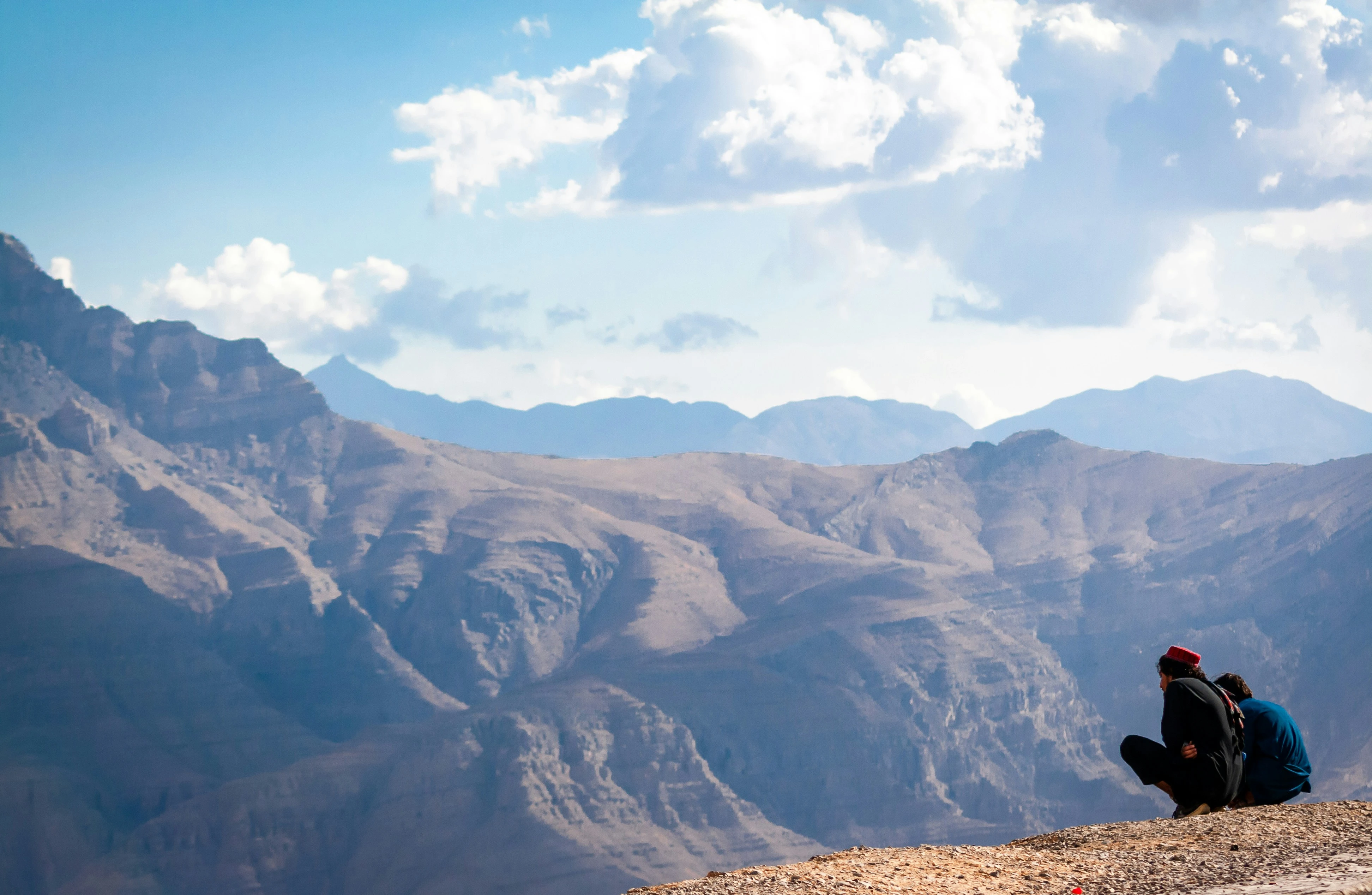
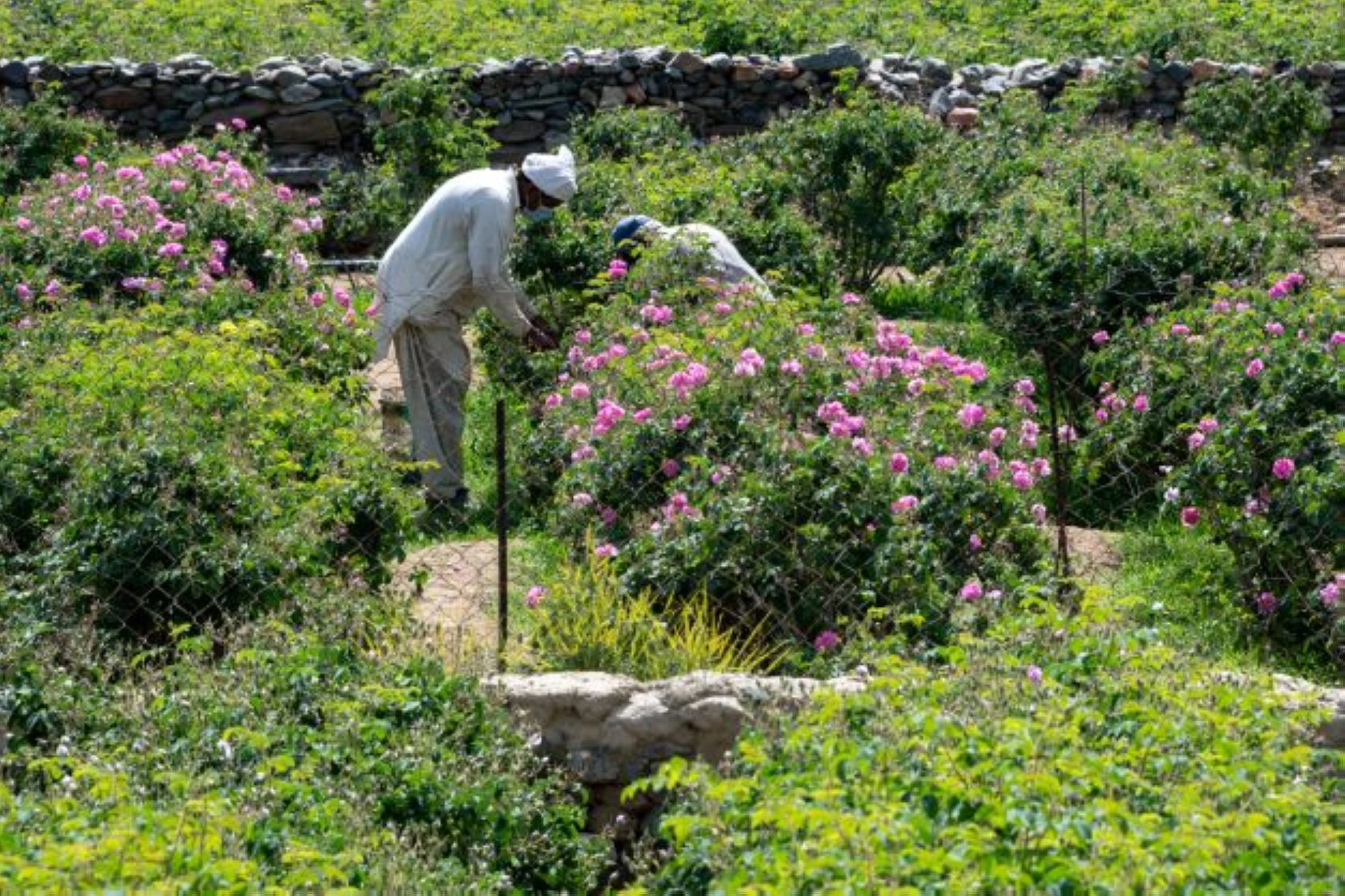
Nestled in the Hejaz Mountains, Taif has long been a refuge for those from Madinah, Makkah and Jeddah looking to beat the summer heat. It is also famous for its roses, and visiting during the rose harvest, from February to April, is a standout experience.
Visitors can tour rose farms to learn about traditional rosewater production and even participate in the harvest. Taif is also famous for its honey, which makes an excellent souvenir. There is a distinction between honey farmed in hives and that gathered from mountain bees, which is the traditional method but far more labour intensive, and far, far more expensive.
Nature lovers will also likely enjoy the landscape surrounding Taif, including the Al Wahbah Crater, a vast natural formation created by volcanic activity. For a dose of history, visit the Al Shareef Museum, where vintage artifacts and classic cars tell the story of the region’s past.
6. Aseer – Cool mountain escapes
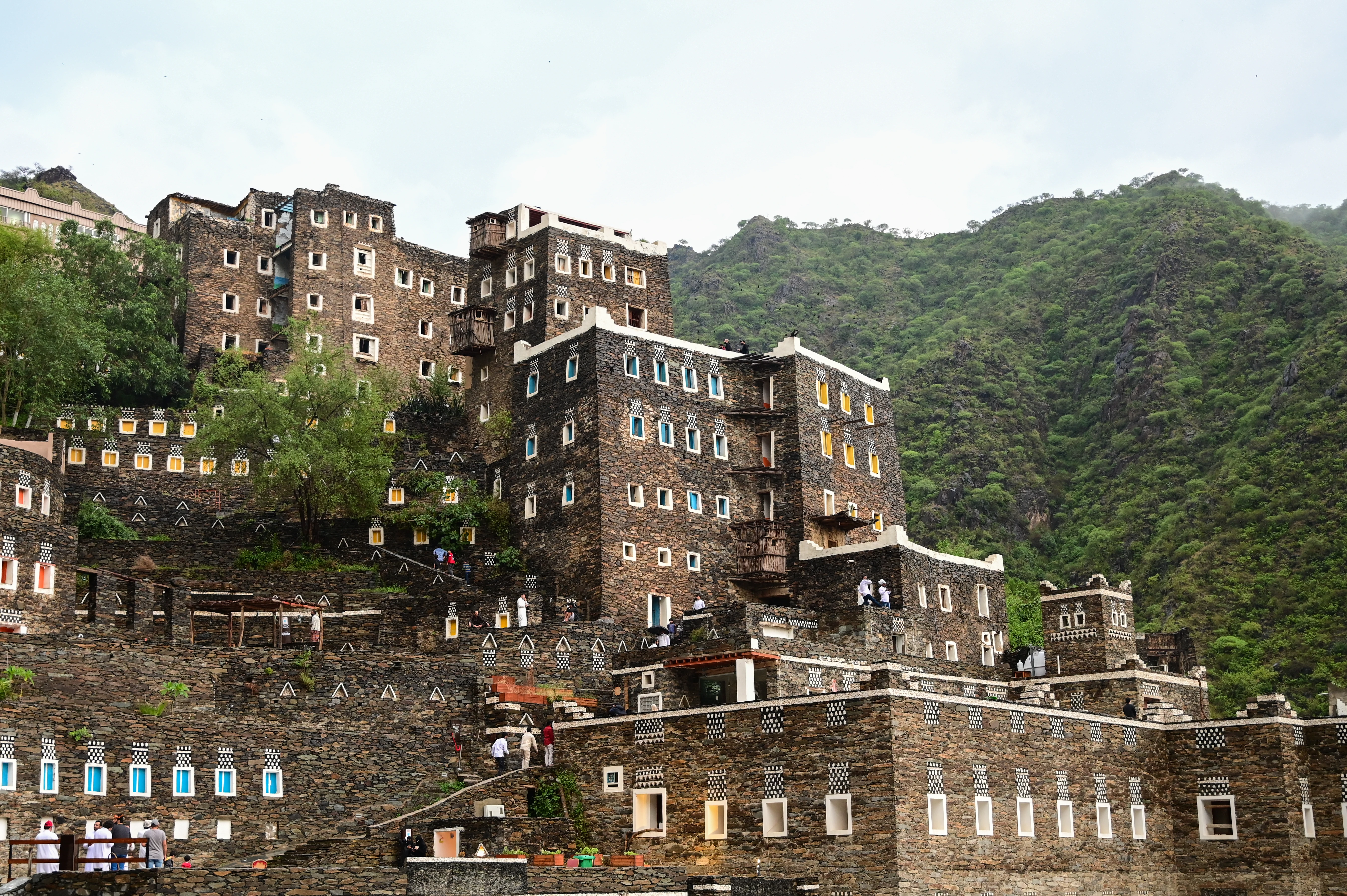
The Aseer region, centred around Abha and north of Najran, is a haven of lush greenery, cool mountain air and culture, known for its mountain villages like Habala. The region is home to Jabal Soudah, Saudi Arabia’s highest peak, and is a haven for hiking, camping and wildlife. The mountain’s trails offer stunning vistas and an escape from the desert heat, especially in summer.
In Rijal Almaa, visitors can see a 900-year-old village known for its stone-built houses and vibrant wall art, and examples of Al-Qatt Al-Asiri art – interior design created by local women.
Aseer is also famous for its haneeth, a slow-cooked meat dish, and honey.
7. Eastern Province – Where the desert meets the sea
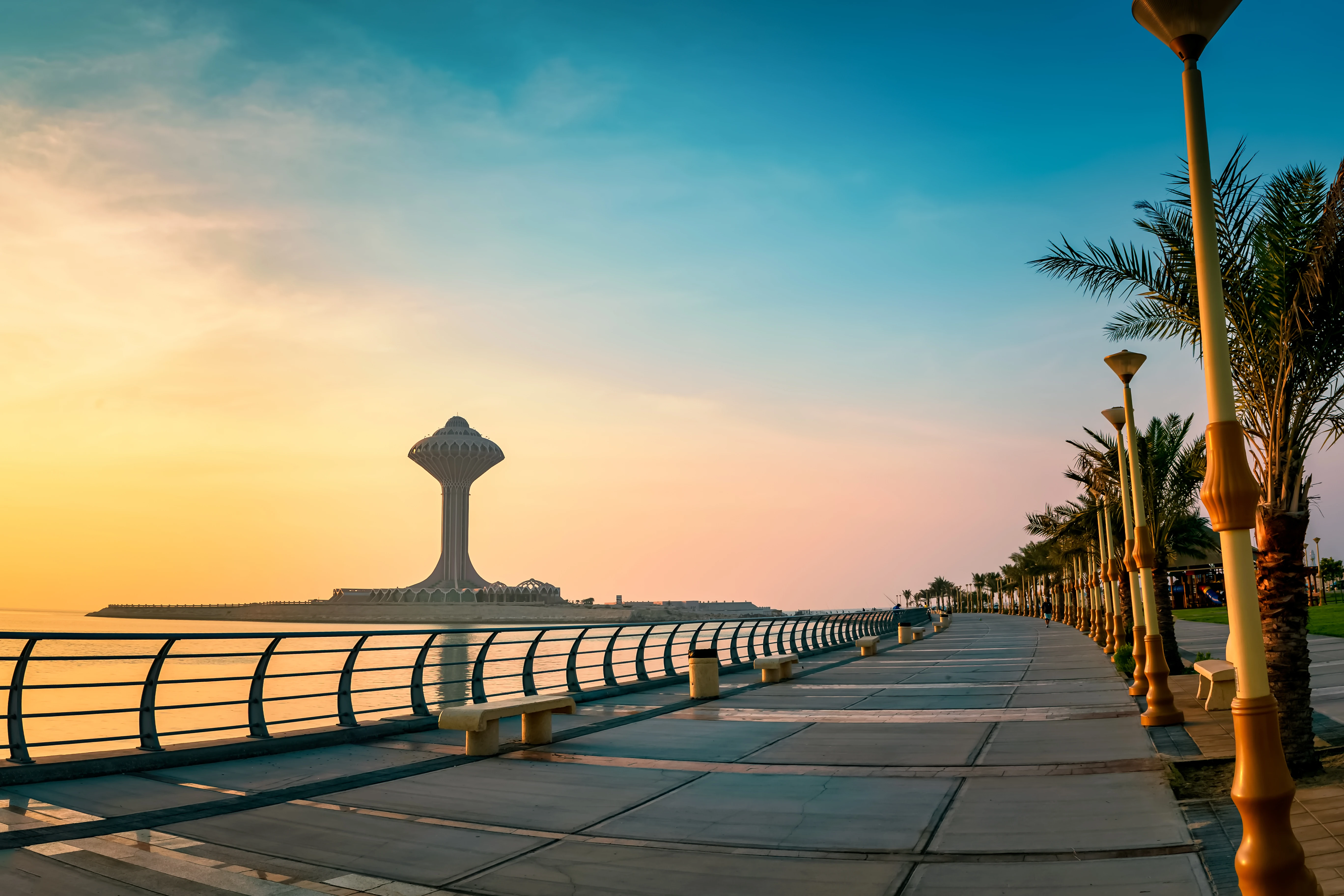
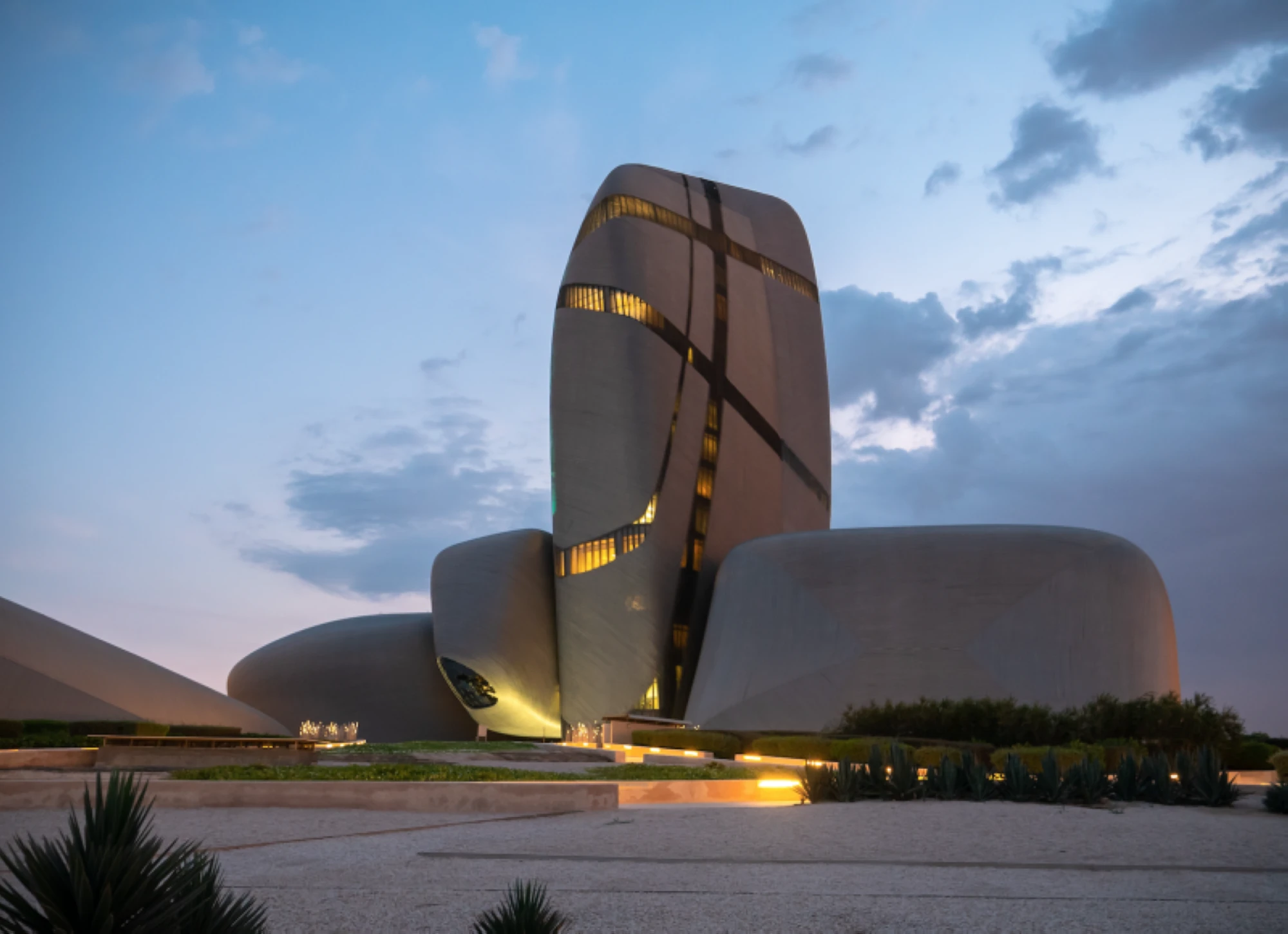
You’d be hard pushed to do the Eastern Province justice in a weekend, but with careful planning it can be done. The monumental Ithra (King Abdulaziz Center for World Culture) museum in Dhahran is an absolute must-see, if only to learn about the origins of the oil industry that transformed this coast – and this country – into a global economic power in a little over two decades.
Al Khobar is known for its beaches, cafes, water sports and its Corniche, and it is quite possible to have a beach holiday at Half Moon Bay. If you have time, a trip across the Arabian Gulf to Bahrain on the monumental King Fahd Causeway is well worth it.
Inland, the Al-Ahsa Oasis is a UNESCO World Heritage Site of lush palm groves and ancient irrigation systems. It is home to a number of unique historical sites and centred on the coastal city of Qatif, one of the oldest continually inhabited settlements in a part of the world with its fair share of oldest continually inhabited settlements.