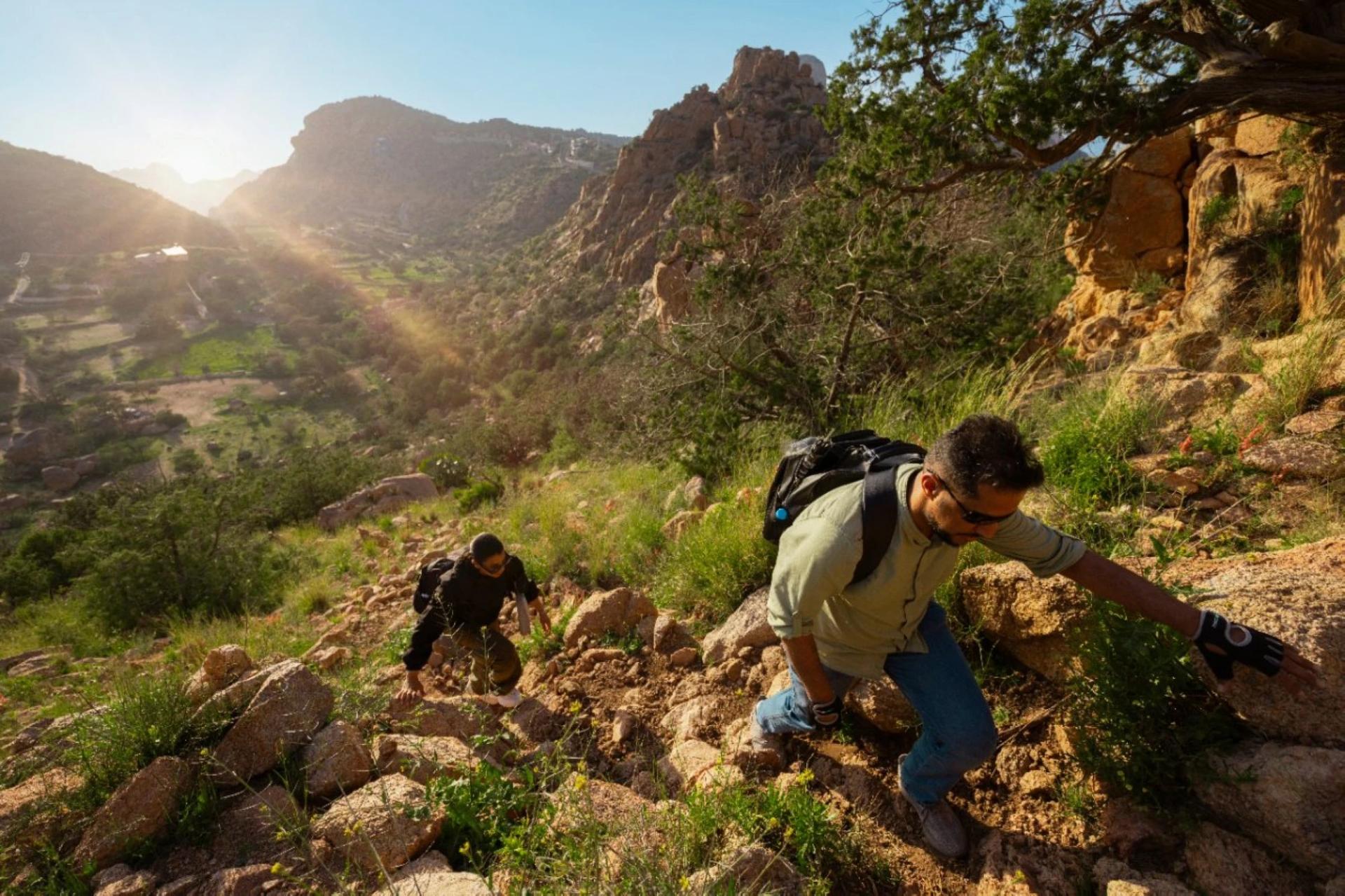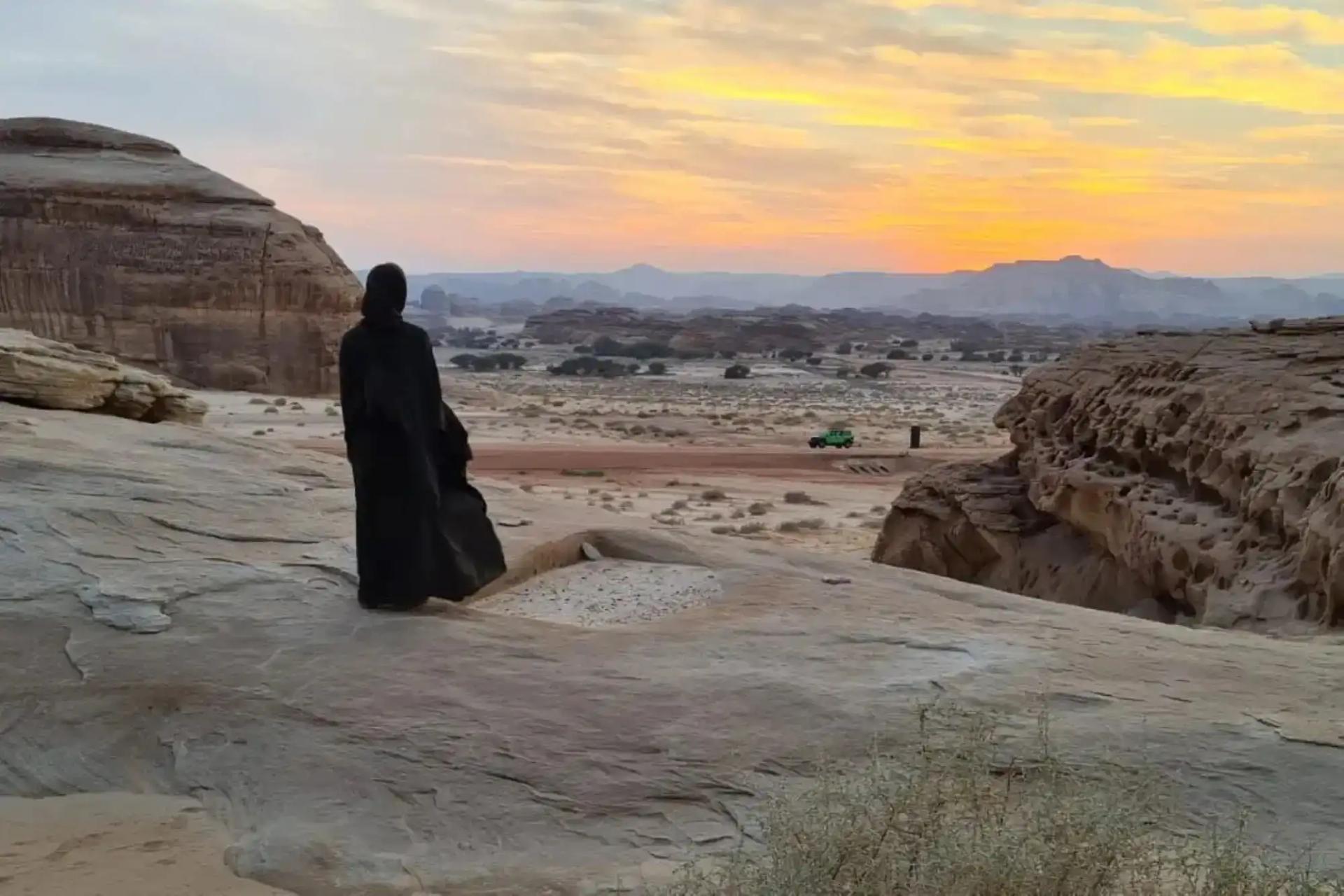



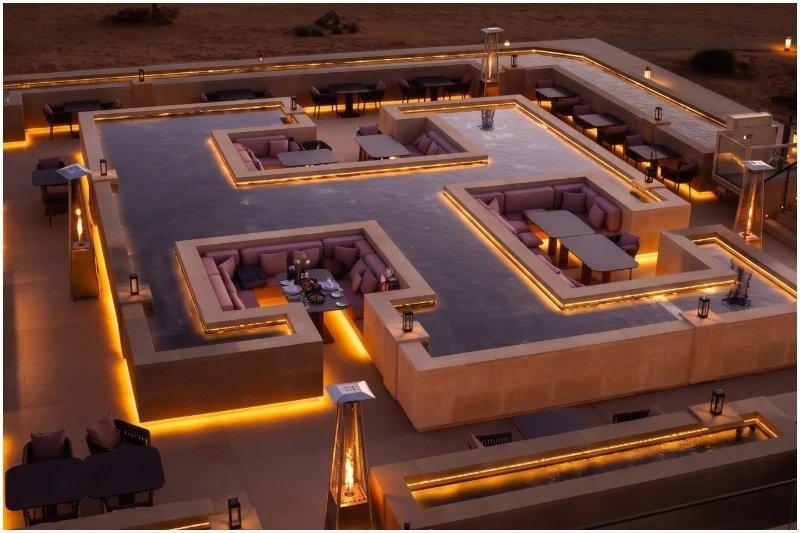

The National Geographic, in collaboration with the Royal Commission for AlUla (RCU), has premiered an exciting and groundbreaking documentary titled Lost Treasures of Arabia: The Nabataean Kingdom.
This captivating documentary delves into the lives and landscapes of the people who once thrived in the unforgiving deserts of Arabia. At its heart is the story of the Nabataeans, Saudi's ancient indigenous civilisation renowned for their mastery of trade, water engineering, and diplomacy. Against all odds, they transformed a harsh and arid terrain into a flourishing crossroads of cultures. With remarkable ingenuity, they carved monumental tombs into sandstone cliffs, developed sophisticated systems to manage scarce resources, and built a thriving economy fuelled by the incense and spice trade.
For too long, their story has been overlooked. Until now.
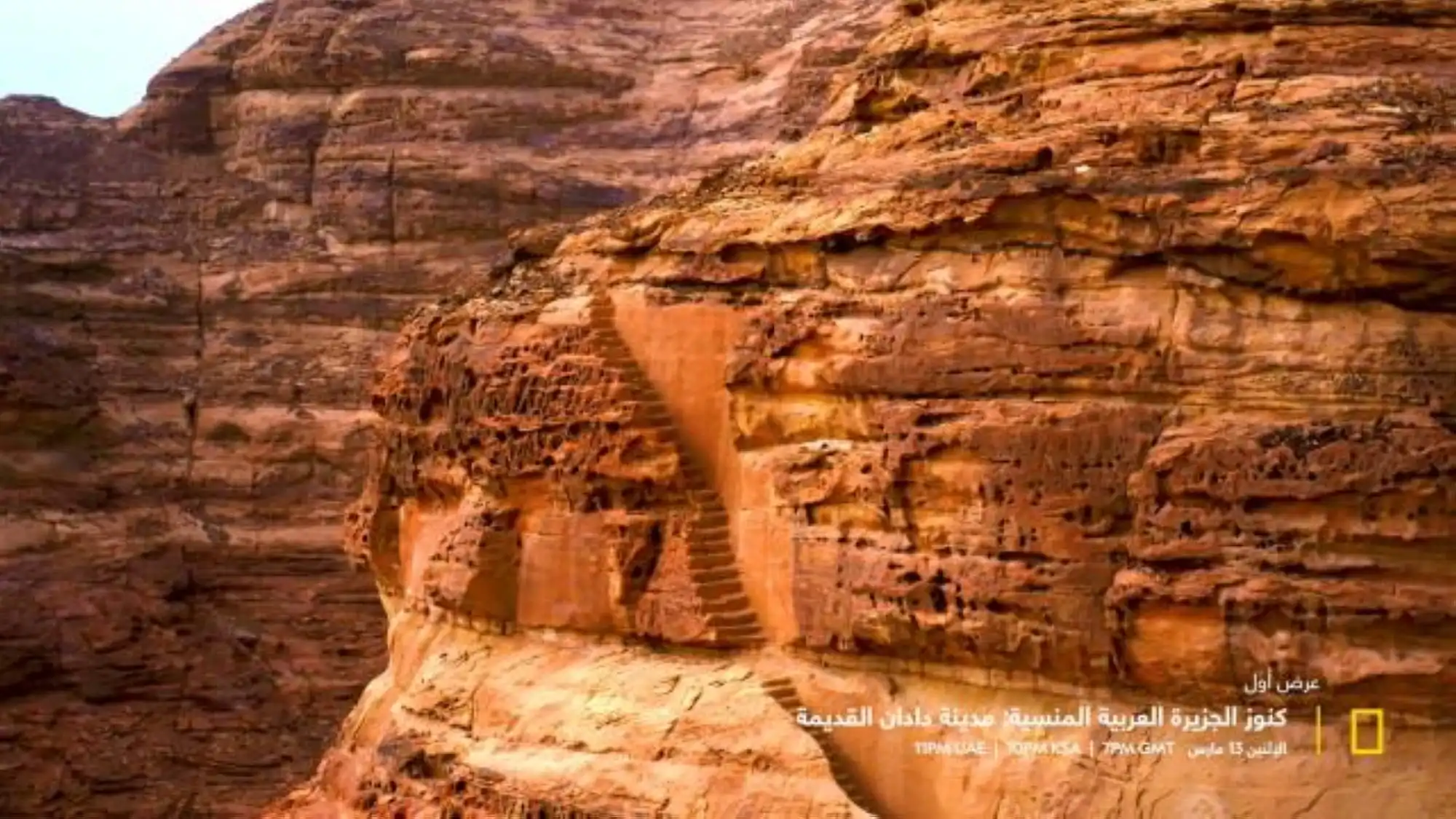
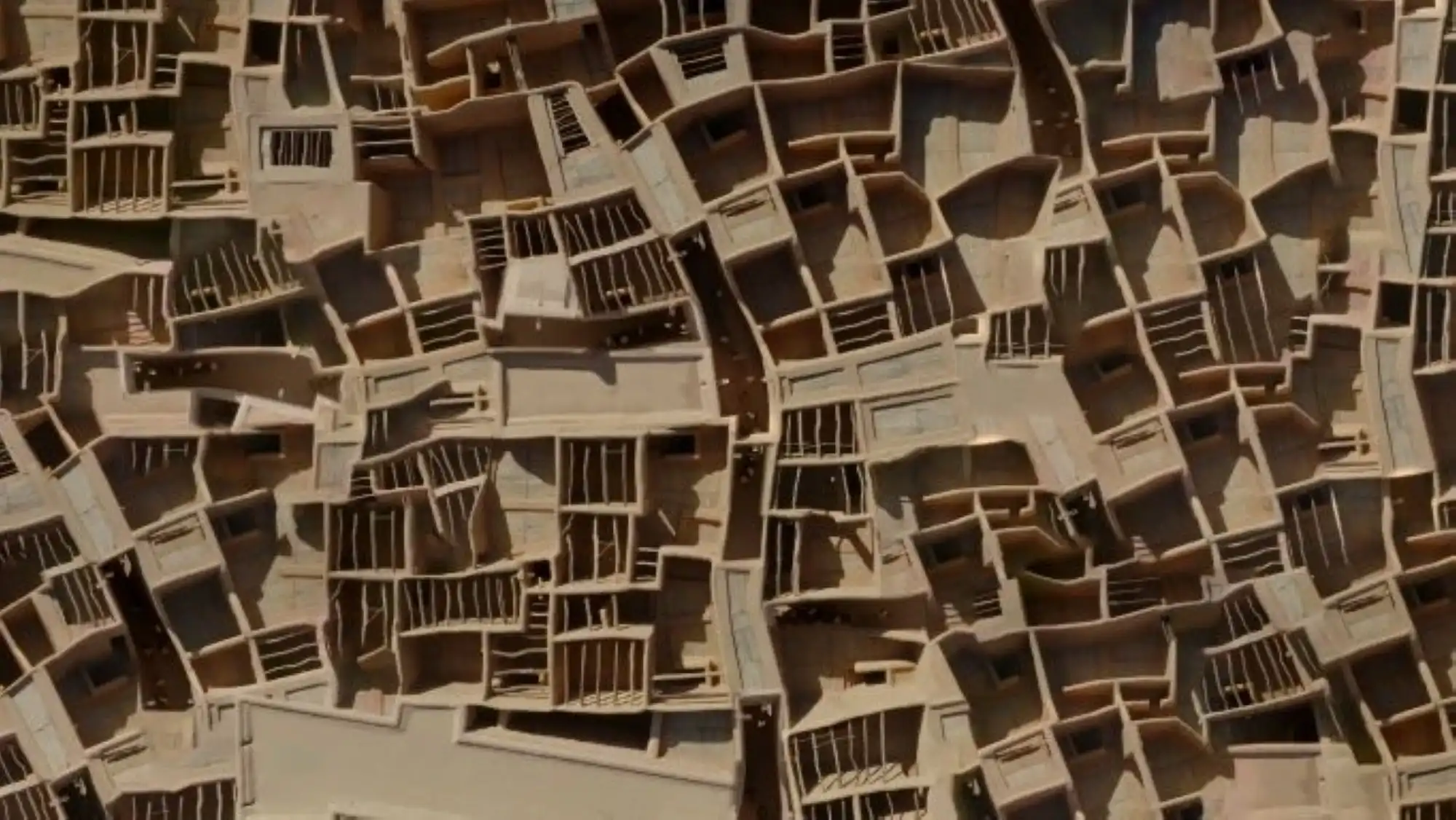
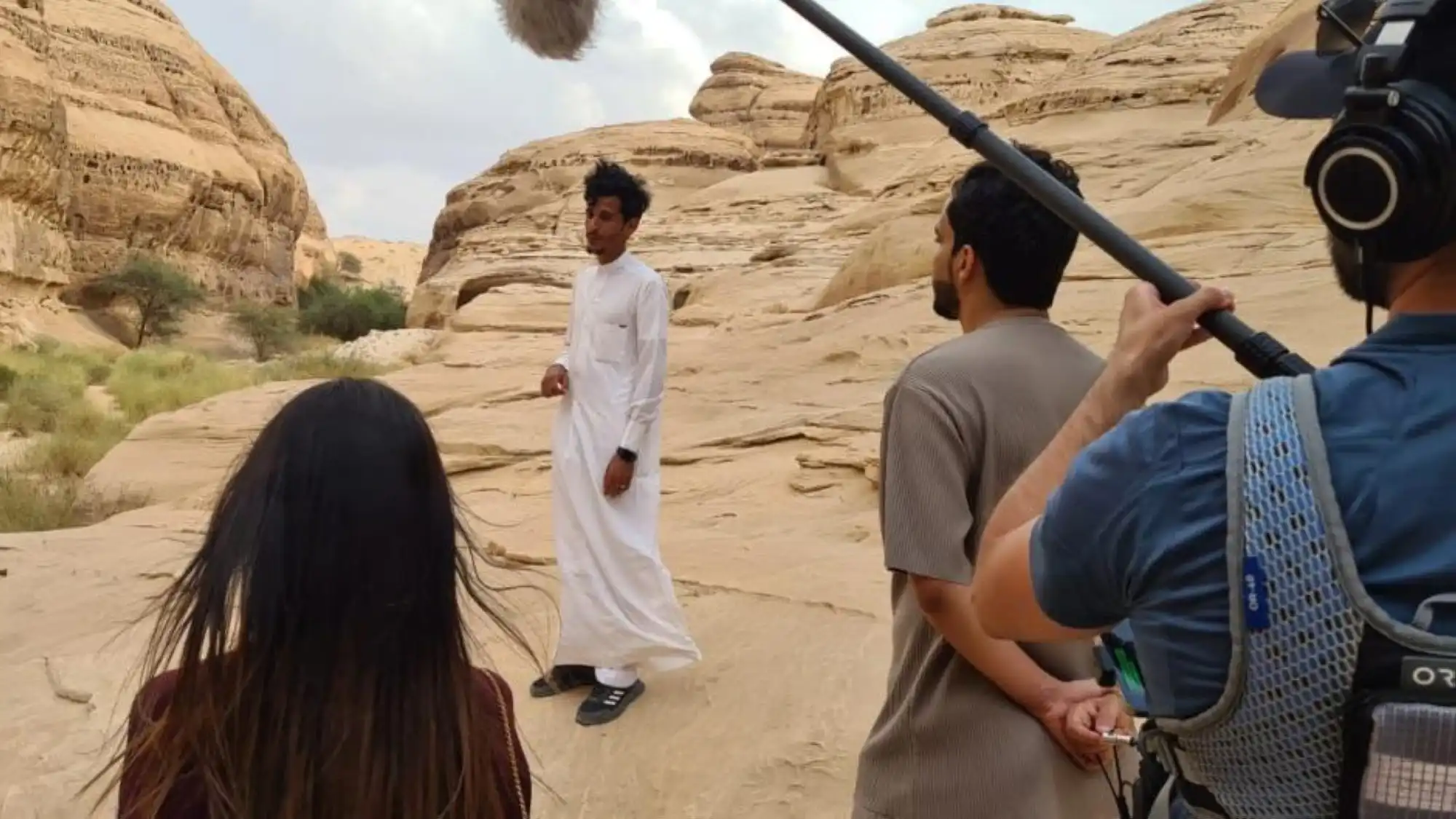
This documentary is the second instalment in a three-year storytelling partnership between National Geographic and RCU, following a previous film on the Kingdom of Dadan. Aligning with Saudi Arabia’s Vision 2030, which aims to promote cultural heritage and transform AlUla into a global destination for heritage and eco-tourism, the National Geographic’s new documentary, Lost Treasures of Arabia: The Nabataean Kingdom, sheds light on the history of the Kingdom.
The documentary is narrated in English by Academy Award–nominated actor Maggie Gyllenhaal and in Arabic by Saudi journalist and TV personality Weam Al Dakheel.
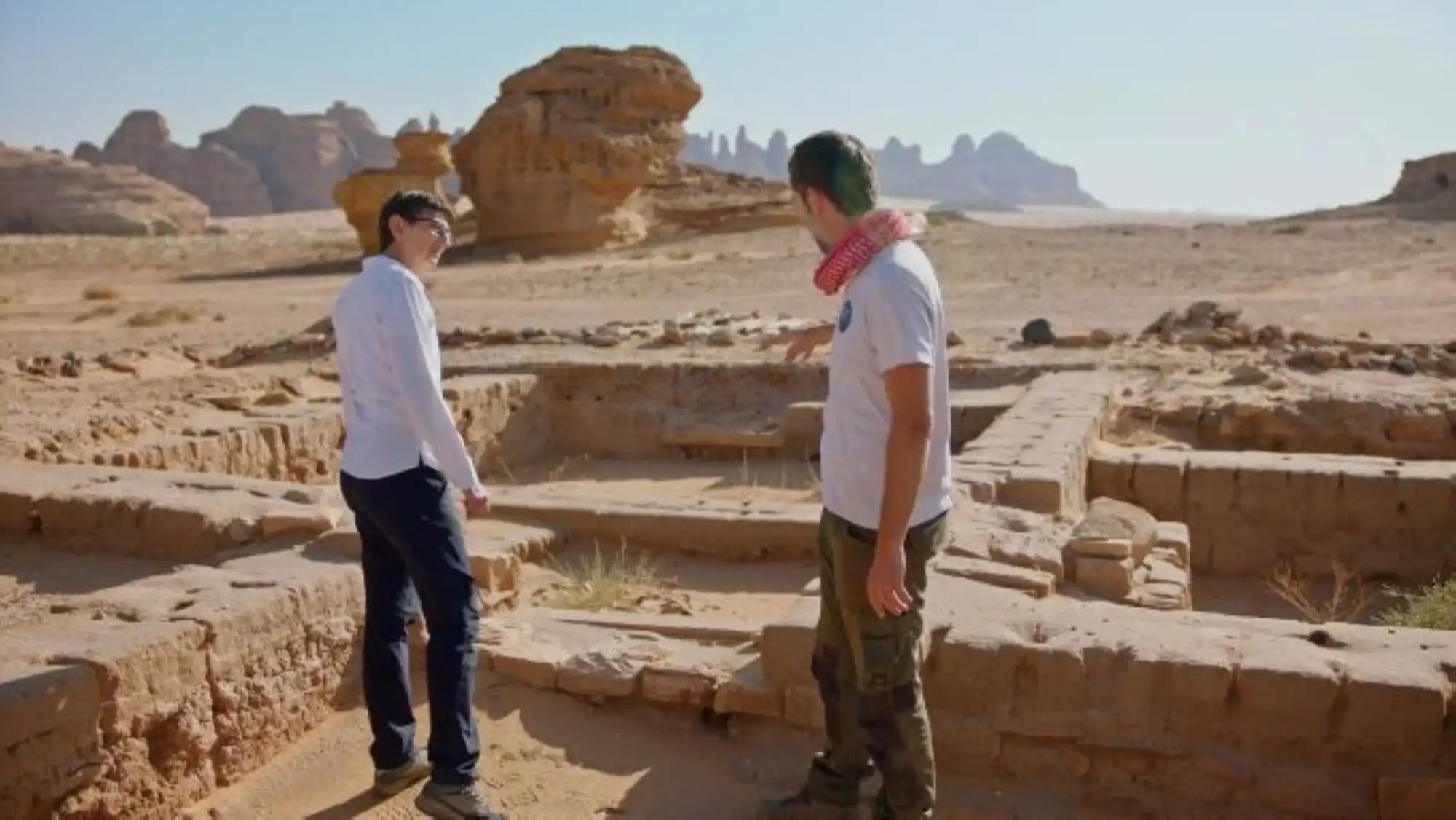
Directed by Dirk Verheye, the documentary blends cinematic recreations with expert commentary. The production includes intriguing insights from archaeologists like Dr. Laïla Nehmé, whose decades of research at Hegra have unearthed new discoveries that reshape our understanding of the region and a number of other Nabatean and local experts from the RCU.
What to Expect?
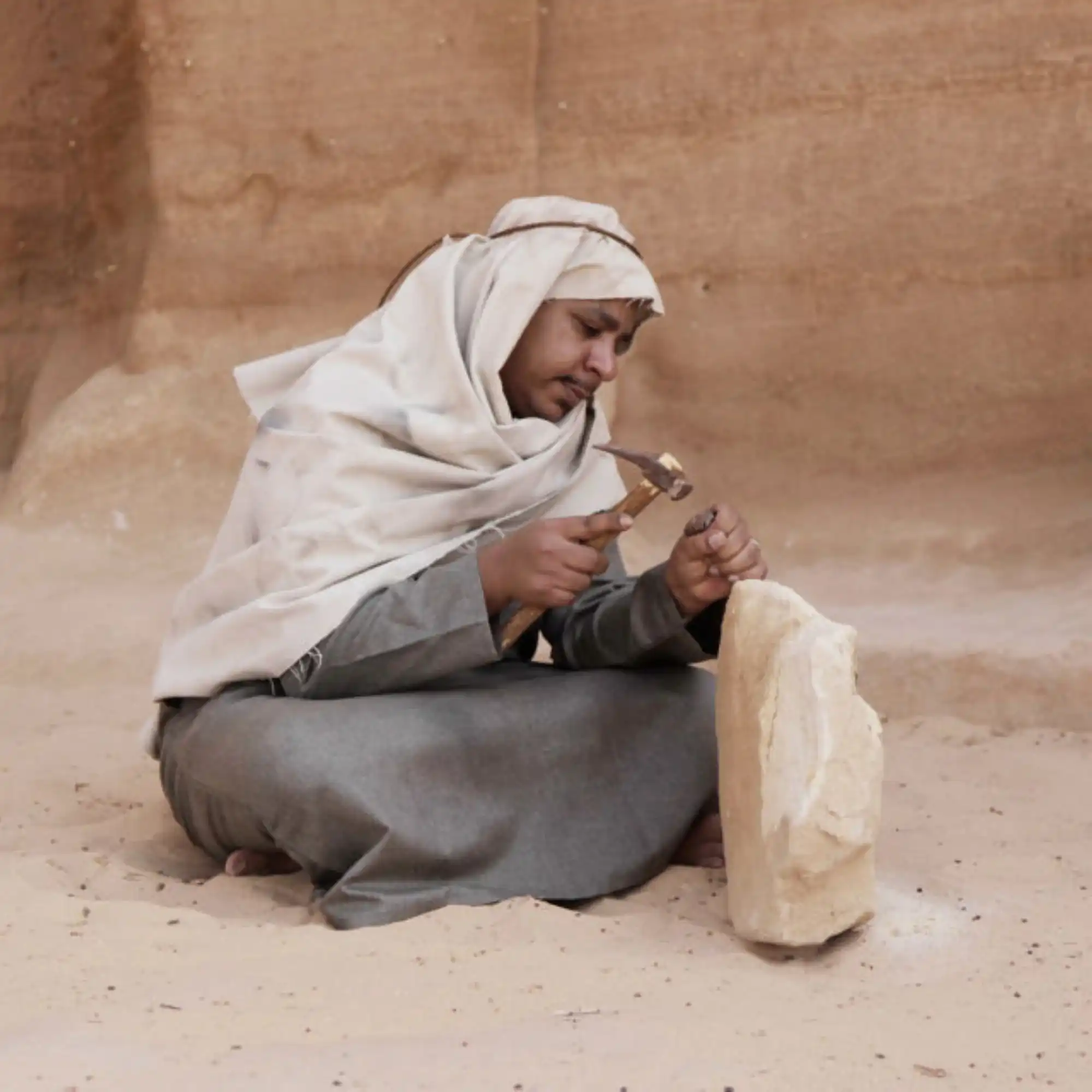
At the peak of their power under King Aretas IV, the Nabataeans of north-west Arabia thrived on prosperous trade routes and demonstrated strategic skill to take advantage of their position at a crossroads of civilisations. The documentary highlights their mastery of water and resource management, the wealth and influence they gained through trade, and their ability to craft awe-inspiring tombs.
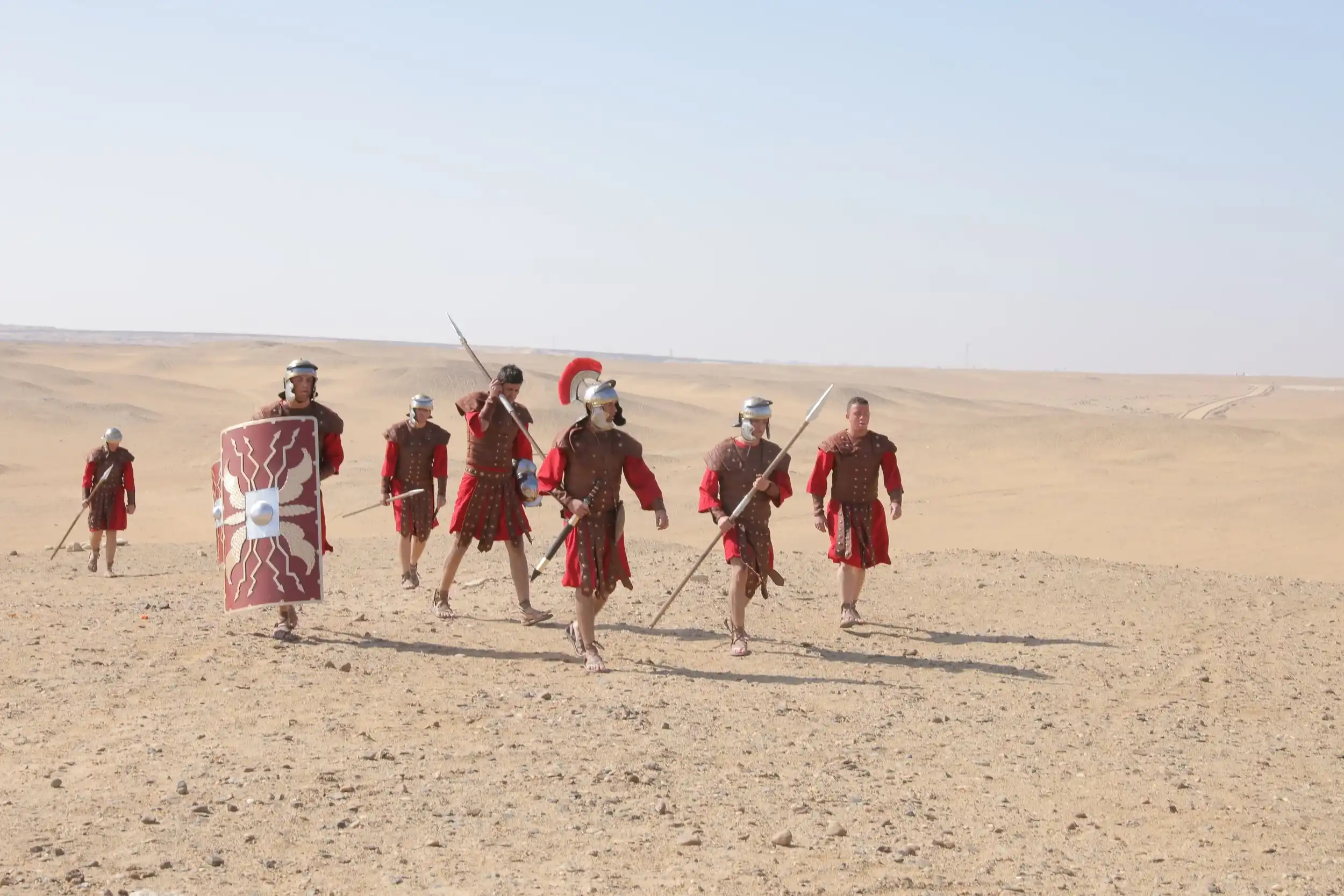
Their influence wasn’t confined to the desert. The Nabataeans played roles in some of history’s most intriguing times, from Cleopatra’s power struggles to the events surrounding John the Baptist. And in a tale worthy of a Hollywood script, they even outmanoeuvred the mighty Roman army in the wilderness. The Nabataeans’ legacy is still alive in AlUla, home to Hegra, their southern capital and Saudi Arabia’s first UNESCO World Heritage Site. Here, visitors can see impressive tombs carved into rock and other archaeological treasures that show the skill and creativity of these ancient people.
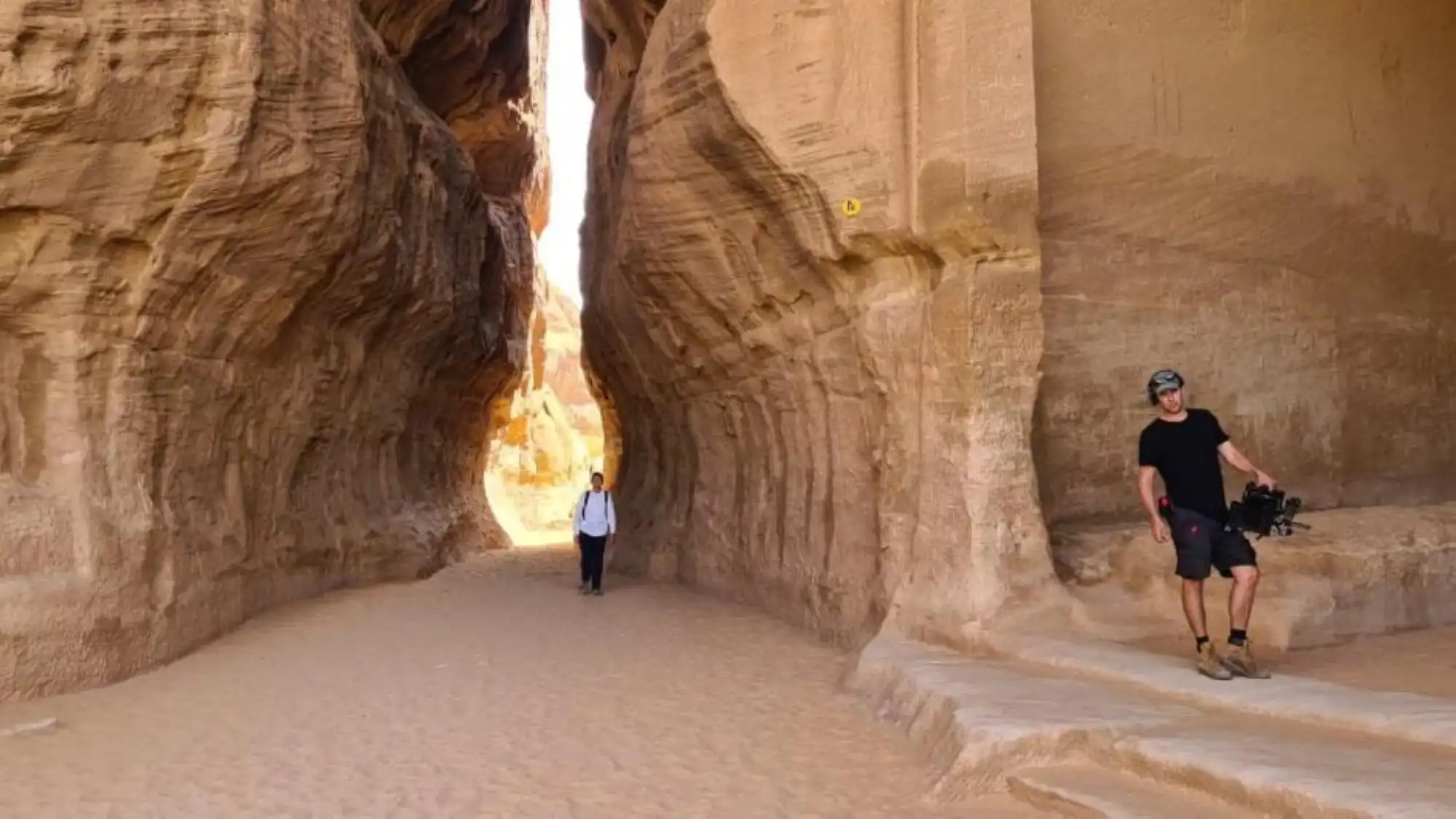
Since opening to international visitors in 2020, AlUla has become a key part of Saudi Arabia’s transformation into a boutique heritage and eco-tourism destination, offering travellers beautiful desert landscapes, world-class hospitality, and a chance to experience one of history’s most fascinating civilisations.
Phillip Jones, Chief Tourism Officer of the Royal Commission for AlUla, shares: “At long last, the Nabataeans are receiving recognition for their mastery and vision. Their prominence on the Incense Road brought them great wealth and influence, enabling them to become rich and powerful without relying on armies."
But, don't be fooled - this documentary isn’t just about archaeology, it’s about reframing how we understand power, innovation, and survival in the ancient world. It is also the second production from a three-year storytelling collaboration between RCU and National Geographic, following the first documentary on the Dadanite Kingdom.
How Can I Watch This Documentary?
Lost Treasures of Arabia: The Nabataean Kingdom will be available on a number of platforms, including the official National Geographic website via NatGeoTV and after the premier, it will be made available to Disney+ subscribers.
English:
Where: National Geographic
Date: Wednesday, August 27
Time: 9pm KSA, 10pm UAE
Right here
Arabic:
Where: National Geographic Abu Dhabi
Date: Thursdays, August 28
Time: 8pm KSA / 9pm UAE
The documentary will also be available to view on Disney+ from 29 August