




While modern culture often rewards burnout as a metric of success, the global turn toward wellness has become the inevitable response. However, true well-being requires looking past superficial trends.
At its core, wellness is fundamentally about how we manage our energy, at a cellular level. It is less about pushing the body to its absolute limits, and more about giving it the right conditions to recover, balance, and restore itself naturally.
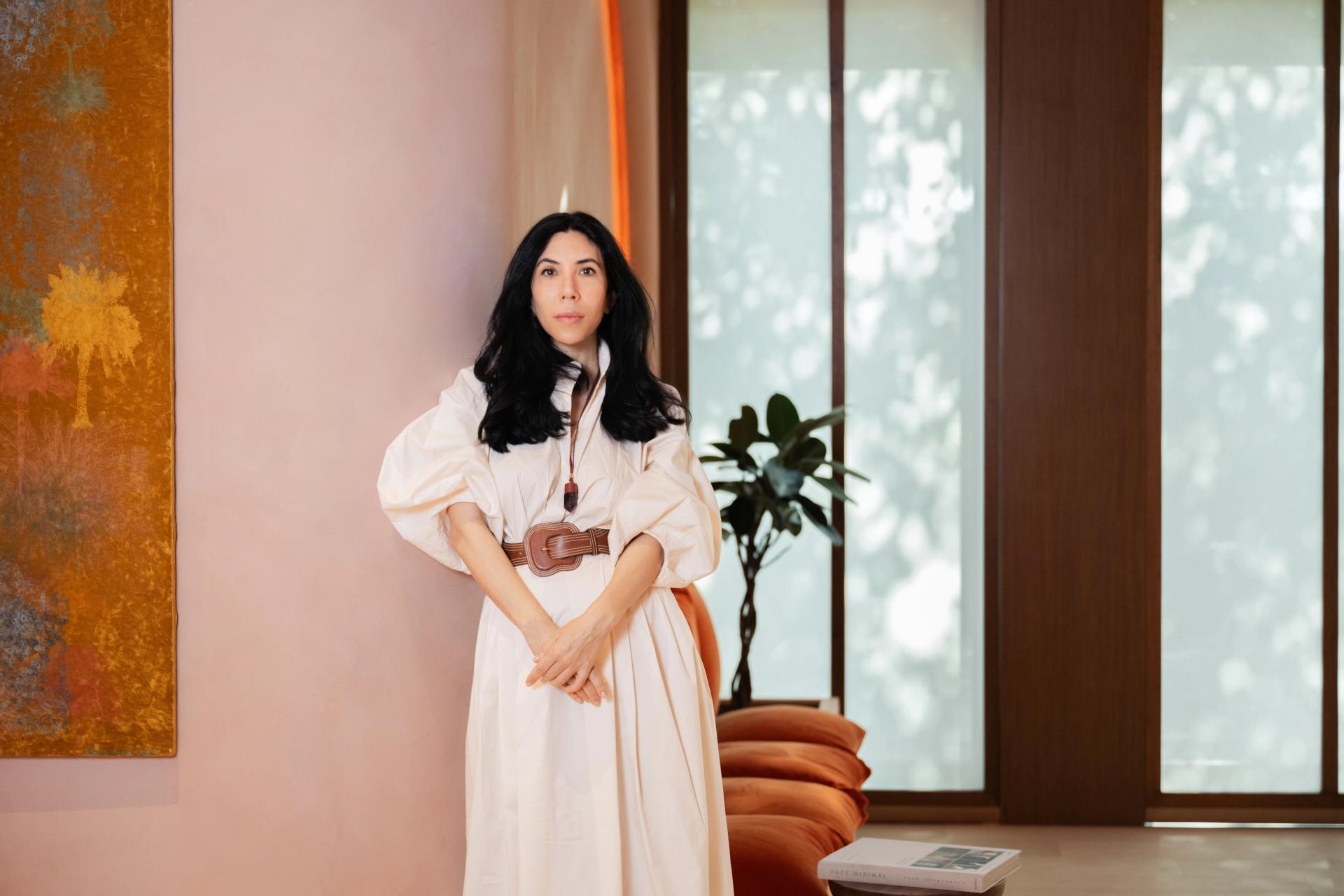
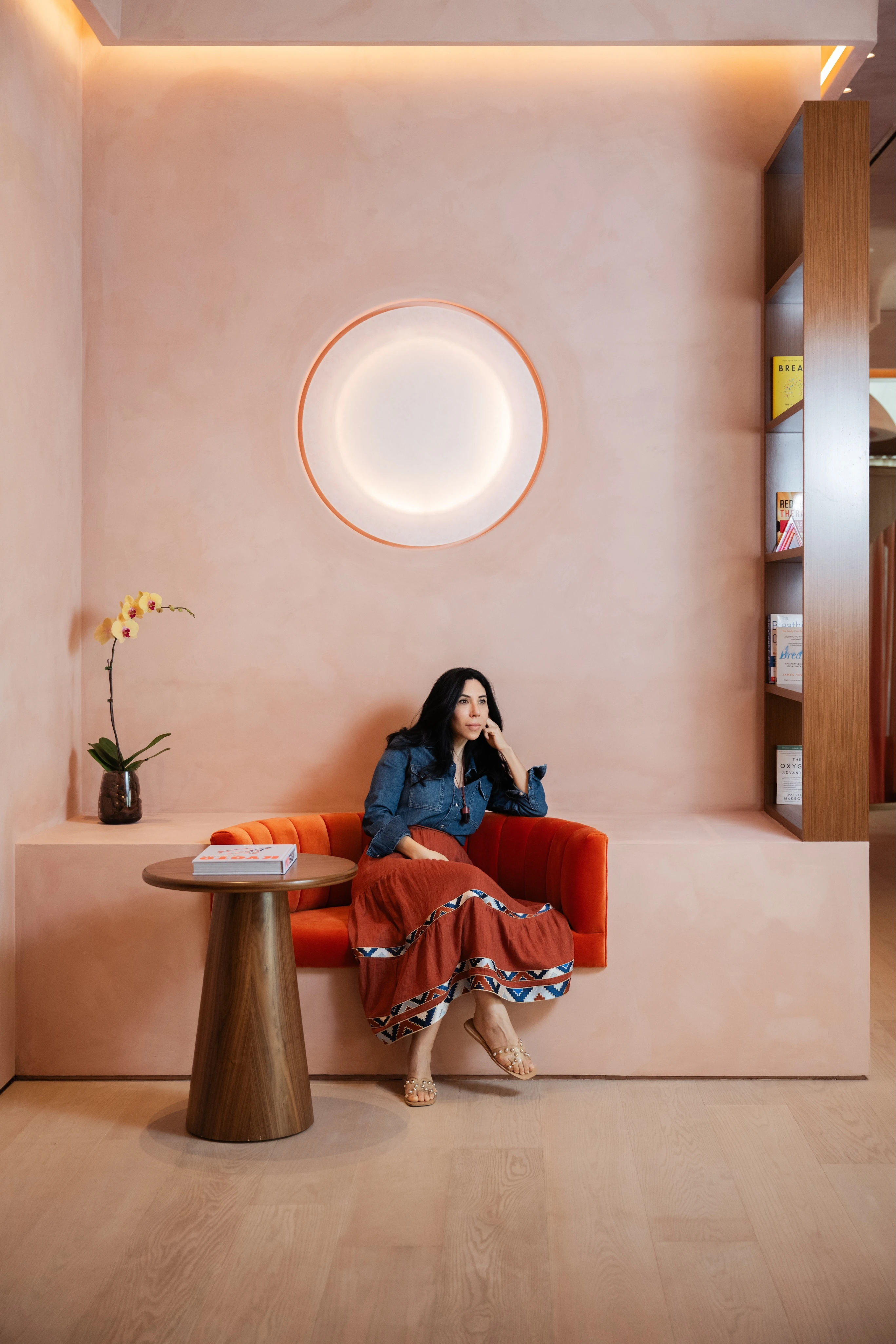
To understand the mechanics behind this internal reset, we spoke with Katia de Rham, founder of Dubai's Akari, about the science of true well-being. Rather than chasing fleeting wellness trends, de Rham advocates for a lifestyle rooted in deliberate, science-backed rituals that protect the nervous system, optimise cellular energy, and sustain long-term vitality.


In a modern environment that constantly rewards overexertion, how do we shift our habits to counter chronic stress, and what does science tell us about the body's natural capacity for recovery?
I’ve always been fascinated by the connection between cellular health, energy production, nervous system regulation, and overall wellbeing. So much of how we feel our energy, focus, resilience, recovery, and even emotional balance is deeply connected to the health of our cells and mitochondria, often referred to as the body’s ‘powerhouses’ because they produce the energy our bodies rely on to function optimally. In today’s world, many people are living in a constant state of overstimulation, stress, and exhaustion without fully realising the long-term impact it has on the body.
Through both personal experience and the philosophy behind Akari, I’ve come to believe that wellness is often less about pushing harder, and more about creating the right conditions for the body to recover, regulate, and restore itself naturally from within. These are some of the daily rituals and wellness practices I personally return to in order to support cellular energy, cognitive function, longevity, and overall vitality.
Katia tells us that these 10 foundational habits and physiological therapies form the basis of a sustainable, science-led approach to health and wellness:
1. Begin the Day in Stillness

When it comes to starting your day, Katia says “One of the most transformative habits I’ve introduced into my life is beginning the morning with stillness. Even just 10 to 20 minutes of meditation before reaching for my phone or stepping into the pace of the day can completely shift my nervous system. We live in a world that rewards constant stimulation, but giving the mind and body a quiet moment to regulate first creates a sense of clarity, grounding, and balance that carries throughout the day.”
2. Protect Deep, Restorative Sleep
Essential to both repair and prepare the body, sleep is one of the body's most natural forms of regeneration, working behind the scenes to reboot everything from your brainpower to your cells so you can take on tomorrow. Katia underscores this and says, "Sleep is one of the body’s most powerful tools for repair, recovery, and cellular regeneration."
"It’s during deep sleep that the body carries out much of its restorative work, which is why creating intentional evening rituals is so important. Reducing artificial light, limiting stimulation before bed, and prioritising consistency can have a profound effect on energy, resilience, mood, and mental clarity."
3. Prioritise Natural Light Exposure

It might sound simple, but Katia emphasises that exposure to natural light is one of our most powerful tools for balancing the circadian rhythm. “Natural light is one of the most underrated wellness tools available to us" she says. "Morning sunlight plays an important role in regulating circadian rhythm, supporting mood, cognitive performance, and overall energy production. Even something as simple as a short morning walk outdoors can positively influence both brain health and nervous system balance.”
4. Move the Body
Of course, another important element that cannot be overlooked is that of regular movement; “Movement is essential for circulation, oxygen delivery, mitochondrial health, and longevity, but I also believe we’ve normalised overexertion in wellness culture. The goal shouldn’t always be intensity. Recovery is equally important. Supporting the body means finding balance between movement, restoration, and nervous system regulation rather than constantly operating in a state of stress.”
5. Support Oxygen Efficiency

Going a step beyond the day-to-day, Katia says that “Oxygen plays a foundational role in cellular energy production and overall vitality. Therapies such as IHHT (Intermittent Hypoxic-Hyperoxic Training), are designed to support how efficiently the body utilises oxygen at a cellular level, while also encouraging resilience, recovery, and mitochondrial function. It’s one of the reasons this therapy became such an important part of the vision behind Akari.”
6. Integrate Red Light Therapy into Your Routine
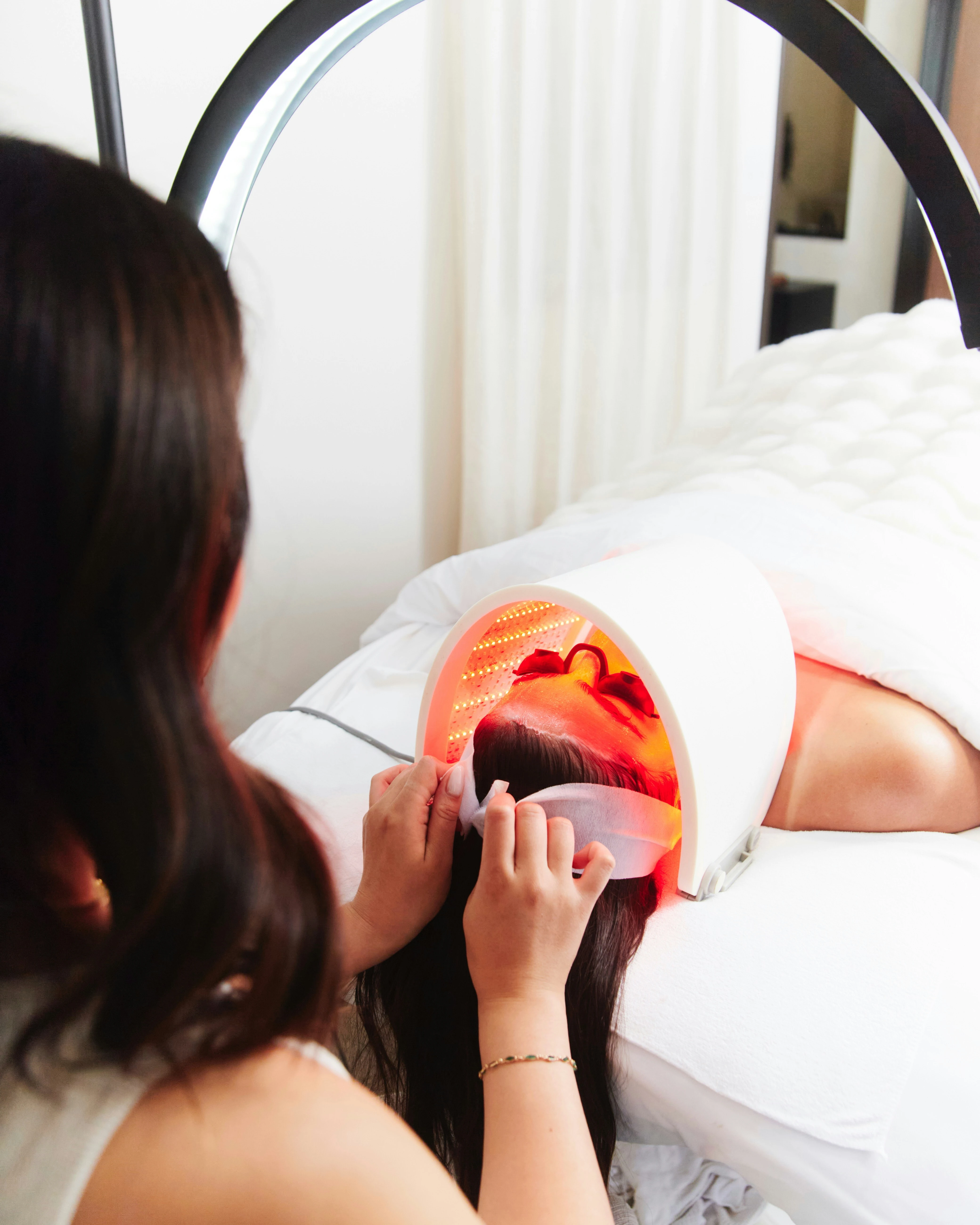
With more and more people integrating science-backed therapies into their daily routines, Katia supports this by sharing that “Red light therapy has become increasingly recognised for its ability to support mitochondrial function, reduce inflammation, enhance recovery, and promote overall wellbeing. What I love about it is that it’s deeply restorative while also feeling effortless. At Akari, we use full-body red light therapy as part of a broader philosophy centred around cellular wellness and long-term vitality.”
7. Reduce Cognitive Overload
Avoiding a busy brain is difficult in our 'always-on' modern society, but Katia shares that this isn't a natural state for humans to be in for prolonged periods of time. “Our brains were never designed to process the constant notifications, information, and stimulation we experience daily. Creating boundaries with technology and intentionally reducing cognitive overload can significantly improve mental clarity, focus, emotional regulation, and nervous system recovery. Sometimes wellness begins with simply creating more quiet.”
8. Nourish the Body Intentionally

“The body requires the right nutrients to produce energy efficiently and function optimally. Hydration, mineral balance, protein, healthy fats, and nutrient-dense whole foods all play a meaningful role in supporting both physical and cognitive performance. Wellness doesn’t need to feel restrictive, it’s about giving the body what it genuinely needs to thrive.”
9. Make Space for Emotional Regulation
“We often underestimate how deeply emotional stress affects the body physiologically. Practices that support emotional wellbeing whether therapy, journaling, mindfulness, or meditation can positively influence everything from nervous system health to inflammation and recovery. Emotional health and physical health are deeply interconnected.”
10. Build Rituals That Support Longevity
We've all been caught up in the cycle of fad diets, eight-week transformations, juice cleanses, and whatever health and wellness trend is dominating TikTok this week. We've all tried them, only to realise that the intensity is impossible to maintain. Katia believes that “... wellness is shaped by the small rituals we return to consistently. There is rarely one single treatment or quick fix that transforms health overnight. The greatest long-term impact often comes from sustainable habits, intentional recovery, nervous system care, and routines that support the body over time. For me, longevity is ultimately about learning how to support the body gently, consistently, and proactively before imbalance turns into burnout.”