



Saudi Arabia's striking Wahbah Crater near Taif has been ranked as one of the world's top 100 geological wonders for 2024 by UNESCO.
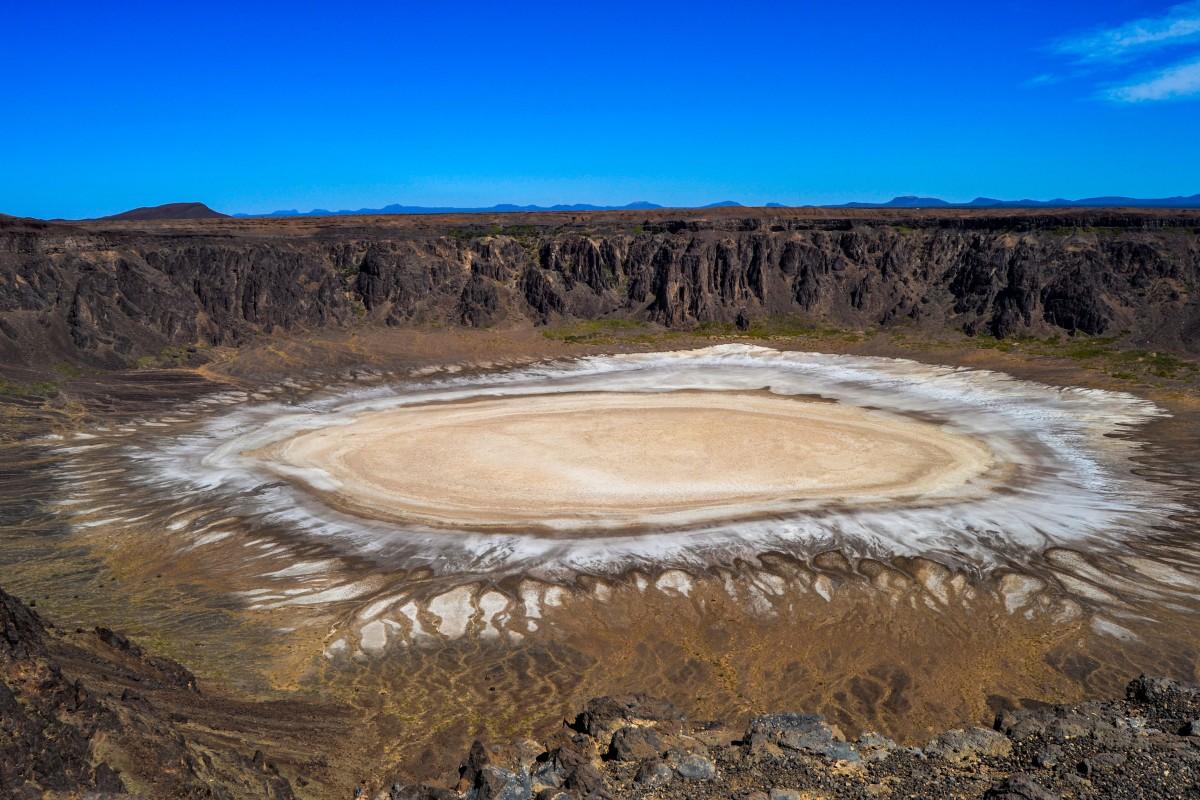
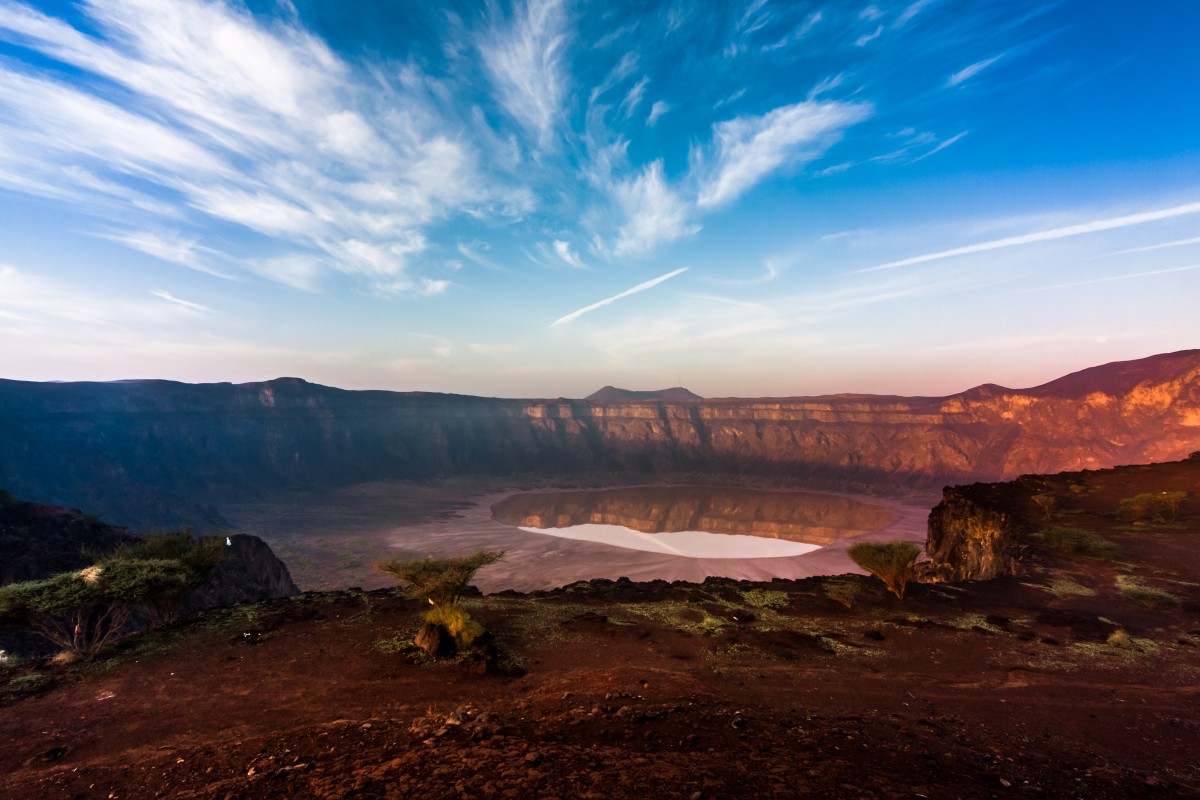
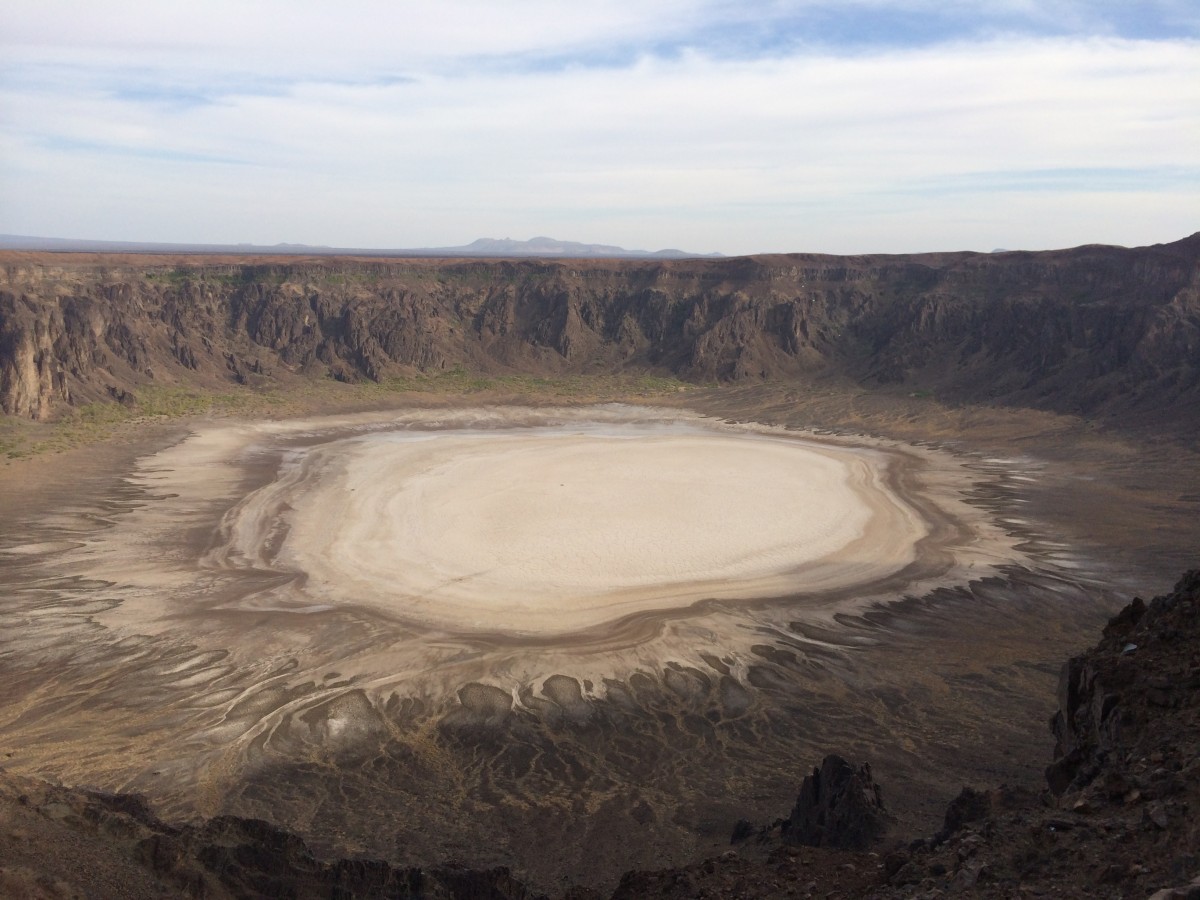
Found 250km from Taif, and stretching more than two kilometres across itself, the Wahbah Crater is over 250 metres deep. Many local residents and tourists visit this natural marvel as it has become a bucketlist destination and an awe-inspiring Instagram moment.
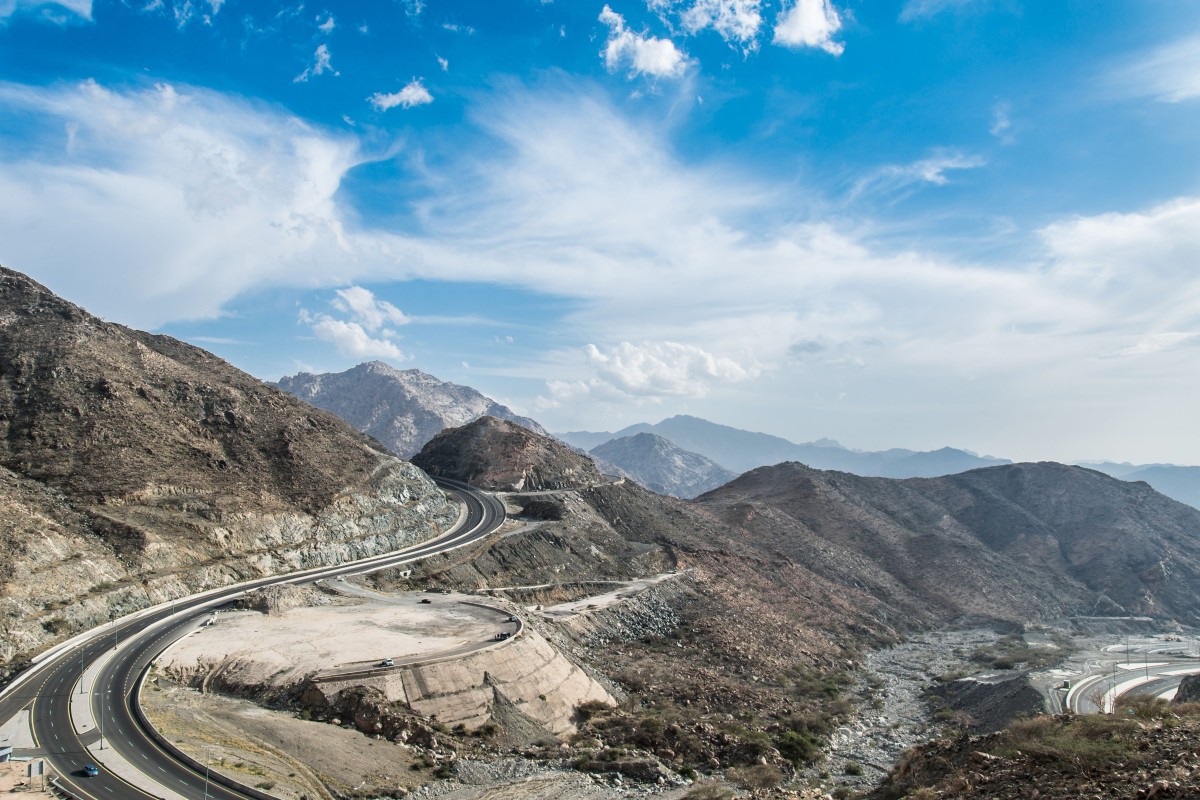
The global distinction was given by the International Union of Geological Sciences and UNESCO after an evaluation by a committee of 89 global experts, with the site chosen from among 174 nominations in 64 countries across the globe.
The colossal crater's steep, rugged walls – formed by ancient volcanic activity – cast long shadows over a gleaming salt dome, where a water lake evaporates in the summer and turns into a sabkha while wild plants grow on its edges in the rainy season.
According to local legend, the crater was formed by a lightning bolt that illuminated Qitn Mountain, revealing its beauty and making Tamya Mountain fall in love with it. However, jealous Chliman Mountain shot an arrow to Tamya Mountain and demolished the mountain into a hole.
Saudi Geological Survey spokesman Tariq Abaalkhail said the crater is considered "one of the largest and most magnificent volcanic craters in the world". It is part of a monogenetic volcanic field that includes 175 small volcanoes, with ages ranging from two million to a few hundred thousand years.
It is advised that visits and treks to the Wahbah Crater are done with registered guides
Click for Google Maps location
@visitsaudi