
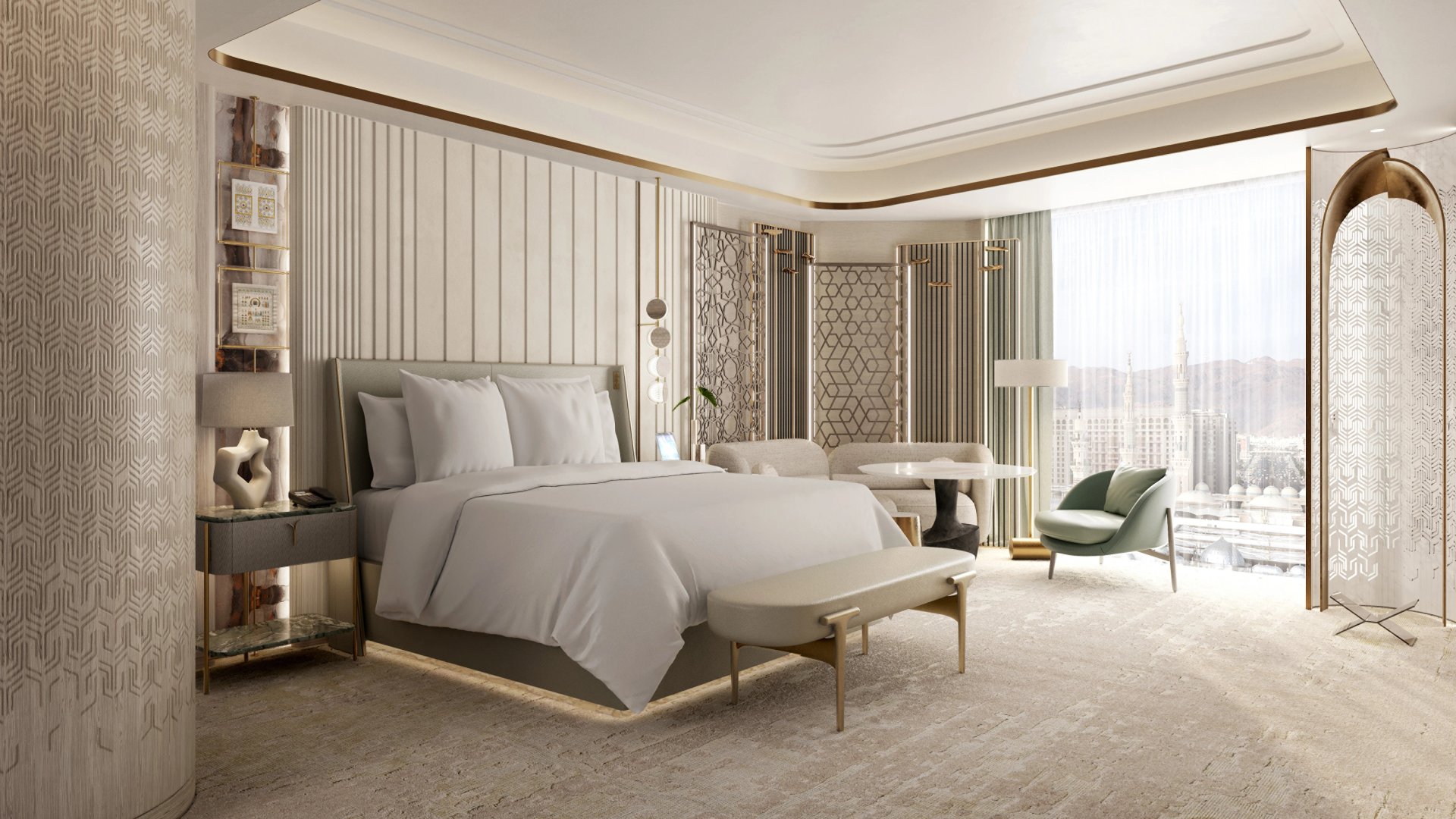
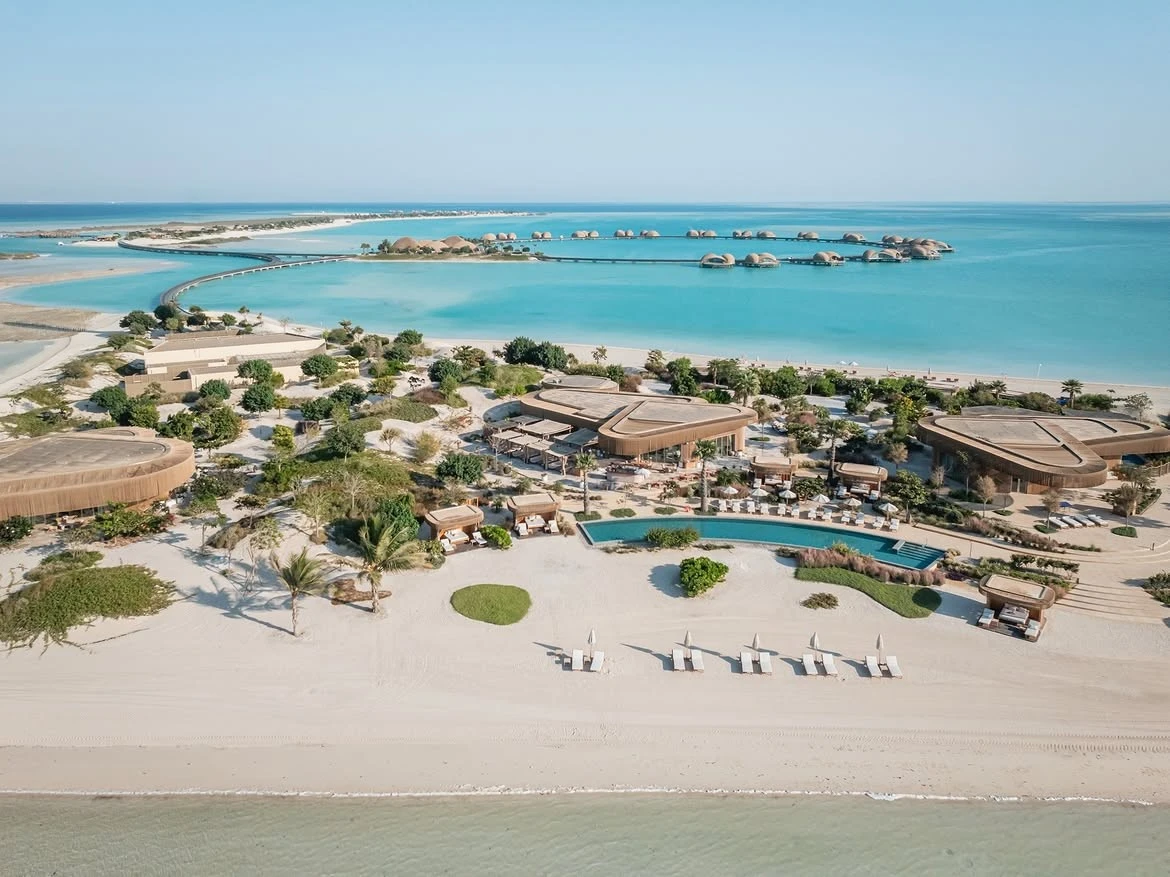
Along the untouched, turquoise shores of Ummahat Island, Nujuma, a Ritz-Carlton Reserve, was designed as a sanctuary where shell-inspired architecture meets the raw beauty of the Red Sea.
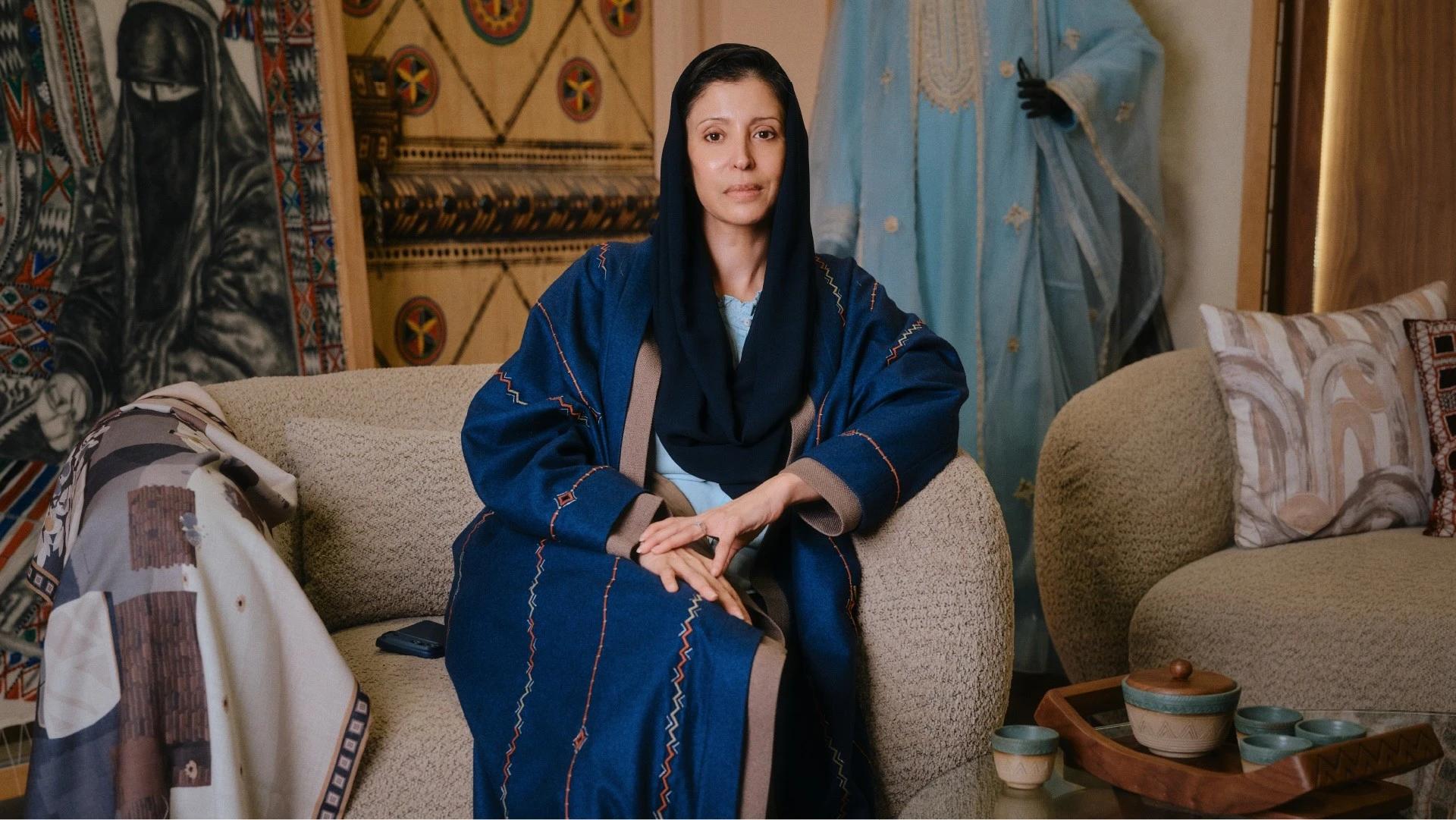
Yet, true luxury lies in a profound sense of place — a reality brought to life through a landmark collaboration with Art of Heritage, the Saudi non-profit organisation. At the helm of this initiative is HRH Princess Nourah Al Faisal Al Saud, CEO of Art of Heritage, whose vision has transformed historical preservation into a dynamic, living art form.
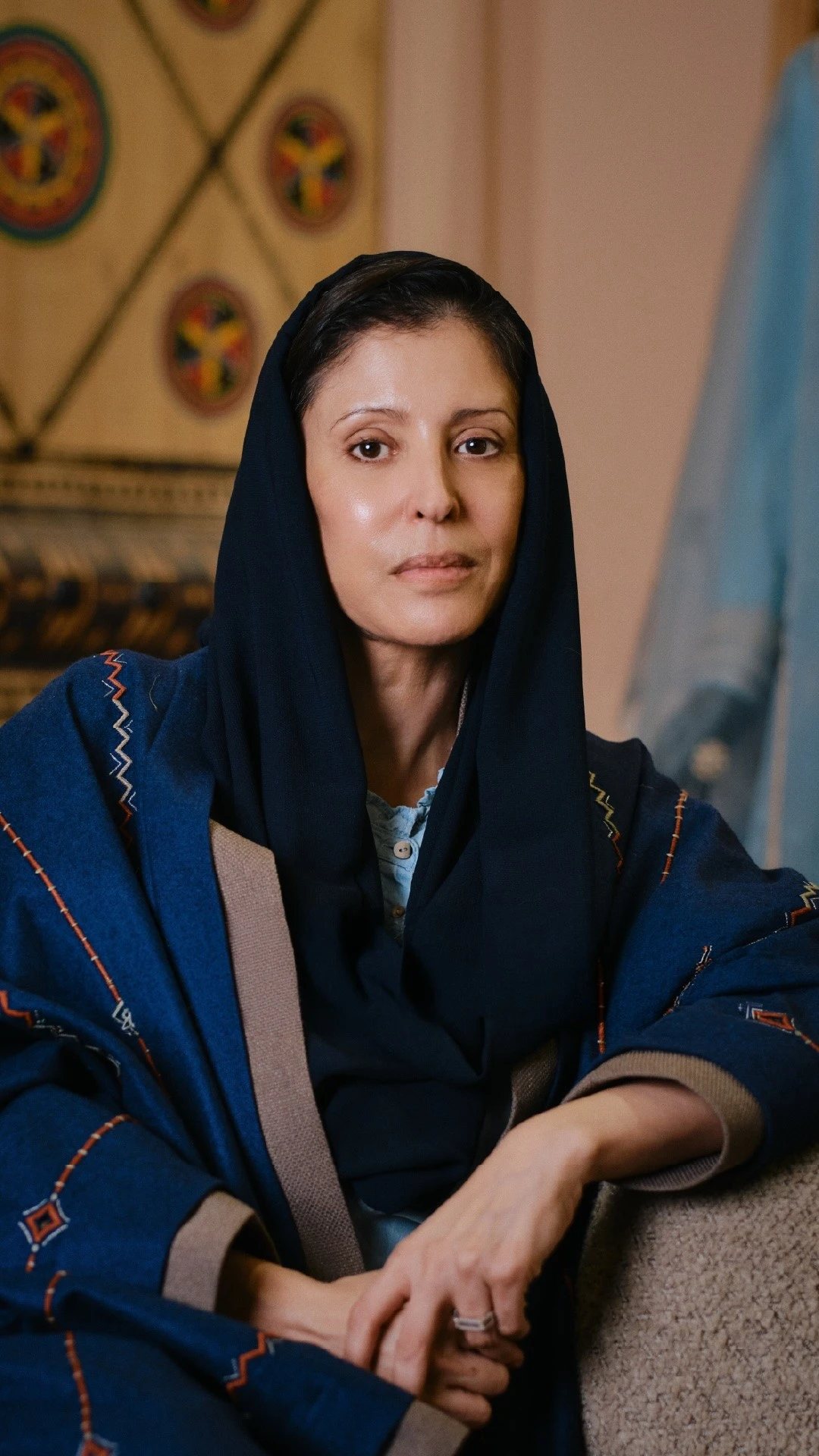
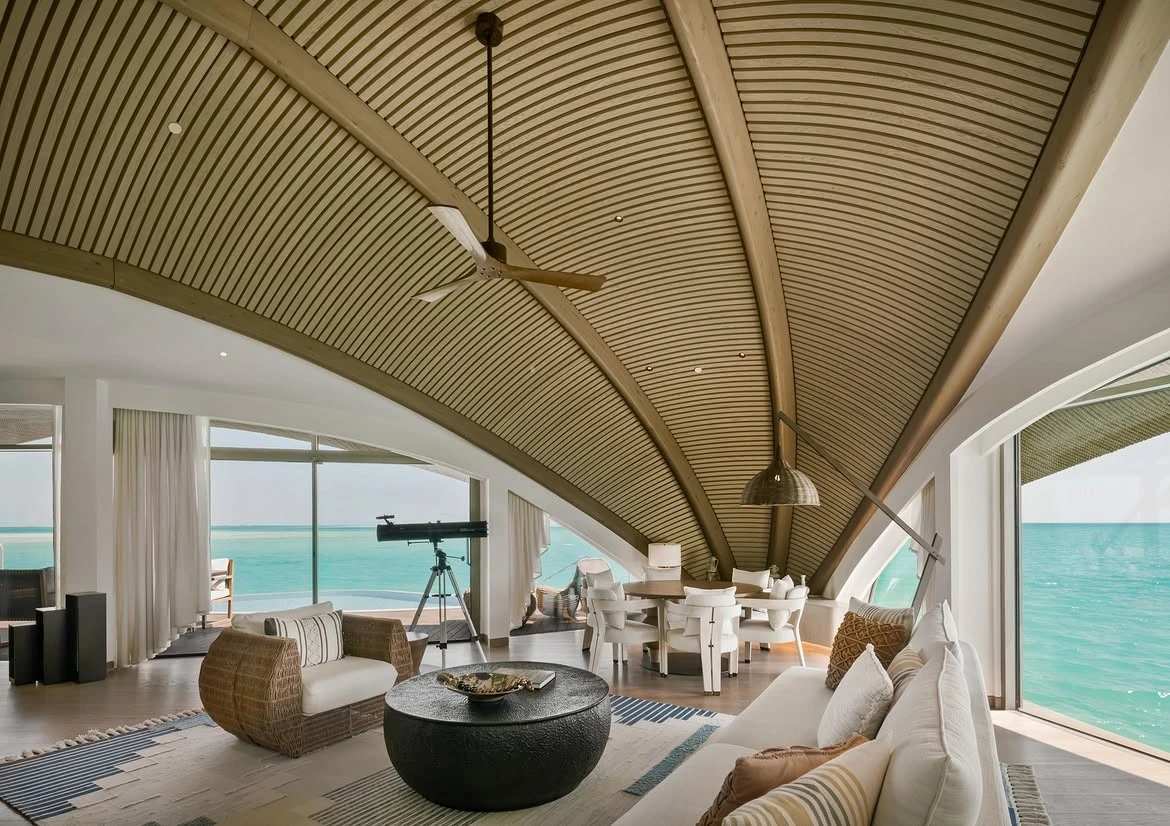
Under her stewardship, the partnership integrates traditional Saudi crafts, hand-woven textiles, and artisan-led workshops directly into the guest experience, ensuring that every stay at the Kingdom's only Ritz-Carlton Reserve is anchored in authentic cultural storytelling. The collaboration establishes dynamic new pathways for regional heritage to become an active, daily element of resort life. Art of Heritage brings decades of expertise in historical preservation, contemporary design, and artisan-led practices to Nujuma, enriching the sanctuary's shell-inspired architecture with deep-rooted Arabian storytelling.
In this exclusive conversation, HRH Princess Nourah shares the philosophy guiding this collaboration, the imperative of supporting female artisans, and how living heritage finds its place within the world’s most elevated hospitality spaces.
You've said that heritage lives through the people who practise it. At a time when Saudi Arabia is changing so rapidly, what does it mean to keep heritage alive rather than simply preserve it?
For a long time, much of Art of Heritage's work was centred on preservation. It was about collecting, documenting and protecting knowledge that could very easily disappear. That work was essential, because it is impossible to create from something without first taking the time to understand it.
Today, Art of Heritage is entering a different phase. After decades of building that knowledge, the responsibility is no longer simply to preserve it, but to activate it. How can an artisan take a technique inherited across generations and give it relevance today? How can a young designer look at the same archive and see possibility rather than only history?
Keeping heritage alive means allowing it to move. It has to be practised, interpreted and passed from one generation to another. Preservation gives us the foundation. Creation ensures that the knowledge continues to have a life beyond the archive.
Art of Heritage encourages artisans to reinterpret traditional knowledge for the present and future. Where do you draw the line between evolution and losing the authenticity of a craft?
The line is knowledge. There has to be a deep understanding of what is being changed before it can be changed with integrity. A craft can evolve in its scale, its material, its function or the way it is expressed. That does not make it less authentic. But when the understanding of where it came from, why it was made in a particular way, what a pattern represents or which community carried that technique begins to disappear, then something much more significant is lost.
Authenticity does not mean repetition, it means understanding. Art of Heritage has spent decades building that depth of knowledge precisely so that creation does not become appropriation of our own culture. We can be bold with heritage because we understand its foundations.
And sometimes the right decision is not to reinterpret something at all. There are traditions that should simply be protected and allowed to remain what they are.
Saudi Arabia's growth as a luxury tourism destination is creating a new international audience for Saudi culture. What opportunity does that create for Saudi artisans and what do you want visitors to understand about their work beyond its beauty?
It creates an extraordinary opportunity because the world is increasingly coming to Saudi Arabia and discovering the Kingdom for itself.
For artisans, that creates greater visibility, new markets, commissions and opportunities for their work to be valued by audiences who may never previously have encountered Saudi craft.
But the artisan should never be understood simply as someone producing a beautiful object, they are holders of knowledge. Within a single piece there can be generations of technique, regional identity, family history and an understanding of materials that has developed over time.
The ambition is for visitors to look beyond the finished object and become curious about the person behind it, where it comes from, why it looks the way it does and what knowledge was required to create it.
The collaboration with Nujuma places Saudi craftsmanship inside one of the Kingdom's most internationally visible luxury destinations. How can luxury hospitality become a meaningful platform for culture rather than simply using heritage as decoration?
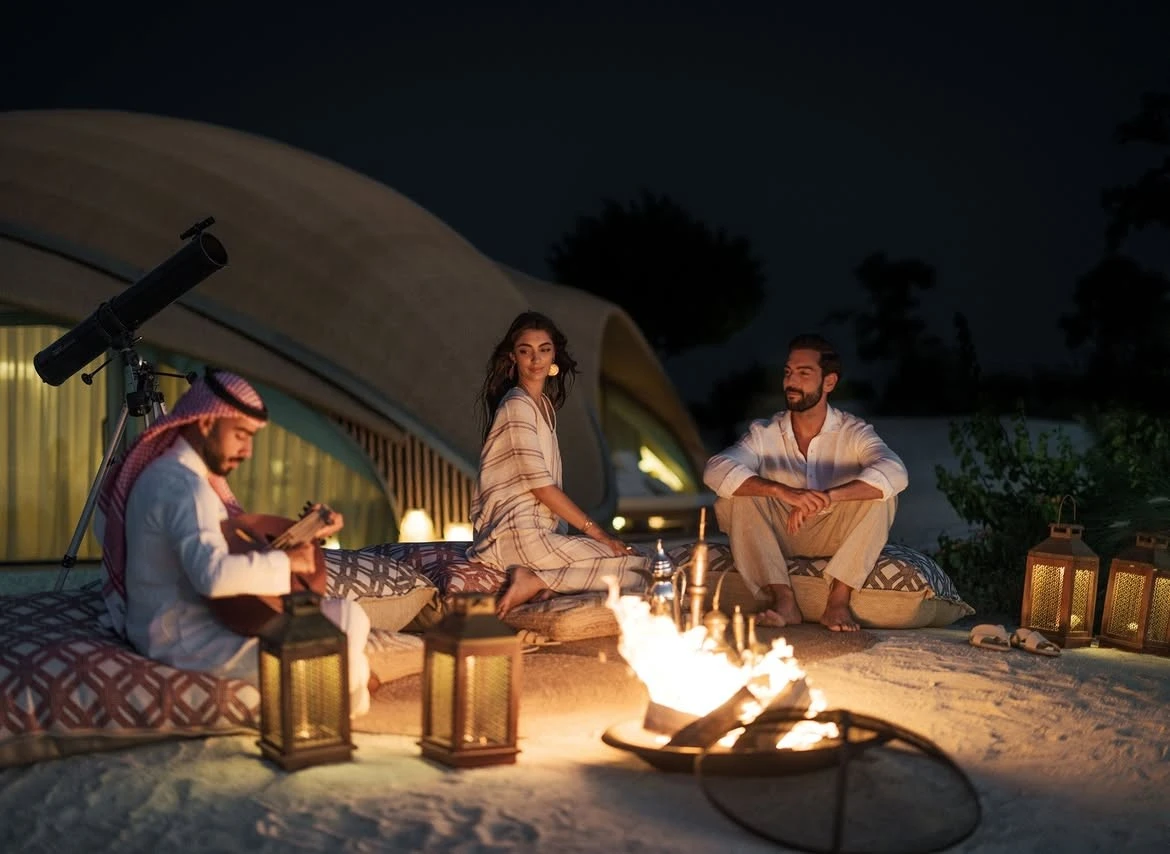
I think we sometimes speak about personalised luxury hospitality as though it is a new idea. For Saudis, there is something very familiar about it. Hospitality is deeply embedded in how we receive people. You notice your guest. You anticipate what they may need. You give them the best you have. The experience is personal because the guest matters, our guest matters.
There is a long history behind that. Hospitality has been deeply embedded in Saudi social life for generations. The majlis was, and remains, a place to receive and care for guests, with generosity, coffee, food and conversation at the heart of the experience. Guests were traditionally given places of honour, with great attention paid to how they were welcomed and looked after.
That same spirit was reflected historically in dedicated guesthouses and even palaces created specifically for receiving visitors, extending hospitality on a scale that speaks to just how deeply rooted it is in Saudi culture.
Imagine dedicating an entire palace to your guests. That is a very Saudi expression of hospitality.
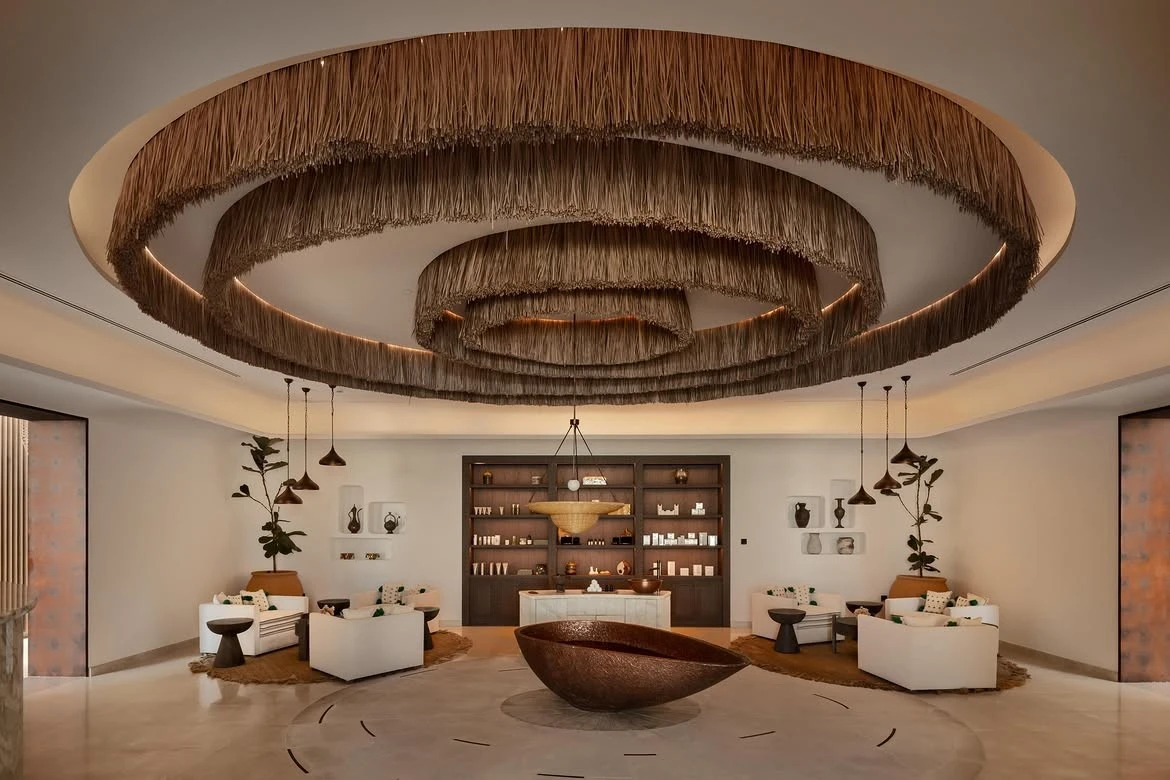
That is also part of what made Nujuma feel so natural for this partnership. There is already an extraordinary respect to place within the Reserve. The architecture, the materials, the relationship with the Red Sea and the details throughout the experience already carry a strong sense of where you are.
Art of Heritage adds another layer to that by bringing in the artisans themselves, the knowledge they carry and the stories behind the work. A beautifully crafted object becomes much more meaningful when a guest understands who created it, the tradition it comes from and the generations of knowledge behind it.
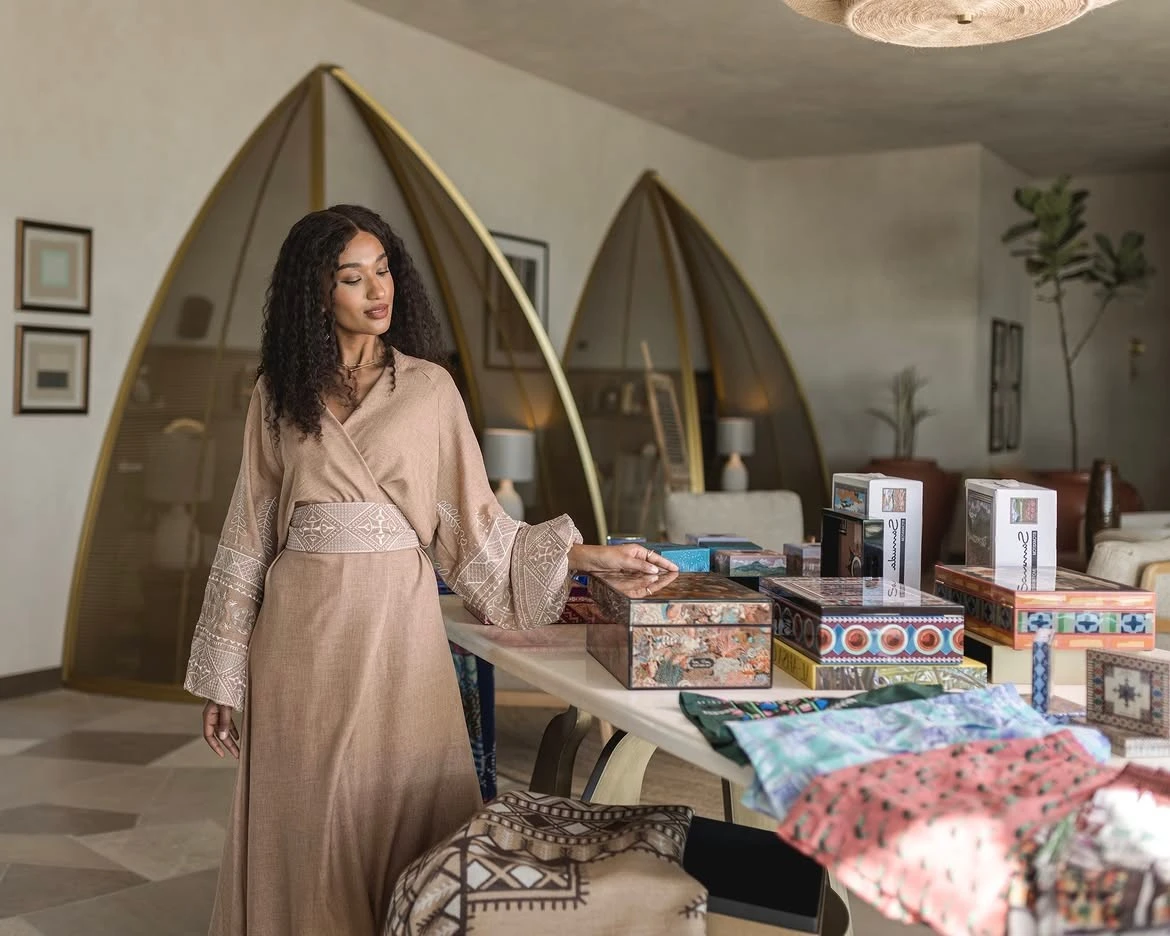
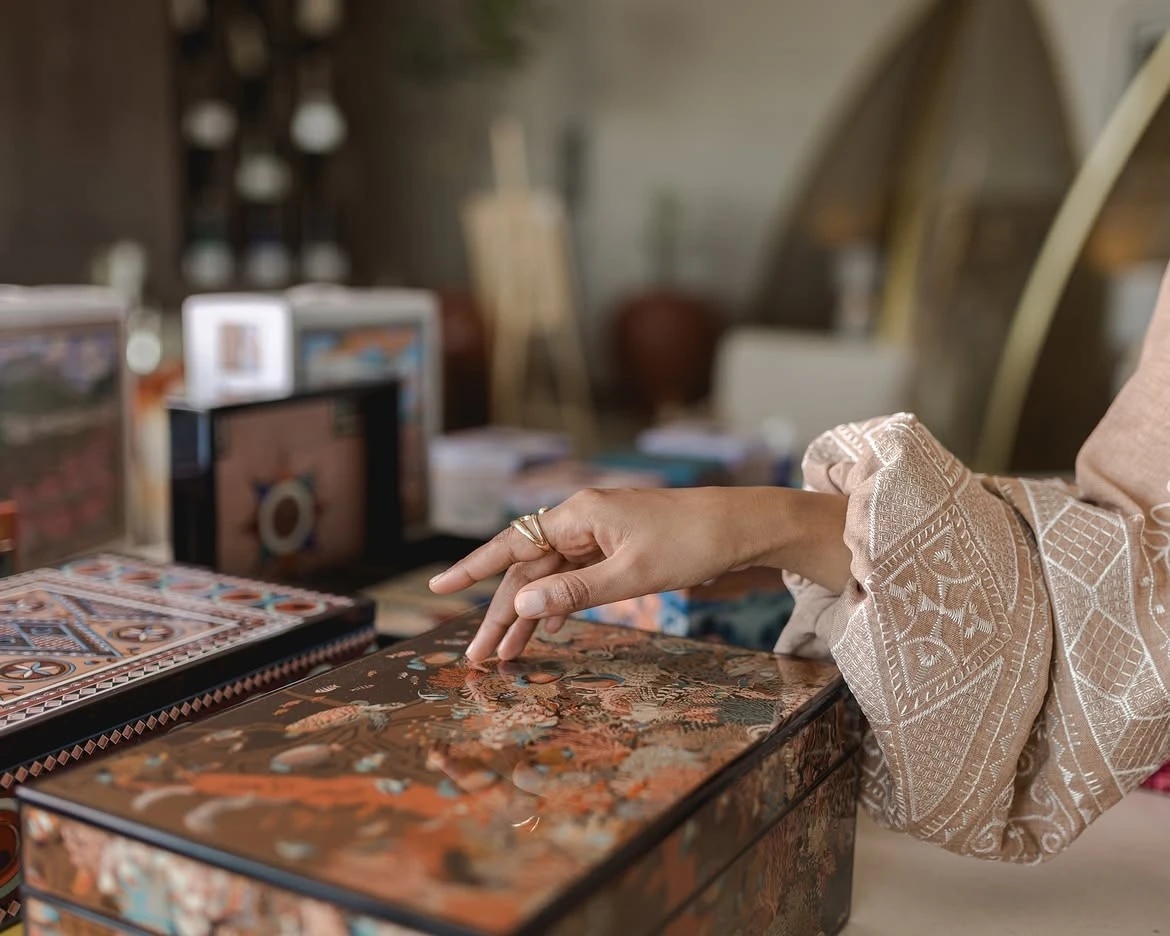
Art of Heritage has an extraordinary archive of more than 57,000 artefacts. How do you decide which traditions, techniques or objects can provide inspiration for a contemporary generation of Saudi designers and makers?
The archive has to be understood as much more than a visual reference. Every object carries context. Where did it come from? Who made it? What was its purpose? What technique was used? What does it reveal about the people and place it belonged to?
Once that knowledge is understood, it becomes possible to identify what can travel into something new. Sometimes it is a technique. Sometimes it is a construction method, a material, a proportion, a colour relationship or even an idea about how an object was used.
The significance of an archive of more than 57,000 artefacts is not simply the number of objects it contains. It is the extraordinary amount of knowledge contained within them.
The aim is not to reproduce the archive. It is to understand what that archive can teach a new generation, and then give designers and makers the confidence to create from that knowledge in their own way.
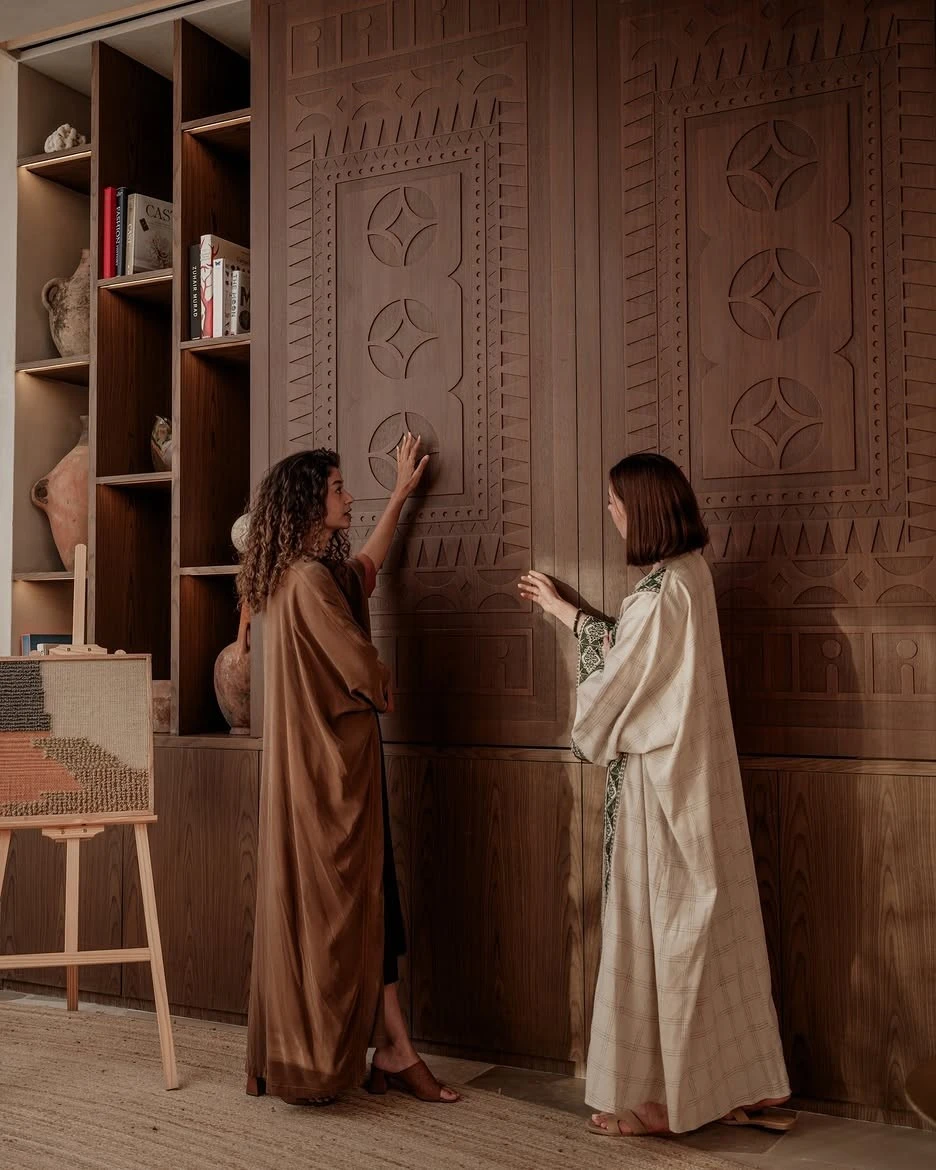
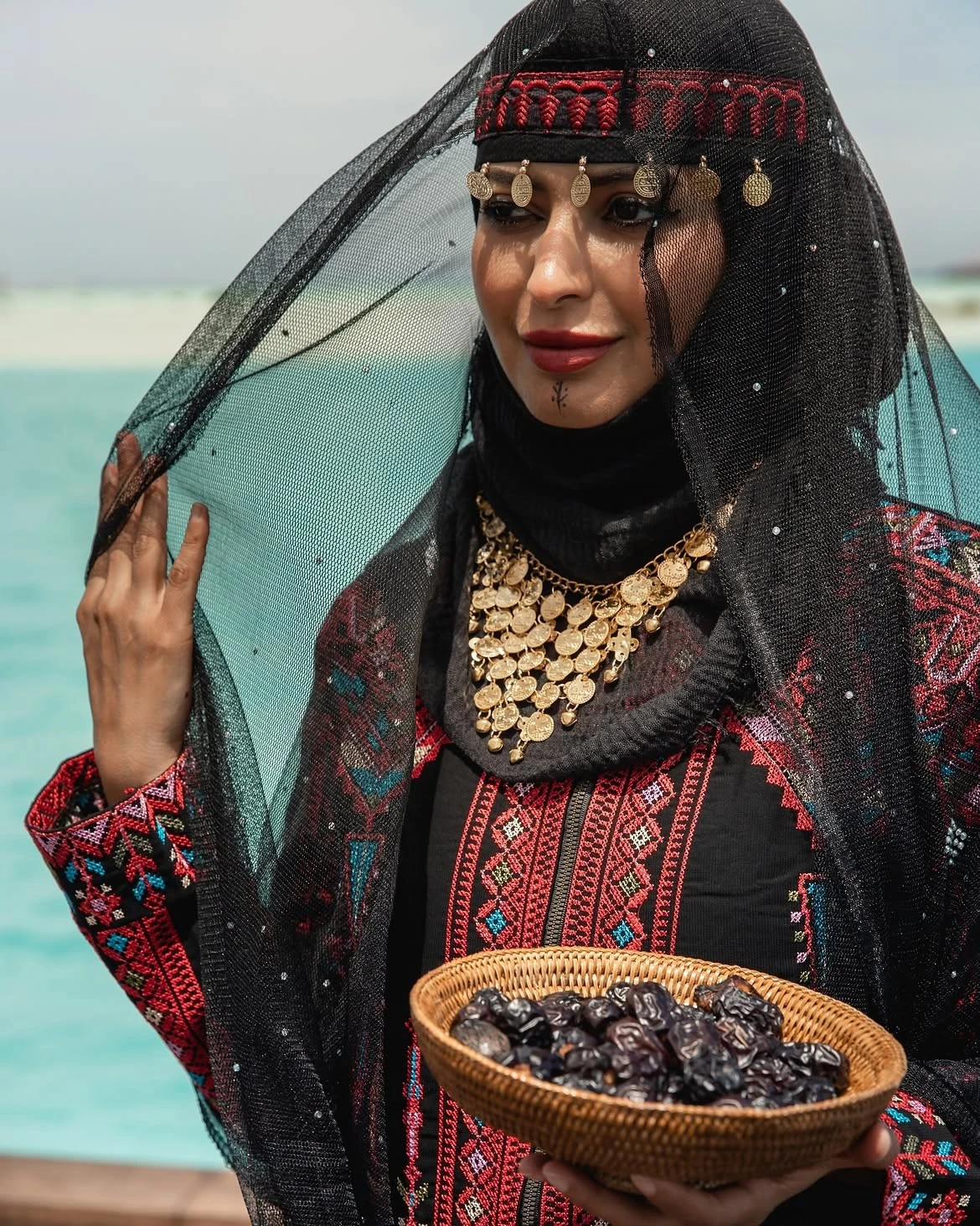
Supporting women, young people and people of determination is central to Art of Heritage's work. What does success look like for the artisan themselves? Is the ambition ultimately to create sustainable careers and businesses as well as preserve skills?
Absolutely. Training is incredibly important, but it is only the beginning. There is little value in preserving a craft if the person practising it cannot see a future in that knowledge. Success means creating opportunity, income, recognition and the confidence for artisans to continue developing their practice.
Ultimately, a sustainable craft requires a sustainable artisan. The two cannot be separated.
Supporting women, young people and people of determination is therefore not simply about participation. It is about creating the conditions for people to become active contributors to the future of Saudi craft and to build meaningful livelihoods around the knowledge they carry.
As Saudi design becomes increasingly visible internationally, is there a danger that a recognisable idea of Saudi style emerges that doesn't reflect the enormous diversity of craft traditions across the Kingdom? How important is regional identity to you?
There is always that possibility. It probably happens with almost every culture. One image becomes familiar, one motif is repeated often enough, and eventually it begins to stand in for something far more complex.
Saudi Arabia makes that particularly difficult because there simply is no single Saudi visual language. The Kingdom is enormous. Materials, colours, architecture, embroidery and ways of making change dramatically from one region to another because the landscapes, communities and histories behind them are different.
Regional identity is therefore incredibly important. Something can be distinctly Saudi while still belonging specifically to Asir, Al-Ahsa, Najd, Hijaz, Jazan or another part of the Kingdom.
Saudi creativity is moving so quickly that by the time one idea of a recognisable Saudi style begins to form, something entirely different may already have emerged.
If we look ten years ahead, what would you like Saudi craft to have become both within the Kingdom and in the way Saudi Arabia is understood by the rest of the world?
Ten years from now, the ambition is for craft to be understood as an integral part of the creative and economic life of the Kingdom.
That means artisans with sustainable careers and businesses, designers who are completely fluent in their own cultural language, and traditional knowledge moving naturally into fashion, architecture, hospitality, product design and areas that may not even exist today.
Most importantly, it means younger generations continuing to practise these traditions themselves.
The aim should never be to ask them simply to reproduce what came before. They should understand the knowledge, inherit it and then have the confidence to interpret it in ways that belong to their own generation. That is how a tradition continues. Each generation receives something, adds something of its own and passes it forward.
Within the Kingdom, success would mean heritage is not something young Saudis observe from a distance or associate only with previous generations. It is something they recognise as theirs to use, develop and continue.
Internationally, the ambition is for the conversation around Saudi Arabia to have much greater depth. The world is discovering the Kingdom at extraordinary speed, but there is still so much of its cultural richness that remains unfamiliar.
Saudi craft can tell that story in a particularly powerful way because it carries the evidence of how people here have lived, created, adapted and expressed themselves across generations.
In ten years, the hope is that there is no longer a need to speak about bringing Saudi craft into the global conversation. It should already be there, contributing confidently and on its own terms.
Shop Art of Heritage here
@artofheritage
@nujumareserve