Aside from football, Qatar’s international profile when it comes to tourism has always hinged on cultural institutions and particularly museums. I.M. Pei’s much-feted Museum of Islamic Art in Doha was opened back in 2008, a time when Jean Nouvel’s Abu Dhabi Louvre was just a theoretical dream.
Nearly two decades on and I.M. Pei’s remarkable building is as iconic as ever, and has been joined by another show-stopping architectural marvel, the National Museum of Qatar, also designed by Nouvel to imitate the sharp lines and scrappy beauty of a desert rose. In between these two projects was the remarkable Arab Museum of Modern Art, completed in 2010.
Over the past 20 years Qatar has pumped more than US$1 billion into the development of museums alone – and shows no sign of slowing down. Its 3-2-1 sports museum opened in the Khalifa Stadium ahead of the 2022 World Cup (and putting Qatar’s pitch for the first Middle Eastern nation to host the Olympics front and centre), and other major projects are planned for 2026 and beyond.
These include the hotly-anticipated Dadu, Children’s Museum of Qatar, a museum aimed at children and is slated to open in 2026; the Lusail Museum, which will house the world’s largest collection of Orientalist paintings and opens in 2029, and the Art Mill Museum, another jaw-dropping architectural marvel that is expected to open its door near Doha Corniche in 2030.
Museum of Islamic Art
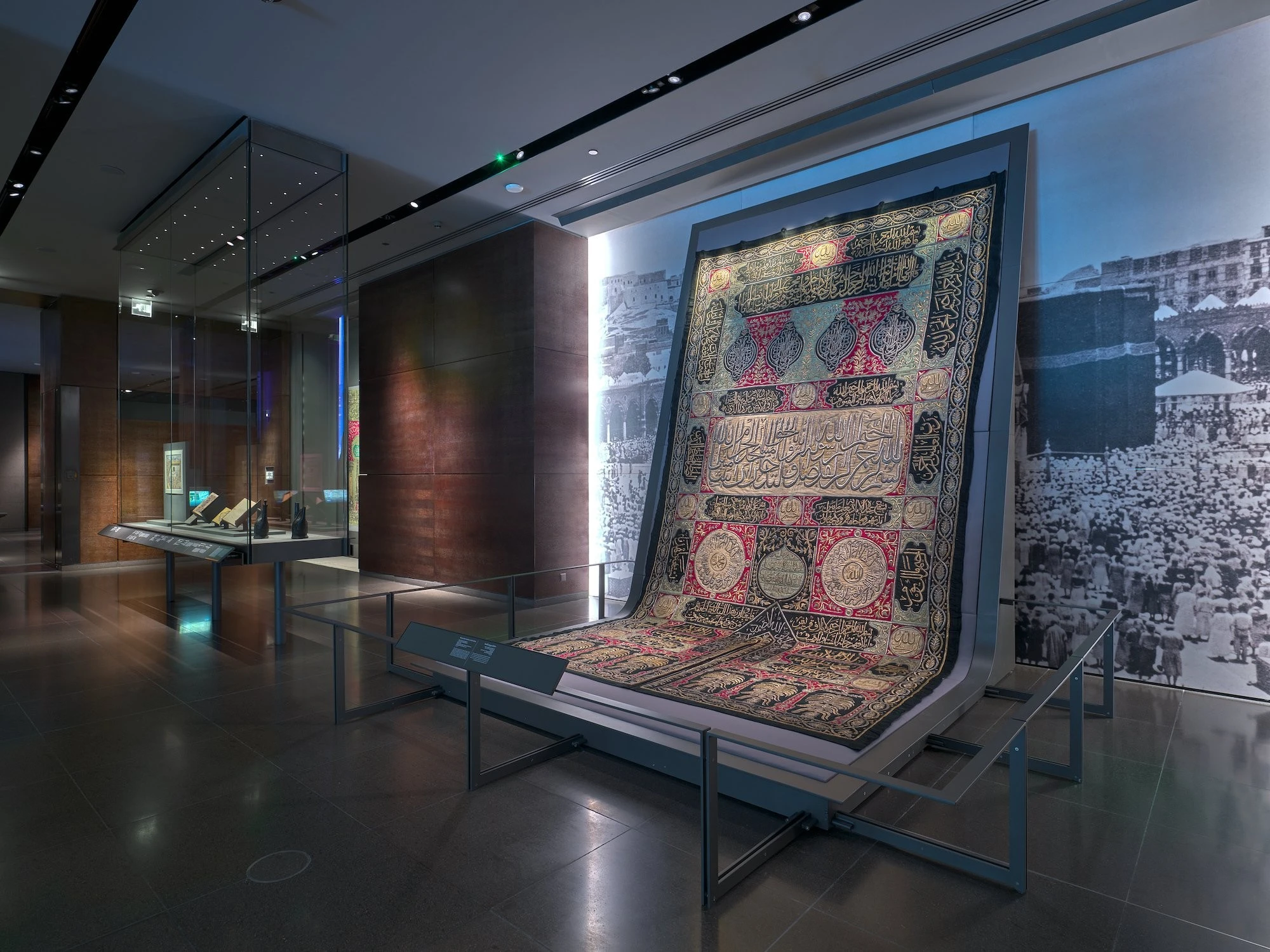
Qatar managed to bring the 91-year old I.M. Pei out of retirement to design Doha’s Museum of Islamic Art, and the Pritzker-prizewinning, Japanese starchitect did not disappoint. Pei embarked on a months-long journey around the Middle East to source inspiration for his building, which has been one of Qatar’s – and the region’s – most iconic structures since it opened in 2008. It was renovated in 2022 and became the first carbon-neutral museum in the region.
Its bright-white cubes are reflected by the water by day and lit up at night, and architectural flourishes pay homage to Islamic fashion and geometric patterns. Inside, the museum contains a massive array of Islamic treasures, from Ottoman-era steel helmets and a ruby-studded falcon to an enormous display of ancient Quranic manuscripts.
National Museum of Qatar
Another epic museum in Doha where the building is arguably as interesting as the exhibits inside it – the National Museum of Qatar.
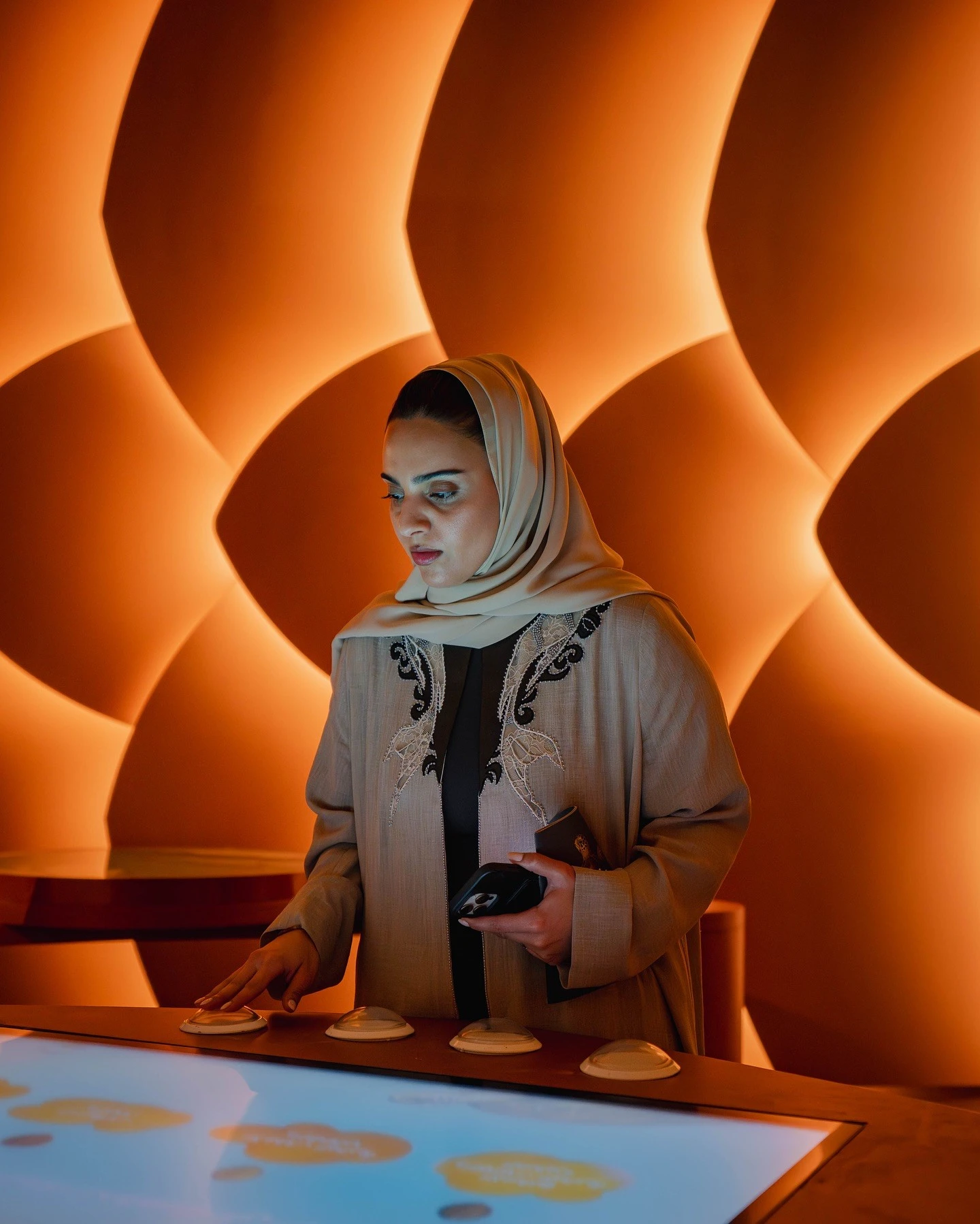
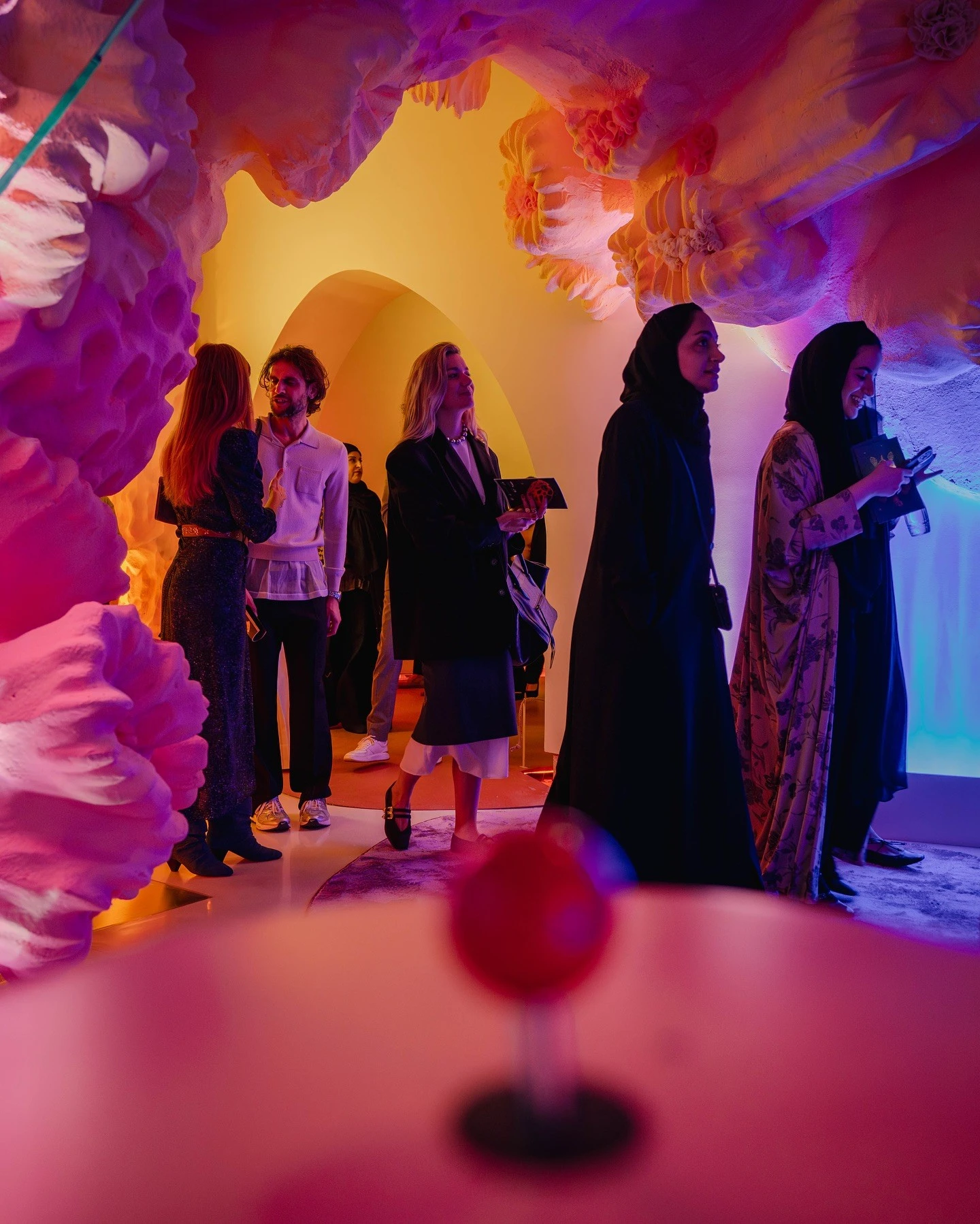
Designed by Jean Nouvel and opened in 2019, the building is based on the shape of the desert rose crystal, which is found in Qatar, and tells the story of Qatar and its people, from Bedouin tribal wars to the formation of the Qatari state and discovery of oil and natural gas.
Audio and visual exhibits will keep older children interested and entertained, while another section reconstructs the historic Al Zubarah coastal city. Another pays tribute to dugongs, the manatee-like creature that has played an outsized role in the nation’s history.
3‑2‑1 Qatar Olympic & Sports Museum
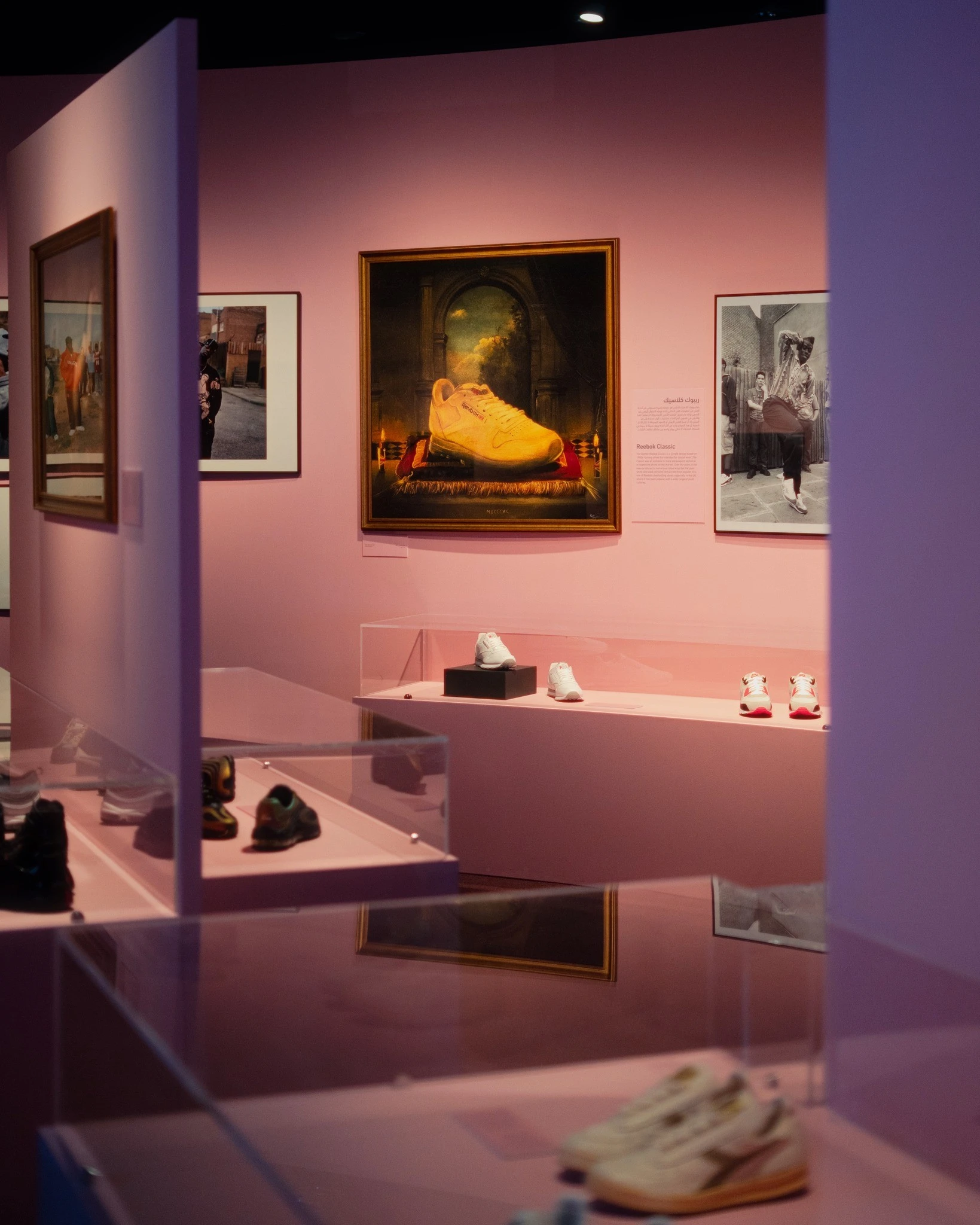
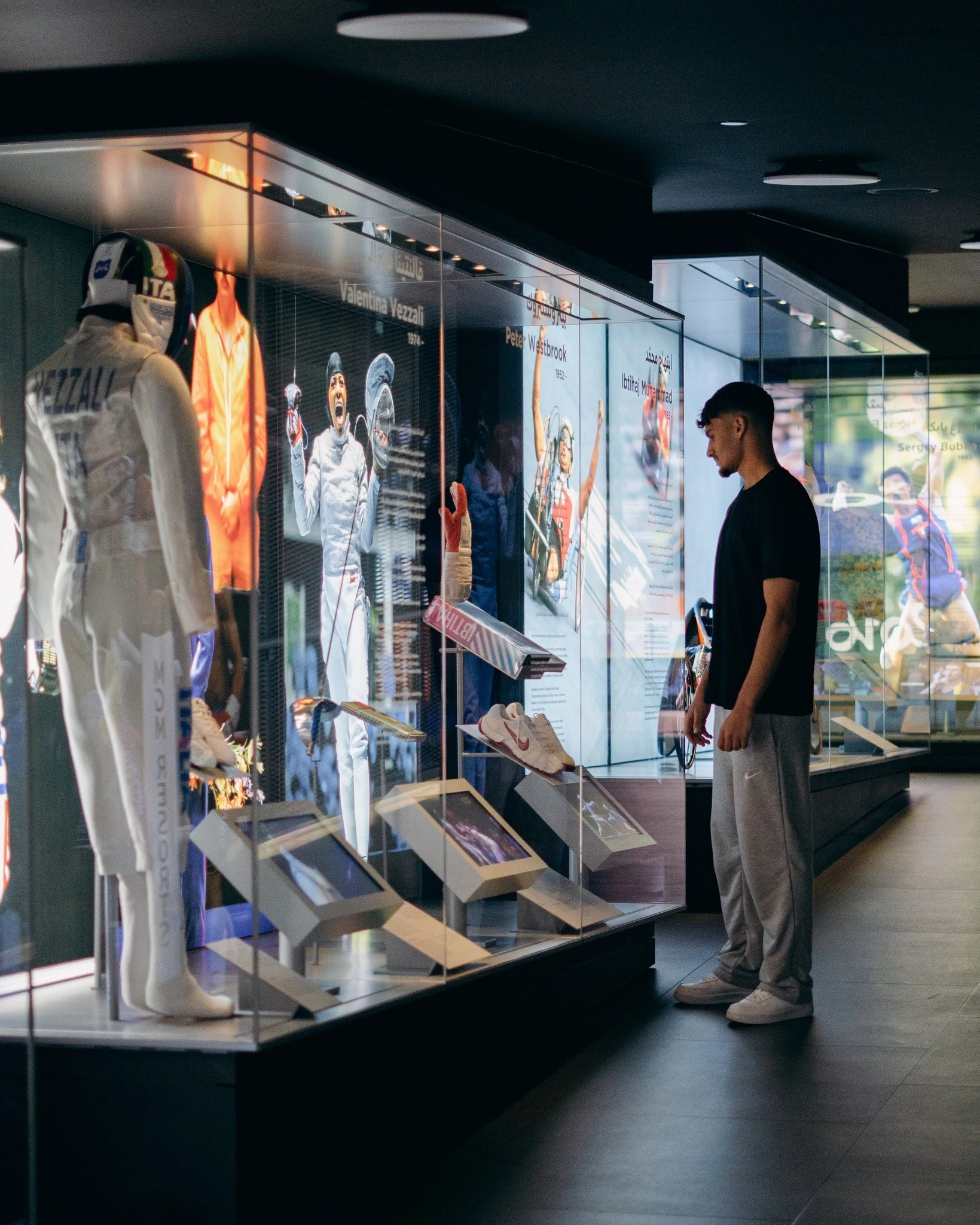
Built inside one of the impressive World Cup 2022 stadiums, the 3‑2‑1 Qatar Olympic & Sports Museum is as much a tribute to the football tournament as it is a pitch for a bigger sporting prize: Qatar’s ambition to become the first Middle East nation to host the Olympics.
The museum is the first to be totally focused on sports in the region and is resplendent with technical innovations like VR and AR that will make it popular with older children. You can also view World Cup memorabilia. Guided tours of the Khalifa Stadium are held on Mondays and Wednesdays between 9am and 11.30am in English. Book ahead to avoid disappointment as the tours are very popular.
Mathaf: Arab Museum of Modern Art
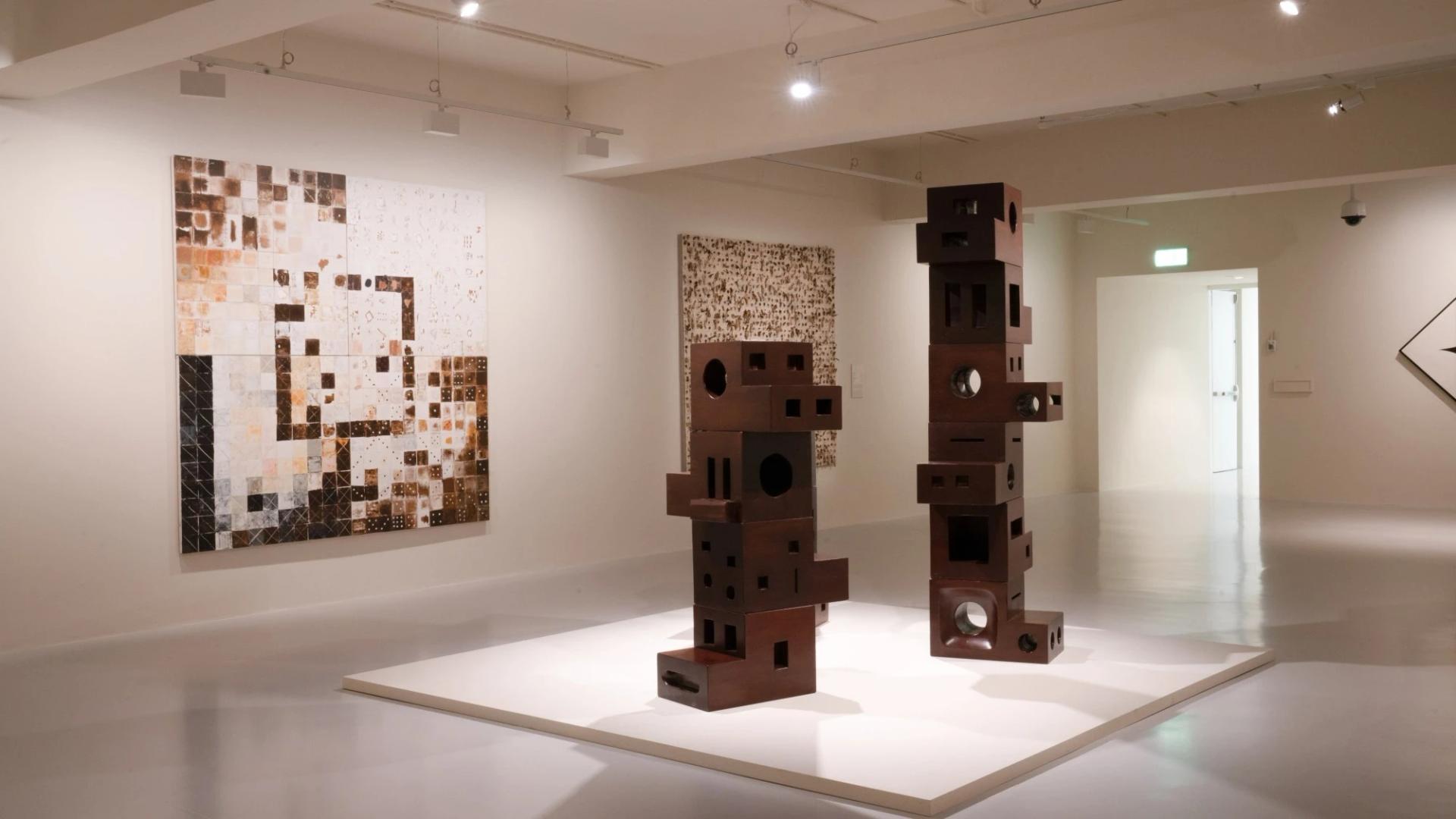
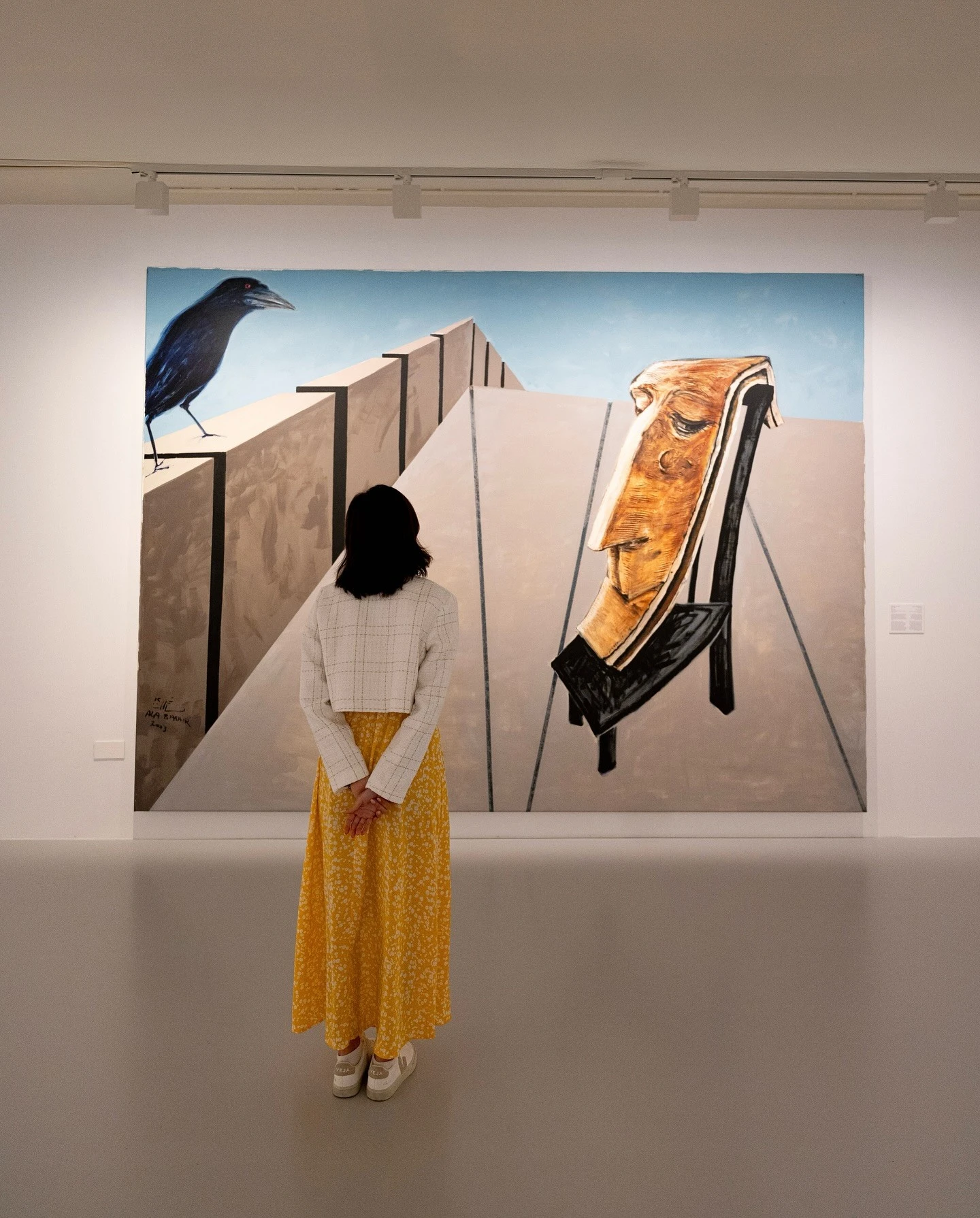
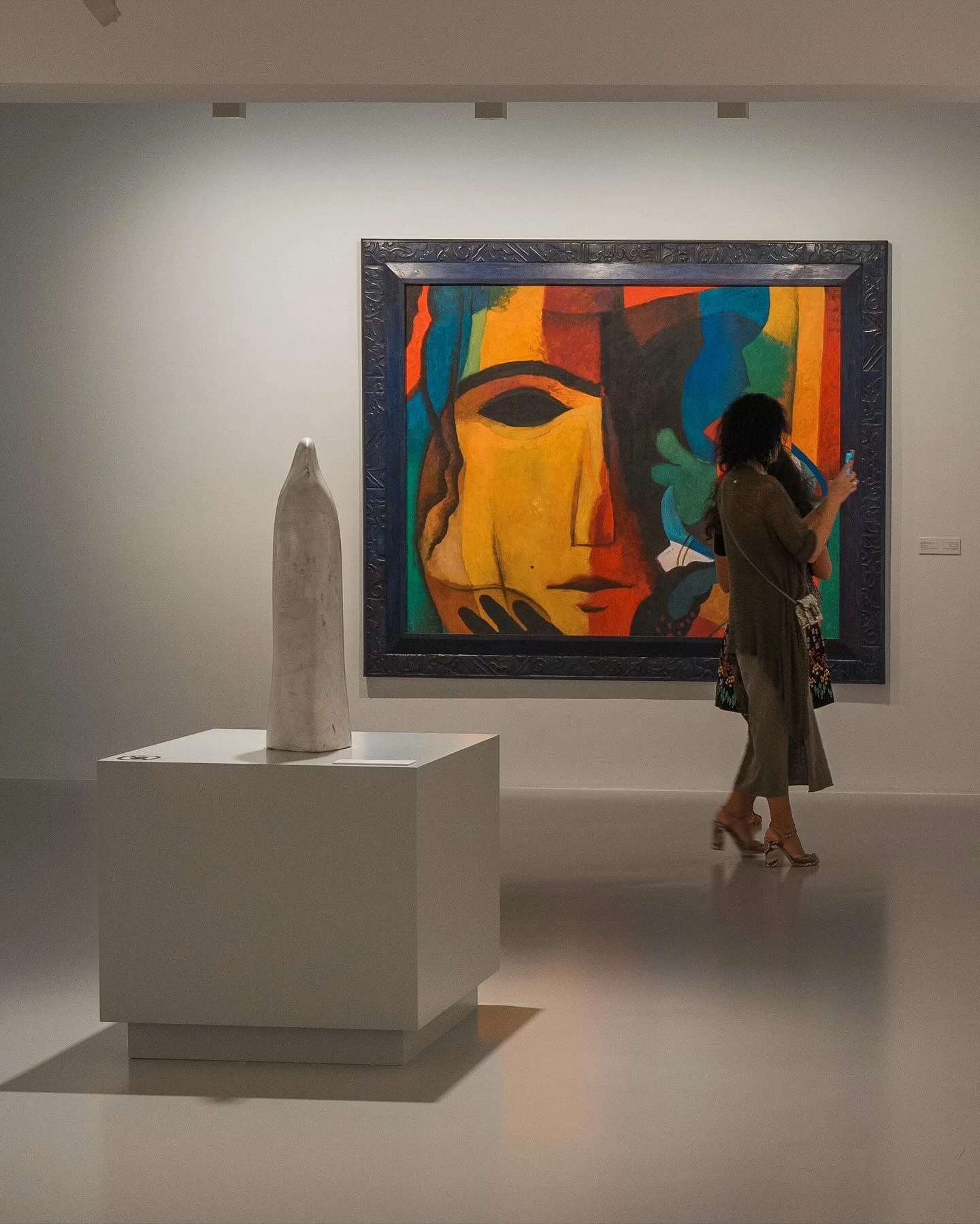
Located in Education City inside a converted school, the Arab Museum of Modern Art – Mathaf – is home to a collection of modern and contemporary art from the Arab world as well as historical exhibits. Originally founded in the 1990s in two private villas owned by Qatar’s royal family, the museum expanded until it was moved to the current large space in Education City.
The building was designed by French architect Jean-François Bodin, with the brief that Mathaf should be a “post-museum, transparent [and] interaction orientated.” It houses what is believed to be the largest collection of Arab paintings and sculptures in the world, spread across seven galleries on the upper floor (the permanent collection), and an atrium and five galleries on ground floor dedicated to temporary exhibitions. It is also home to a substantial library.
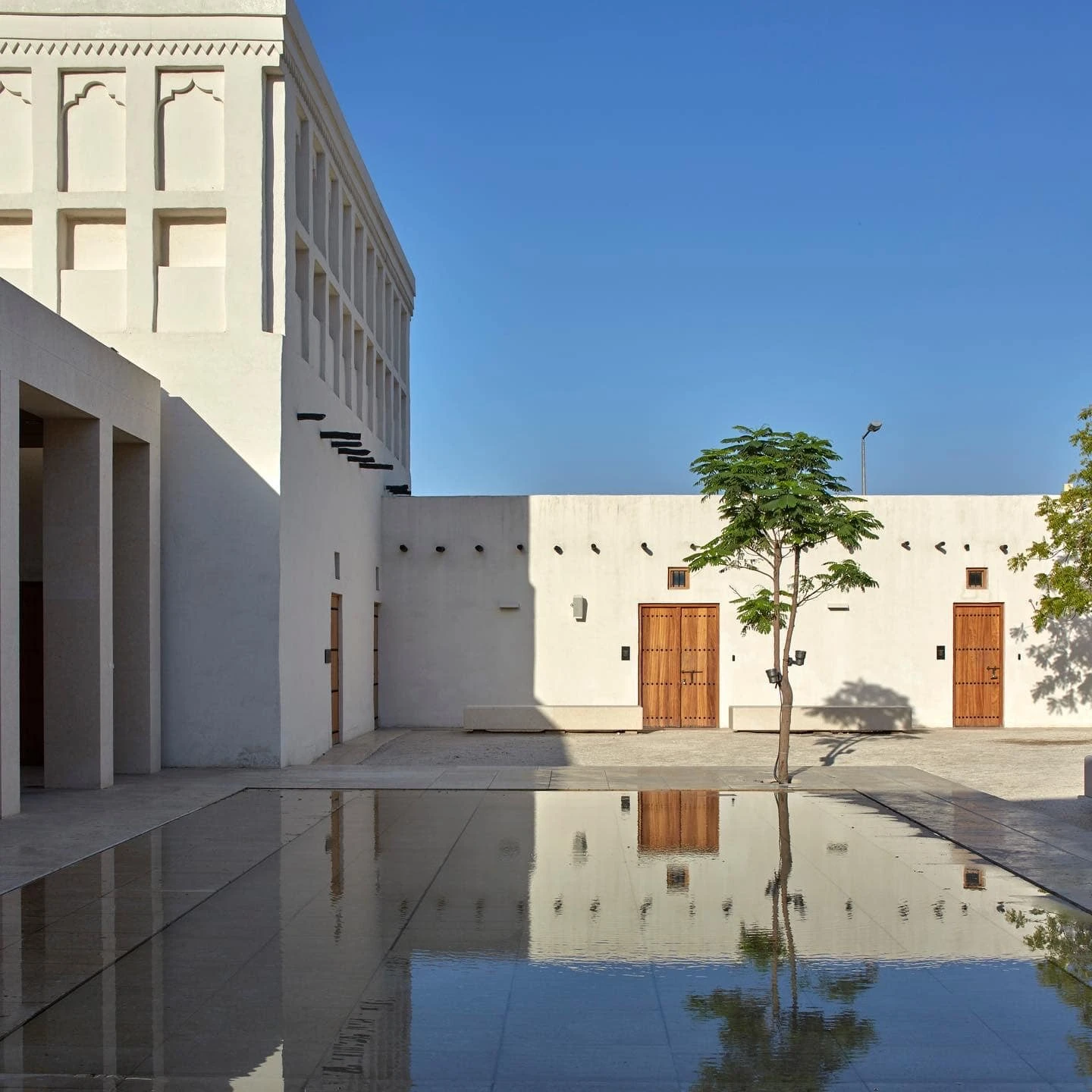
Msheireb Museums
As part of the modern development of what was slated to be the world’s most ambitious sustainable urban regeneration project, four heritage homes in downtown Doha were restored as museums that could capture the realities of life in 20th-century Qatar. Exhibits include personal stories, interactive displays and educational workshops.
Sheikh Faisal bin Qassim al Thani Museum
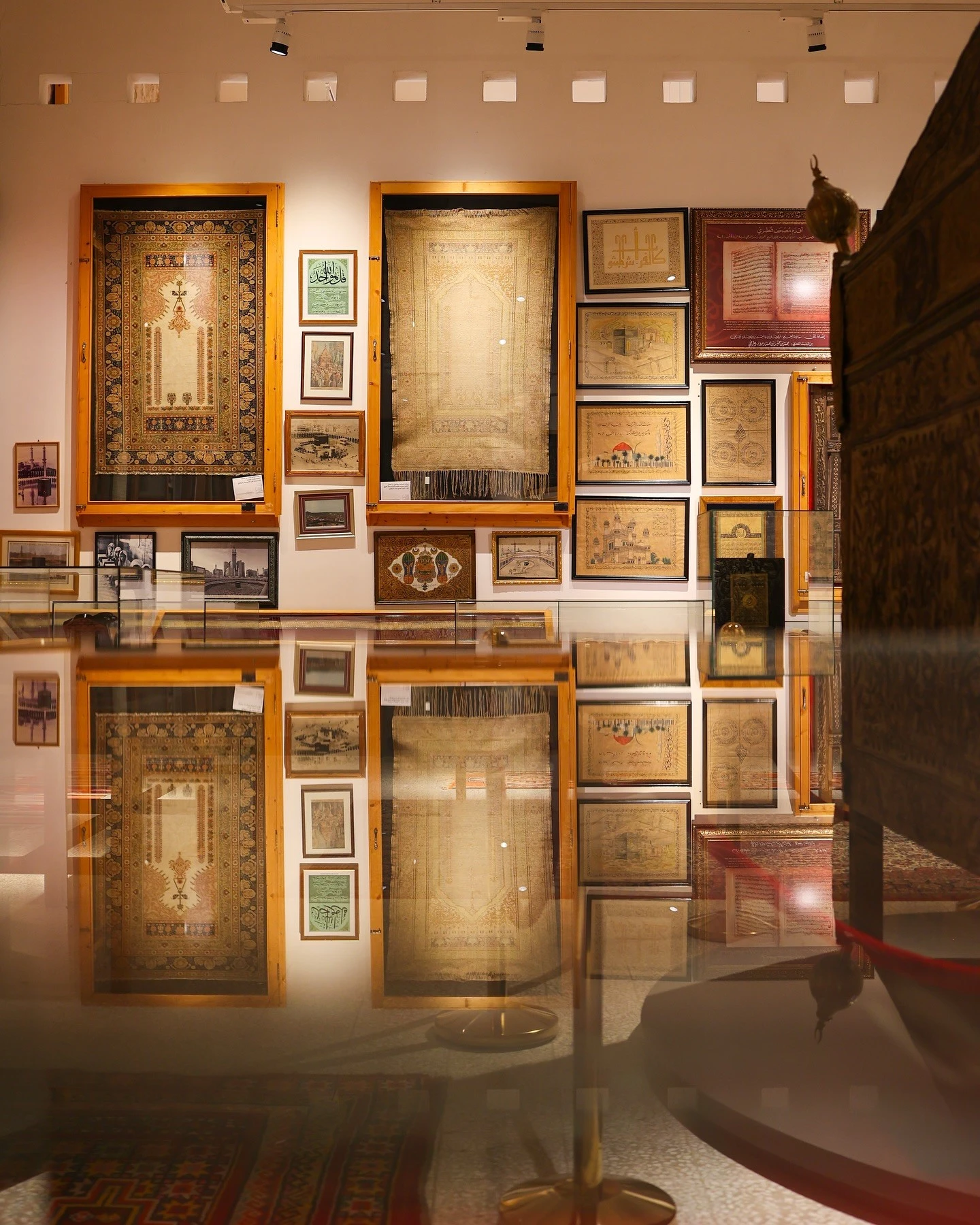
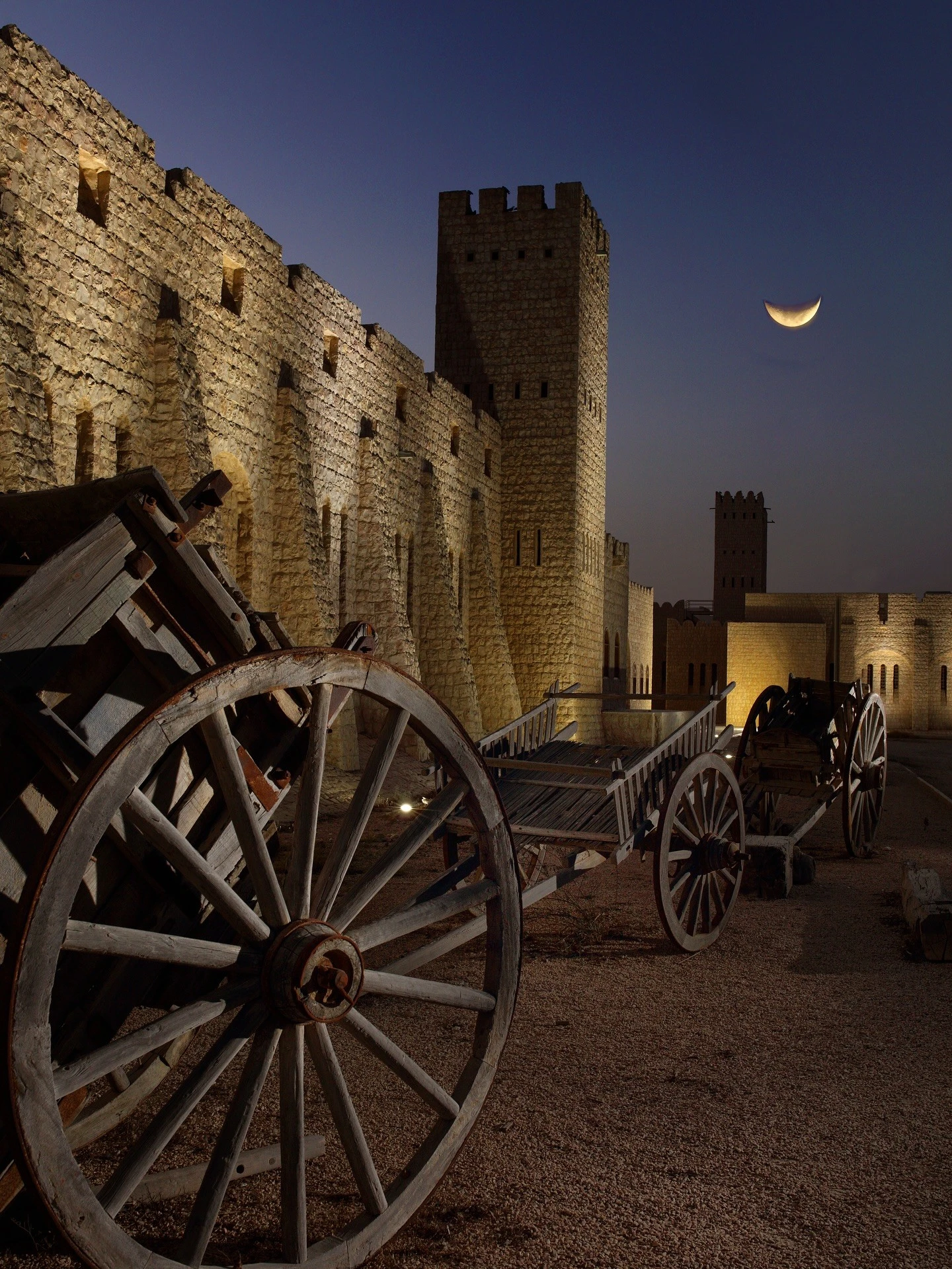
This museum – known colloquially as the ‘FBQ museum’ – showcases a lifetime of acquisitions by Qatari business mogul Sheikh Faisal bin Qassim al Thani, including 15,000 exhibits covering everything from Islamic art and ancient coins to vintage cars. In 2022, the museum welcomed an enormous car collection, with 600 vehicles in perfect working order from various eras.
It also includes a traditional Syrian home that was taken from near Damascus and recreated, and two model Qatari homes that contain items Sheikh Faisal once had in his own house. Over 700 carpets showcase weaves, dyes and patterns from across the world. 20km west of Doha, the museum is only reachable by private car or taxi.
Museum of Illusions Doha
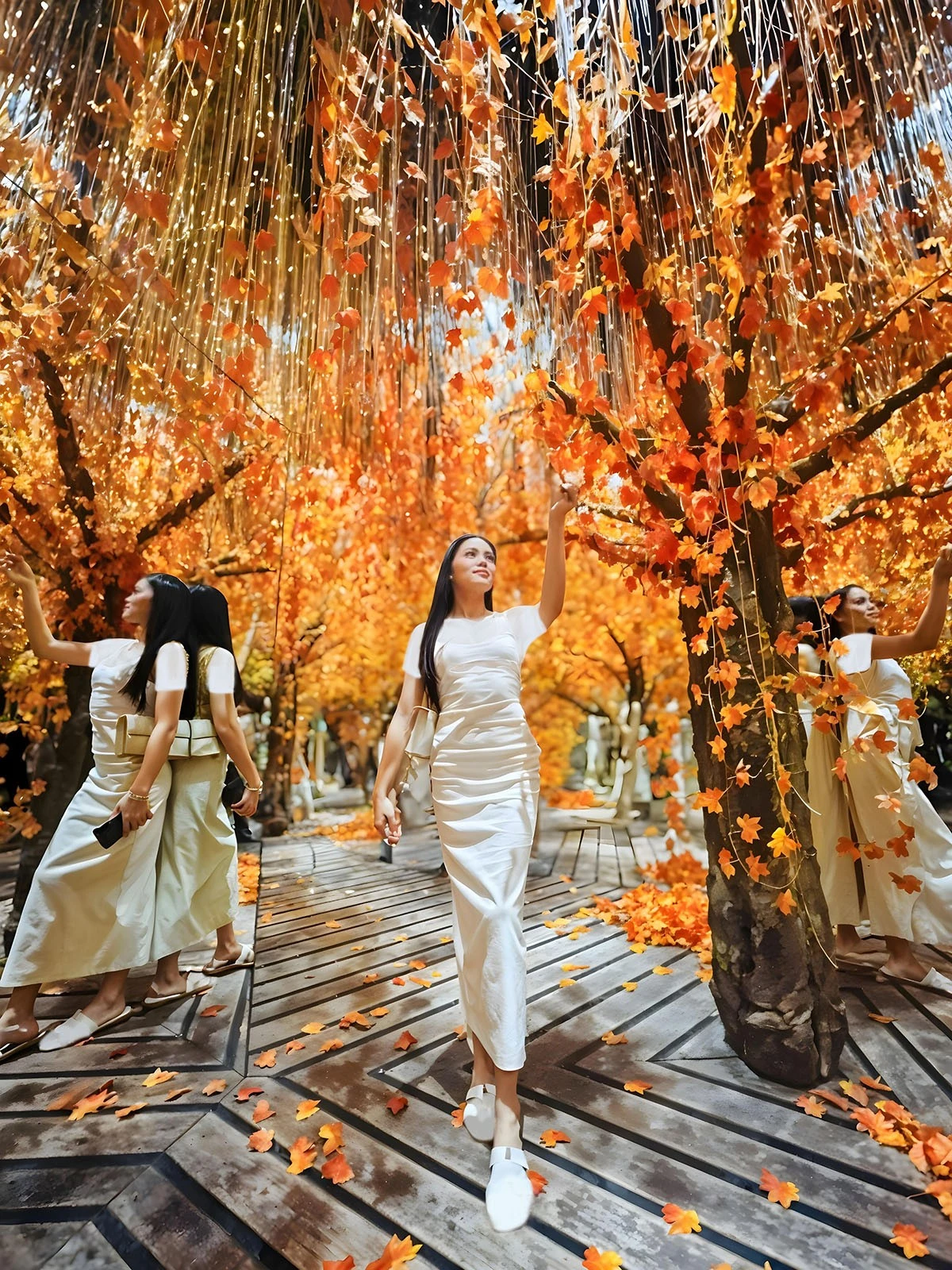
Definitely one for those visiting with kids on a hot afternoon, this science museum inside the Gate Mall will entertain children and adults of all ages with a weird and wonderful collection of exhibits, including games, holograms, and optical illusions. The Museum of Illusions franchise began in Zagreb, Croatia, and opened its Doha branch in 2019. It is noted for its accessibility, with exhibits including braille and staff that can aid tours for disabled travellers.