
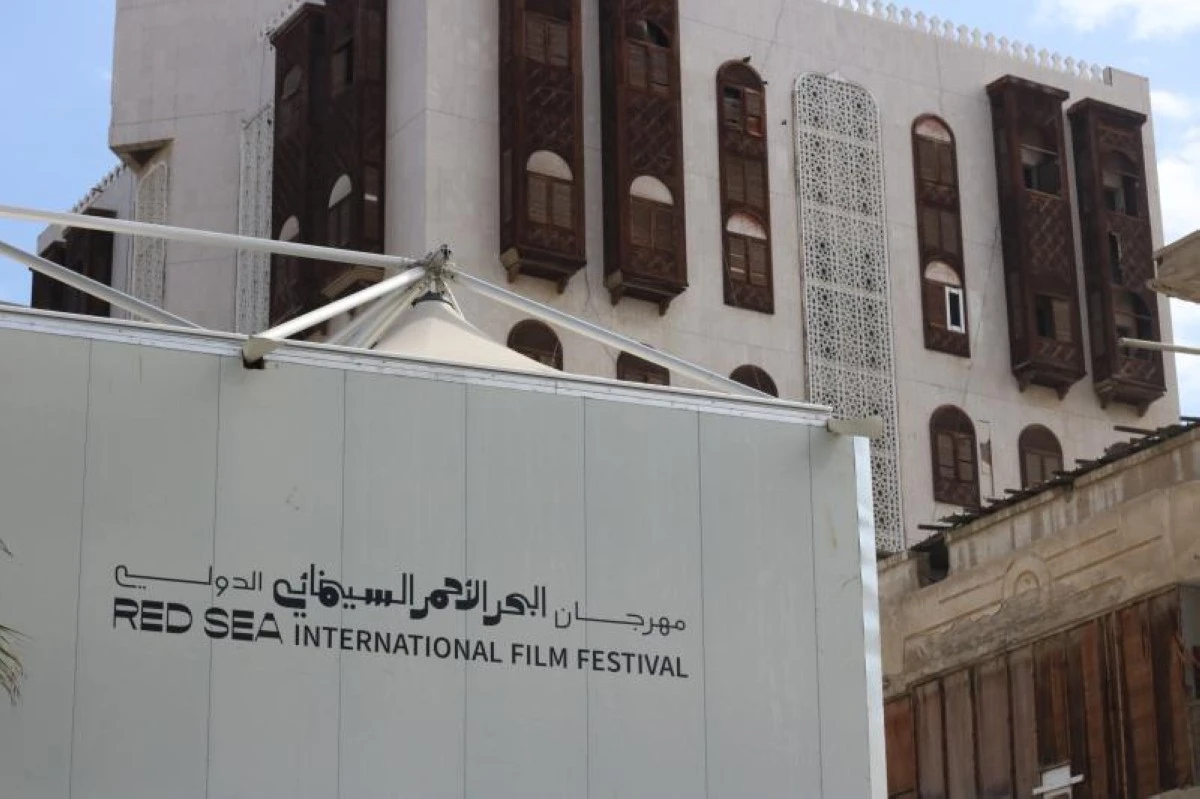
The latest edition of the Red Sea International Film Festival is in full swing with a plethora of panels, workshops, screenings, dinners, and strategising for the Arab film ecosystem.
With its return to Jeddah’s Al Balad district, there’s an exciting feeling in the air for Saudi’s contribution to the world of cinema. And with people like Viola Davis, Mona Zaki, Engin Altan Düzyatan, and Nurgül Yeşilçay participating in interactive Q&A sessions, as well as Danny DeVito’s A Sudden Case of Christmas and Johnny Depp’s moody Modi, Three Days on the Wing of Madness being screened, things are even more abuzz.
The leadership that got the festival off the ground in the first three editions laid the foundation for it being synonymous with quality, high-calibre celebrity, with the ability to impact Arab and Saudi film. One such celebrity associated with the festival is Egyptian acting legend Youssra, who is attending this year. “The festival has made a big impact, and it has opened a lot of doors for new generations in Saudi who want to be in filmmaking,” she explains. “It gives them new chances in their lives, and also with the old generation who wanted to change a lot of things and a lot of concepts, and they are doing a lot of co-production, whether it’s between Egypt or any other country and the Red Sea International Film Festival.”
You Might Also Like: Spike Lee to lead the jury for Red Sea International Film Festival 2024
A Gratifying Year
This year’s The New Home of Film theme is poignant and perhaps foretelling.
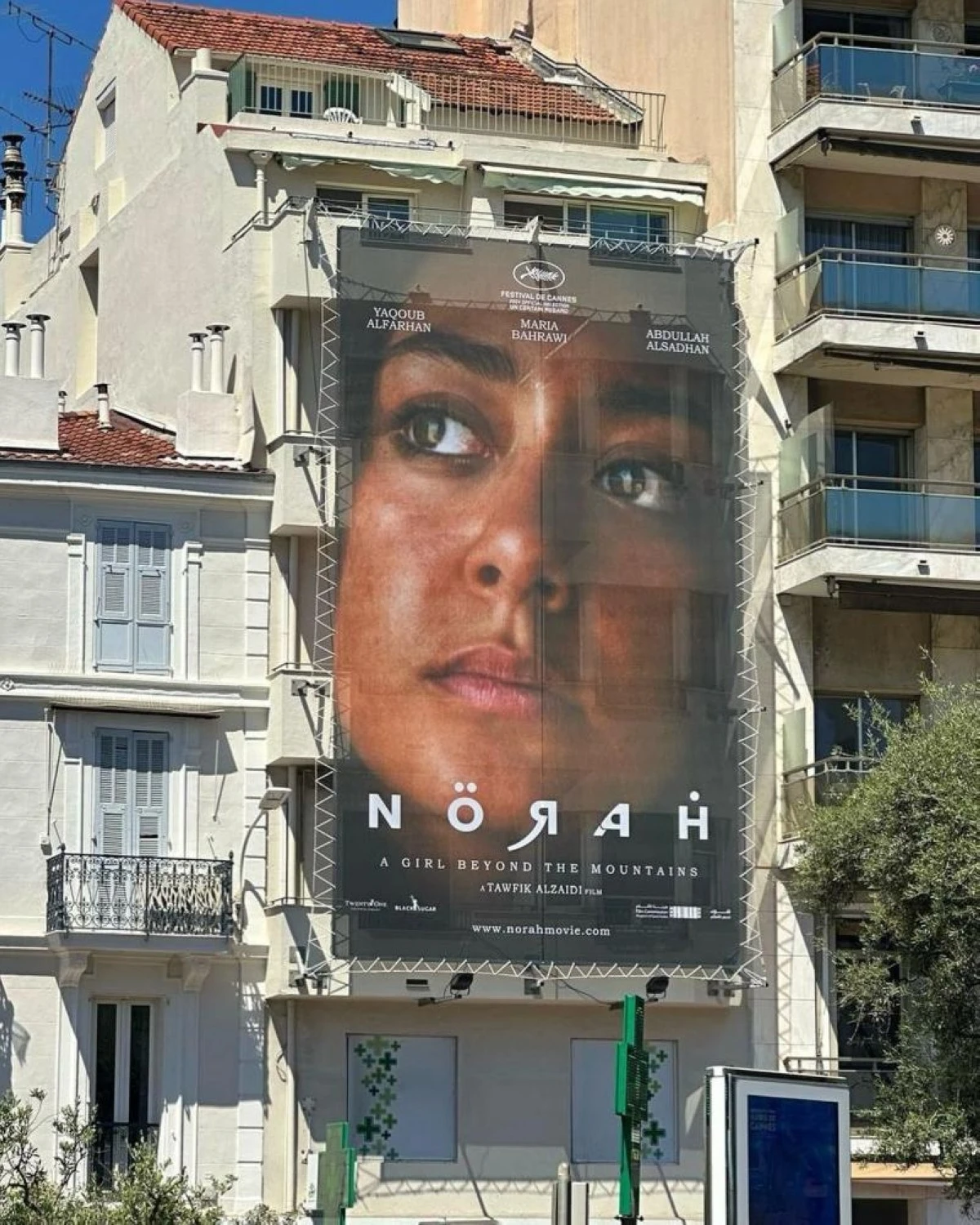
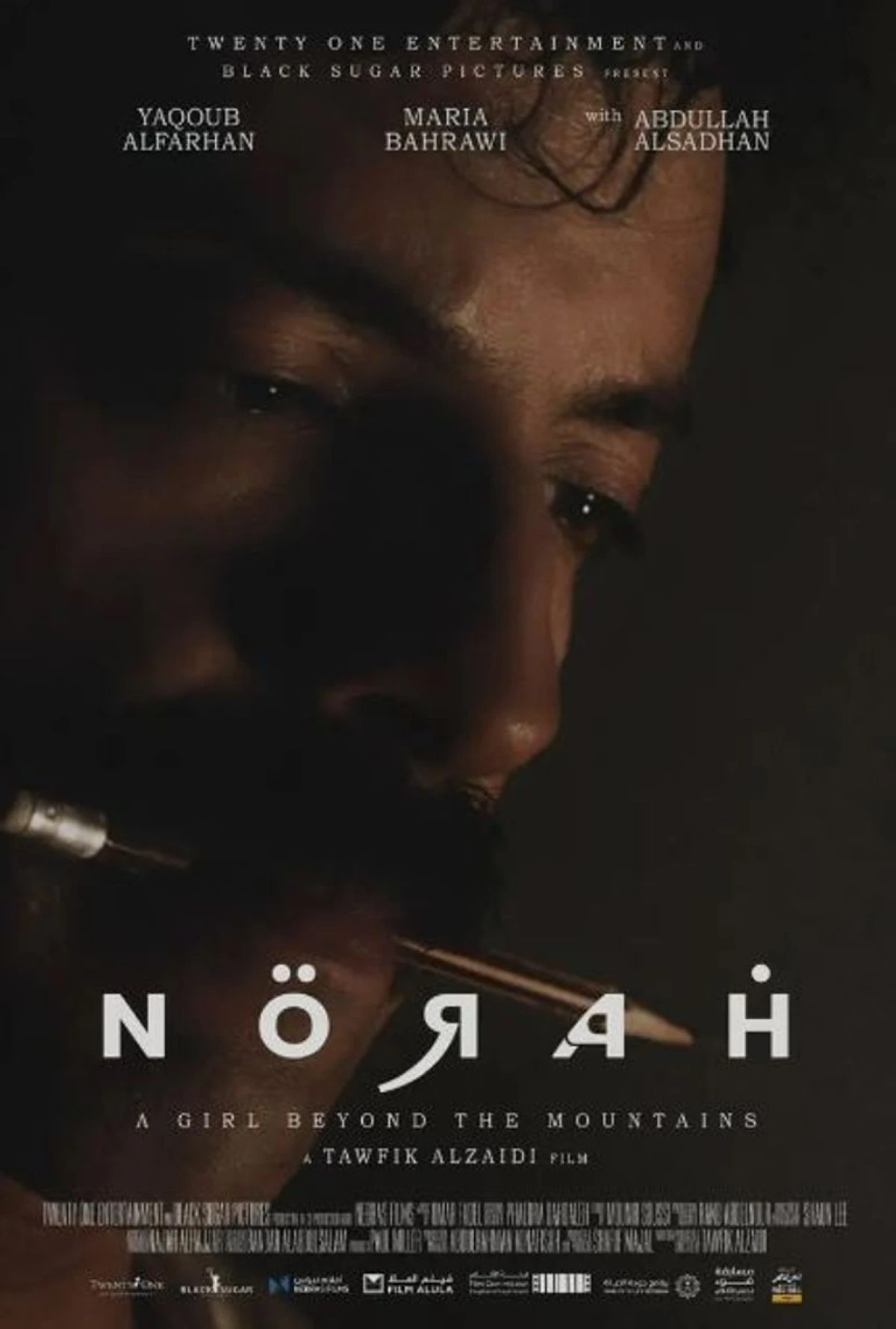
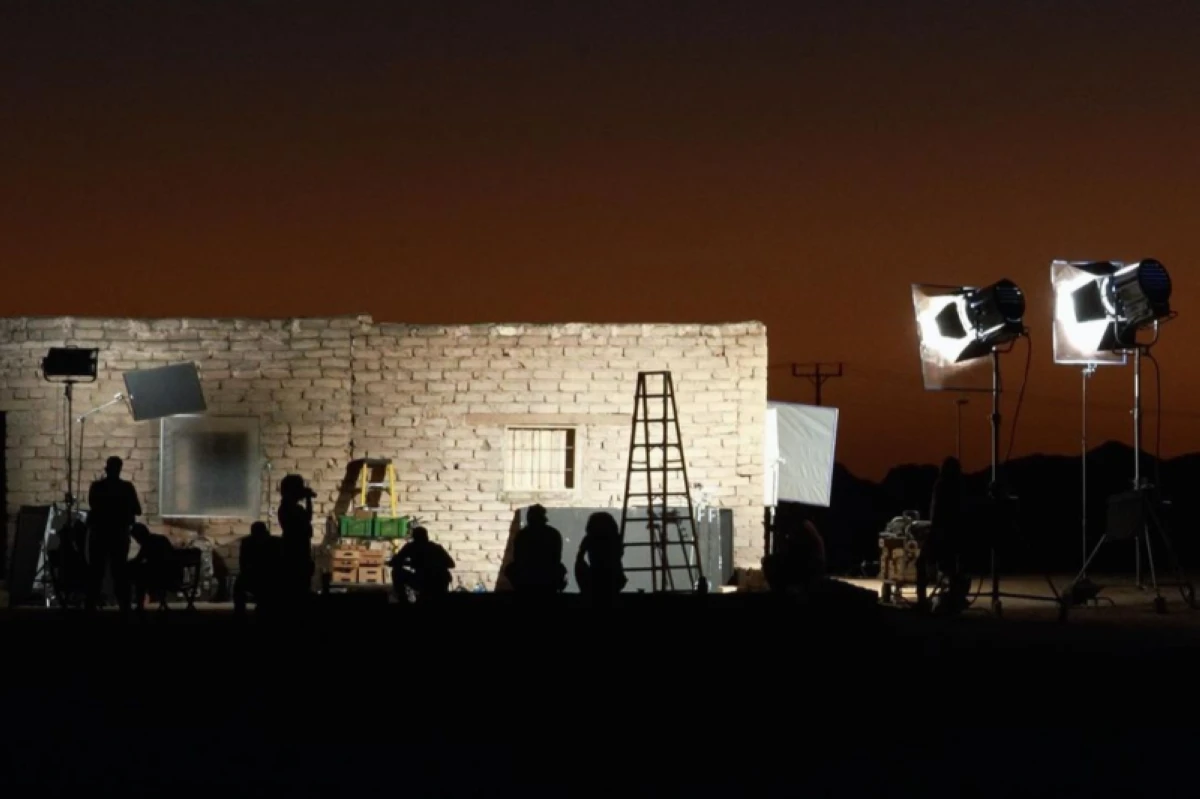
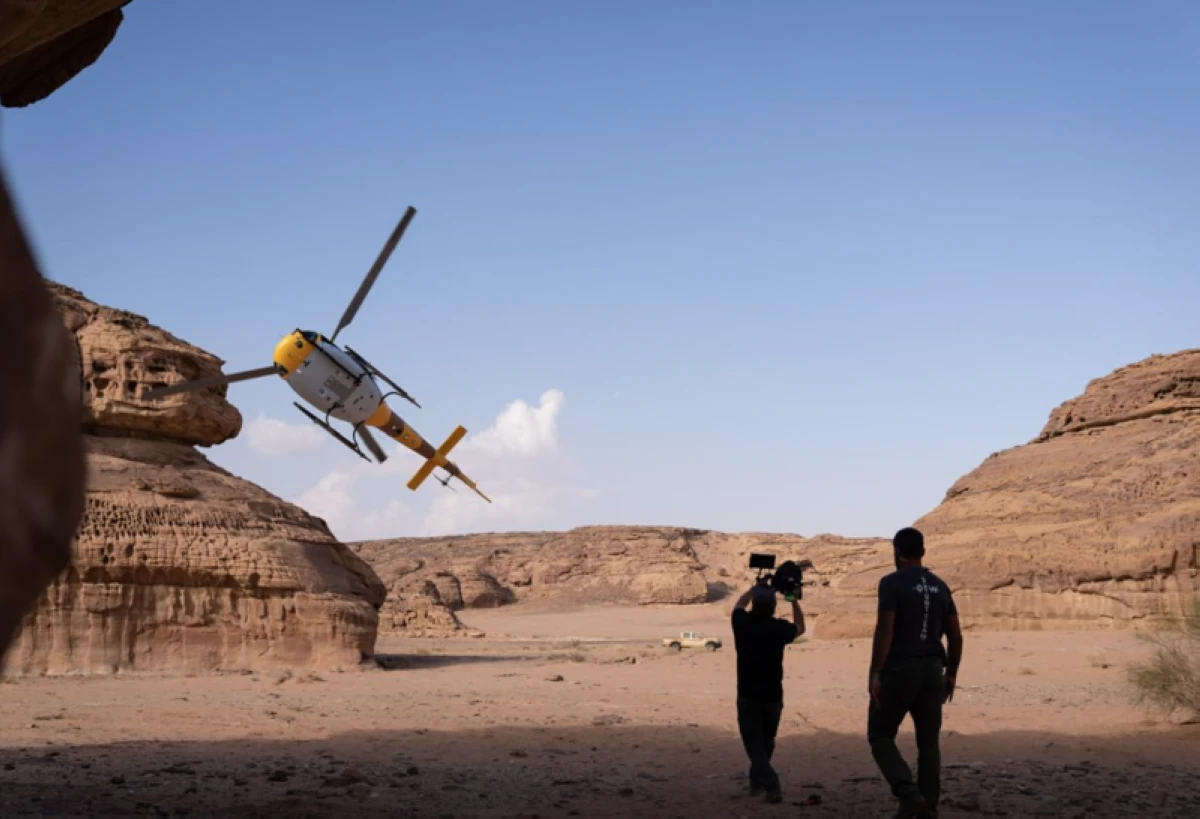
The way the festival has been able to give opportunities to the Arab film network is nothing short of fascinating, and in a way Arab cinema has found a new home in Saudi. This ranges from the desert terrain for shooting action films like 2023’s Kandahar (starring Gerard Butler), and the many sound stages in AlUla, to Four Daughters, nominated for best documentary feature film at the 2024 Oscars. This year also saw Norah become the first Saudi film to be part of Cannes Film Festival’s official selection. Saudi is truly showing the world that it too has a place at the cinema table.
“This year’s festival is tremendously special for me as this is my first debut as a director with my movie Lail Nahar. So, I’m really looking forward to that chilling experience,” says Saudi film director Abdulaziz Almuzaini. “Plain and simple, we finally have a place where all business leaders, filmmakers, and enthusiasts gather in one place and at the same time. I find myself getting a lot done during the festival, more than I do in an entire year. The list goes on, but for me, the event is a big benefit.”
To date, over 250 films and 100 directors have been supported by the Red Sea Fund, a programme powered by the Red Sea Film Foundation, which supports local African and Arab creatives. And film submissions are rising, with 2,006 coming in this year, compared to last year’s 1,891. For 2024, there are 49 world premieres, 10 international ones, and 43 from the MENA region. But to understand the accomplishments of Arab and Saudi film today, it’s helpful to gaze back in time.
A Brief History of Arab and Saudi Film
The Egyptians pioneered, laid the foundation, and excelled in Arab cinema first.
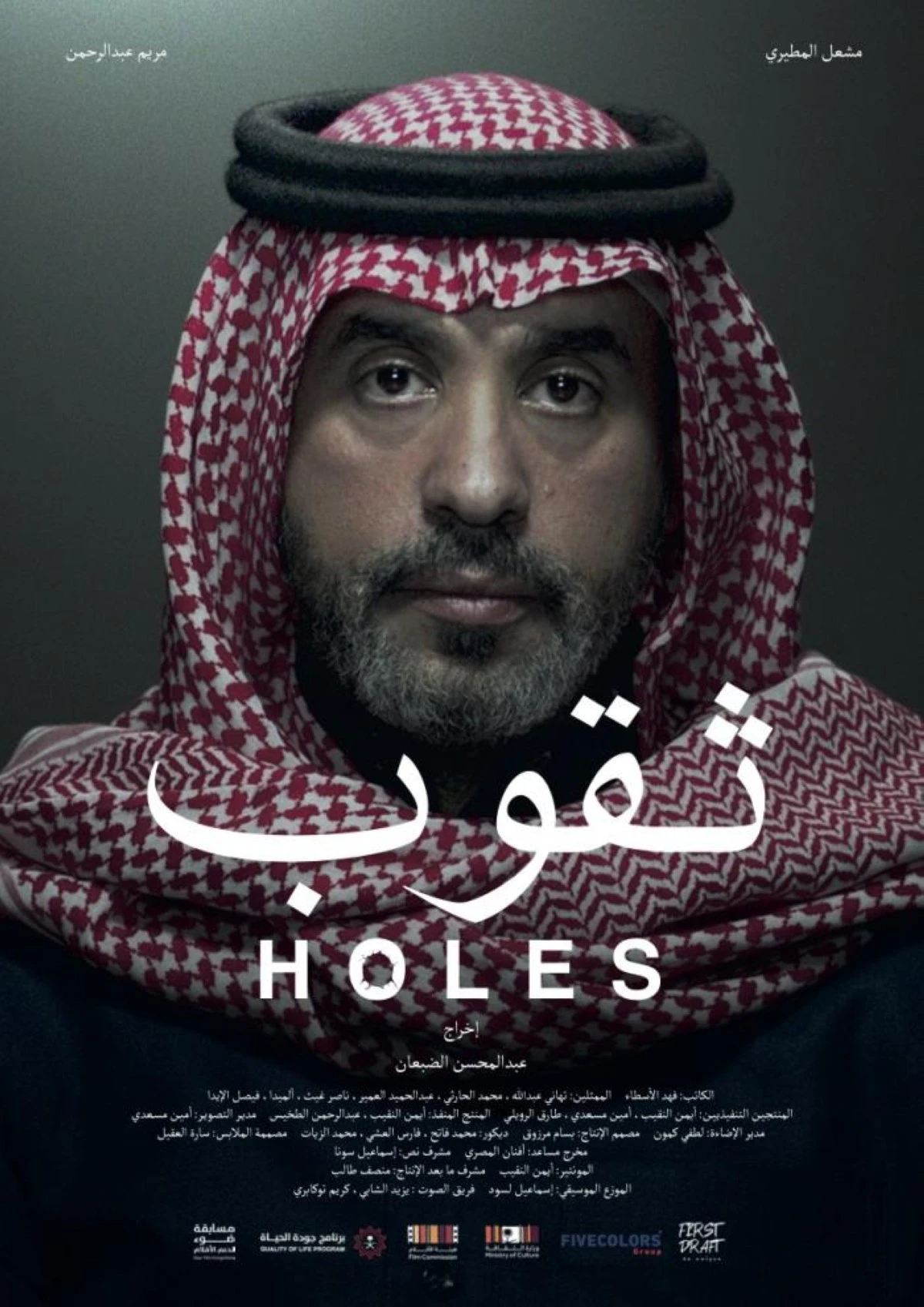
Quite simply, Egypt is “the Hollywood” of the Arab world. The first film screening there, and most likely the Arab world, was in 1896, shown by Lumière Brothers. Soon after, Egypt began to produce silent films with musicals, and Lebanon rose in filmmaking along with Syria, Iraq, and other north African nations.
“We were the first, as Egyptians, to make an impact in Arab cinema. We are still it, we are still there, though we are not making the same number of films that we did. But we made that impact because the stars that you have in Egypt are really important ones from the new and old generation. This is what has made the dream of cinema come true, from those stars and through the Egyptian film industry. We are the mother of Middle East cinema, so the mother cannot be jealous of her children,” says Youssra.
The concept of film was not new to Saudi when the country reopened its movie theatres in 2018, meaning cinema in Saudi has been re-birthed, rather than birthed. Westerners working at what is known today as Aramco brought films to the Kingdom, showing American and European movies in their compounds in the 1930s. And the love of cinema was awakened within the average Saudi, with theatres being funded by embassies and well-off businessmen. Official cinemas opened in Riyadh, Abha, Taif, and Jeddah, with films shown in the Bab Sharif and Hindawi areas of the port city, while in Riyadh, people enjoyed them in Al Murabba’s “cinema alley.”
The only films produced by Saudis during this time were oil documentaries, made by Aramco. But men like Abdullah Al-Muhaisen, thought to be Saudi’s first movie director, created movies about Riyadh and Lebanon’s civil war. When the country changed and religious reforms took place, cinemas were closed and movie culture lay dormant for over 30 years, until Crown Prince Mohammed bin Salman announced a new vision for the Kingdom, which, in turn, has given rebirth to cinema life again.
“When I think about what Saudi filmmaking has achieved, especially in the last year at international film festivals and the Oscars, I know we are on the right track,” says Almuzaini. But he does recognise the benefit that western filmmaking has had on Saudi filmmakers. “Arab cinema isn’t only unique to itself. All cinema brings a different flavour to the table, and we have been used to western films dominating the scenes for quite a while. So, all changes to Arab filmmaking are mostly good and welcomed.”
It’s as if Saudi filmmakers are coming out swinging, making up for lost time. Just in these seven years after movie theatres opened, the film industry in the Kingdom has generated billions of riyals. This year, 122 films from 86 countries are being shown, of these there are 16 features and 27 shorts in competition for the Yusr Awards. Close to 40 female directors from almost 20 countries have movies being screened, proving women’s creativity has a place in Arab cinema.
“I’m looking forward to seeing what’s new and what’s happening. It’s special having filmmakers meet at the festival, cooperating, negotiating things together, and opening different doors, which is important,” says Youssra.
Red Sea International Film Festival (RSIFF)
From December 5 to 14, 2024,
Al Balad, Jeddah
@redseafilm redseafilmfest.com
@youssra