
Medina, also known as Madinah Al Munawwarah, meaning “The Enlightened City,” is steeped in history and spirituality. It is the second holiest place in Islam after Mecca and the fourth most populated city in Saudi Arabia.
Located in the Hejaz region in the western part of the Kingdom, with massive new developments on the rise as the city increases its commercial and touristic offerings, there’s an ever-growing list of things to do in one of Saudi’s most charming cities. From a plethora of holy sites and historical and cultural monuments to pristine, calming mountains in which to hike, there are lots of fun adventures for culture and leisure-seekers alike in Medina.
1. Al Masjid an Nabawi
Among the most important religious and historical sites in Medina is Al Masjid an Nabawi – The Prophet’s Mosque. The second holiest mosque in Islam after the Masjid al-Haram in Mecca and the final resting place of Prophet Muhammad, the mosque is believed to have been built by the Prophet after the Quba Mosque in Medina, making it the second mosque in the history of Islam.
Among the largest mosques in the world, its prominent Green Dome, built above the tombs of the Prophet Muhammad and the early Rashidun Caliphs Abu Bakr and Omar, rises amid other smaller domes and minarets that were added during various phases of renovation and expansion. The remainder of Al Masjid an Nabawi is extensive and has been built over hundreds of years after its original construction in 622 CE.
The Rawdah ul-Jannah (Garden of Paradise) is the oldest and most important part of the mosque. Situated at the heart of the structure, it extends from The Prophet’s tomb, known as Rawdah, to his pulpit. The Rawdah Rasool, meaning the garden of the prophet, refers to the tomb of the Prophet Muhammad, and is in the south-eastern corner of the Ottoman prayer hall – the oldest part of the current mosque complex. Various other Ottoman prayer halls and courtyards form interconnecting components of this magnificent structure, including the Library of the Prophet’s Mosque that contains an archive of hand-written manuscripts, artefacts, and modern and historical books.
2. Hejaz Railway Museum
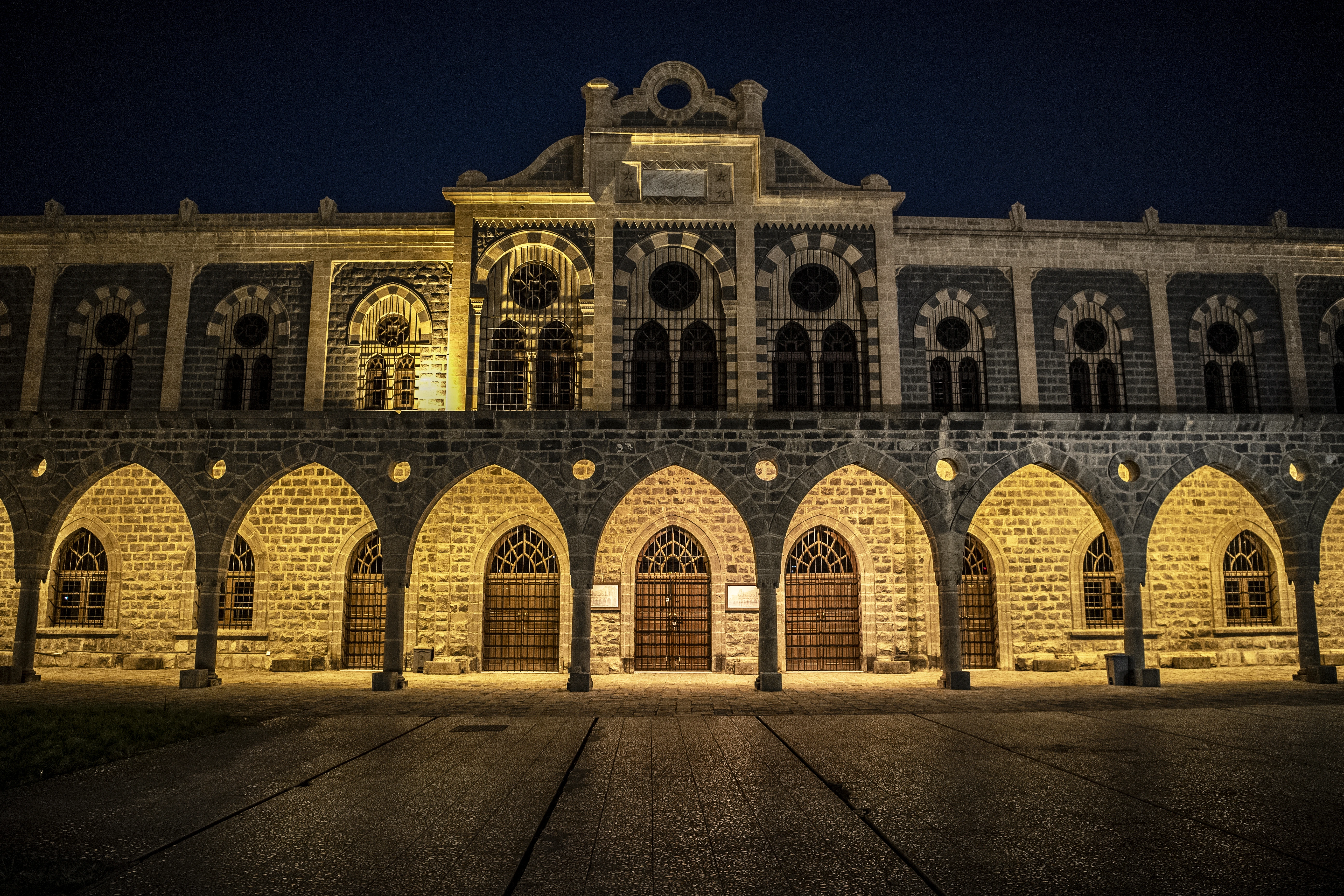
For any visitor to Medina eager to understand the region’s rich history, a visit to the Hejaz Railway Museum is a must. Established in 1998, the museum is located on Omar ibn Al-Khattab Street on King Abdulaziz Square and contains parts of the original Hejaz train, including 12 carriages that have been renovated and transformed into restaurants. The famous, now defunct, railway was built during the reign of Sultan Abdul Hamid II.
The goal was to establish a connection between Istanbul, then capital of the Ottoman Empire and seat of the Islamic Caliphate, and the Hejaz region in Saudi Arabia, the site of the holiest mosques of Islam in Mecca and destination of the annual Hajj pilgrimage.
However, the plans were interrupted by the outbreak of WWI and the railway lines became inoperative after they were destroyed in 1916. During its period of operation, the Hejaz Railway ran from Damascus in Syria to Medina with a branch line to the Mediterranean city of Haifa.
Today, remnants of its former glory and grand plans to connect the far-flung corners of the Middle East region are on display, as well as major items and documents from the pre-Islamic era to the present. The museum is part of a rehabilitation project by the Saudi Commission for Tourism and Antiquities to restore the railway and transform it into a historic archaeological museum.
3. Dar Al Madinah Museum
Another cultural stop worth visiting is the Dar Al Madinah Museum. Privately owned and operated by Abdul-Aziz bin Abdul-Rahman bin Ibrahim Kaki, the museum presents historical objects and documents charting the history of the city of Medina, especially the post-Hijrah period when Prophet Muhammad left Mecca in 622 CE and travelled to Medina to escape persecution.
Among the historical artifacts are modern exhibits and rare photographs showcasing various periods in Medina’s history. The museum, situated in the Knowledge Economic City, provides an understanding of how the city of Medina has expanded and developed since the time of the Prophet Muhammad.
4. Madinah Art Center
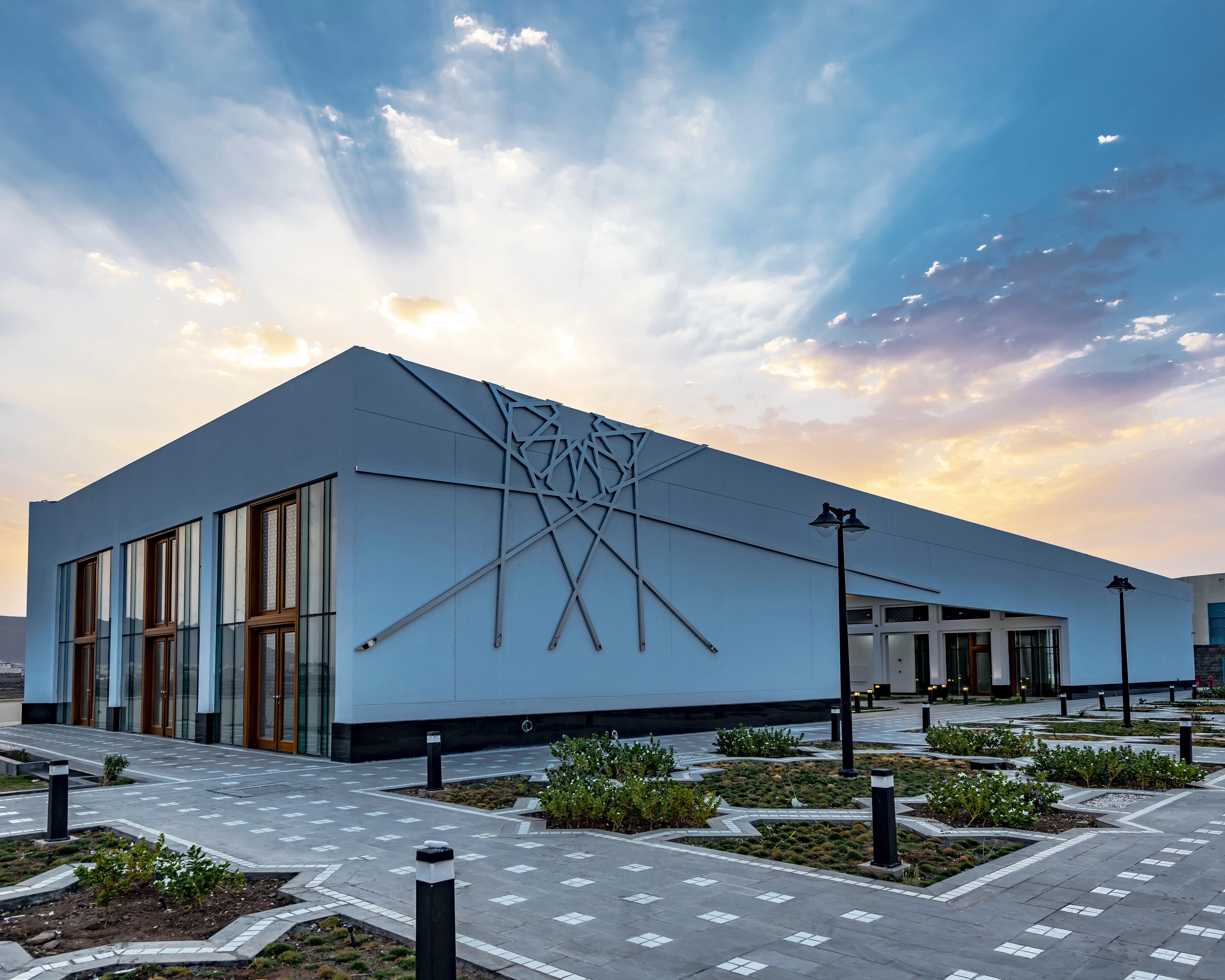
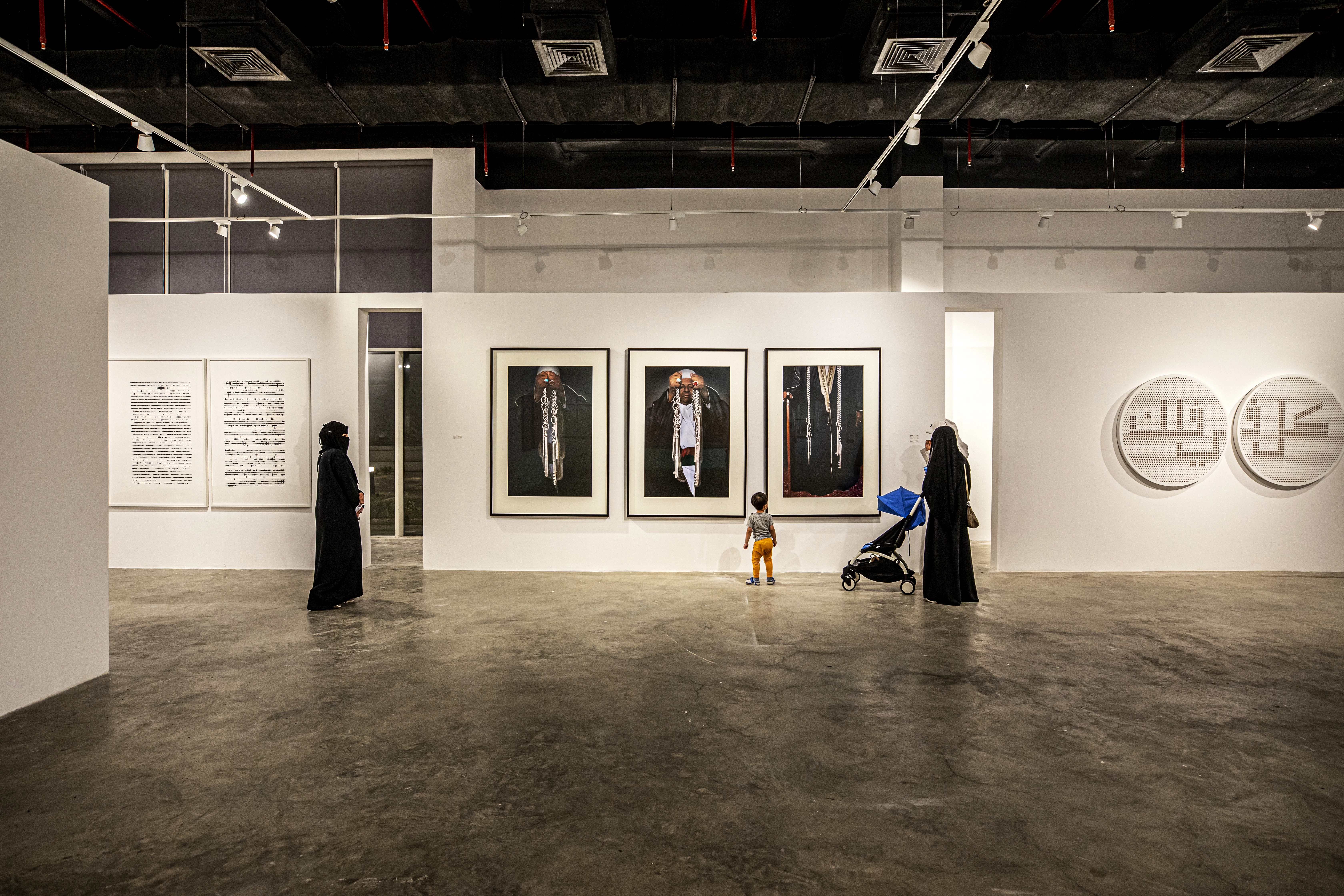
For lovers of contemporary art, the Madinah Art Center exemplifies one of numerous current initiatives that reflect the Kingdom's expansion in the realm of art and culture. Established in 2018 and built under the patronage of HH Prince Faisal bin Salman, governor of the Madinah province, the centre is in King Fahd Park, on the southwest side of Quba Mosque.
It offers a regular program of art exhibitions, workshops and outreach to engage and encourage local artists in Medina and the wider Kingdom. One of the centre’s initiatives is Art 365, allowing emerging artists to use the space and other curatorial resources to develop and exhibit their work. Symposiums, art exhibitions and educational programming are regularly held at the centre – a place to explore Medina’s up-and-coming art scene and discover Saudi contemporary artists.
5. Mount Uhud
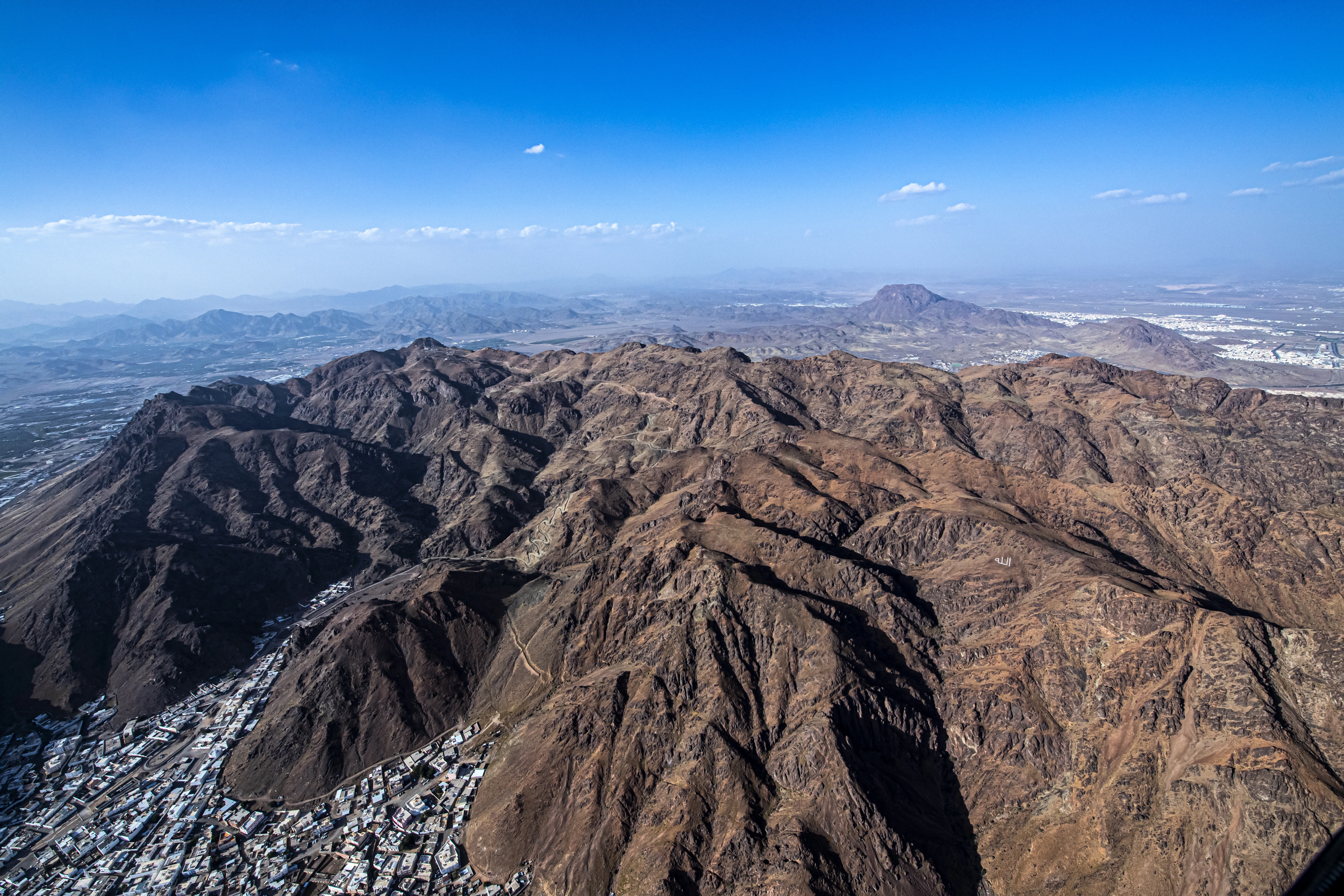
For nature lovers, the surrounding landscape of Medina is a wonderland, featuring several breathtaking mountain ranges where hikers can spend much of the day exploring. One of the most notable is Mount Uhud. Located about 4km from the Prophet’s Mosque, it was given its name due to its isolation from the other nearby mountains.
The mountain is also known for the Battle of Uhud in 625 CE, fought between the first Muslims and the Quraysh – seventy of Prophet Muhammad’s companions were martyred in the battle. Many of their graves can still be found dotted around Mount Uhud alongside other Islamic shrines worth visiting. The mountain itself is mesmerising, with rocks coloured dark green, black and red, and numerous caves and crevasses that collect rainwater before it pours out over the landscape as magical waterfalls.