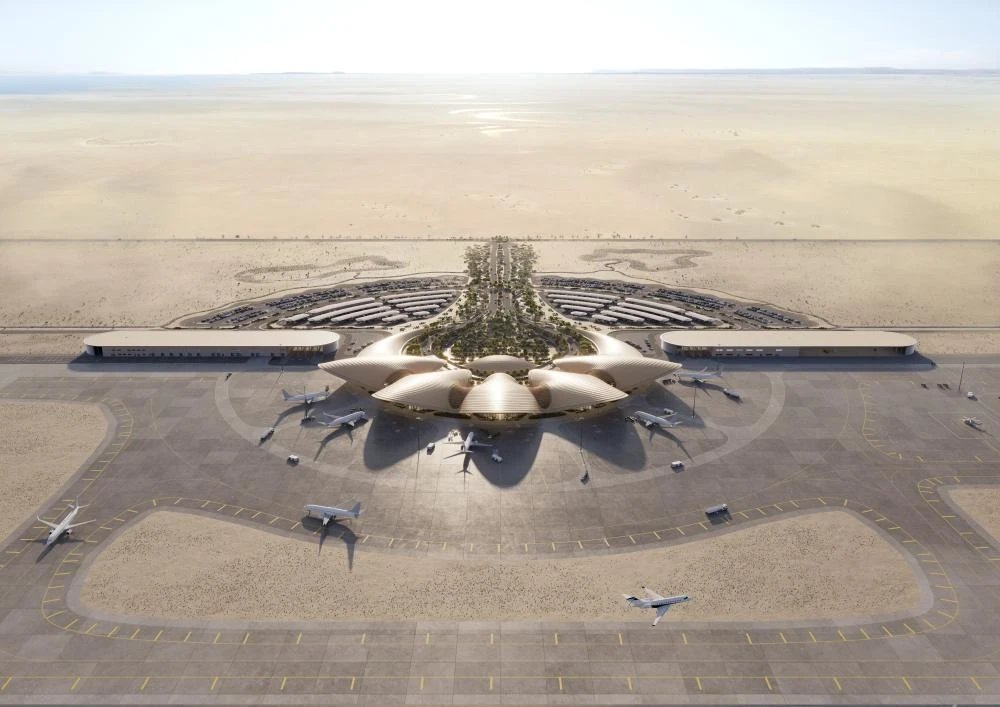
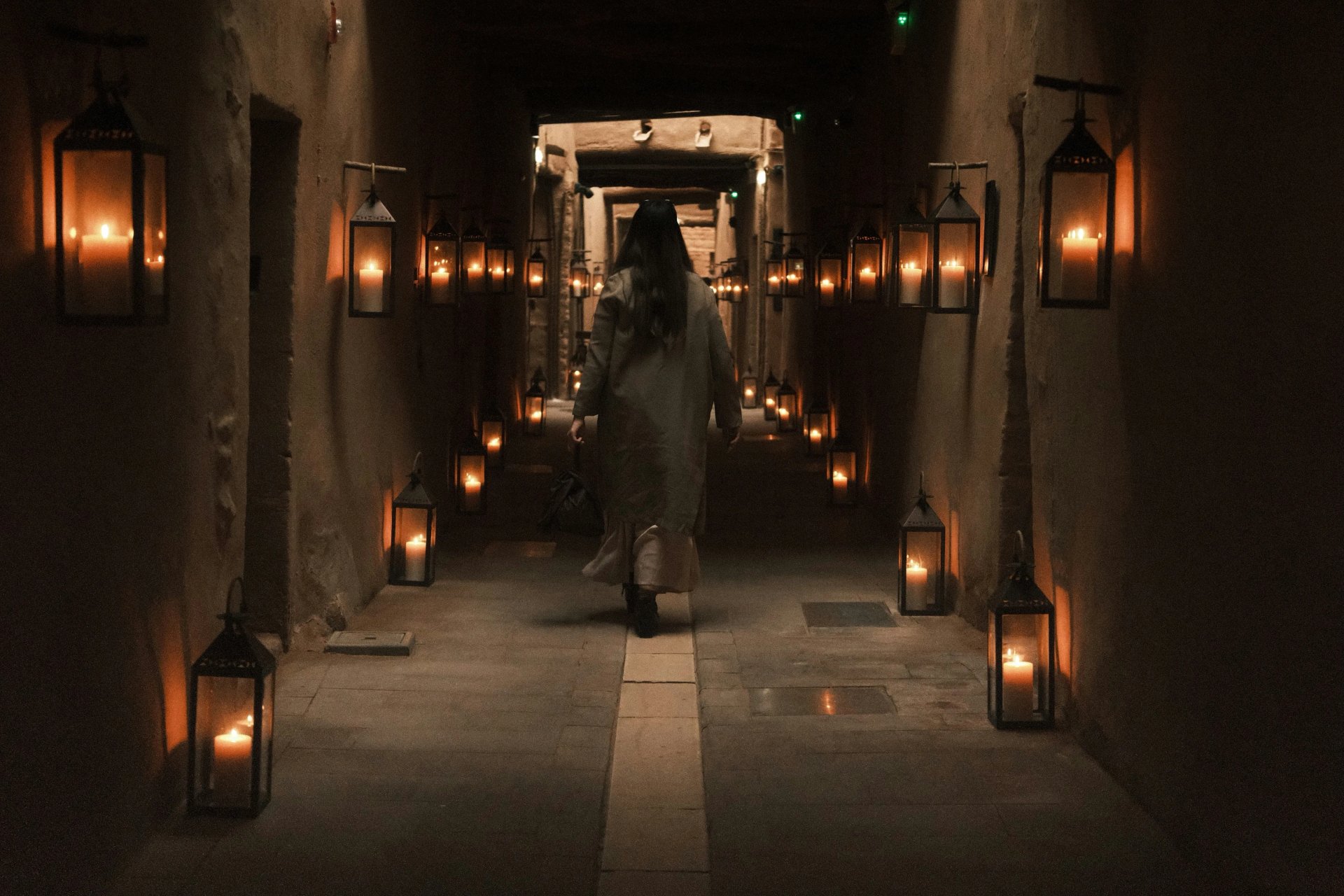

Saudi is not just a country of landmarks, though it has some of the finest, oldest, and most revered in the world. It is a land of feeling, immediate and human. T
his is not a country of performance but of presence. When people say, "You just had to be there," that is Saudi. You cannot fully understand its light until you stand in it, and there is no better place to do that than in Jeddah.
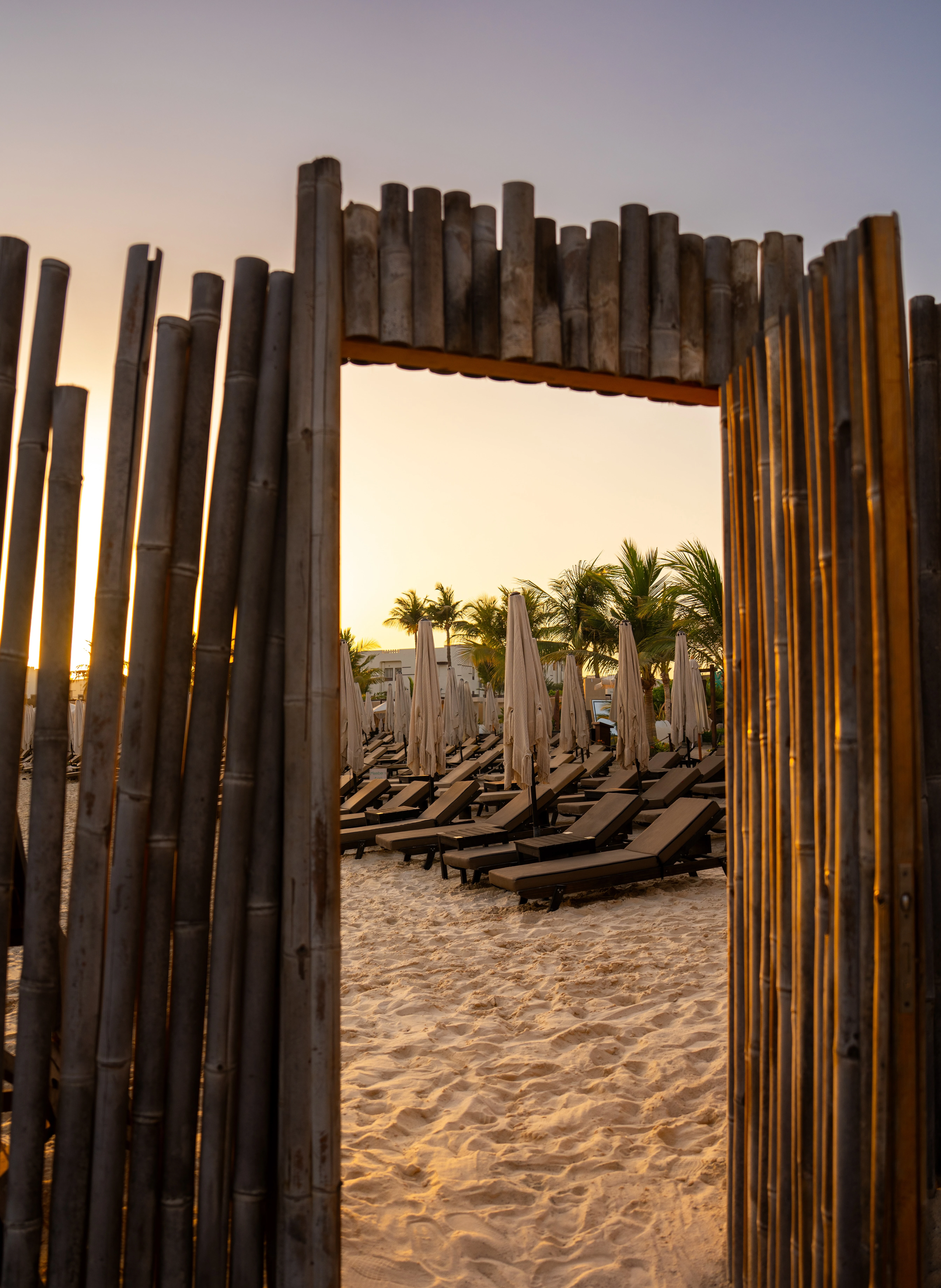
A city that has always lived beside the water, Jeddah lets the Red Sea speak for it.
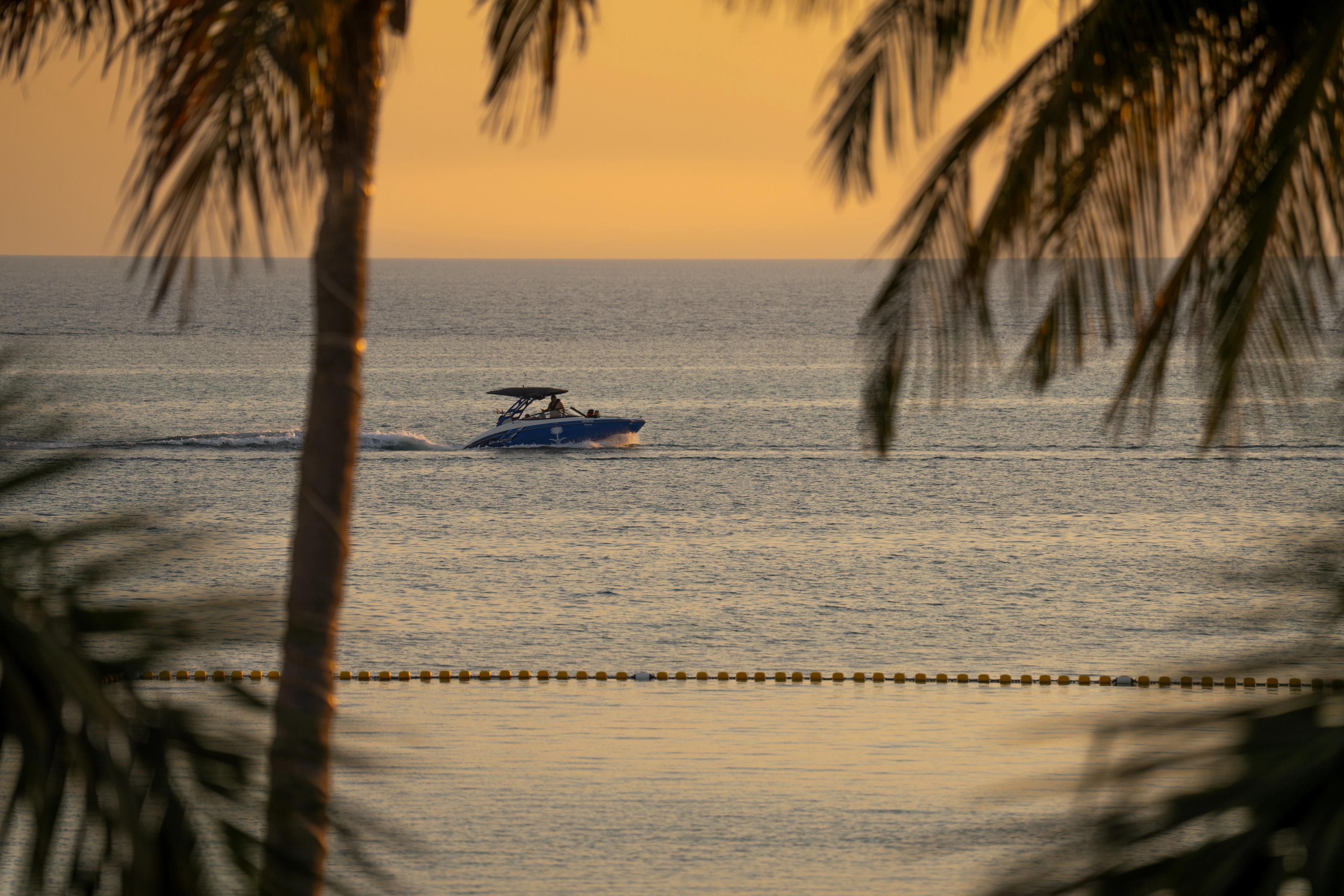
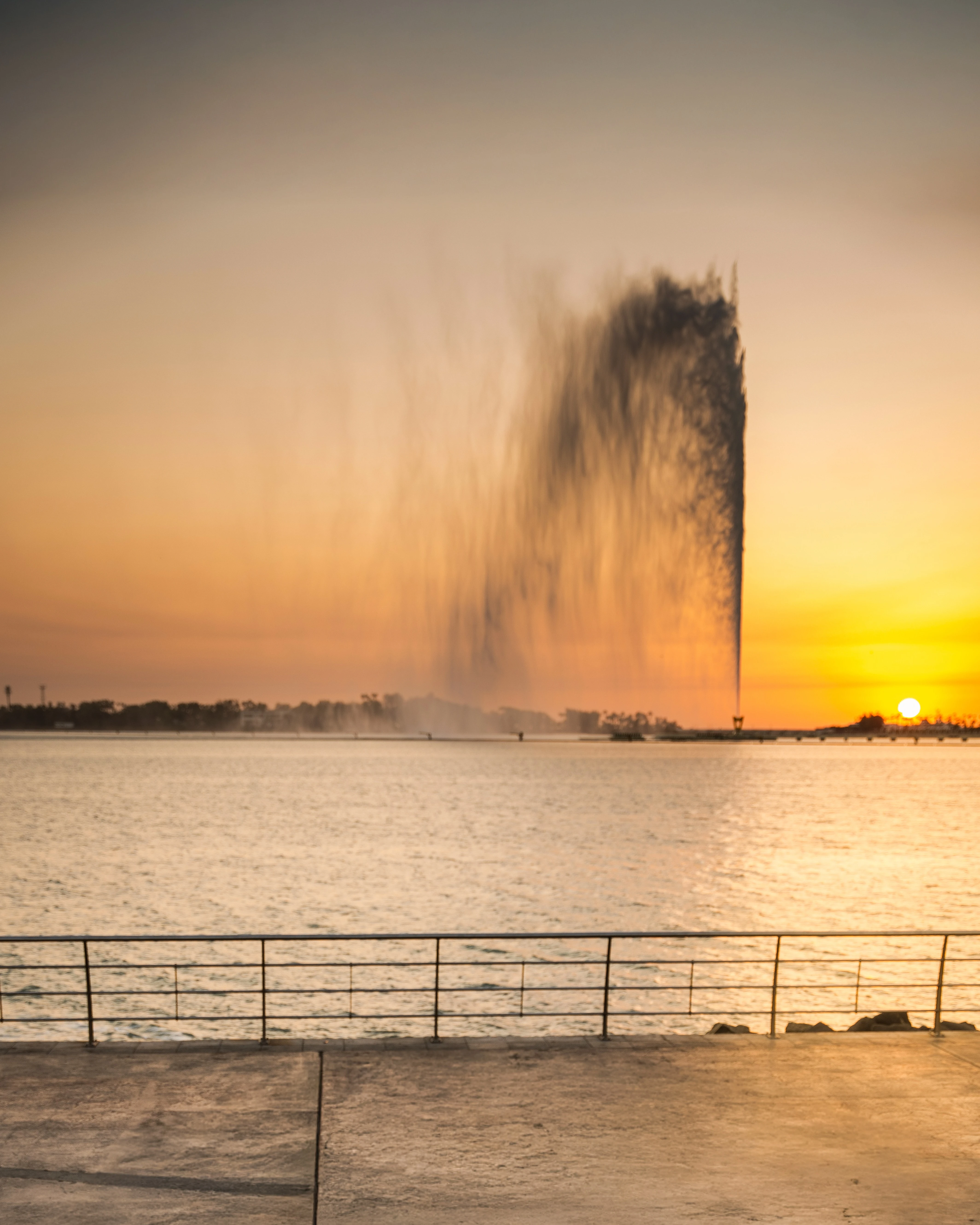
Every evening, the city leans westward, drawn toward the sun. The sky begins as a soft wash of coral, then deepens into gold and orange before bursting into sunsets unlike anywhere else. The Red Sea catches every hue and throws it back, gilding the city in soft light. These sunsets are not a spectacle. They are part of the rhythm of life here. You do not simply watch them. You experience them in full.
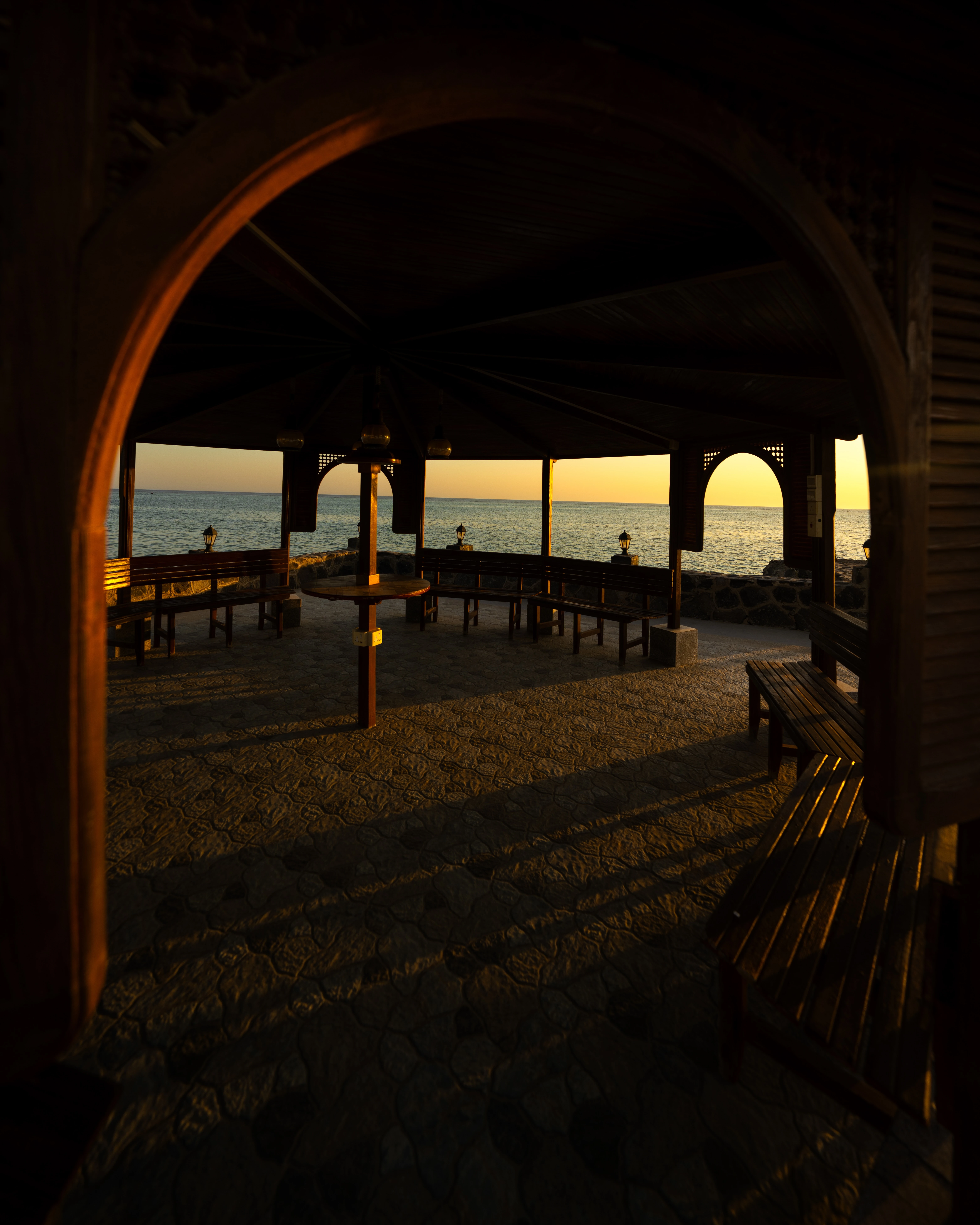
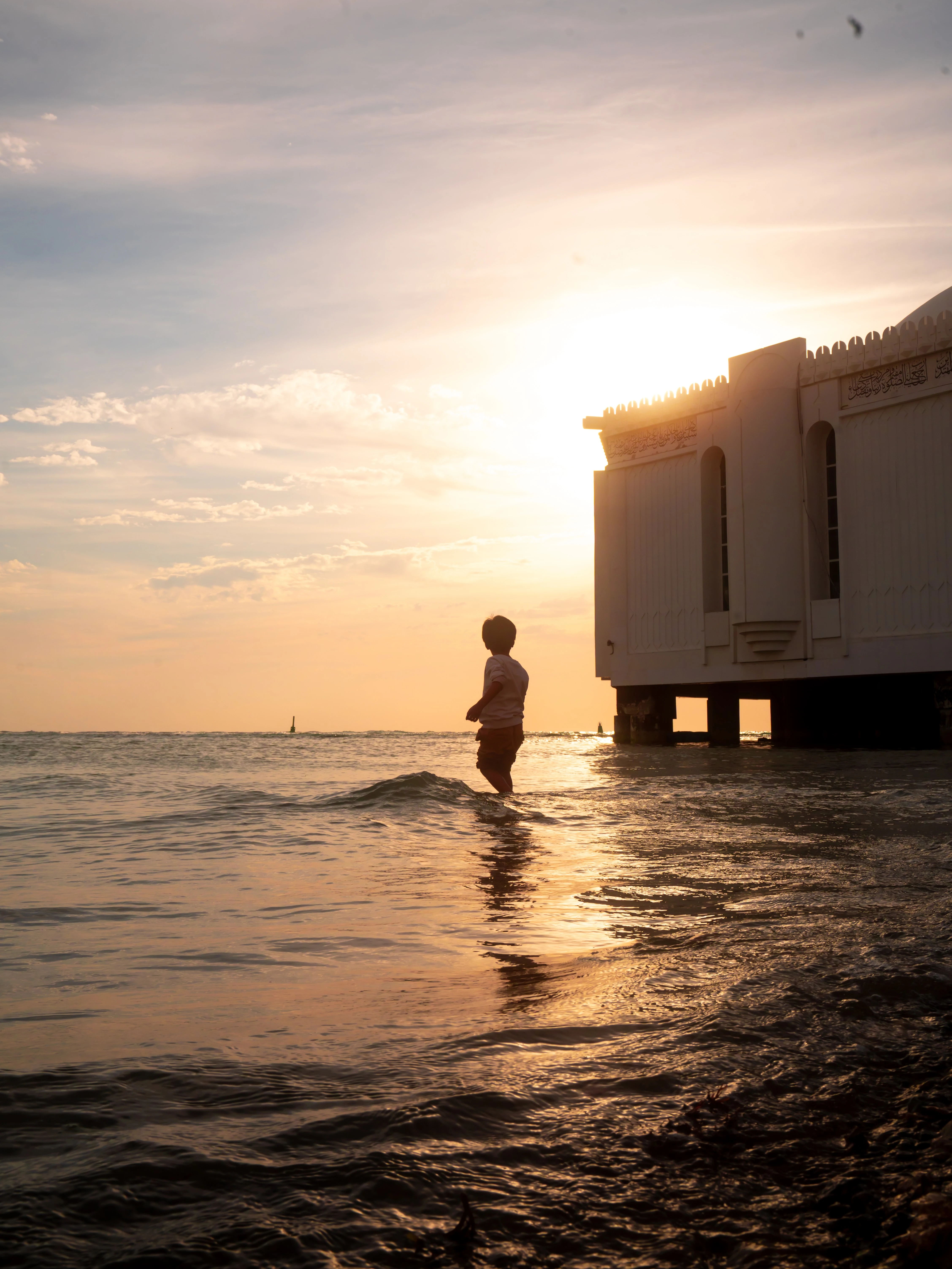
Jeddah’s connection to the sea goes back centuries. The water has always shaped how people worked, traded, rested, prayed. That history still lives along the Corniche, a 30-kilometre stretch of walkways, parks, sculptures, and open coastline. In the evening, life slows. Cars pull over. Families gather. Children press against the railings.
The white facade of Al Rahma Mosque, built above the water in the north, reflects the last light of day. The call to prayer rises gently. For a brief moment, the horizon holds the city still. Then the light fades, and Jeddah returns to its own distinct pace