





Medina, one of Saudi Arabia's holiest cities, is a major destination for religious visitors, second only to Mecca, especially during Umrah and Hajj. It is also smack in the middle of the Hejaz and, as such, can be extremely hot and humid for at least four months of the year.
When you go depends very much on what you want to do: Medina can be an extremely spiritual city to visit during Ramadan, even if you cannot eat or drink during daylight hours.
There will be millions of other people in the city doing the same thing at exactly the same time, and bountiful, communal post-fast iftars can last long into the night. Unlike Riyadh, there is not an awful lot to do in Medina indoors, and the summer months can be a challenging time to be ambling around Mount Uhud. Here’s everything you need to know before you go.

November to March: The best time for mild weather
Pros: Mild temperatures, ideal for outdoor activities
Cons: Bigger crowds, more expensive
From November to March, the temperature in Medina is relatively mild, with daytime averages ranging between 20°C and 30°C (68°F to 86°F). This is the most popular time for visitors, especially pilgrims performing Umrah. The cooler weather makes it easier to explore the city and visit religious landmarks such as Al Masjid an Nabawi.
Due to higher visitor demand during this period, hotels and flights can be more expensive. Booking accommodations and transportation in advance is recommended.
April to May: The shoulder season
Pros: Less people, cheaper hotels
Cons: It is starting to get hot
The months of April and May are transitional months, when the cooler winter begins to give way to the hotter summer. Average temperatures begin to climb, reaching highs of 35°C (95°F), but mornings and evenings remain cool.
Crowds tend to be thinner during this period, so hotel room rates are more affordable and it is easier to get into the popular attractions. This is a good time to visit if you want a quieter experience without extreme weather.
June to September: Summer is here
Pros: Not many visitors and room rates to match
Cons: Extreme heat
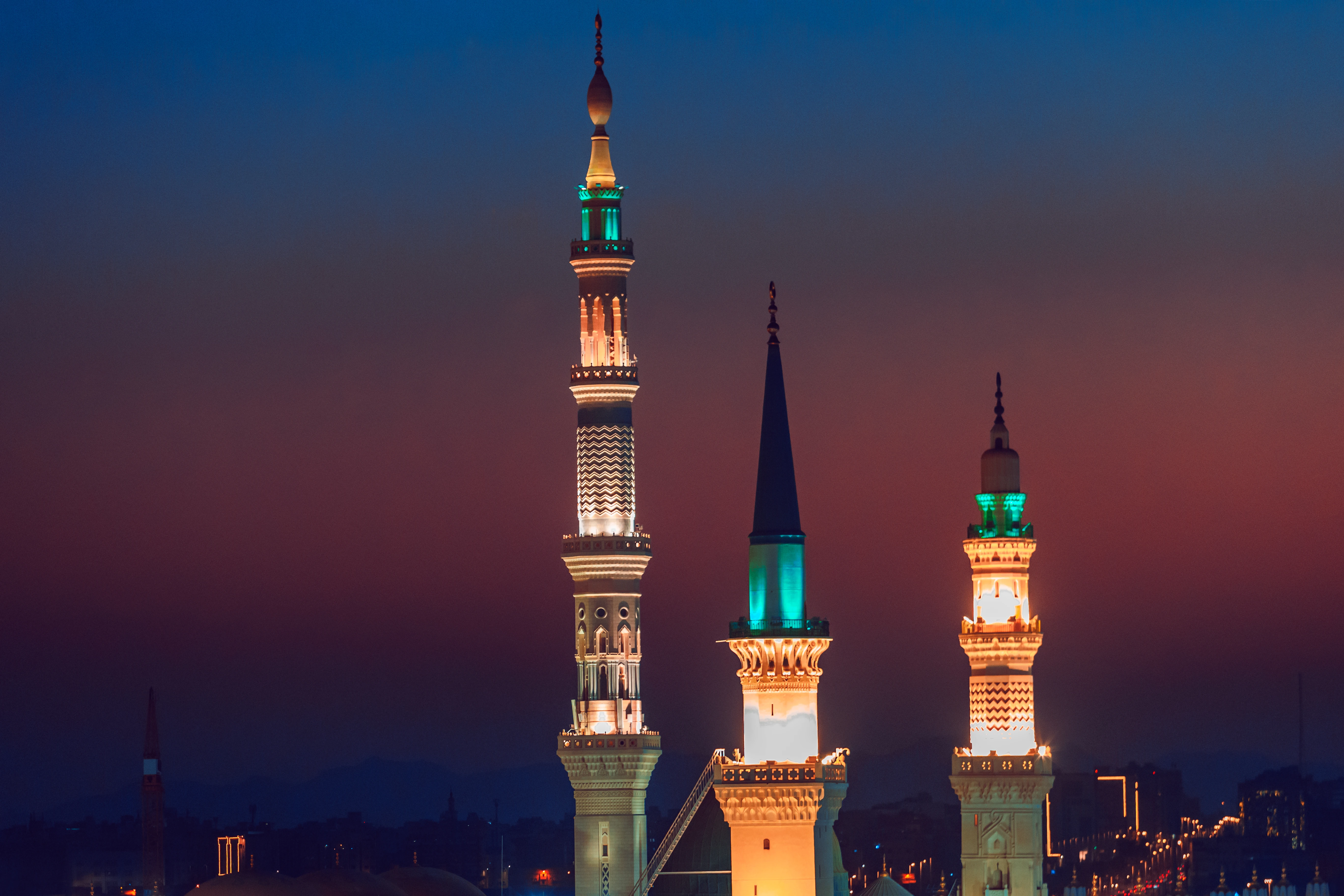
Medina’s summer months, from June to September, will regularly see temperatures exceeding 40°C (104°F), which limits any possible outdoor activities. But the city remains functional for religious visits, especially in the evenings when temperatures cool slightly. Remember that sites like the Prophet’s Mosque are open 24 hours, and many others are open late into the night.
If you can tolerate the heat, this is the most budget-friendly time to visit. Hotel rates are at their lowest, and attractions are less crowded. However, staying hydrated and planning indoor activities during peak hours is essential. Most visitors will spend the days sleeping and the nights visiting religious sites and seeing friends and family.

Ramadan: A spiritual time to visit in 2025
Pros: Unique cultural and religious atmosphere
Cons: Crowded conditions, higher costs during peak days
Visiting Medina during Ramadan is an unforgettable experience – the city comes alive with worshippers. Ramadan follows the lunar calendar, so the dates shift each year; in 2025, it will happen from the 28th of February until the 30th of March. The atmosphere is marked by evening gatherings, prayers at Al Masjid an Nabawi and communal iftars.
However, the city experiences a surge in visitors, leading to crowded hotels and increased costs closer to Eid al-Fitr. If you plan to visit Medina during Ramadan, early bookings are essential.
Eid al-Fitr and Eid al-Adha: Busy but worth it
Pros: Festive atmosphere, cultural experiences
Cons: Peak crowds, limited availability of hotels
The periods surrounding Eid al-Fitr (end of Ramadan) and Eid al-Adha attract a large number of visitors to Medina. Celebrations fill the city with energy, and pilgrims often extend their trips during these holidays.
While the vibrant atmosphere is unique, accommodation and travel costs spike, and hotels are often fully booked. Visitors looking to experience Eid in Medina need to plan their trips months in advance.

October: A quiet and manageable month
Pros: Moderate temperatures, fewer visitors
Cons: Limited events compared to peak seasons
October serves as a quieter period before the winter peak begins. Temperatures range from 25°C to 35°C (77°F to 95°F), making it manageable for sightseeing. With fewer tourists, accommodation and transportation is easier to find at reasonable prices.
While October lacks major festivals, it’s a practical time to explore Medina at your own pace without the hustle and bustle of busier months.

Summary
The best time to visit Medina depends on your preference, but broadly:
November to March: Great weather, but crowded. Especially as Ramadan begins in late February 2025.
April to May and October: Fewer crowds and reasonable weather.
June to September: Budget-friendly but extremely hot.
Ramadan and Eid: A unique experience if you can do it, but you’ll need to plan ahead.