





Do you need a visa to visit the United Arab Emirates? The easy answer is, probably not.
The UAE is one of the most accessible and most visited countries in the Middle East, welcoming millions of tourists from across the world every year. As well as being destinations in themselves, Dubai and Abu Dhabi have a burgeoning flight transfer market, with many tourists opting to spend a day or two in a nice hotel or on the beach to break up their journey east.
Even if you do need a visa, you may be able to get one on arrival with no prior registration. Indeed, it is probably easier to get into the UAE as a foreign national than it is in Europe or the United States in the post-Brexit era and amid an immigration crackdown by the White House.
But it's still different strokes for different folks, and we’ve got all the info you need on working holiday visas and visa extensions, as well as options for longer stays.
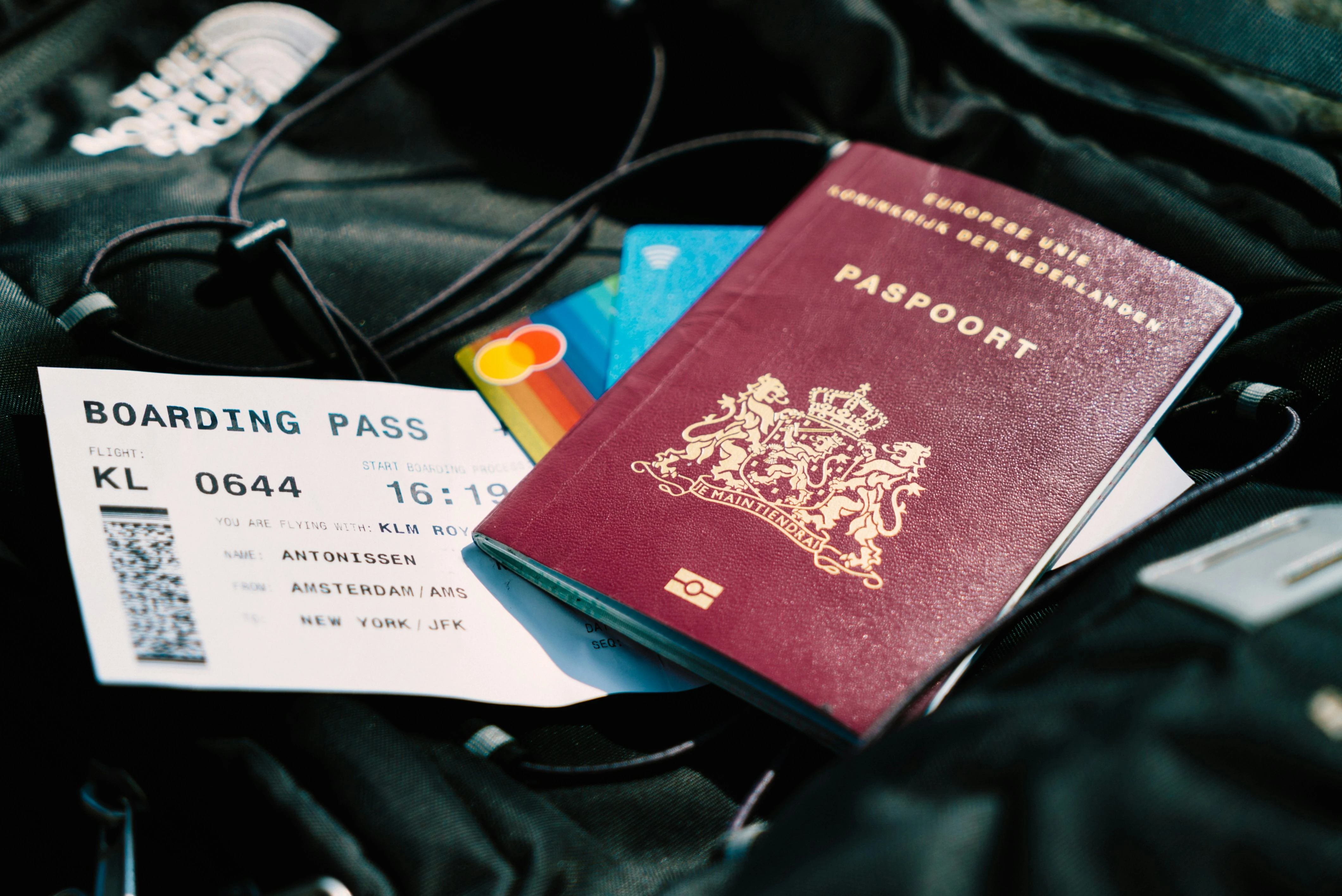
Who needs a visa for the UAE?
Like many nations, the UAE’s tourism visa policy is dependent on nationality and broadly divided into three categories. The first, those who require no visa, is for citizens of the Gulf Cooperation Council (GCC) – Saudi Arabia, Bahrain, Kuwait, Qatar, Oman, and the UAE. The second is a 30-to-90-day visa on arrival, which is for the US, UK, Canada, EU nations, Australia, Japan and dozens more. The third category is for citizens who need to go through the application process for a five-year tourist visa. It is worth checking out whether your country is listed on the UAE Government Visa Checker.
How do I get a tourist visa for the UAE?
For those that qualify for a visa on arrival, you simply rock up at the border and get a stamp in your passport. Visas on arrival are free, although bear in mind that the length varies: Indian nationals, for example, get 14 days whereas British nationals get 30.
If you're not eligible for visa-free or on-arrival entry, you can apply via your airline (e.g., Emirates, Etihad), or via a UAE-based hotel or travel agency (which often sponsor short-term tourist visas) or online via the official the Federal Authority for Identity & Citizenship.
Advance visas tend to be either 30-day single or multiple entry visas, or 60 to 90 day visas for longer stays, and can cost AED 200–600 (USD $55–$165) depending on visa type and take up to five business days, although for a fee they will do it faster.

Can I visit the UAE without a visa?
Yes, if you're from one of the eligible countries, you’ll either enter visa-free or receive a visa on arrival. UK citizens are entitled to a 30-day on-arrival visa, renewable once. Europeans can stay for 90 days in any 180-day period, and Americans, Canadians and Australians get 30-90 days.
Visa-free travelers cannot work in the UAE and must leave before their stay expires unless extended. For a full list of eligible countries, check here.
Does the UAE issue working holiday visas?
Not per se, but the UAE is – like many nations – keen to get a piece of the digital nomad market and, as such, offers various schemes to those that want to work in the country but don’t have a contract from a Western or Middle Eastern company.
Under the Remote Work Visa / Virtual Working Program, you can stay in Dubai for one year while working remotely for a foreign company. But you need to prove an income of at least $3,500 per month and a contract and letter from your employer. You can apply for the visa once you arrive in the country, and it permits you to sponsor your partner and any dependents.
If you have two million AED ($550,000) handy, you can also apply for the Golden Visa programme, under which you get a 10 year, renewable visa. Unlike many global citizenship programs you do not get nationality, which is a far more complicated and opaque process.
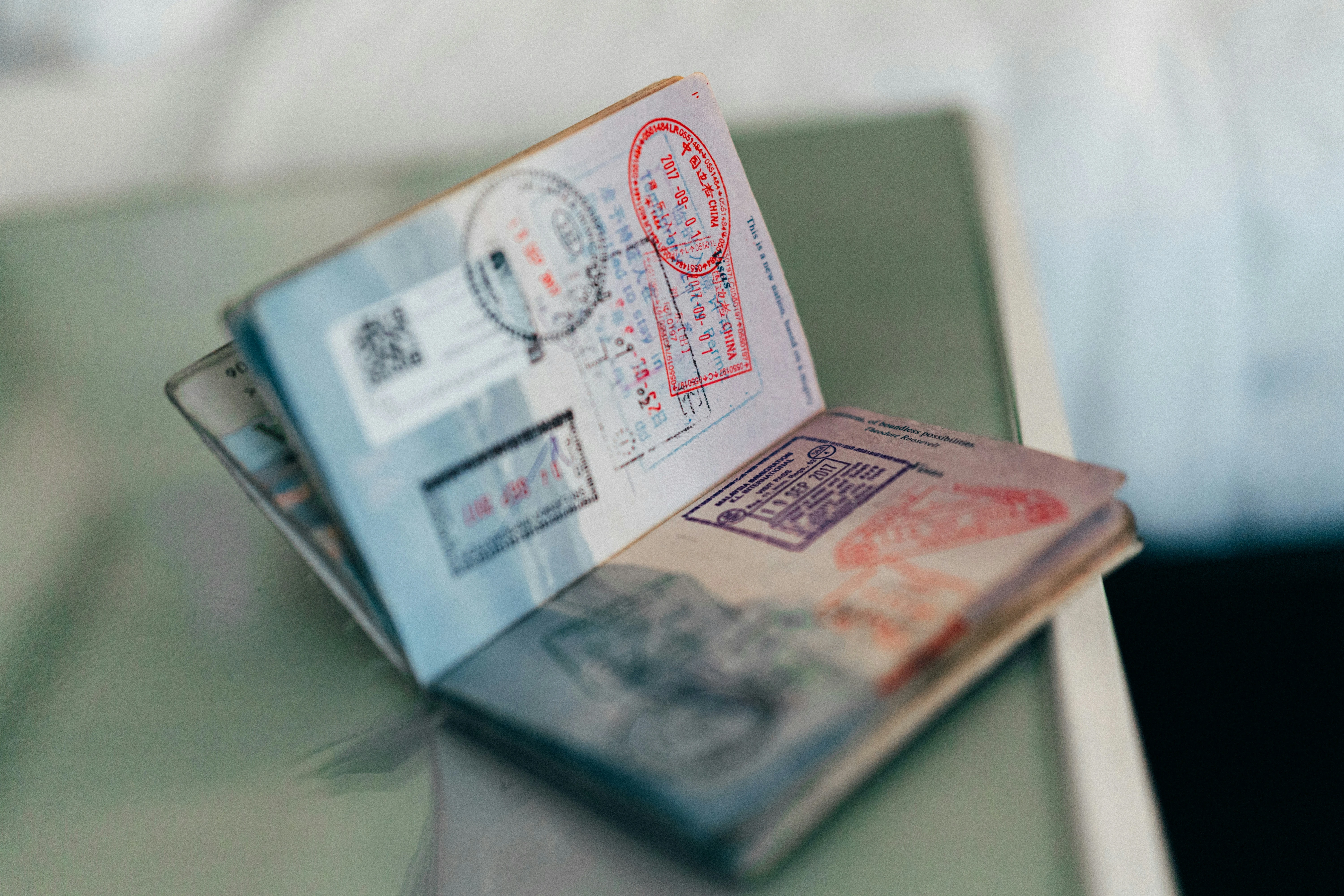
Can I extend my UAE tourist visa?
It varies, but many visa types can be extended once, including visa-on-arrival options, via the government website. This can only be for an additional 60 days.
Be warned that overstaying your visa can incur daily fines and that immigration will not hesitate to fine you at the airport as you try to leave the country.
There are various routes for doing visa runs from Dubai to neighbouring countries, particularly Doha, an easy and relatively cheap hop (and a nice place to spend a long weekend). Then when you land back in the UAE you will be given an additional 30-60 days. Another popular visa run is to Oman, either by road to Muscat or to the north from Ras al Khaimah to Musandam.

Top tips for stress-free UAE entry
Passport validity: Your passport must have at least six months left on it at time of entry. Those thinking about remote work visas should have at least a year remaining on their passport to avoid having to renew it – at some cost and logistical hassle – while in the UAE.
Print your documents: Yes, it is old fashioned, but when you arrive at 4am off a 12-hour flight and you can’t get on the airport wifi, you’ll thank us.
Check your GCC visa covers all of the GCC: Depending on your nationality, your GCC visa might not cover you for all six GCC states. Check before you leave.
Join the right queue: Both Dubai and Abu Dhabi airports have separate immigration queues for visa-free and visa-on-arrival travellers. Join the right queue to avoid confusion and delays.