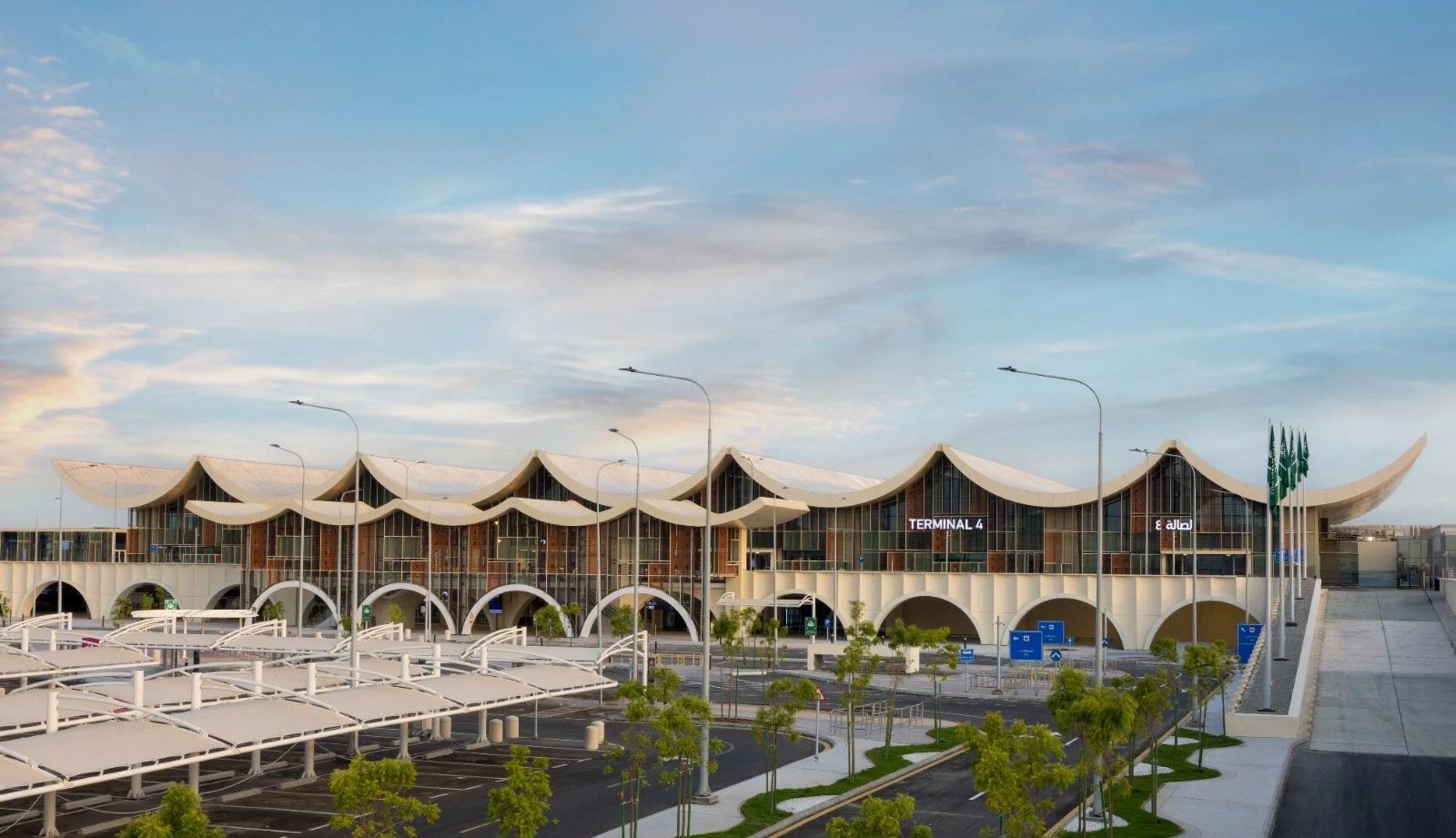

If you’re a traveller looking for adventure amid breathtaking natural landscapes coupled with rich cultural history and heritage, then the region of Tabuk, situated in the northwestern part of the Kingdom, is an ideal destination. Tabuk has dozens of ancient archaeological sites that can be explored and is known as the setting for the story of the prophet Moses who is said to have lived nearby for ten years in Magha’er Shuaib, a historical site located around 225km northwest of Tabuk city filled with ancient rock dwellings, tombs and intricate carvings. It is also believed to be the site where Jethro, the father-in-law of the prophet Moses, lived.
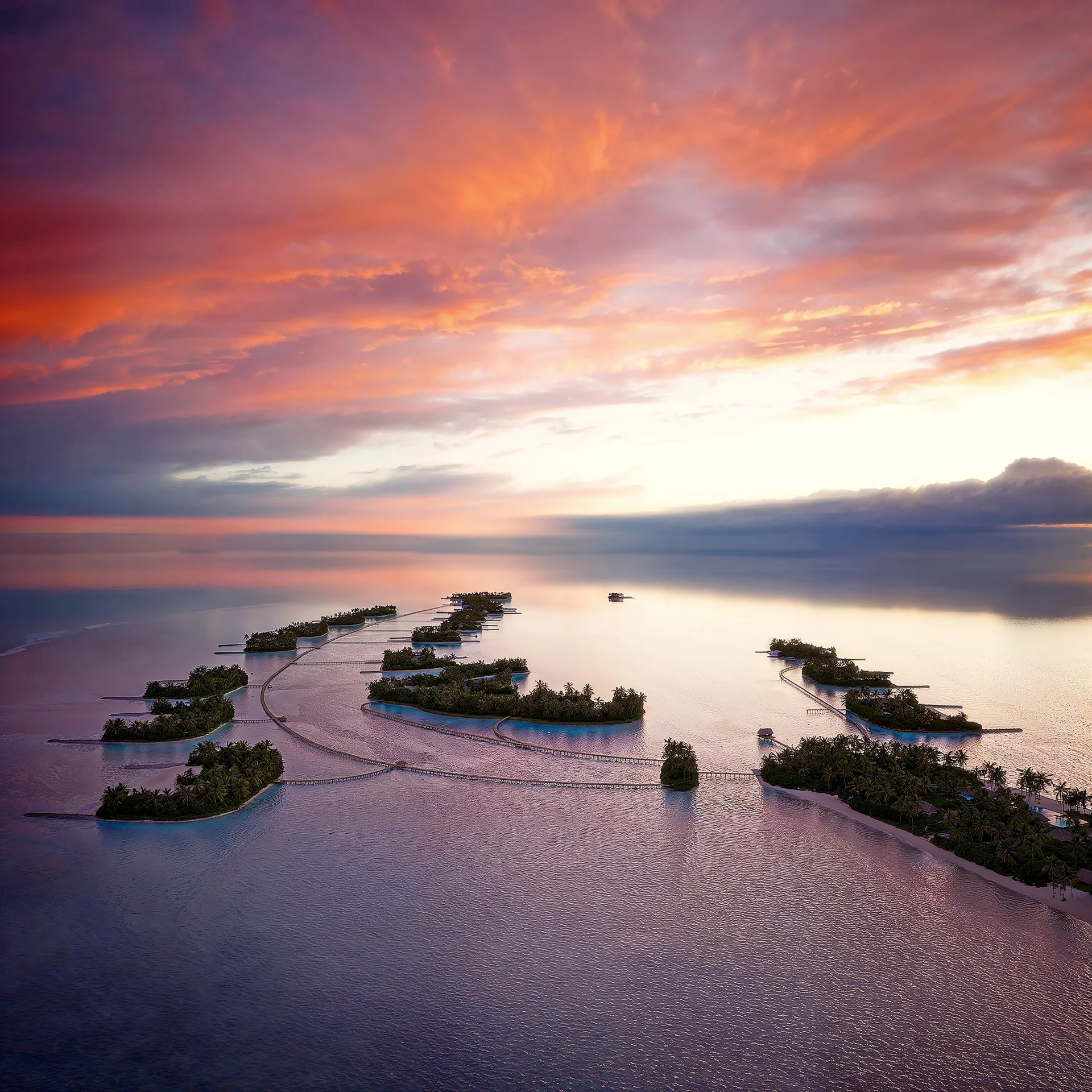
Apart from fascinating history and legends, Tabuk is also home to charming seaside towns along the Red Sea Coast that offer pristine, white sand beaches and clear blue waters – perfect for both those wishing to relax and those in search of glimmering coral reefs. Tabuk is also the site of NEOM, Saudi’s upcoming futuristic city set to be an innovative model for sustainable working and living. There are places to hike amid the surrounding rocky mountains, exciting activities in Tabuk City, as well as modern entertainment venues, like amusement parks and theaters that are perfect for kids of all ages. This up-and-coming destination in Saudi has something for everyone.
Best time to visit Tabuk
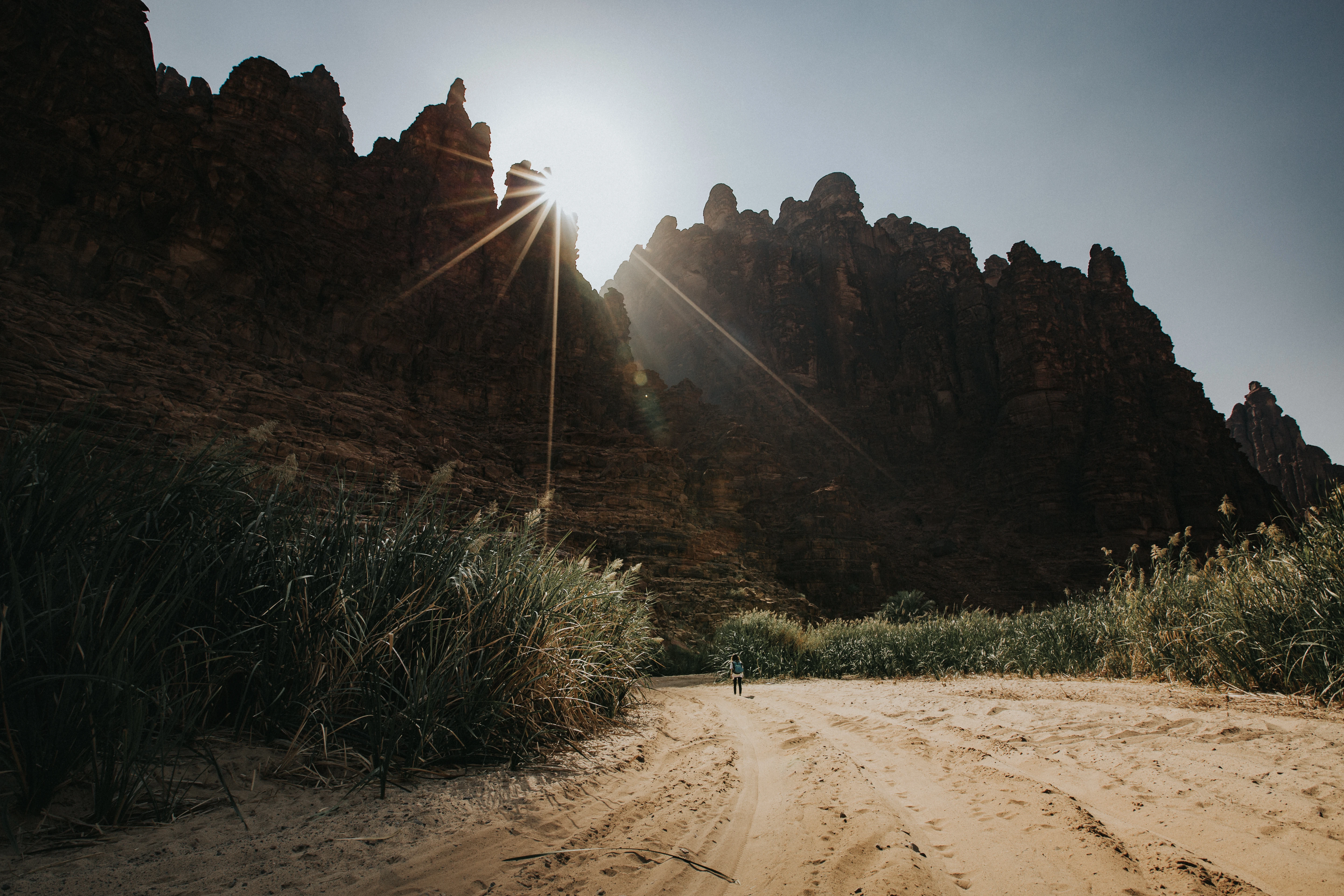
If you want to explore the city and surrounding region with good weather and easily access various attractions and historical monuments, then plan your trip between the months of November and June. The hot season lasts from the end of May to early October, and the hottest month of the year is July. It is advisable not to visit the region during the summer months as temperatures soar to around 40°C and above, making it challenging to venture outside.
Top historical attractions in Tabuk
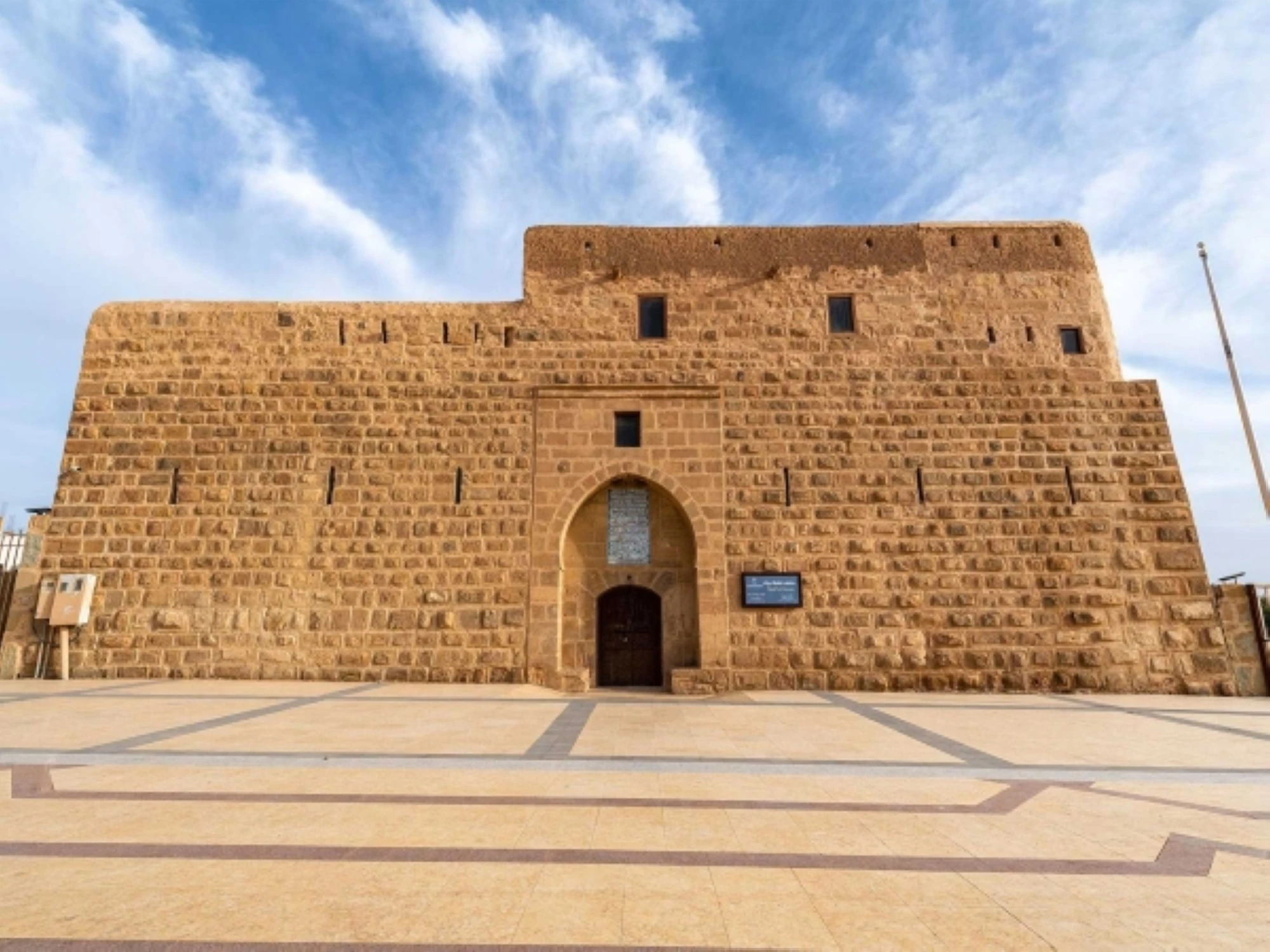
From historical mosques to museums and archaeological wonders, there are dozens of heritage sites to visit within the region of Tabuk. Be sure to check out Tabuk Castle located in the center of Tabuk City. The current structure was built in 1559 (although there are reports of a structure on this site since 3,500 BCE) for security and surveillance on the old road connecting Damascus to Madinah, and it was a major stop for caravans and Muslim pilgrims.
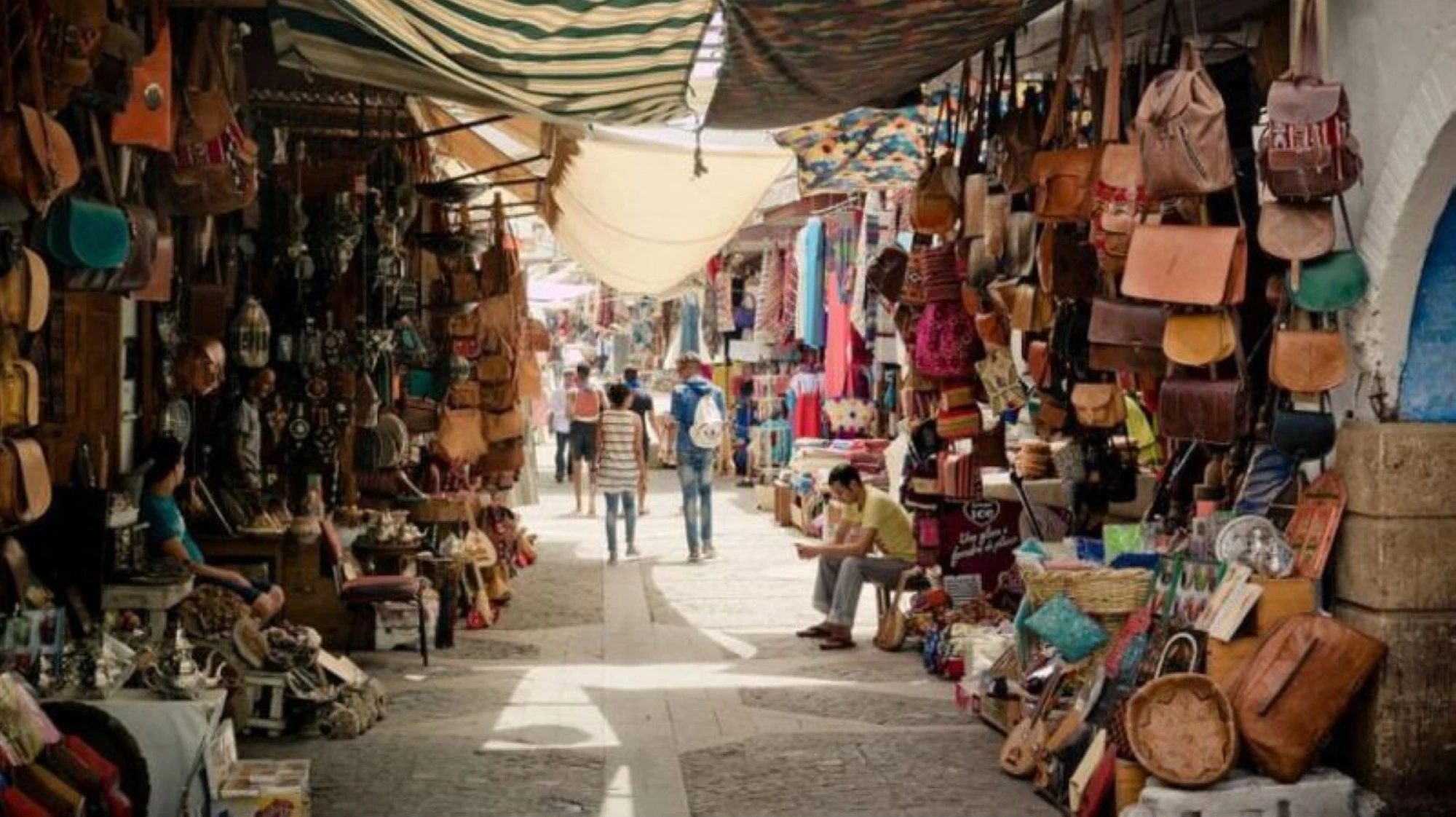
Visit Souq Twaheen to explore a traditional market and local Bedouin culture. Also located in the heart of the city, travellers can shop for trinkets, tent covers, and elaborate cushions and camel saddles just like the local Bedouins. There is also Al Tawba Mosque, which is where the Prophet Muhammad (PBUH) camped for over 20 days next to a running spring of water during the time of the Battle of Tabuk.
Hasma Museum
Uncover a fascinating array of over 10,000 artifacts, ranging from traditional clothing, coins, photographs, classic cars, primitive weapons and many more collectibles at the Hasma Museum. It details the story not just of the Tabuk region but of Saudi Arabia. Founded in 2020 by Odeh Al Atwi to display his vast collection of treasure acquired over many years, the museum offers a glimpse into what life was like in the Kingdom’s more recent modern past as well as during ancient times.
Tabuk Attraction Mud House
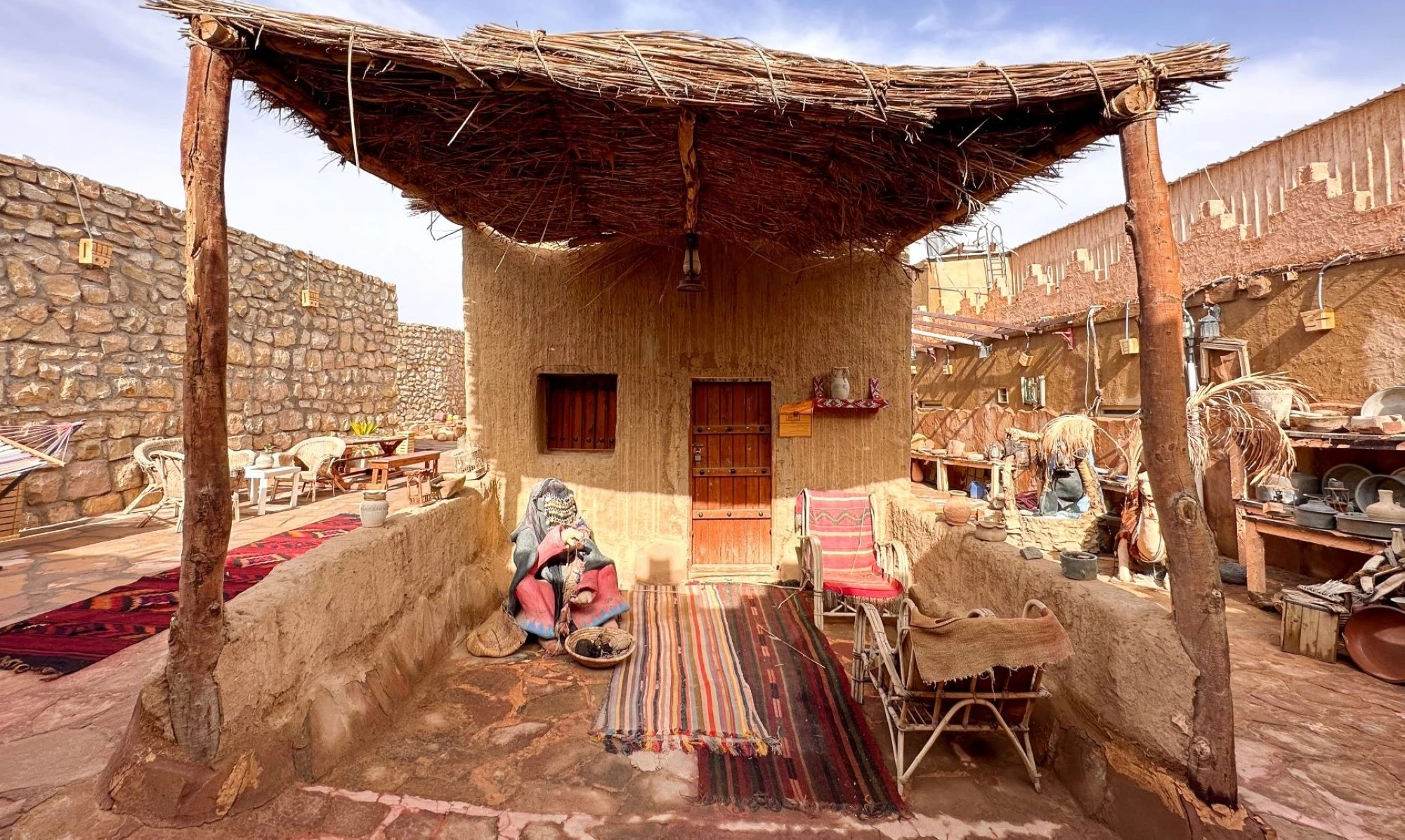
This incredible heritage museum, commonly called the Mud House Museum, conveys to visitors details of how life once was in the region. Housed amid traditional Saudi mud house dwellings are dozens of traditional artifacts, clothing, historical engravings, coins, weaponry, furniture and much more. One of the most important tourist attractions, especially for those visiting Tabuk for the first time, this museum will whisk travelers back in time and fully immerse them in ancient ways of living. Not only does the museum showcase the rich history of the surrounding region, it also features the warm and hospitable ambiance of an Arabian household. Visitors are welcomed by a generous caretaker who provides insightful explanations in English and Arabic. Venture here just before sunset and marvel at the beautiful views as the sun bathes the landscape in golden hues.
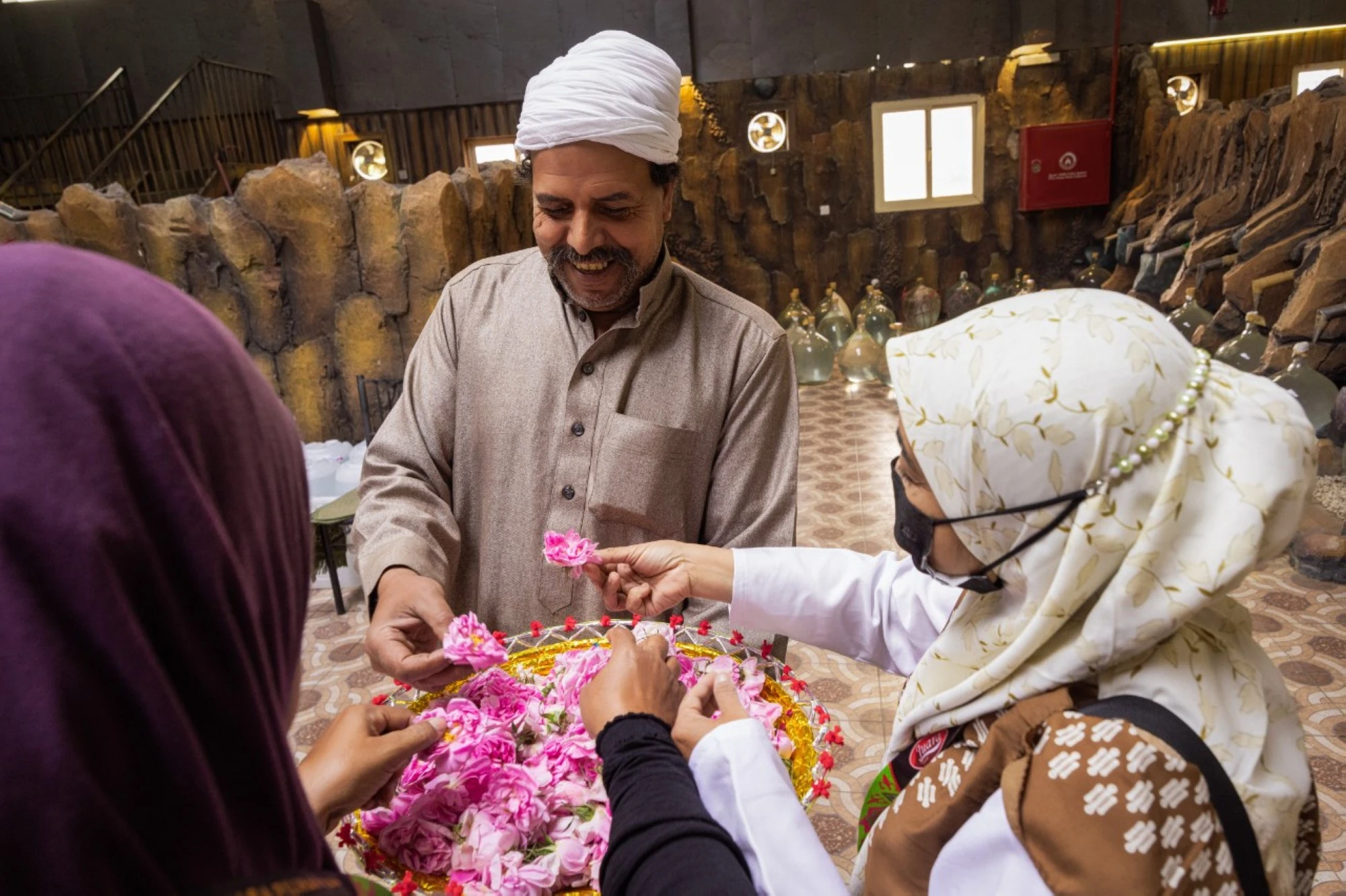
Tabuk Rose Farms
Each year Tabuk produces over 28 million roses in 17 varieties. For those visiting the region for the first time, a trip to a rose farm is highly recommended. A prime place for rose production and exportation, the regional output is a key focus of Vision 2030’s plans for economic growth. Upon arrival in Tabuk, you can hire a car or use local transportation to reach various rose farms, located largely in areas just outside the city. We highly recommend Astra Rose Farm, about a 40-minute drive from Tabuk airport; it’s the Middle East’s largest producer of cut flowers, running an extensive distribution network across Saudi Arabia.
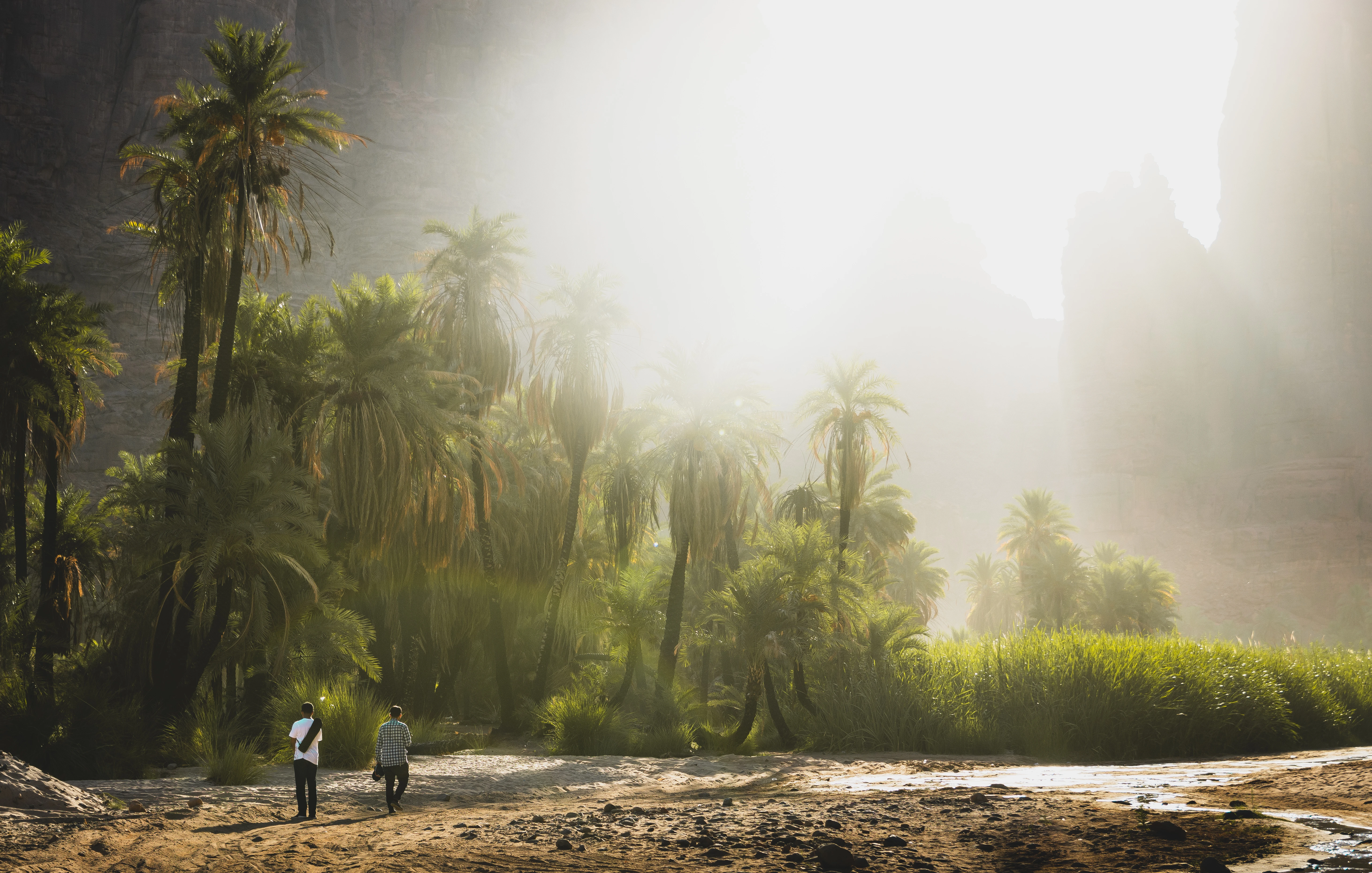
Wadi Al Disah
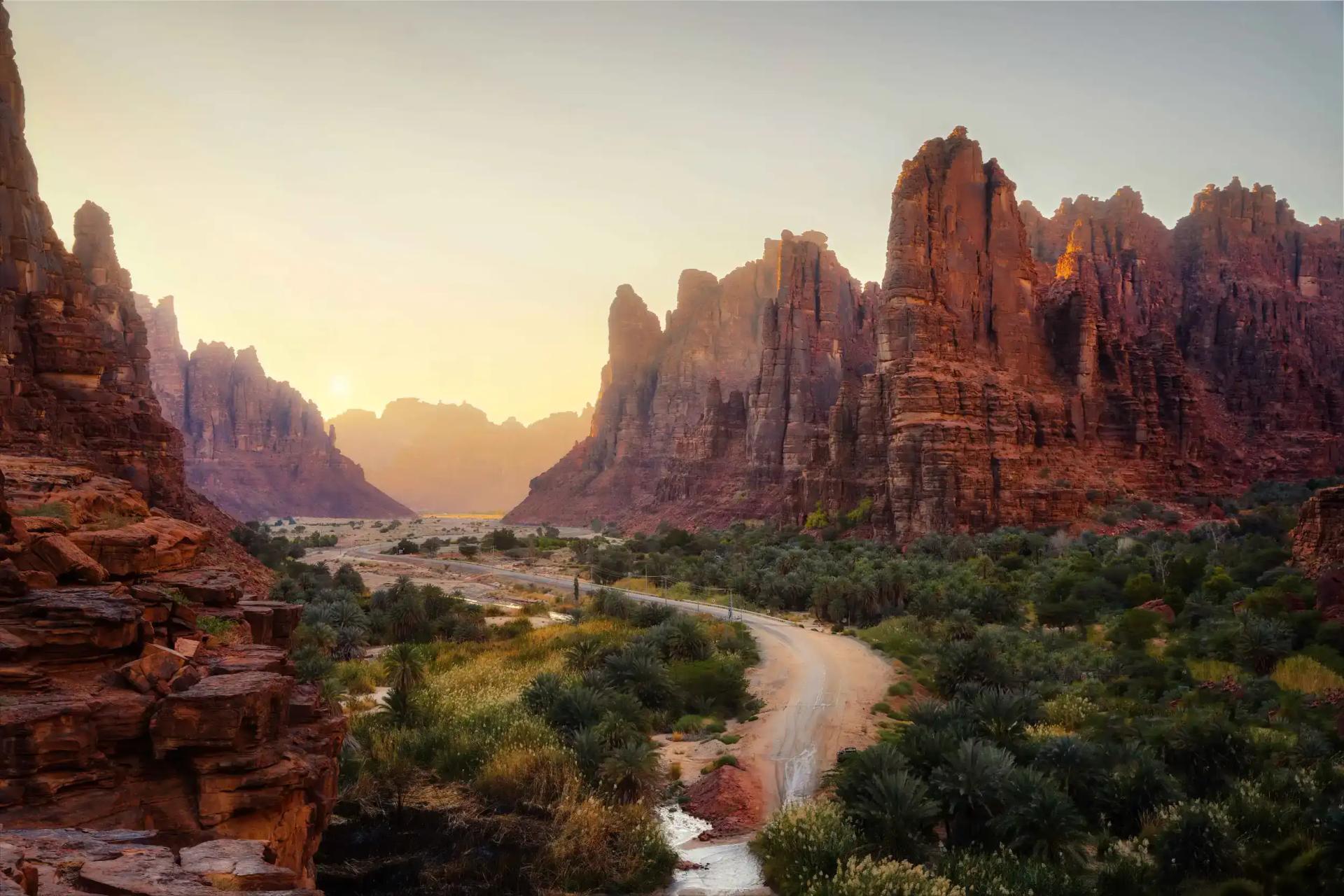
A trip to Tabuk wouldn’t be complete without a visit to Wadi Al Disah, which resembles the Grand Canyon with monumental sandstone columns amid the vast desert landscape. Head here to immerse yourself in nature, hike one of the many trails or explore large areas in a four-wheel drive and enjoy the breathtaking rock formations and undulating sands punctuated by verdant areas and palm trees swaying in the sun.