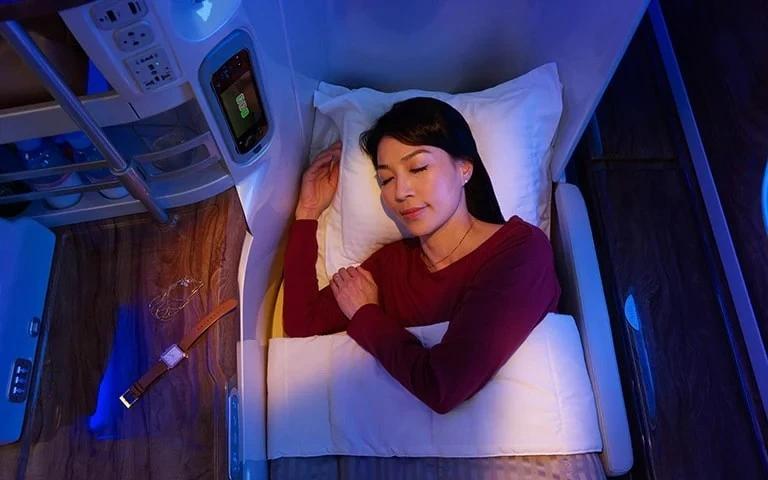





Dr. Vicente Mera, Chief Specialist in Internal & Longevity Medicine at the prestigious SHA Spain, offers actionable, science-based protocols designed to significantly improve nighttime rest and accelerate the body's adaptation following long-haul travel. Highlighting that sleep is not a luxury, but a core biological necessity,
Using a set of practical and science-based strategies we can use to improve our rest and accelerate adaptation after long-haul travel, Dr. Mera explains. By meticulously optimising the conditions that guide our internal circadian clock, both before and after trips, travellers can beat the annoying symptoms of jet lag with little downtime, and maintain both deep, restorative rest and energy to explore.
These are the the three evidence-based strategies Dr. Mera recommends to beat jet lag.
1. A Proactive Strategy: Adjust Before You Travel


Dr. Vicente Mera of SHA Spain recommends adapting sleep and wake times gradually in the days prior to a long-haul flight. Shifting the schedule reduces the shock to the circadian system on arrival.
How to apply it:
- If you're travelling east: Go to bed and wake up one hour earlier each day for three days.
- If you're travelling west: Go to bed and wake up one hour later for three days.
2. In-Flight Strategy: Control Light, Hydration and Sleep
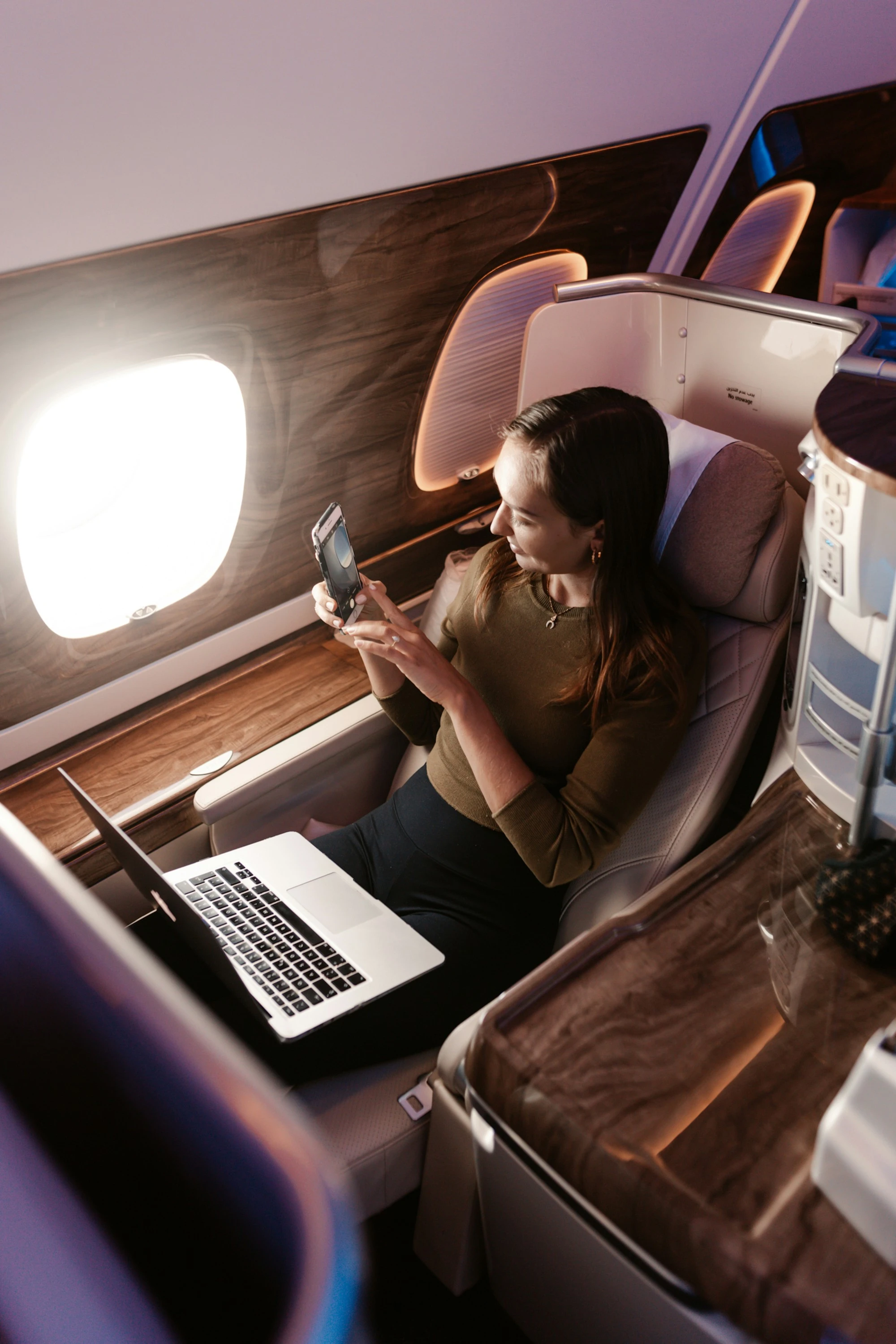
What happens on the plane significantly affects adaptation on arrival.
- Light management: Light is the strongest synchroniser of the biological clock. Sunglasses can help reduce inappropriate light exposure, and calculating the best times to seek or avoid sunlight can make adaptation faster.
- Hydration: Cabin air is extremely dry. Adequate hydration reduces jet-lag symptoms, while alcohol and caffeine worsen them.
- Sleep management: Adjust phone and wearables to the destination time as soon as you board the plane. Sleep if it is nighttime at the destination; stay awake if it is daytime.
3. Upon Arrival: Sync With the New Environment Immediately

Upon arrival, it is essential to signal to the body what the new local time is by:
Synchronise Meals
- Eat according to the local schedule, as soon as possible. Even if hunger is not present, having a full meal at the local time can help reset the internal clock.
Stay Active (but at the right time)
- If arrival is during daylight hours, engage in light physical activity such as walking outdoors.
- The combination of sunlight and movement supports circadian realignment. Intense exercise should be avoided late in the evening, as it may make it harder to fall asleep.
The Golden Rule: Avoid Long Naps
Long naps are one of the biggest obstacles to overcoming jet lag. If a nap is necessary, it should be limited to a maximum of 30 minutes and should be before 4pm. Sleeping for longer periods during the day will reduce nighttime sleep pressure and delay adaptation to the new time zone.