

As a destination for pilgrims for hundreds of years, Medina – also known as Madinah – is always busy, particularly during Hajj and the Eid holidays, when hundreds of thousands of Muslims flock here to spend time at Al Masjid an-Nabawi, the Prophet’s Mosque, and other sites.
In 2025, Ramadan also falls during winter, so February and March will be extremely busy months in the holy city. For Muslims, Ramadan is a deeply spiritual time to be in Medina, with days spent fasting and praying in the mosque and the evenings spent in communal iftars. But be sure to book well ahead as hotels fill up fast and transport is at a premium.
Non-Muslim travellers should remember, as always, that eating and drinking during the day in Ramadan is strictly prohibited. One major benefit of visiting Medina in the winter is the weather, of course, which is perfect: think warm days and cool (often a little too cool) nights.
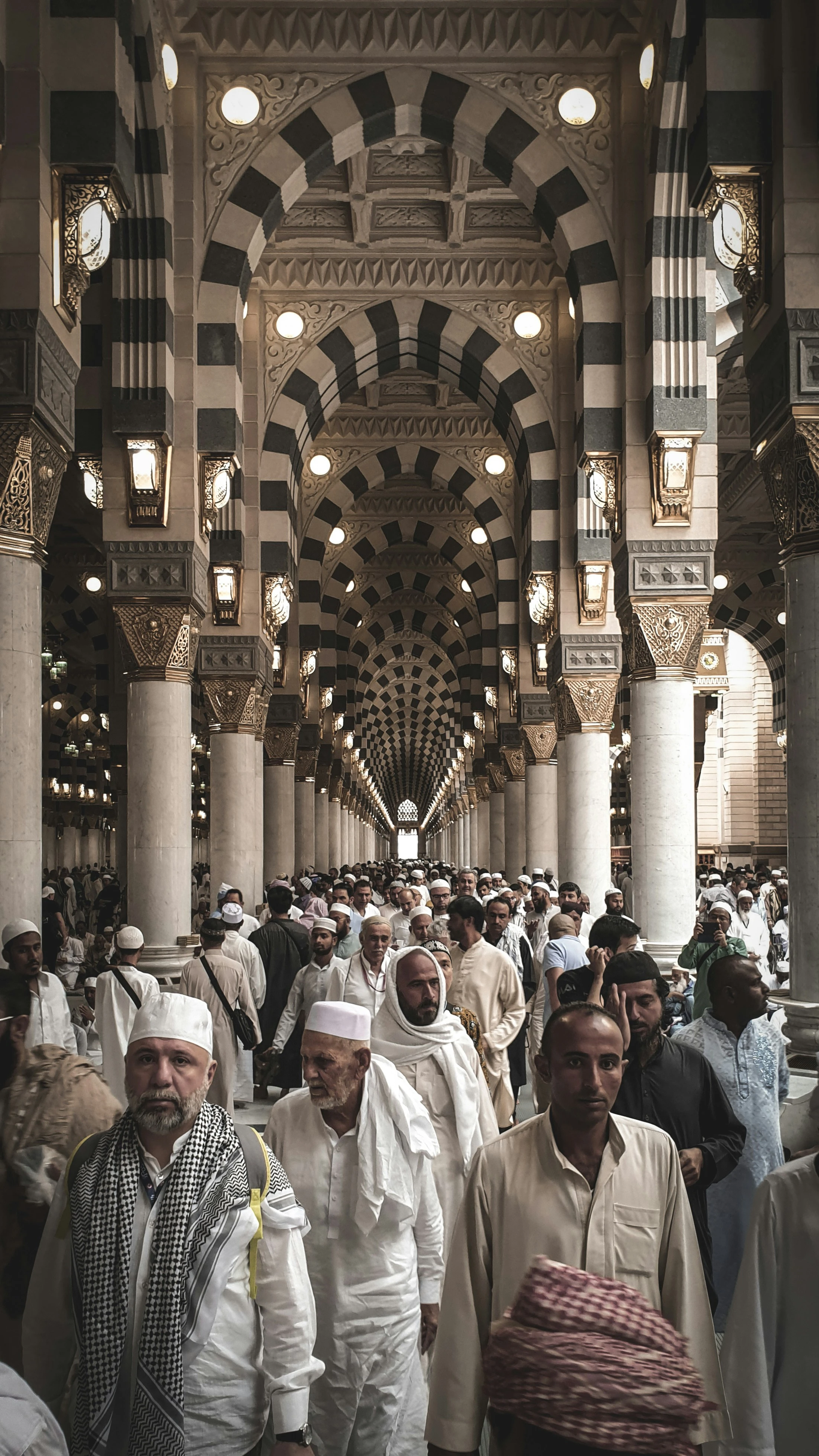
1. Explore the Prophet's Mosque (Al Masjid an-Nabawi)
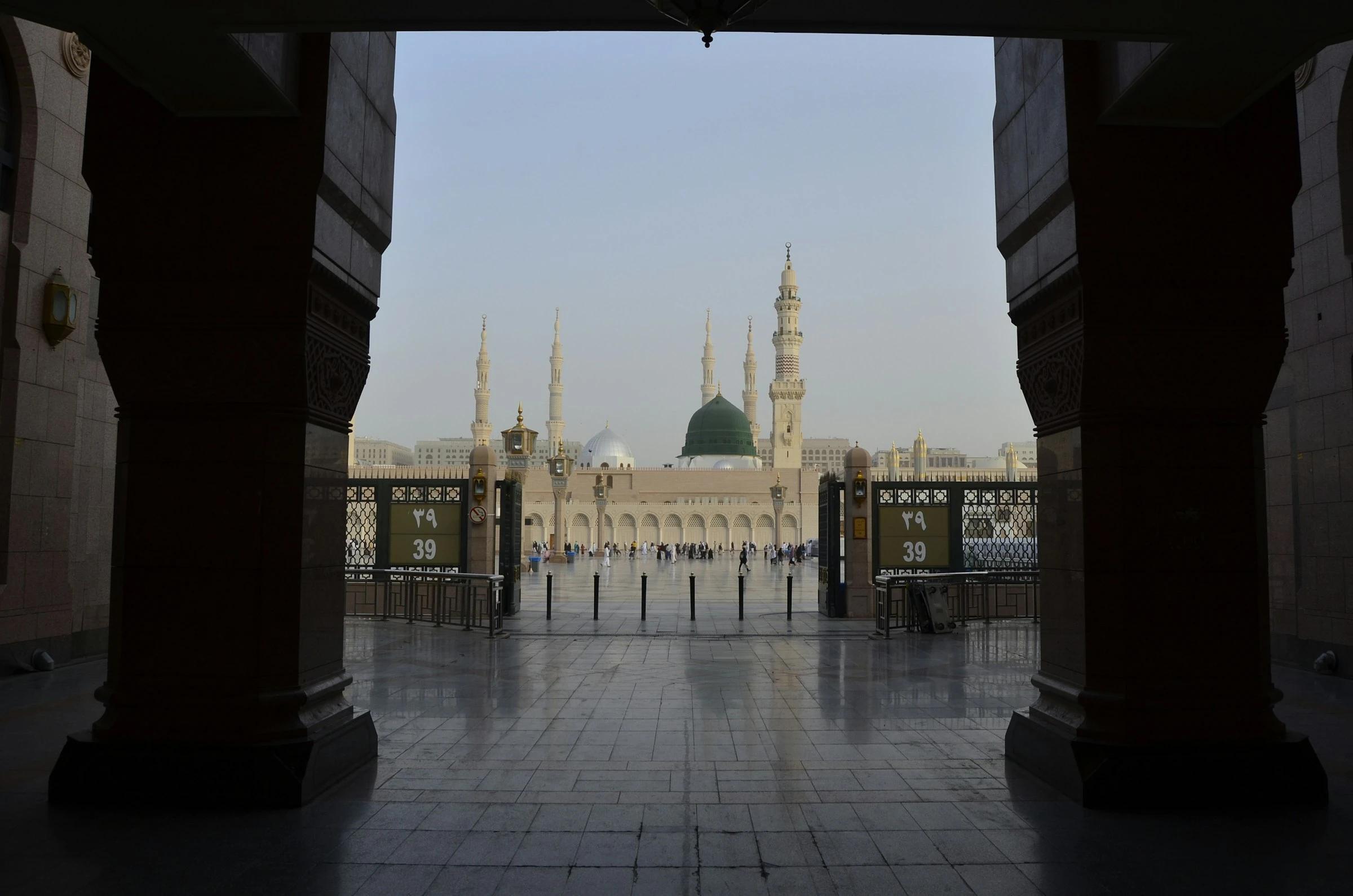
The Prophet’s Mosque is climate-controlled throughout, so it is an easy place to visit whatever the weather, as are the museums that are attached to it. That is not such a big consideration in the winter, although on chilly nights you may be glad of it. By far the best time to visit the mosque in winter is first thing in the morning, with the sun rising behind the mountains, or after dark, when the mosque is lit up and visible from almost everywhere in the city. These are also the quietest times of the day to visit, particularly in winter when the city will be extremely busy with pilgrims. Though non-Muslims aren’t permitted within the mosque complex, the views from outside are still very beautiful.
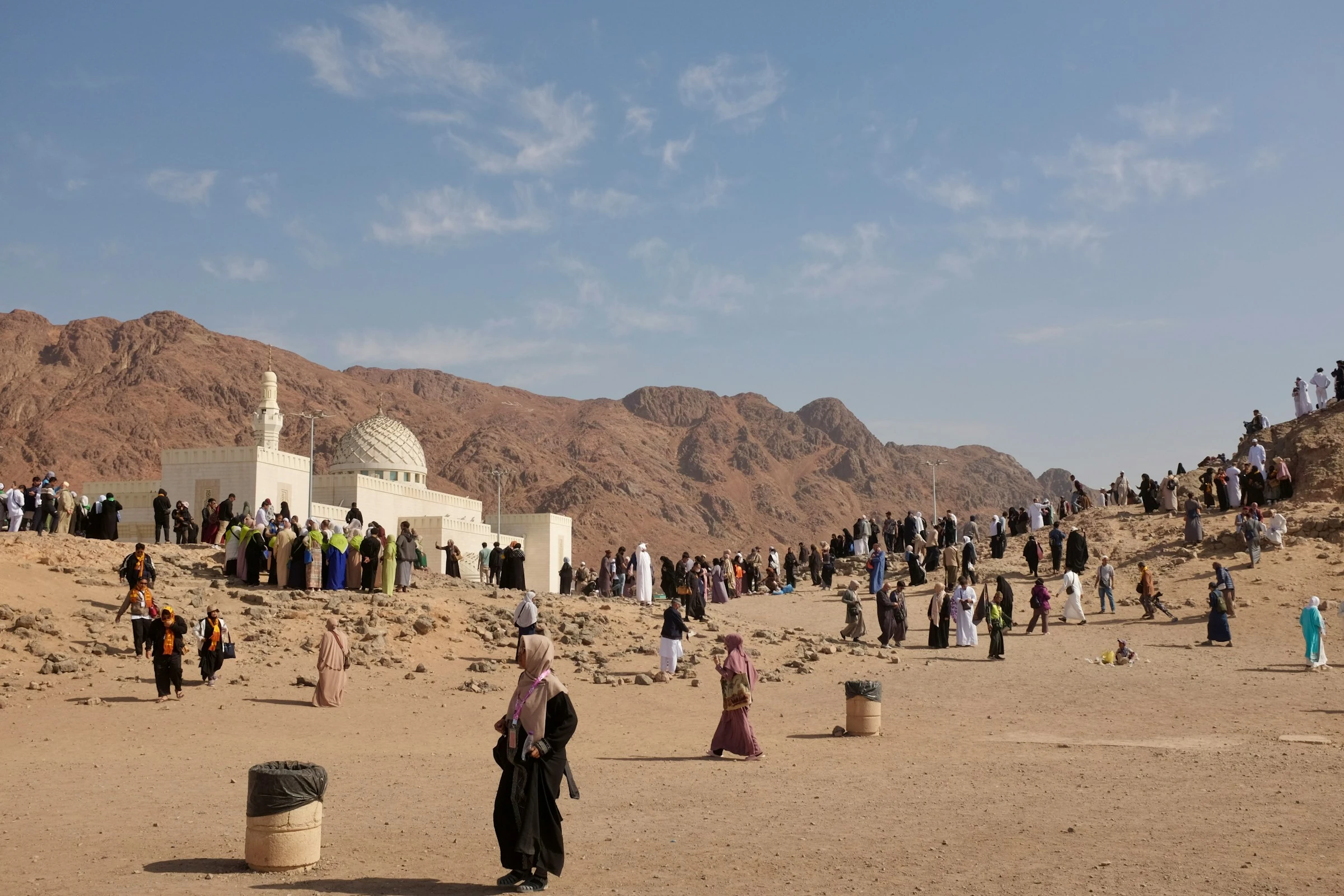
2. Visit Mount Uhud and the Battlefield
Clambering up Mount Uhud on a warm sunny morning in the winter is a far nicer experience than in the late spring or summer. By far the best time is in the early morning or at dusk, when you might be lucky enough to get a view of the city as the sun sets and the lights go up at the Prophet’s Mosque. Make sure you bring sturdy shoes and water, and consider taking a guided tour to make the most of the historical content (although there are explanatory plaques throughout the site). Mount Uhud is best reached either by taxi (it is around 6km from the Prophet’s Mosque) or by guided tour as part of a pilgrimage package.
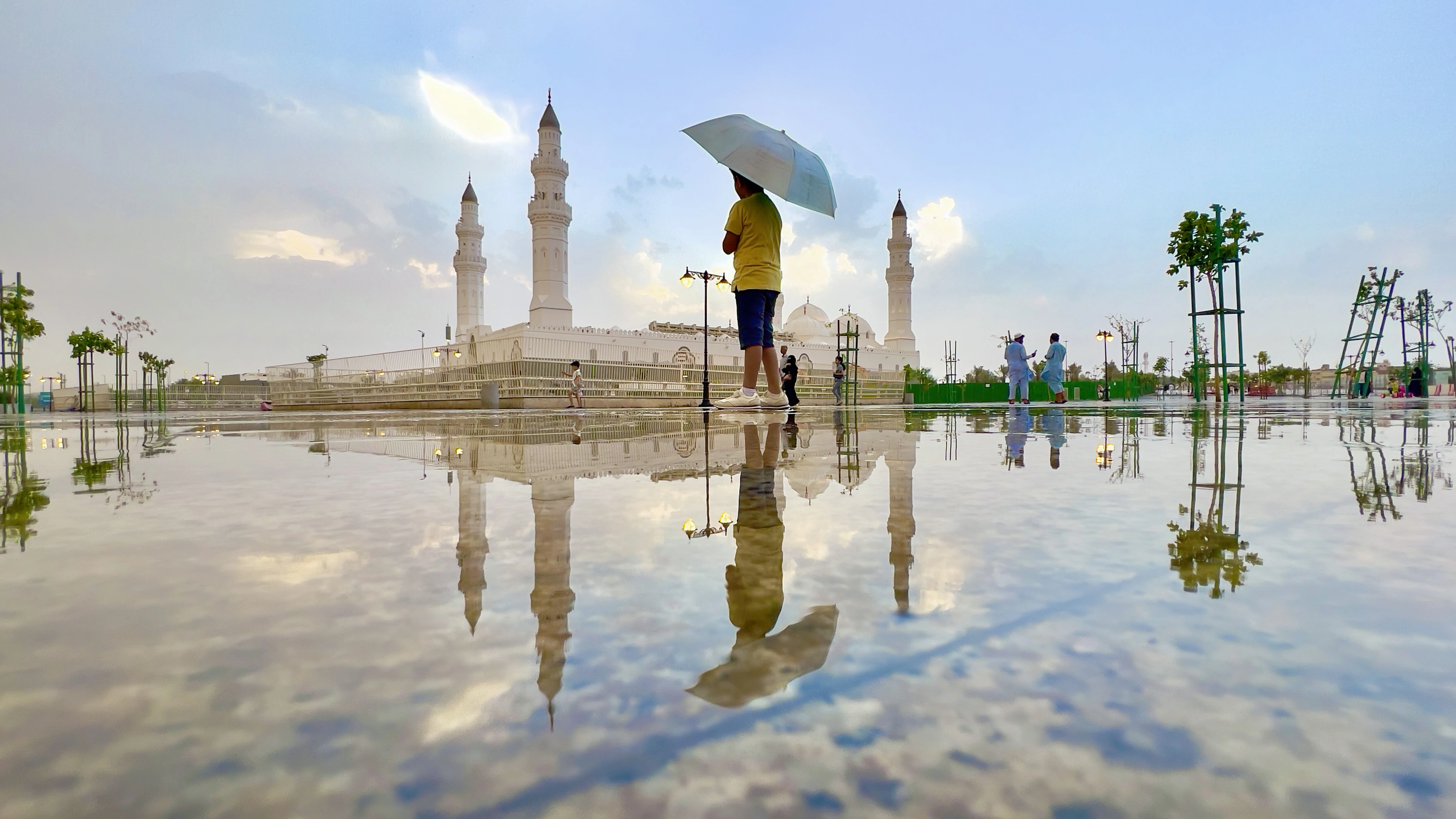
3. Discover the Quba Mosque
The first mosque built under Islam, reportedly founded by the Prophet Muhammed himself, Quba Mosque has undergone a number of renovations over the years and looks little like it would have done 1,500 years ago. But the site is still a nice spot to stroll around and take in the history, and like most religious sites it is also climate-controlled (a bigger consideration in summer). There are a number of date farms near the Quba Mosque that offer tastings if you’re feeling peckish. Saudi dates are famed around the world and some of the farms claim to have date trees that were planted by the Prophet himself, including at the Garden of Salman al-Farsi. Nearby is the Ghars Well, a favorite of the Prophet, who thought it had the sweetest water in Medina.
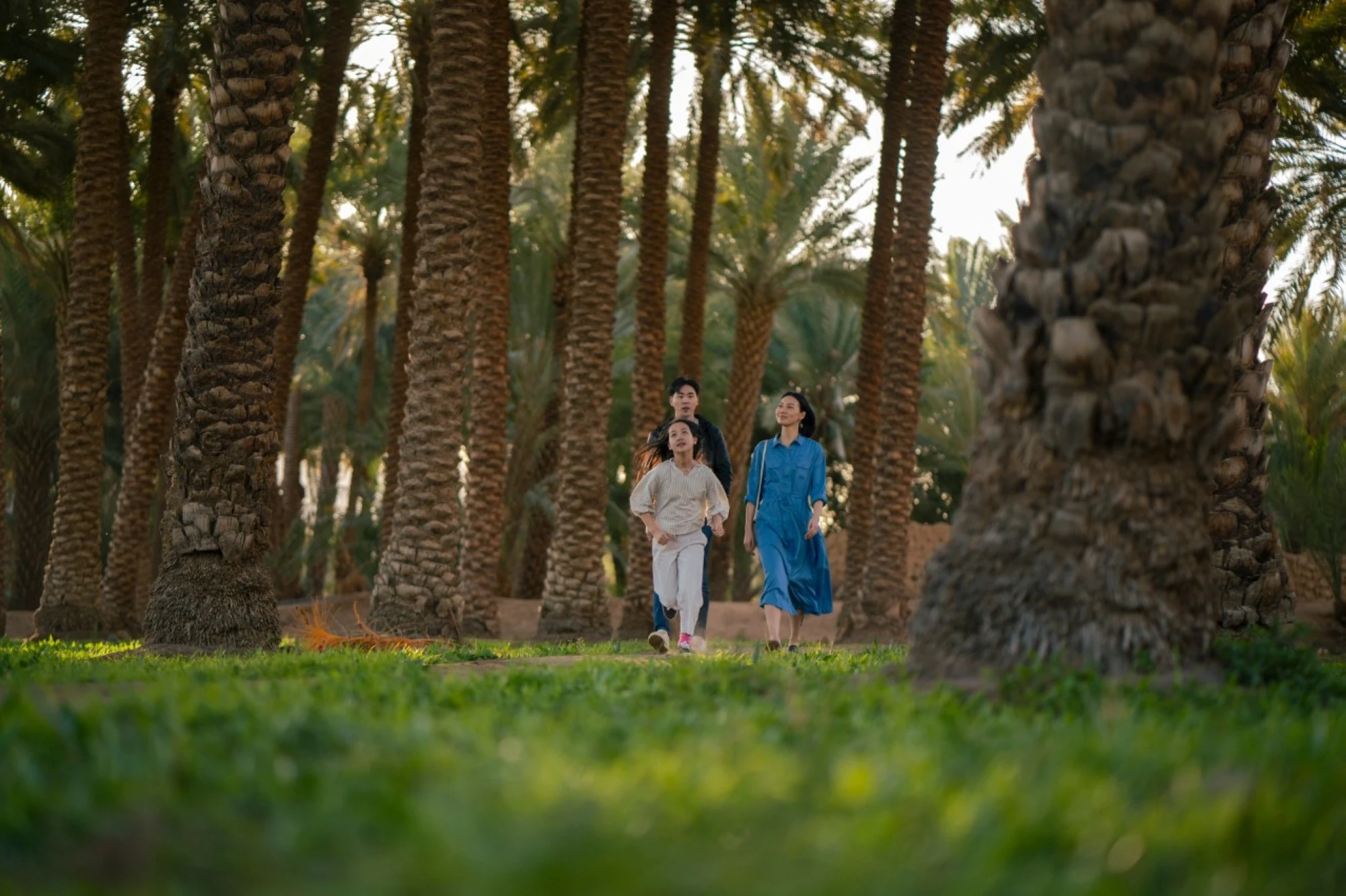
5. Go for a walk in the park
King Fahd Park is a large, green public park in the centre of Medina and a great place to escape the hustle of downtown, especially for those travelling with children (don’t miss the dinosaur models). You can also bike here, there are lots of picnicking spots, food trucks and places to buy hot and cold drinks.
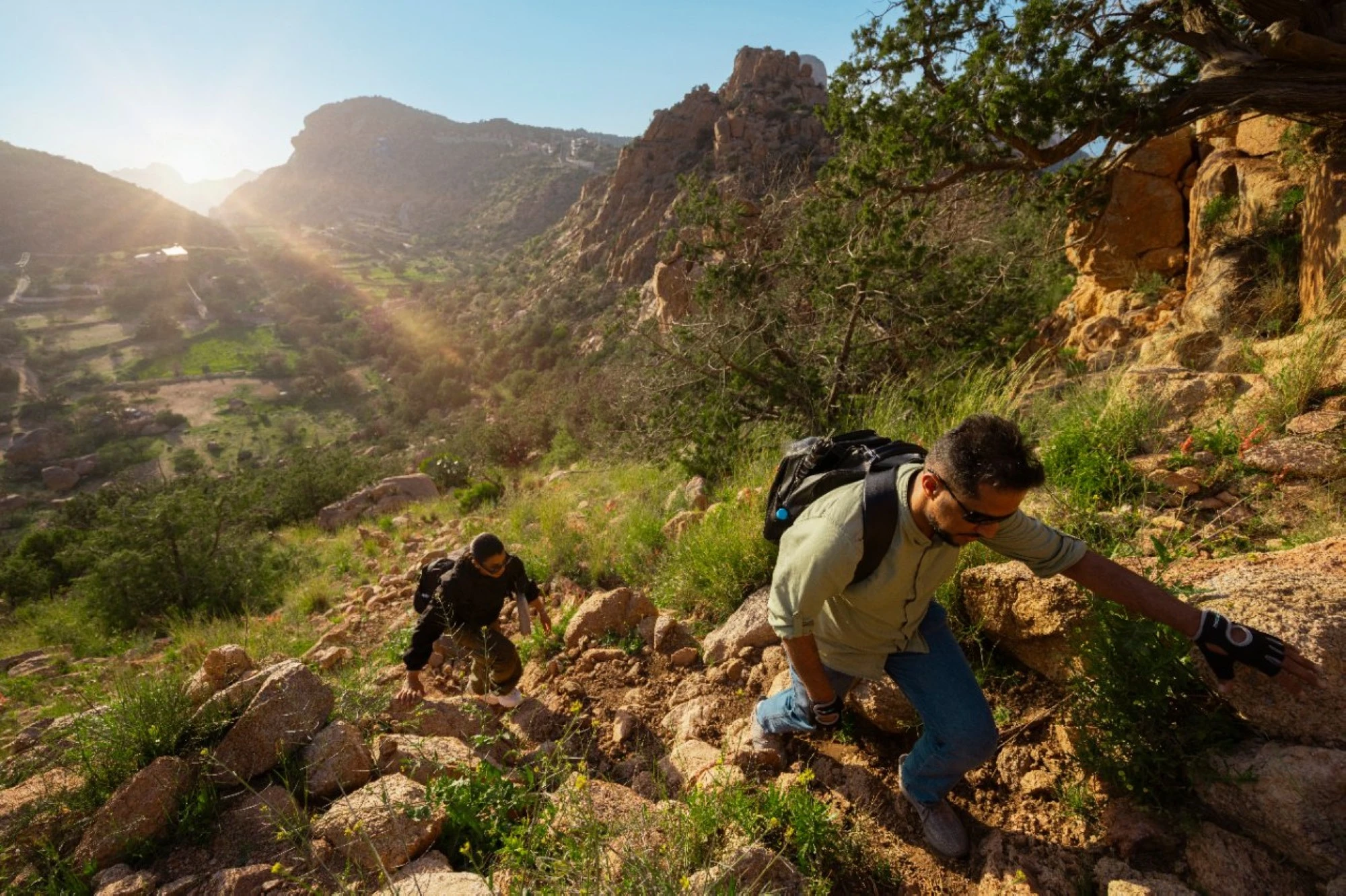
6. Hike the Al-Hijaz Mountains
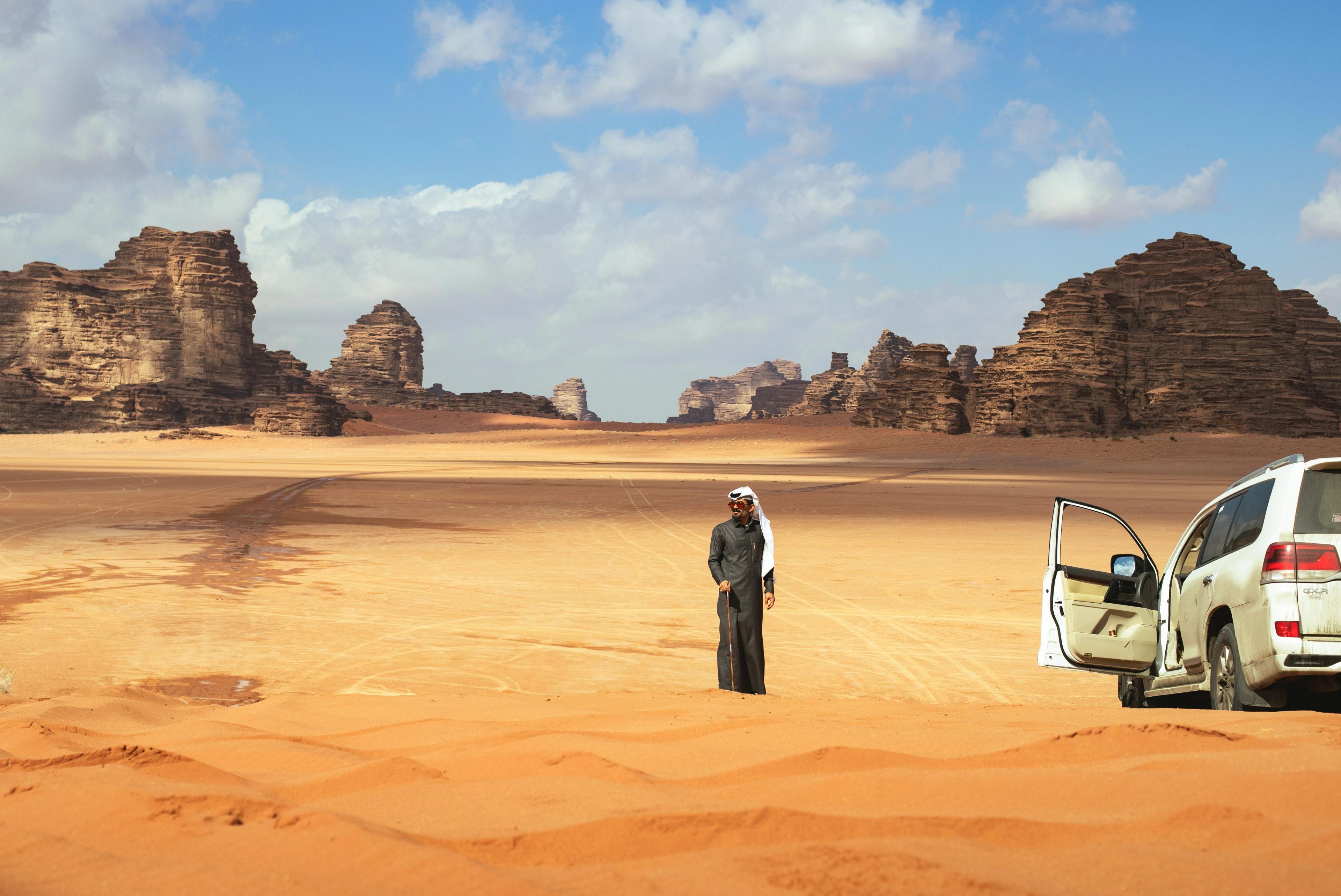
The winter is the perfect time to visit the mountains around Medina, and there are a number of spots that are popular with tourists. Among them is the Valley of the Jinn, or Wadi al-Baida, which is around 40km from central Medina. Local lore has it that in the valley there is a spot where water flows uphill, although skeptics might suggest that the phenomenon is an optical illusion. There are various other urban legends about the valley, which is named for ‘jinn’, or ‘spirit’ in Arabic. Another local trick is for drivers to put their vehicles in neutral and yet be ‘propelled’ up the hill, apparently by spirits.
There is no public transport to the valley and most people come in their own cars or rent a taxi for the day. Avoid the weekends if you can, which are very busy. You can also rent quad bikes here, or just walk in the serenity of the mountains.
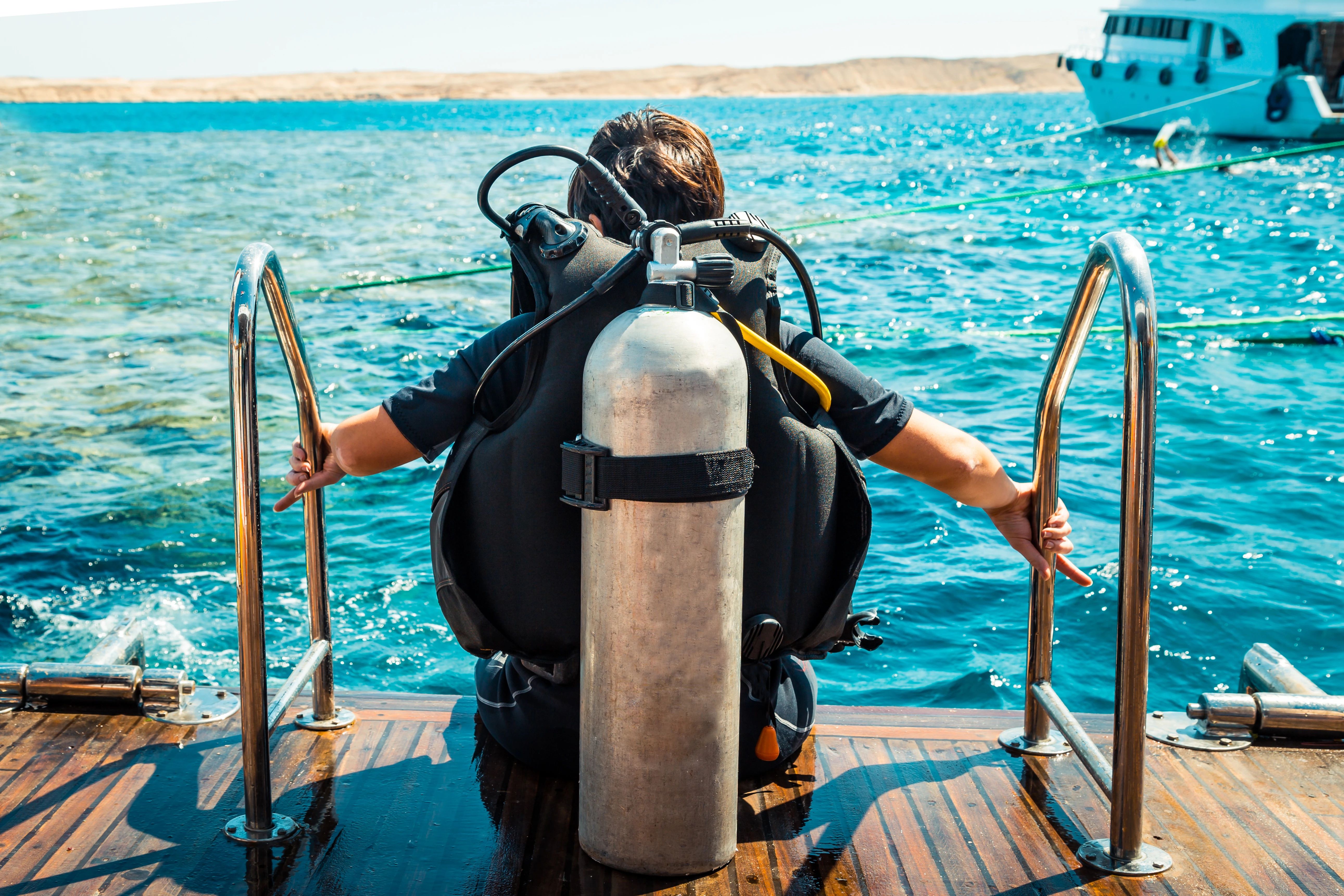
7. Plan a winter day trip to Yanbu
If the city is getting too much, why not take a three-hour drive west towards the coast and check out the city of Yanbu, known for its markets and historical sites but above all its beaches. Visitors usually start off in Al-Balad, with its narrow alleys and markets. The souqs are good places to buy local crafts and souvenirs for a fraction of the price of Medina. Yanbu Waterfront has sandy beaches and walkways for families, and the option of kayaking or diving in the Red Sea. Either drive to Yanbu in your own car (Route 60) or jump on a SAPTCO bus. Before you leave, be sure to check out the excellent seafood.
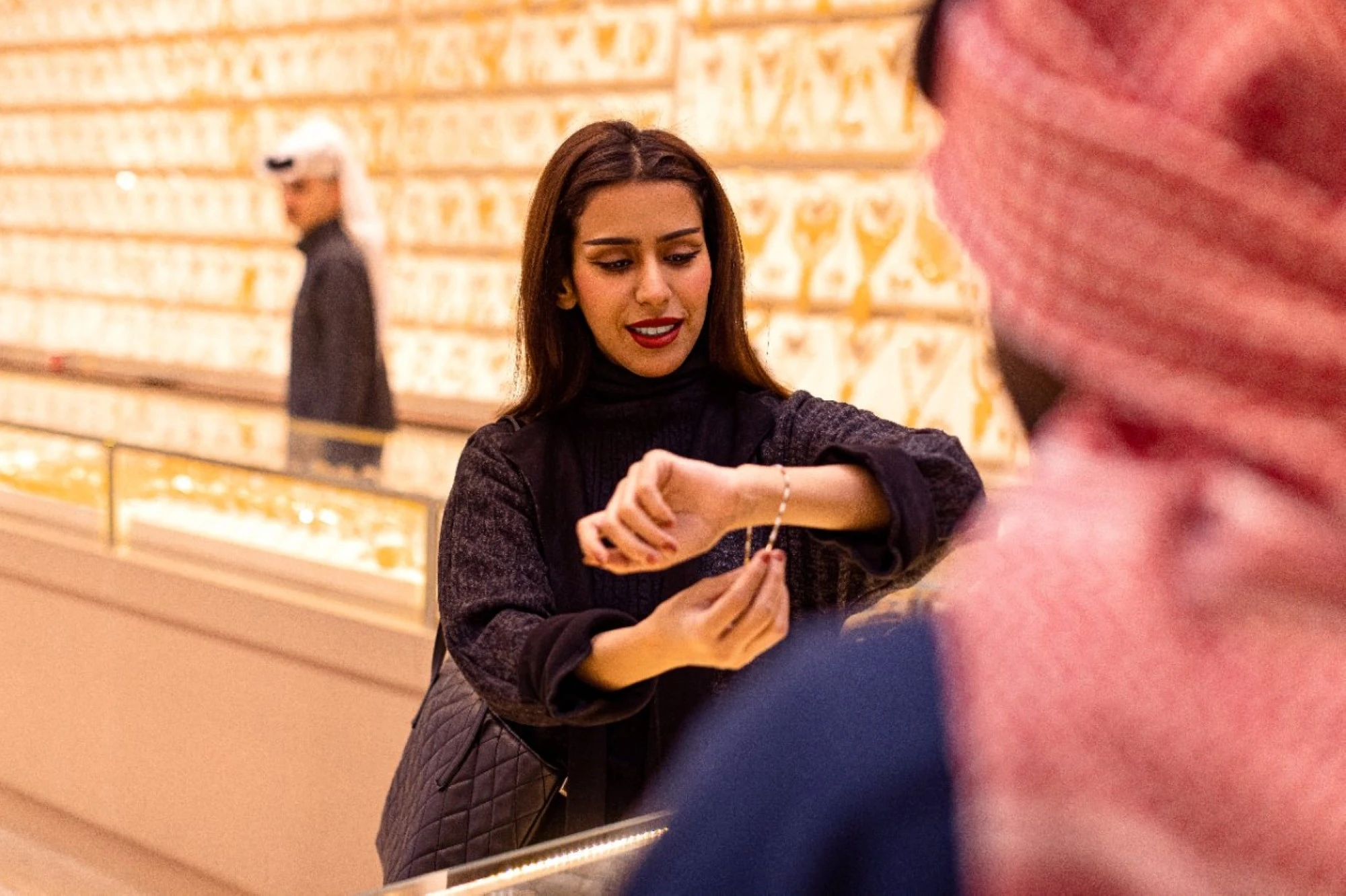
8. Head into the souqs and bargain
Unsurprisingly for a pilgrim town, Medina is a fantastic place to buy religious souvenirs such as prayer beads and mats, as well as dates and honey – two specialties of the Hejaz. But the souks are also just great places to wander, pick up a scarf or two, and dust off your haggling skills with the stall-holders. The markets are fun places to wander, and dotted between the shops are myriad little restaurants and coffee houses that are cheap and atmospheric places to take a load off and drink in the atmosphere.
Insider tips for visiting during winter
Visiting Medina in winter is relatively easy and straightforward, certainly weather wise, but do bear in mind that November to February is by far the most popular time to come and, as such, hotels will be more expensive and the best rooms harder to come by. Tours may also get booked up and it is worth contacting providers in advance to check you don’t miss out. Also consider that Ramadan begins in February in 2025, so February and March will be extremely busy, especially around the Eid holidays.