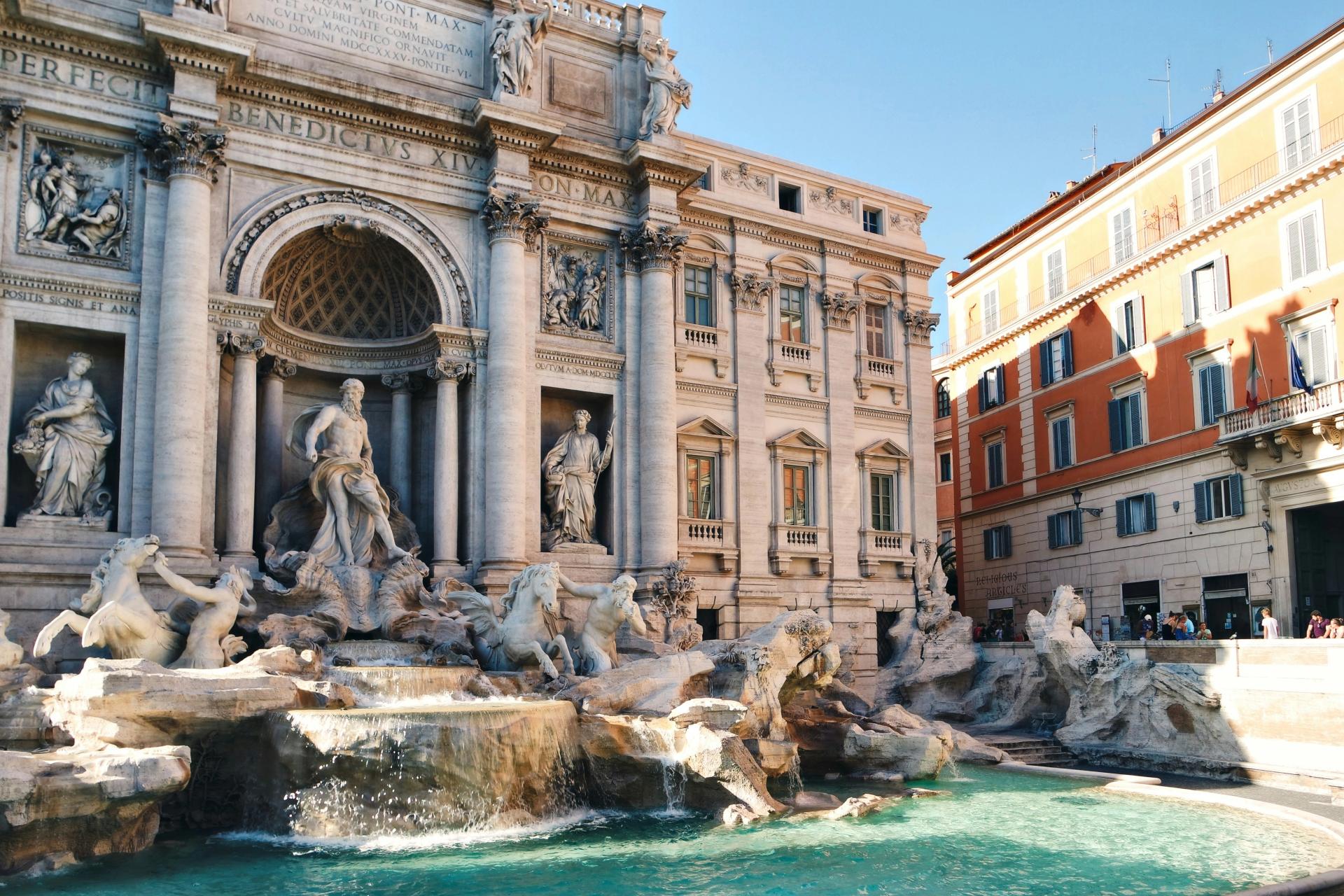





For decades, the only cost to enjoy the Trevi Fountain was to part ways with your spare change, toss it over your shoulder and make a wish.
But, the time of free-to-visit ancient and historical sites is slowly but surely coming to an end.
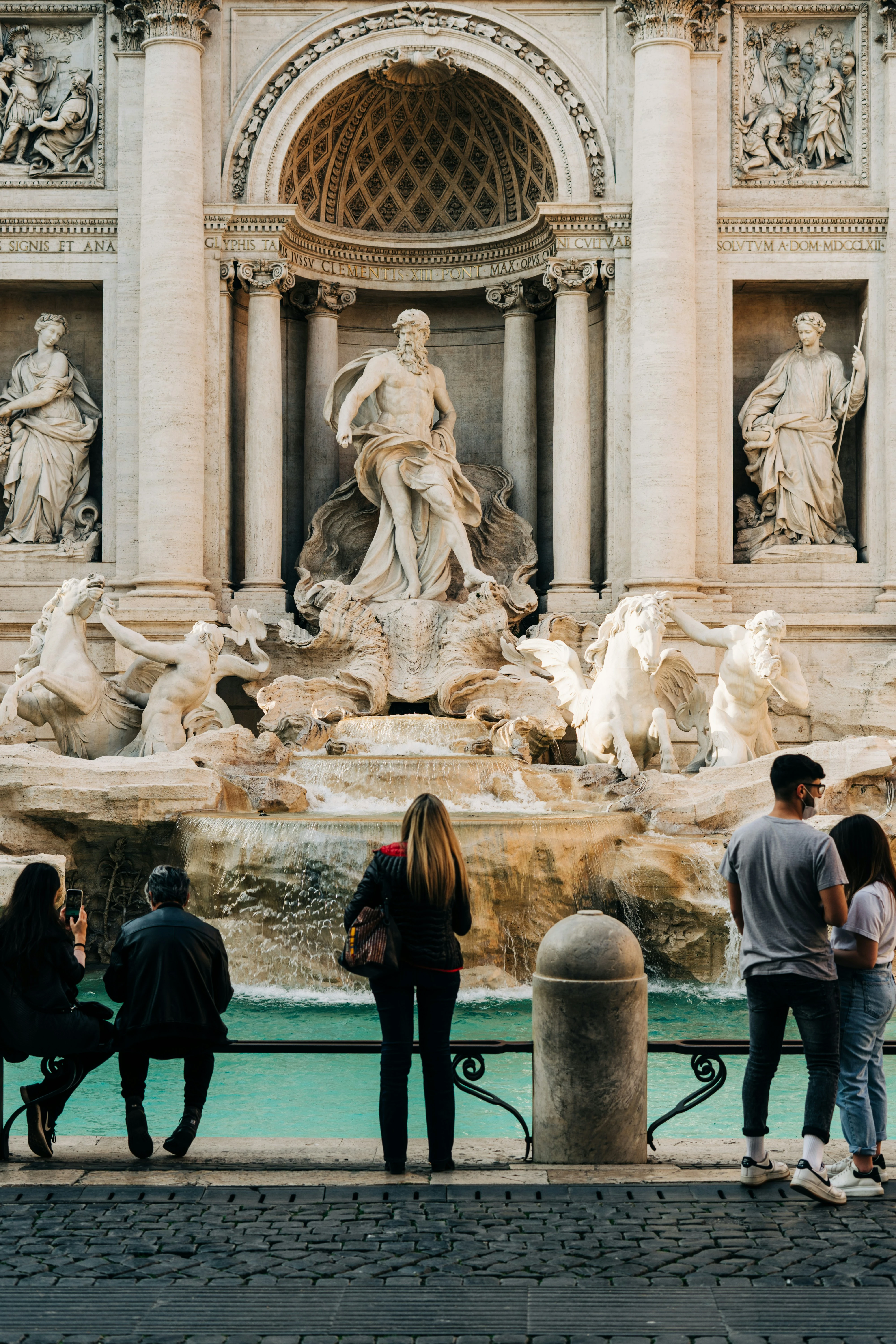

With the popularisation of locations and sites on social media causing over-tourism to reach unsustainable levels, authorities around the are being forced to trade open access for preservation. What was once a spontaneous walk-up 'when in Rome' experience, has been replaced by "digital velvet ropes" — mandatory pre-booking, entry fees, and strict time slots — designed to protect fragile landmarks from the very people who love them and seek them out.
As the viral social fame of these destinations increases, so does the logistical burden of its upkeep for local authorities, shifting the global travel landscape toward a "pay-to-visit" model where the true cost of a selfie is now measured in both euros and early-morning reservations.
Why was this fee introduced?
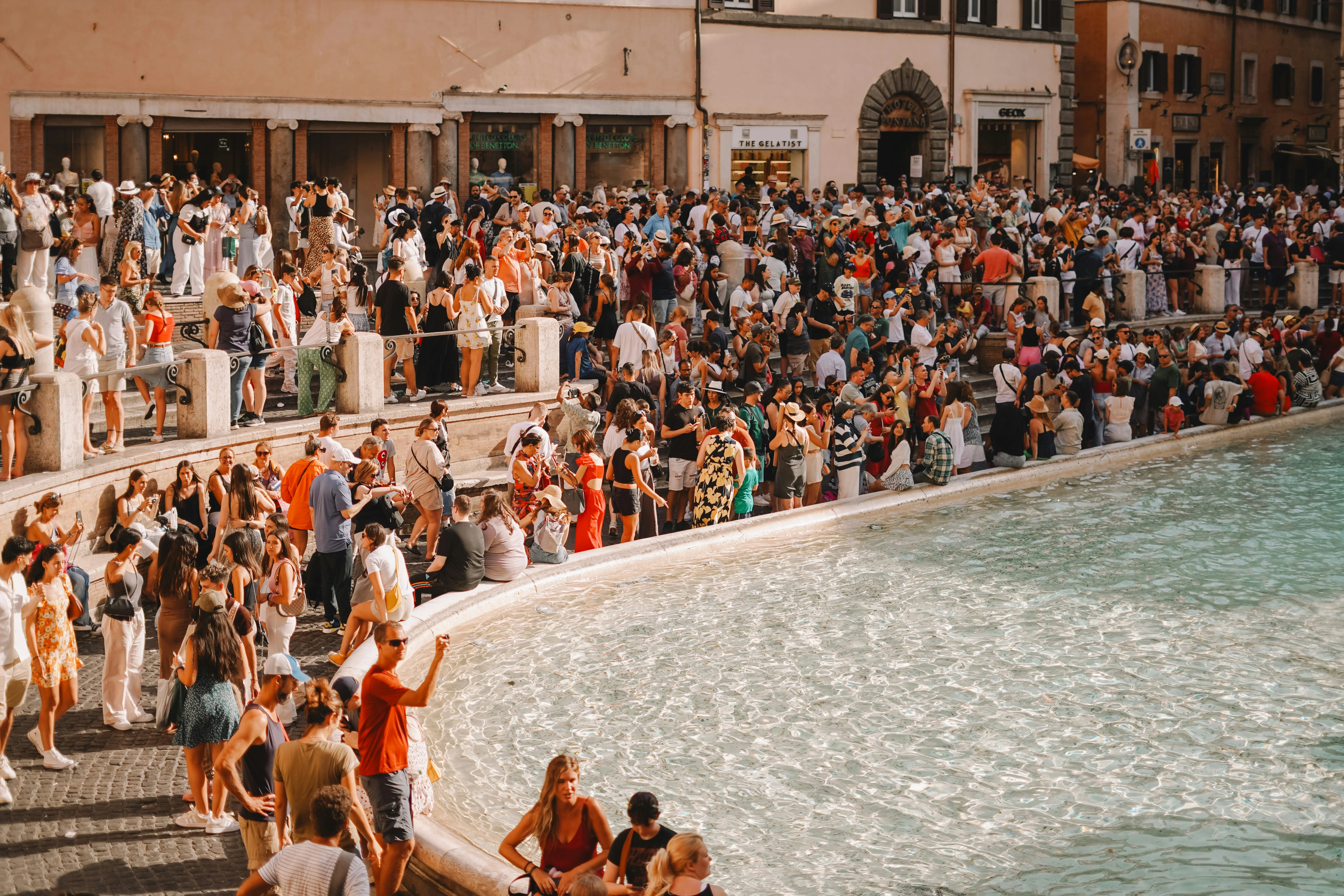
From Monday, February 2, 2026, a new time-reserved entry system and a relatively nominal fee of €2 per person has been introduced for access to the famous fountain's lower basin area. This timing is both strategic and significant, as it is aimed at managing the massive influx of pilgrims and tourists visiting Italy for the Jubilee year: based on data collected in 2025, it was estimated that on average more than 30,000 people visited fountain every single day.
The primary goal of this fee is "contingentamento" (or, in English crowd capping) — preventing the dangerous bottlenecks where thousands of people would previously cram into a space designed for a few hundred. The fee is not intended to be a major revenue driver, instead, in addition to crowd management and protecting the ancient travertine stone, it is hoped that the collection of this fee will help to offset maintenance costs.
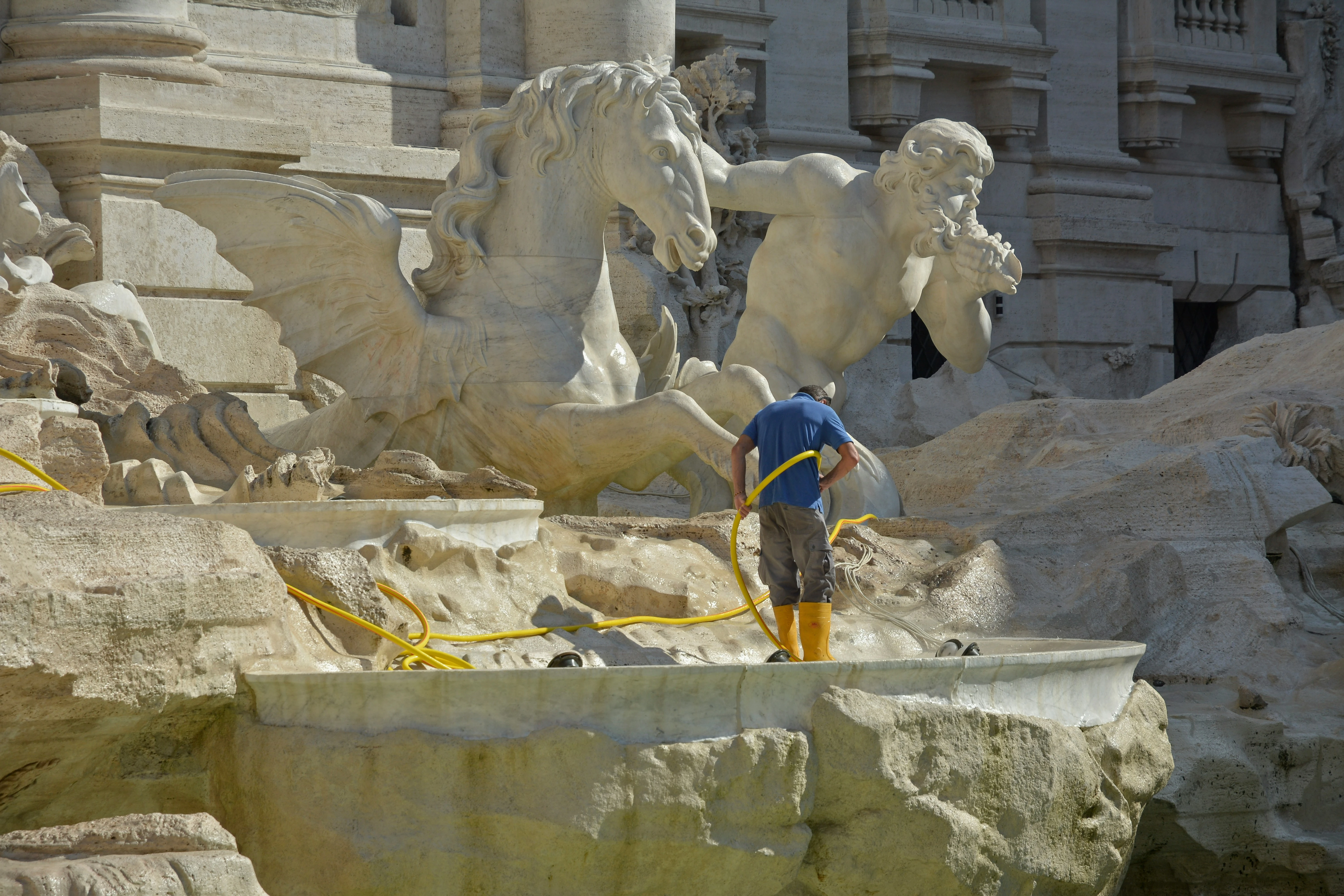
Entry and access to the edges of Trevi Fountain remains free for residents of the city of Rome, though they are still encouraged to book a slot during peak hours.
While the new system requires tourists to book a time slot and pay a nominal access fee, in order to reach the edge of the famous marble structure; access to the surrounding piazza remains free to walk through. The privilege of standing at the water’s edge now requires a reservation and digital ticket — a move city officials claim will transform a frantic tourist trap into a "meaningful, respectful experience."
How will the new ticketing process work for the Trevi Fountain?
- Visitors must book a time slot via a dedicated app or the official Rome tourism website.
- Once the €2 fee per person is processed, you will receive a QR code which will act as your ticket entry to the Trevi Fountain.
- The fountain’s lower basin is now cordoned off by discreet, low-profile barriers. Security personnel at designated "entry" and "exit" gates will scan QR codes.
- To ensure everyone gets a clear view and to limit uncomfortable crowds, access is limited to 30-minute windows.
- There are also new 'no-go' areas, as with the new fee comes new regulations banning eating, drinking, and sitting on the marble surrounding the fountain.
- If you're thinking of taking a dip, fines for "refreshing" yourself in the water (the famous La Dolce Vita move) have been increased to over €500.
You Might Also Like: All Aboard! Orient Express opens first hotel in Italy
Other Italian sites and destinations with a 'Tourist Tax'

In July 2023, Rome's Pantheon officially ended its millennia-long tradition of free entry, introducing a standard entry fee of €5 per person. While minors under 18 and residents of Rome continue to enjoy free access, and a reduced €3 rate is available for EU citizens aged 18 to 25, the move was primarily designed to manage the staggering influx of over nine million annual visitors.
Venice also officially introduced its long-debated pilot "Access Fee" (Contributo di Accesso) in April 2024, targeting day-trippers who visit the historic 'sinking' city without an overnight hotel reservation. During the initial 2024 and 2025 trial periods, the fee was set at a flat rate of €5 on specific high-traffic days, such as public holidays and peak weekends. The system has since transitioned into a permanent fixture and the pricing structure shifted to a tiered model: visitors who book their "digital pass" well in advance still pay the base rate of €5, while last-minute "walk-up" tourists are charged €10. Overnight hotel guests are exempt as they already pay a separate nightly stay tax.


Since December 2025, the local government of Verona officially introduced a mandatory fee of €12 for access to the Casa di Giulietta courtyard. Previously, the courtyard (where the famous balcony and statue are located) was free to enter, but extreme overcrowding, peaking at nearly 10,000 visitors a day, forced the city to implement a timed-entry ticket system to manage the flow and ensure visitor safety.
From February 2, 2026 there is a cost of €2 per person, to visit the Trevi Fountain
Open daily from 9am - 10pm, access to the fountains edge now only possible with pre-booked ticket
Book your time slot for the Trevi Fountain here