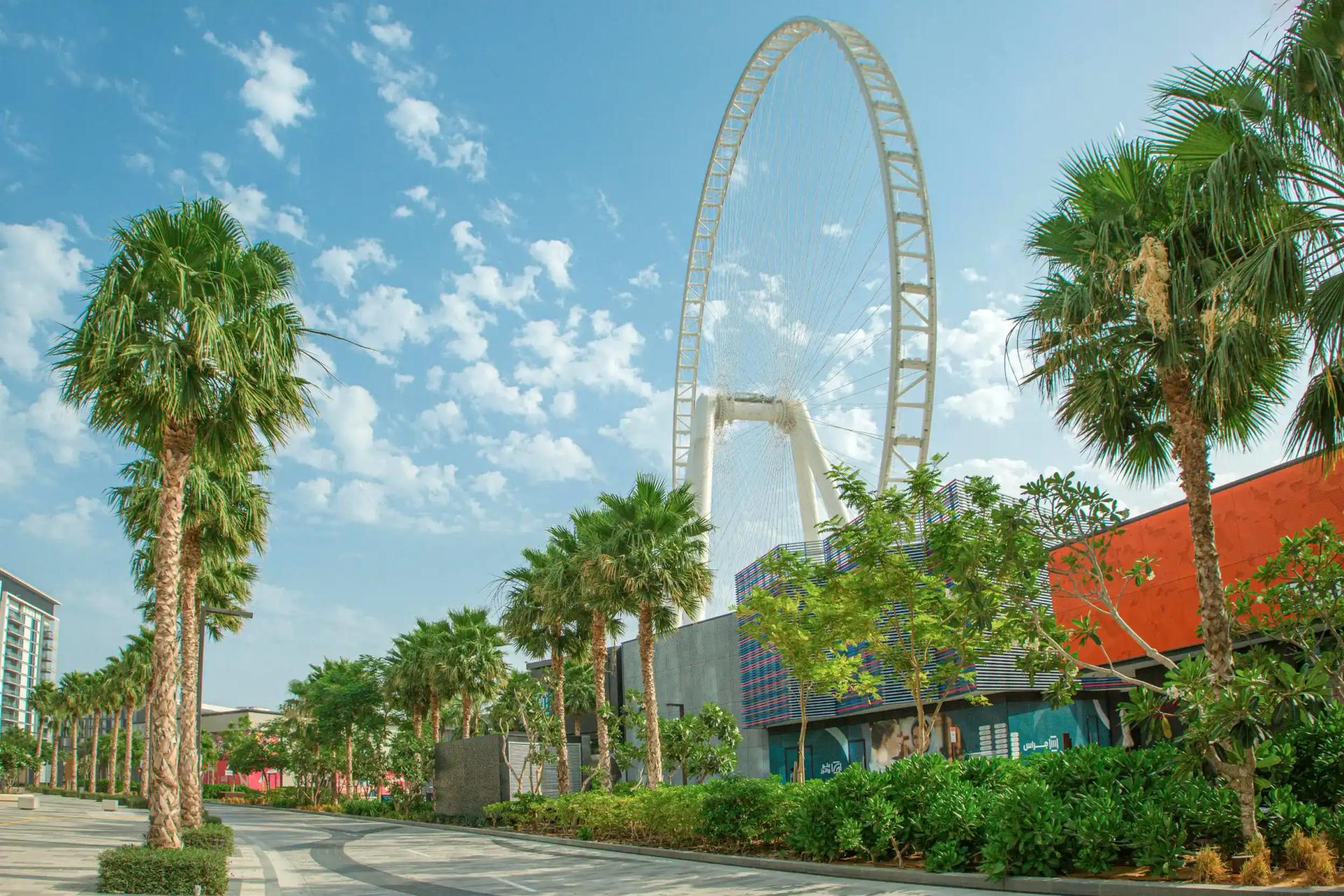





For a lot of first-time visitors, the biggest concerns about when to visit Dubai revolves around the weather. ‘Just how hot is it, really?’ visitors will ask, and the answer is, in summer, very hot – up to 50°C, and with humidity that is akin to being wrapped in a moist flannel.
But two very important things are forgotten in this narrative. Firstly, for nine months of the year the weather in Dubai is lovely. For six months, it is perfect. And secondly, this is an emirate that is built to deal with heat. Its air conditioning capacity will have you reaching for an extra blanket in an ice-cold cinema.
And as Dubai has matured from a winter sun alternative for well-heeled Brits to a global destination for everyone and anyone coming into its world-beating airports, timing has become all the more important for another reason – a packed events calendar. From boxing and mixed-martial arts to music and sport, Dubai has something for everyone.
What are the best months to visit Dubai?
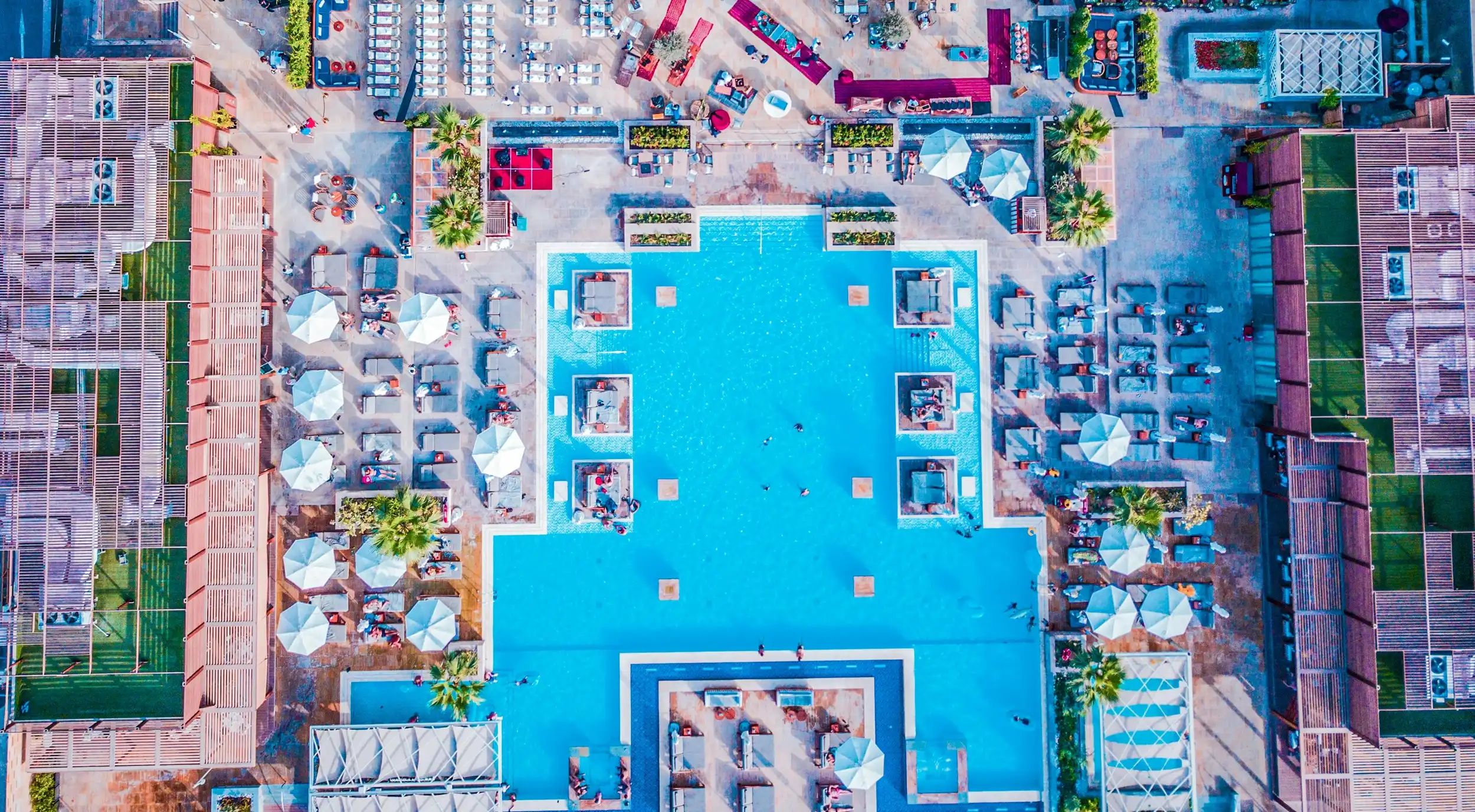
For the best weather, the best months to visit Dubai are November through February, and the absolute peak season is during the European Christmas and New Year’s holidays, when room rates will be sky high and the city will be full of foreign tourists.
The weather during the ‘winter’ months is akin to a perfect summer’s day, and is ideal for evening strolls, alfresco eats and parties on the beach, as well as for ambling around the souks and markets of Bur Dubai and Deira. It can be a little chilly at night so it is worth bringing a jacket or at least a hoodie, especially if you’re planning to camp out.
Around April and May, the temperature and humidity start to rise, but it is still great beach weather and many tourists choose these months as hotels tend to be emptier – and cheaper. The same applies for late September and October as the heat begins to subside.
How hot does it get in Dubai?
In the winter, day-time temperatures are usually in the mid to high 20s, while it can drop to 12-14 degrees at night (and colder in the desert). In the shoulder months it starts to get into the regular low 30s, perhaps even mid-30s as the summer descends.
In summer it gets hot, routinely 40 to 45 degrees in the day and not much cooler at night – recent years have seen the mercury rise to 50C. That, coupled with the 80-90% humidity by the coast can make Dubai difficult for anything other than lounging by a hotel pool. The sea, by about June, is so warm that you may as well cool off in a steaming hot bathtub.
When is the cheapest time to visit Dubai?
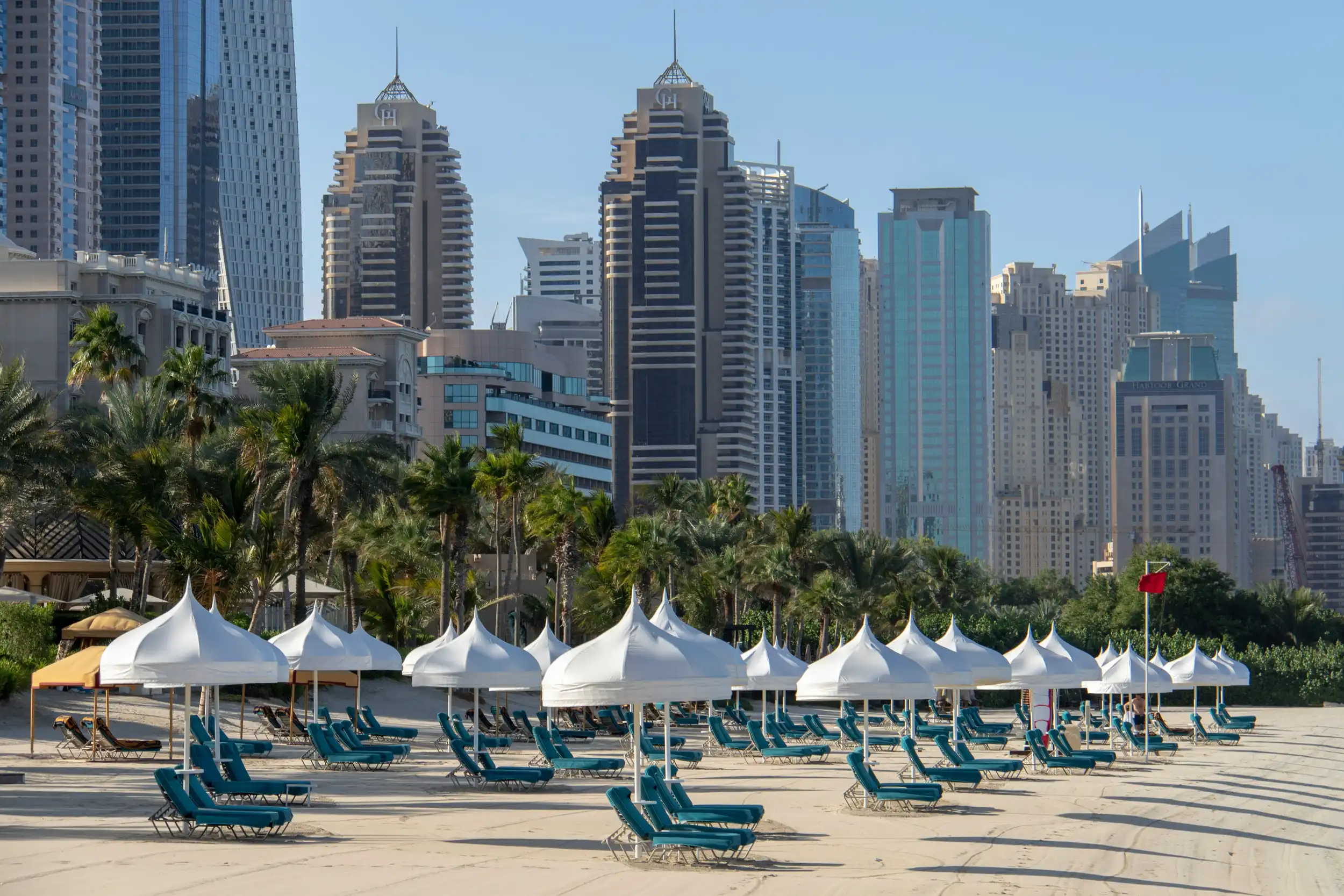
Fittingly, it is the summer months when Dubai is cheapest, and if you are simply looking for a high-end beach hotel and are comfortable with extreme heat, this is hands-down the most affordable time to go. Many of the smaller hotels close during the summer months, and the city’s expatriate residents flee to Europe (as do many of the locals that can afford it).
But outside the European school holidays and during the shoulder months, travellers may also be able to find a bargain, especially in hotels outside of the hotspots – in the north of the city, for example. It can also be cheaper to visit during Ramadan, but significant caveats apply (see below).
Top festivals and events in Dubai
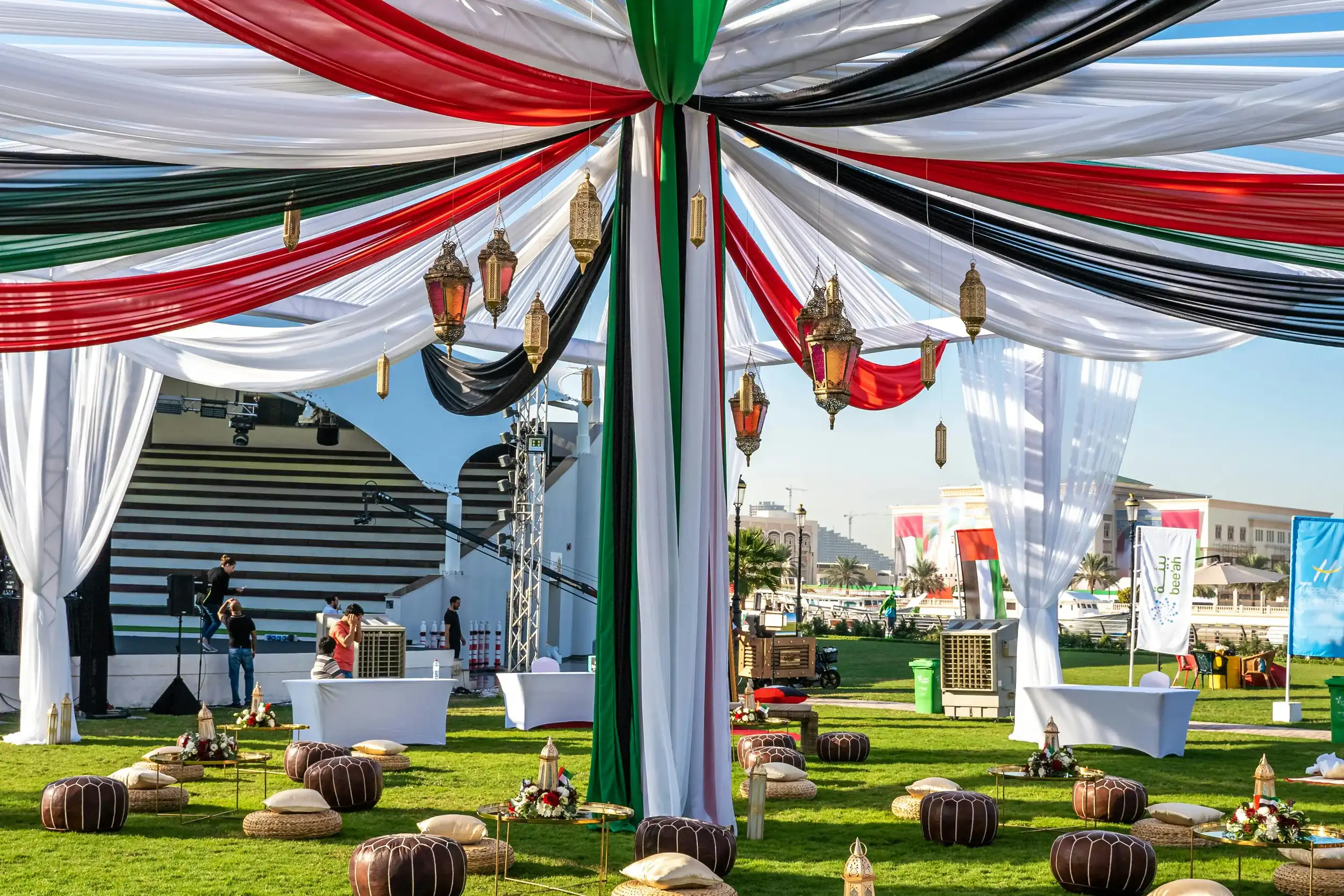
Earlier in December is UAE National Day, when the roads of the emirate throng with locals out honking their horns and waving flags, which can be quite a spectacle. Eid al-Fitr and Eid al-Adha are also major events in Dubai and bring a huge amount of regional tourists.
For cultural events, the Emirates Airline Festival of Literature, usually held in January, is growing in magnitude, while Art Dubai also provides a showcase for international and local art during April.
November through March are when the bulk of festivals and events are held, including the Dubai Shopping Festival (December and January) and the Dubai Food Festival (February/March).
Finally, sporting events include the Dubai World Cup (March in 2026) and the Dubai Marathon (February), the latter event offering a $250,000 prize for the winner and a staggering $1 million for anyone who manages to break a world record. Less well known events include the annual ‘Swim the Burj’ a sea-swimming race around the Burj al-Arab.
Visiting Dubai during Ramadan
Ramadan shifts each year (based on the lunar calendar) and in 2026 will fall in February.
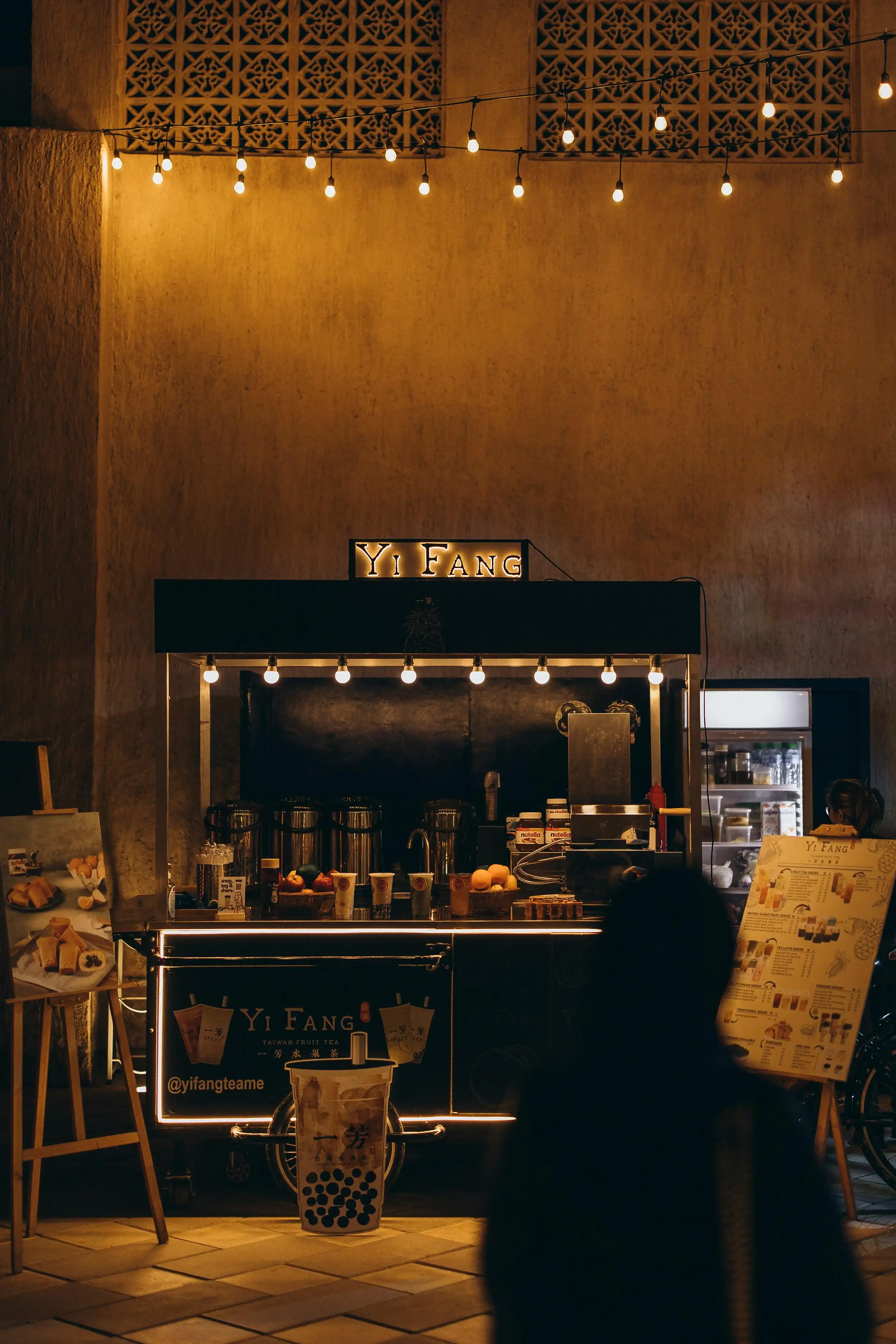
For Muslims travellers, the country can be a wonderful place to spend the holy month, with Iftars and prayers at the local mosques, night markets, and suhoor tents. But for non-Muslims that are not fasting, Ramadan means most restaurants outside of major hotels are closed during daylight hours and eating and drinking in public is considered disrespectful; a lot of shops and attractions will close.
Eid, the end of Ramadan, is an amazing time to be in any Muslim country – the UAE included – but is also perhaps the most expensive time to travel to Dubai.