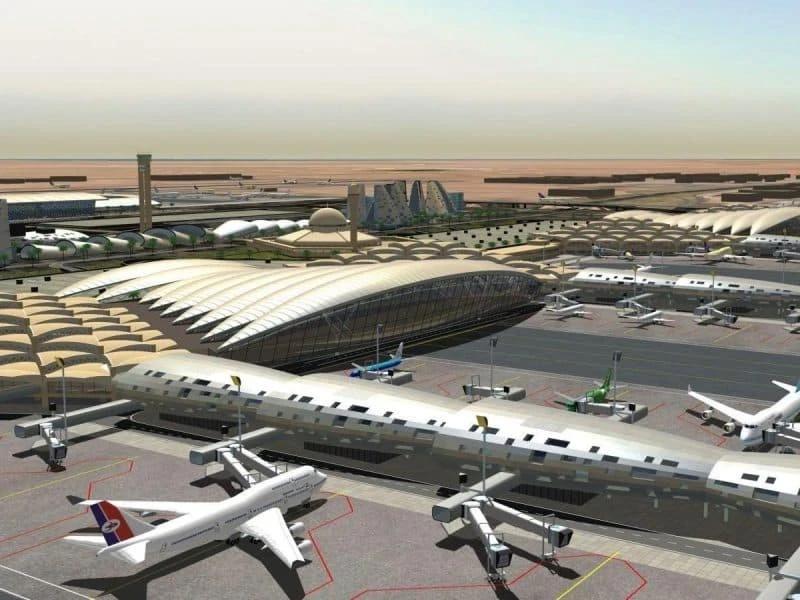
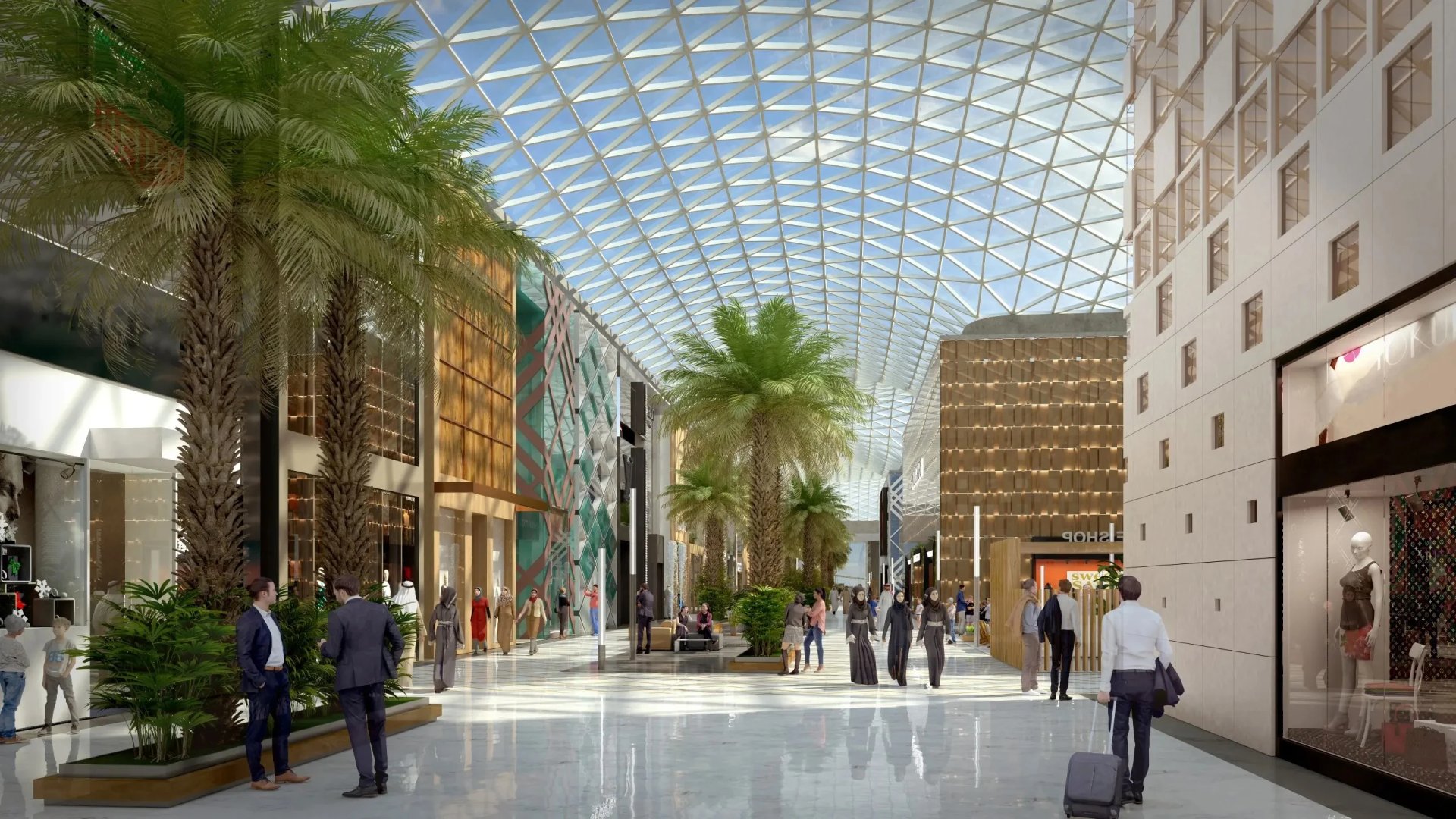



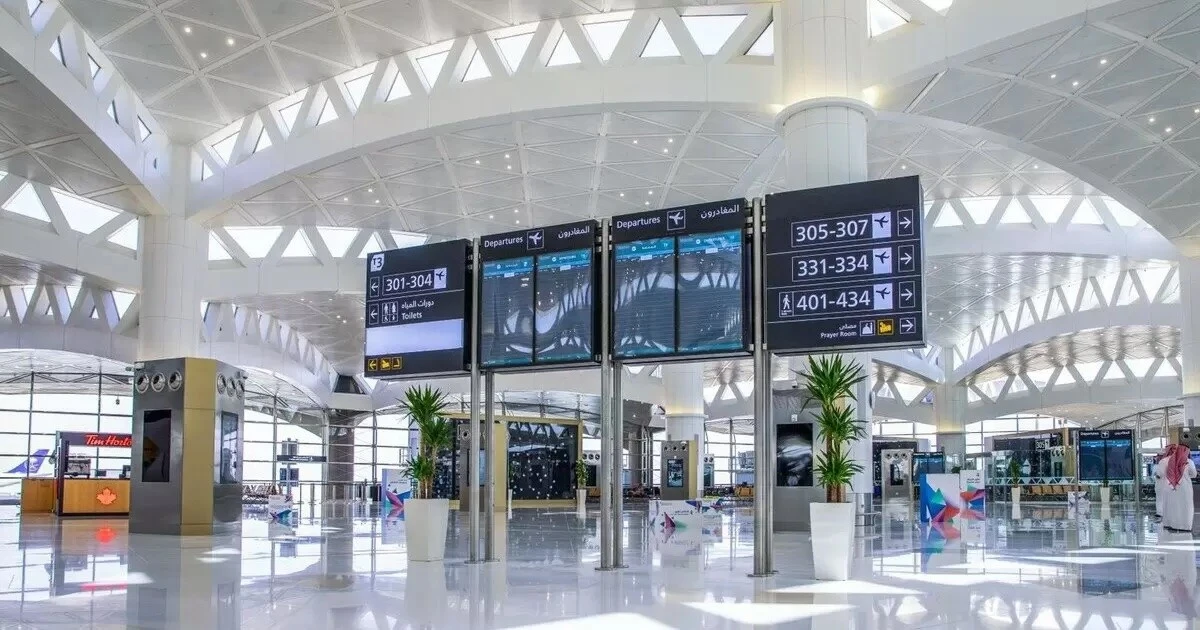
Riyadh is reinforcing its position as a global aviation powerhouse with the official inauguration of the newly expanded and revamped International Terminal 2 at King Khalid International Airport (KKIA).
Officially opened on January 25, 2026, by the Emir of Riyadh, Prince Faisal bin Bandar bin Abdulaziz, the project marks a pivotal moment in Saudi Arabia’s journey toward becoming a world-leading hub for tourism, trade, and logistics. The completion of Terminal 2, alongside the comprehensive renovation of Terminal 1, showcases the investment into the Kingdom's aviation infrastructure, designed specifically to meet the skyrocketing demand for travel to the Saudi capital.
Supporting & Responding to Growing Visitor Numbers
The expansion of KKIA is more than just an engineering feat; it is a critical engine for the Kingdom’s tourism sector. In 2024, Saudi Arabia welcomed over 116 million domestic and international tourists, surpassing its original 2030 target seven years ahead of schedule. By 2025, that number grew to over 122 million, with tourism spending reaching SAR 300 billion ($80 billion).
As Riyadh prepares to host major global events — ranging from the World Expo 2030 to the 2034 FIFA World Cup — the opening of Terminal 2 provides the necessary capacity for the growing numbers of visitors. By increasing international connectivity to over 172 weekly destinations, the airport facilitates the influx of global visitors eager to explore the Kingdom’s heritage sites, such as Diriyah, and its burgeoning luxury entertainment offerings.
The opening of Terminal 2 is a significant milestone within the broader Saudi Aviation Strategy, which aims to triple annual passenger traffic to 330 million by 2030. While Terminal 2 modernises Riyadh's current gateway, it also paves the way for the eventual transition to the massive King Salman International Airport, which is set to become one of the world’s largest aviation hubs.
You Might Also Like: Saudi Arabia becomes the world’s fastest growing tourism titan
Increased Capacity and Modern Infrastructure
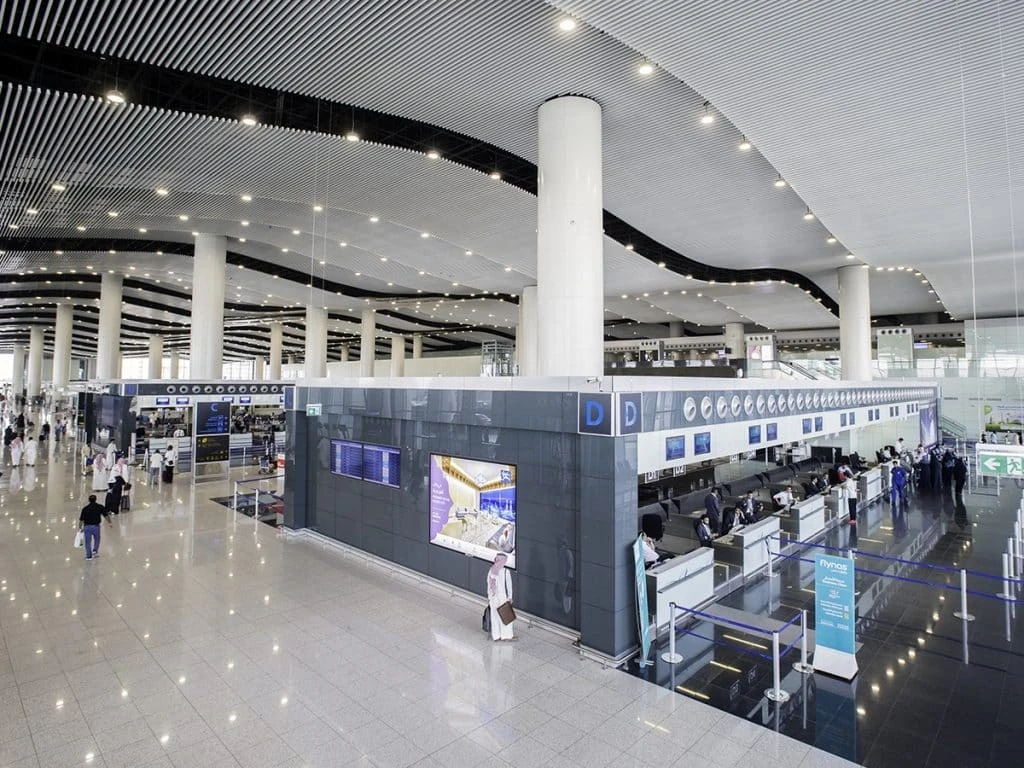
The redevelopment has dramatically transformed the airport’s operational capabilities.The combined annual capacity of Terminals 1 and 2 has surged from 6 million to approximately 14 million passengers — a staggering 130% increase.
To ensure a seamless passenger journey, the new terminal features:
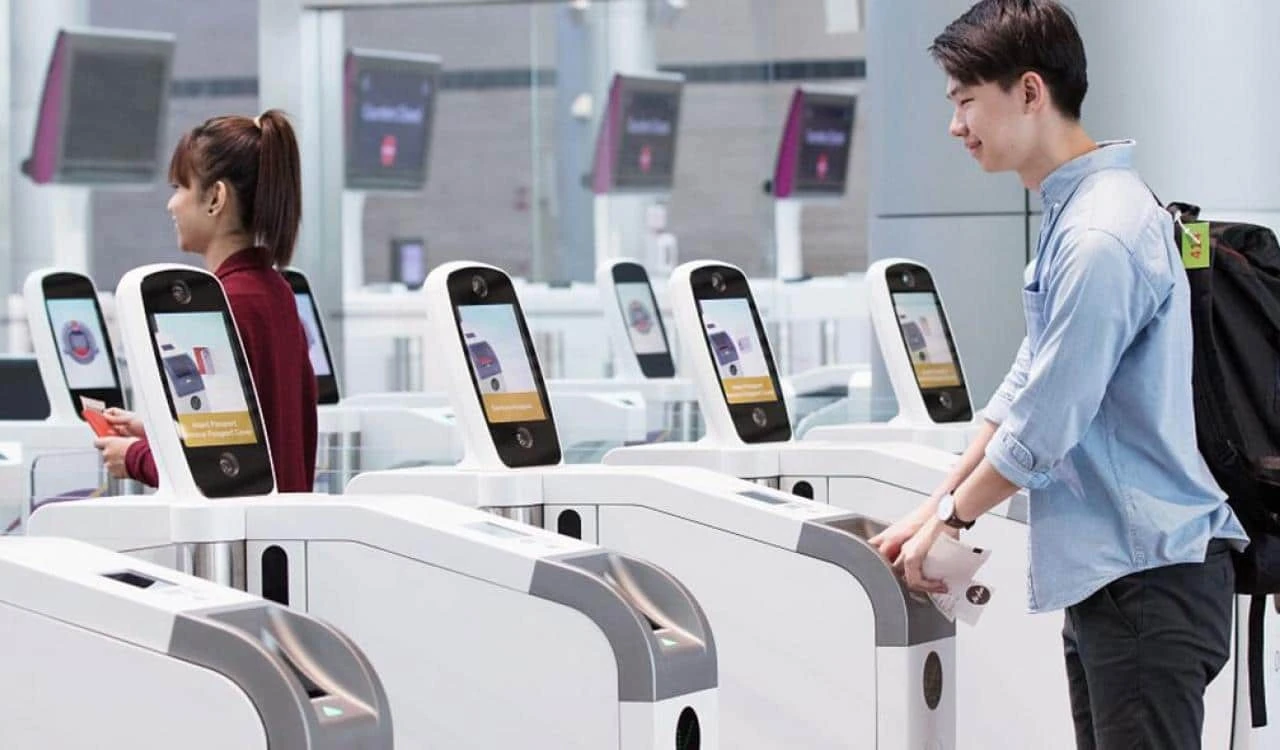
- Check-in & Immigration: 114 check-in counters, 43 passport control counters, and 20 advanced e-gates in the departure area.
- Arrivals Efficiency: 75 passport control counters, 22 e-gates, and 8 state-of-the-art customs screening machines to minimise waiting times.
- Strategic Allocation: The opening of the new terminal will allow the airport operations team to streamline operations; Terminal 1 is now designated for international flights by low-cost carrier Flynas and fFyadeal, while the new Terminal 2 is set to serve as the international hub for national carriers Saudia and soon-to-launch Riyadh Air