They say that true icons do not simply endure — they evolve. There are buildings that define cities, and then there is the Burj Al Arab.
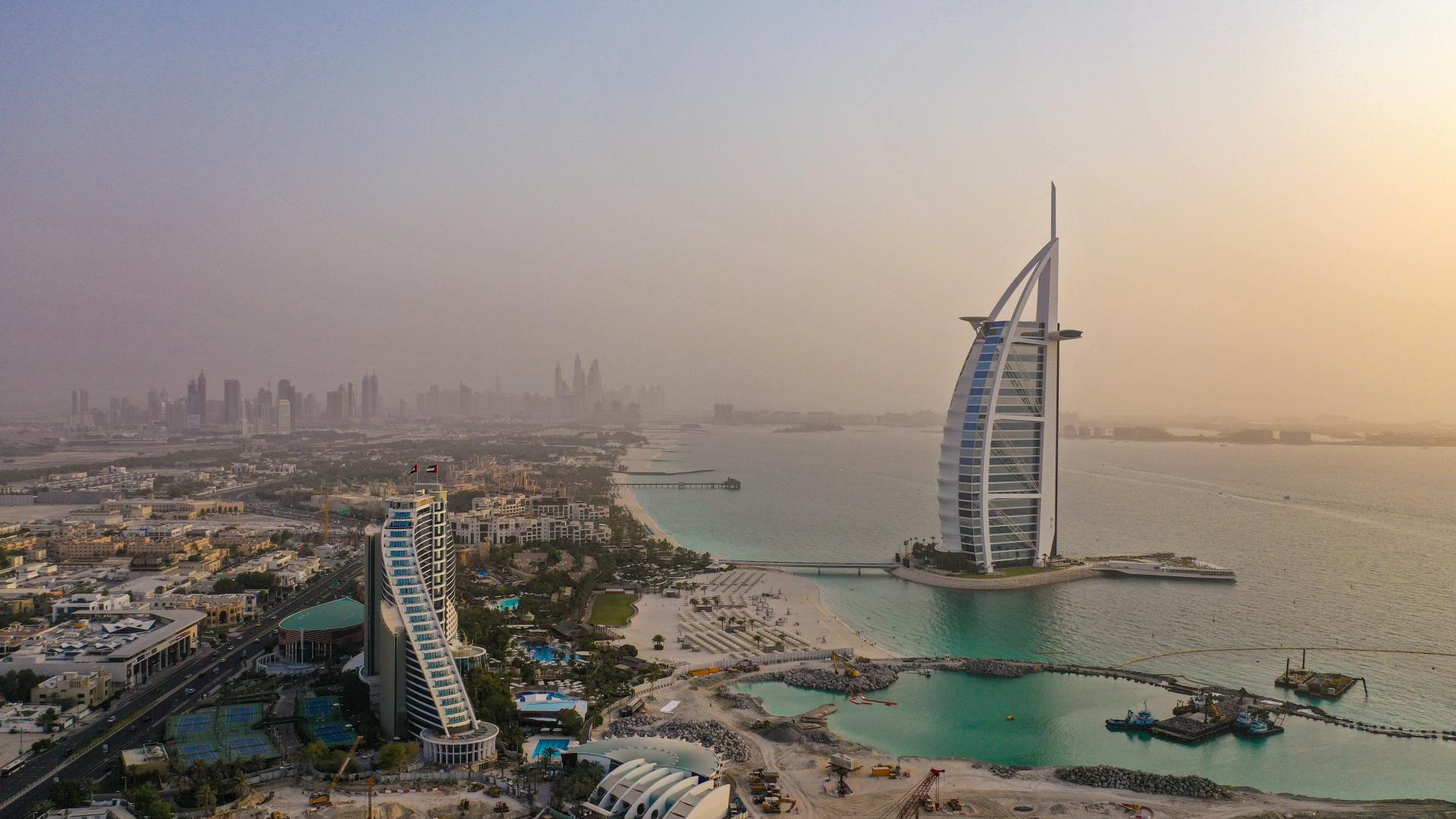
Since December 1999, the sail-shaped silhouette of the Burj Al Arab has been the defining image of modern Arabian ambition. And this week, it was confirmed, following months of industry rumblings and rumours, that Jumeirah has entrusted the legendary Burj Al Arab's first-ever restoration to Paris-based interior architect Tristan Auer — the man who breathed new life into the Hôtel de Crillon in Paris. But, the message is unambiguous: this is not a renovation. This is the careful, exquisite work of an artist returning a masterpiece to its fullest glory.
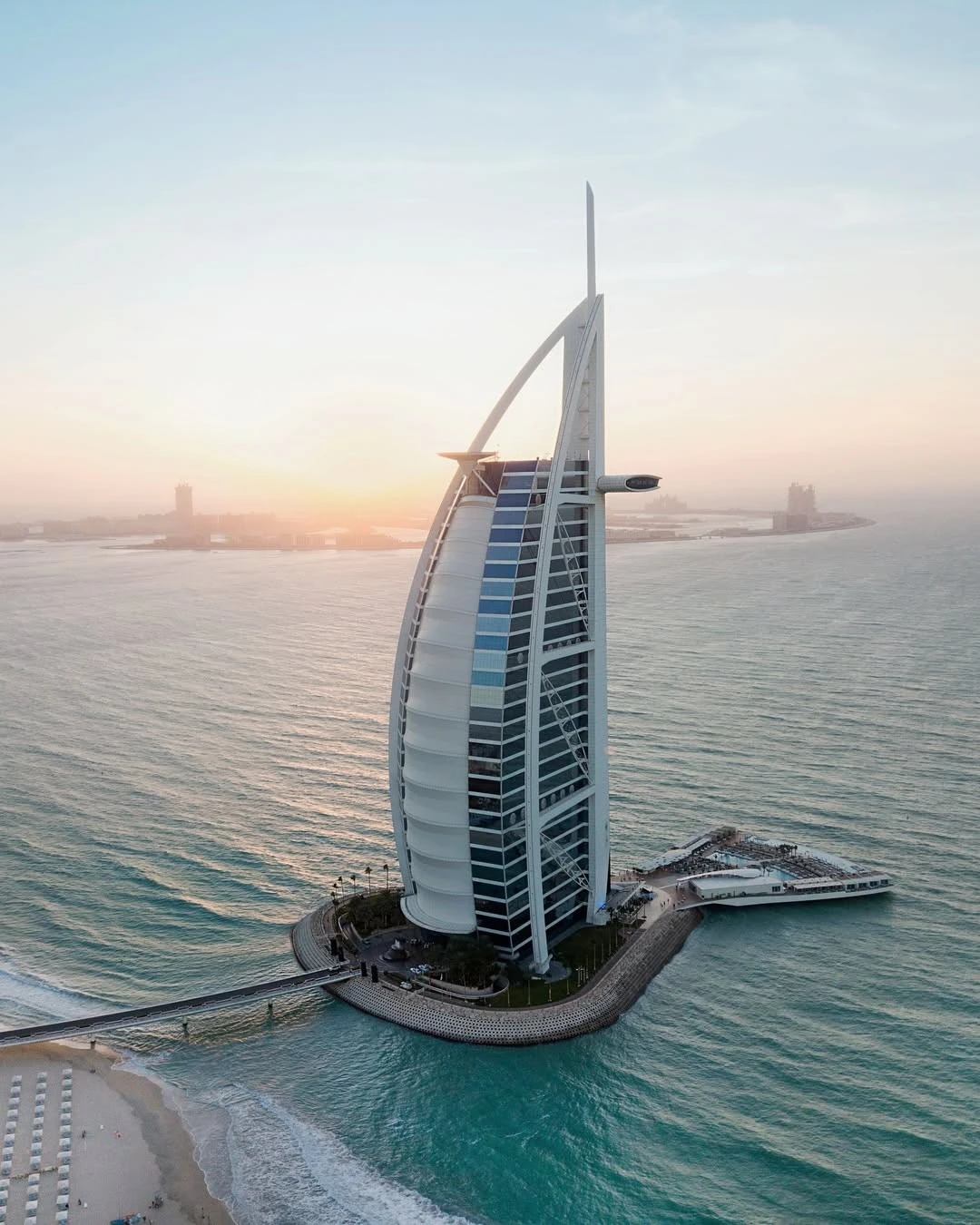
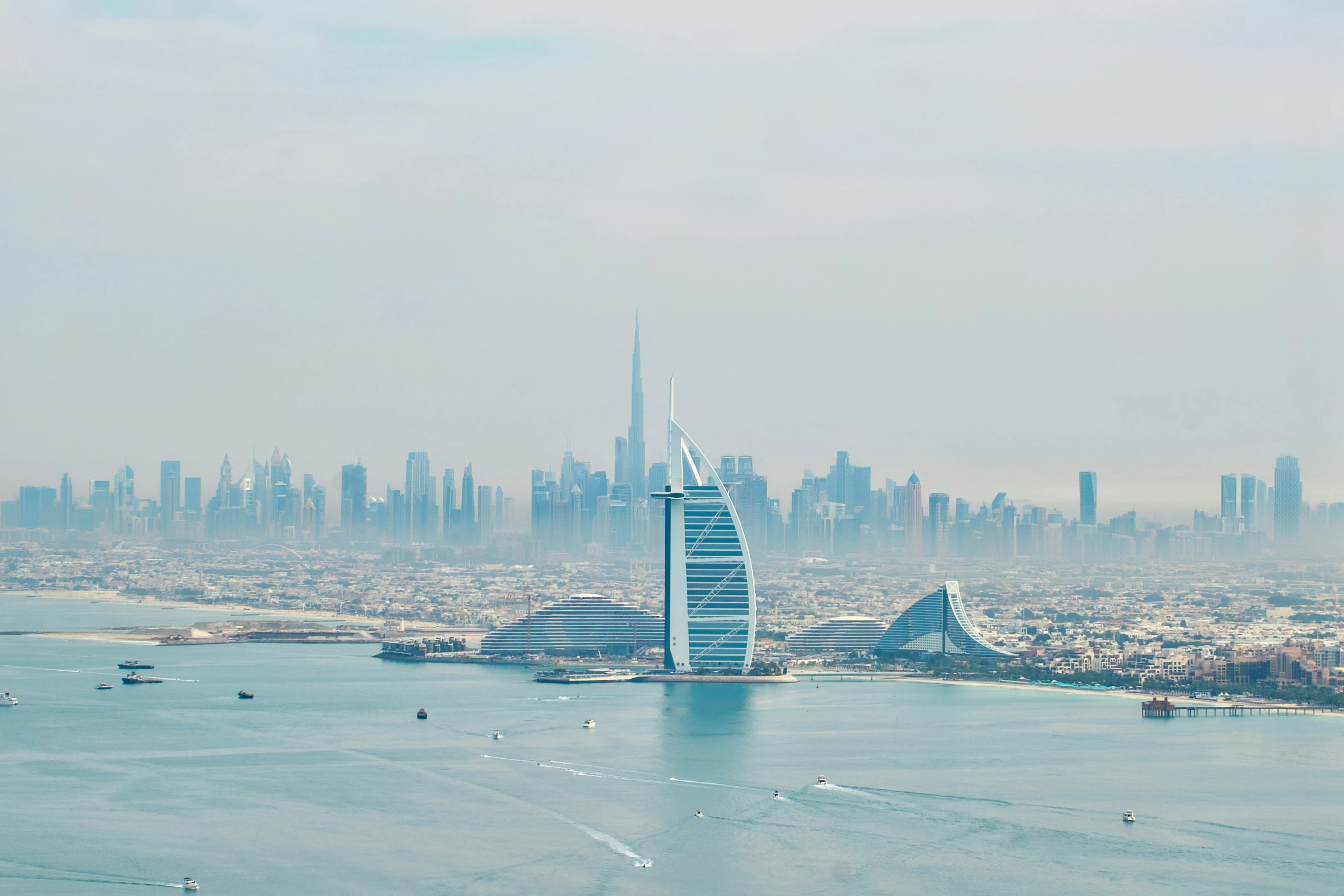
Since it rose from its man-made island off the coast of Jumeirah, the hotel's billowing dhow-sail has become perhaps the most enduring and recognisable symbol of Dubai, and of a region, that dared to reinvent and reimagine what luxury hospitality could be. Rising 321 metres over the Arabian Gulf, swathed in marble, gold leaf, and Swarovski crystal, the hotel declared to the world that this corner of the Arabian Peninsula intended not merely to join the table of global luxury, but to lead it.
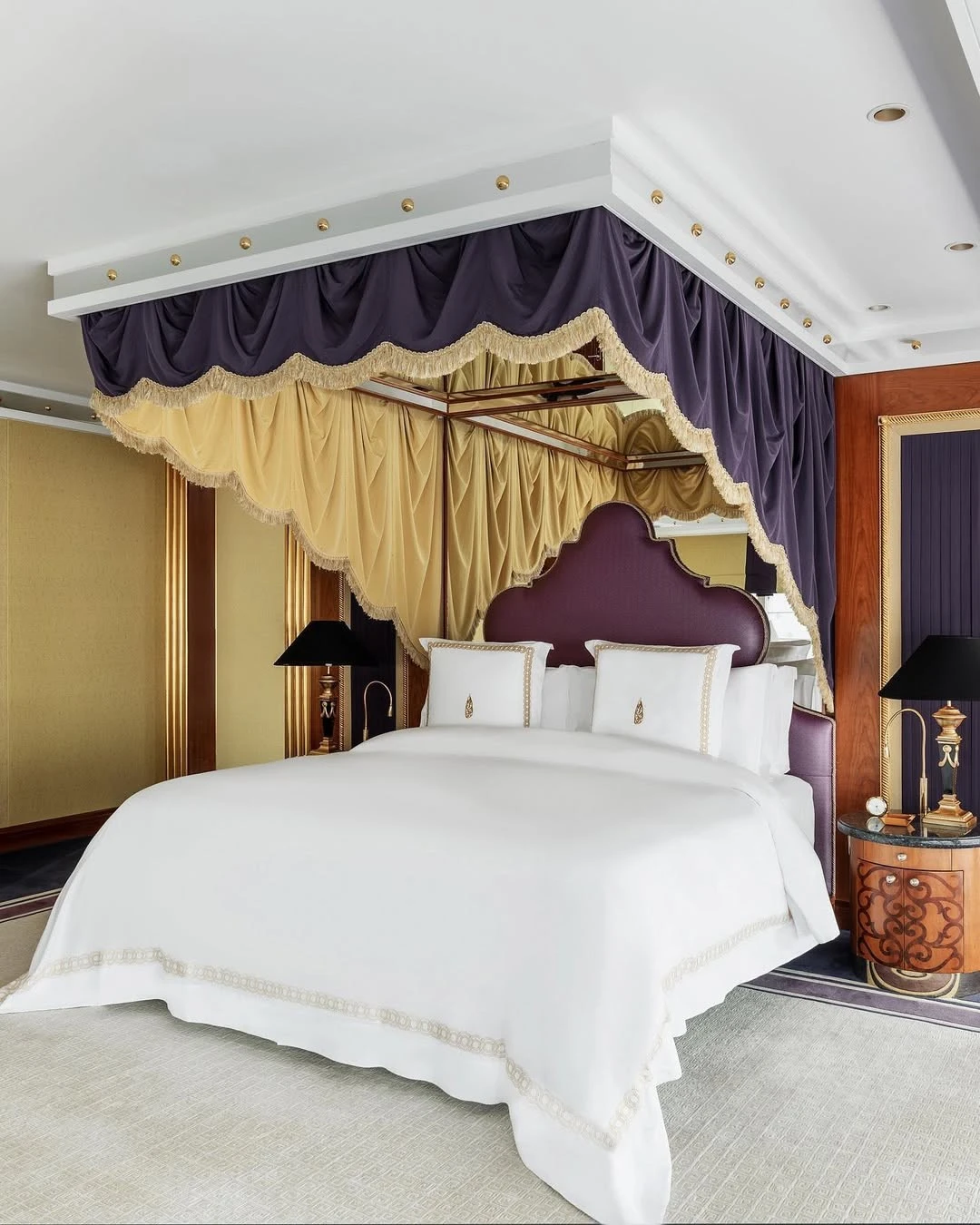
And so the news, announced by Jumeirah on 15 April 2026, carries the particular weight of history: the Jumeirah Burj Al Arab is closing.
Not permanently, and not without purpose — but for the first time since its doors opened more than a quarter of a century ago, the property is to undergo a comprehensive, phased restoration that will last approximately 18 months. This is a moment to be remembered, it is, by any measure, the most significant moment in the hotel's storied existence since the day it first welcomed guests.
A Restoration, Not a Renovation
Jumeirah has been deliberate in its choice of language. This is not a renovation — a word that implies something broken, something needing correction. It is a restoration: the careful, considered work of returning a great work of art to its greatest possible expression. The distinction matters, and the approach to this project mirrors this difference. Every element of the renovation strategy has been developed, Jumeirah states, through long-term planning, following more than 25 years of continuous operation — this is a considered, unhurried decision.
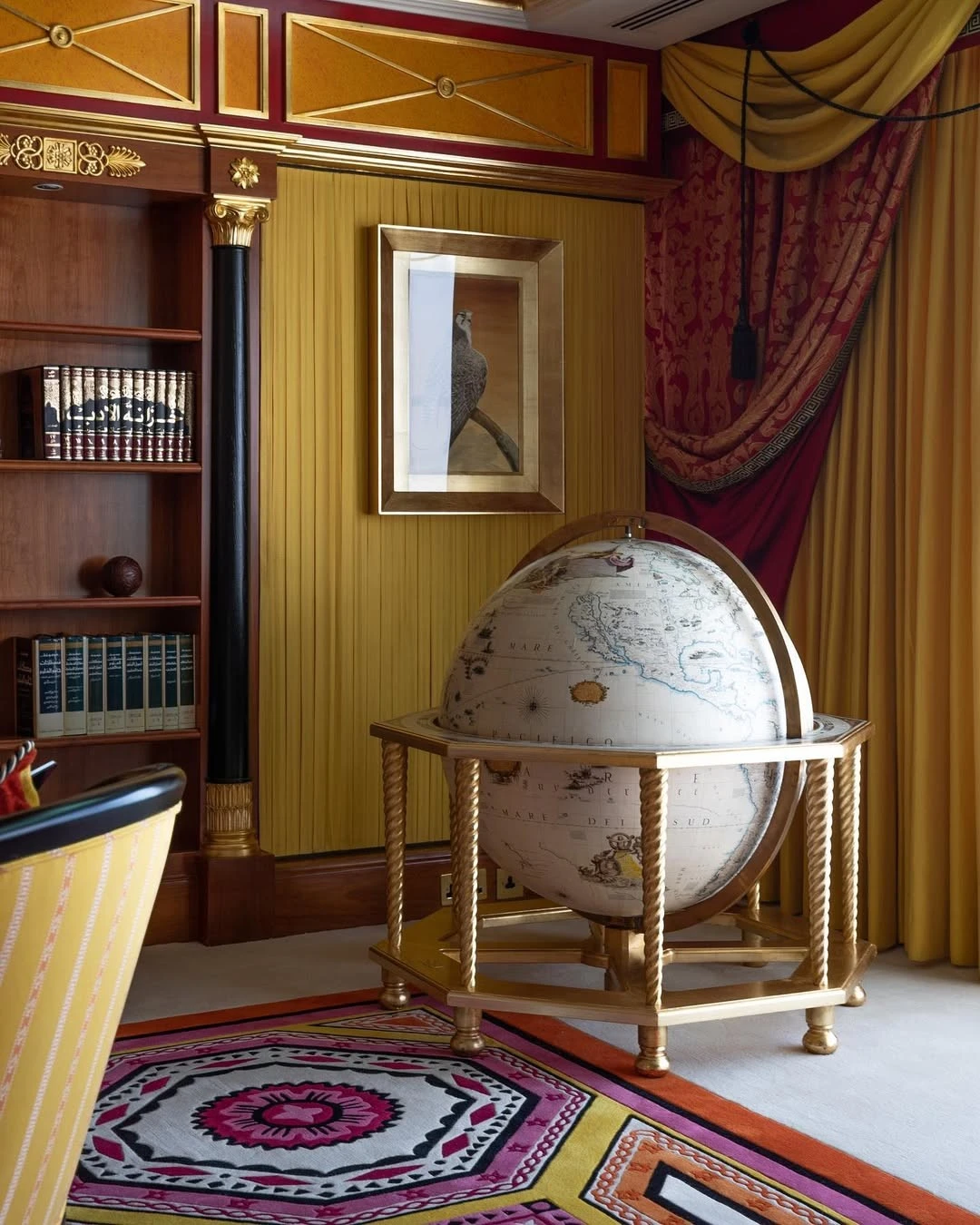
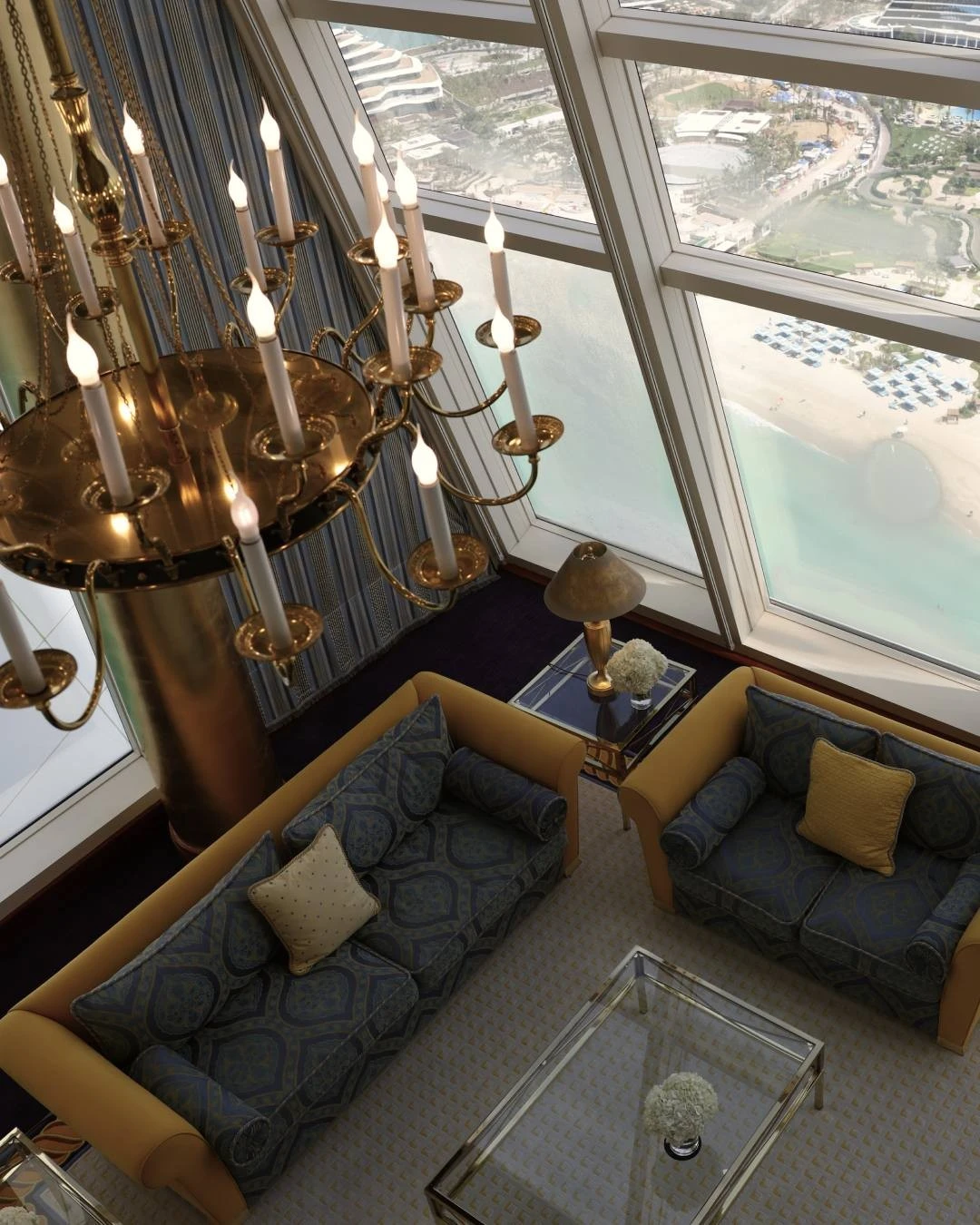
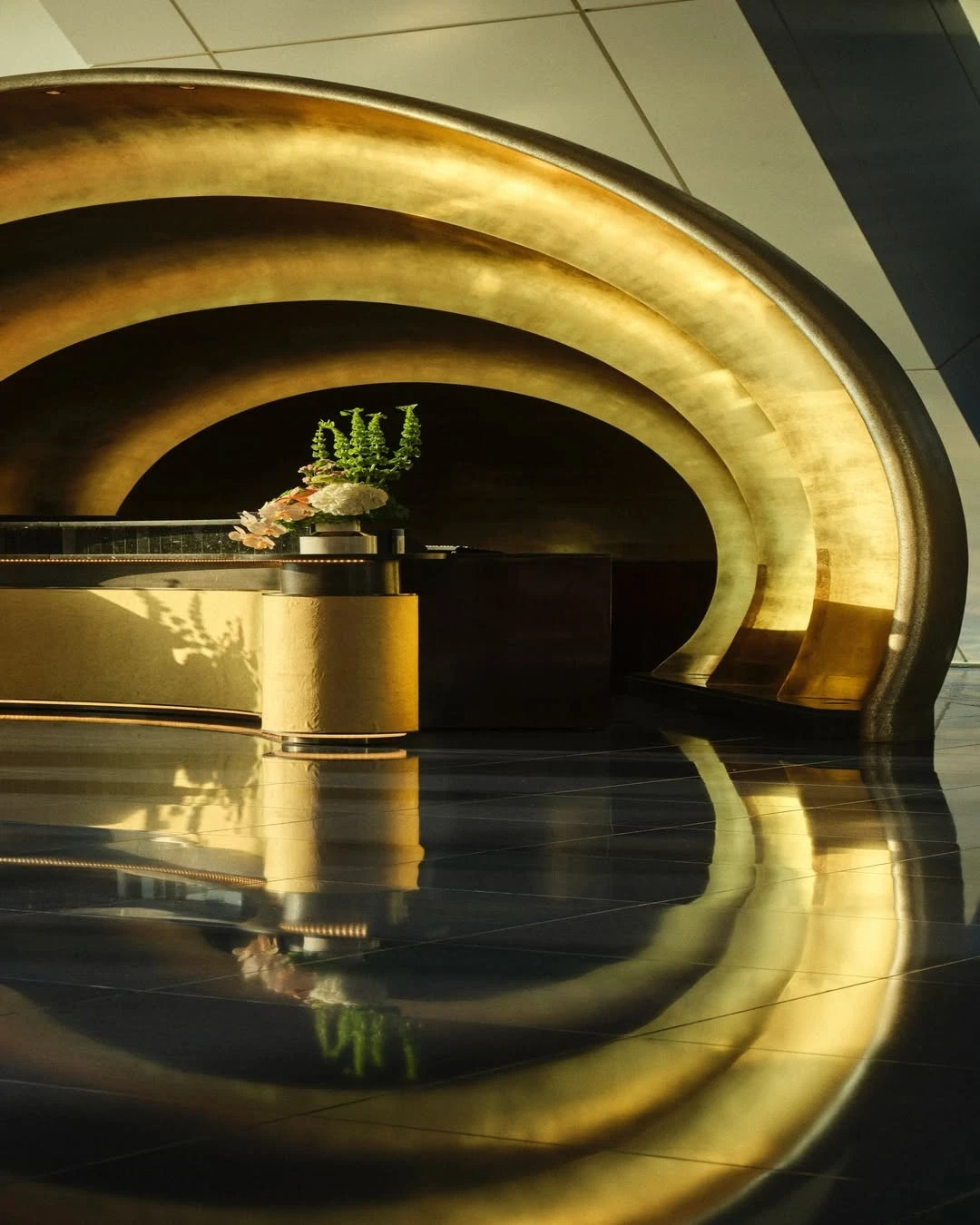
The scope of the work is set to be sweeping. Every space within the hotel — the grand suites, the celebrated restaurants, the leisure facilities — will be refreshed and elevated. Yet the guiding principle is preservation as much as transformation: the Burj Al Arab's iconic character, its exuberant opulence and its deep sense of place within the Gulf, will not to be diminished but deepened. The hotel's famous 210-crystal chandelier, its acres of hand-laid marble, its gold leaf detailing, these elements will not to be swept aside but are slated to be honoured, restored to a brilliance worthy of their original jaw-dropping ambition more than 25 years ago.
The Architect Leading the Transformation
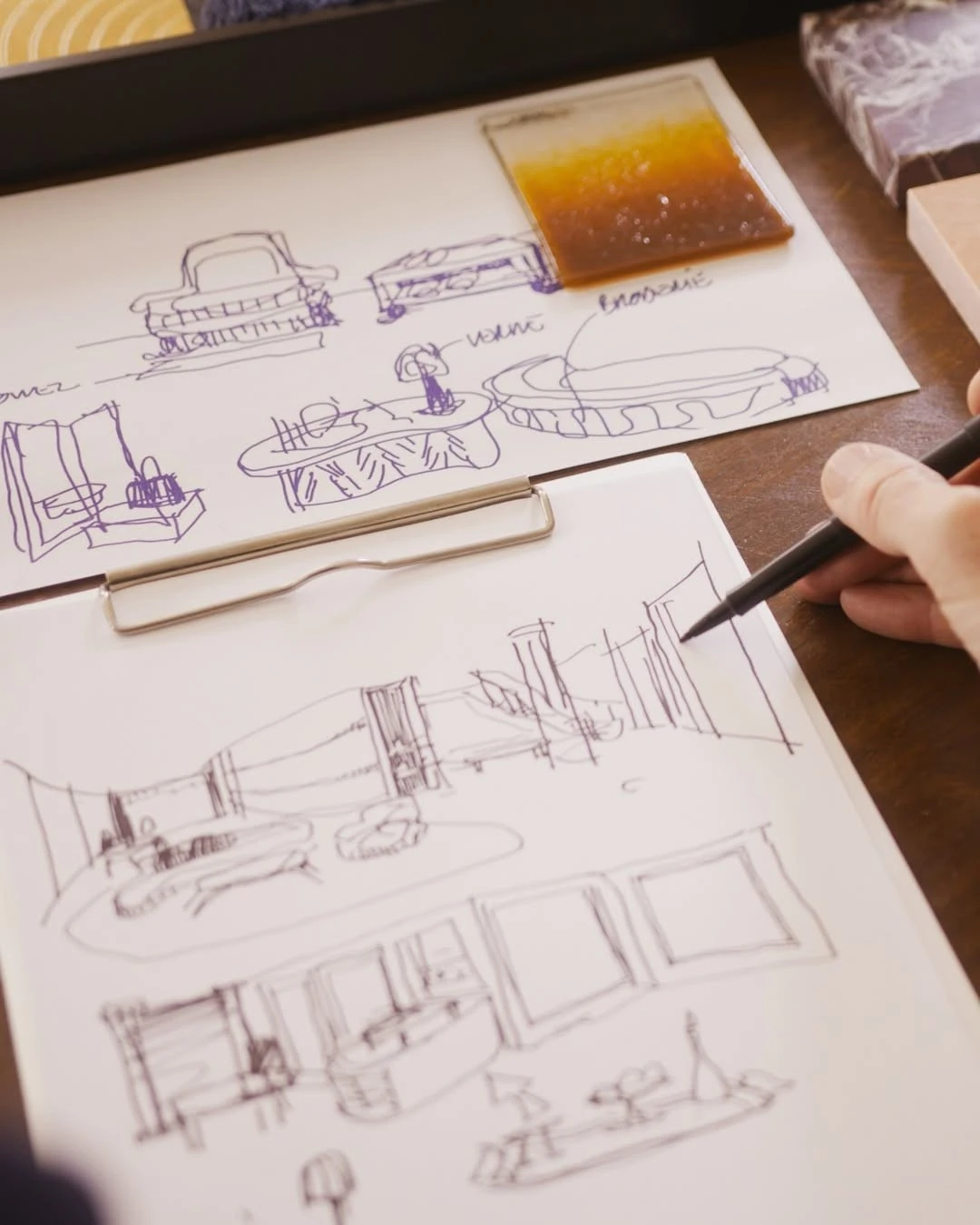
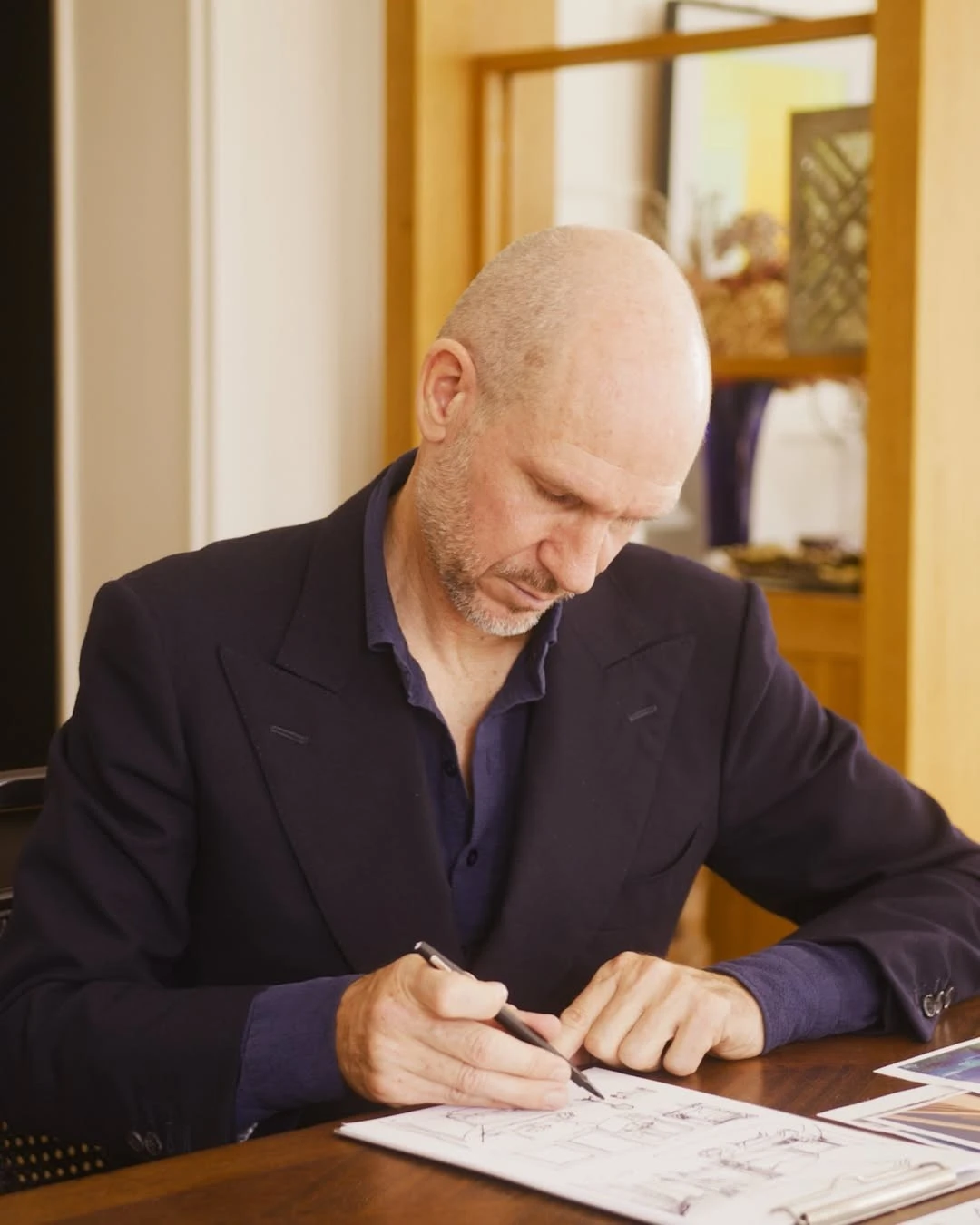
To lead this endeavour, Jumeirah undertook what it describes as a strategic and rigorous selection process, ultimately entrusting the project to Paris-based interiors architect Tristan Auer. To the wider hospitality and architecture industry, this decision and selection of Auer to lead this project, speaks volumes about the level of sensitivity and intelligence the programme demands.
Auer's reputation in the world of high-end hospitality restoration is formidable. His work on the Hôtel de Crillon, the storied 18th-century Parisian palace on the Place de la Concorde, established him as one of the foremost practitioners in the extraordinarily delicate art of renewing a landmark without diminishing it. That project, which ran to a reported €176 million and took four years of painstaking work, transformed the Hôtel de Crillon into what many now consider the finest palace hotel in Europe, while leaving its soul entirely intact.
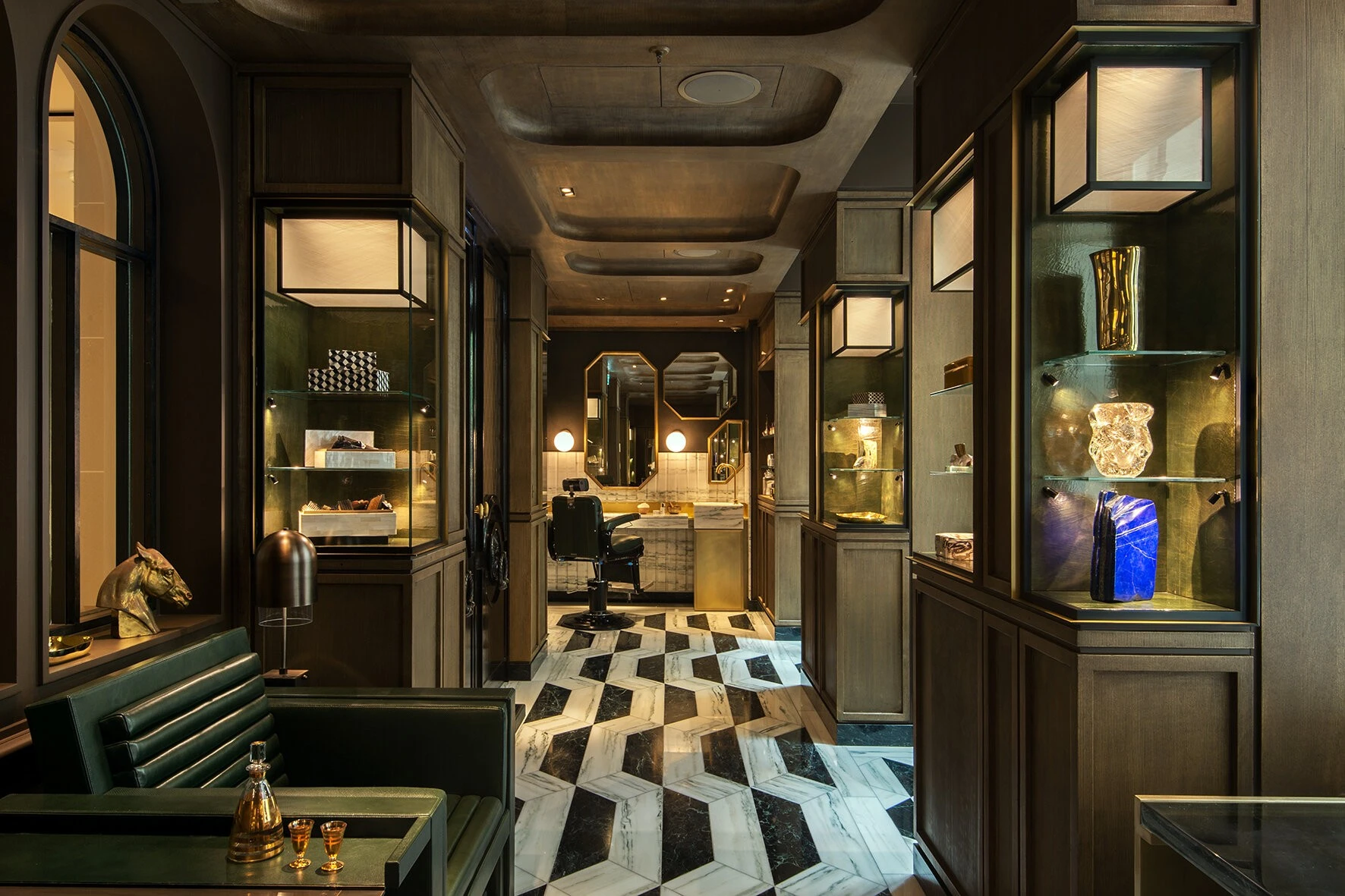
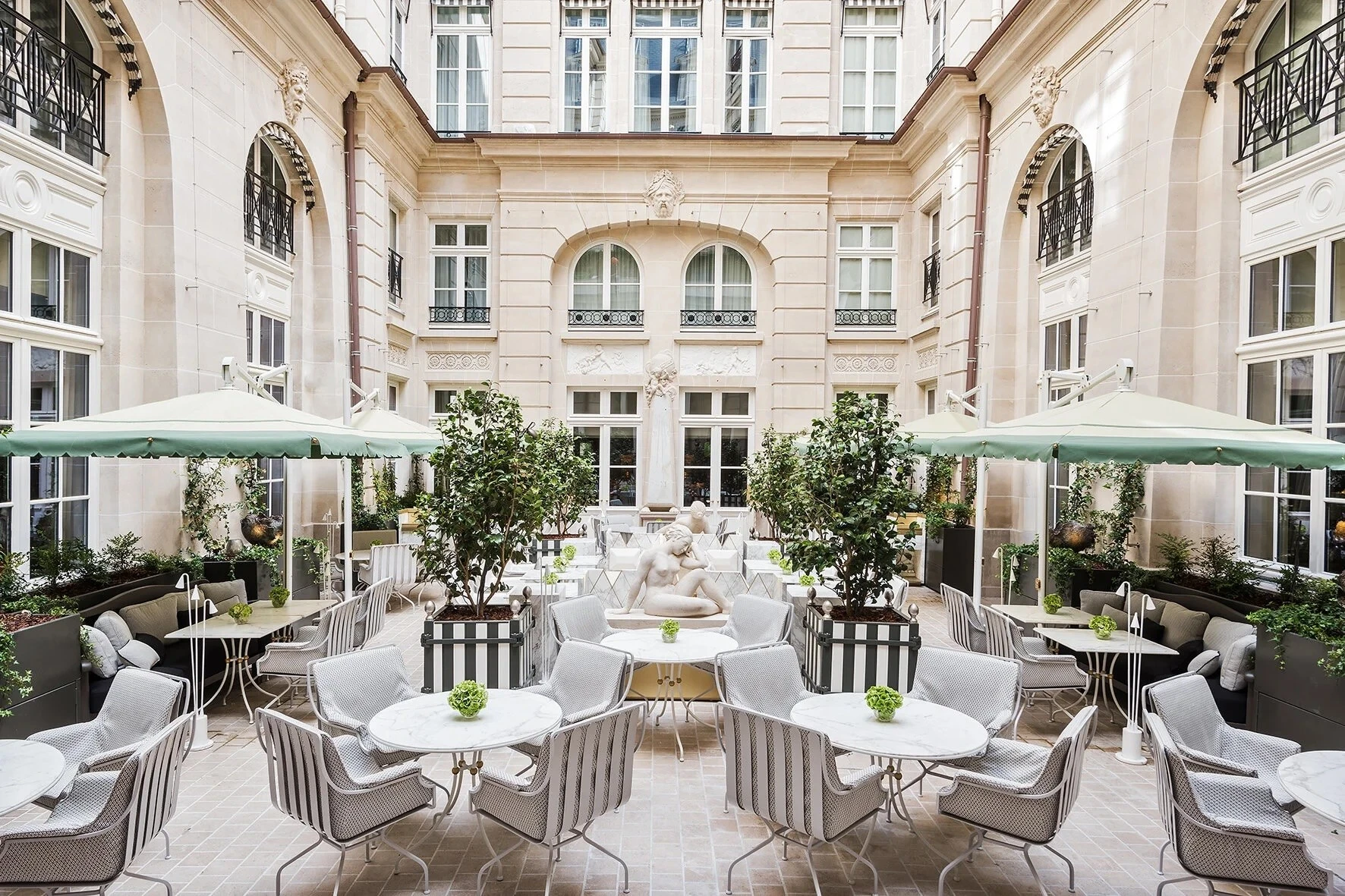
With a design philosophy built on a principle, ethos and confidence that resonates with the imposing and internationally recognised identity of the Burj Al Arab. Auer has long-argued that luxury is no longer about the conspicuous display of wealth and expense, but is now about spaces that speak to guests. Luxury is now a bespoke and considered experience, designed for each individual rather than a sweeping white-wash of 'this is what luxury is'.
"People are not interested in luxury products but in luxury moments," Auer has said. "When you build something in hospitality, it's a legacy for the future that provides memories and experiences for the guests." This idea of luxury is a philosophy that aligns seamlessly with the sensibilities of the discerning Gulf traveller; the guest who does not need to be told something is expensive, but who wants to feel that this moment and experience was made for them, and them alone.
Re-Introducing an Icon (to the Next Generation)
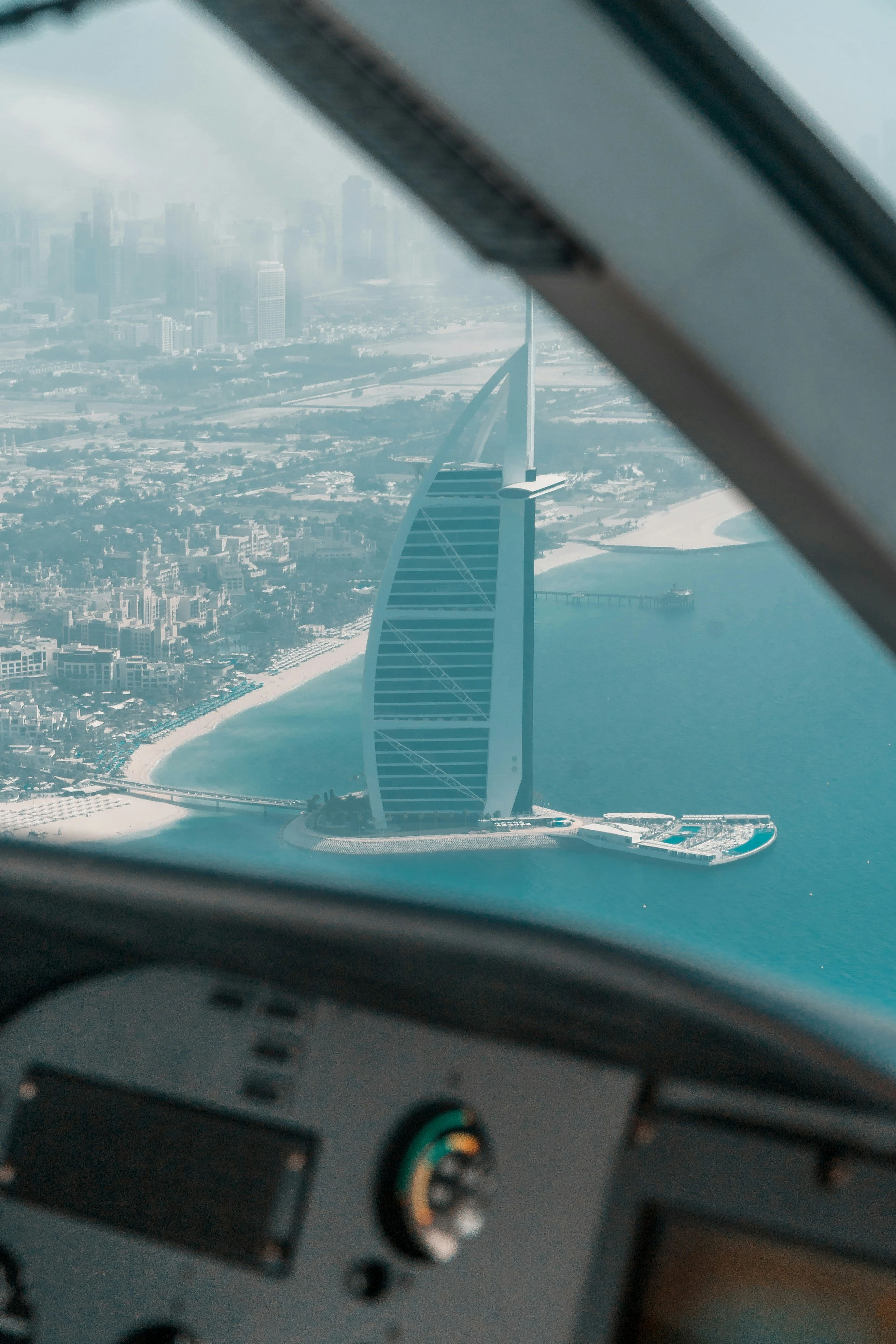
For Saudi travellers, UAE residents and those across the wider Gulf, the Burj Al Arab has long held a singular place in the imagination of luxury travel. It was, for an entire generation, the destination or the benchmark against which all other hotels were measured, the address that announced both the wealth of the region, put it on the map as the ultimate in high-end hospitality and solidified the region's relentless ambition to lead the world in luxury stays.
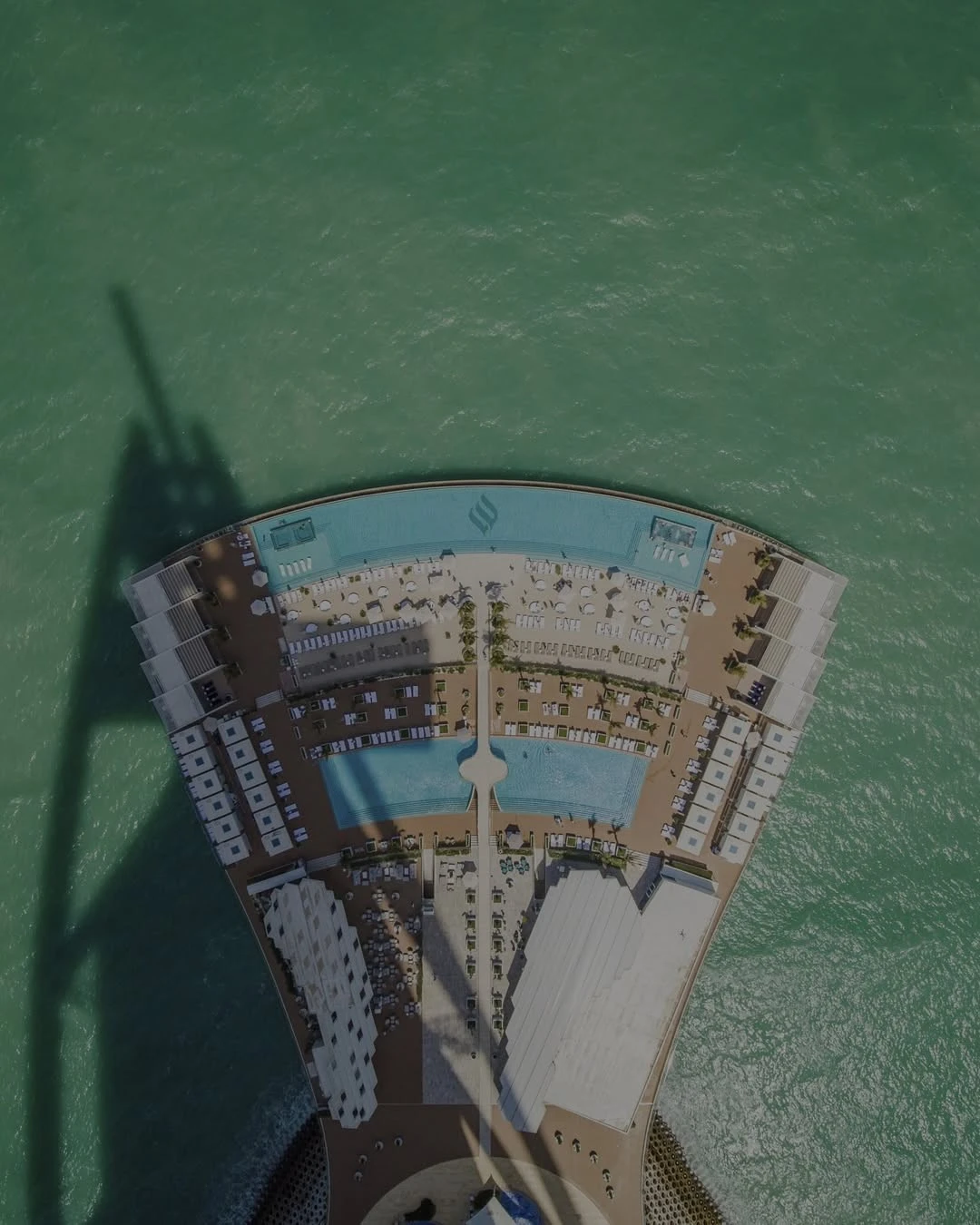
The Burj Al Arab's helipad became a stage for some of the most memorable spectacles in sporting history, from the legendary Roger Federer and Andre Agassi tennis match in 2005 to the specially designed Red Bull plane landing on the 27-metre wide platform after two years of planning and testing. Suspended 212 metres above sea level, the helipad, projected out from the building has been the location of numerous celebrations, exhibitions and internationally followed stunts that cemented the hotel's identity as more than a place to stay, but a place where the extraordinary is expected.
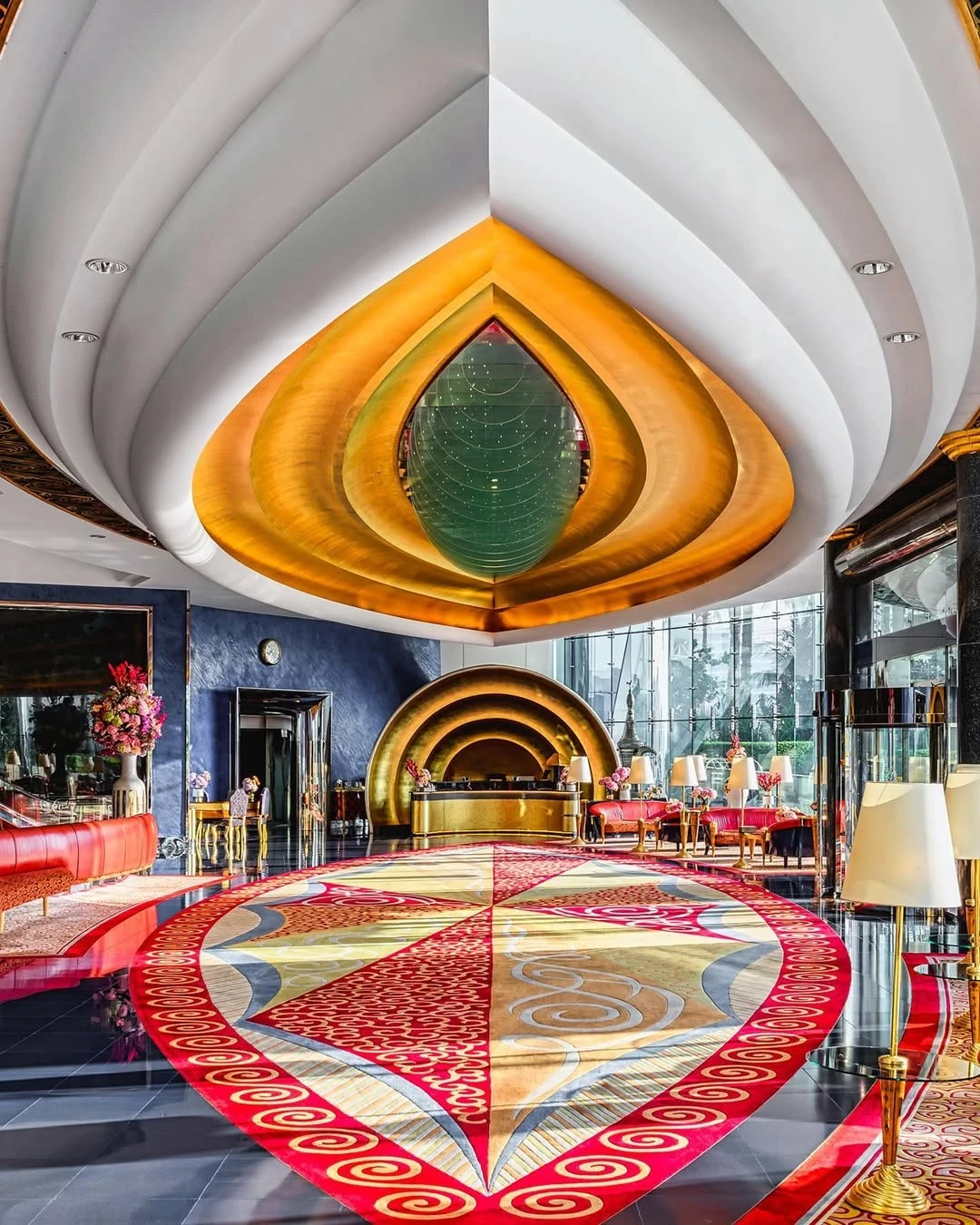
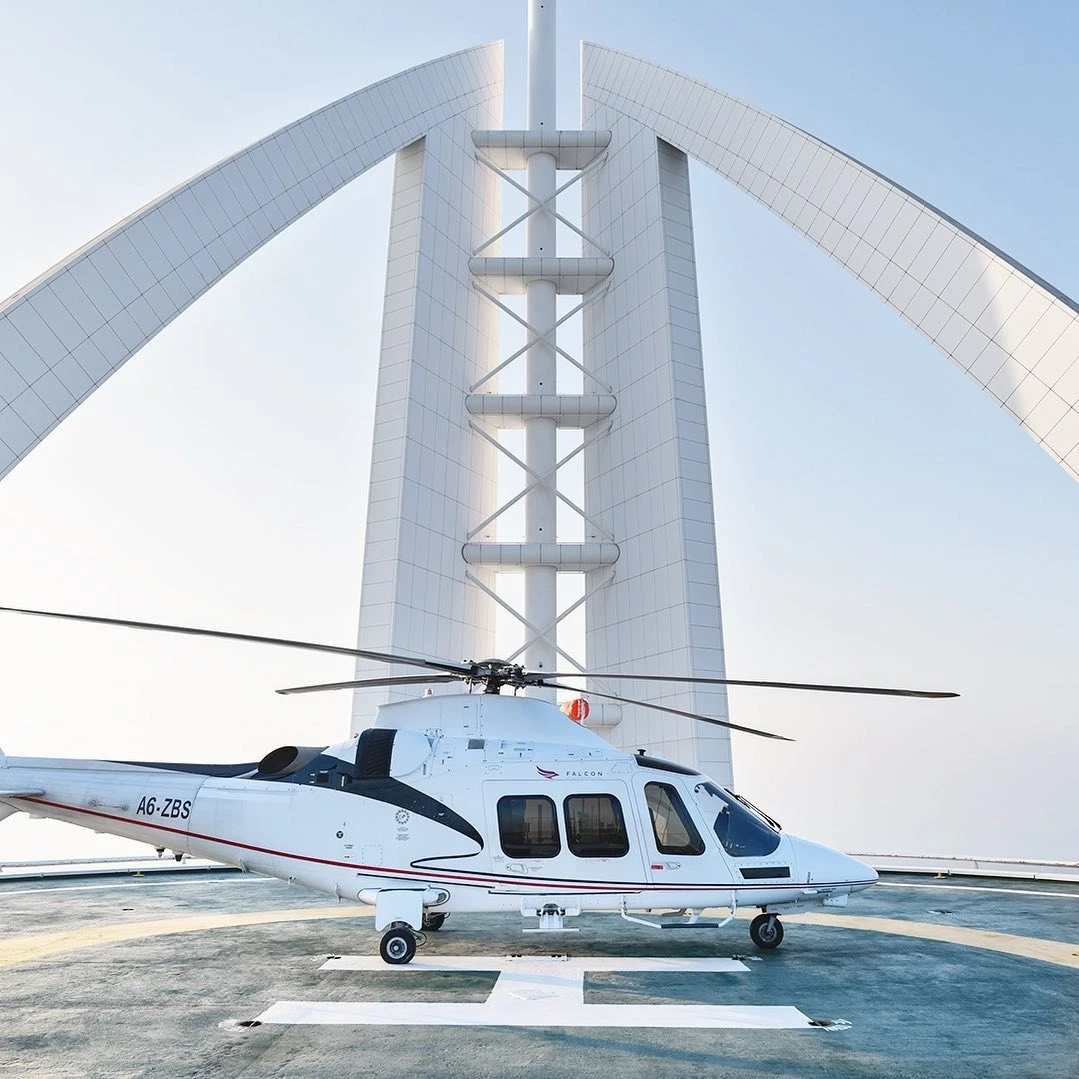
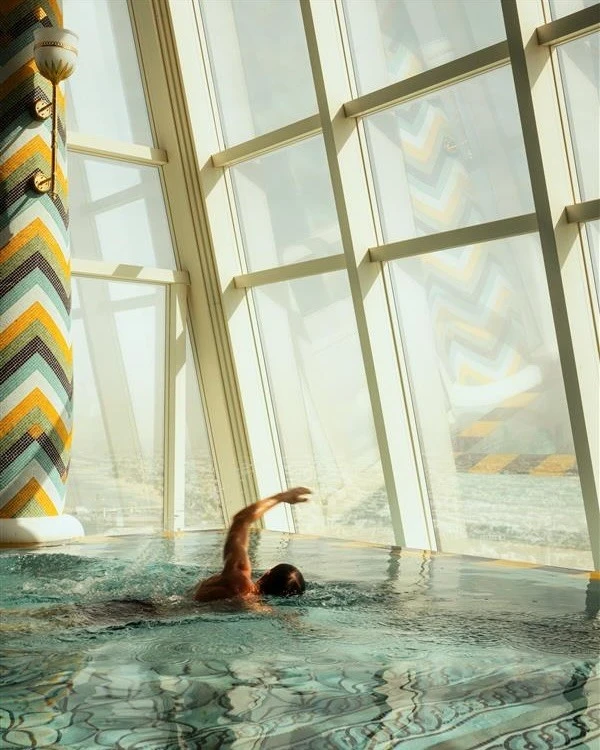
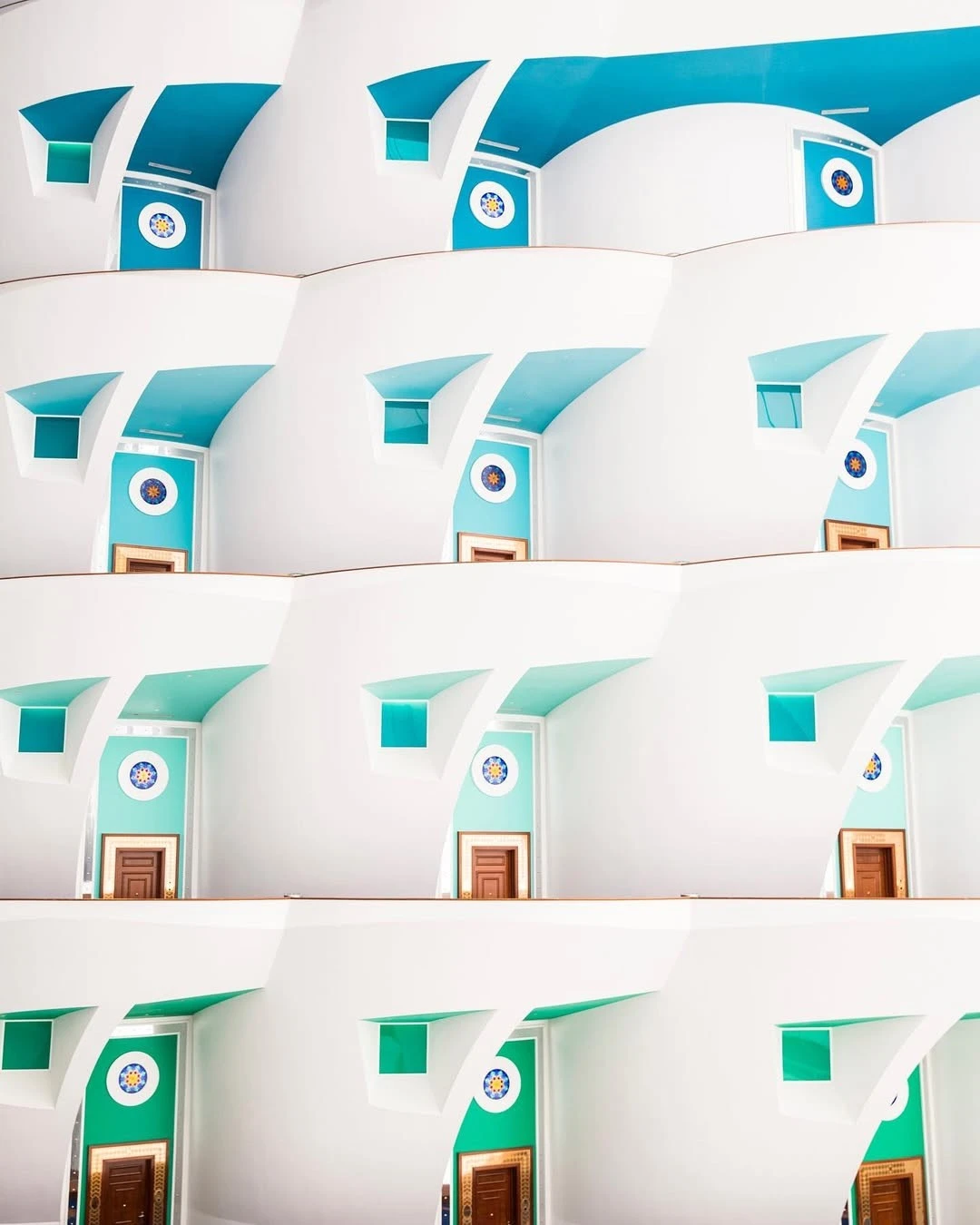
The legendary silhouette on Dubai’s ever-growing skyline was, and remains for many, the embodiment of the aspirational, the jaw-dropping, and the ultra-luxe.. But, how will this renovation re-introduce the iconic destination to the next generation? It is impossible to think that destinations like that of the Burj Al Arab can simply persist and remain, even the world's finest art pieces undergo restorations, are tended to, and are eventually returned to the world to enjoy in finer condition than before.
This is, Jumeirah CEO Thomas B. Meier has said, "a new chapter in the story of Jumeirah Burj Al Arab — one that will carefully preserve the heritage of what is currently the sole property in our Jumeirah limited-edition collection of iconic landmark addresses." For those who have made the Burj Al Arab part of their own story, who have celebrated milestones there, who return each year as an act of devotion to a certain idea of excellence, it is a statement of reassurance as much as ambition.
The restoration is expected to conclude in 2027, a date that now carries something of the anticipation of a great premiere. When the Burj Al Arab reopens its doors, it will do so as the culmination of a programme described by those close to it as the largest single hospitality restoration project in the region's history. Whatever Tristan Auer and the Jumeirah team have imagined in those drawing studios and workshops, there is every reason to believe it will be extraordinary.
While the Icon Rests
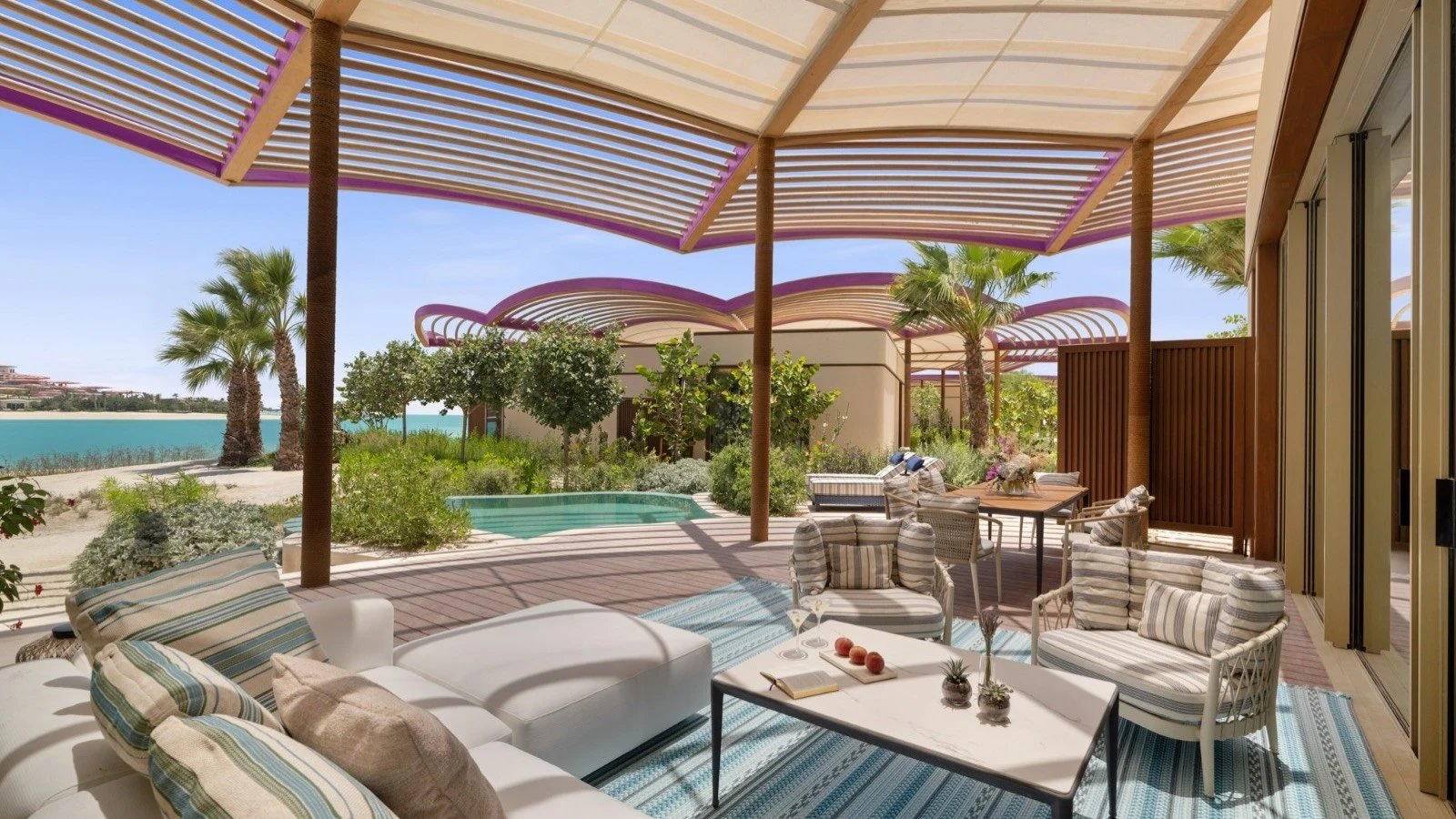
Guests with existing reservations during the period of closure are still being offered a selection of elevated accommodation across Jumeirah's portfolio of neighbouring of properties on the same celebrated stretch of Dubai shoreline: Jumeirah Beach Hotel, Jumeirah Al Qasr and adjoining Jumeirah Al Naseem, and the recently opened and List Award-winning Jumeirah Marsa Al Arab, each offer their own distinct expressions of Jumeirah's hospitality philosophy.
The Jumeirah Group statement said of the restoration: "The Burj Al Arab will return to guests as a complete experience, blending modern luxury with the cultural heritage and architectural legacy that first made it a symbol of Dubai's ambition."
Jumeirah Burj Al Arab is now closed, and is slated for re-opening in 2027.
@jumeirahburjalarab
@jumeirah