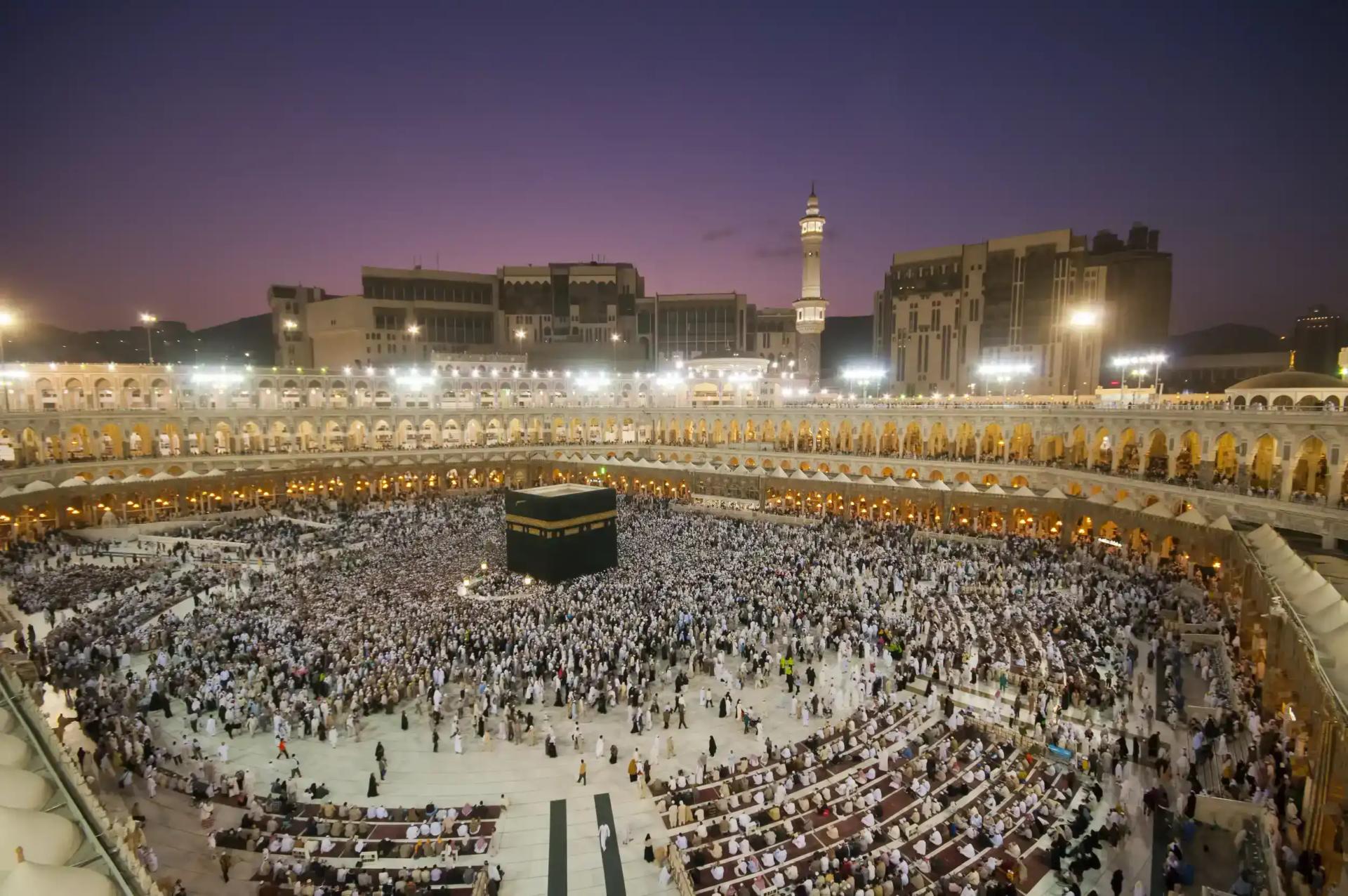


The Grand Mosque in Makkah and the Prophet’s Mosque in Madinah remain the beating heart of Saudi Arabia’s tourism story. In Safar 1447 AH alone, more than 52 million worshippers and Umrah performers visited the two holy sites. At the Grand Mosque, 21.4 million visitors included 7.5 million performing Umrah, while in Madinah, 20.6 million came to pray, with 1.2 million entering Al-Rawdah Al-Sharifa.
To manage these vast crowds, the Kingdom has rolled out new technology, including electronic sensors and tracking systems at key entrances, giving officials the tools to handle visitor flows more smoothly than ever before.
A global tourism contender
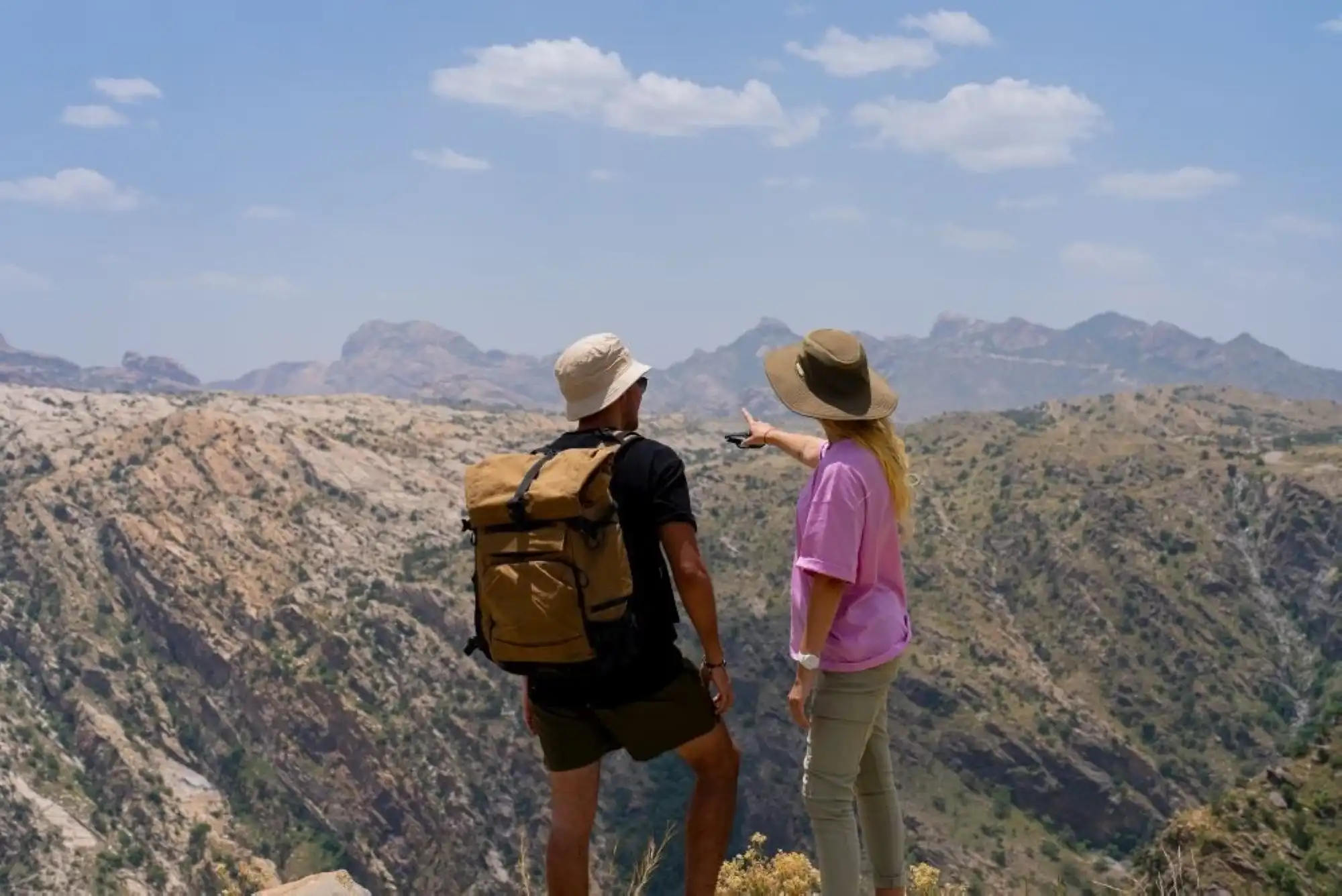
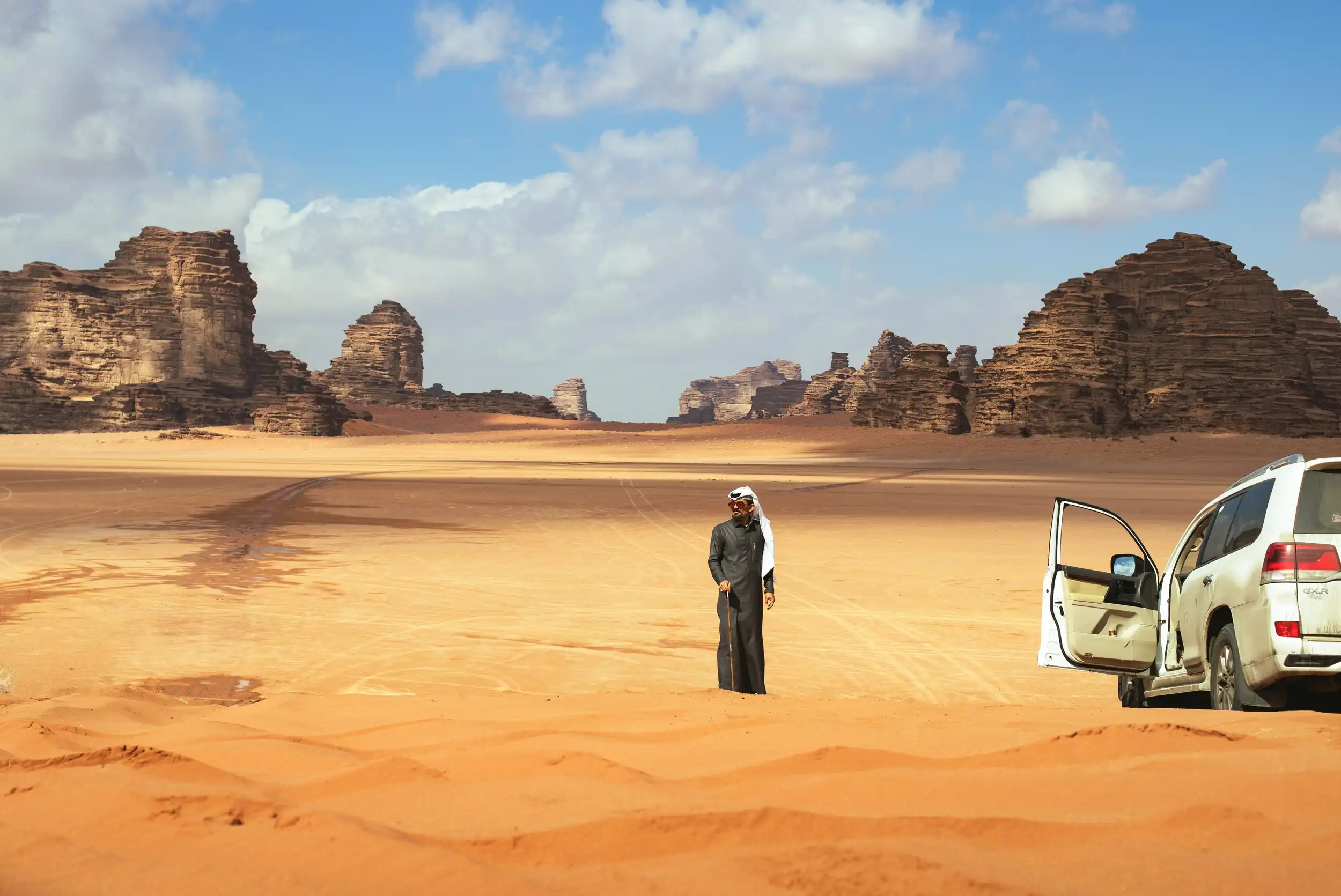
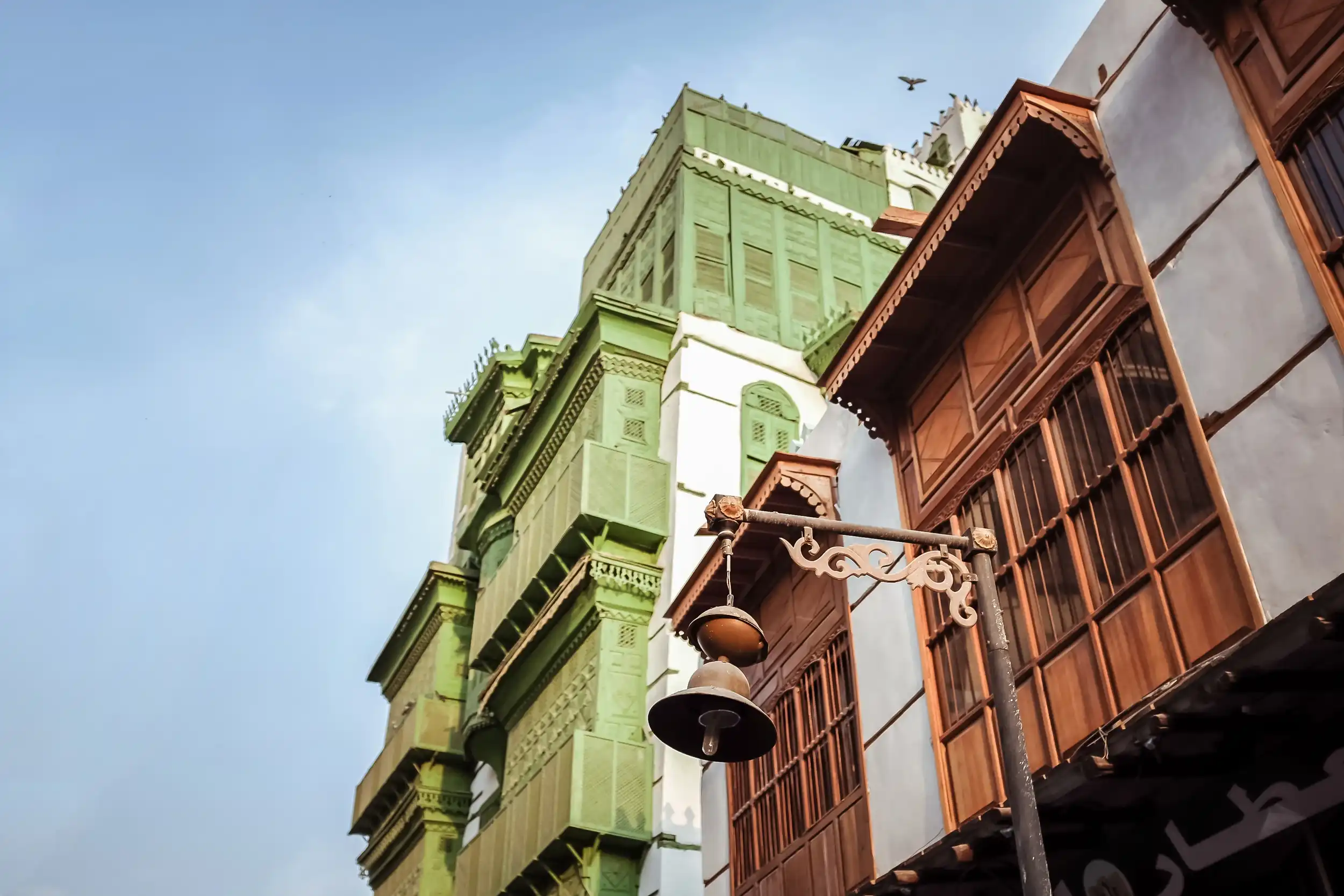
Saudi Arabia’s ambitions extend beyond religious tourism. According to the UN World Tourism Organisation, the Kingdom ranked third worldwide in growth of international arrivals in 2024 compared with 2019, and jumped 15 places in global inbound spending to 12th place. Tourist arrivals surged from 50 million in 2019 to 115 million in 2024, putting the country firmly among the world’s top 10 most visited, several years ahead of its 2030 target.
This surge also translated into revenue, with tourism income jumping 207% by September 2024. For a nation long defined by oil, these numbers mark a turning point.
Vision 2030 in action
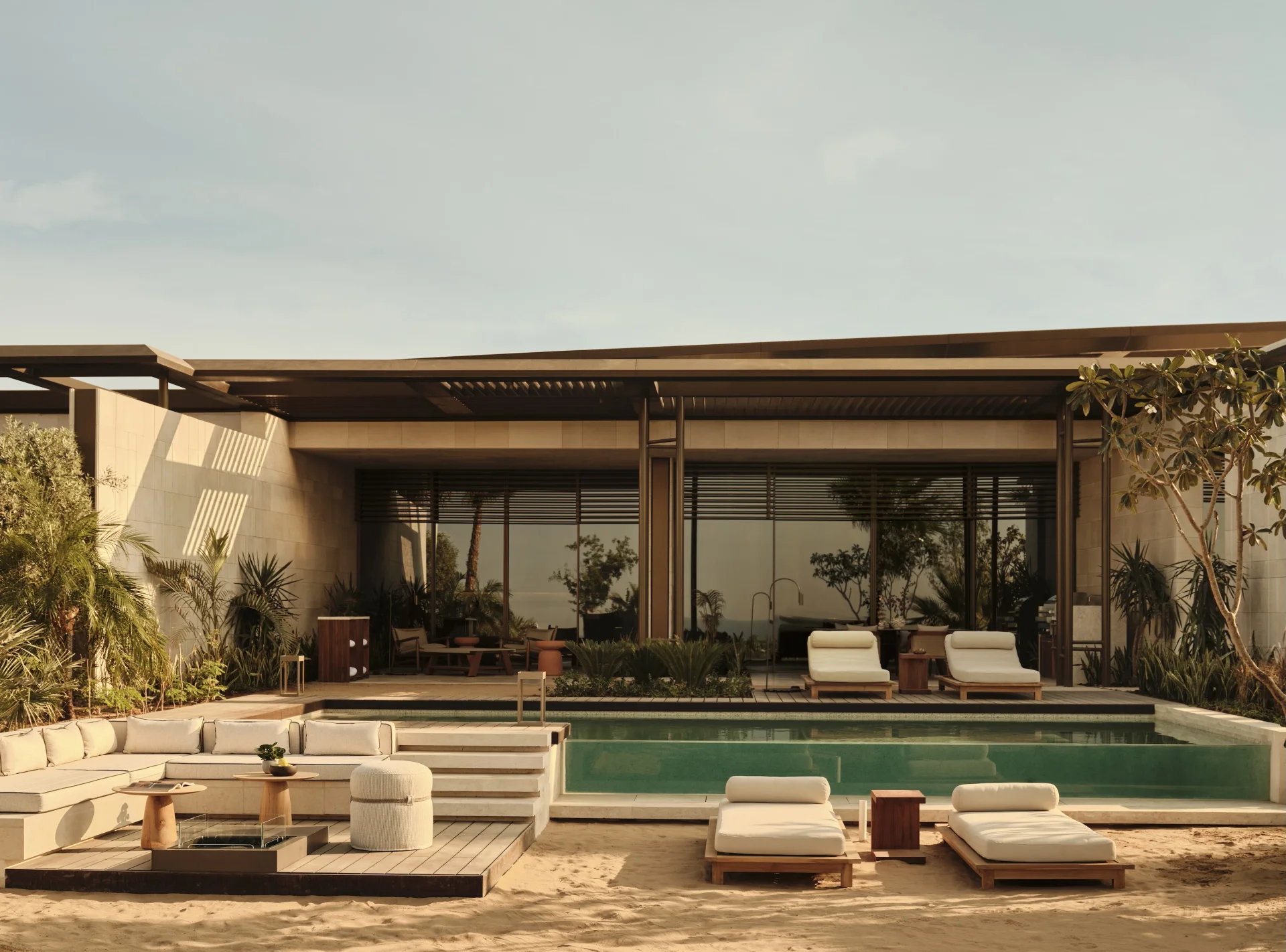
Tourism sits at the centre of Crown Prince Mohammed bin Salman’s Vision 2030. Futuristic projects like NEOM, luxury eco-resorts on the Red Sea, and the cultural revival of Diriyah Gate highlight just how serious the Kingdom is about becoming a world-class destination.
The tourism boom is also driving job growth. Starting in 2026, roles in hotels, tour companies and travel services will be increasingly reserved for Saudi nationals, part of the country’s broader Saudisation drive. The initiative has already seen unemployment fall from 12.8% in 2018 to 7.1% in 2024, with an official target of just 5% by 2030.
Tourism today accounts for around 5% of GDP, but the government’s goal is to double that figure by 2030. The rollout of e-visas, expanded flight connections through the new carrier Riyadh Air, and massive infrastructure investment are all part of this push. As Tourism Minister Ahmed Al-Khateeb told the Saudi–US Investment Forum earlier this year: “By 2030, the tourism sector will be, next to oil, the highest contributor to our economy.”