


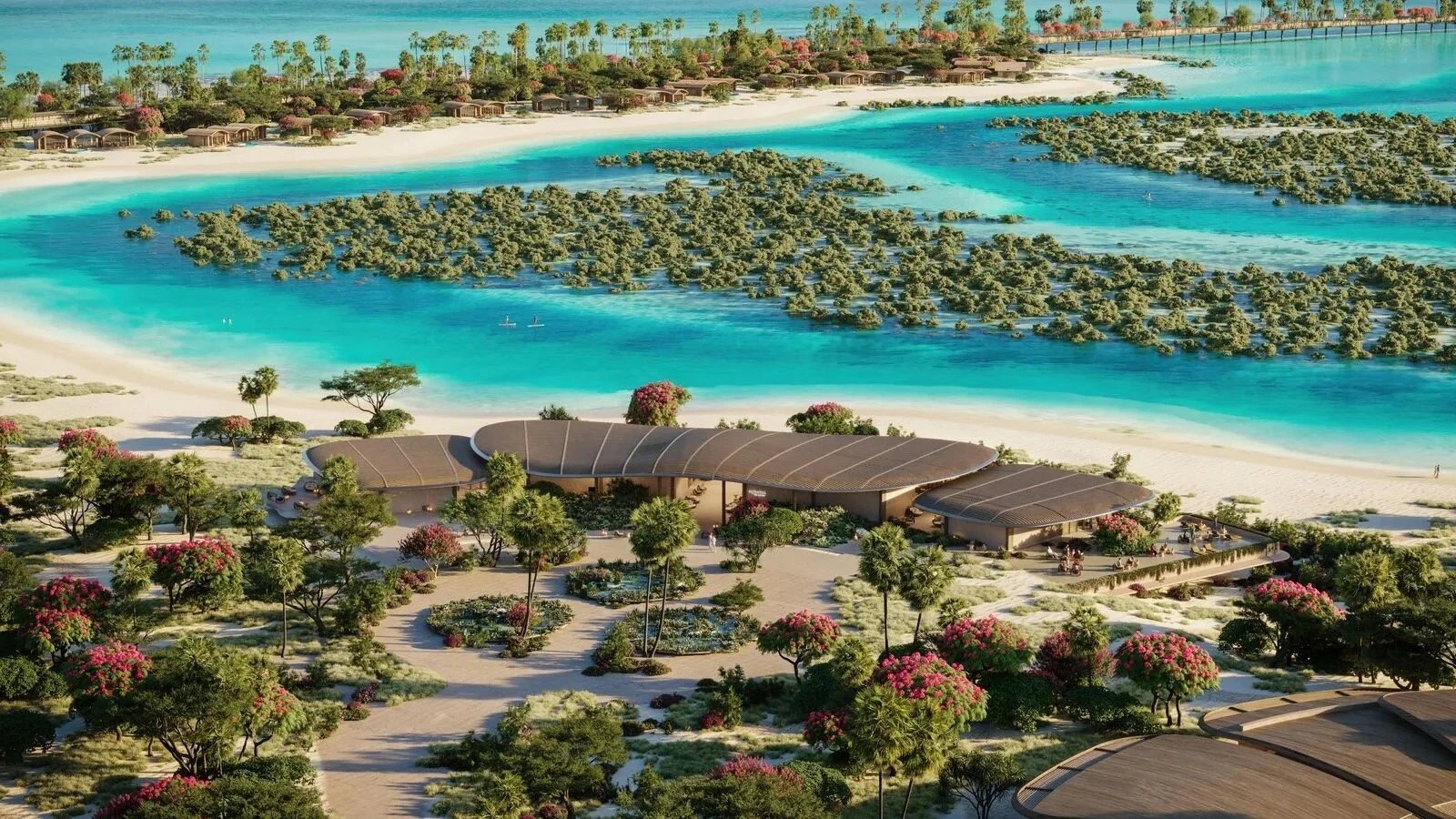
A major shift is coming to Saudi Arabia’s tourism workforce. Starting April 2026, dozens of key roles in the sector, including hotel managers, tour guides, and travel agency leads, will be reserved for Saudi nationals, part of a wider effort to localise leadership and specialist jobs across the Kingdom’s private sector.
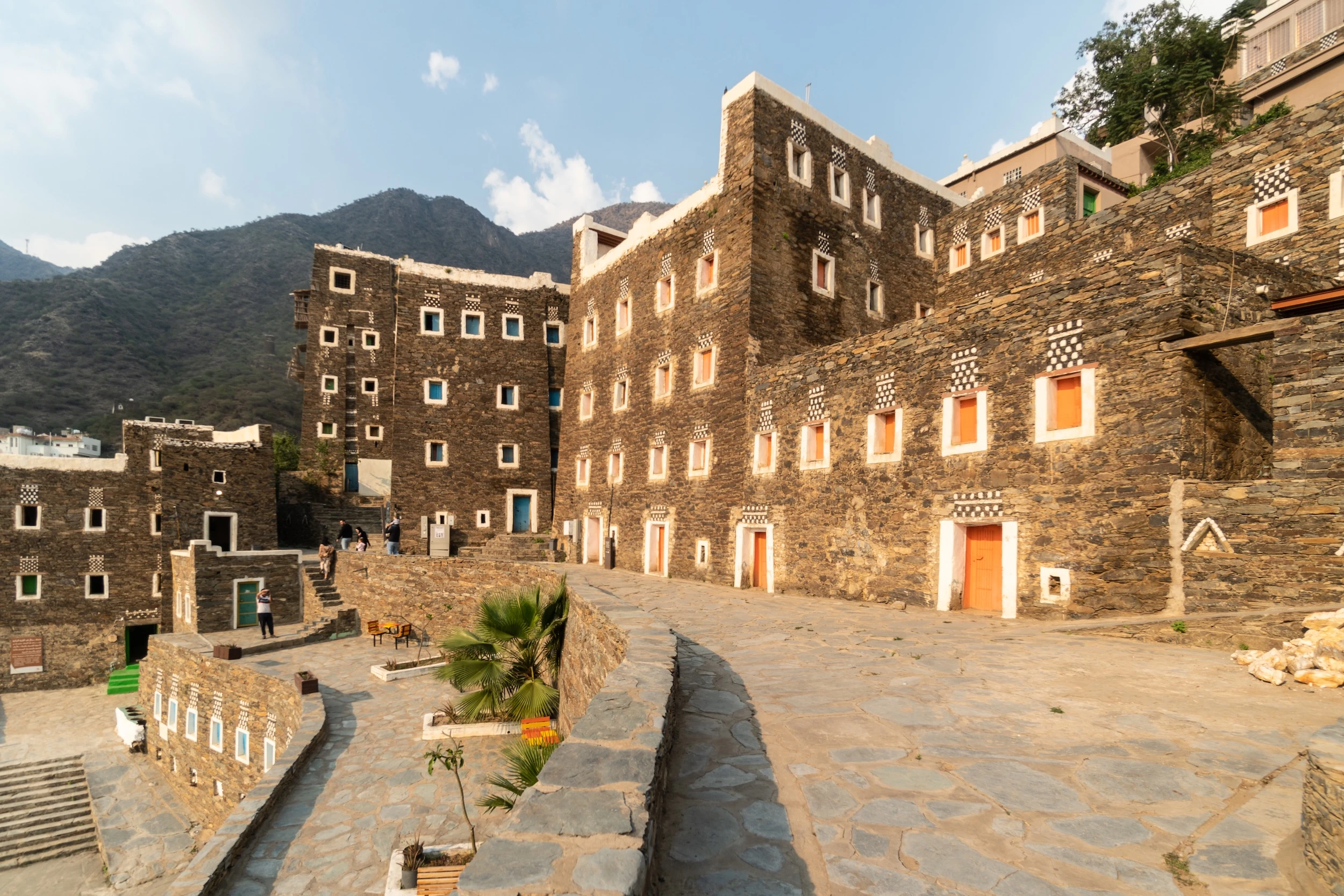

The move, announced by the Ministry of Human Resources and Social Development in partnership with the Ministry of Tourism, is aimed at reducing reliance on foreign labour while creating more opportunities for Saudi citizens in one of the country’s fastest-growing industries.
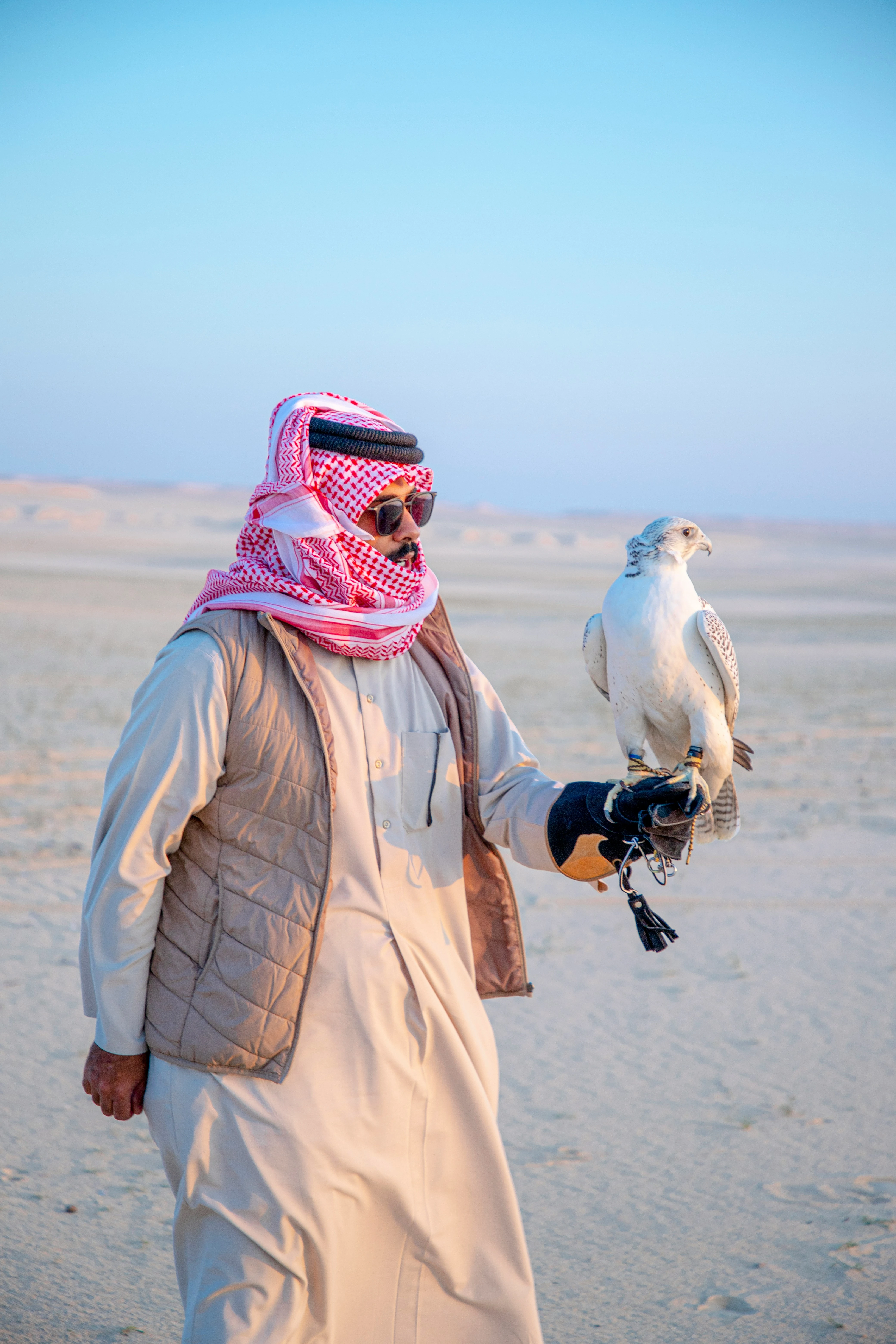
In a statement on X, Tourism Minister Ahmed Al-Khateeb said the initiative reflects a commitment to “ensuring a world-class tourism experience” powered by trained Saudi professionals: “We are proud that our young men and women have become the frontlines of the tourism sector,” he wrote, adding that they “embody the values of warmth, generosity, and authentic Saudi hospitality.”
Labour Minister Ahmed Al-Rajhi also took to X, calling the policy “part of the continued efforts to support national talent and enhance their participation in the labour market,” aligned with Saudi Vision 2030.
What’s changing?
The new programme will be rolled out in three phases. The first kicks off April 22, 2026, and will see full Saudisation for four core roles; 70% localisation for 12 positions; 50% localisation for another 12 roles.
A second phase, set for January 3, 2027, will introduce a 30% Saudisation quota for one additional job, while the final phase, coming into effect on January 2, 2028, targets leadership roles, requiring half of them to be filled by Saudi nationals. The list of affected roles is wide-ranging, from procurement specialists to hotel receptionists, sales reps, tourism development planners, and more; essentially the behind-the-scenes engine of Saudi tourism.
You Might Also Like: Ultimate Guide to Vision 2030
Why now?
This is the latest push in the Kingdom’s ongoing Saudisation strategy—a policy first introduced in 2011 to increase the share of Saudi nationals working in the private sector. And it’s been working. According to the Ministry, unemployment among Saudis dropped from 12.8% in 2018 to 7.1% by mid-2024, already beating the Vision 2030 target of 8%.
Now, the bar is being raised. The new goal is 5% unemployment by the end of the decade.

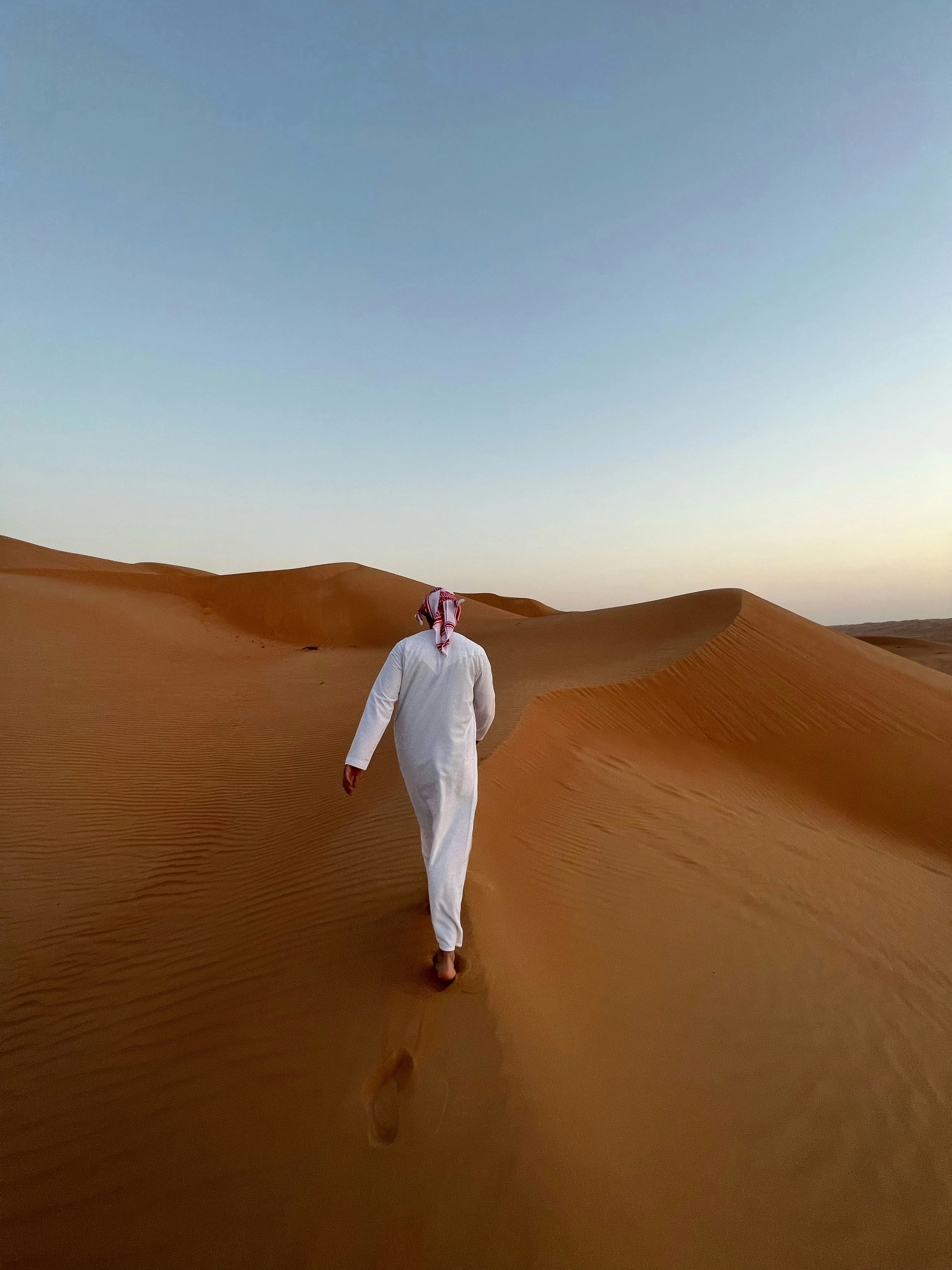
Tourism - international, regional and local - is one of the sectors with the highest growth potential, making it a natural focus. As the Kingdom opens up to global visitors and headlines major international events, the government is banking on local talent to be at the forefront.
But, tourism isn’t the only sector seeing new localisation targets. In January, Saudi authorities also introduced Saudisation quotas for the pharmaceutical industry, requiring companies with five or more pharmacists to meet minimum thresholds, from 35% in pharmacies to 65% in hospitals, by July 27.
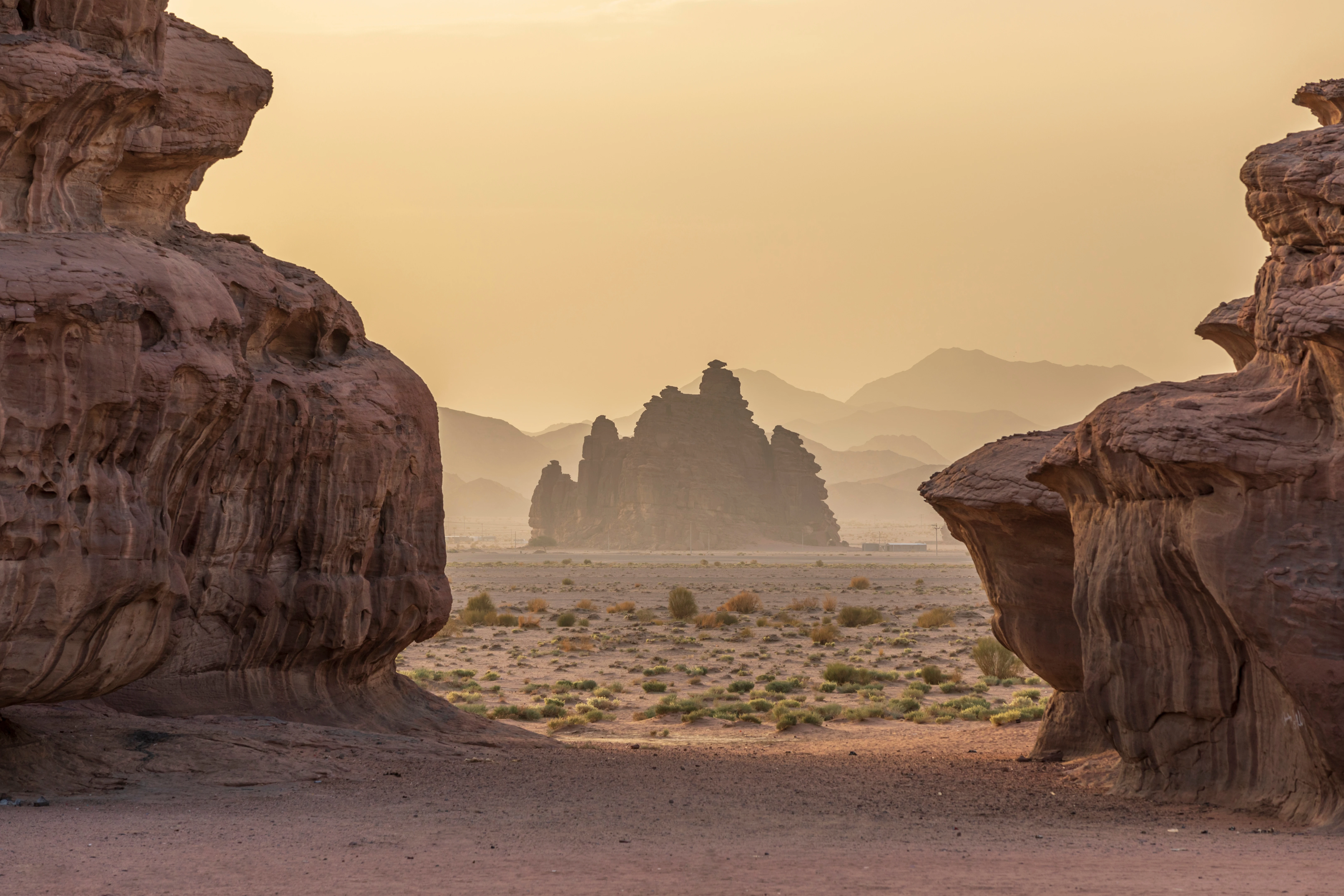
As the Kingdom continues its economic diversification drive, expect more industries to follow suit. For tourism, this localisation policy marks a new chapter—one where the people greeting you at reception, planning your itinerary, or guiding you through ancient ruins are from the nation itself.