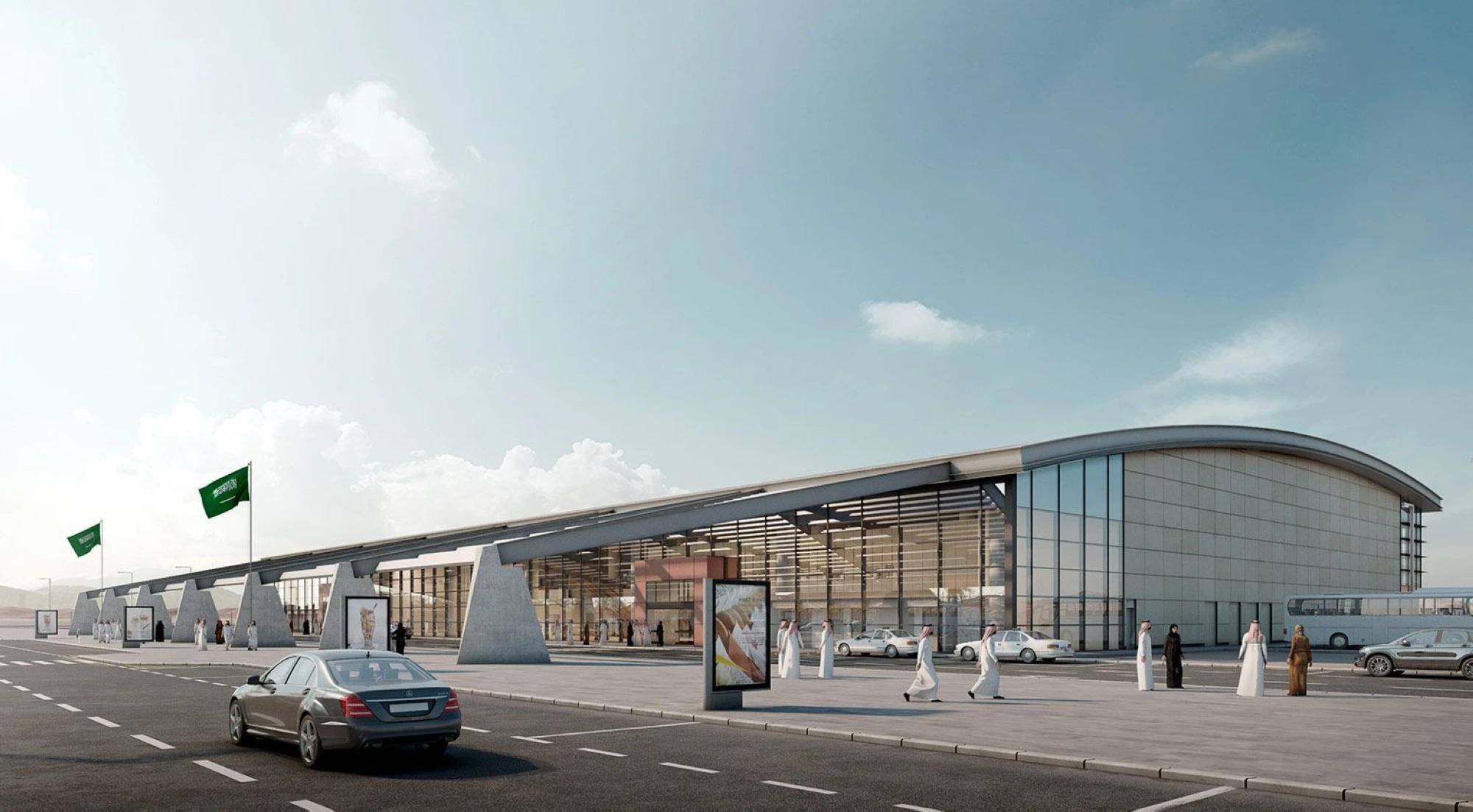



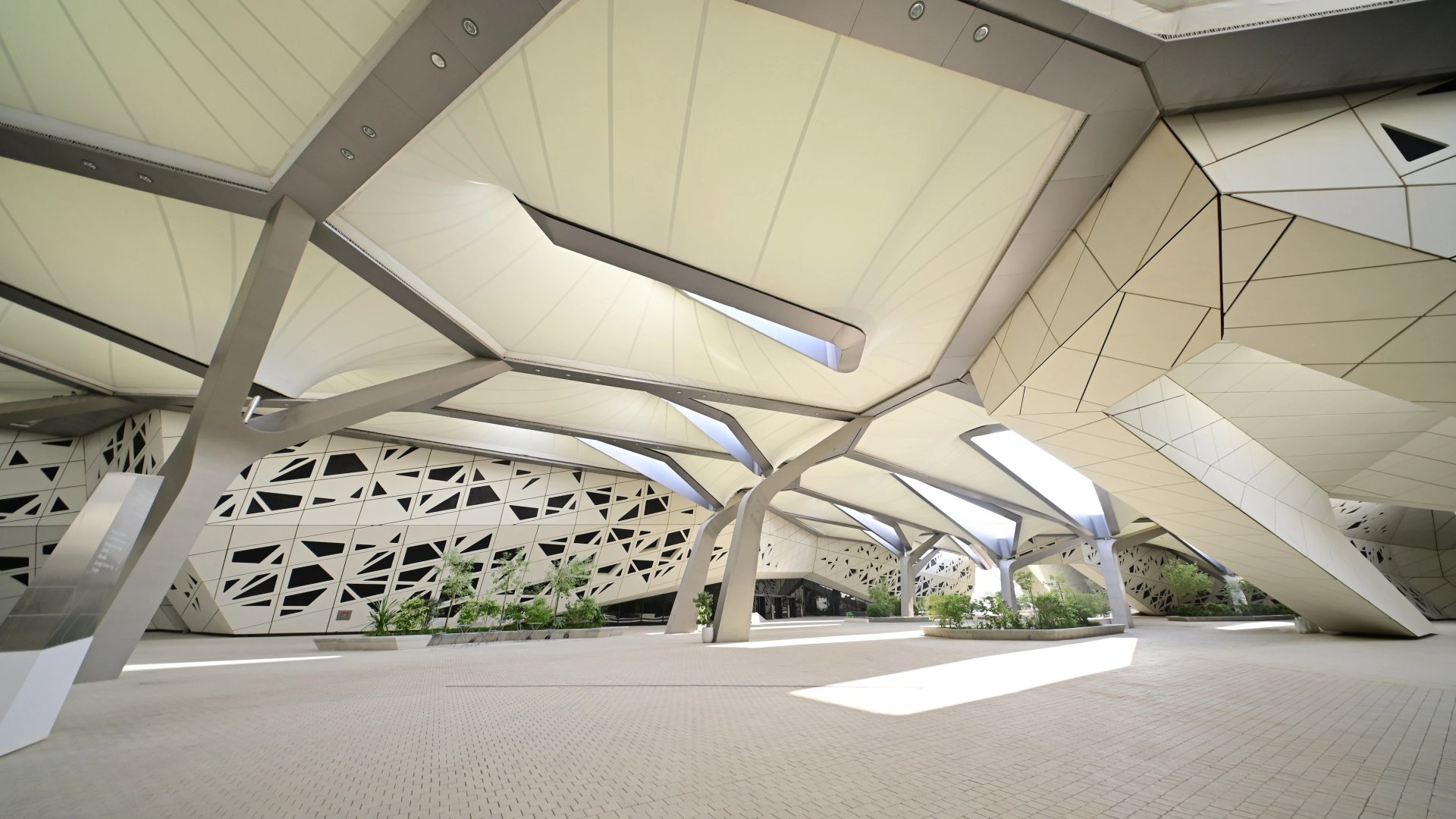
Saudi Arabia’s Al Hail Airport is undergoing a major expansion that is set to increase its passenger capacity to over 2.2 million annually.
As part of the Kingdom’s Vision 2030, tourism — local, regional and international — is becoming increasingly more important, and a pivotal part of the Kingdom's economic growth outside of oil and construction. In 2024, Saudi Arabia experienced a 73% increase in international tourism, with the Ministry of Tourism releasing data showing the Kingdom welcomed a staggering 17.5 million international visitors in 2024.
The Ministry of Transport and Logistics has unveiled ambitious plans to modernise Al Hail Airport. This re-development plan aims to enhance the nation's growing and thriving air transport infrastructure, and will position Hail as a key logistics hub in the region. The plans for investment and development will further reinforce the airport's role as a central connector between Saudi Arabia’s northern, western and central areas.
Located just 60 minutes from 11 Arab capitals and approximately 3.5 hours from several Central European destinations, the airport is poised to become a key player in international aviation. The expansion of Hail International Airport will not only allow for the travel hub to accommodate more travellers, but will also streamline the Kingdom's cargo operations, supporting the nation's goal of becoming a global transport and logistics powerhouse.
Beyond passenger growth, the project includes the development of a massive logistics centre spanning over 374,000 square meters, designed to optimise supply chains and facilitate the efficient movement of goods across Saudi Arabia.
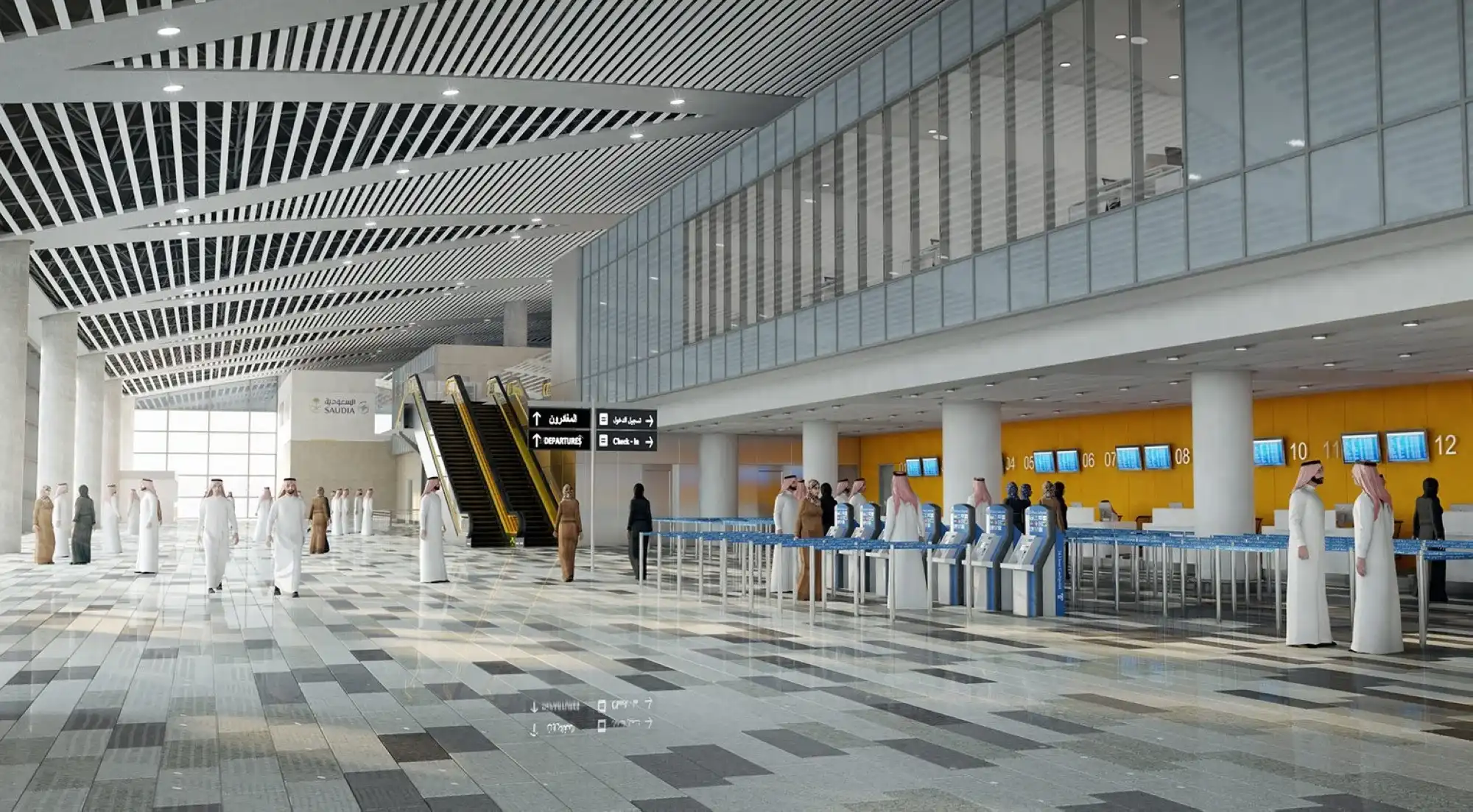
Additionally, enhancements to roadside services will improve traveler amenities and road safety, ensuring a seamless experience for visitors and residents alike. Al Hail International Airport’s geographical location makes it a prime candidate for expansion.
With Saudi Arabia’s aviation sector rapidly evolving, the expansion of Al Hail International Airport marks a significant milestone in the Kingdom’s journey toward global connectivity and economic diversification.
Upgrading Saudi's Airports, Travel Hubs and Investing in Travel Tech
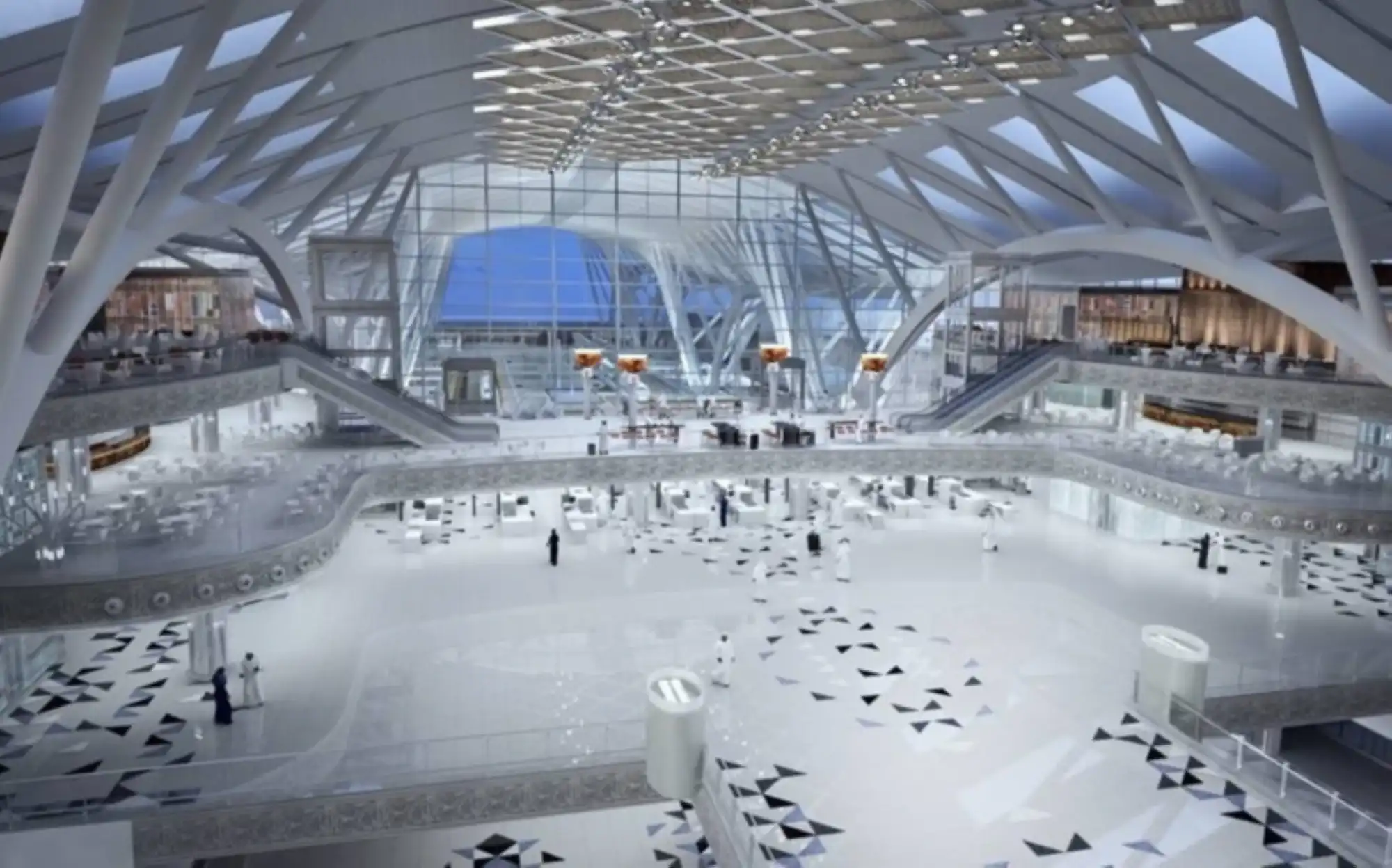
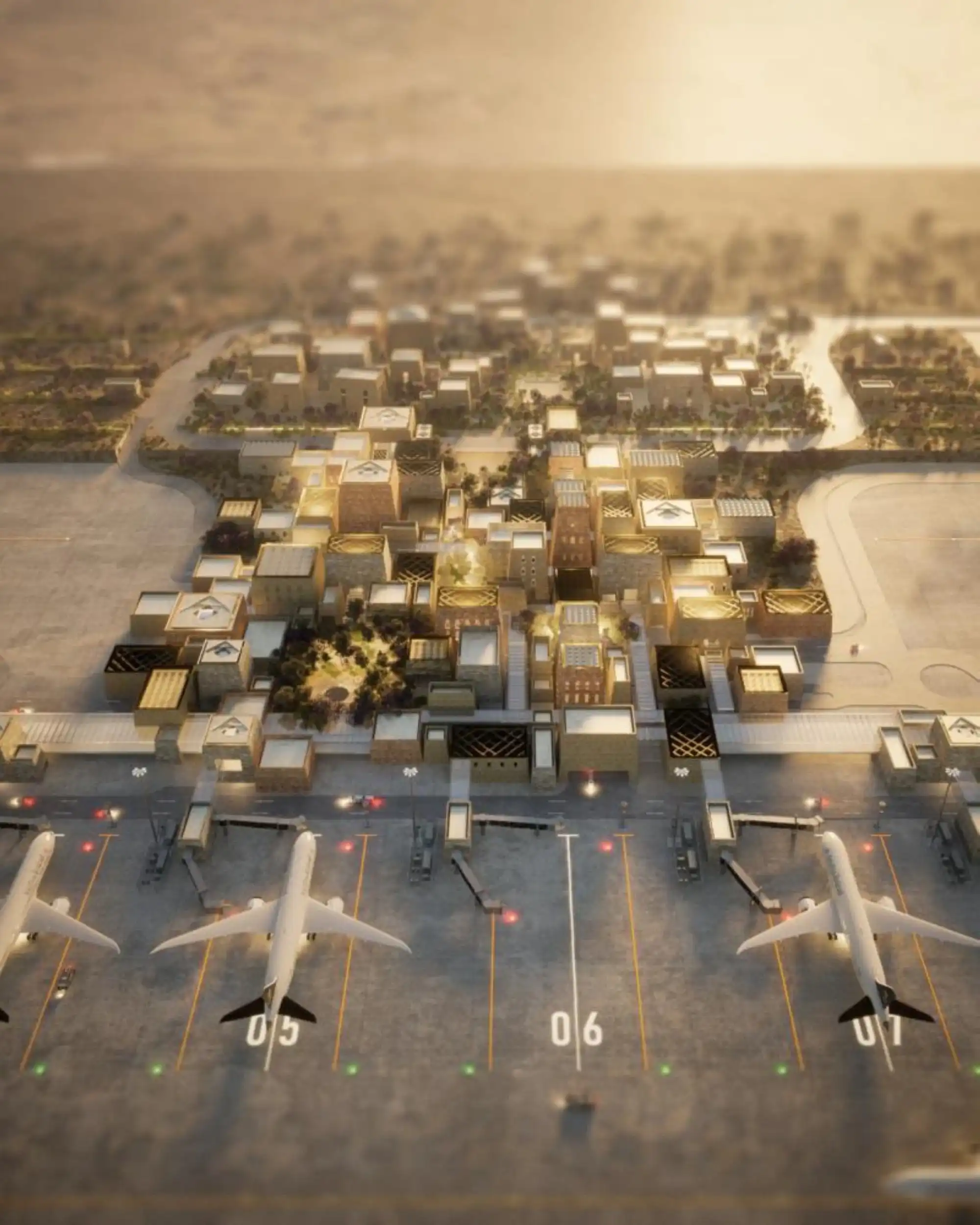
Elevating the Kingdom's international travel hubs and airports is a pivotal part of Vision 2030, with many airports across the nation being pinpointed for upgrades and expansion plans, in addition to huge investment by airlines and tech giants.
Abha International Airport is set to be the Kingdom's first "new-age" airport, as it will embrace a quieter and less stressful travel experience by eliminating routine public announcements and focusing on digital communication - becoming the first 'silent airport' in the region.
In September 2024, Saudia announced the opening of a personalised service and dedicated check-in area at Jeddah's King Abdulaziz International Airport, for Business Class and First Class passengers. The dedicated check-in lounge aims to provide an elevated pre-flight experience, offering guests a seamless and luxurious start to their journey with Saudia.
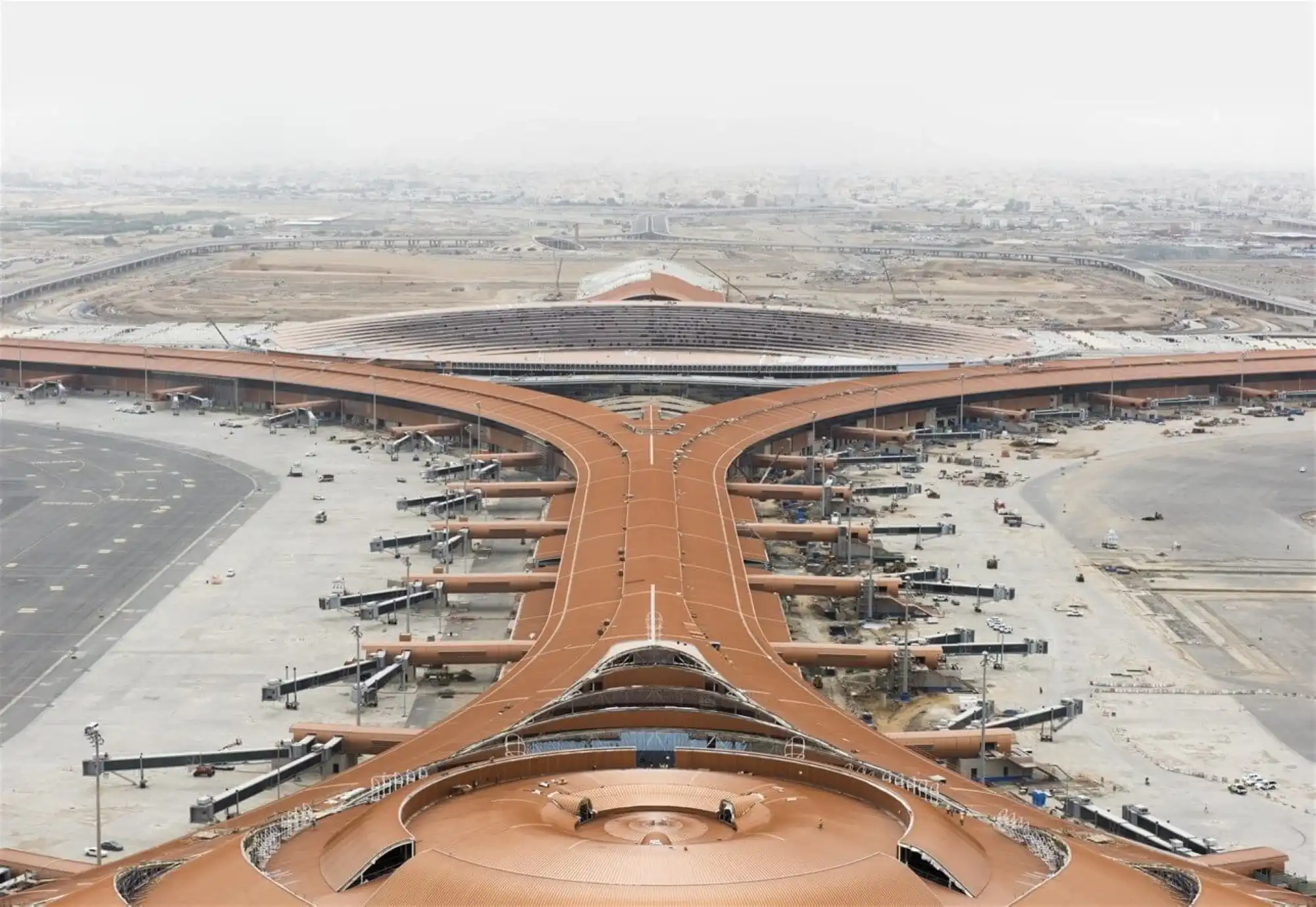
Whilst NEOM Bay Airport is poised to become a model of innovation, leveraging state-of-the-art technology and AI to maximise efficiency for both passengers and airport operations. Serving as a vital gateway, it will seamlessly connect domestic and international travellers to Saudi Arabia’s visionary mega-city, NEOM.
Jeddah's King Abdulaziz International Airport was also the chosen location of the first Emirates airline lounge located outside of the United Arab Emirates. The luxurious lounge opened in July 2024 and has been popular with both business and leisure travellers ever since. It is located on the third floor of King Abdulaziz International Airport’s Terminal 1 Departure area and is just a 10-minute walk from the terminal’s entrance and a 3-5-minute walk to the boarding gates, A28B and A38B, where Emirates’ three daily flights are situated during the day.
The Emirati national airline also introduced complimentary and luxury chauffeur service for First Class and Business Class passengers within a 100-kilometre radius of the airport in Riyadh.