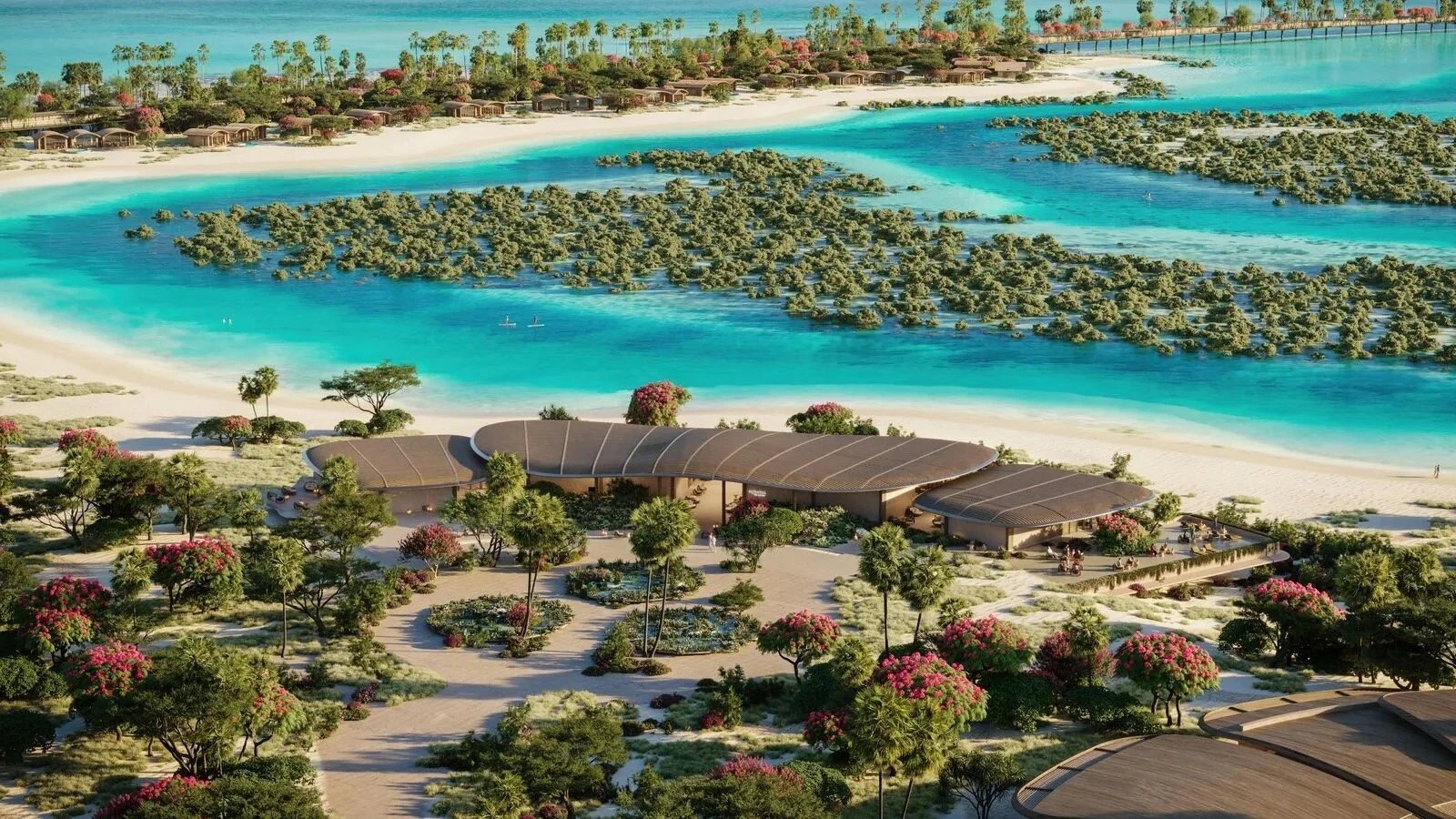
The waters of Lake Sevan are calm, meditative, and enchanting. On a sunny day, this pristine natural wonder, located in the Armenian Highlands and the Caucasus region, turns subliminal shades of turquoise, heightened by the verdant hills and natural landscape that surround it. Its natural beauty, long a source of national pride, has for centuries lured travellers, hikers, and lovers of nature.
Lake Sevan stands at an altitude of 1,900 metres above sea level with 5,000 metres of basin surface, making up one-sixth of Armenian territory. Today, the area surrounding Lake Sevan – one of the largest freshwater high-altitude lakes in Eurasia – is alive with peddlers selling heritage trinkets, spices, knitted goods, and moonstone, a gemstone with an iridescent glow found near the lake.
Fish sellers line the roadside, displaying the day’s fresh catch, especially the Sevan trout known as Ishkhan. The men smile proudly as they show off their fresh fish, a scene I realise has come to pass in the area for hundreds upon hundreds of years. Lake Sevan’s fish have provided a vital food source and part of the local economy just as the area’s beauty has enriched the spirits of visitors for millennia.
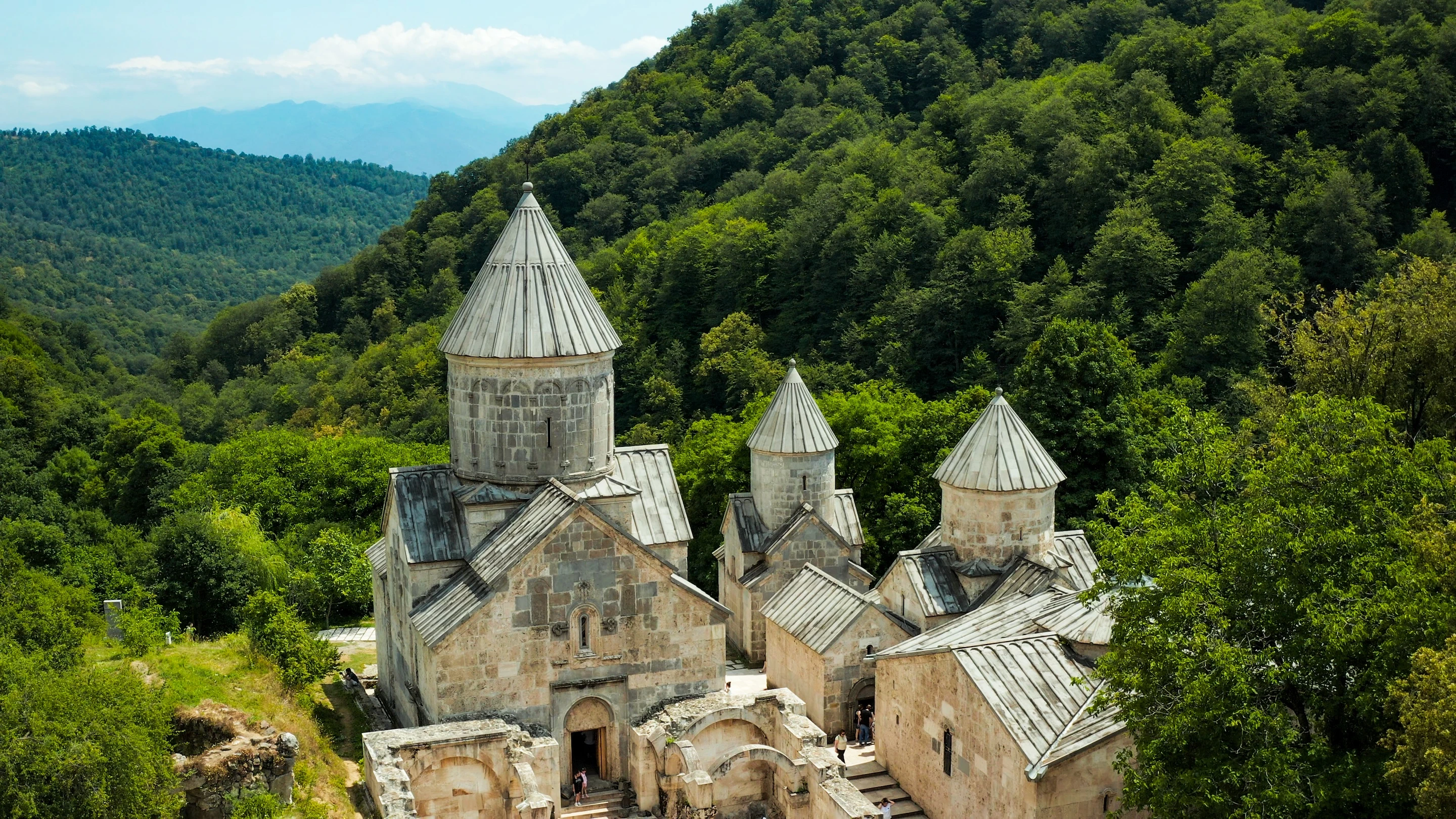
Overlooking the pristine, tranquil waters is the Sevanavank Monastery, a monastic complex founded in 874 by Princess Mariam, the daughter of Ashot I, who became king 10 years later. It showcases a distinctive medieval Armenian architecture, blending simplistic forms with the solid material of black tuff, a predominant volcanic rock in Armenia, from which it was made. The monastery’s elegant form juxtaposed with the enrapturing surrounding landscape reveals the richness of this Caucasian country – abundant in land, history, and culture.
A journey through Armenia is a magical series of unplanned and surprising encounters. The people, landscape, ancient and modern history, and food are exceptional, still largely undiscovered gems in a part of the world that has never been a pitstop for mass tourism.
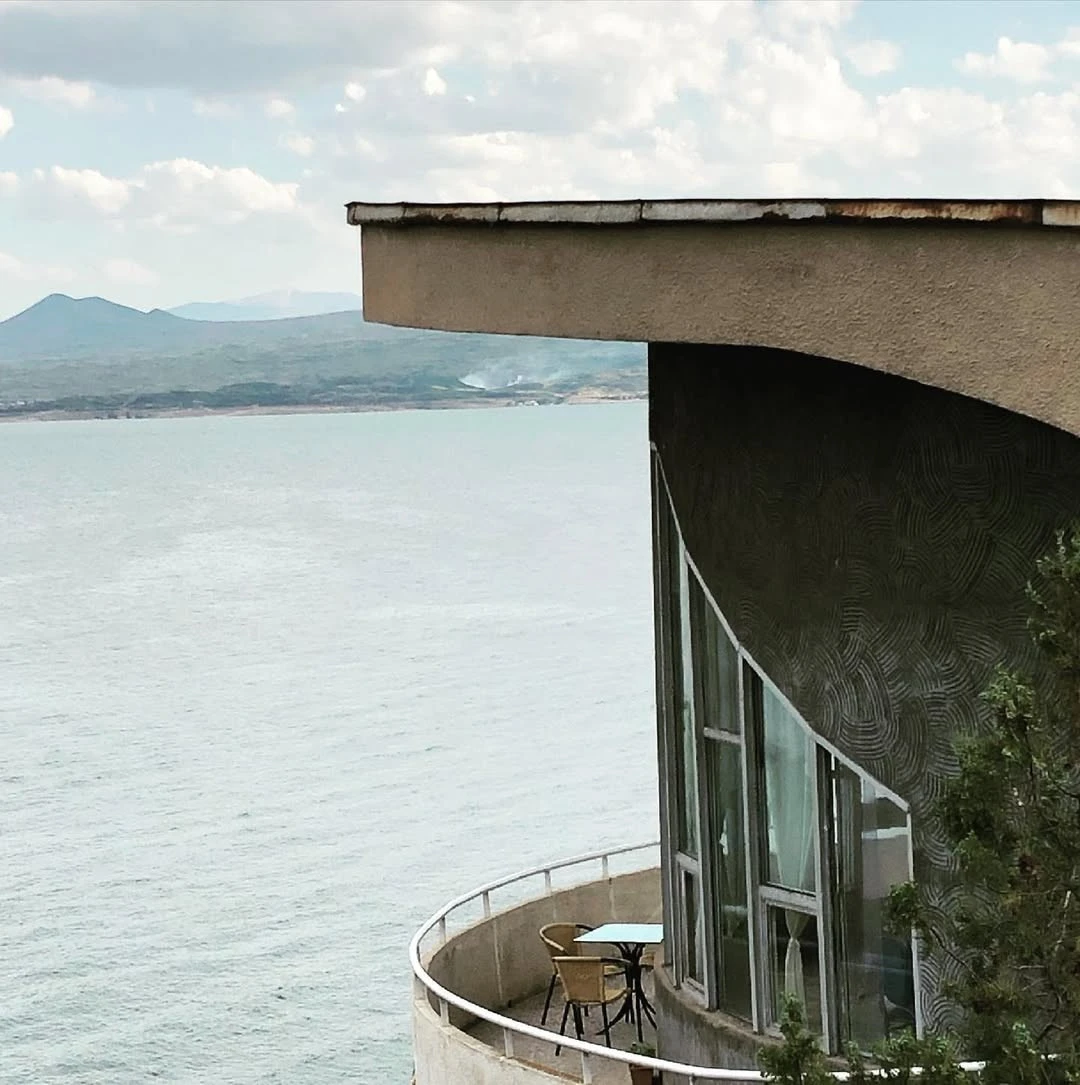
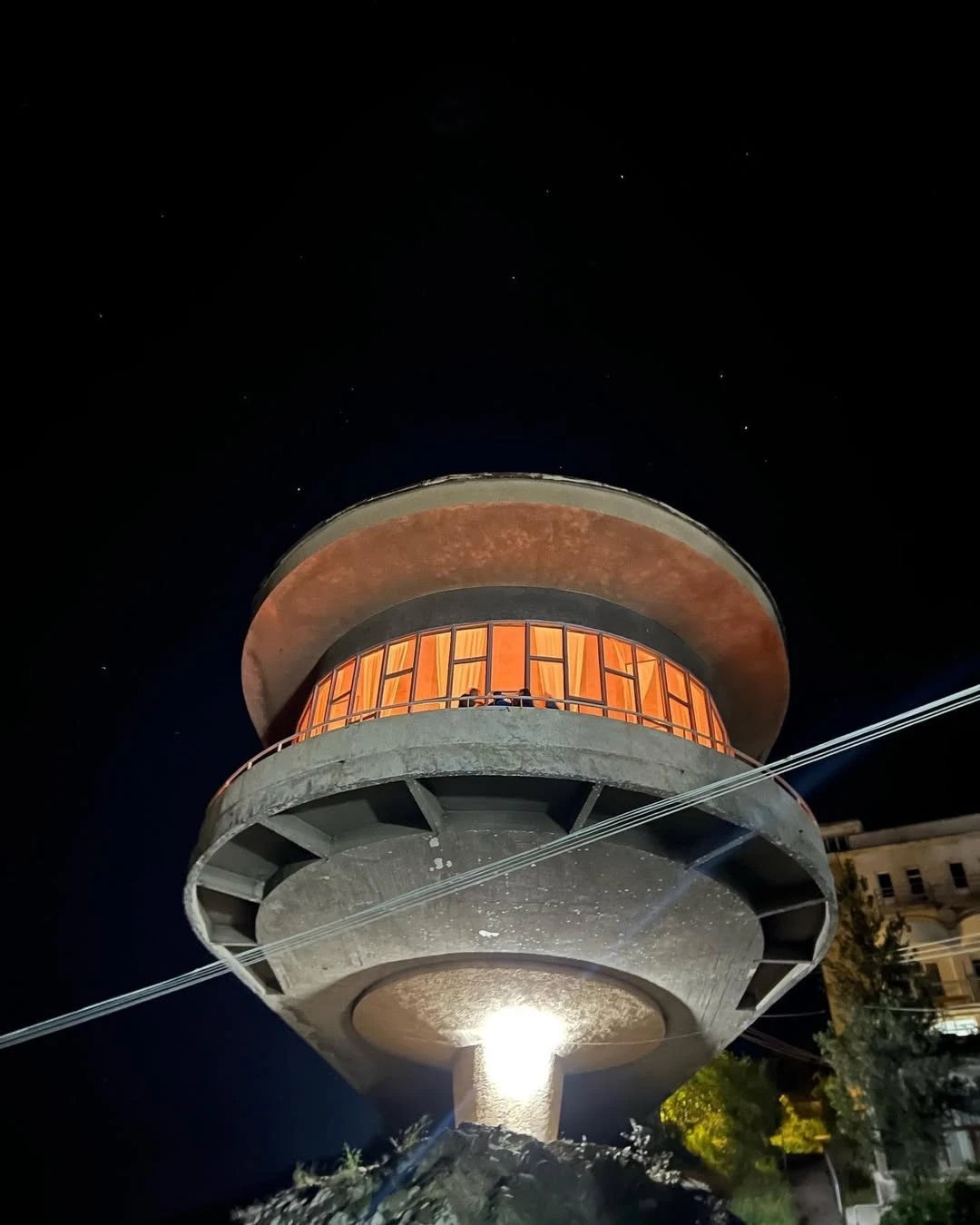
An intriguing building can be sighted on the road to Lake Sevan. Perched on a rocky hilltop next to the lake, it has an unusual architectural shape with a curved glass front overlooking the water, supported by one sole thick concrete pillar. This unique edifice is the Sevan Writers’ House built during the 1930s, when Armenia was under Soviet rule, the last of numerous empires to rule the ancient nation. Once serving Soviet writers and poets, it is now a hotel. An architectural icon in Armenia, it reflects not only the country’s recent past but the many cultures that have passed through it, leaving their mark over the course of its millennia of existence.
Over the last 2,000 years, Armenia has been invaded time and time again. Yet, despite this, Armenians today – through their rich culture, language, and cuisine – hold firmly and proudly to their nation's identity. Downtown Yerevan is an elegant city on par with major European capitals, yet exuding Armenia’s charming blend of Asian and Mediterranean influences.
The architecture one sees is fascinatingly diverse, from neo-Armenian designs and historical structures to Soviet modernism – all predominantly using the country’s pink tuff stone, which gives the capital its unique character. Start in Republic Square, located in the heart of the city and designed by architect Alexander Tamanian as part of his 1924 urban plan, and enjoy the magnificent fountains.
The square is surrounded by elegant neoclassical style buildings made from volcanic tuff stone that house the current and former government offices, the History Museum of Armenia, National Gallery of Armenia, and now Armenia Marriott Hotel Yerevan. Dive into Armenia’s history at the museums, where one can find archaeological and ethnological objects, as well as fine and decorative artworks at its National Gallery.
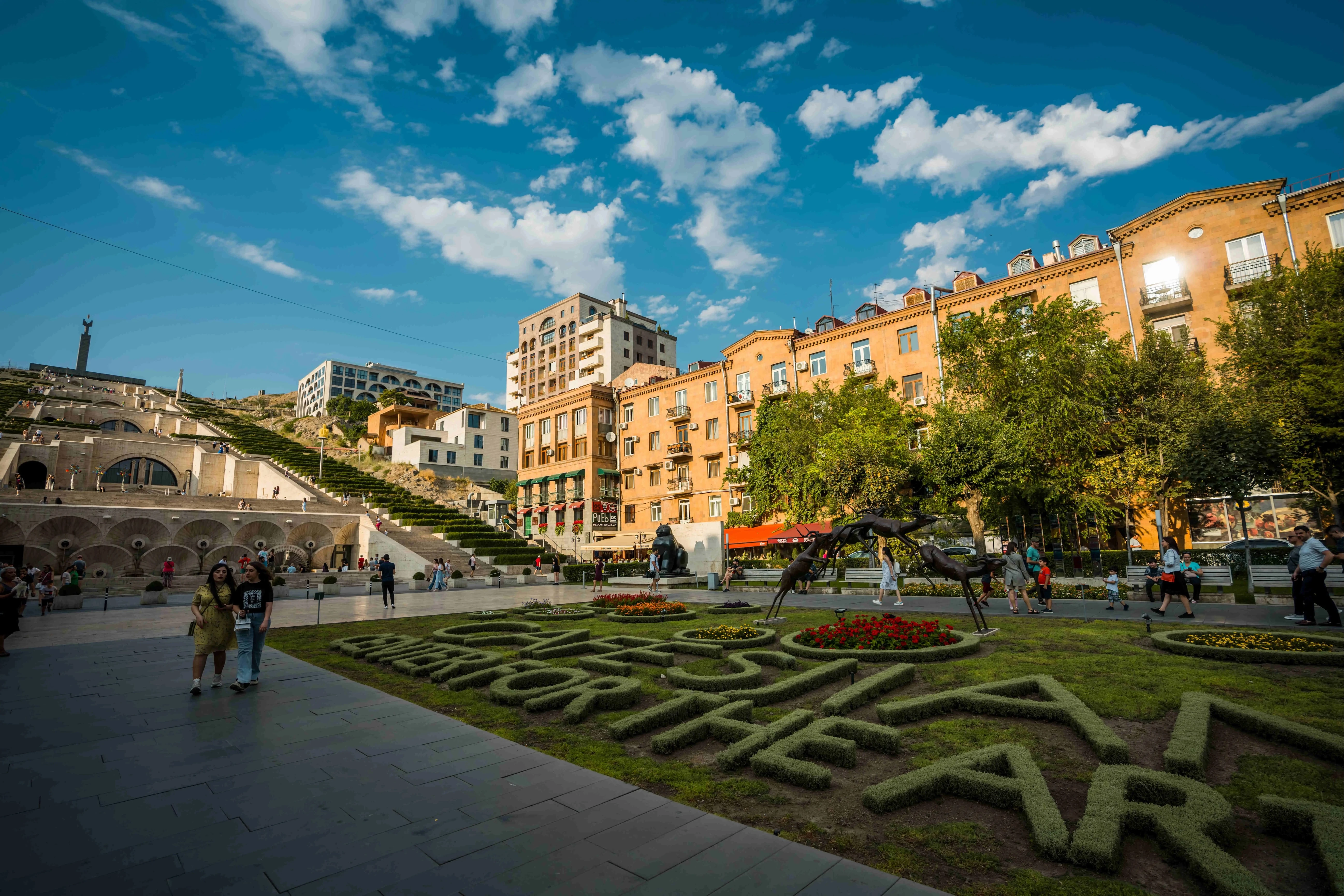
A walk through the city’s streets is a most pleasant activity. One will pass outdoor cafes similar to what you would find in Paris, Rome, or Beirut, boutiques, offices, and hotels. The city and its people come to life amid bustling restaurants serving delicious Armenian specialties or outdoor markets. One landmark not to miss is The Cascade, a complex that includes carefully landscaped gardens where numerous contemporary artworks are on display connected by extensive staircases, fountains, and the Cafesjian Center for the Arts, which was officially opened in 2009.
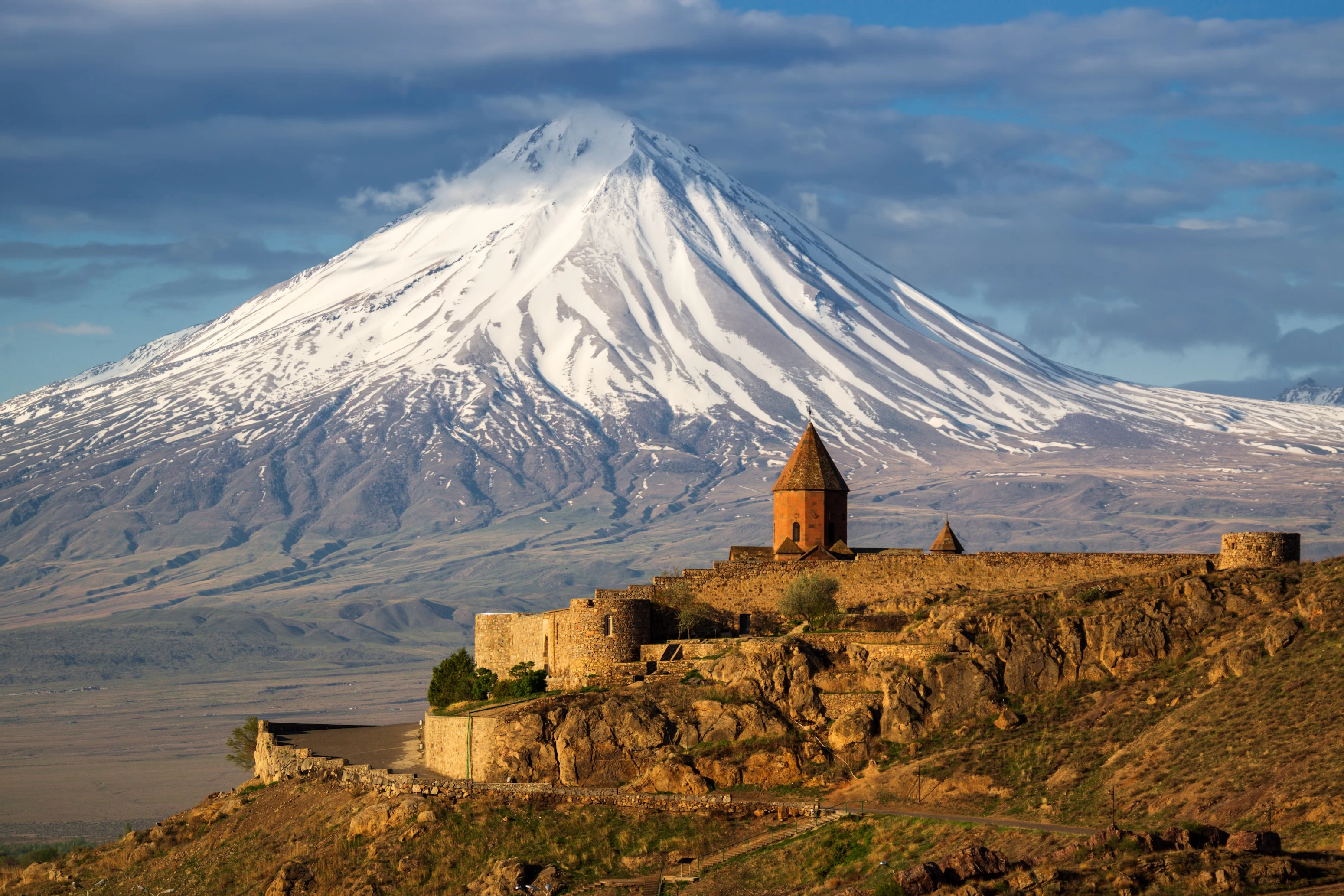
The Cascade’s triangular shape mounts up to a high peak, offering a mesmeric view of the city and Mount Ararat, the highest peak in the Armenian Highlands. Towering in the distance, Mount Ararat dominates the Yerevan skyline and remains visible from numerous vantage points across Armenia. More than just a striking natural feature, it holds deep cultural and historical significance for Armenians.
For the most breathtaking view of this peak, Khor Virap Monastery is unmatched. Set against a picturesque backdrop of vineyards and hills, it offers a truly memorable perspective on a national symbol.
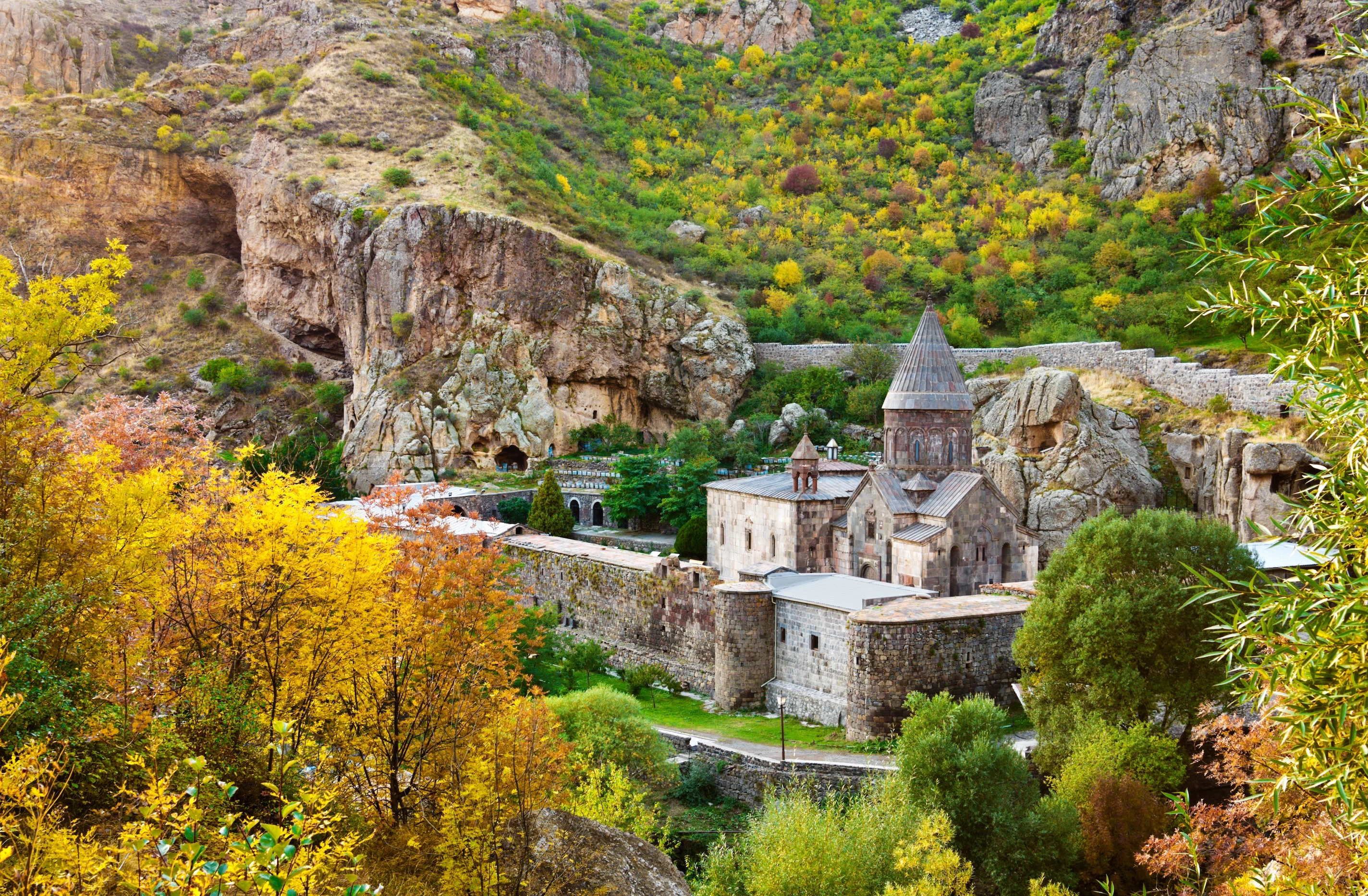
Catching a glimpse of its snow-capped peak recalls the majestic nature found throughout Armenia. While Yerevan is packed with cultural activities, a vibrant gastronomical scene, parks, and gardens, heading outside of the capital provides its own special occasions for discovery. Head to the village of Garni, known for its Hellenistic temple, Azat River Gorge, and Geghard Monastery, a UNESCO World Heritage Site renowned for its medieval architecture and spiritual significance connected to a water spring considered holy.
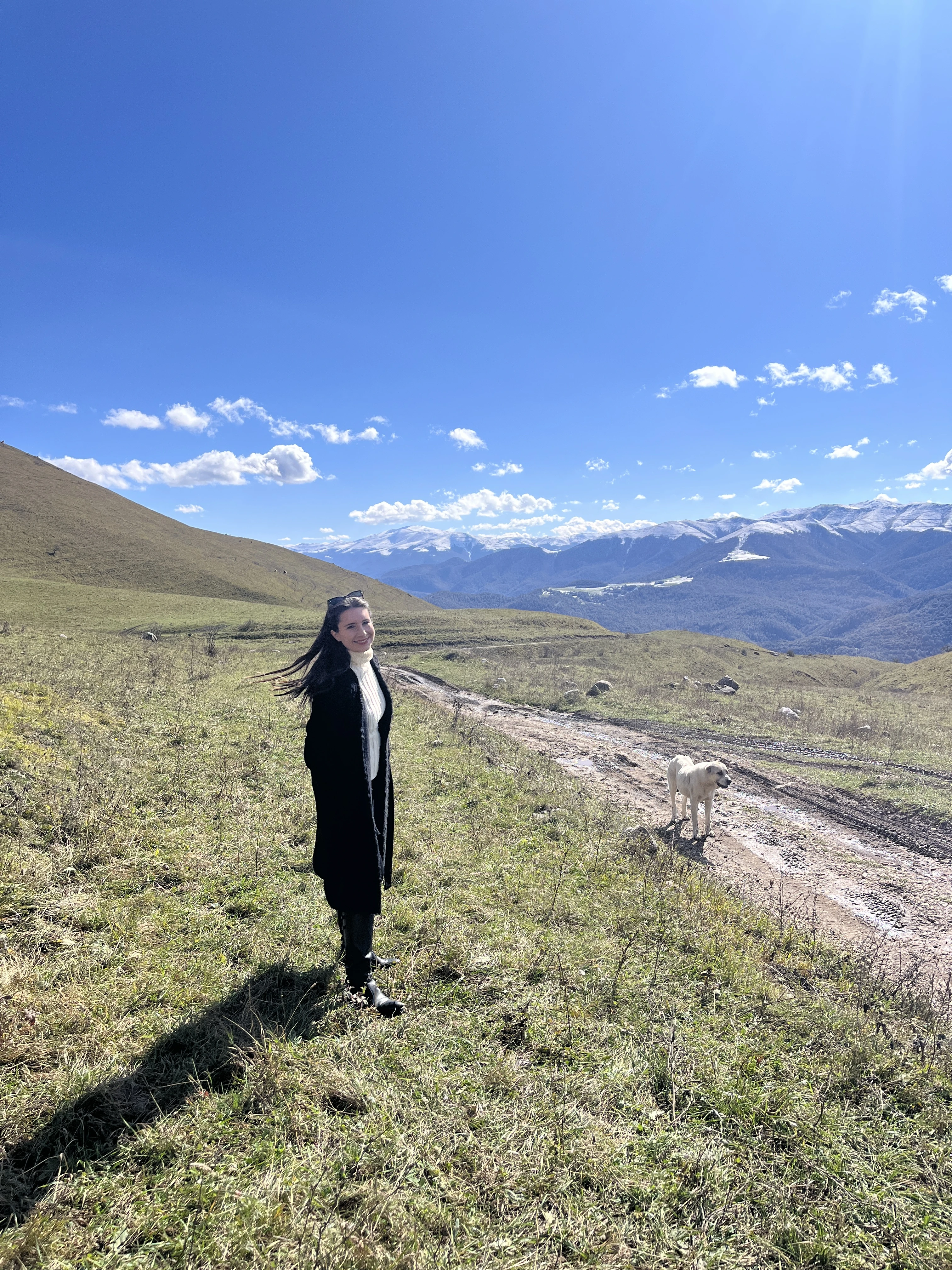
Relish in the views of sprawling hilltops, grasslands, and distant mountains. A visit to Armenia isn’t complete without an adventurous off-roading experience up to Dilmats Mountain, located in the Tavush region. A popular destination for locals, travellers, and nature lovers, make sure you take a sturdy 4x4, fasten your seat belt tight, and enjoy the ride as you make your way up along steep roads through forested areas and meadows, where you might spot groups of cows and sheep.
Depending on the time of year, you’ll find snow at the top along with some of the most captivating views – views that, like everything else in Armenia, will leave you wanting to stay longer.