



Qatar was once something of an after-thought for visitors that were heading to the Arabian Peninsula in the face of the international tourism juggernaut that was the United Arab Emirates. But then came the FIFA 2022 World Cup, bringing tens of thousands of football fans and the eyes of the world on the small nation that juts into the Arabian Gulf.
In the years since, Qatar has doubled down on development and changed its visa rules to allow for free, visa-free travel for citizens of 104 nations. Luxury hotels have upped their game in order to compete with the UAE and Saudi Arabia, and the transport system has improved.
Like the rest of the Gulf, summers in Qatar are hot and non-Muslim travellers should prepare for cultural nuances they may not be familiar with. These dos and don'ts will help make your trip to Qatar the best it can be.
1. Ensure your passport and visa are in order
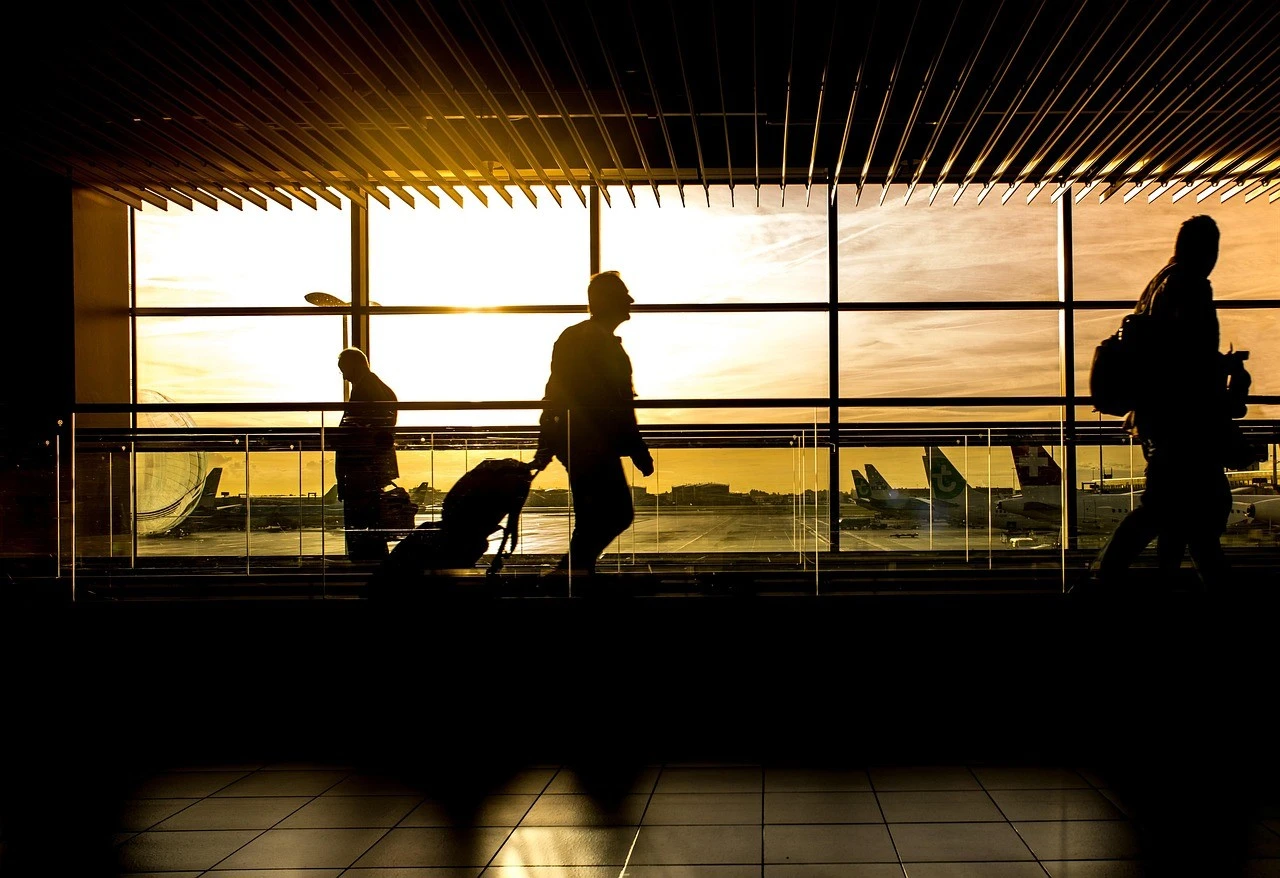
Citizens of 102 countries can visit Qatar for between 30 to 90 days without a visa, receiving a stamp in their passports when they arrive at Doha airport. For details about which nations this applies to, check out the Visit Qatar website.
Good news for American travellers is that US citizens are entitled to a 90-day, multiple-entry visa. Meanwhile, the advent of the Unified GCC Tourist Visa – slated for early 2026 – will see travellers permitted to enter all six GCC countries (the United Arab Emirates, Kuwait, Bahrain, Oman, Qatar and Saudi Arabia) with the same permit.
Bear in mind that, as elsewhere in the Gulf (and the world), passports must be valid for six months on arrival in the country. If you are staying longer than 30 days, travel insurance that covers you for up to 100,000 Qatari riyals (and proof of having it) is required.
2. Understand safety and regional context
It is worth remembering that Qatar is one of the world’s safest nations, and that violent crime against tourists is almost unheard of. Like many nations of the Gulf there is a police presence on the streets of Doha and elsewhere in the country, so while pick-pocketing and petty theft may occur, it is far rarer than elsewhere in the world.
Solo women travellers are generally safe at resorts, hotels and at tourist sites, although it’s always wise to use official metered and regulated taxis, as you would in any urban environment.
3. Dress modestly and respect cultural traditions
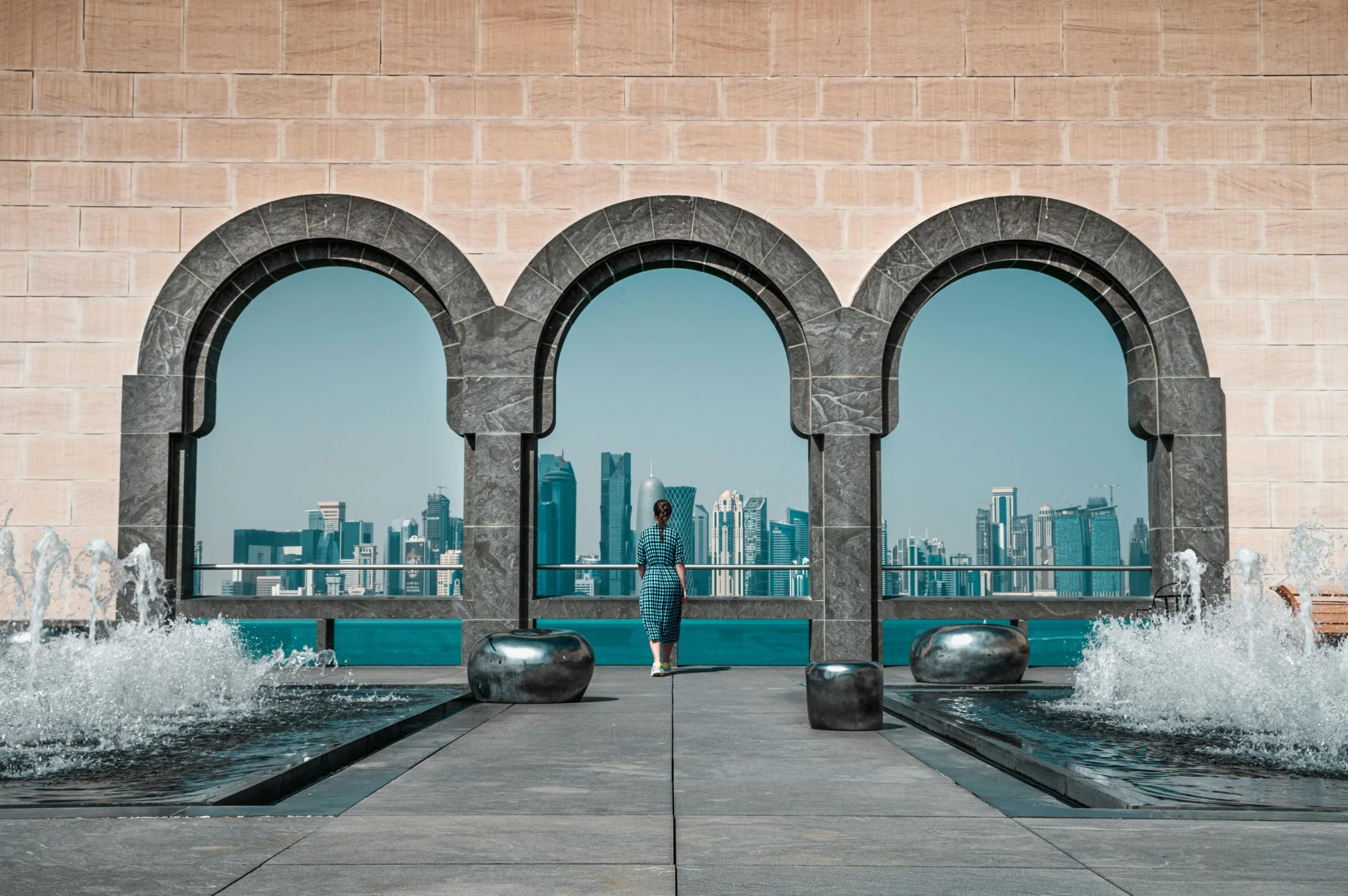
Both men and women should dress modestly and avoid tight and revealing clothing. It is always worthwhile to carry a scarf that can be used to cover your shoulders or head if you stray into a more conservative area of the city or want to visit any religious sites. Women are not expected to wear the hijab, but will be expected to cover their heads in a mosque.
4. Don't underestimate summer in Qatar
Summer in Qatar is no joke, with temperatures rocketing to between 40C and 50C for several weeks during late July, August and September. Although much of the city is air conditioned (and built for the heat), being outdoors during the day is uncomfortable and peak hours should be avoided.
By contrast, the winter and most of the autumn and spring in the Arabian Gulf is delightful, and by far the peak season is between November and February, which is also when the bulk of the country’s events take place. If you’re looking for bargains, consider chancing the weather in the shoulder months of May or September, when it will still be hot (think mid-30s) but perfectly comfortable on the beach.
5. Use public transport when you can
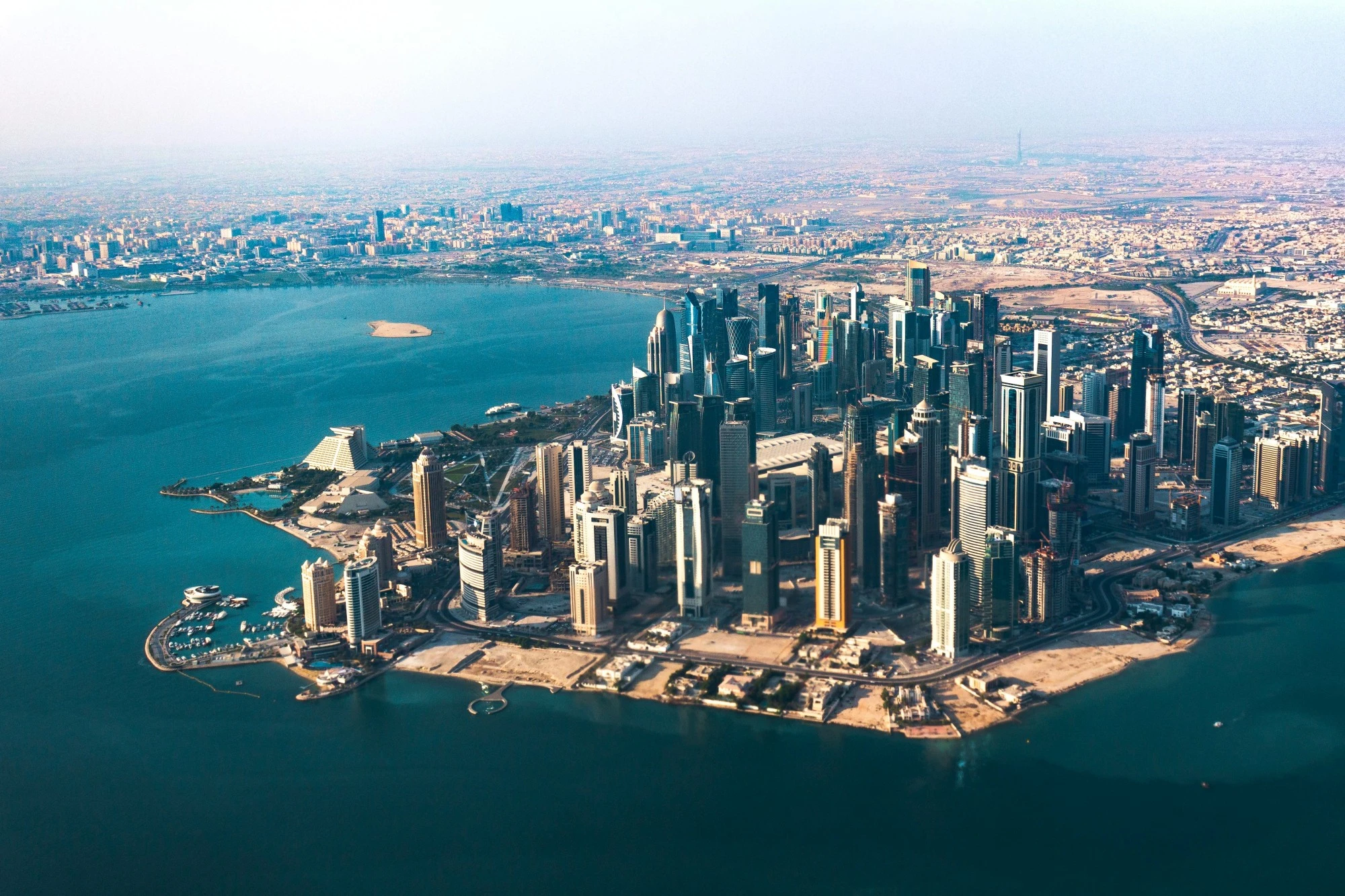
The Doha Metro is fast, cheap, air-conditioned and covers the route from downtown and most of the hotels, the corniche and new developments like Education City to the airport and beyond. There are also trams and buses, although these are less frequent.
If you want to travel beyond the capital, it may be worth hiring a car for a few days, but the bulk of the tourist infrastructure and sites are in Doha and its environs, and you won’t need your own wheels there. Qatari roads are modern and well-connected and fuel is cheap, but the driving etiquette (very fast, very aggressive) can be intimidating if you’re not accustomed to it.
6. Qatar is changing all the time
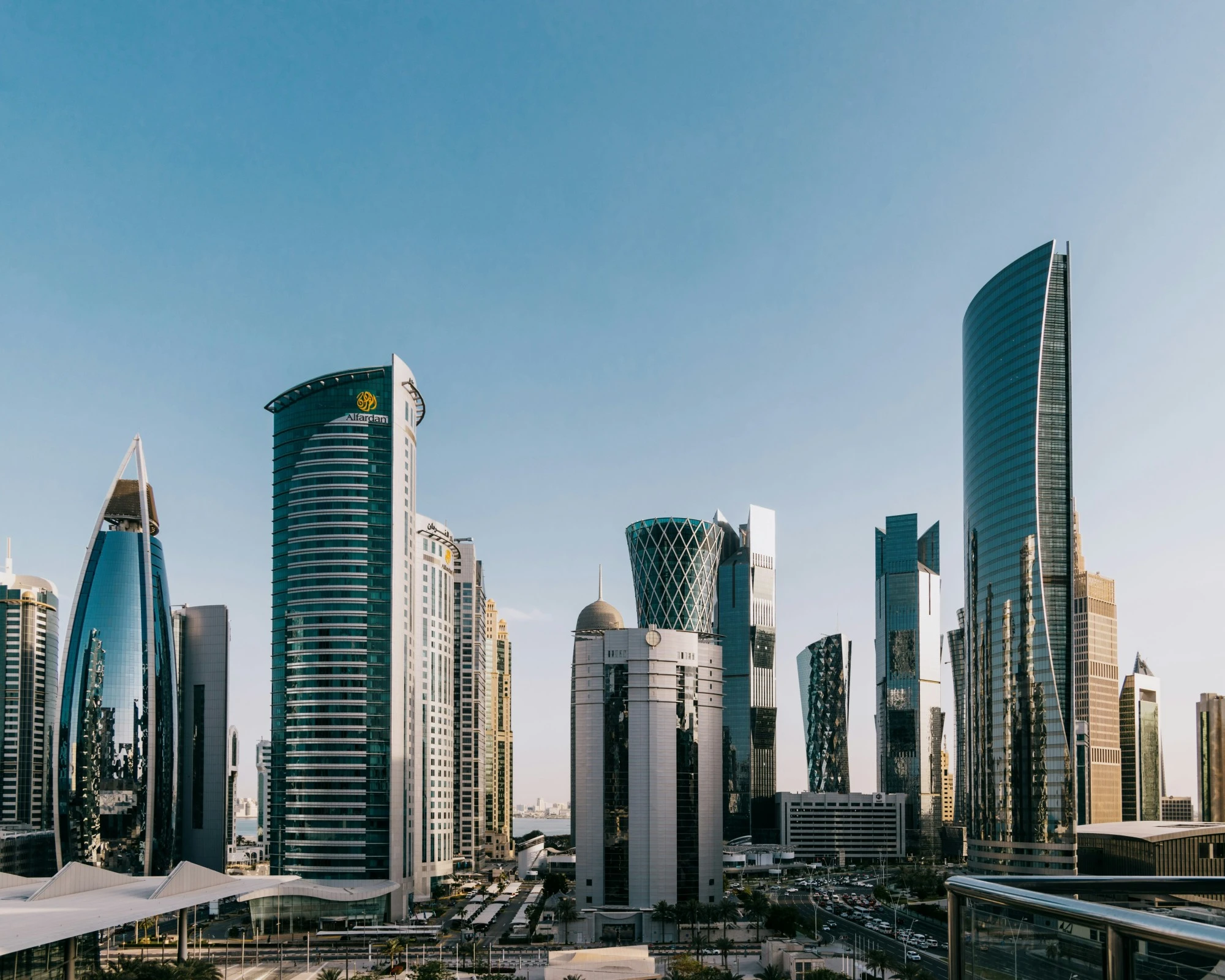
Qatar’s development boom did not end at the final whistle of the World Cup final in 2022. Construction of new districts like Lusail City, just north of Doha, has continued apace, with its own tramline – the turquoise line – unveiled in January 2024.
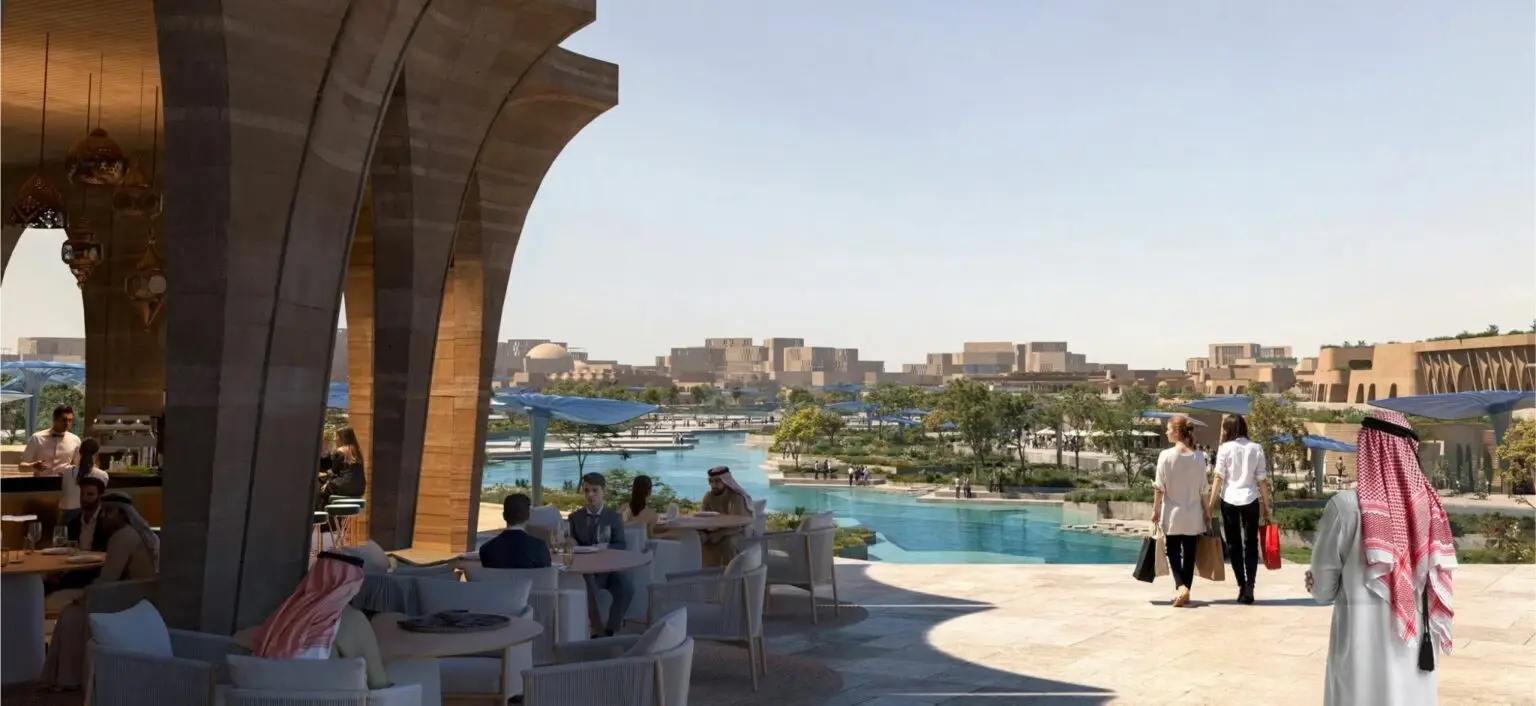
Elsewhere, the $5.5 billion Simaisma project is currently under construction along the country’s eastern coast, and will centre on tourism, including golf courses, a new marina, a theme park, and resorts set along 7km of pristine beachfront. It is expected to open in 2030.