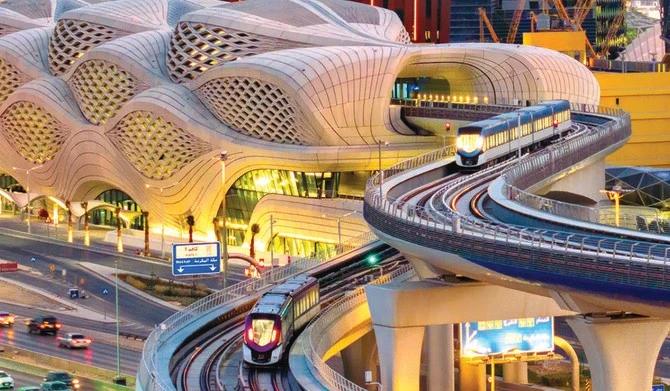

The world’s longest driverless metro is expanding and evolving.
Supporting the capital city's rapid urban and economic growth, the Royal Commission for Riyadh City (RCRC) has finalised contracts valued at nearly SAR 5.5 billion ($1.46 billion) to purchase 94 new trains for the Riyadh Metro system. The agreement will expand the Riyadh Metro’s active fleet from 183 to 277 rolling stock units. Delivery of the new fleet will begin in phased batches starting in 2028, with each train undergoing rigorous operational trials and safety testing before entering full public service.
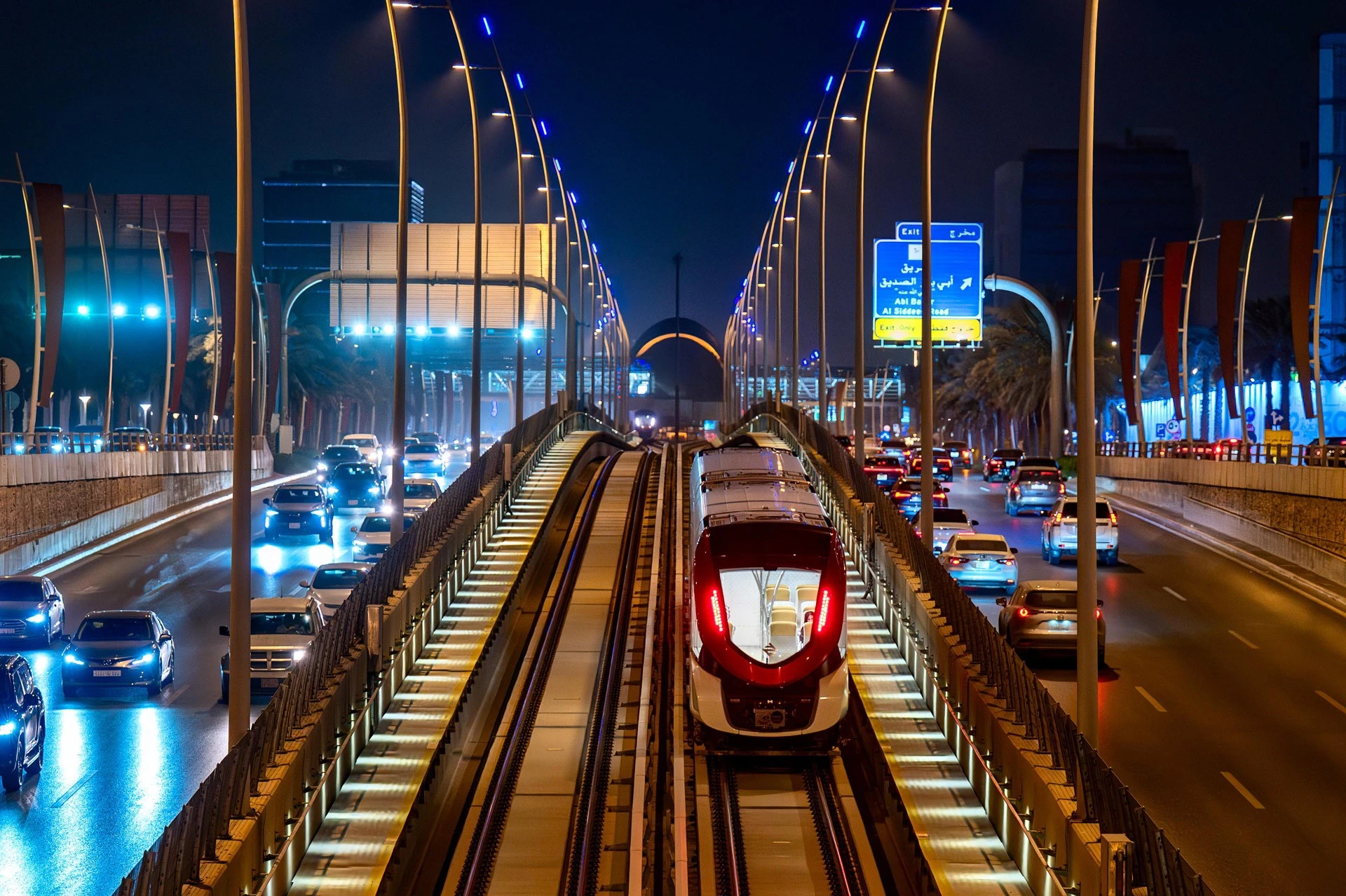
The overall upgrade will elevate total system passenger capacity by 60%, accommodating long-term mobility shifts as the capital readies itself to host major international events, including Expo 2030 and the 2034 FIFA World Cup.
Global manufacturing leaders Siemens Global Mobility and Alstom will execute the contracts, and the scope of the agreement will cover the end-to-end production, onboard train control systems, essential equipment, and comprehensive technical services. Designed from its inception to accommodate future fleet growth, the metro network will distribute the incoming rolling stock across its six primary lines to target key congestion points and high-demand corridors:
- Red Line: Boosting capacity by 142%, this new expansion will support more than 370,000 journeys a day, and marks the largest operational boost in the system.
- Yellow Line: Bringing daily transit limited beyond 288,000 passengers, the Yellow Line will see a 116% increase in capacity.
- Blue Line: Increasing its daily capacity from 340,000 to approximately 533,000 riders, there will be a 60% increase in capacity on the Blue Line.
- Orange Line: Running 41 kilometres from east to west, the Orange Line capacity will be increased by 27%.
- Purple Line: Serving KAFD, Riyadh Metro's purple line will see an increase of 16%.
Public Uptake Soars
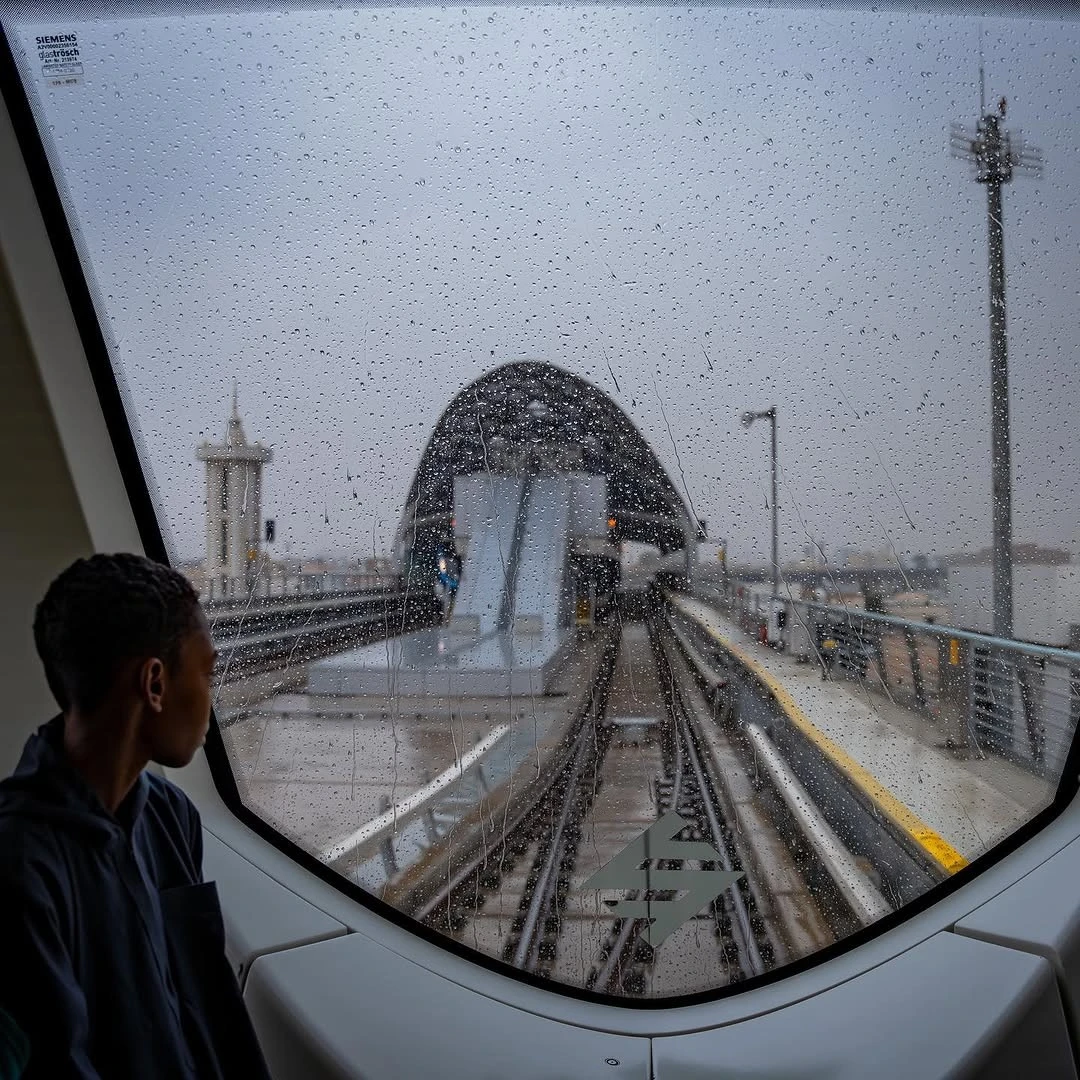
The network expansion comes amid soaring demand across the city's transit systems. Speaking at the 37th Government Press Conference, RCRC CEO Ibrahim Al-Sultan confirmed that the metro has surpassed 300 million passenger journeys, with average ridership between January and September 2026 jumping by 25% compared to the same period in 2025. Combined usage across the broader transit ecosystem, including the capital's bus networks, is now approaching 500 million total journeys.
An internal RCRC study revealed that 83% of metro passengers rely on the system daily for school, university, and workplace commutes, highlighting its quick integration into the everyday routine of local residents.
New Stops & Further Expansion Plans
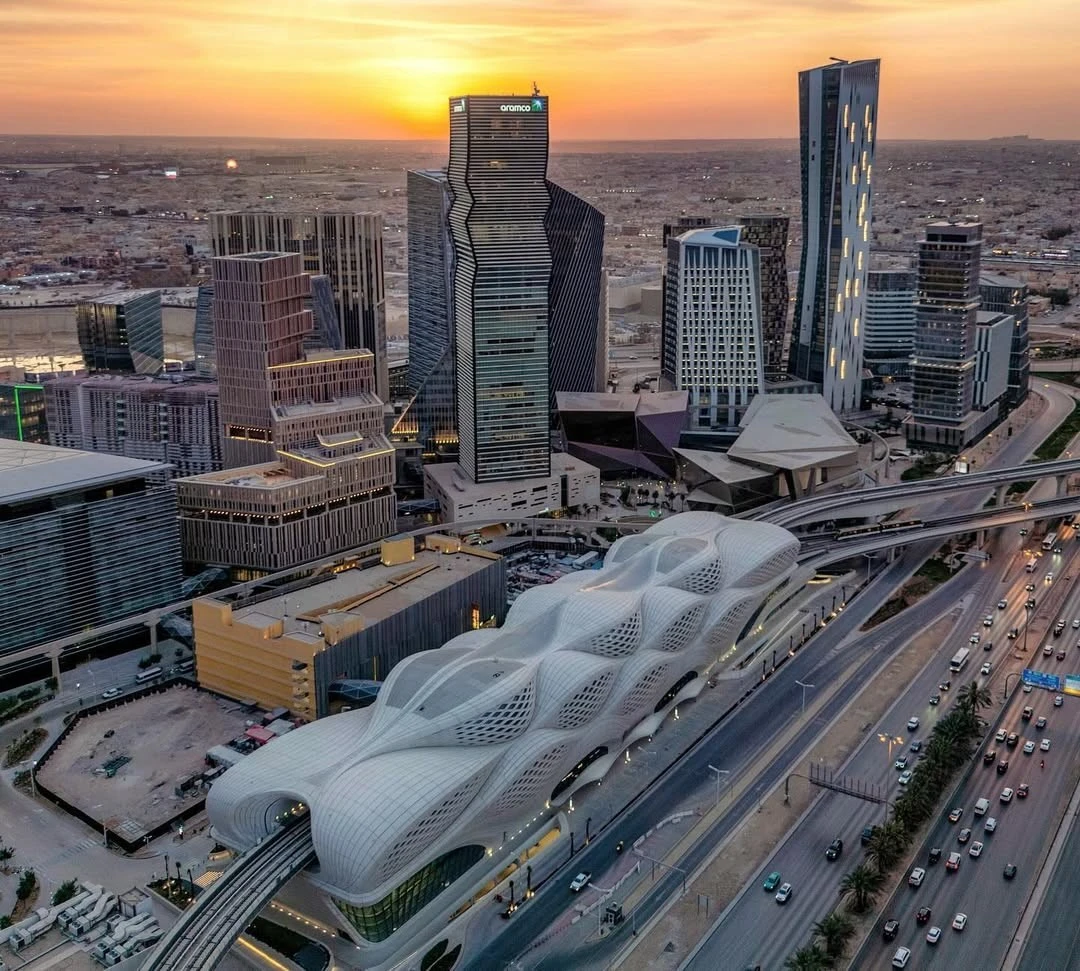
Beyond fleet expansion, the authority is advancing several key transport and urban projects across the capital. Work is actively underway to extend the Red Line from King Saud University into Diriyah, adding five new stations that will serve both the university's Medical City and key cultural destinations in historic Diriyah. Concurrently, the Main and Ring Road Axes Development Program is enhancing over 700 kilometres of arterial roads and 330 major intersections, featuring more than 300 bridges and 80 tunnels. Construction progress has already reached 81 percent on the link between Taif Road and Qiddiya, and 45% on the Second Southern Ring Road.
To streamline traffic flow further, RCRC is implementing targeted traffic engineering updates across 26 high-density bottlenecks while connecting 720 upgraded intersection signals to a centralised control centre. These infrastructure improvements are being matched by large-scale environmental initiatives, including the Green Riyadh Program, which has successfully planted more than 4.5 million trees across the capital to date.