Qatar makes no bones about its size: indeed, even the country’s official tourism website describes it as compact. But it is no mere marketing fluff to say that it is a destination that punches above its weight, with world-class museums, five-star hotels, and several hundred kilometres of sandy Arabian Gulf coastline, not to mention its wild desert interior.
It is a lot to take in, so in an effort to avoid some pre-travel FOMO, we have outlined the destinations that you won’t want to miss during your trip to Qatar.
Check out the Arabian Riviera at the Pearl
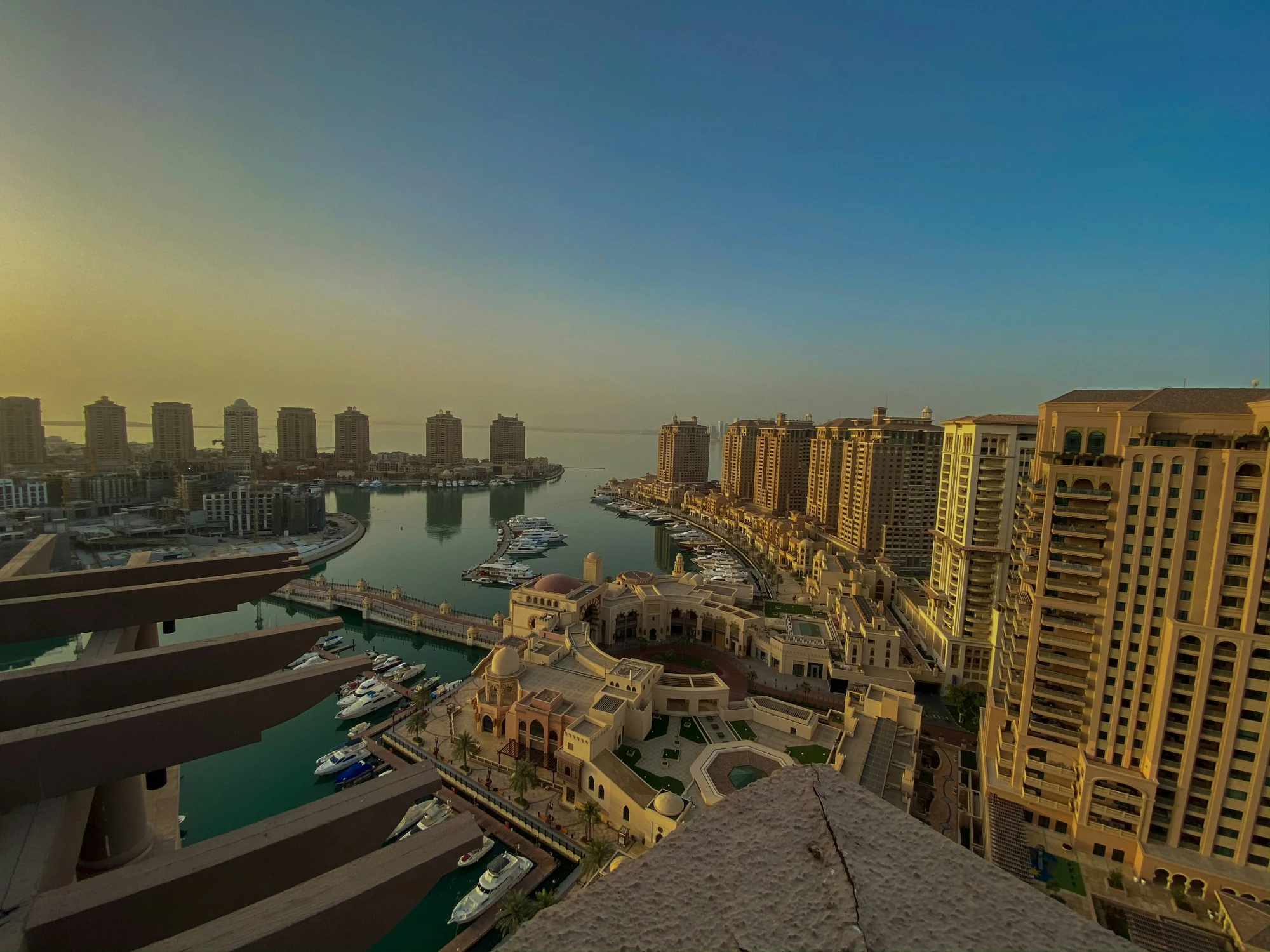
A man-made island of four million square metres off the coast of Doha’s West Bay District, the Pearl has adopted the moniker ‘the Arabian Riviera’ for its high-end restaurants and cafes, exclusive marina, landscaped gardens and pedestrian-friendly squares. In the hot summer months, the entire project can be traversed via air-conditioned walkways.
It is a 30 to 40 minute taxi ride from Hamad International Airport and also connected to the metro (nearest station is Legtaifiya on the Red line) via the M1100 Metrolink bus. It is also home to a number of Doha’s best hotels, including the Hilton Doha and the St Regis Marsa Arabia, the latter poised on the circular island that sits right at the heart of the Pearl Island project.
Do as the locals do and walk the Corniche
As the focal point of the Qatari capital, Doha, for generations, the horseshoe-shaped corniche stretches for 7km and is eminently walkable, with grassy parks and soft sand beaches, cafes and restaurants, and epic views of the city’s looming skyscrapers and traditional wooden dhows in the bay. On cool evenings the corniche and its public areas are packed with local families and visitors lolling on the grass with their children and having a picnic.
Marvel at the Museum of Islamic Art
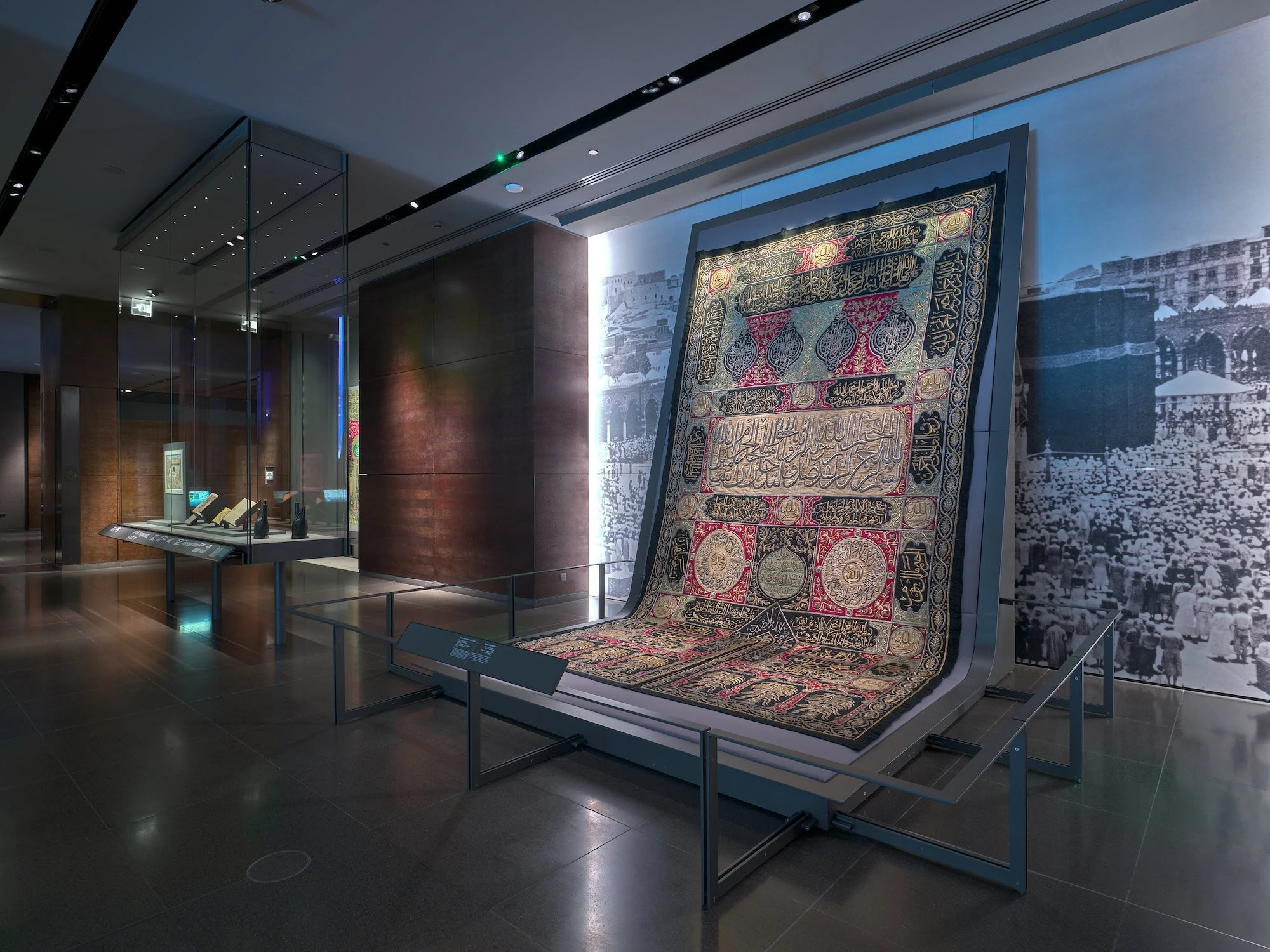
When he was researching his iconic Museum of Islamic Art in Doha, international ‘starchitect’ I.M. Pei spent several months travelling the Middle East, searching for inspiration for the building that would “convey the essence of Islamic architecture”. The result is the bright-white cubes of the museum, reflected by the water by day and lit up by night, and with architectural flourishes that pay homage to Islamic fashion and geometric patterns. Inside, the museum contains a massive array of Islamic treasures, from Ottoman-era steel helmets to a ruby-studded falcon to an enormous display of ancient Quranic manuscripts.
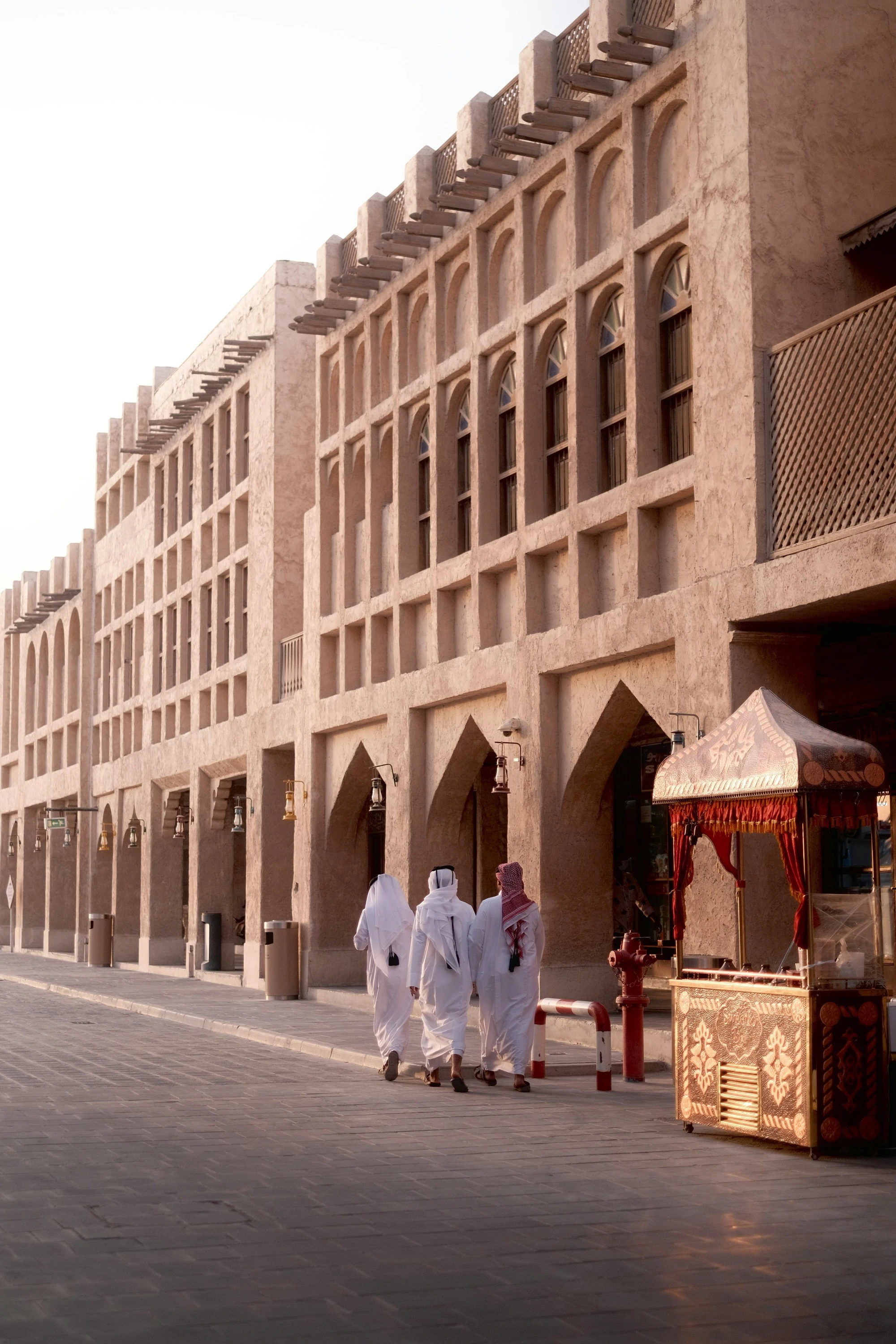
Browse the stalls at Souq Waqif
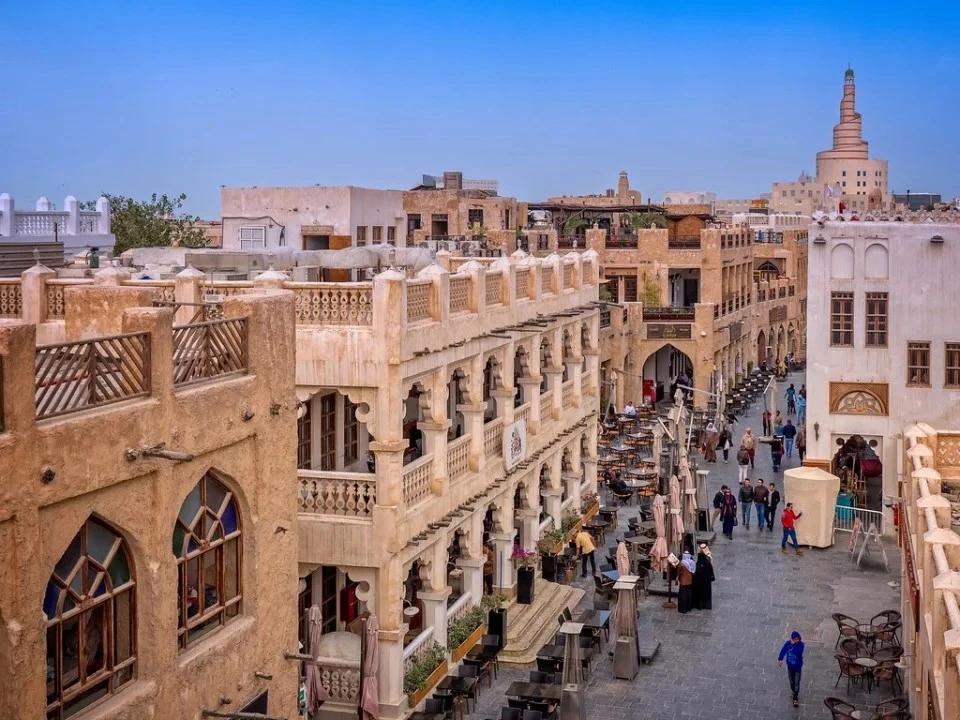
Doha’s premier marketplace is built on the site of a traditional Bedouin souq and retained some of its energetic, ramshackle charm even in the face of a modern redevelopment. Walking distance from Doha’s corniche, stone and wood have been used to maintain the souq’s old world charm, and the Spice and Gold Souqs, which sell spices from huge baskets and intricate gold head pieces and necklaces respectively, are atmospheric places to wander.
Be sure not to miss the Falcon Souq, where the Arabian hunting birds are for sale in a standalone arcaded building next to the wider market. On Thursday evenings, customers descend on the market place to examine the hunting birds so important to Qatari heritage, most of them hooded and perched on posts and railings, as well as the associated garb, including leather falcon helmets and the gloves needed to train and hunt with the magnificent birds. Ask nicely and a shopkeeper may let you take a picture with a falcon perched on your arm.
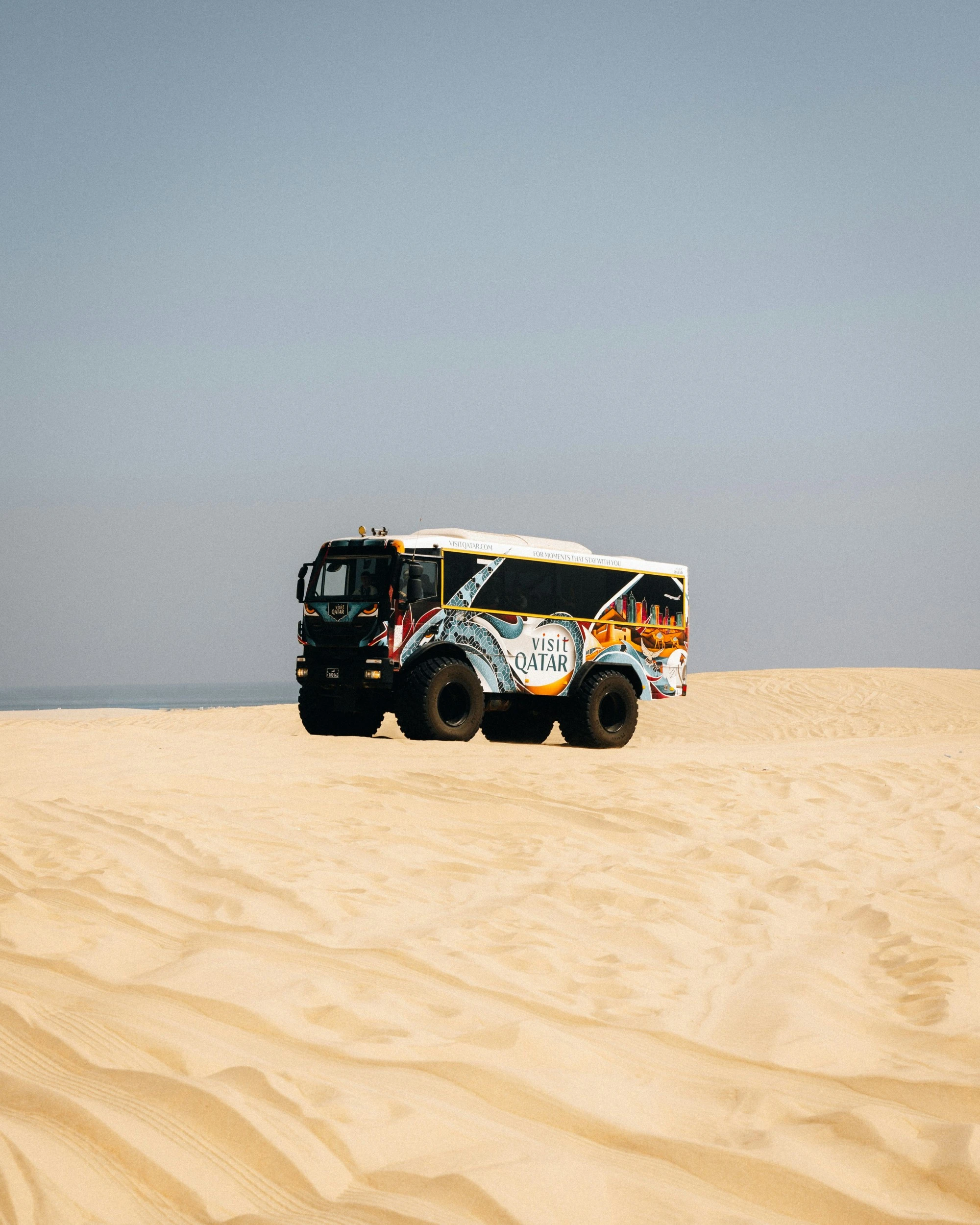
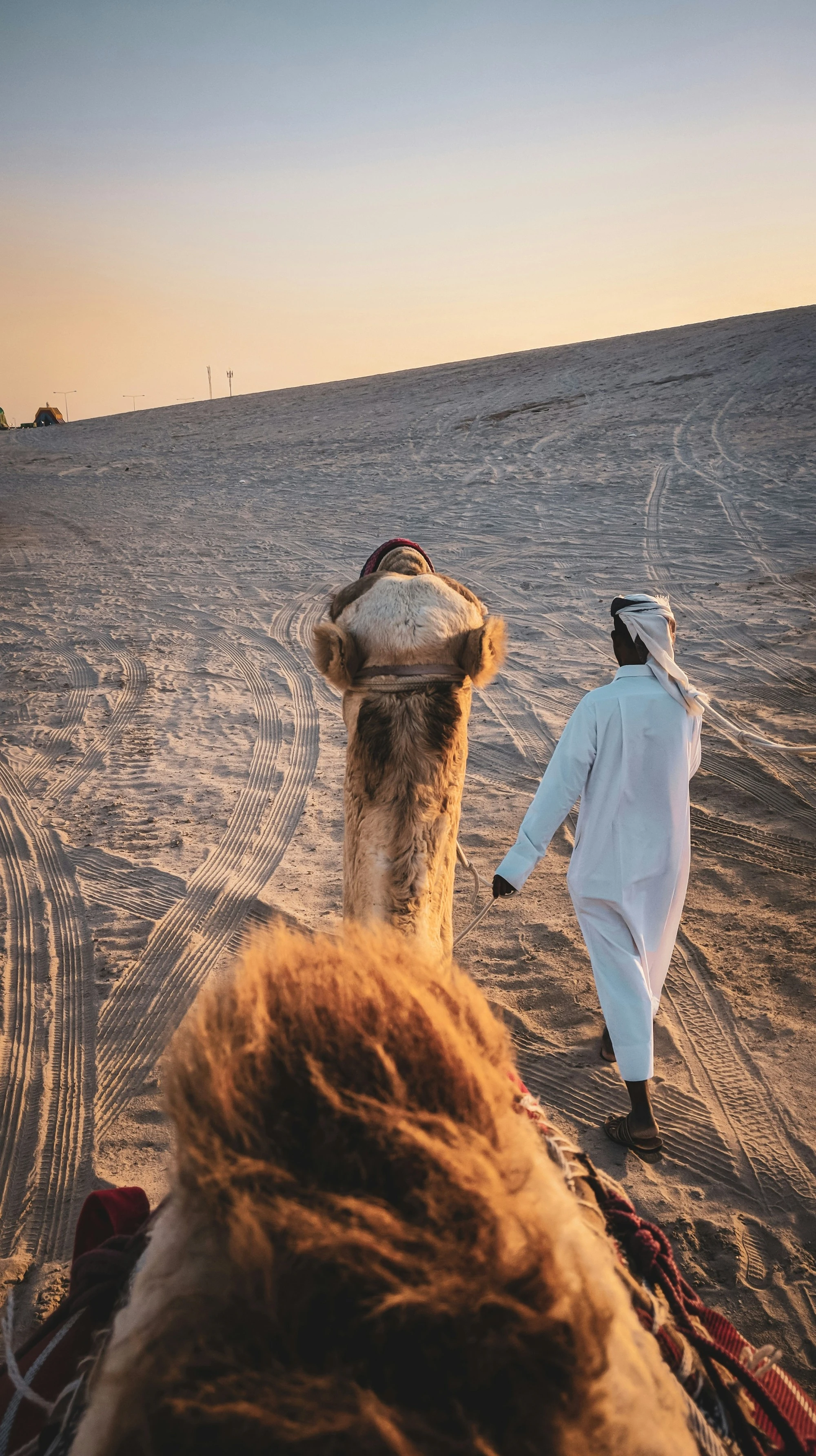
Head out on a desert safari
Myriad companies offer desert safaris into the Qatari interior, and tours can be booked online or through your hotel, with most operating a well-practiced roster of coffee-drinking, camel riding, falcon watching and dune-bashing – the latter involving being strapped into a 4WD driven by a young Qatari and driven at high speed over mountainous dunes of sand. Tours are often designed to finish up around sunset, which offers the opportunity to take pictures as golden hour descends over deserts that have not changed since the dawn of time.
Many trips also involve a trip to Qatar’s ‘Inland Sea’, or Khor Al Adaid, which is an hour’s drive from Mesaieed and the Sealine Beach, and around 80km south of Doha on the border with Saudi Arabia. Wildlife on display includes flamingos, oryx and gazelles, as well as a massive variety of waterbirds such as cormorants, gulls and ospreys. The lagoon is surrounded by pristine sand and the water is warm if you fancy a swim.
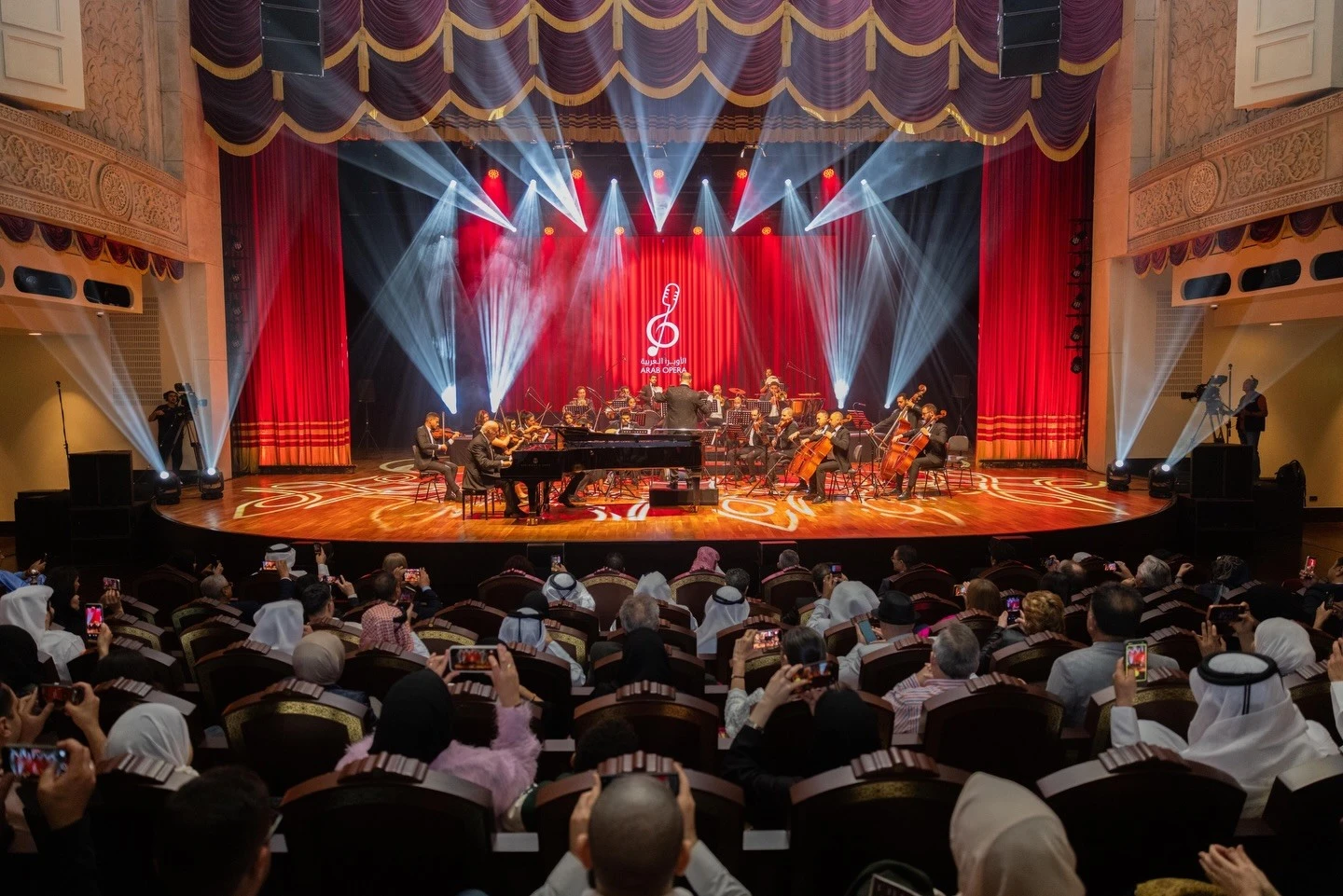
Learn about Qatari culture at Katara Cultural Village
Located just off Katara Beach, Katara Cultural Village is a massive development comprising theatres, concert halls, exhibition galleries and other facilities for locals and tourists alike. It often hosts festivals, workshops and performances, from movie screenings to music and dance.
Katara is the traditional spelling of Qatar, and the Katara project is home to a range of modern buildings that pay tribute to the country, and the wider region’s, past. These include the remarkable Katara Mosque, designed by Turkish architect Zeynep Fadillioglu and using blue and gold tiles in tribute to the Dolmabahçe Palace in Istanbul. The nearby Gold Mosque is also impressive with gold tiling that shines in the sun.
You could easily spend a day at Katara, especially if you include the beach and nearby planetarium, but if you’re pushed for time be sure not to miss the 3,275 sq-m amphitheatre (opposite the Gold Mosque), which can accommodate 5,000 spectators and provides epic views of the sea, on one side, and the wider cultural village on the other. The Qatar Museum Gallery, which showcases local and international artists, is another must-see.
Step back in time at the National Museum of Qatar
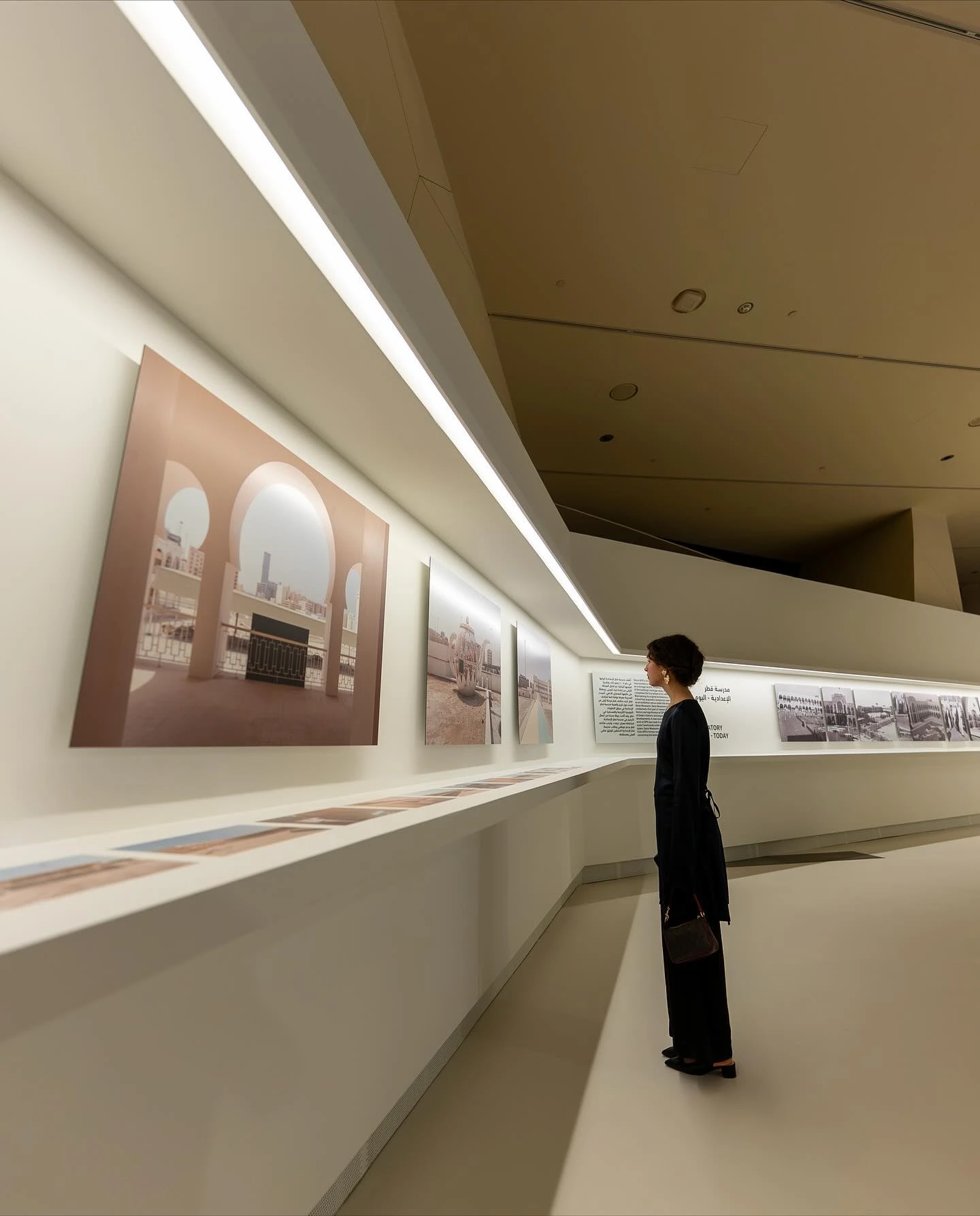
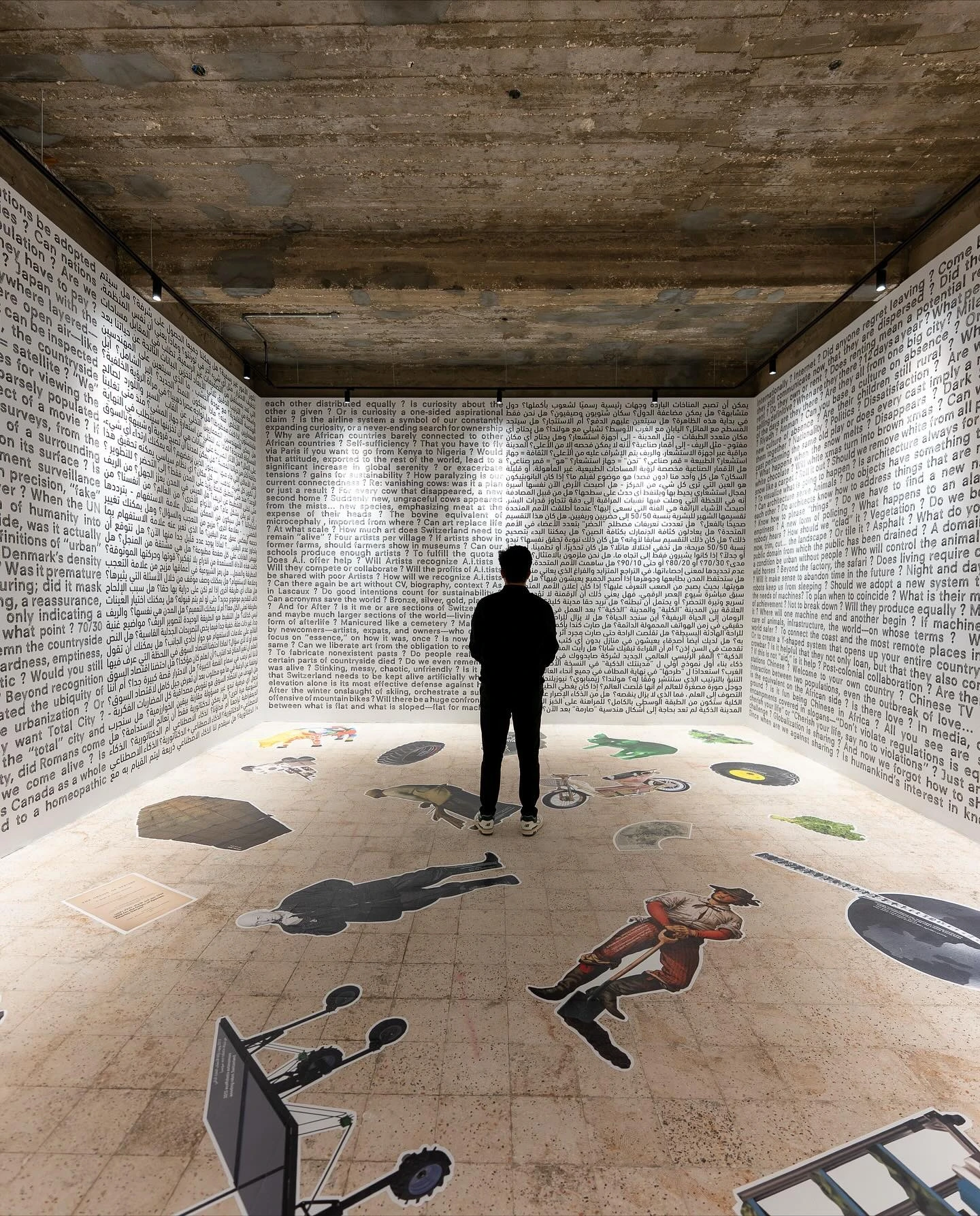
Another epic museum in Doha where the building is arguably as interesting as the exhibits inside it. Opening in 2019, the National Museum of Qatar was designed by Jean Nouvel to imitate the desert rose crystal, which are found in Qatar. The museum tells the story of Qatar and its people, from Bedouin tribal wars to the formation of the Qatari state and followed by the impact of the discovery of oil and natural gas. As well as archaeological finds, the museum includes a range of audio and visual exhibits that will keep older children interested and entertained. One section reconstructs the historic Al Zubarah coastal city, and another pays tribute to dugongs, the manatee-like creature that has played an outsized role in the nation’s history. Adults pay QAR 100 but children under 16 are admitted for free.
Relive the Qatar World Cup 2022 glory (depending on who you support)
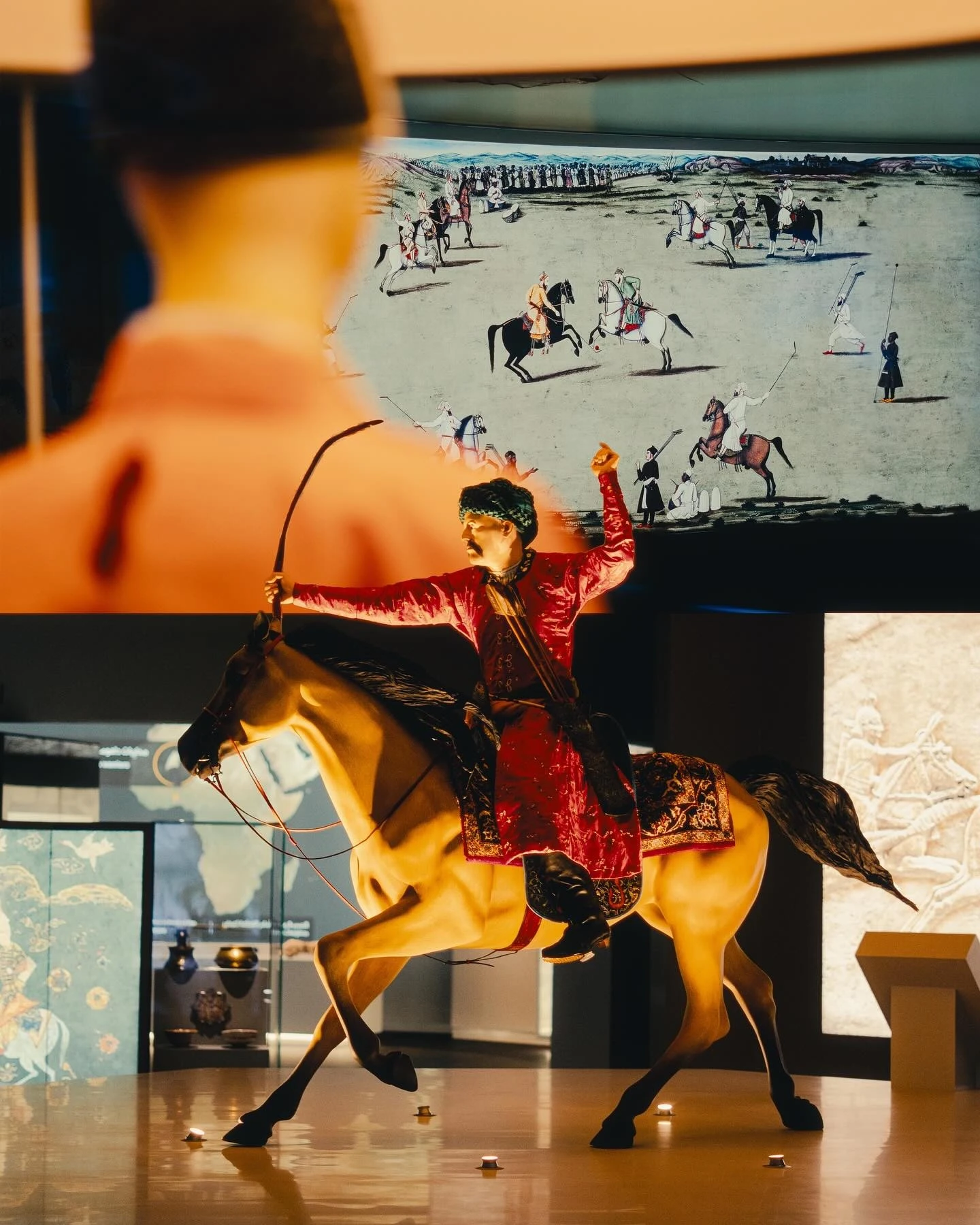
If the 2022 World Cup has already receded into foggy memory, visitors to Qatar can visit the iconic Khalifa International Stadium and the Qatar Olympic and Sports Museum, where Olympic memorabilia jostles with interactive exhibits celebrating athletic excellence. It is an open secret that Qatar is hoping to be the first Middle Eastern nation to host the summer Olympics one day, and many of the stadiums built during the 2022 tournament have remained in excellent condition and are regularly used by domestic teams. Guided tours of the Khalifa Stadium are held on Mondays and Wednesdays between 9am and 11.30am in English. Book ahead.