




Since the end of February, travel across the Middle East has entered an unusually uncertain period.
Regional tensions triggered widespread airspace closures resulting in extensive flight suspensions, cancellations and disruptions. This has both hampered and complicated travel in one of the world’s most important aviation corridors and leaving hundreds of thousands of travellers (residents, tourists and locals alike) reassessing their travel plans.
The situation is ever evolving, with varying elements, specifically for travel changing daily. While airports across the Kingdom remain operational, flight schedules to certain regional destinations have been affected by restrictions in neighbouring airspace and changes to airline operations.
Read More: How Saudi Arabia is managing travel during the current period
Airspace closures are driving the disruption
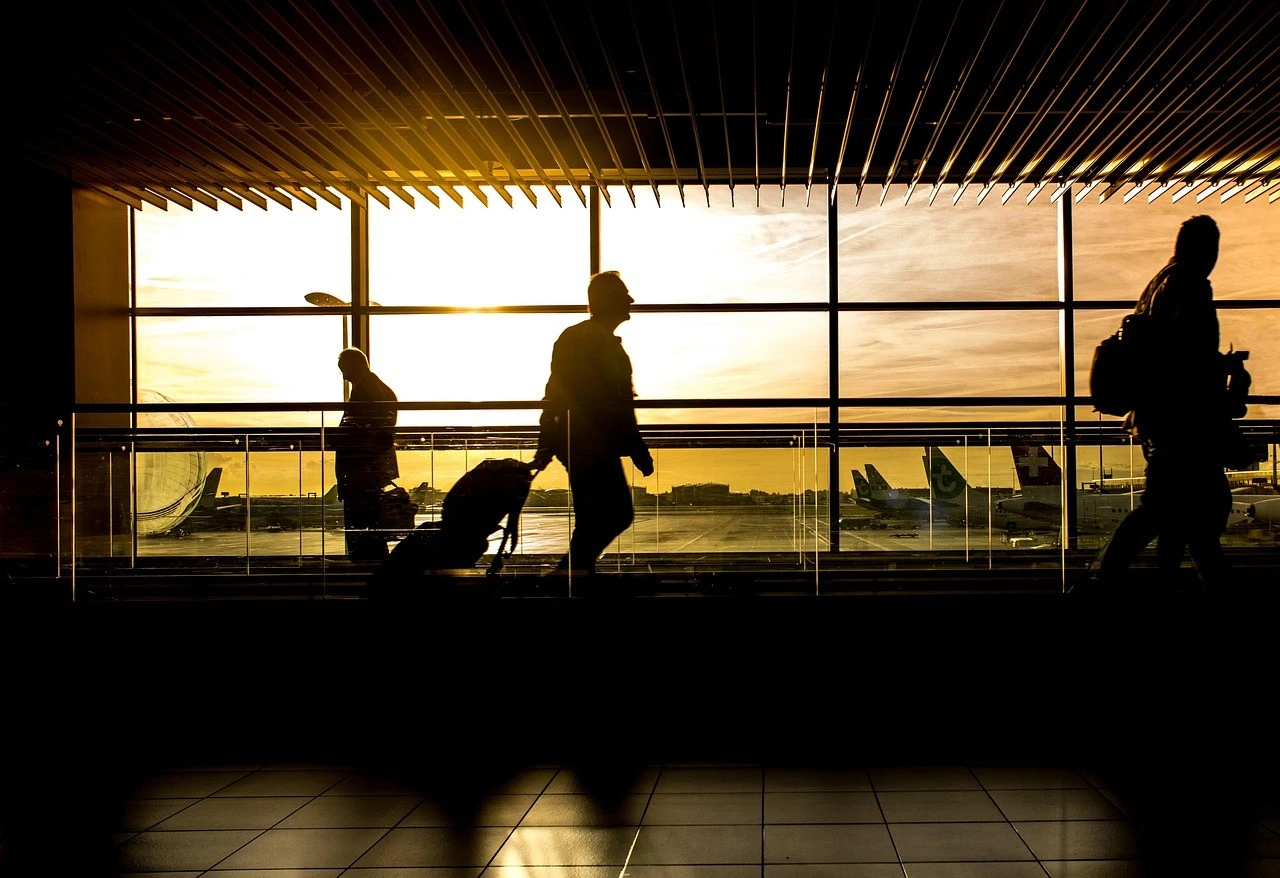
The recent surge in travel volatility stems from military actions and counter defence operations across the region, prompting several nations to implement swift yet temporary airspace closures or significant restrictions on commercial flights. Consequently, a number of international and the main regional airlines have been forced into large-scale cancellations and the extensive rerouting of flights to and from or traversing through the Middle East.
Key transit hubs within the Gulf are experiencing the most substantial impact. This period of uncertainty has only further highlighted the importance of the region's major gateways in Dubai, Abu Dhabi, and Doha, and the critical links they provide between Europe, Asia and Australia — have reported high volumes of cancellations since late February. Given the strategic importance of Gulf carriers in global long-haul aviation, these regional challenges have created significant ripple effects.
Suspended and cancelled flights
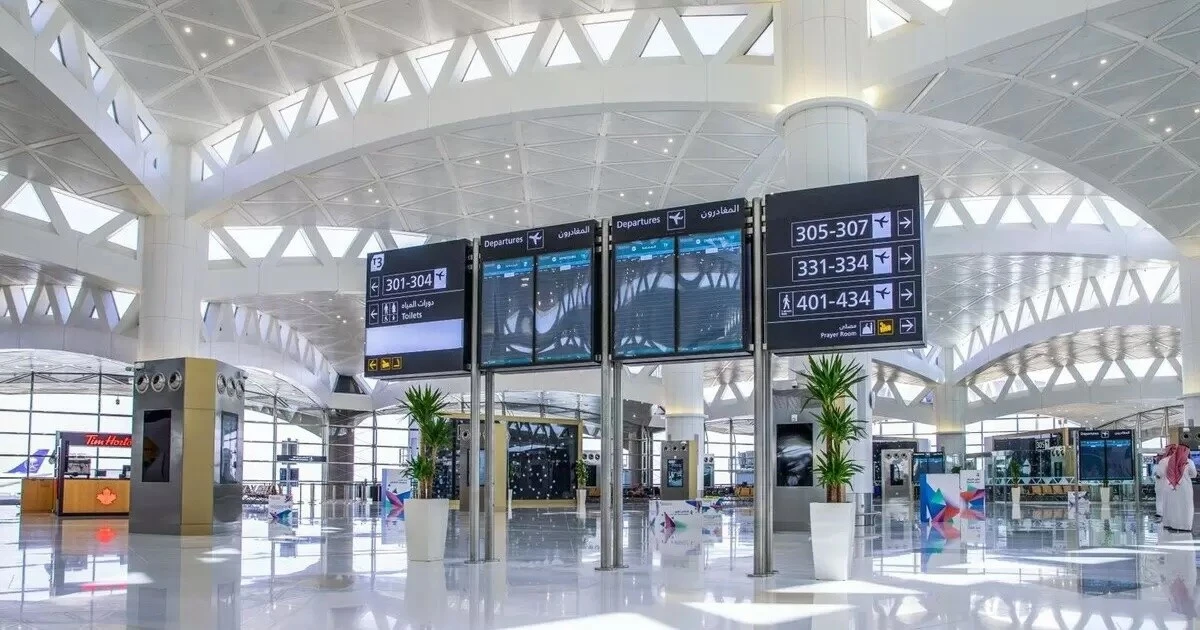
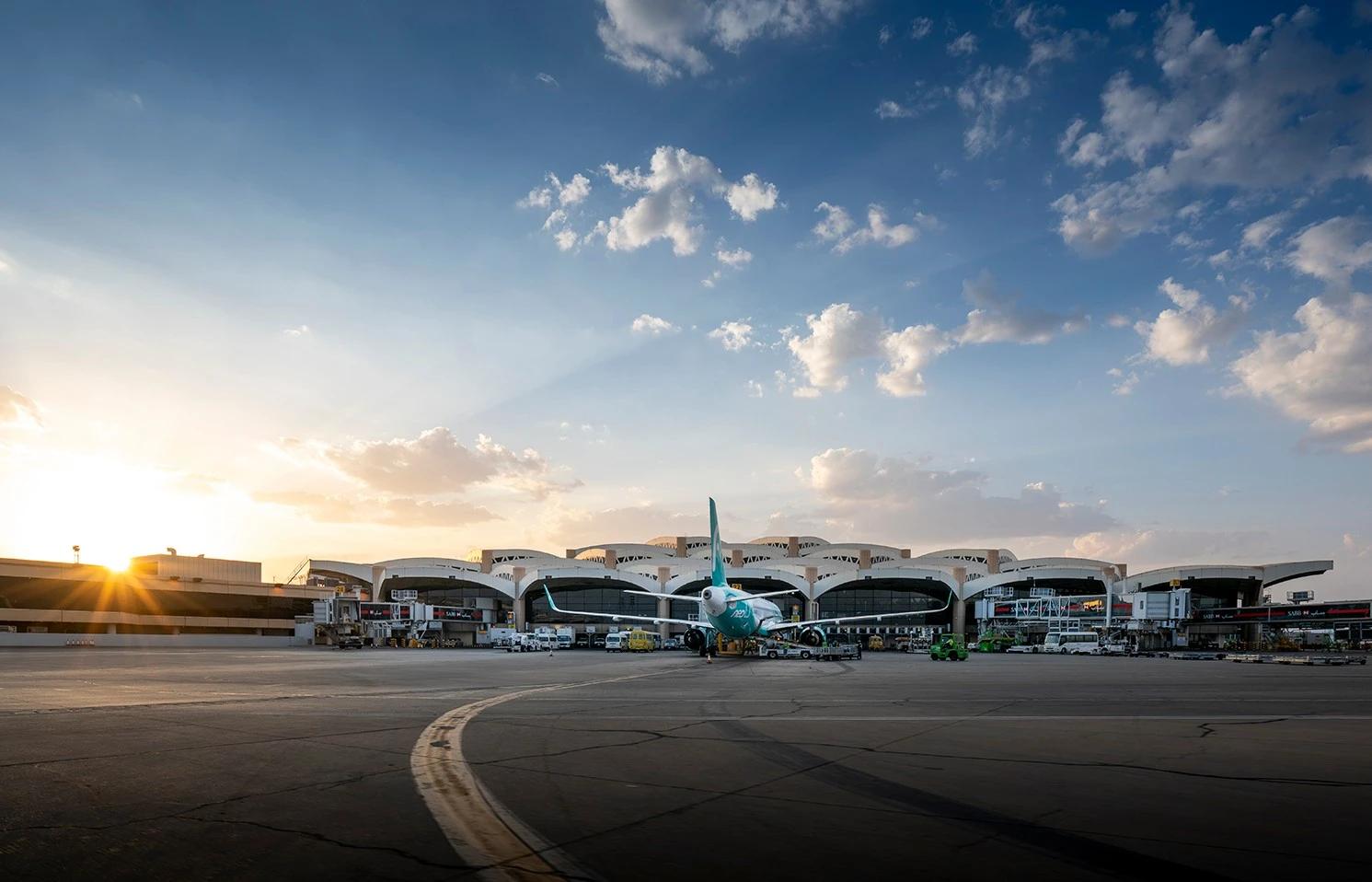
The Kingdom's national carrier Saudia has confirmed the temporary suspension of several regional routes as a precautionary response to evolving airspace restrictions in the Middle East. While operations at King Khalid International Airport (RUH) have remained more resilient than other Gulf hubs, the carrier has extended flight suspensions to Amman, Kuwait, Abu Dhabi, Doha, and Bahrain until at least midnight on March 12, 2026. These measures are strictly linked to aviation safety and regional security protocols rather than internal operational issues within Saudi Arabia.
As of March 2026, the aviation landscape remains in a state of flux:
Regional Connectivity: Saudia has successfully implemented a partial resumption of services to Dubai, with limited daily flights operating from both Riyadh and Jeddah.
International Resumption: While some airlines are seeking to restore links, the situation remains volatile. Virgin Atlantic, for instance, has paused its London-to-Riyadh service until March 25, 2026, following a comprehensive safety assessment. Conversely, British Airways and Qatar Airways have prioritised repatriation flights to move stranded passengers through specific air corridors, with British Airways cancelling flights to the Saudi capital for the foreseeable future.
Global Impact: Because the Middle East serves as a critical bridge for long-haul travel, the closure of corridors over Iran, Iraq, and Kuwait has forced global carriers to reroute. Most European-to-Asian traffic is currently being diverted through a southern bypass via Egypt, Saudi Arabia, and Oman, or a northern route via the Caucasus and Afghanistan.
We recommend any travellers continue to monitor real-time updates from official government sources and airlines.
What travellers should do now
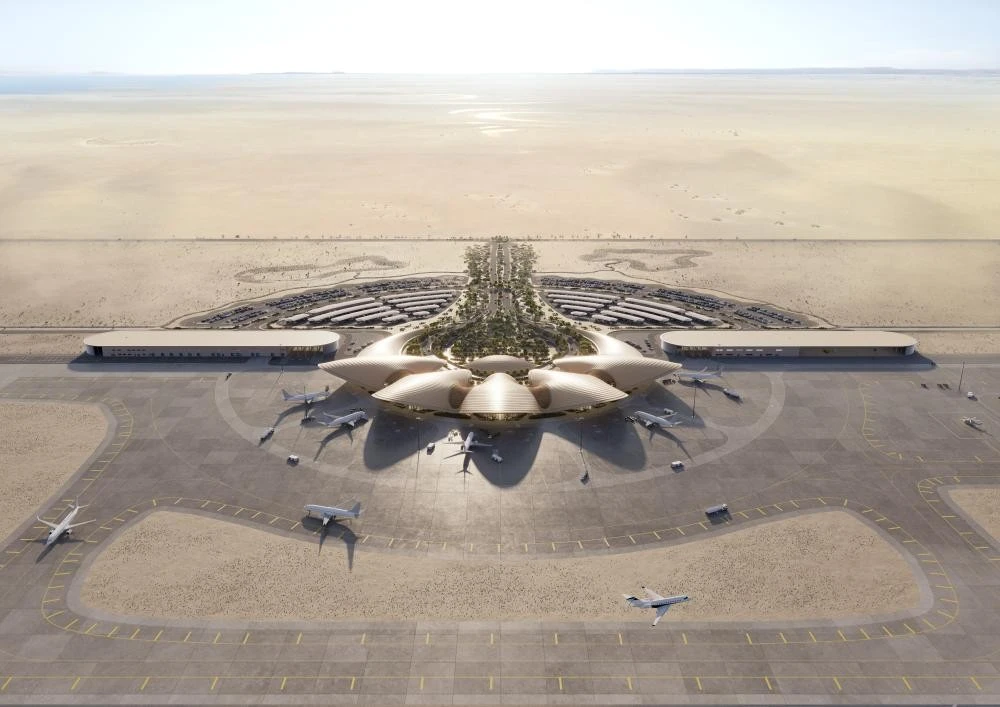
For those with upcoming travel plans, flexibility is essential. Airlines across the region are offering options to rebook or cancel flights affected by the disruptions. Passengers whose travel plans include impacted destinations should check directly with their airline before heading to the airport.
1. Stay informed via official channels: Travellers are advised to follow updates from the Saudi Ministry of Foreign Affairs, relevant Saudi embassies, and communications from their airlines, as conditions may change or evolve at short notice.
2. Check flight plans before travelling to the airport: With airspace disruptions affecting parts of the region, passengers should confirm their flight status directly with their airline before heading to the airport. King Khalid International Airport, along with Saudia, flynas, and flyadeal, continues to publish live updates across official channels. You can check your flight status via King Khalid International Airport WhatsApp at 920020090.
3. Contact Saudi embassies if needed: Saudi embassies and diplomatic entities can provide the most accurate and up to date guidance on current travel procedures and, where applicable, advise on coordinated return arrangements to the Kingdom.
4. Plan with flexibility: It should be noted that any and all travel plans to return to the Kingdom from abroad, or leave to travel to home states should be made with caution. Given the unpredictability of the current situation, particularly in terms of airspace, travellers should ensure they have adequate and in date travel insurance, in addition to ensuring any bookings are flexible or cancellable.
While the current moment is unsettling for travellers, the Gulf’s aviation sector has long demonstrated resilience during periods of disruption. Airlines and aviation authorities across the region are experienced in rerouting traffic and restoring schedules as conditions stabilize.
For now, travellers in Saudi Arabia can expect a fluid situation but not a complete shutdown of travel. Airports remain open, airlines are gradually adjusting routes, and authorities continue to prioritise safety as the region navigates an uncertain moment in global aviation.
Please note that this article is correct at the time of publishing, and should be used only as initial guidance. Those in need of up-to-date information and specific guidance should consult only official government approved channels for information.