
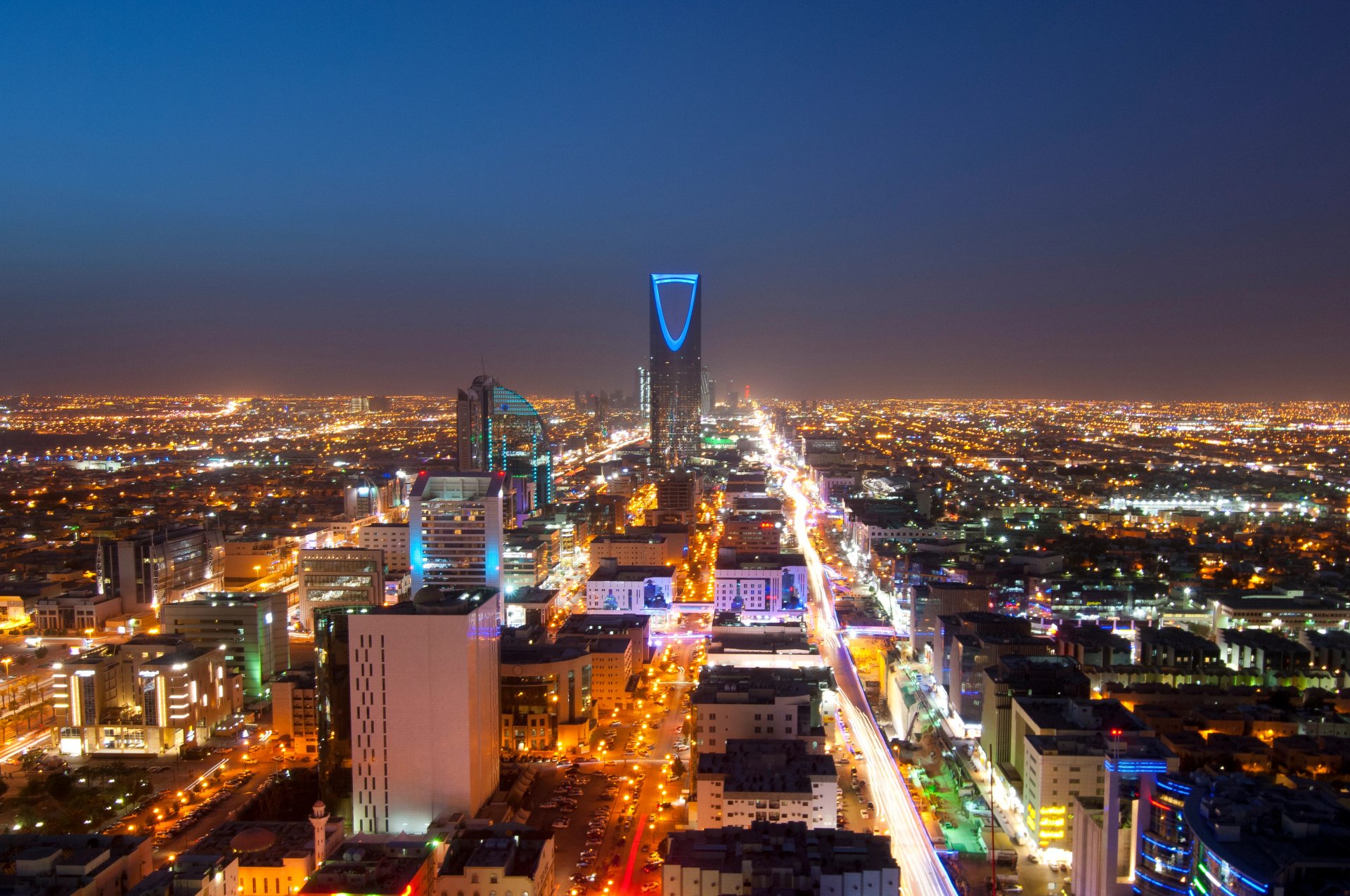

For many, Saudi is synonymous with ancient history, vast deserts, and sacred sites – from the likes of AlUla, Hegra, and Rub Al Khali to Makkah’s Sacred Mosque. But beyond all this lies a coastline that stretches for over 1,600km along the Red Sea, dotted with untouched islands, pristine beaches, and coral reefs.
Now, one of the Kingdom’s most ambitious projects is poised to reveal this coastal treasure to the world.
The Attractions
Aiming to be one of the most exciting regenerative tourism projects in the world, The Red Sea will feature overwater villas, wellness retreats, and head-turning futuristic architecture; a roll call of global five-star names in hospitality. Guests can explore marine life, desert, and mountains through dive centres, water sports, and wilderness experiences.
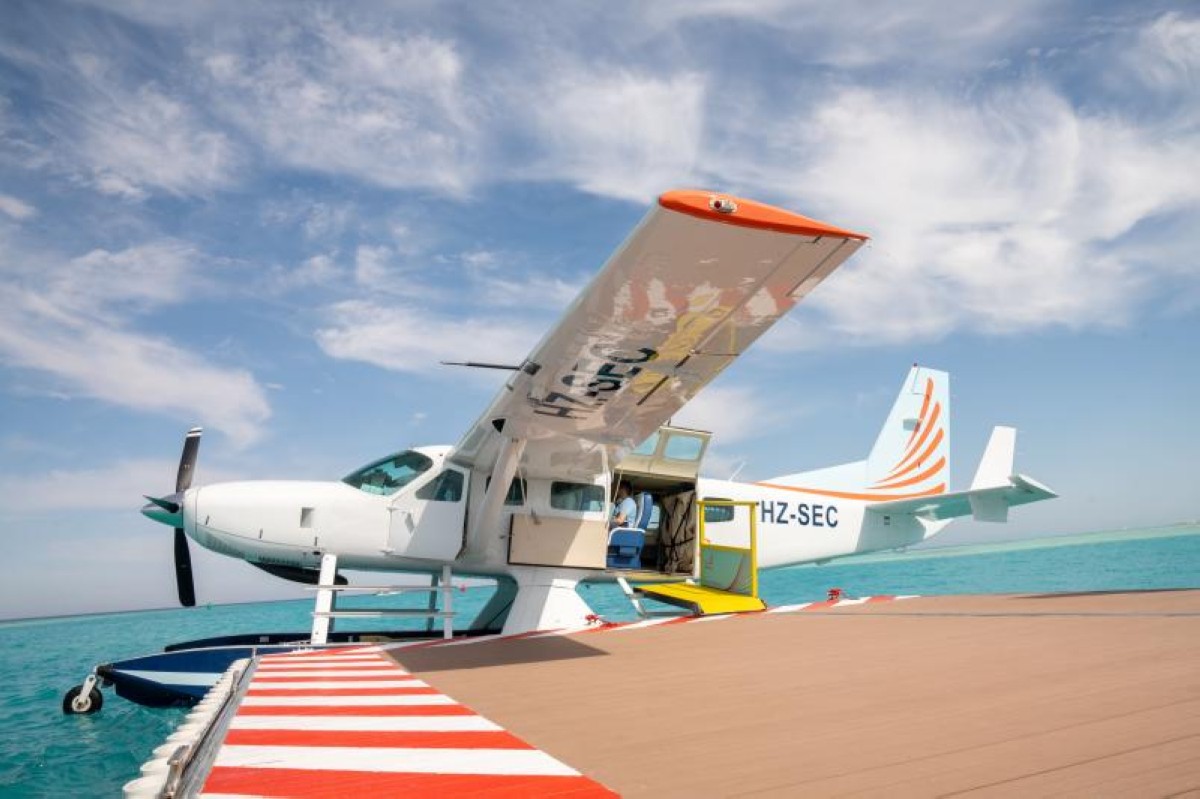
A fleet of seaplanes, air taxis, and boats already connect the islands, with an international airport set to be completed next year. Focusing on conservation, the project aims to run on renewable energy by 2030, positioning Saudi as a premier luxury beach destination, rivalling the Indian Ocean and South Pacific – yet far more accessible for most of the world.
“When I first came here and went out to the islands and saw about seven shades of blue, I thought: ‘How many shades of bluecan you get in the sea?’” Rosanna Chopra, Executive Director of Destination Development at Red Sea Global, told CNN.
But blue isn’t the only colour in The Red Sea palette. Its remit is as wide as the rolling dunes of Al Nufud AlKabir, covering the area between Umluj and Al Wajh on Saudi’s west coast, which includes 90 islands – 22 of which will be developed as tourist destinations –along with inland desert, mountains, and volcanoes.
You Might Also Like: First-timer's guide to the Red Sea Project
A Major Destination
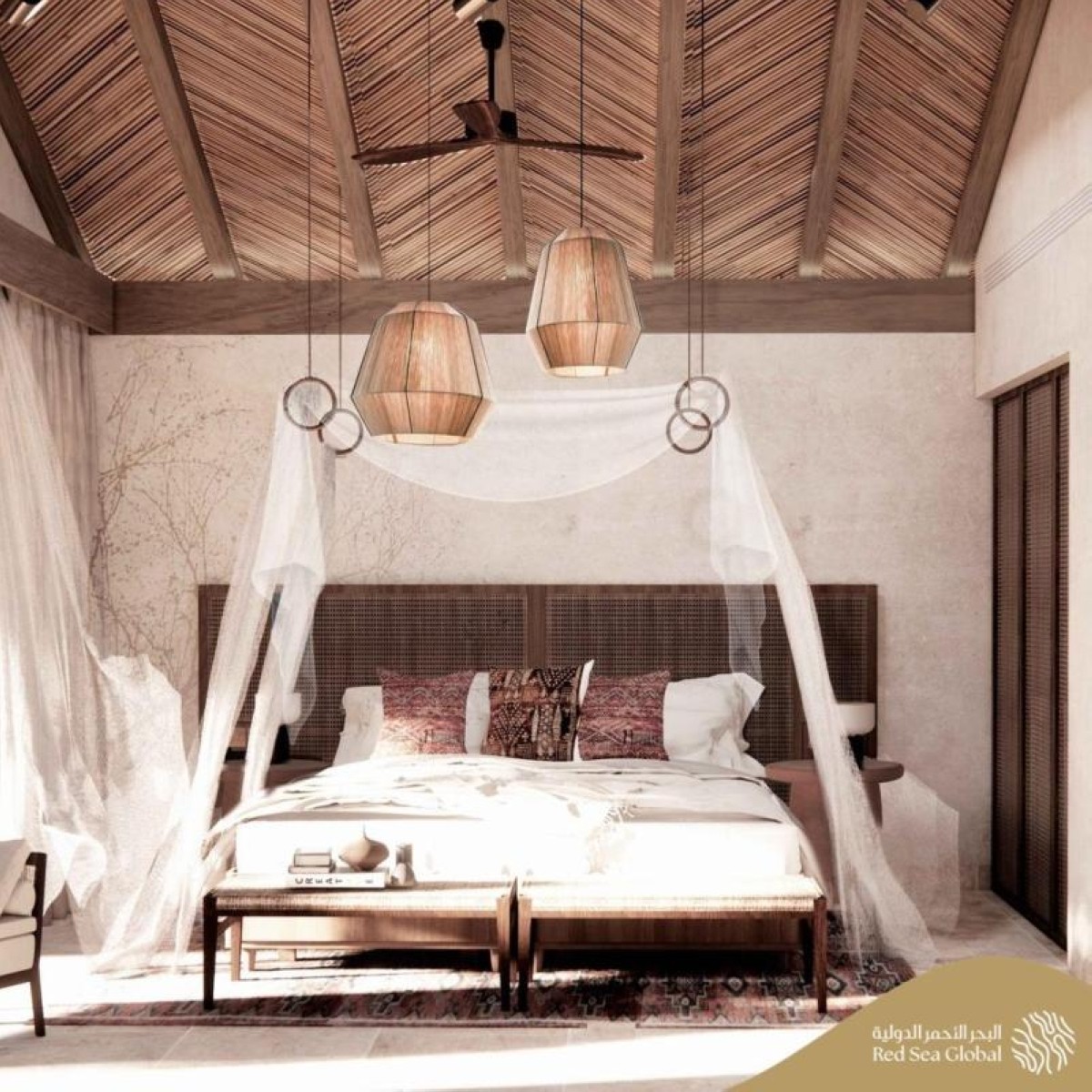
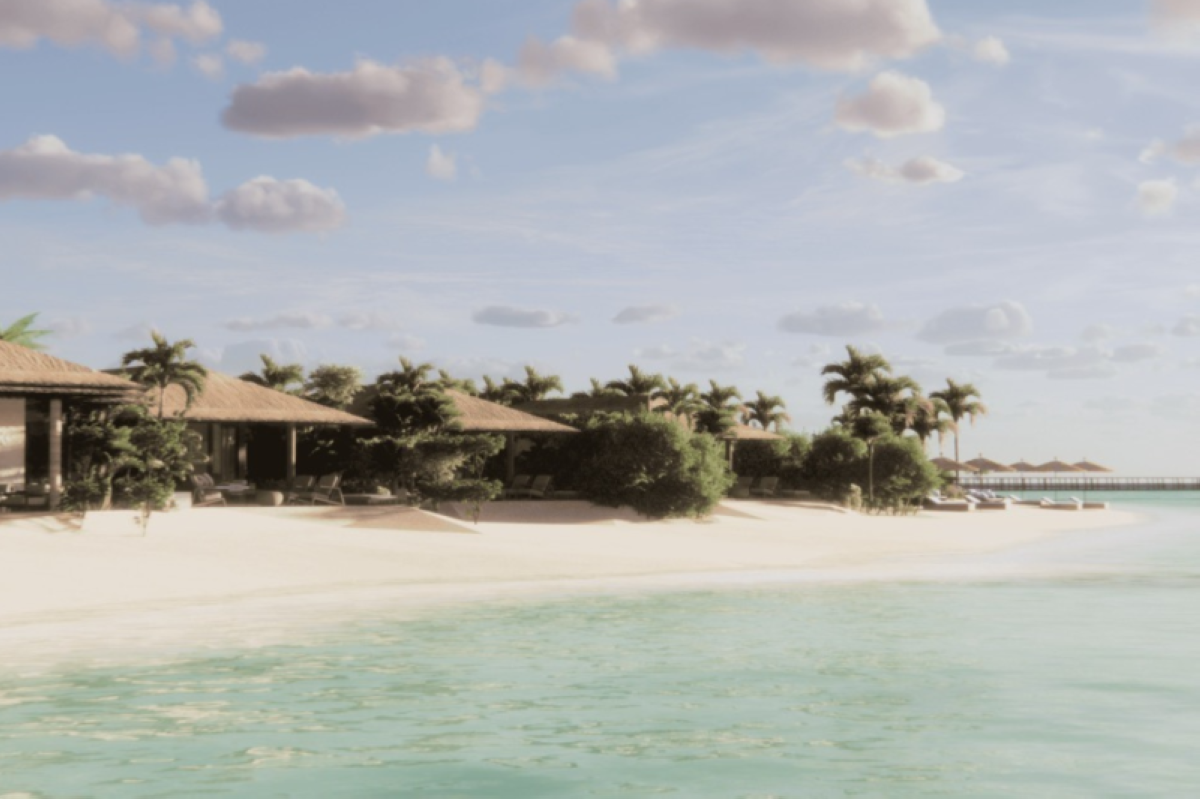
Overseen by Red Sea Global, part of the Kingdom’s PublicInvestment Fund (PIF), the project will create three destination hubs:The Red Sea, which includes inland areas and many islands, featuring 50 hotels by 2030; AMAALA, 200km north, focused on wellness, sport, and marine ecology, with 29 resorts; and ThuwalPrivate Retreat, an exclusive private island with four beach villas near Jeddah.
Once completed, 1,000 residential properties will span 22 islands and mainland sites, along with golf courses, aluxury marina, and dining and entertainment options.
What Can Visitors See Now?
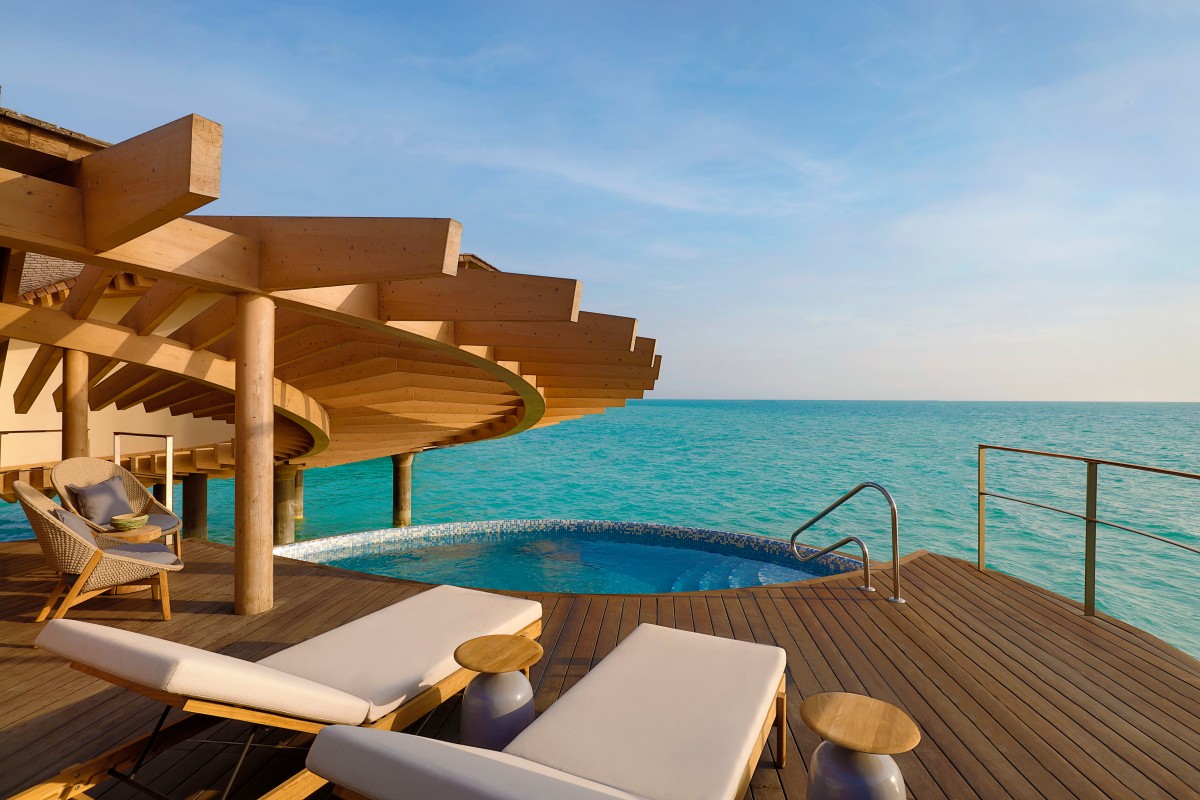
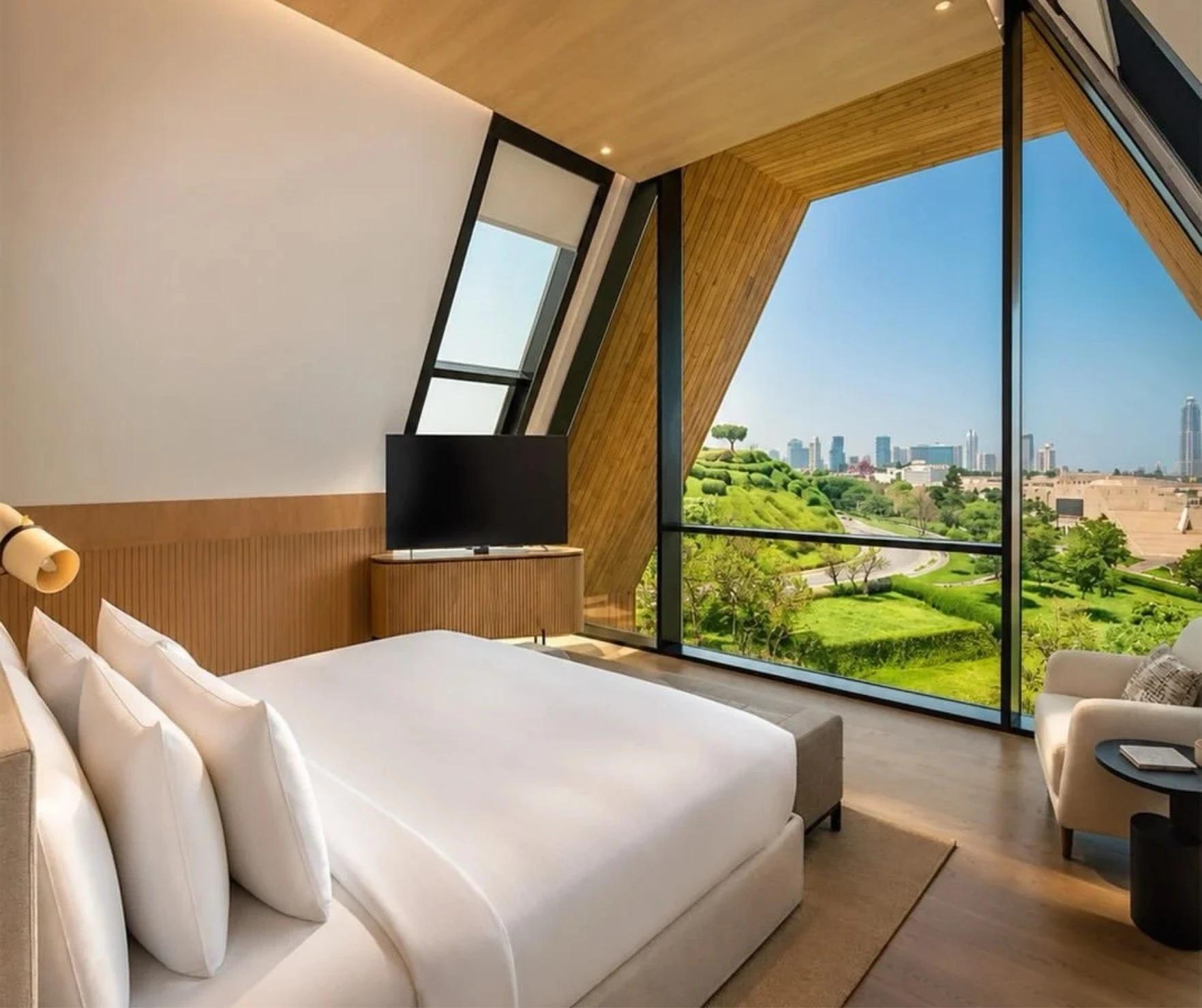
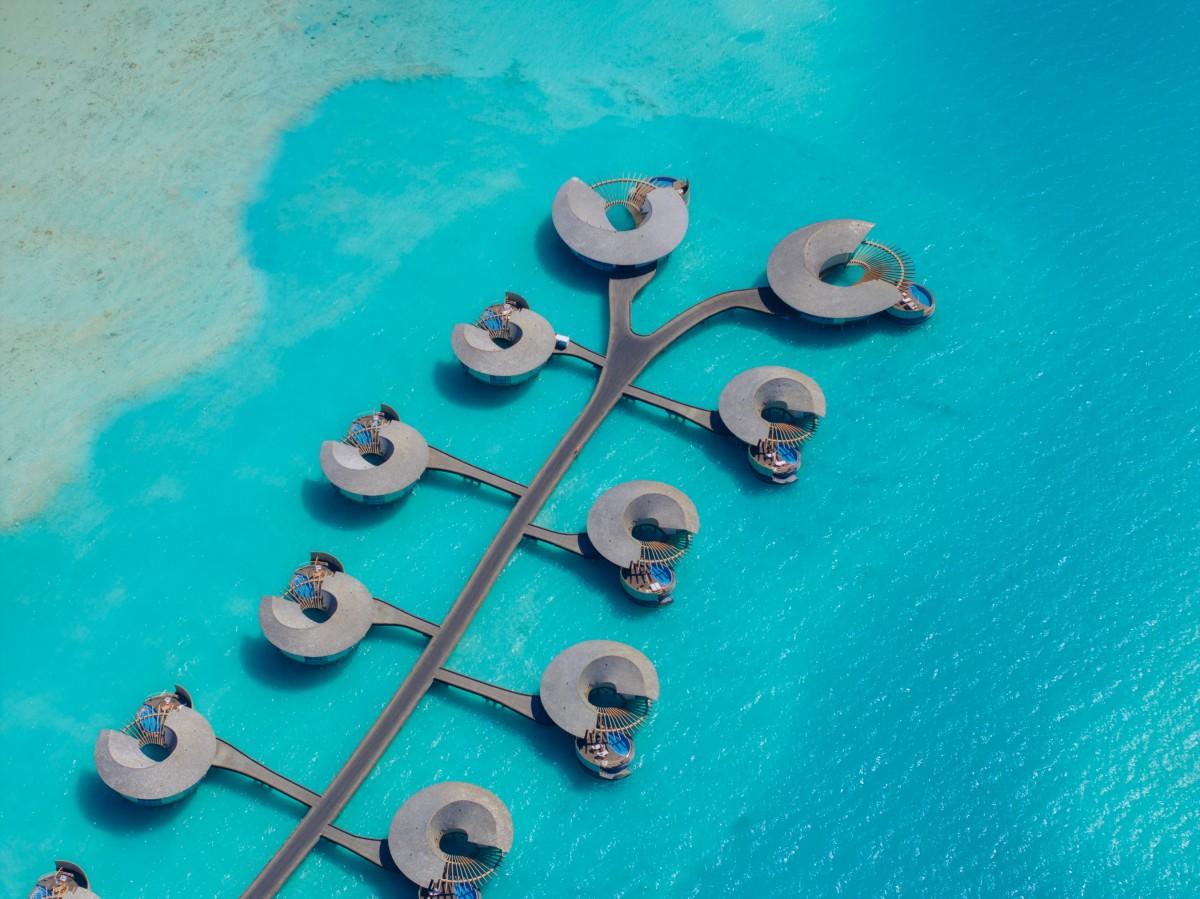
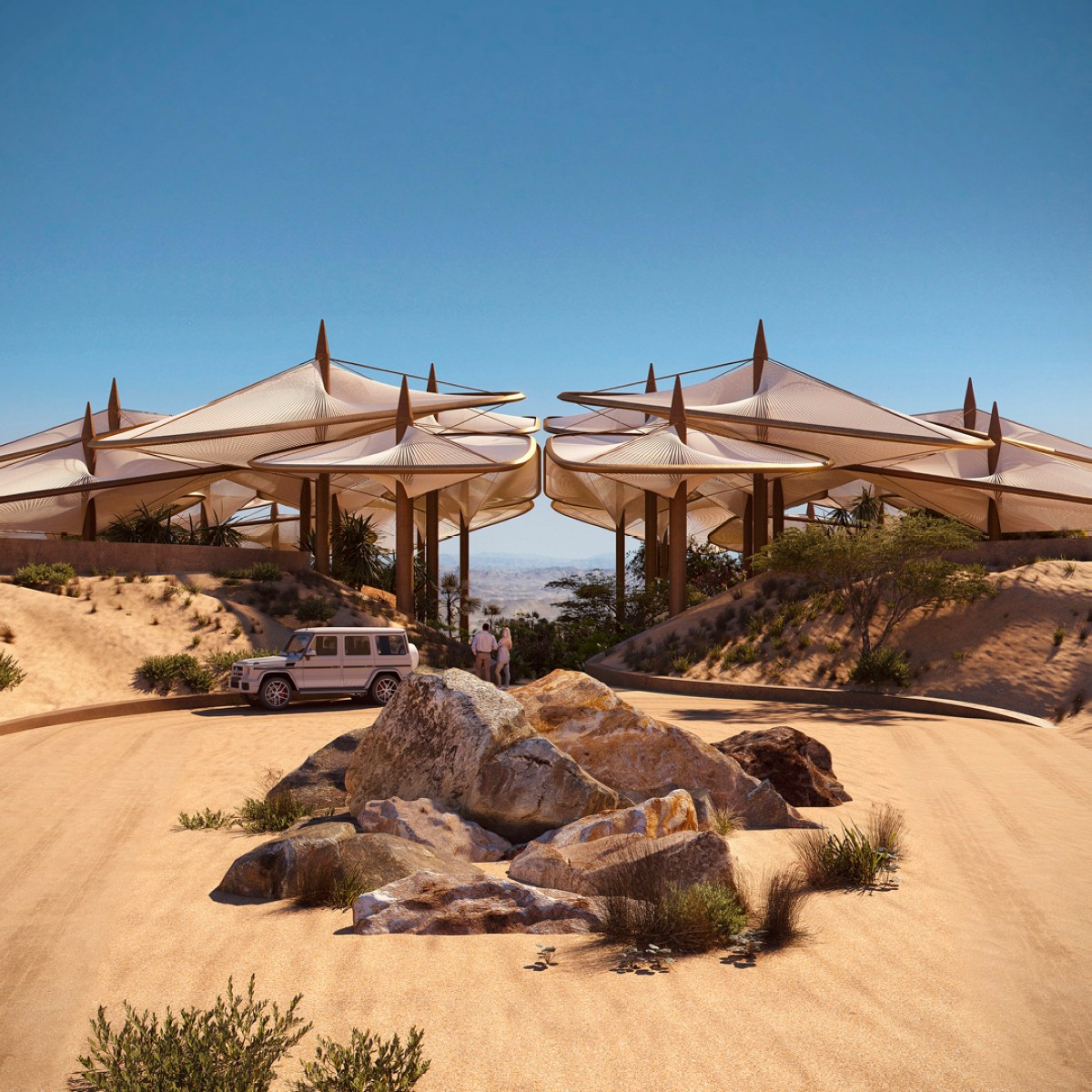
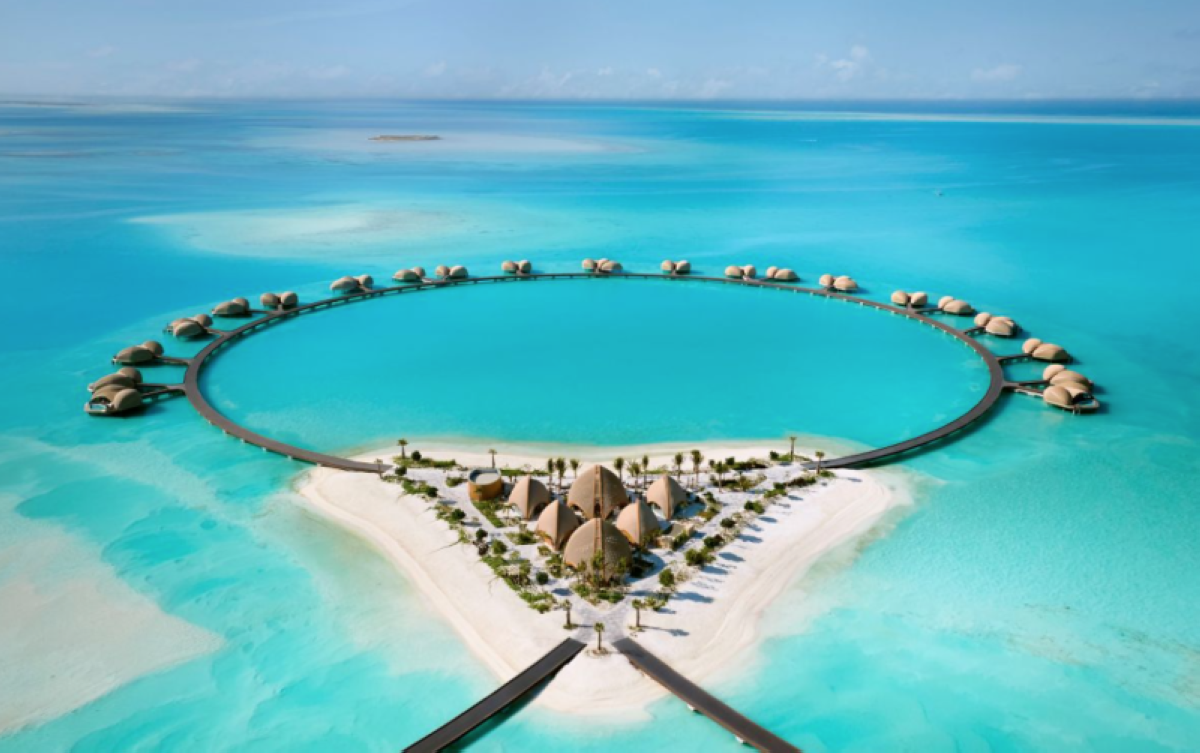
The first hotel, Six Senses Southern Dunes, The Red Sea, opened in 2023 as a modernist desert camp. In 2024, The St. Regis Red Sea Resort and Nujuma, a Ritz-Carlton Reserve, followed on the Ummahat Islands. Designed by Japanese architect Kengo Kuma, The St. Regis features overwater villas in a loop formation, while Nujuma, by Foster + Partners, offers solar-powered villas inspired by seashells.
Desert Rock, the second inland hotel and resort, the rocky destination will have rooms and villas carved into a mountain – inspired by the ancient Nabataean culture that built Hegra. Guests can swim in plunge pools overlooking the valley and enjoy guided treks.
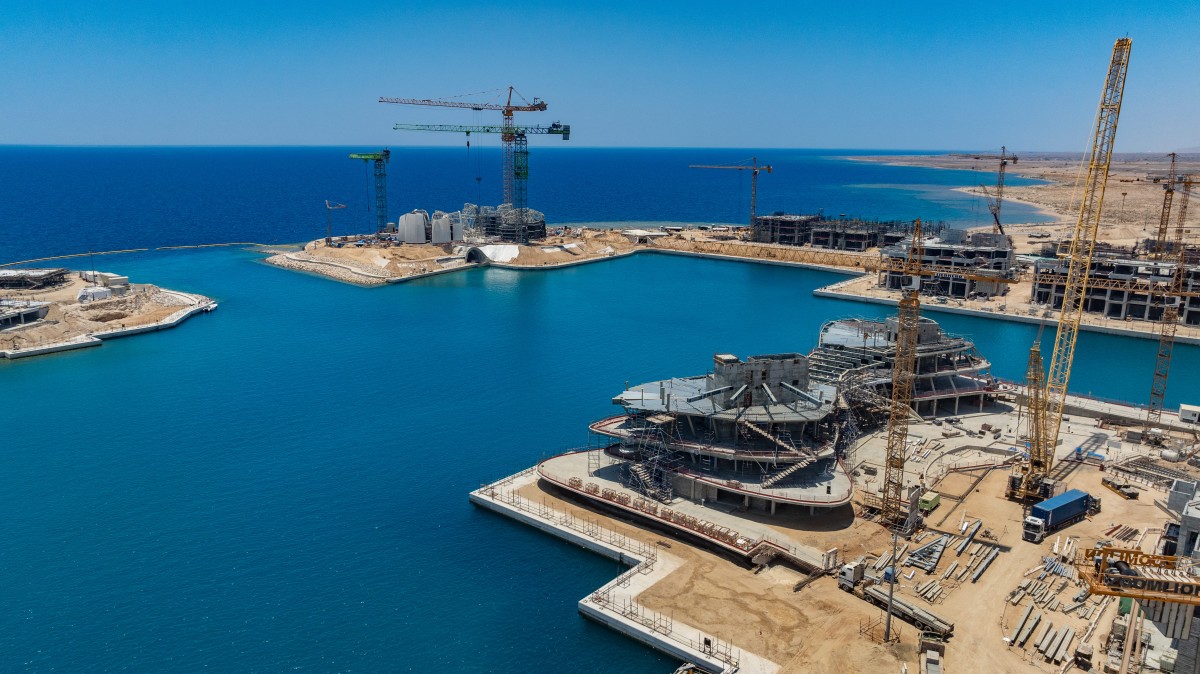
Out in the Red Sea, Shura Island, connected to the mainland airport by a 12km bridge, will open 11 hotels by 2025, including Raffles, Jumeirah, and Faena. Their Coral Bloom designs are inspired by the barrier reef that grows in the archipelago. Plus, a golf course and yachting marina will stand amid dunes and lagoons.
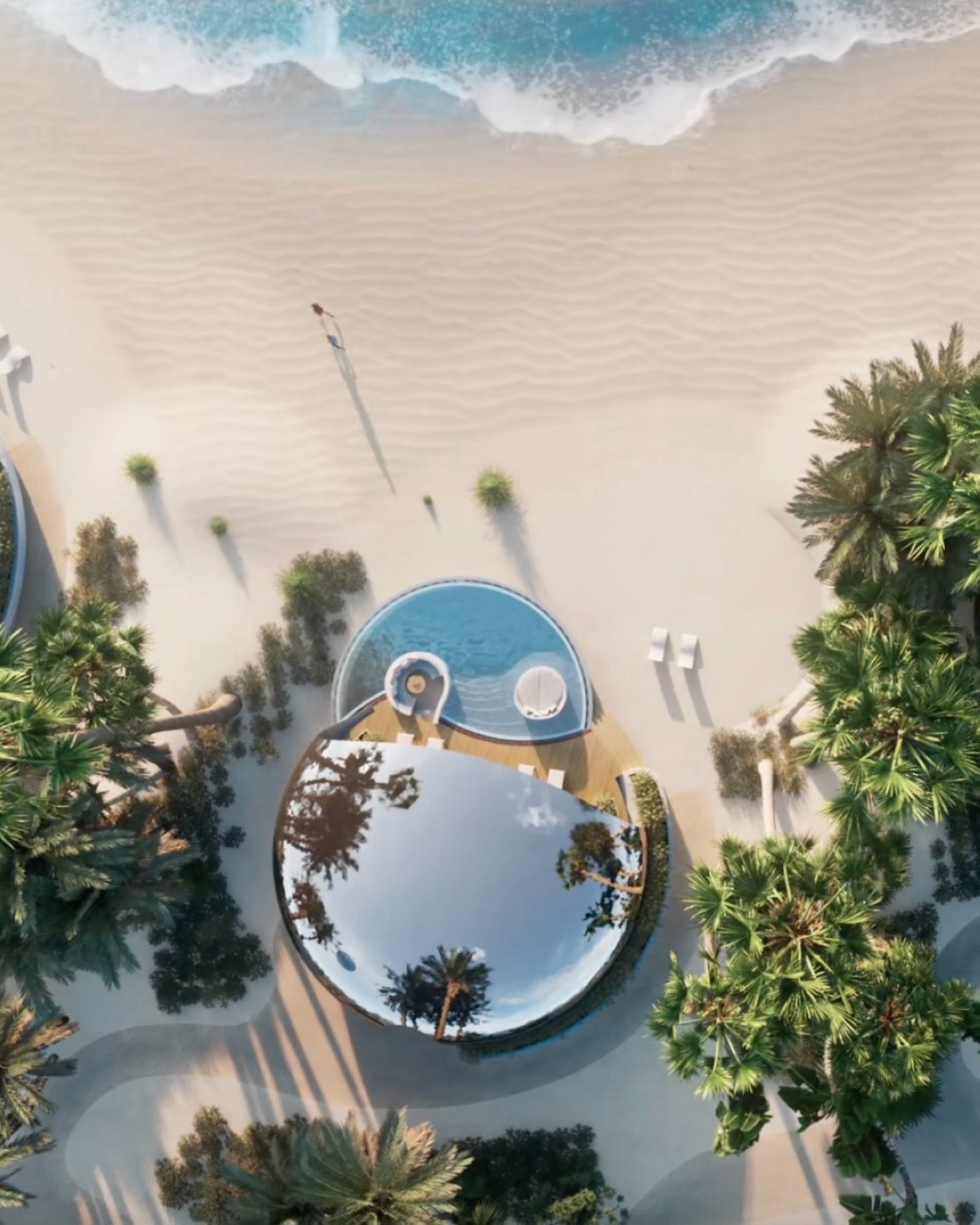
Shebara Resort, meanwhile, is the most spectacular of all, designed by the same architects as Dubai’s Museum of the Future. Its necklace of overwater, metal-orb villas – inspired by scuba bubbles and pearls – are docked to the boardwalk.
AMAALA’s first phase will launch in 2025, centred on Triple Bay with theWellness Core, a marina, and the Corallium marine ecology centre, along with wellness hotels like Four Seasons, CliniqueLa Prairie, and Equinox Resort.
The World-First Sustainability Factor
This ambitious vision will have a transformative effect for Saudi. But it’s also one that’s being driven by sustainability, to protect landscapes that have so far avoided the impact of tourism and development.
Visitor numbers will be capped at a million a year and the environmental practices will be as cutting-edge as the architecture – aiming to conserve and regenerate. Wetlands manage wastewater and irrigate a huge landscape nursery growing millions of plants. Millions of mangroves are being grown to sequester carbon, while seagrass meadows are restored and coral protected and revived.
The project will also feature the world’s first 5G network powered by sunlight, running the airport and eventually the entire development on renewable energy – the largest global project to rely solely on clean power.