
Saudi Arabia’s tourism transformation is entering a new phase. After years of rapid investment in destinations, infrastructure and hospitality, the focus is increasingly shifting from simply bringing more visitors to the Kingdom to understanding who those visitors are, what they spend and what they are looking for.
New figures presented at the inaugural WTM Spotlight Riyadh, taking place this week in the capital, suggest that international leisure tourism could be one of the biggest drivers of that next chapter. Tourism Economics, an Oxford Economics company, forecasts that international leisure travel to Saudi Arabia will grow by a jaw-dropping 93% between 2025 and 2030. This figure is significantly ahead of the projected 30% global growth and 64% growth across the Middle East.
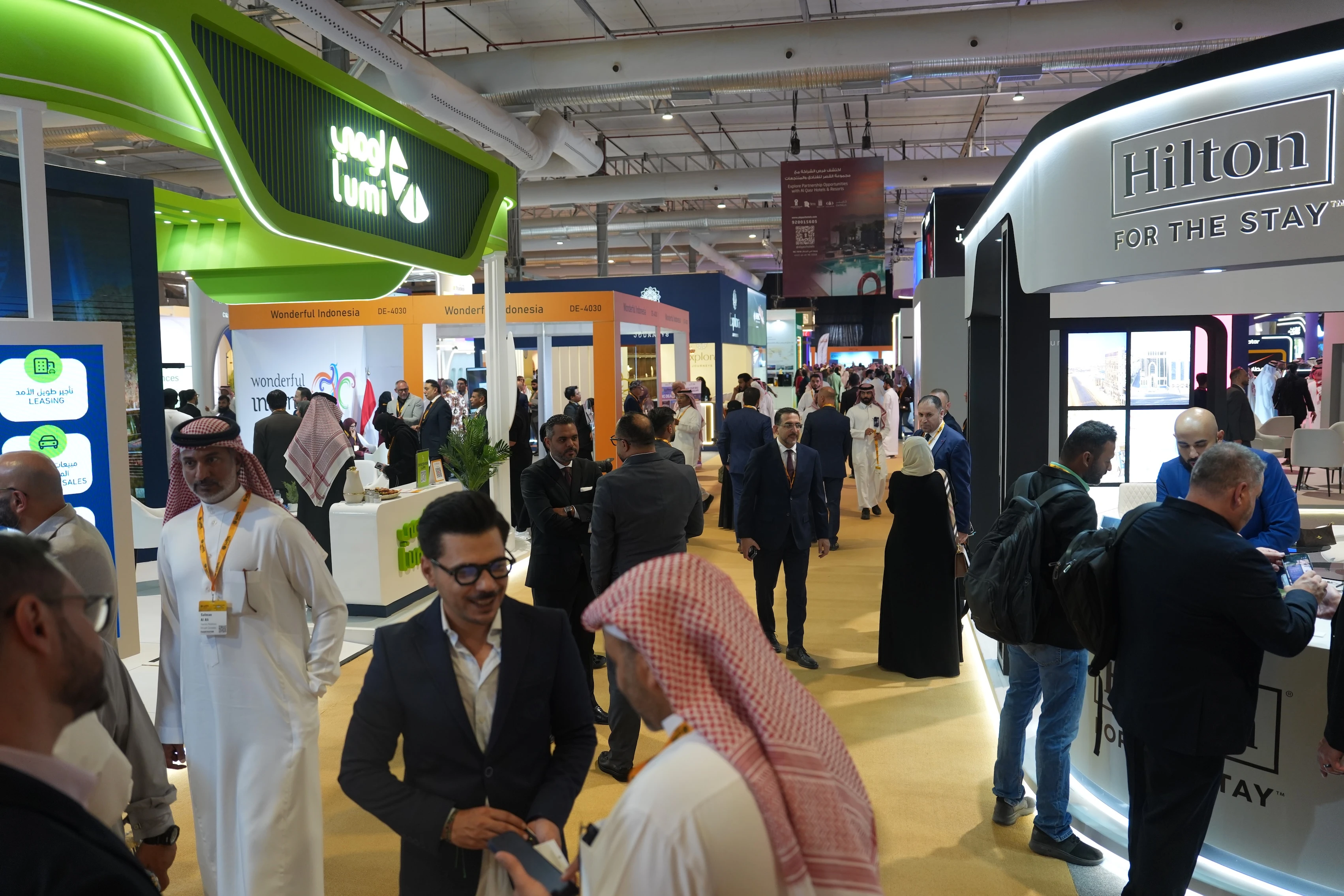
The findings were presented during the first day of WTM Spotlight Riyadh, taking place from September 8 to 10, 2026, at the Riyadh Front Exhibition & Conference Centre (RFECC). The inaugural event has been created as a platform connecting Saudi Arabia’s expanding tourism sector with international travel businesses, investors and industry stakeholders.
The timing of this event is significant: Saudi Arabia is no longer building its tourism proposition from the ground up - it is now beginning to see the effects of that investment in international demand.
A tourism market moving faster than its neighbours
The scale of the change becomes clearer when looking beyond the 2030 forecast.
Between 2019 and 2025, international travel to Saudi Arabia increased by 67%, compared with 20% across the Middle East and just 5% globally. According to Tourism Economics, the Kingdom generated approximately three-quarters of the Middle East’s international travel growth during that period and accounted for around 15% of global travel growth since 2019.
Perhaps more revealing is the changing composition of visitor spending. International leisure’s share of visitor spending in Saudi Arabia rose from 9% in 2019 to 28% in 2025, and Tourism Economics expects it to reach 31% by 2030. This data suggests the Kingdom’s tourism story is moving beyond volume. Leisure travellers are becoming an increasingly important part of the international tourism economy, with the potential for higher-value visitors to play a greater role.
You Might Also Like: How a 16% increase in domestic travel is fuelling Saudi's tourism growth
Diversification has been a pivotal marker
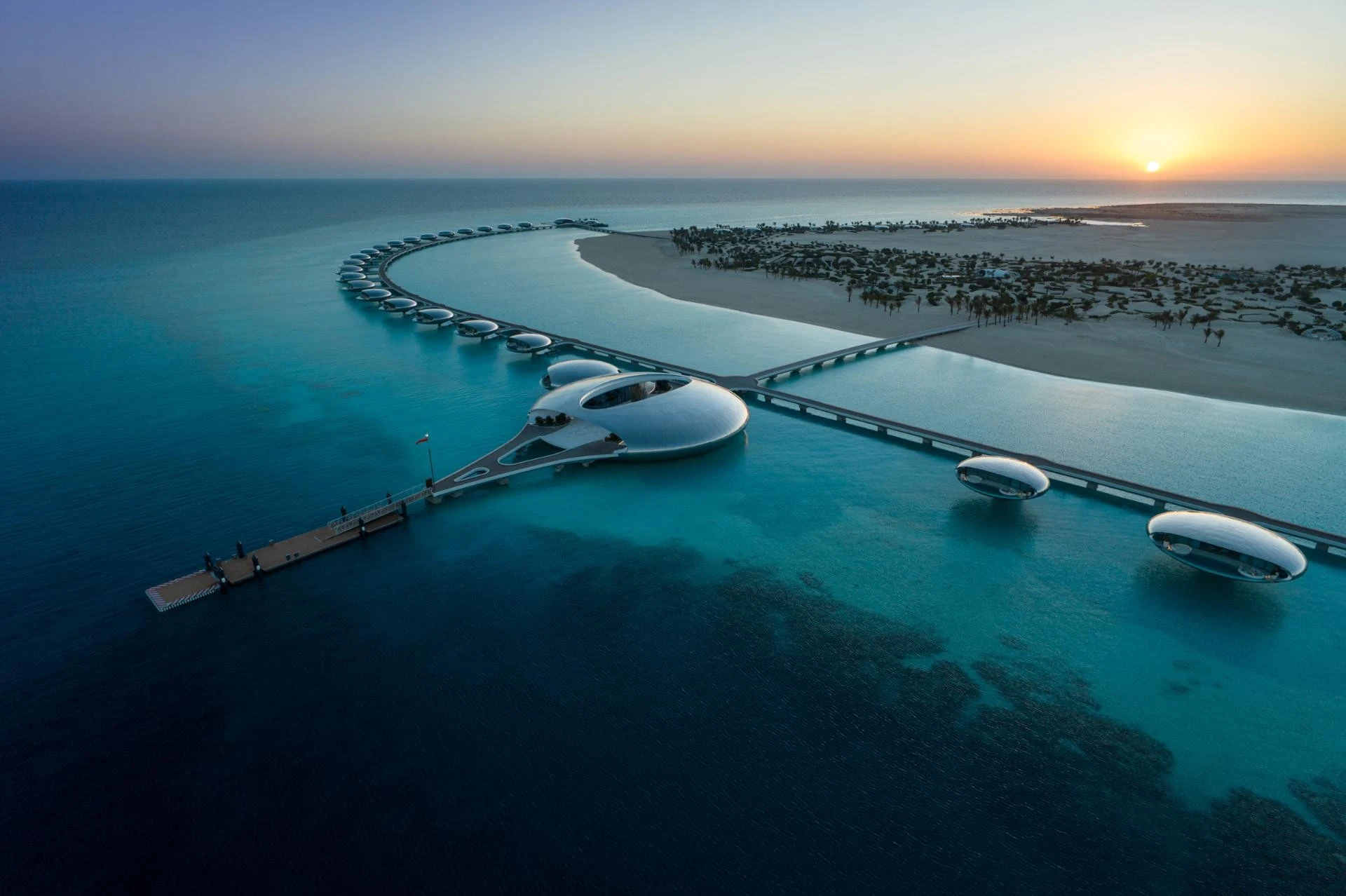
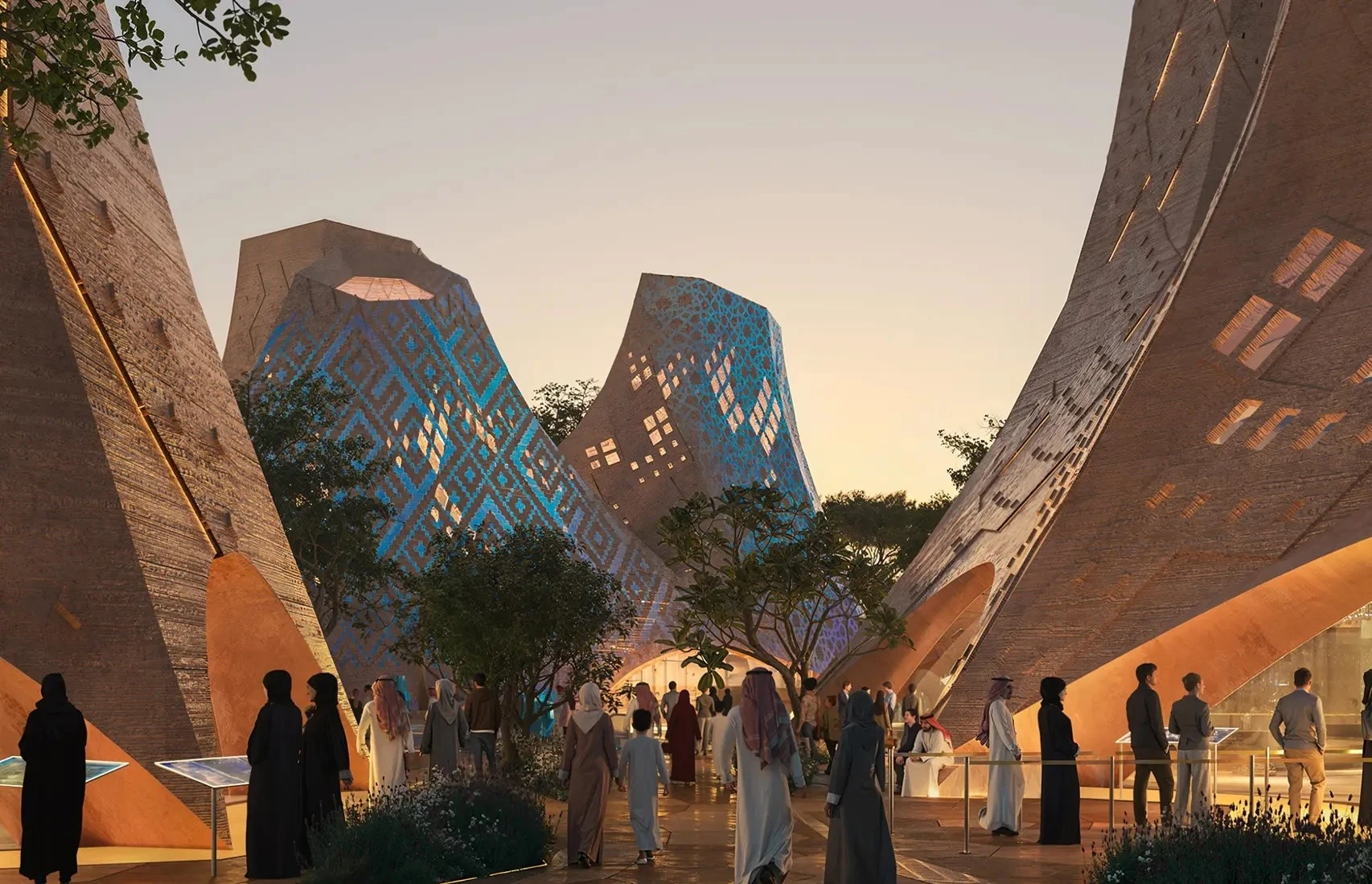
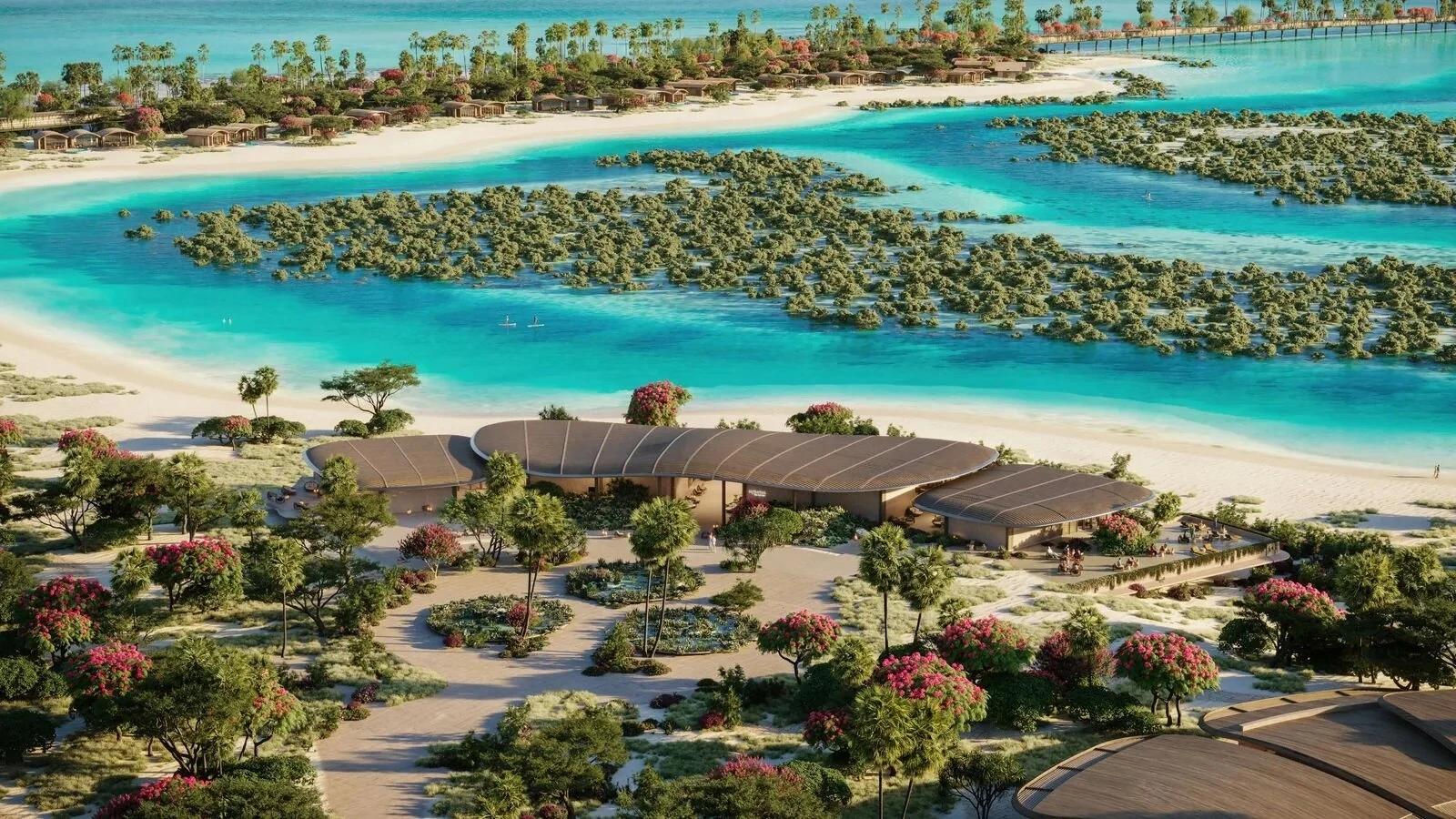
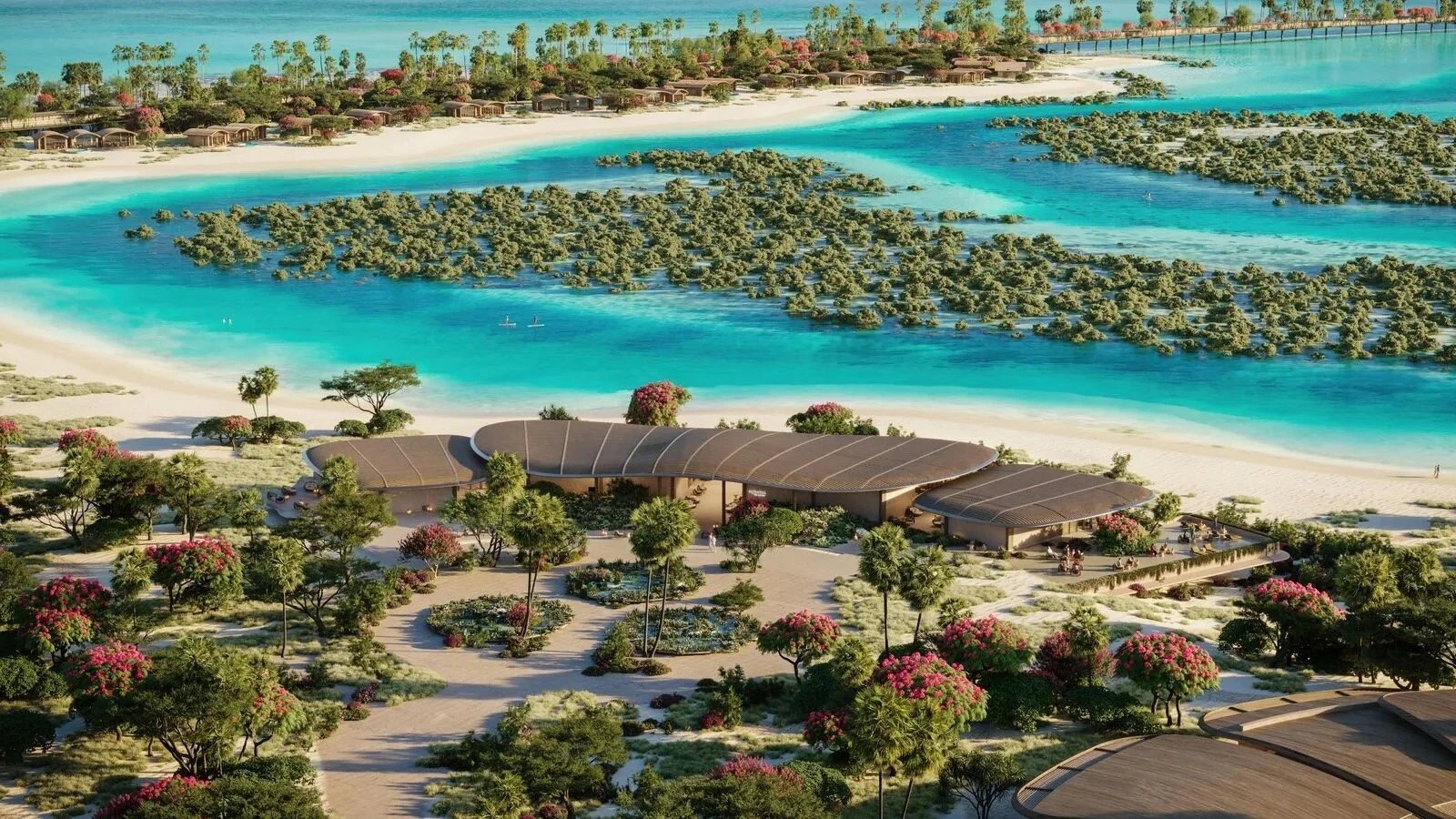
What began as a central pillar of Vision 2030’s economic diversification strategy is now developing into a sophisticated tourism ecosystem, underpinned by major destination developments including The Red Sea and Qiddiya City. And looking forward, inbound tourism is set to be further propelled by global catalysts such as Expo 2030 Riyadh and the 2034 FIFA World Cup.
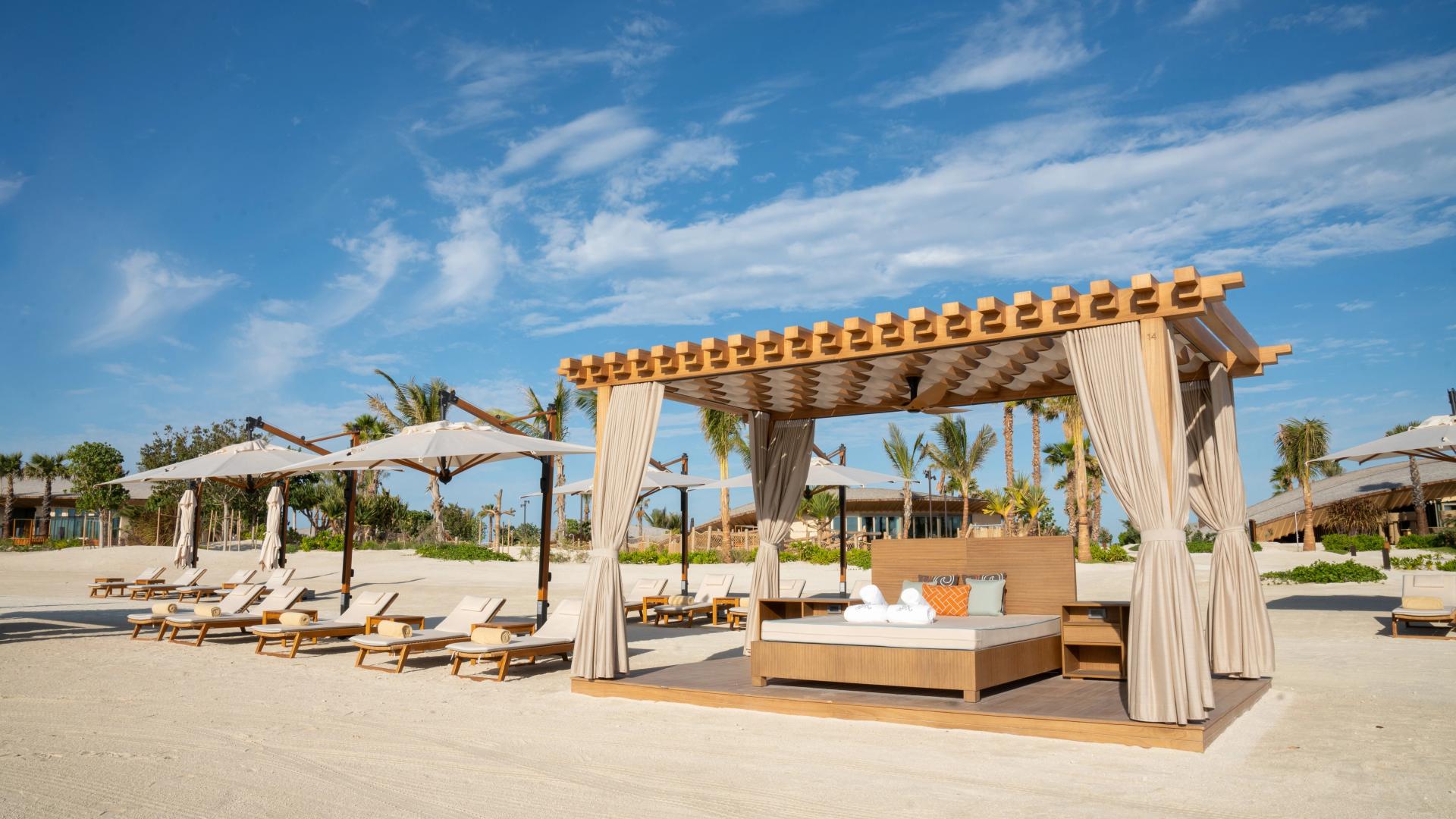
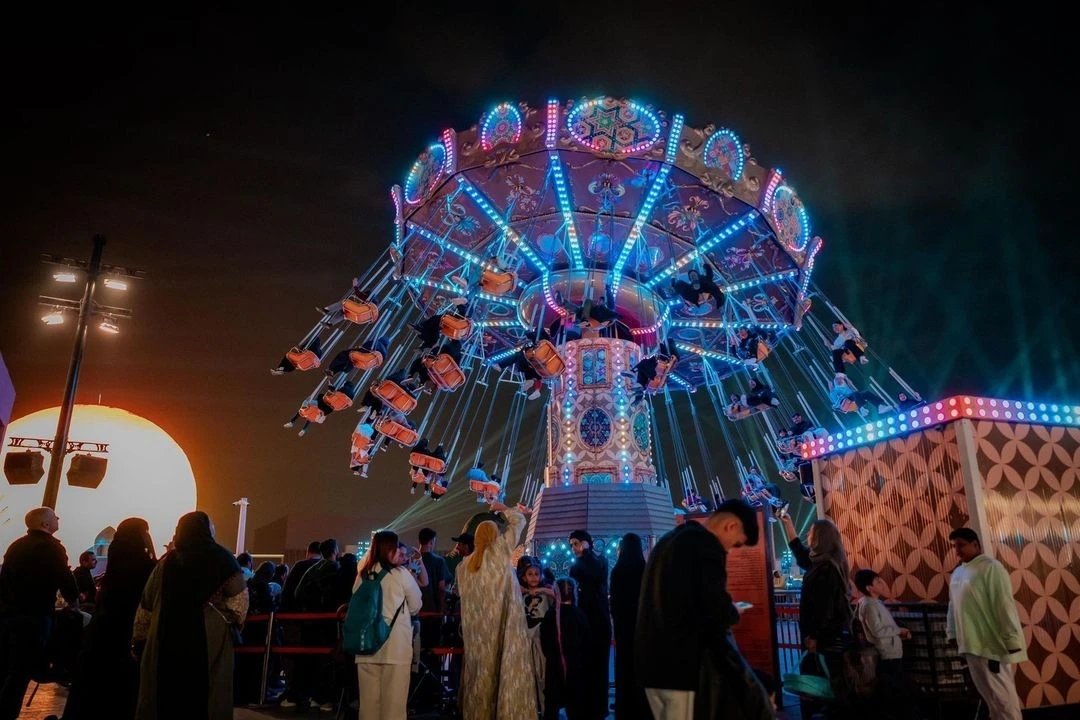
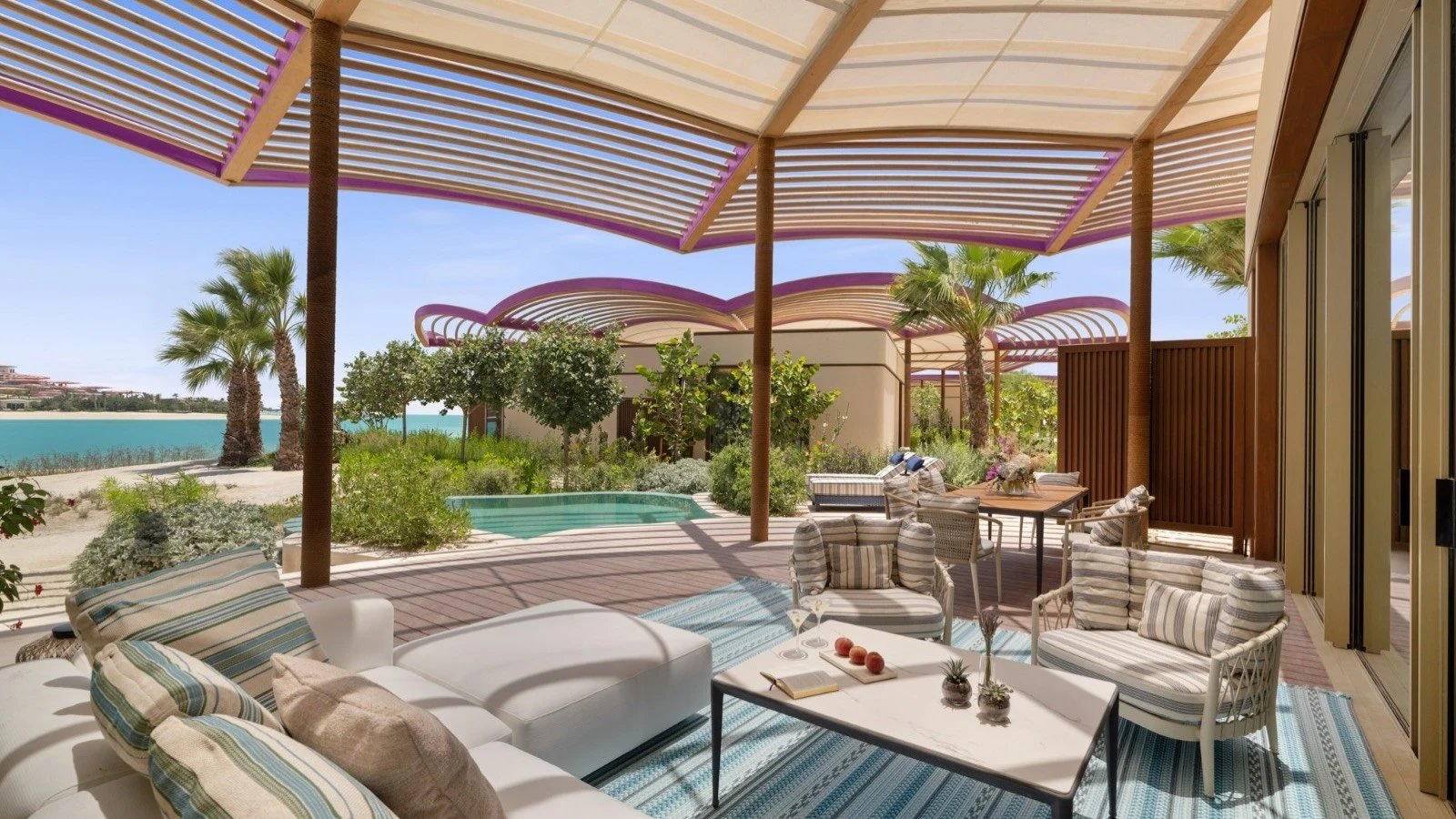
Surging international and regional interest in the Red Sea's futuristic destinations such as Shebara Resort and Desert Rock Resort, coupled with recent resort openings (Equinox Resort and Nammos Resort) in the wellness-led AMAALA, in addition to entertainment debuts like Six Flags Qiddiya City and Aquarabia, marks another step in the Kingdom’s shift from building tourism infrastructure to delivering world-class experiences at scale.
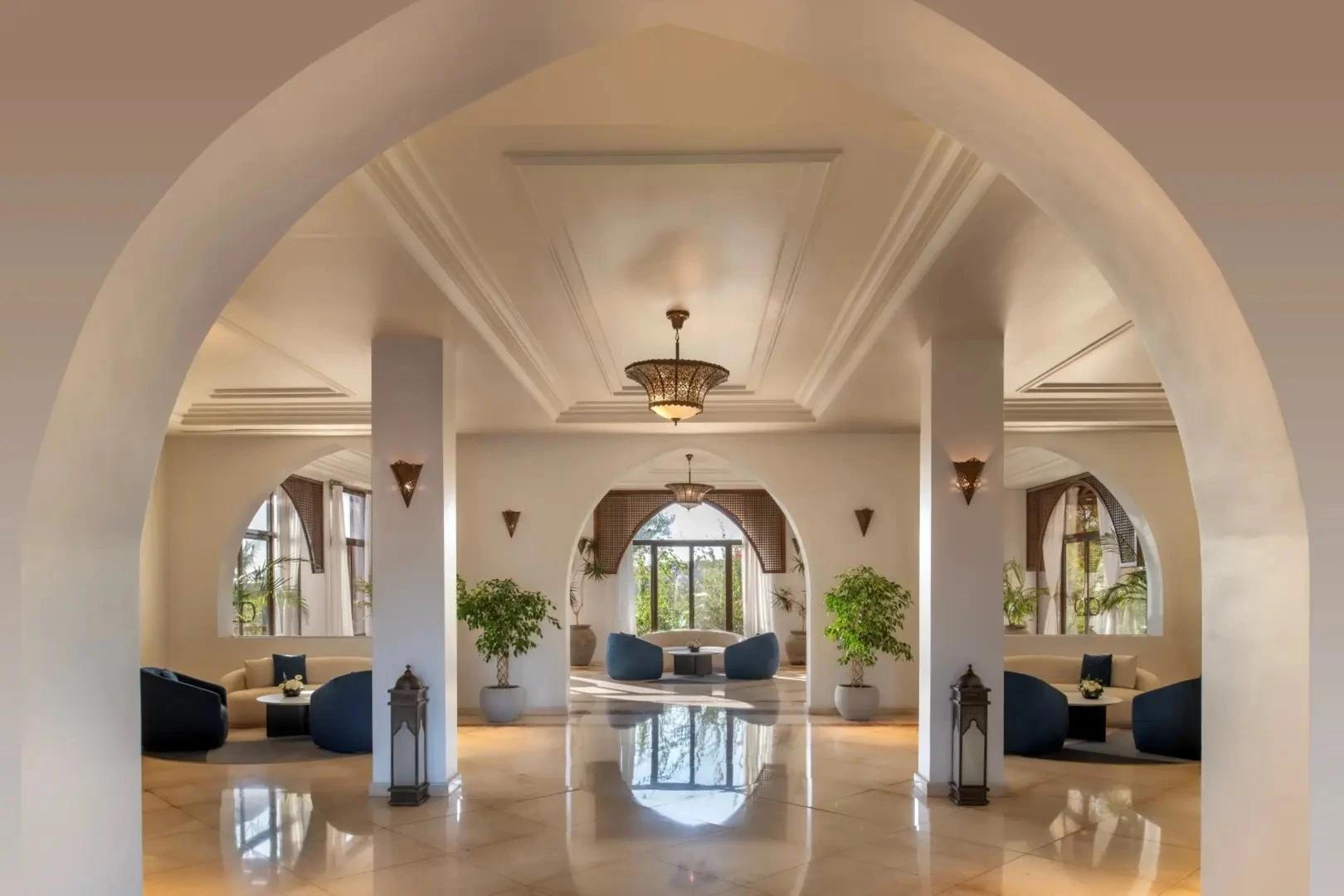
Crucially, demand appears to be keeping pace with the extraordinary expansion in supply. Knight Frank’s Saudi Arabia Hospitality and Religious Tourism Report 2026 recorded nationwide hotel occupancy of around 63% between January and April 2026, despite regional tensions during that time, suggesting that the market continues to absorb new inventory even as the Kingdom’s hospitality pipeline reaches unprecedented levels. Occupancy and yields have remained resilient alongside the arrival of high-end properties and internationally renowned hospitality brands, while an expanding luxury pipeline points to a market increasingly geared towards higher-value international travellers.
Opportunity in Chinese luxury travellers
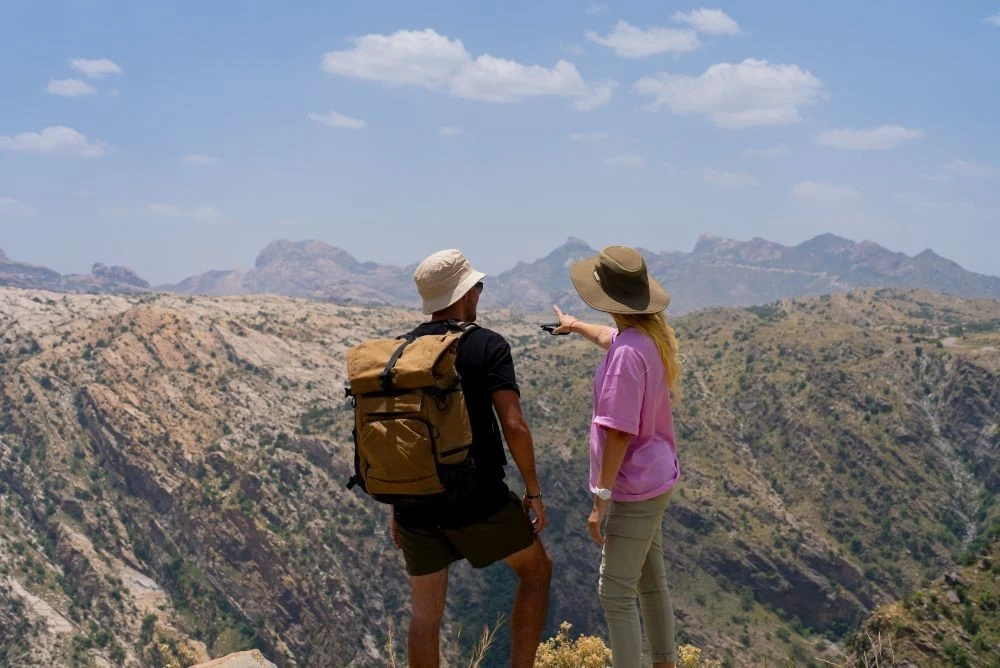
One of the clearest opportunities identified at WTM Spotlight Riyadh is China.
Research from Dragon Trail International, the event’s official Research Partner, examined the development of Chinese tourism to Saudi Arabia, including the travel segments and experiences with the strongest potential. Its findings indicate that Saudi Arabia is already gaining traction among Chinese travel sellers: 52% of surveyed Chinese travel agents currently sell Saudi Arabia, while 32% identified the Kingdom as one of the destinations with the greatest future potential for Chinese tourism.
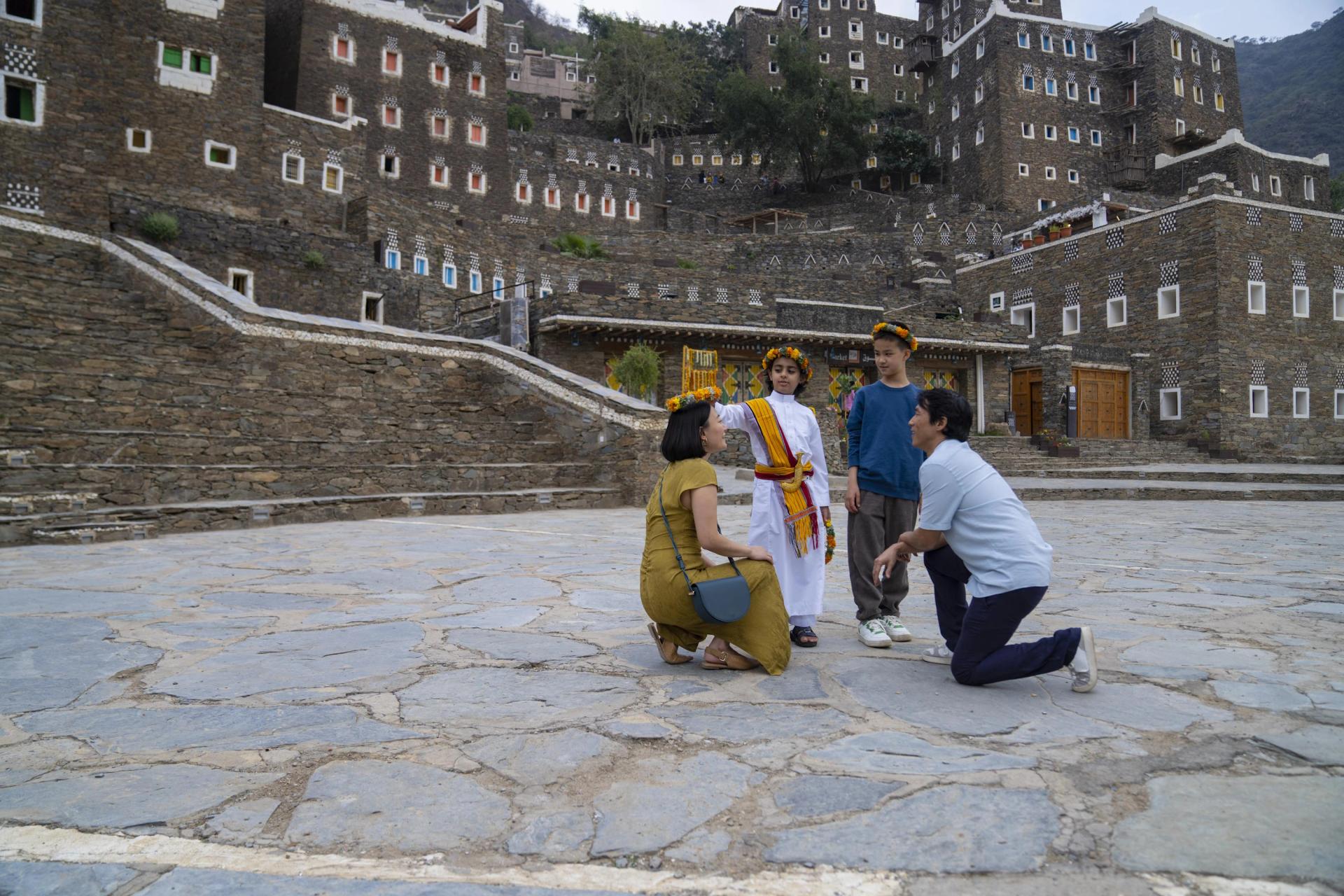
The luxury market demonstrates particularly strong potential, with 42% of surveyed Chinese travel agents identifying high-net-worth and luxury travellers as a key segment poised for recovery and growth across the wider MENA region. It is the Kingdom's luxury resorts that remain a key attraction at 37%, Chinese travellers are primarily drawn to nature and scenery (54%), followed by adventure and outdoor activities (45%), as well as museums, cultural landmarks, and local interactions (41% each).
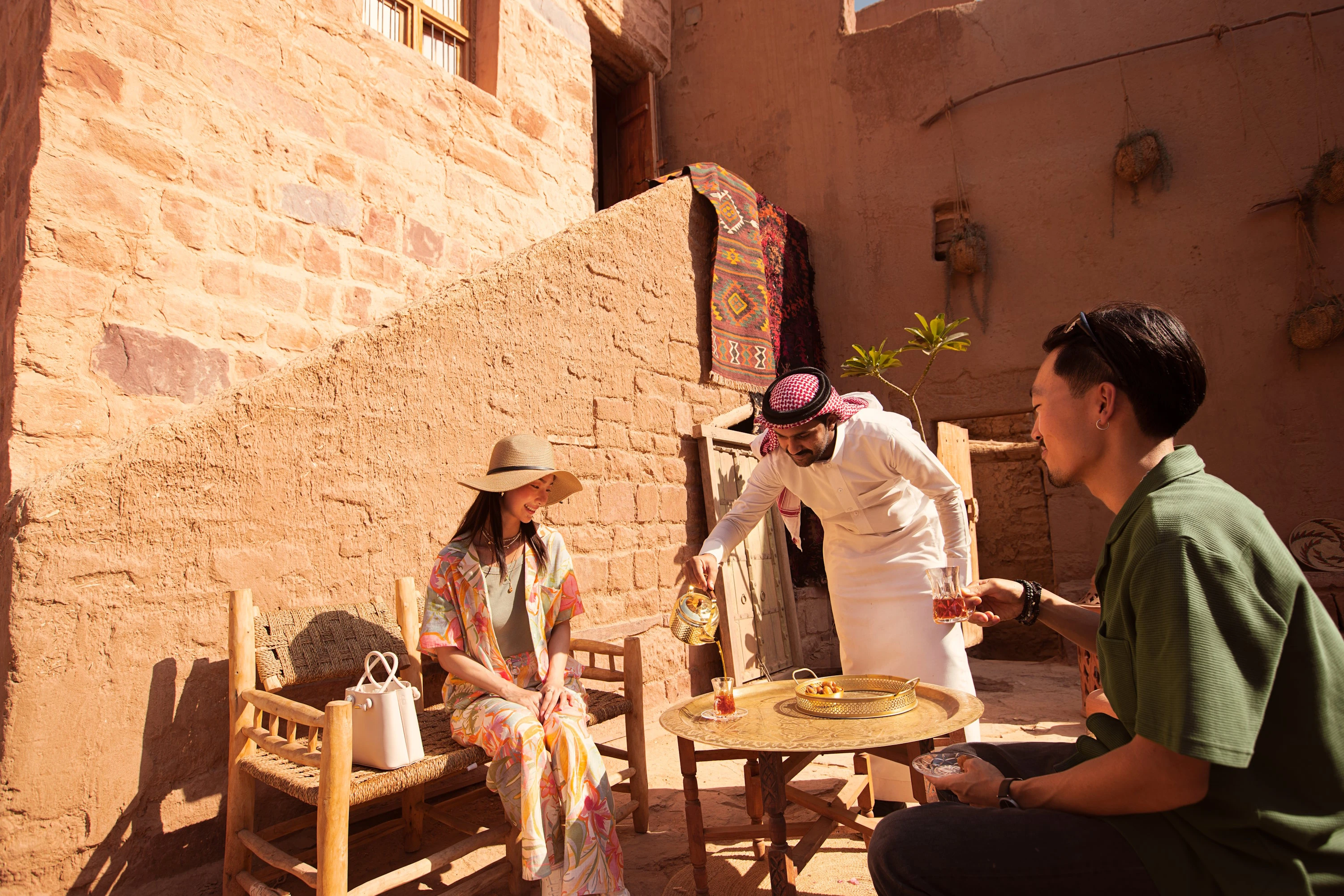
You Might Also Like: Saudi Arabia is one of the most popular tourist destinations for Chinese travellers
In recent years, tourism between the two nations has surged, driven by a combination of direct flights and a seamless visa processing. Chinese passport holders can obtain a visa-on-arrival or avail of an eVisa ahead of their trip, while Saudi travellers can enter China visa-free for up to 30 days for business, tourism, family visits, or transit. This visa-free agreement for Saudi tourists began as a landmark one-year trial, which was due to end on June 6, 2026, but has since been extended through to December 31, 2026.
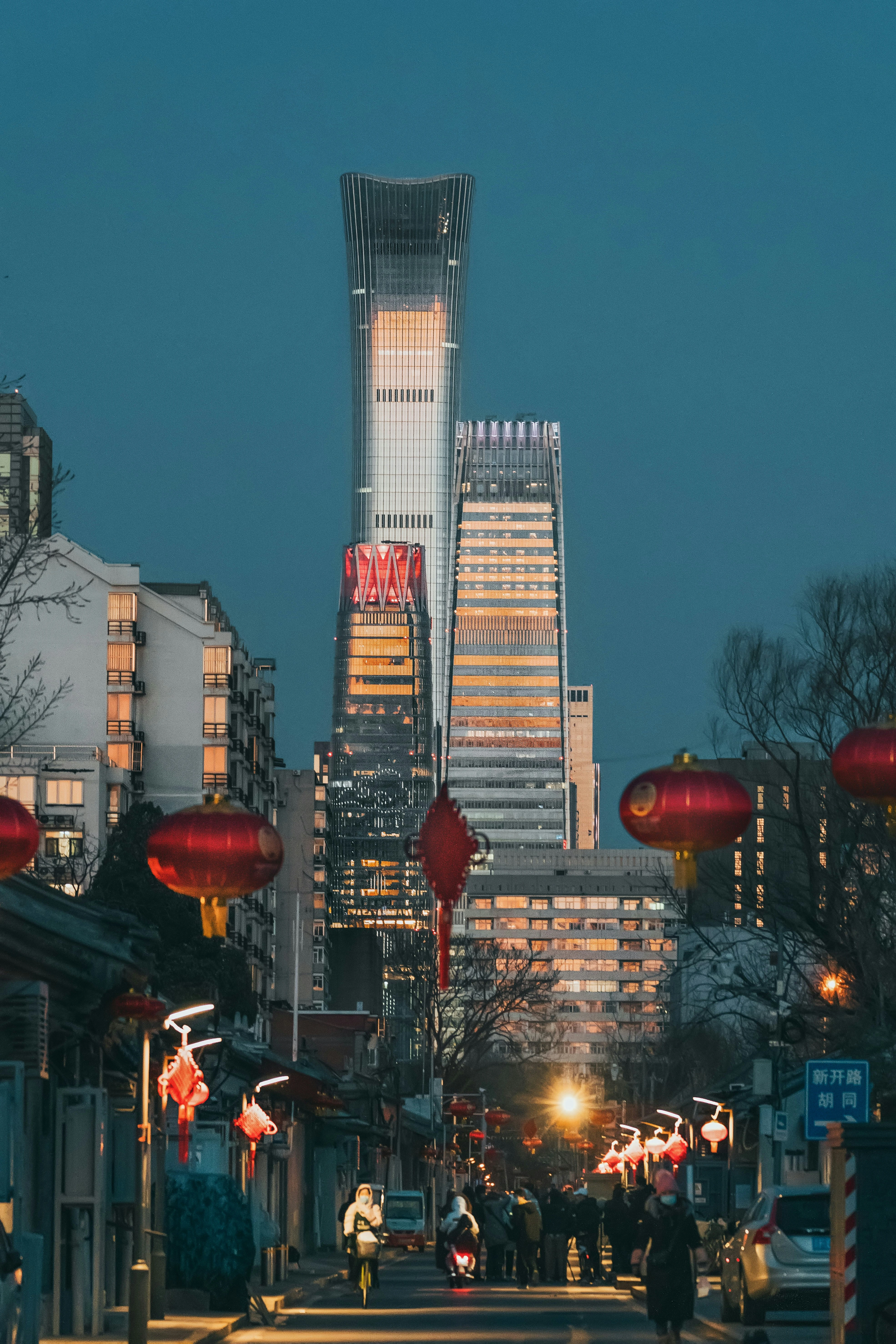
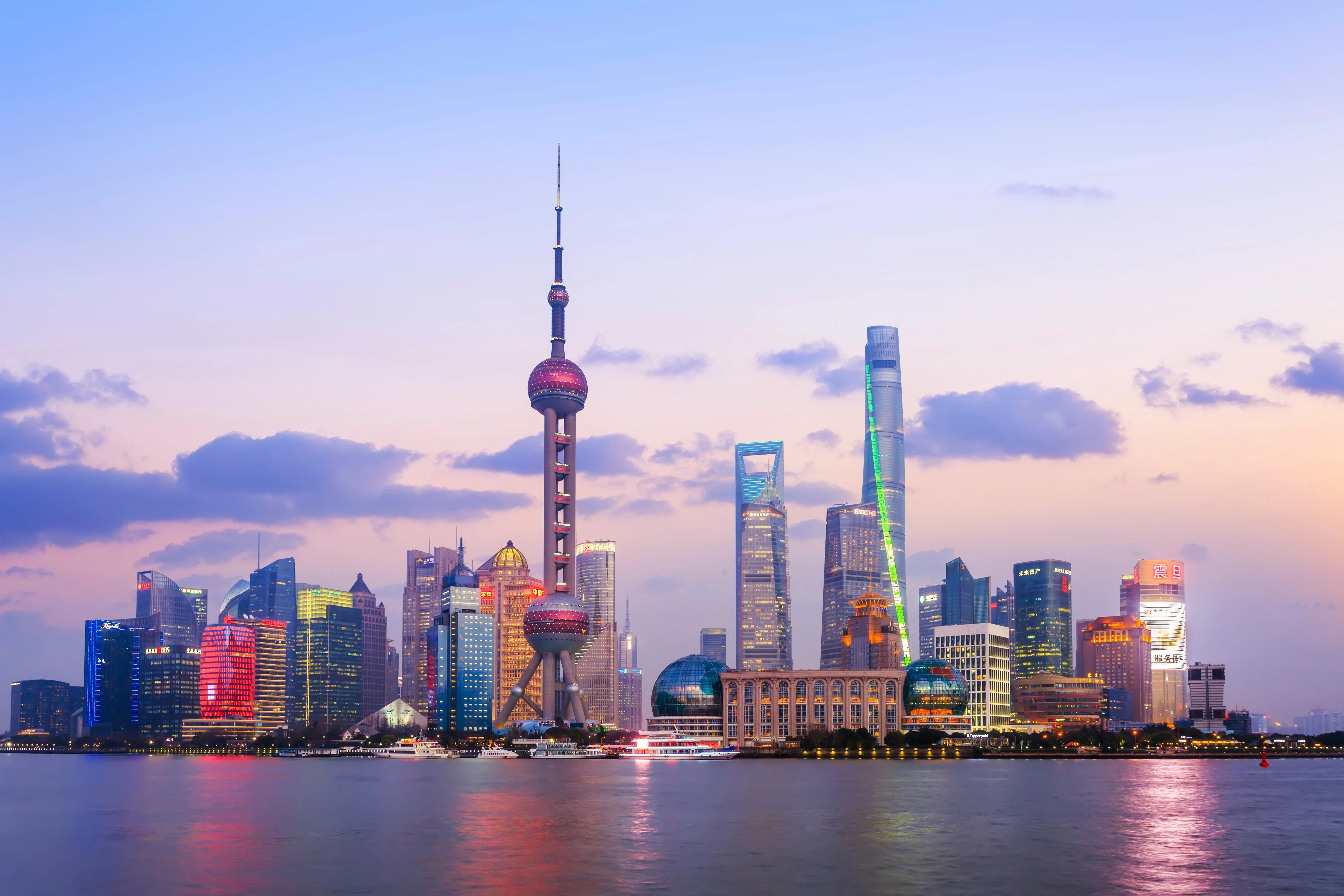
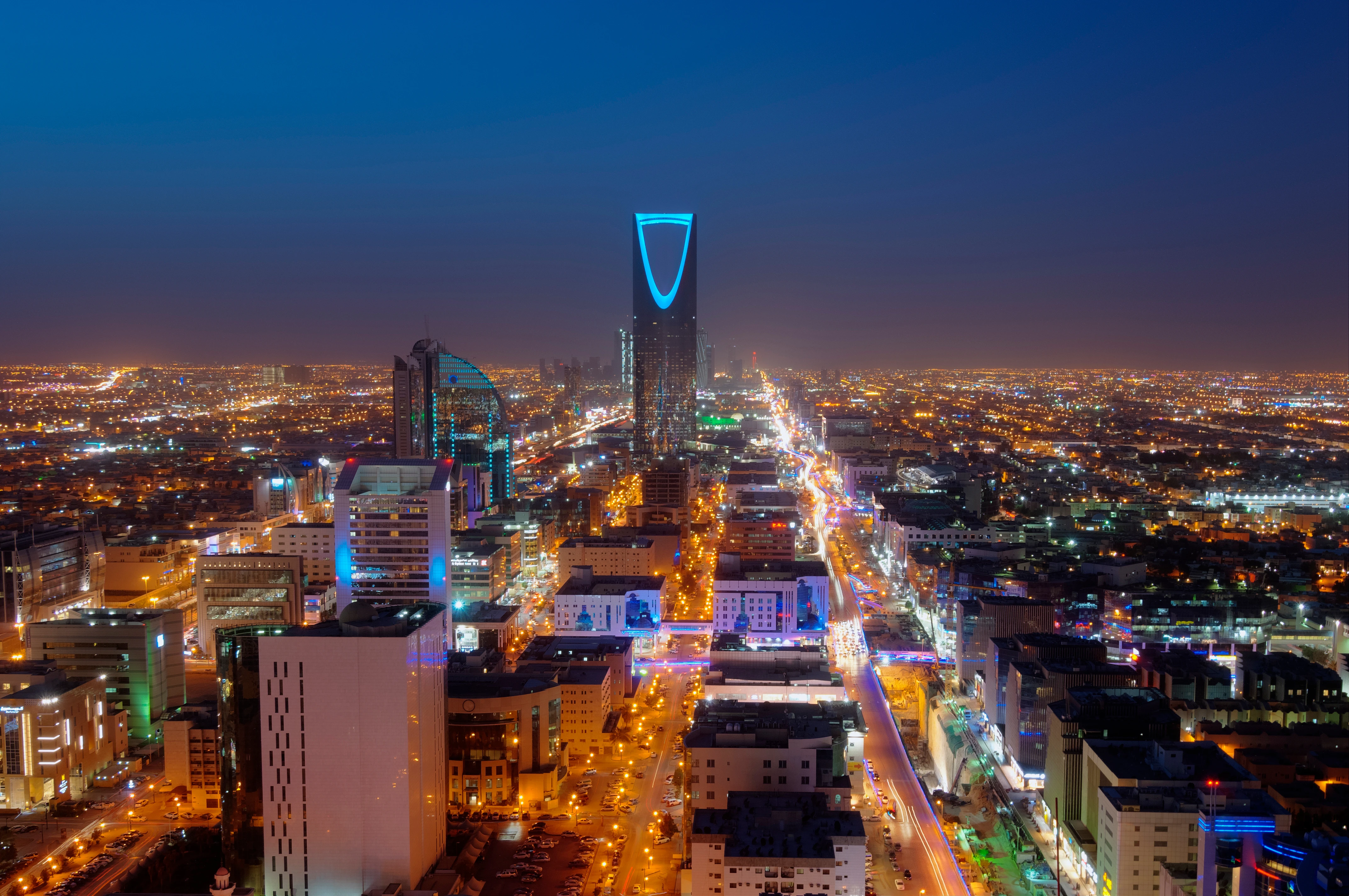
Flight capacity between Greater China and Saudi Arabia experienced a staggering 91% increase in 2025 compared to the previous year, according to data published in the Chinese Tourism to the Middle East and North Africa 2025 White Paper, collated by Dragon Trail International. Direct air connectivity between Saudi Arabia and China has expanded rapidly, supported by Saudi Arabia's Air Connectivity Program (ACP) and growing commercial and tourism ties between the two nations.
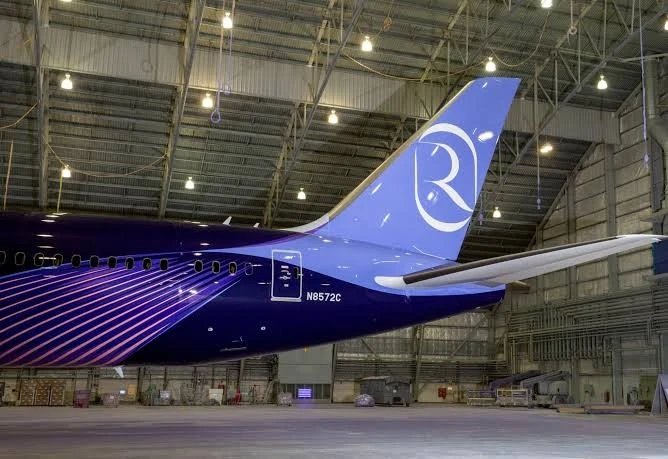
The Kingdom's flag carrier Saudia leads operations with non-stop flights connecting both Riyadh and Jeddah to major Chinese hubs, including Beijing and Guangzhou. Complementing these routes, leading Chinese carriers — including China Eastern Airlines, China Southern Airlines, and Hainan Airlines — operate direct services linking Riyadh and Dammam with commercial megacities like Shanghai Pudong, Shenzhen, and Beijing. The Kingdom's newest airline, Riyadh Air, has also been cleared for operations between the Kingdom and China, and is set to operate three flights weekly.
Together, these findings highlight where Saudi Arabia’s expanding tourism proposition will likely resonate most internationally — not through luxury accommodation alone, but by pairing high-end hospitality with rich landscapes, culture, and outdoor experiences.
From Volume to Value: Saudi Arabia’s changing tourism equation
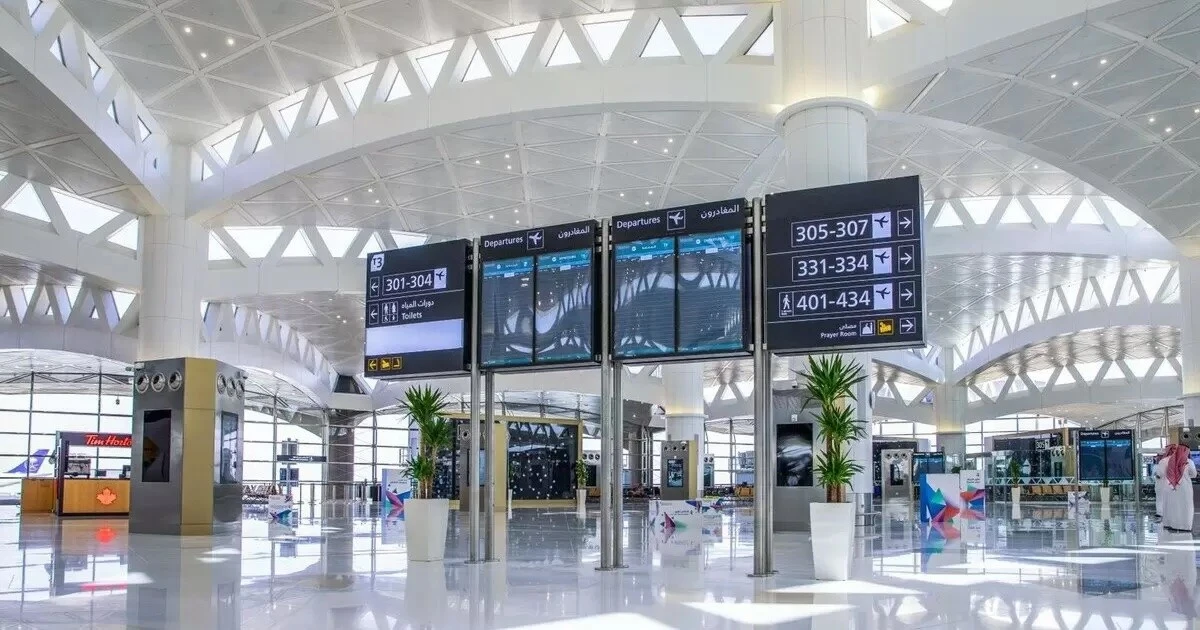
The latest data presented at WTM Spotlight Riyadh suggests that the opportunity for the Kingdom is substantial, but also increasingly sophisticated. Visitor growth and tourism statistics are no longer simply about attracting more visitors. It is about attracting the right markets, understanding changing traveller preferences and converting demand into sustainable economic activity across hotels, destinations, experiences and travel businesses.
For Saudi Arabia, the forecast 93% rise in international leisure tourism by 2030 provides a striking headline. But perhaps the more telling statistic is the shift in leisure spending — from 9% of international visitor spending in 2019 to a projected 31% by the end of the decade.
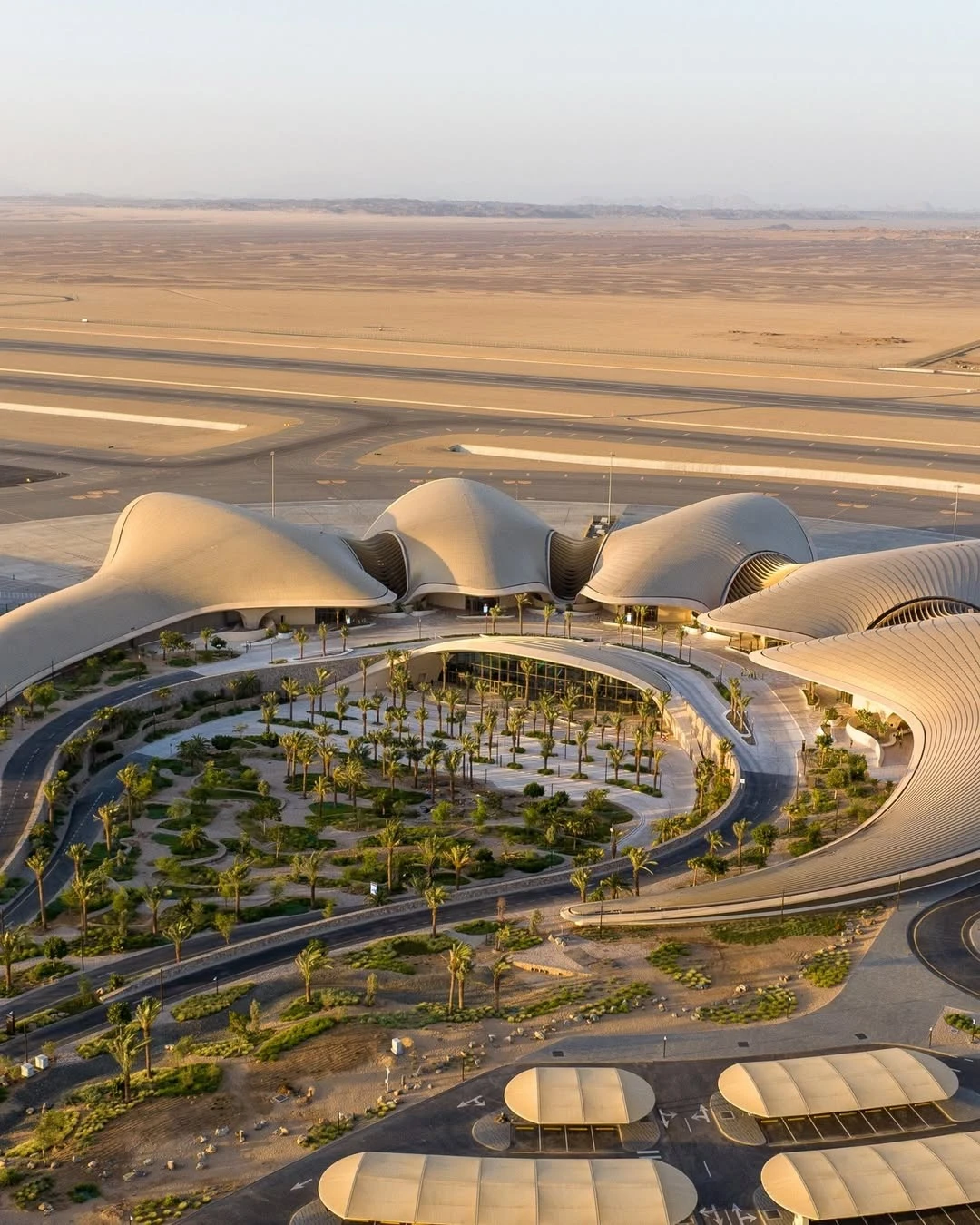
The Kingdom's tourism and visitor numbers are no longer anchored strictly by religious pilgrimages, corporate itineraries or once-off events; it is increasingly driven by high-value global travellers seeking transformative experiences, world-class heritage sites, and bespoke luxury hospitality experiences. As infrastructure matures and international connections strengthen, Saudi Arabia is proving that its ambition extends far beyond simply increasing visitor headcount, it is cultivating a sustainable, high-yield tourism ecosystem that promises to reshape the cultural and economic landscape of the broader region for decades to come.
World Travel Market Spotlight Riyadh, from September 8 - 10, 2026
Riyadh Front Exhibition & Conference Centre, Riyadh
wtm.com
@wtmspotlight