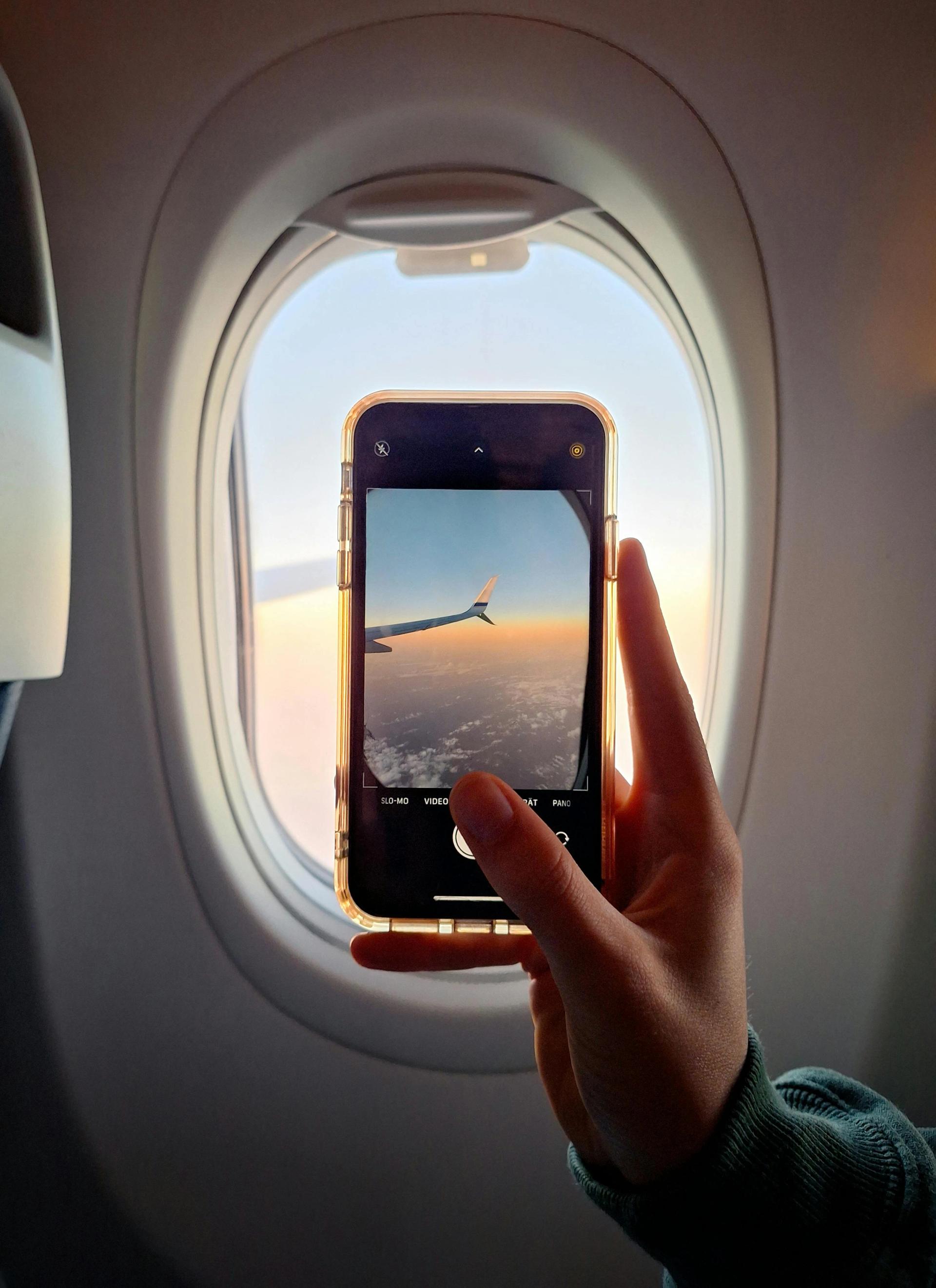





Have you ever wondered why flight attendants insist on switching your phone to airplane mode before takeoff? It seems like a small ask, but it's one that packs a punch in the safety and efficiency of air travel. So, let's dive into why this seemingly minor request is not just about following the rules but ensuring that everyone on board arrives at their destination without a hitch.
First off, let's debunk a myth: No, leaving your phone on won't make the airplane fall from the sky. However, it could potentially interfere with the aircraft's navigation and communication systems. Mobile phones send out signals that can emit electromagnetic interference. This interference, while minor, has the potential to muddle the communication between the aircraft and ground control, especially during critical phases of flight like takeoff and landing.
Imagine trying to hear the pilot's announcements with a static buzz in the background—now scale that up to the level of vital communications that keep the aircraft safely navigating the skies.
Airlines, being safety-conscious, adhere to a "better safe than sorry" policy. The Federal Aviation Administration (FAA) and other regulatory bodies have long been cautious about the use of cellular phones on planes, primarily due to these interference risks. Although modern aircraft are designed to shield equipment from such interference, the sheer number of devices on any given flight could, in theory, compound the risk.
Beyond potential safety risks, there's also a logistical reason for using airplane mode—it helps manage the load on ground-based cellular towers. When you're cruising at 30,000 feet, your cellphone, if not in airplane mode, is skipping from tower to tower trying to maintain a signal. This rapid switching can clog up the networks on the ground and lead to dropped calls or poor connection quality among ground users.
So next time you’re instructed to switch your phone to airplane mode, remember, it’s not just about following a routine procedure. It’s about minimizing risks and ensuring that communication lines (both yours and the aircraft’s) aren’t crossed. Plus, it’s a great excuse to disconnect from calls and messages and enjoy some downtime up in the clouds—or maybe just dive into that in-flight entertainment!