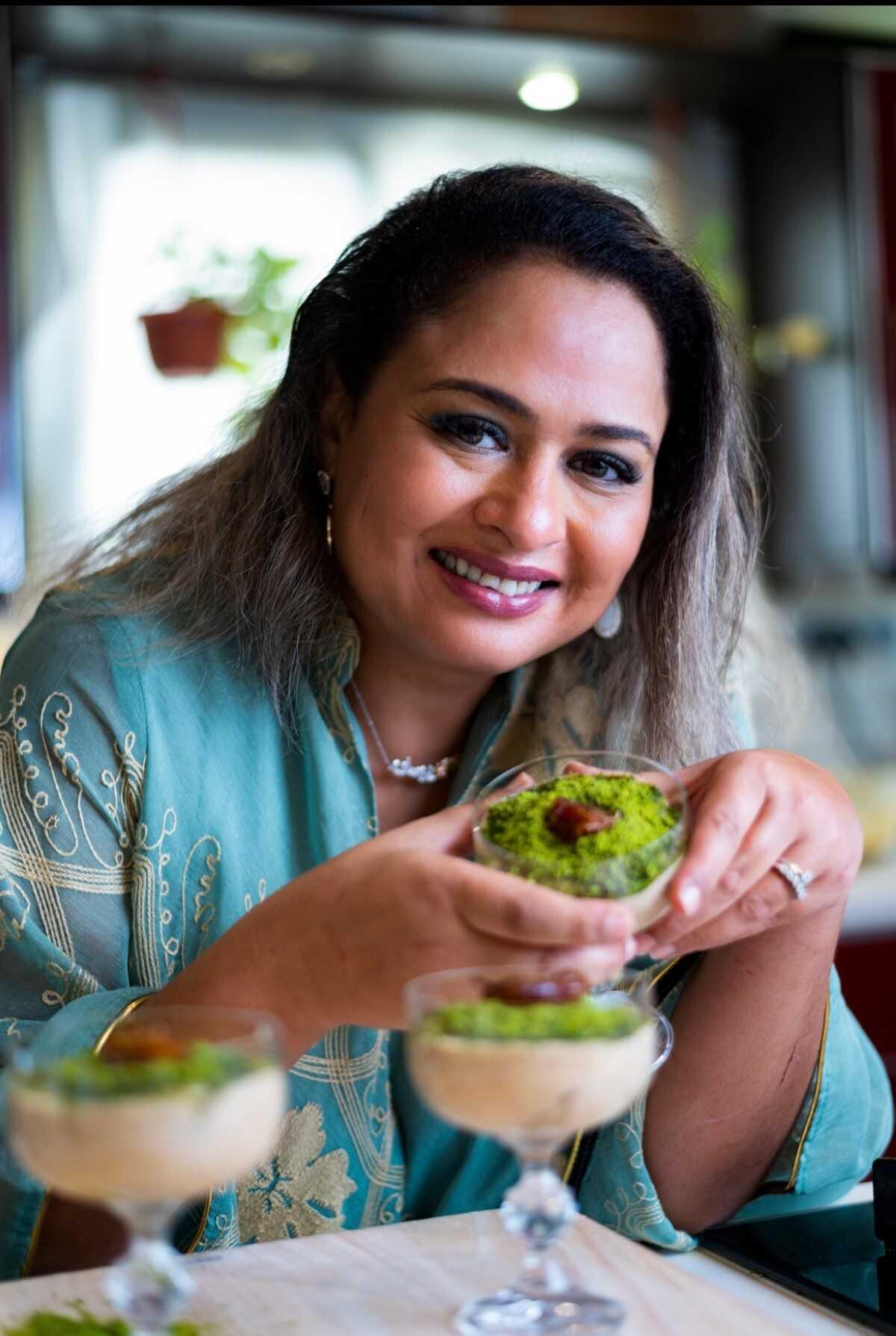




Chef Hatoon AlToukhi, originally from Jeddah, follows her own law in cooking and dish preparation, diverging from classic norms in the world of taste.
She's accustomed to blending and innovating flavours, having acquired her passion for cooking in her twenties from her Egyptian grandmother, who guided her in preparing family meals. Initially learning to cook Egyptian dishes, she gradually began preparing family meals herself, ultimately prioritising her culinary passion over other talents like painting.
She has long been drawn to Italian culinary art, starting her journey after marriage to someone whose mother is Italian. This allowed her close insight into the techniques, secrets, and culture of Italian cuisine, specialising and mastering its qualities, from ingredient quality to precise preparation and adherence to cooking traditions, presentation elegance, and hospitality. She views Italian cuisine as "passion, art, and love."
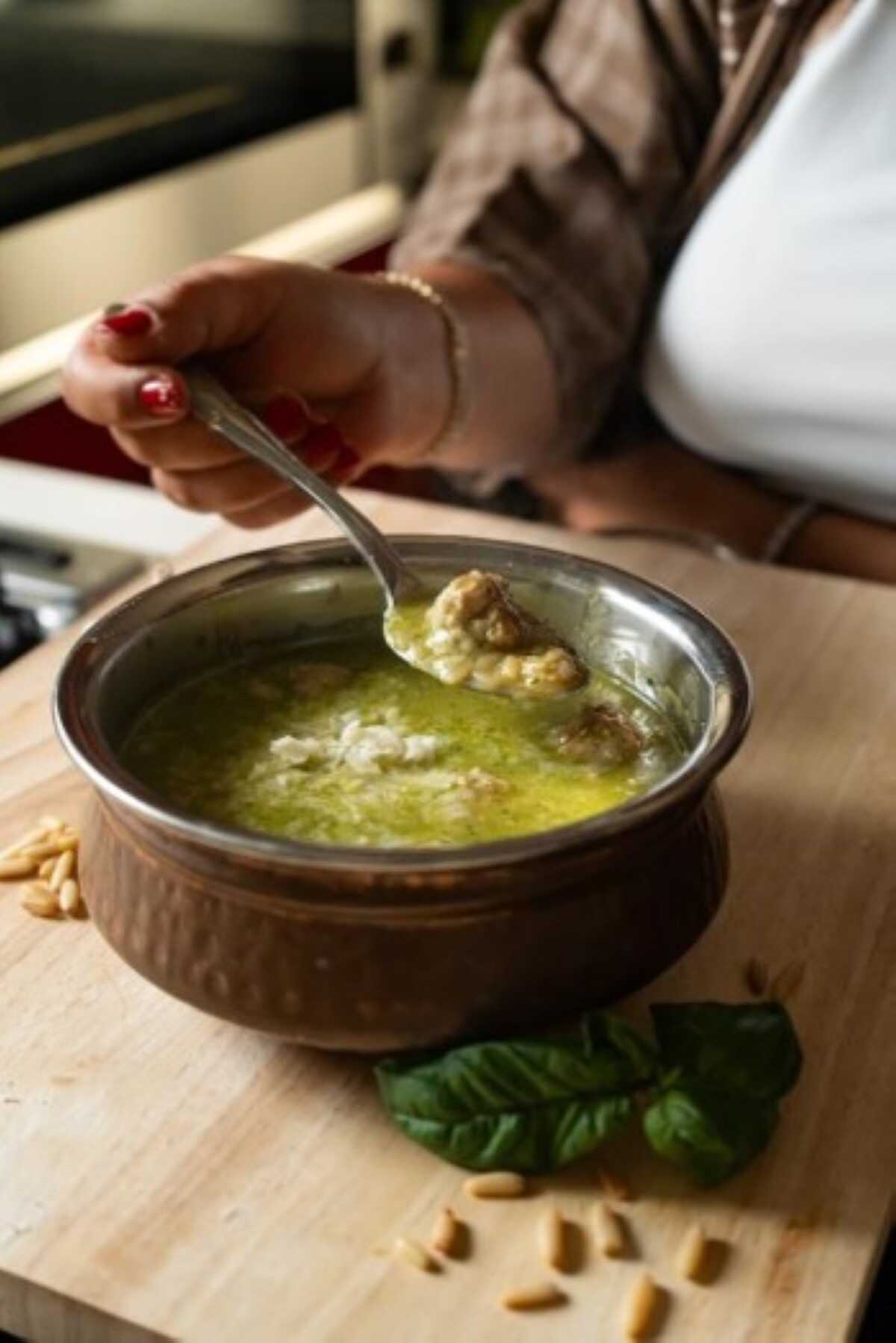
Every cuisine has its unique flavour combinations and secrets. What are the secrets of Italian cuisine?
Before delving into the advantages of Italian cuisine, it's essential to know that Italians have a heightened sensitivity towards their dishes, which have spread worldwide. They adhere strictly to traditional methods inherited and preserved through generations, resistant to any alterations in ingredients, especially within Italian families.
I learned Italian culinary techniques from my husband and his mother, taking me 10 years to master them in the original classic manner. What attracted me most in this cuisine is the precision in details.
The secrets of Italian dishes lie in their prohibitions; they have a wide range of prohibitions that must not be violated for a dish to succeed according to their beliefs. Among these prohibitions, cooking cream is forbidden in Italian cuisine, replaced by Parmesan cheese and pasta cooking water. Butter is used in a certain number of dishes like Fettuccine Alfredo, while olive oil is the essential ingredient in Italian dishes.
Pasta must be fully cooked according to each type, as fully cooking aids digestion, and it's important not to cut spaghetti in half before boiling.
Regarding Italian spices, they are simple and classic: pepper, oregano, and basil. There is no paprika in Italian cuisine, as paprika is a Spanish spice. Also notable in this cuisine is the avoidance of mixing chicken with pasta or seafood with types of cheese, as this could lead to poisoning.
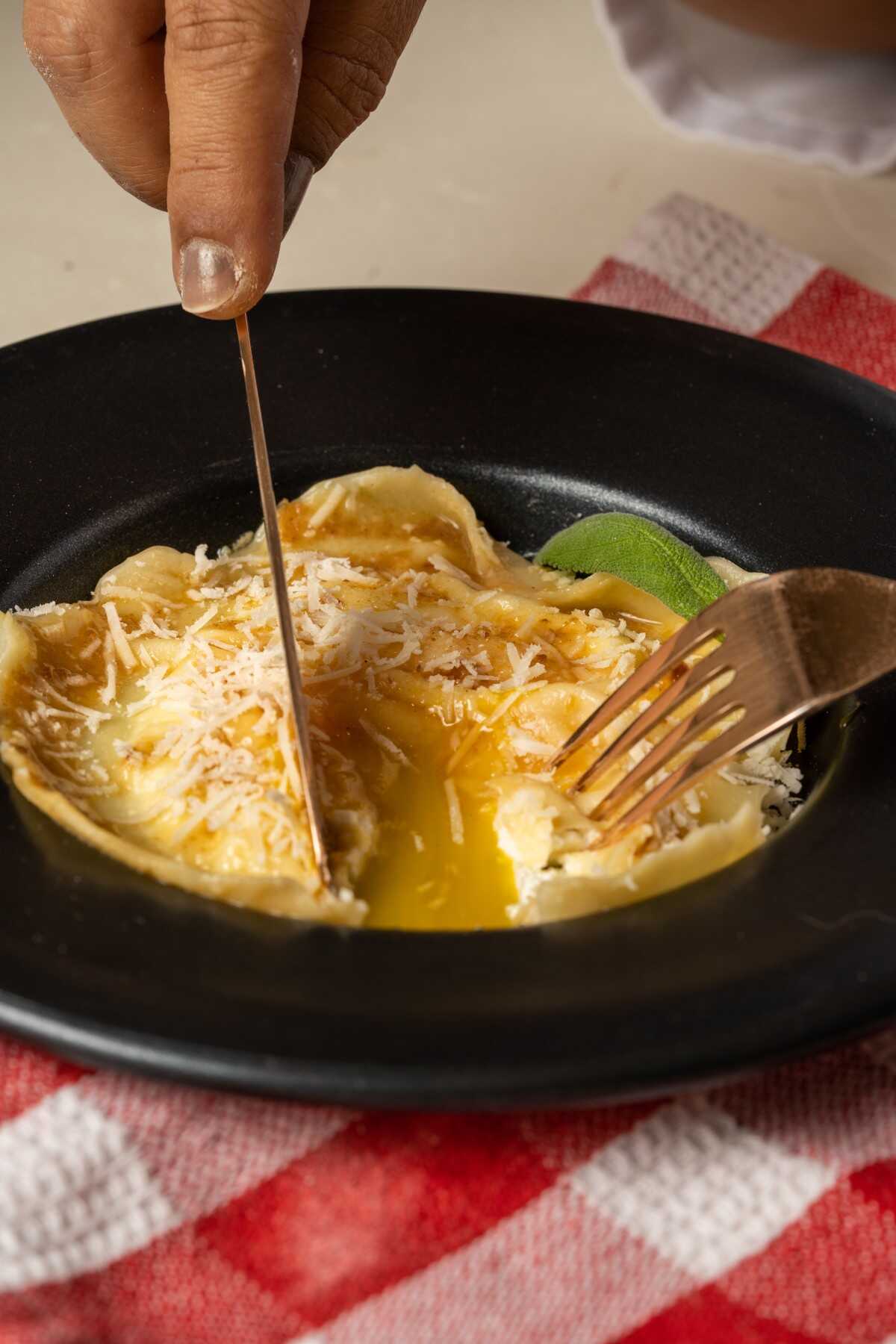
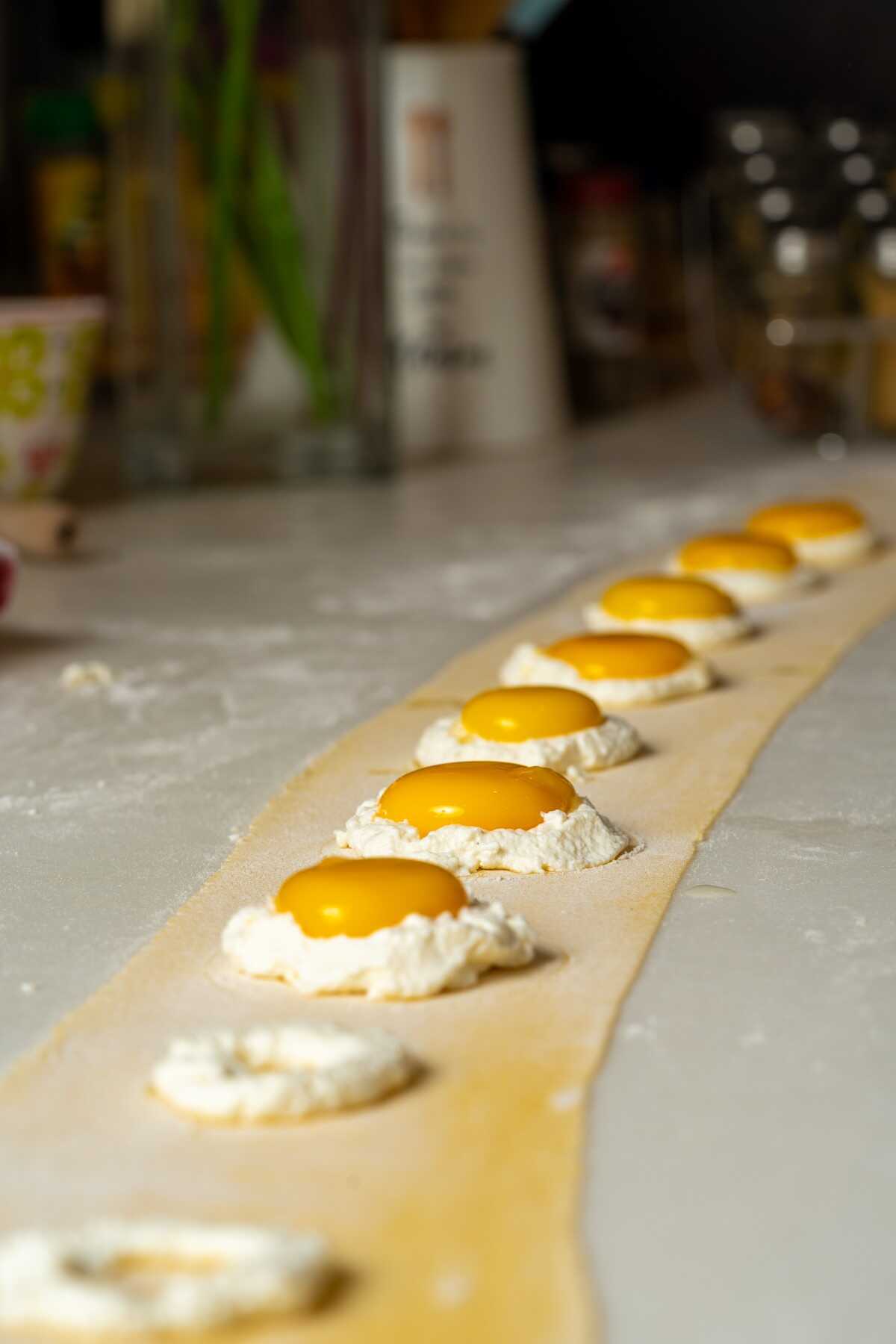
What are the etiquettes of Italian dining?
Italian families pay extensive attention to their dining table and its etiquettes. What particularly caught my attention was the use of two tablecloths: one padded and the other decorated, to avoid the clinking of dishes, which is considered a flaw at the table.
Meal consumption at Italian tables starts gradually, unlike Arab tables, preferring to begin with appetizers and soups, followed by pasta or risotto. When finished, protein dishes (meat, fish, or chicken) are placed on the table, concluding with salad and then serving coffee.
It's worth noting that mealtime in Italy takes a long time, ranging from two to three hours.
The dining room in an Italian household is the primary room, carefully chosen, where the family gathers around the table for a long time, watching TV and chatting, similar to Arab families.
I prepared some Italian dishes with a Saudi twist. How were they received?
Today, with the rising trend of highlighting Saudi cuisine, it's essential to innovate a blend of Italian dish elements with Saudi ingredients. I prepared Tiramisu with Saudi coffee, available for online order.
As a food blogger, I aim to showcase the identity of Saudi cuisine in any dish, as our ingredients are distinctive and of high quality. I included classic Italian dishes and modern Italian-Saudi mixed dishes on my menu. The mixed dishes were well-received, as I strongly cater to the general Saudi taste.
How has the Saudi environment facilitated openness to global cuisines, including Italian?
The Saudi environment has long been open to cuisines, with Italians being a favourite among Saudis. In Jeddah, there's an old Italian restaurant named Castello, owned by an Italian and still thriving today. Moreover, Saudis warmly welcome this cuisine, with many owning Italian restaurants that showcase their unique touch.
Could you tell us about the recipe for Tiramisu with Saudi coffee? How do you prepare it?
Despite my inclination towards the world of Italian cuisine, I strive to innovate between the classic Italian dish and the authenticity of Saudi flavors. About two years ago, I prepared the famous dessert Tiramisu but with the flavor of Saudi coffee instead of espresso, offering it on my home menu available for online order via my Instagram account.
I used the conventional method to prepare Italian Tiramisu but added two cups of cold Saudi coffee to the Mascarpone cheese with a cup of date paste and cardamom, in addition to other essential Tiramisu ingredients. For garnish, I used ground pistachios.
It's worth noting that I created this dish for the occasion of Saudi National Day two years ago. Now, all residents of Jeddah can order both regular and Saudi Tiramisu boxes with a 24-hour notice for their upcoming events.
How did you come up with the idea of Risotto with Bukhari flavour?
I recently shared with my followers my latest innovation, Risotto with Bukhari flavour. I used Italian Arborio rice and added fish, shrimp, Bukhari spices, hot pepper, and cherry tomatoes.
What is the optimal way to succeed in making Roman Margherita pizza?
Roman Margherita is one of the famous pizza recipes. I prepared it on my page and explained the details of successfully fermenting its dough, characterised by the appearance of large bubbles on the dough's sides. It's essential to knead it lightly and store it covered with a damp cloth in a warm place. The dough ferments in two stages to achieve the required fermentation level for taste.
One of the basics of making pizza and its success is to preheat the baking tray in the oven before placing the pizza dough at a high temperature of 250 degrees. Then pour the sauce, mozzarella cheese, cherry tomatoes, and bake it in the oven for only fifteen minutes from the bottom, then from the top and bottom for an additional 10 minutes.
Chef Hatoon's Favourites
Favourite Italian Restaurant in Jeddah: Mazencito Pizzeria and Butcher Voo
Favourite Pizza Restaurant in Jeddah :Il Postino Pizzeria
Favourite Italian Dish: Authentic Carbonara