




As a peninsula jutting into the warm, placid waters of the Arabian Gulf, Qatar’s identity is inextricably tied to the sea. Long before the discovery of natural gas, it was the lustre of the pearl that built this nation’s fortunes, a legacy of daring freedivers that speaks to a deep, ancestral connection with the water.
Today, that legacy has evolved. While the traditional dhows still grace the horizon, what lies beneath the surface now calls to a new generation of explorers. The world of diving in Qatar reveals startling contrasts, from serene, shore-accessible reefs to deep, challenging wrecks. For those who prefer to stay closer to the surface, the opportunities for snorkelling in Qatar are equally persuasive, providing a window into an ecosystem of unexpected richness. However you choose to wade out into the water, this guide will bring you closer to the life aquatic.

The Inland Sea (Khor Al Adaid)
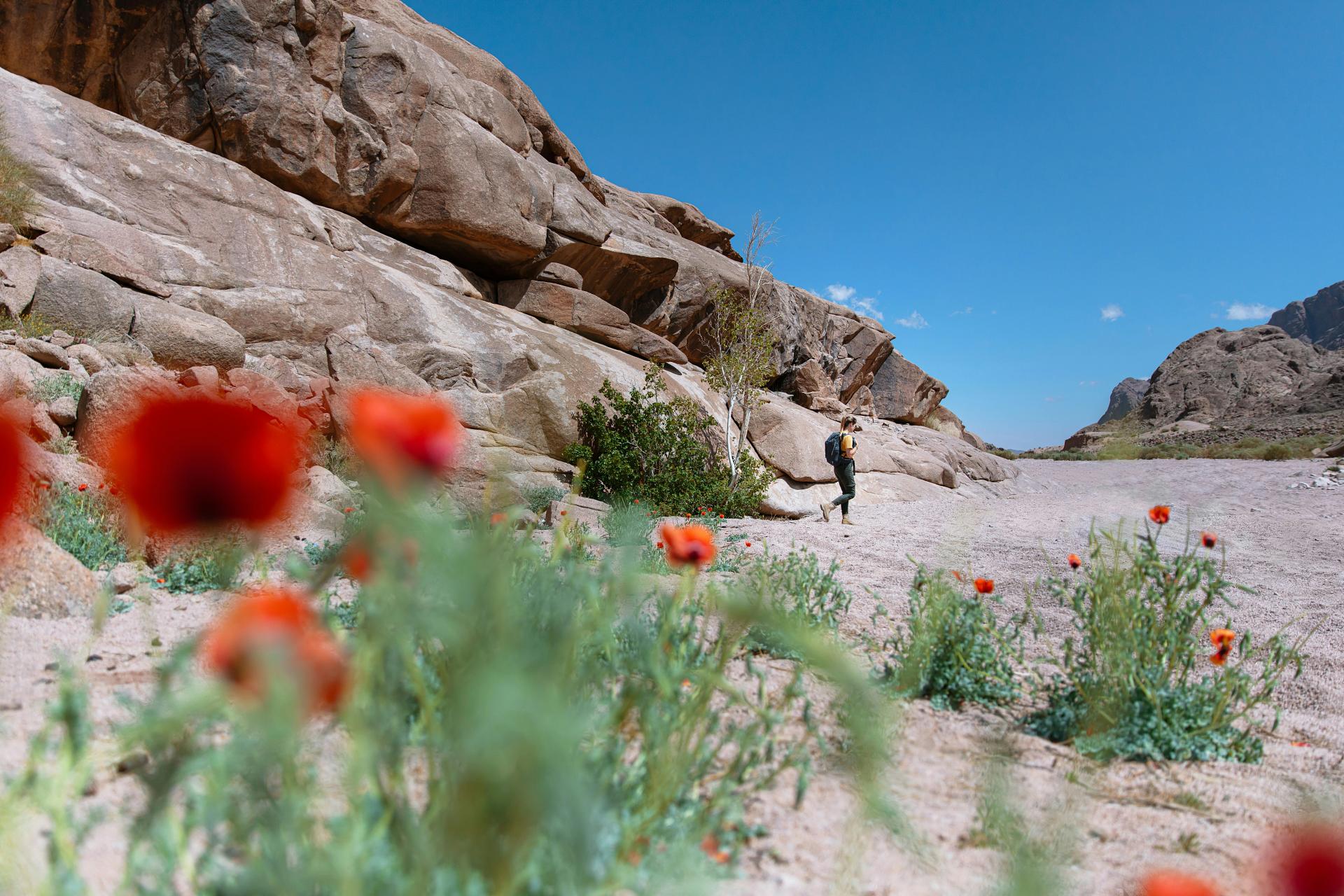
The journey to Khor Al Adaid is the first act of the performance. The excursion requires both a 4x4 and a skilled guide for the thrilling session of ‘dune bashing’ required to reach it. The reward is a sight few places on earth can furnish: a vast tidal embayment, a UNESCO-recognised nature reserve where the desert cascades directly into the sea. For divers and snorkellers, this serves as an almost theatrical entry point into Qatar's underwater world.
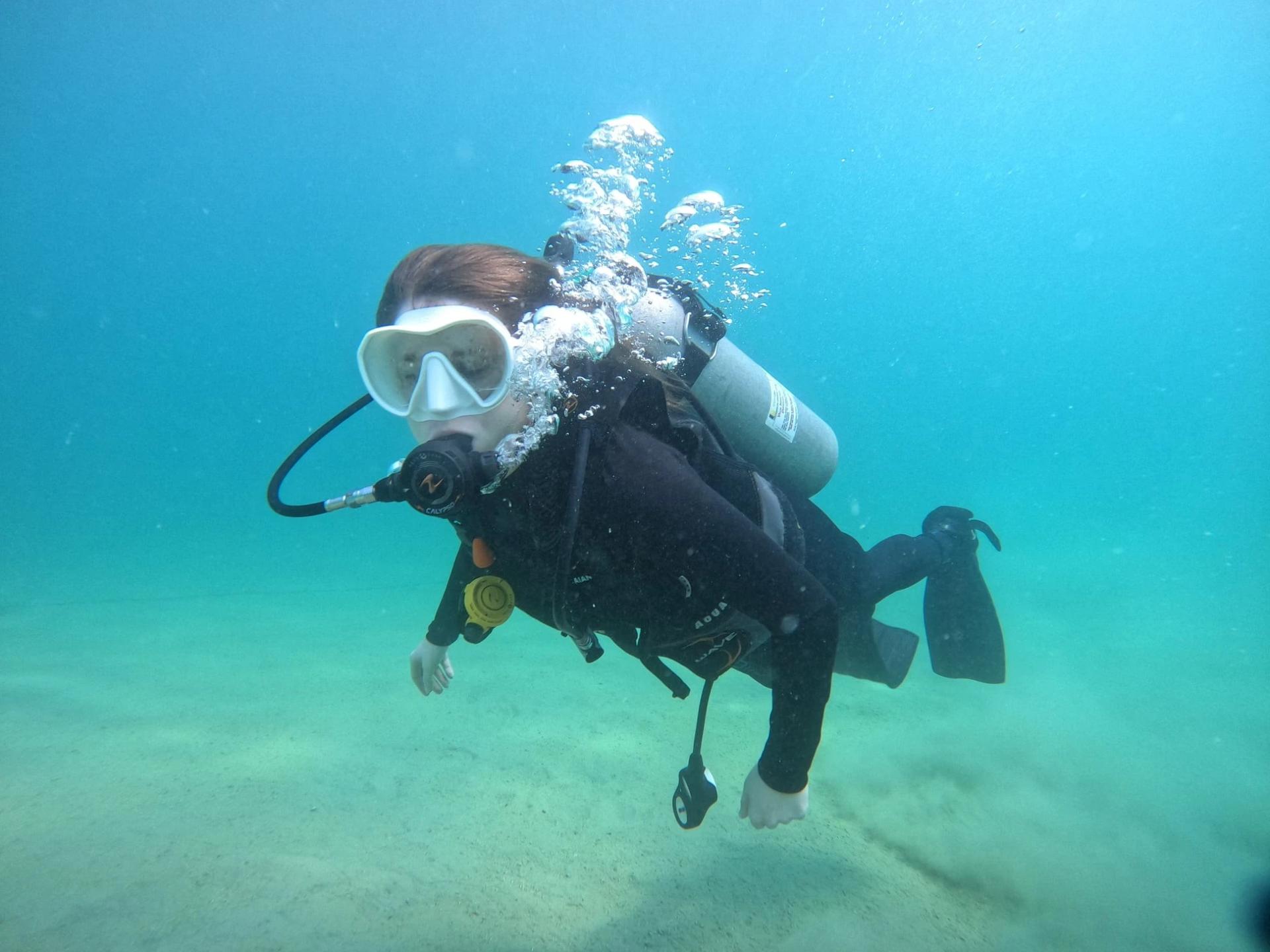
The waters are calm and exceptionally clear, with shore-accessible patch reefs and rocky outcrops that are easily explored. While not a dense coral metropolis, the marine life is surprisingly varied, with regular sightings of angelfish and needlefish, while the sandy floor is home to the occasional feathertail stingray. It’s the perfect, sheltered environment for an introductory dive or a long, languid afternoon of snorkelling. This is the quintessentially Qatari dive, a marvel found at the precise intersection of desert and deep.
GMC Reef & New Club Reef
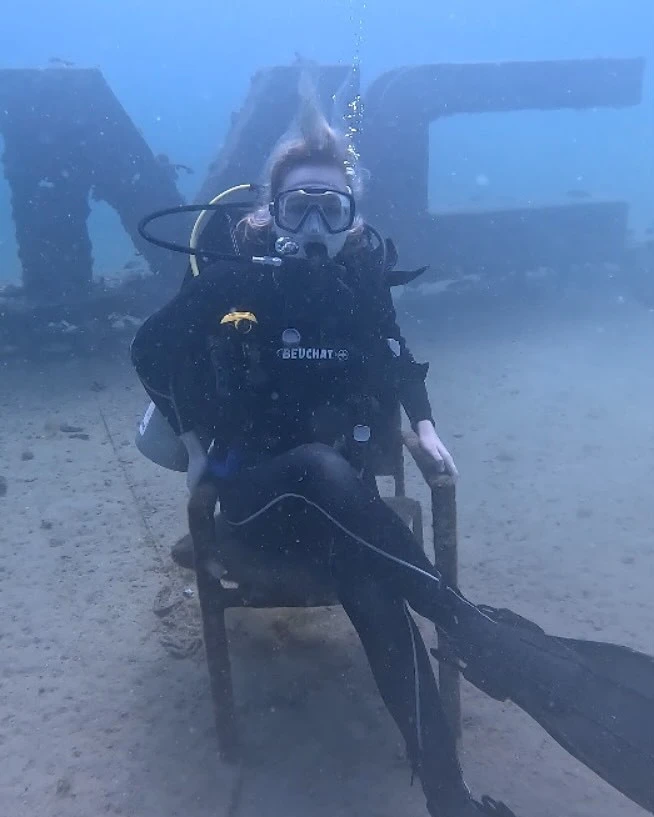
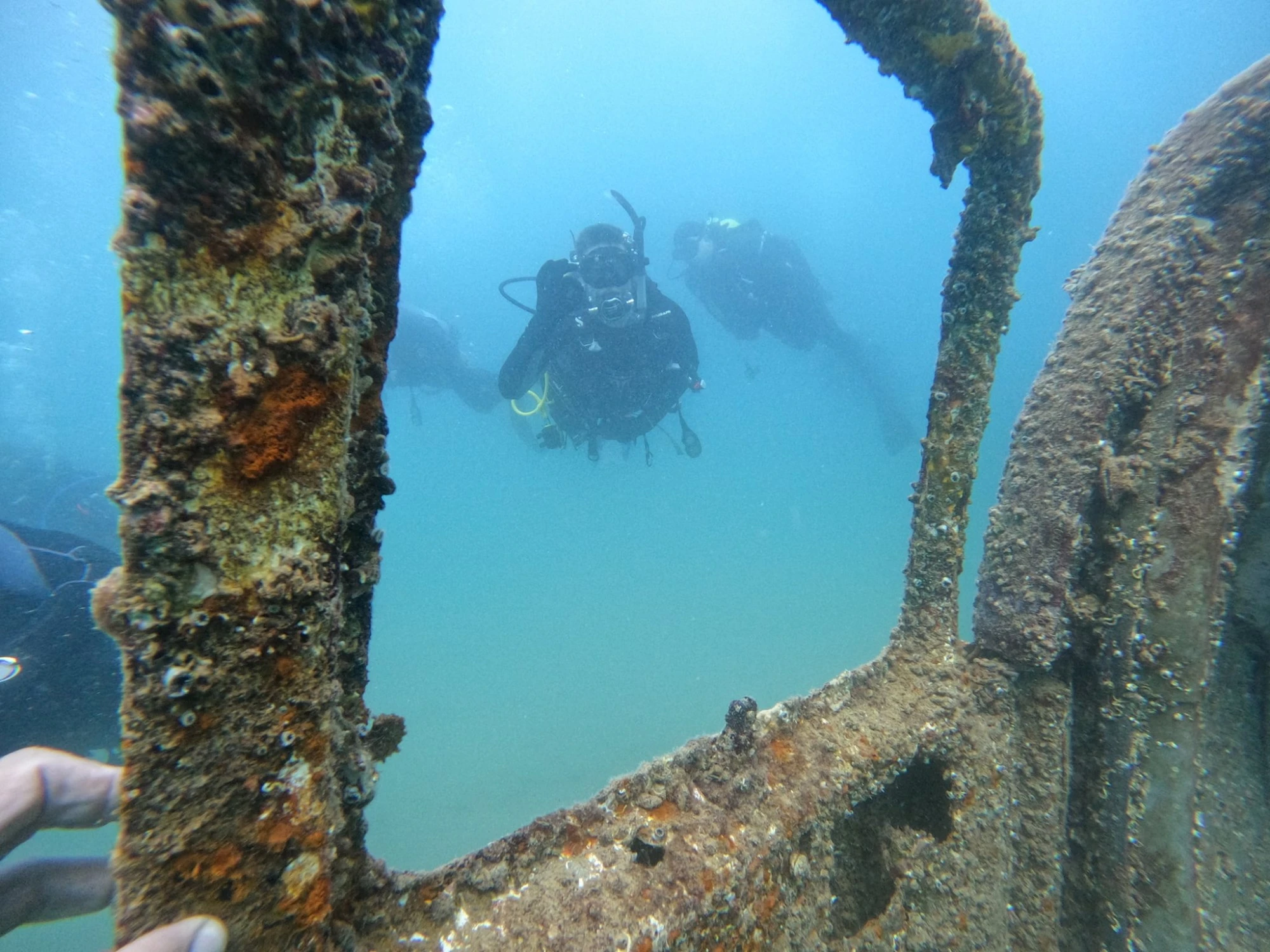
Some of Qatar's most compelling dive sites are born not of geology, but of ingenuity. Such is the case with the cluster of artificial reefs located just a short drive south of Doha, near Sealine Beach. Here, the local diving community has orchestrated an ambitious project of environmental enrichment. The star attraction at GMC Reef is precisely what its name suggests: a collection of deliberately submerged GMC vehicles that have, over the years, transformed into a thriving, barnacle-encrusted habitat.
Nearby, New Club Reef expands this underwater playground with a curious assortment of concrete blocks and pipes, alongside abandoned bicycles. The result is a testament to nature’s ability to colonise, creating a haven for a host of aquatic species. Its accessibility from the shore and relatively shallow depth make it a favourite haunt for the Qatar Scuba Centre and a perfect location for night diving, when the resident crustaceans and moray eels emerge from their metallic homes.
The M.O. Wreck
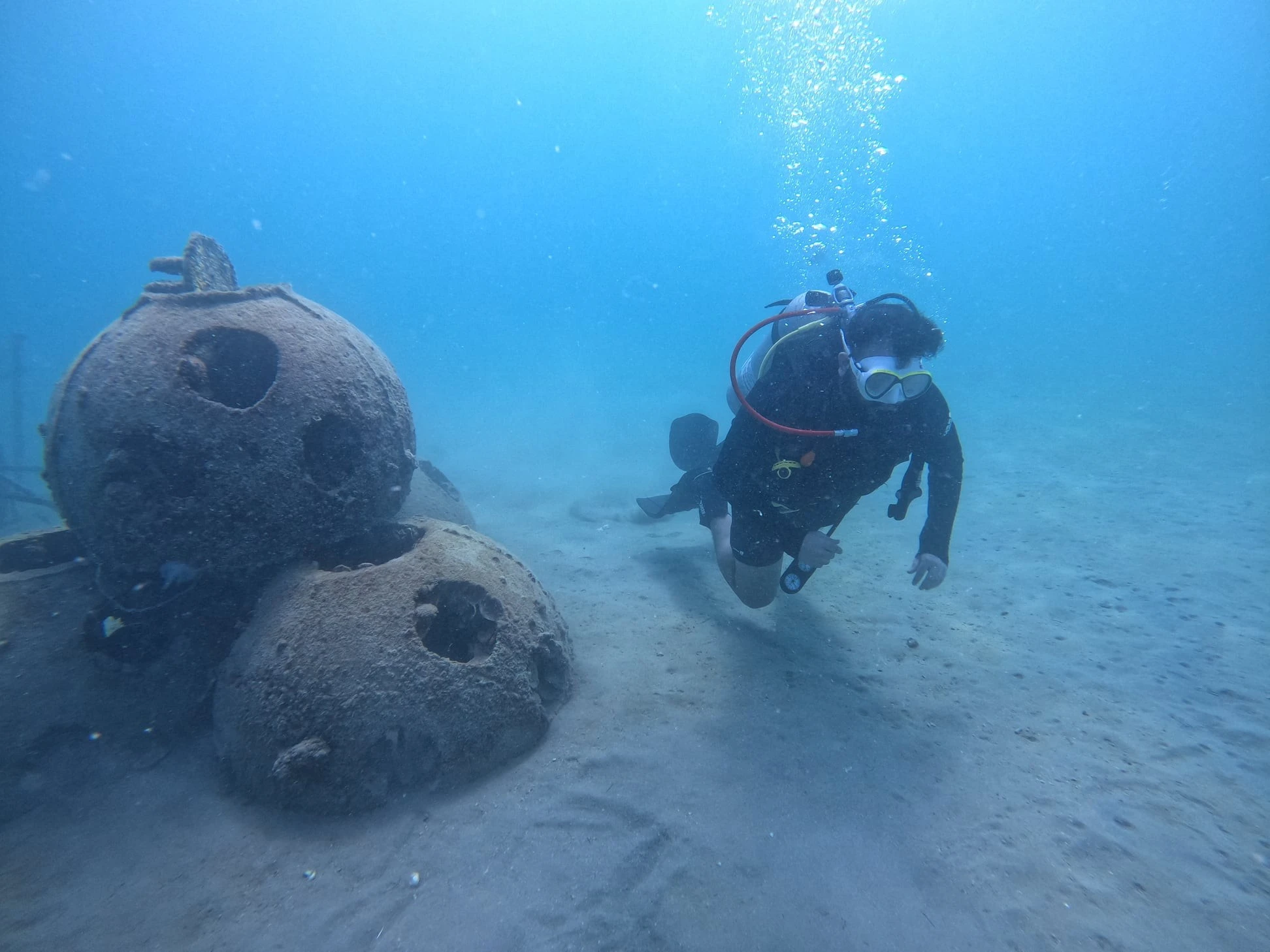
For those based in the capital and seeking a dedicated day of exploration, a trip to the M.O. Wreck provides a powerful narrative. Lying approximately 25 metres deep near the oil fields of Halul Island, this site requires a significant boat journey from Doha, making it a true day-long commitment for the serious diver. The wreck itself, a former naval barge, is an atmospheric and structurally interesting site, draped in soft corals and attracting larger schools of fish than the shore dives.
Here, you are more likely to encounter vast schools of circling minnows, or find formidable-looking groupers patrolling the rusting superstructure. Due to the distance and depth, a trip here represents a more significant financial investment, a clear step up from the accessible shore dives. This is where a professional operator like the Poseidon Dive Center proves its worth, handling the complex logistics of a full-day offshore expedition and transforming the cost of diving in Qatar from a simple fee into an all-inclusive ticket to discovery.
The Pericles
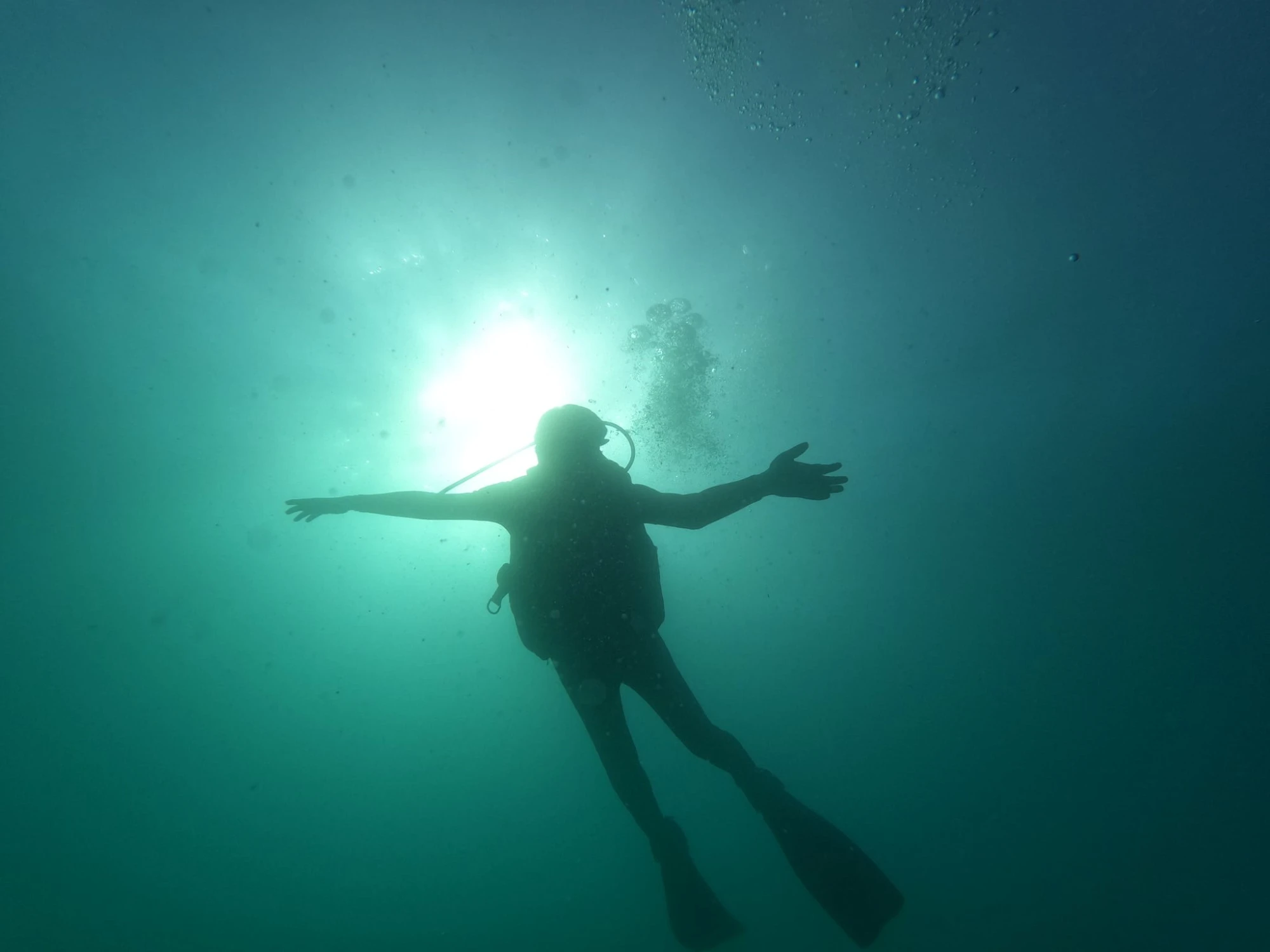
Every serious diving destination has its pinnacle wreck, and in Qatar, that title belongs to the site known locally as the Pericles. This dive remains the preserve of the advanced-certified. Resting at a depth of over 30 metres, the large wreck, believed to be a former steamship or cargo barge, presents a magnificent sight. Strong currents frequently sweep across its structure, making it an ideal candidate for a thrilling drift dive, but one that demands experience and the guidance of a reputable Qatar diving school for proper training. Those who make the descent are rewarded with a vast, ghostly structure now frequented by a rich variety of marine life. The currents that make it challenging also bring nutrients, attracting larger coral species and ensuring the wreck is a dynamic, ever-changing environment, its true identity still part of its allure.
Pearl diving in Qatar
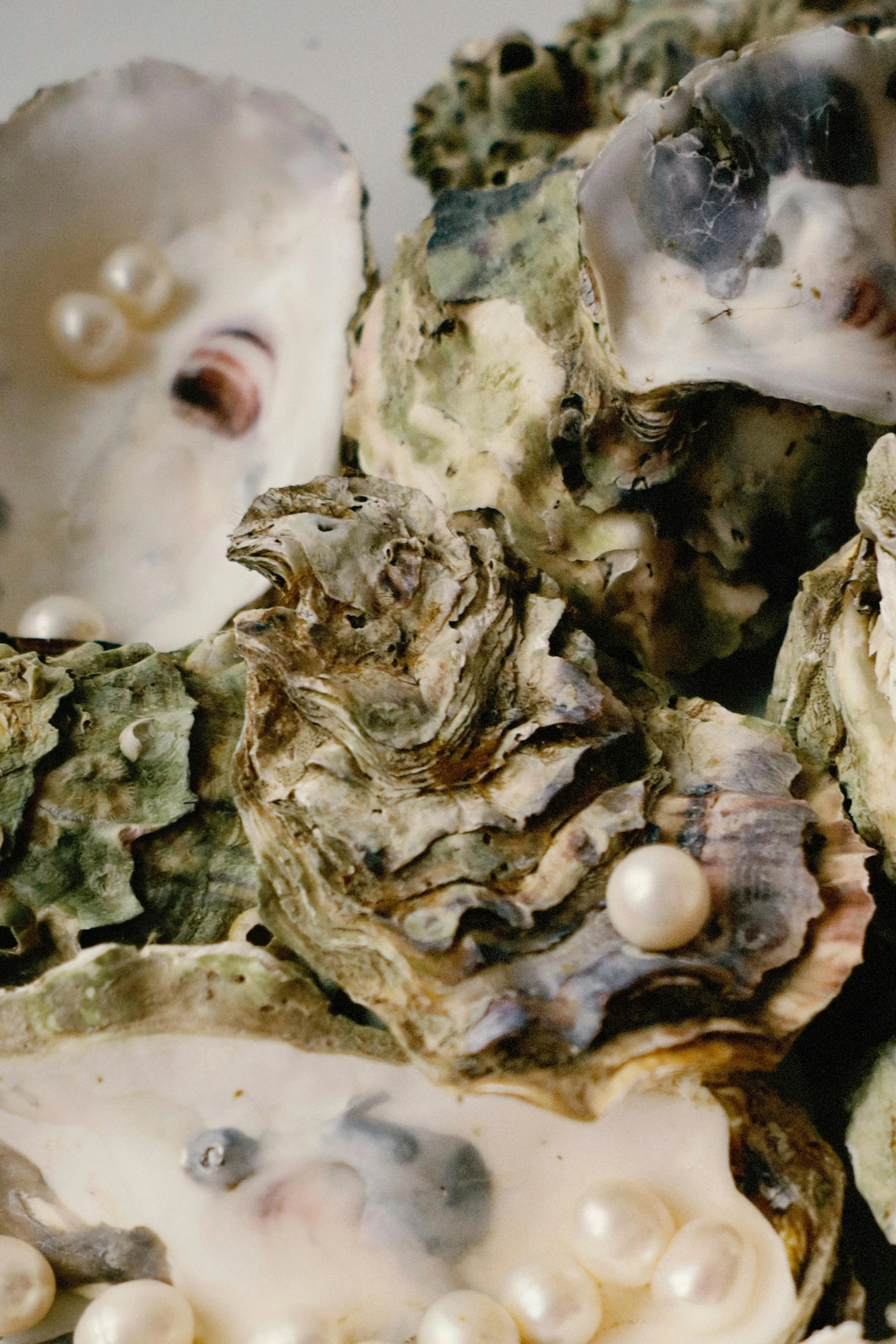
To immerse yourself in the waters of Qatar is also to connect with its past. Long before scuba tanks and regulators, there was pearl diving in Qatar, an industry built on phenomenal lung capacity and the simplest of tools, like a nose clip and a leather finger protector. While the industry faded with the advent of cultured pearls, the heritage has not been lost. Several local operators now offer unique cultural tours that allow visitors to engage with this tradition firsthand.
Functioning more as a living history lesson than a modern scuba dive, the tour typically involves a trip on a traditional dhow boat. After learning about the historic techniques from a local guide, you are invited to try your own hand at free diving to collect oysters from the shallow seabeds. It's an authentic, hands-on affair that offers a profound appreciation for the skill and hardship of the original divers and provides an invaluable context for the country’s modern relationship with the sea.
The whale sharks of Al Shaheen
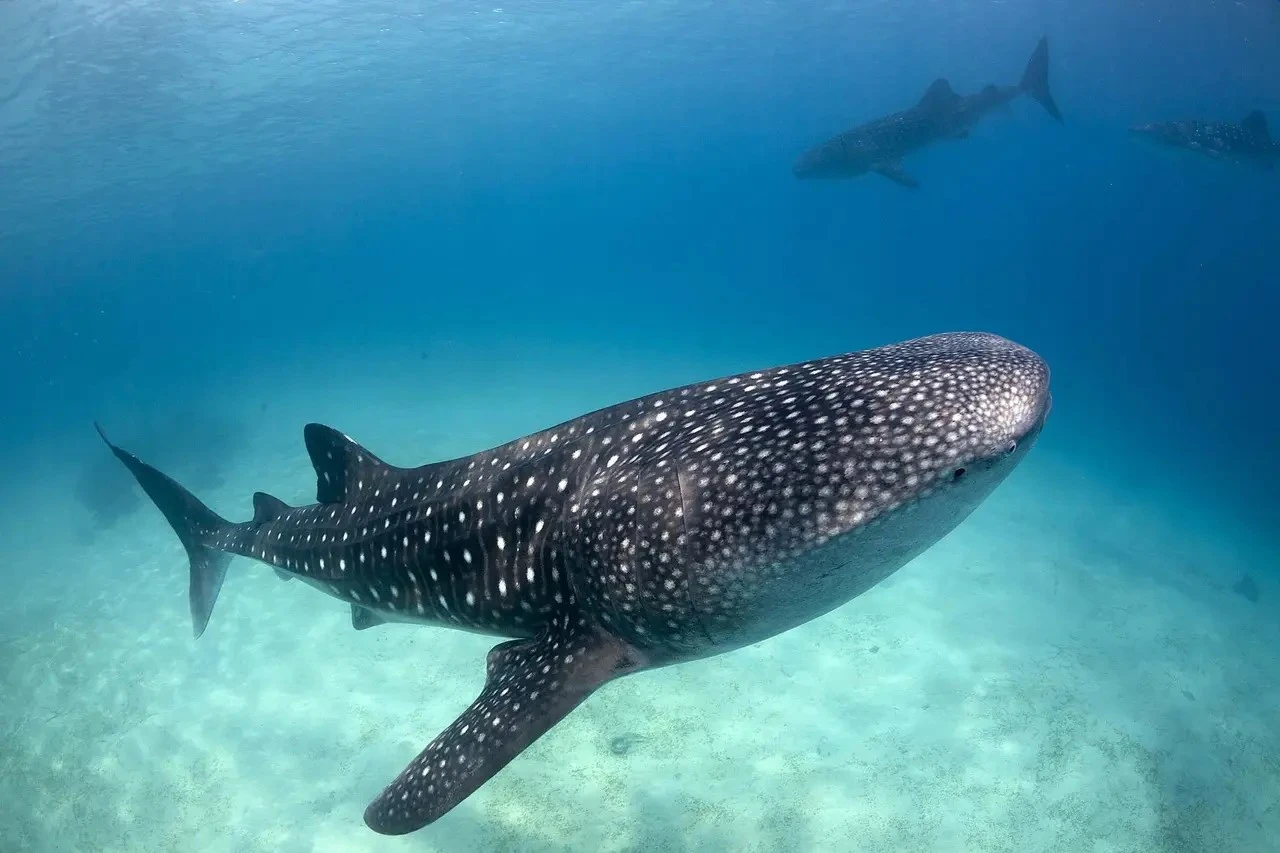
The whale shark aggregation at the Al Shaheen oil fields transcends national significance to rank among the planet's premier wildlife events. Each year, from April to September, these offshore waters host the largest known concentration of whale sharks on Earth, with hundreds of individuals gathering to feed on tuna spawn. Access to this restricted area is tightly controlled to protect the animals, and is available only through official providers like Discover Qatar.
A crucial point of clarification: to minimise disturbance, these tours are exclusively for snorkelling. The term “whale shark diving in Qatar” is therefore a misnomer, but floating on the surface while these gentle, bus-sized giants glide silently beneath you is a humbling, almost spiritual moment. It is the undisputed crown jewel of Qatar’s marine offerings and an encounter that elevates the nation to the very top tier of global wildlife destinations.