

The Middle East is absolutely chock-full of storied, ancient cities, and Jeddah is amongst the best of them. Easily ranking alongside the old cities of Cairo and Istanbul, Jeddah is a truly unique metropolis that has been an intriguing blend of cultures for millennia due to its position as the gateway to Makkah.
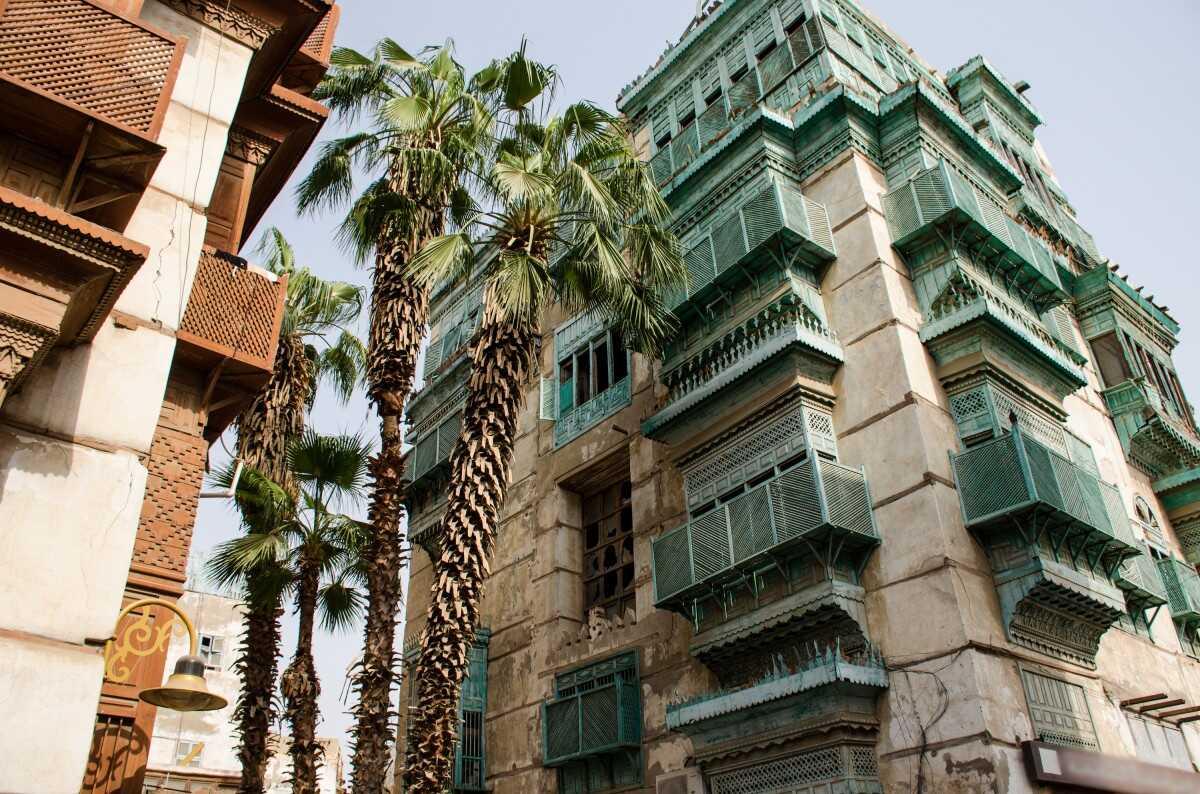
Although it is an ancient city, Jeddah was a key site during the Ottoman era, serving as a trading port and hub for pilgrims from across the empire. During the 19th century, much of Al Balad, the Old Town, was built by wealthy merchants, and the architecture – with its wooden mashrabiya window boxes and balconies – has survived.
In terms of orientation, almost all of Jeddah’s historical sites are in or around Al Balad, and it is relatively easy to visit them all in a day. Bear in mind that official opening hours can change daily, but most sites tend to open in the afternoons and evenings, with some welcoming visitors until late at night, especially in the summer.
1. Al Balad
The jewel in Jeddah’s crown, UNESCO ranked Jeddah’s Historic District as a World Heritage Site in 2014, and in the years since, a vast amount of work has gone into restoring and improving the area after decades of neglect.
Al Balad has been the official entry point for pilgrims visiting Makkah since 657 CE and was a key trading port long before that. During the Ottoman Era in the 19th century, the city became a commercial hub, and many of the magnificent buildings in Al Balad were built by merchants who left their own cultural stamp on Jeddah.
The city's unique architecture includes ornate wooden mashrabiya screens that provide both shade and privacy to residents, as well as impressive wooden balconies. Many of the houses are made out of coral or are lined with stones gathered from the Red Sea. Meanwhile, the interiors include complex techniques for cooling and water-gathering.
In the modern era, the Historic District fell into disrepair, but since 2014, work has been underway to restore the old buildings, and a number are now operating as art galleries and cultural centres that are open to tourists. The most famous of these is Nassif House, a former residence of Ibn Saud and diplomats and foreign visitors ever since.
Another is Matbouli House Museum, a traditional Hijazi merchant’s home maintained by a Saudi family (who charge a very reasonable SAR 10 to look around) and is full of antiques and local artefacts.
2. Bab Makkah
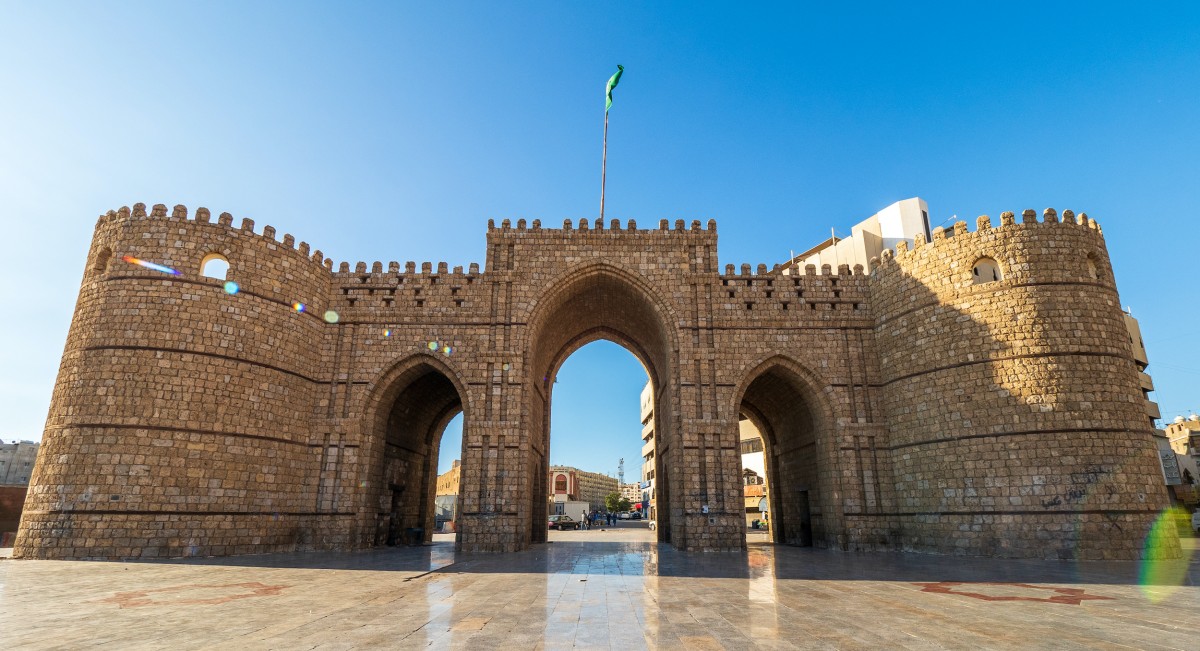
There were originally eight gates to the old city of Jeddah, which was surrounded by a city wall, and visitors may encounter some of them while simply exploring on foot. The best restored is Bab Makkah, which was historically the most important because it was the beginning of the walk to Makkah, and pilgrims have been passing under it for centuries.
Bab Makkah today is a recreation of that ancient gate, but it gives you a good feel for how impregnable the city would have been in earlier times. Other gates in the old city that are worth a stop are the Jeddah Old Gate (in the north of the Old City) and Bab Sharif, in the southeast, parts of which date from the 16th century when the walls were first built.
3. Al Mimar Mosque
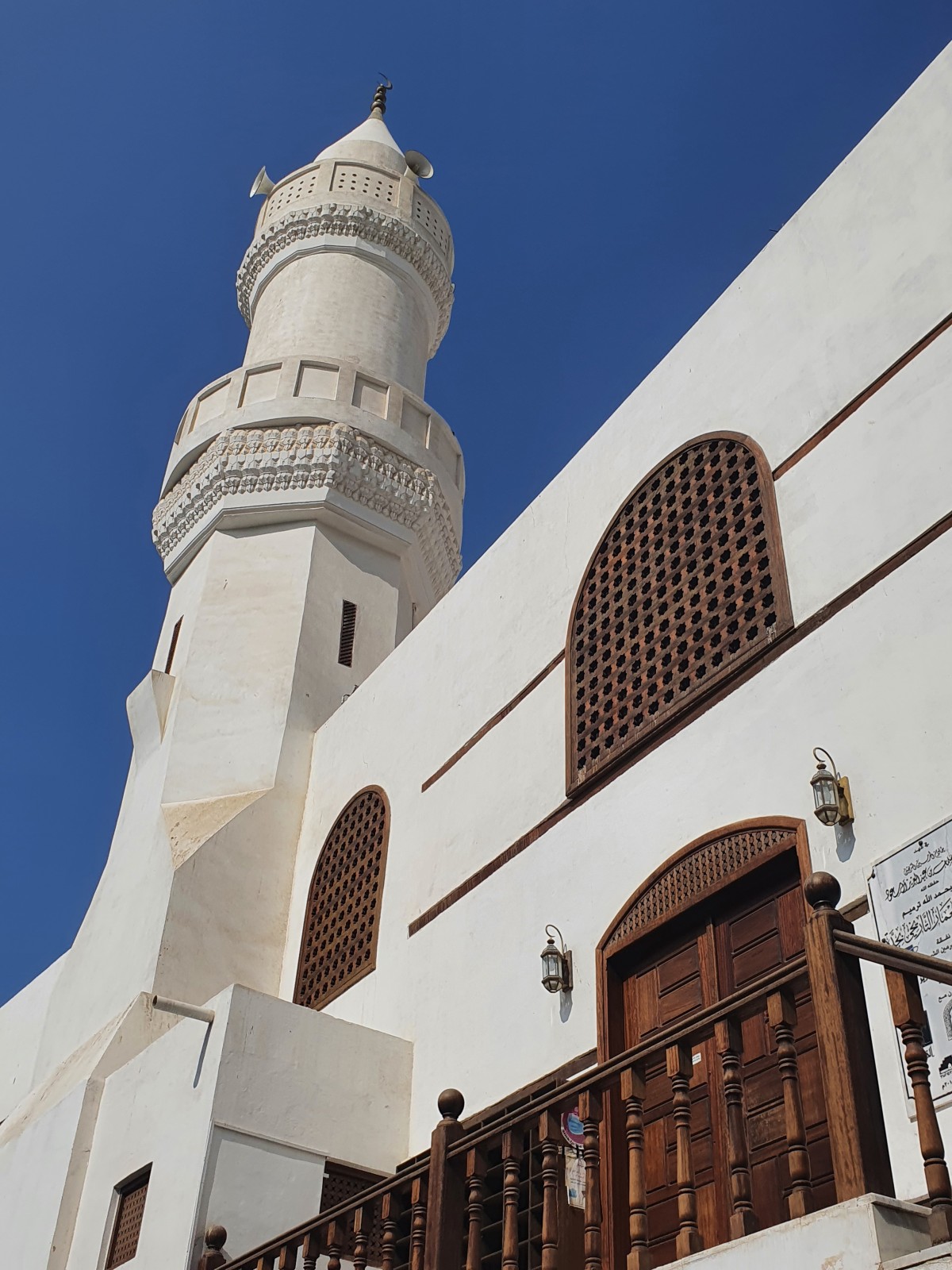
Al Mimar is the second-oldest mosque in Jeddah, built on the site of an ancient well that provided all the water to the city until the 12th century.
A fine example of Hijazi architecture, the mosque was constructed from coral, reinforced with wooden beams, and plastered white. It has one of only a handful of minarets made from coral-aggregate blocks, and the current building dates from the early 19th century.
Its latest restoration project took place in the modern era, with the mosque opening its doors to worshippers in 2018.
4. Historic markets and souqs
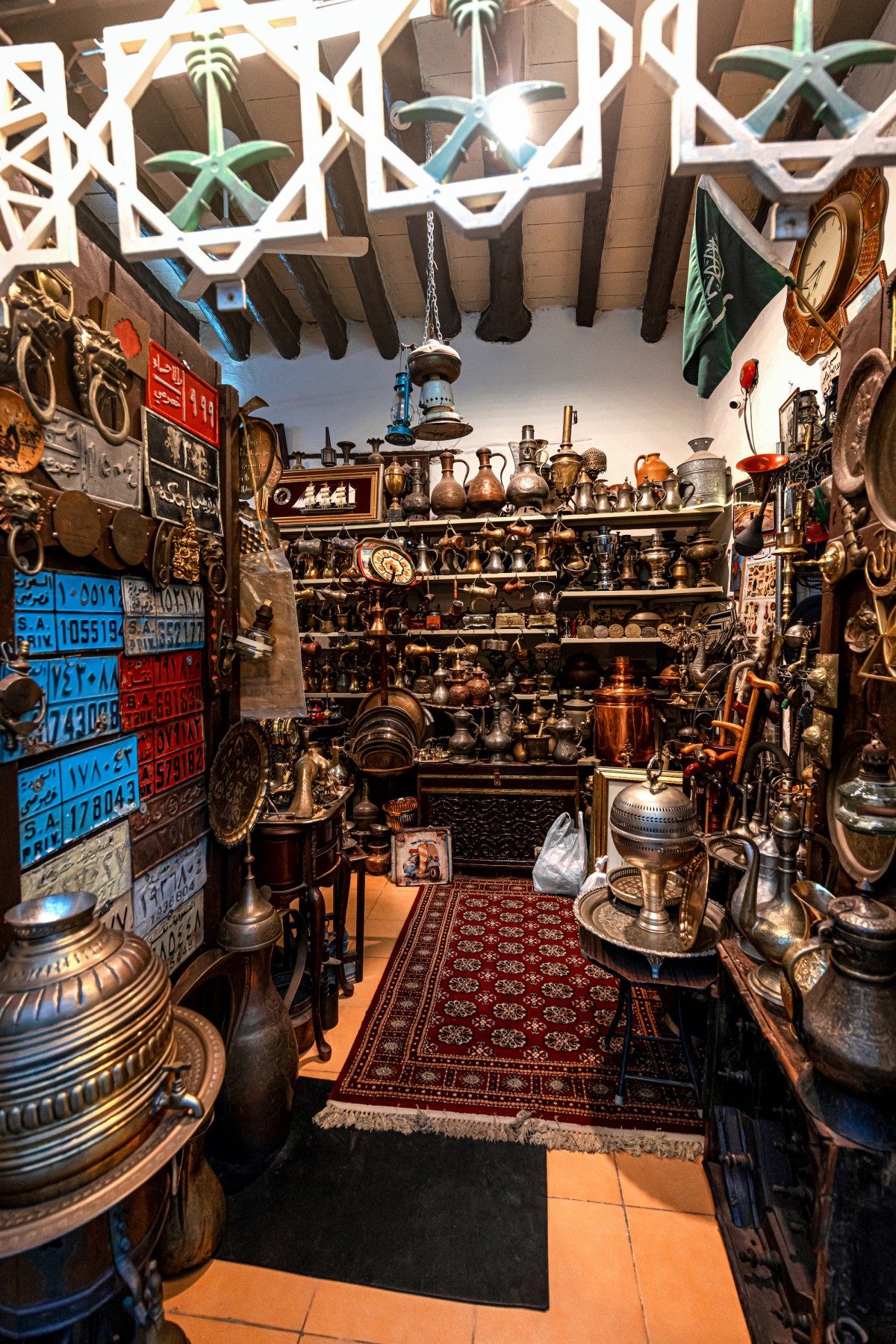
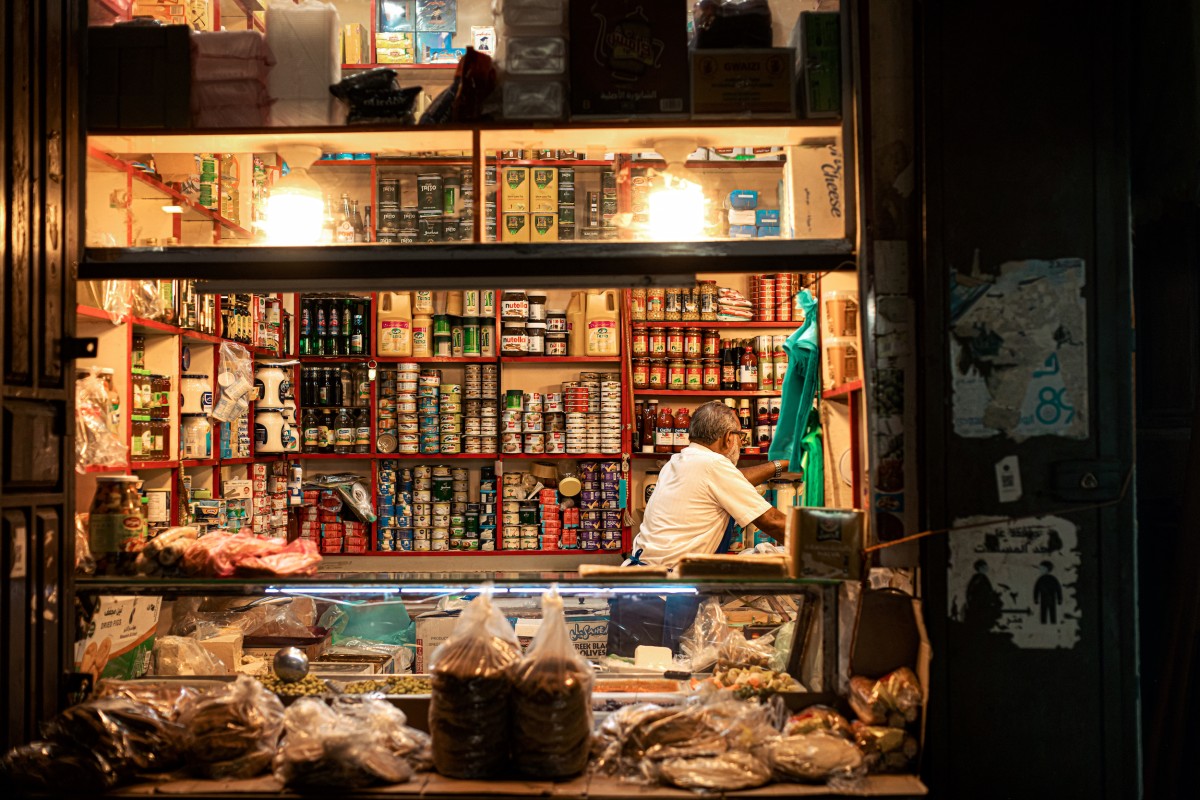
Situated on Qabil Street – the first street in Jeddah to get electricity – Alawi Market is the place to pick up traditional Hijazi clothes and jewellery, as well as precious stones and other local goods.
At the end of the street is Souq Al Bad, close to Bab Makkah, which is 140 years old and used to be the place to go for coffee, dates and cardamom. Although some of the old traders continue to peddle such wares in the souq, many of the goods on sale today are foreign-made textiles. However, it remains a good place to pick up a headscarf or an abaya, and strike up a conversation with stall-holders who have watched the city change over the years.