

Like Dubai, Abu Dhabi has a reputation as a place of futuristic buildings and five-star resorts. But people have been living in this part of the Arabian Gulf for thousands of years and Abu Dhabi has been a trading hub for centuries, attracting residents from elsewhere in the Middle East and overseas.
All of those populations have left their mark on the emirate, and in recent years there has been a concerted effort to restore the historic elements of the city that fell on hard times in the immediate aftermath of the oil boom. There have also been new developments that pay homage to the past, including the impressive Sheikh Zayed Mosque.
Even for those that don’t consider themselves history buffs, Abu Dhabi’s historical sites are accessible and, often, air conditioned, making for a nice break from the beach. Many of the below locations are in nearby Al Ain, which is part of the emirate of Abu Dhabi.
1. Qasr Al Hosn
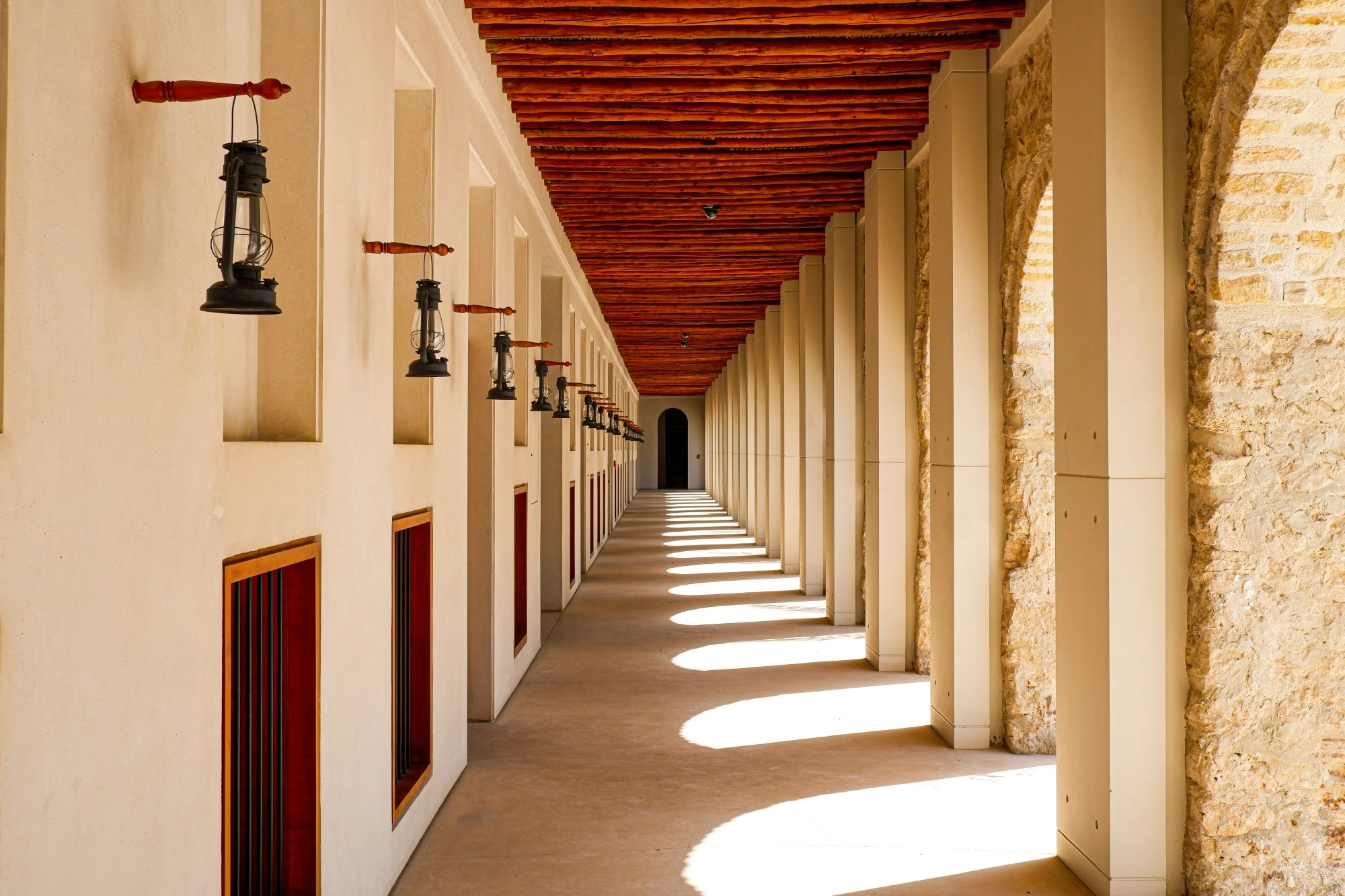
Known as the White Fort, Qasr Al Hosn is the oldest stone building in Abu Dhabi, and was originally built to guard the emirate’s only freshwater well. It later became the home of the ruling Al Nahyan family, and was fortified as a symbol of their strength and as protection from marauding bedouin tribes (as well as European colonisers).
Nowadays, Qasr al Hosn houses an immersive museum with photographs and artefacts from the emirate’s past, and oral histories that tell the story of Abu Dhabi’s transition from a fishing village to the capital of a modern nation. Local craftsmen and women also demonstrate weaving and metalwork at regular intervals. Entry is AED 32.
2. Sheikh Zayed Grand Mosque
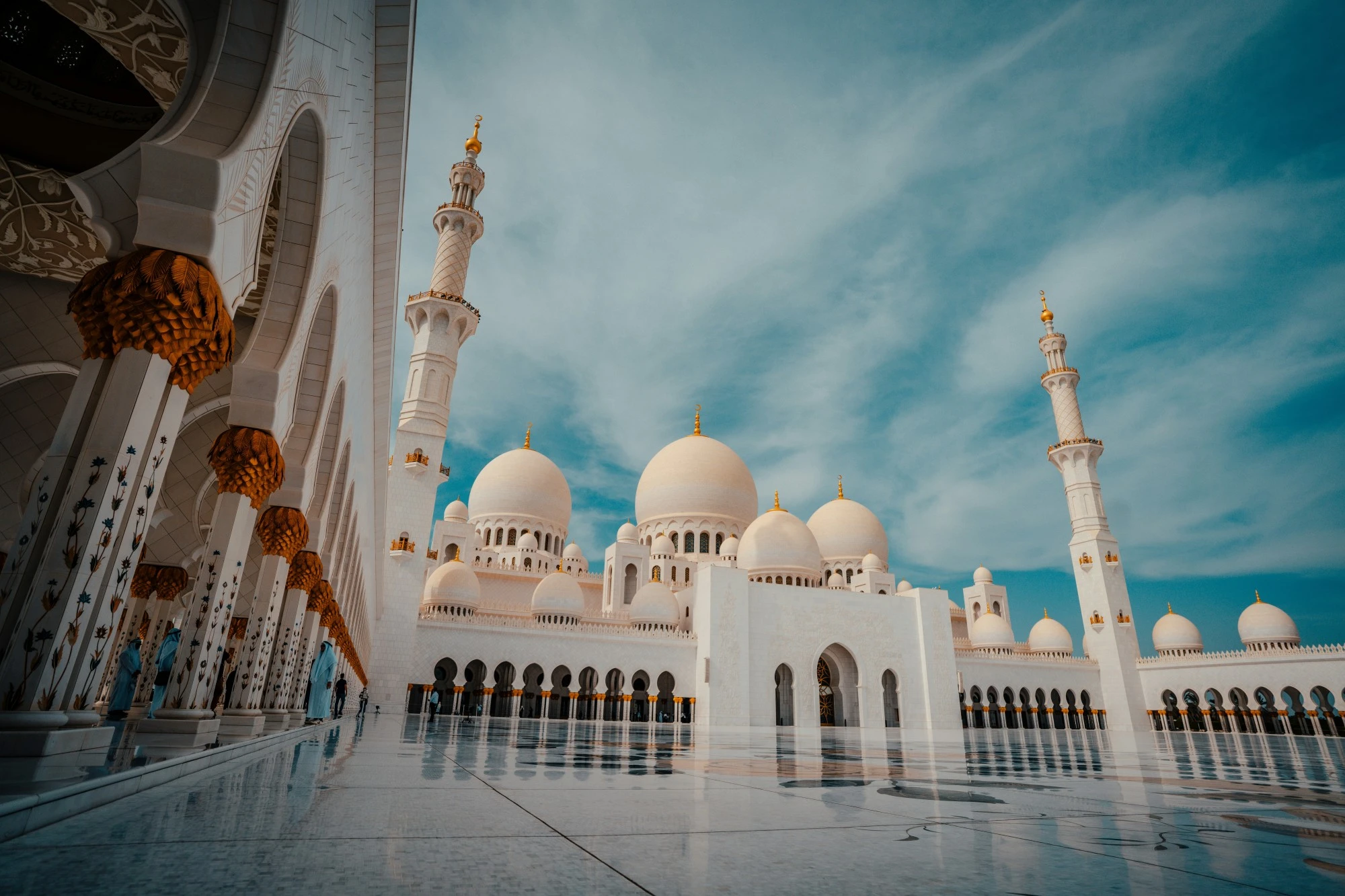
Visible as you drive from Abu Dhabi airport on the main drag into the city, the Sheikh Zayed Grand Mosque is a marvel of architectural design, paying tribute to generations of Islamic architecture despite being less than 20 years old. Fittingly, the mosque breaks a number of records, such as its 1,000 columns and the world’s largest hand-knotted carpet.
It is also one of the few mosques in the UAE that allows non-Muslims to visit, including inside the prayer halls (outside of prayer times). On site there is a smaller mosque where an imam recites passages from the Quran over the grave of Sheikh Zayed, the UAE’s founder. Abayas will be provided for women and men are expected to dress modestly.
3. Qasr Al Watan
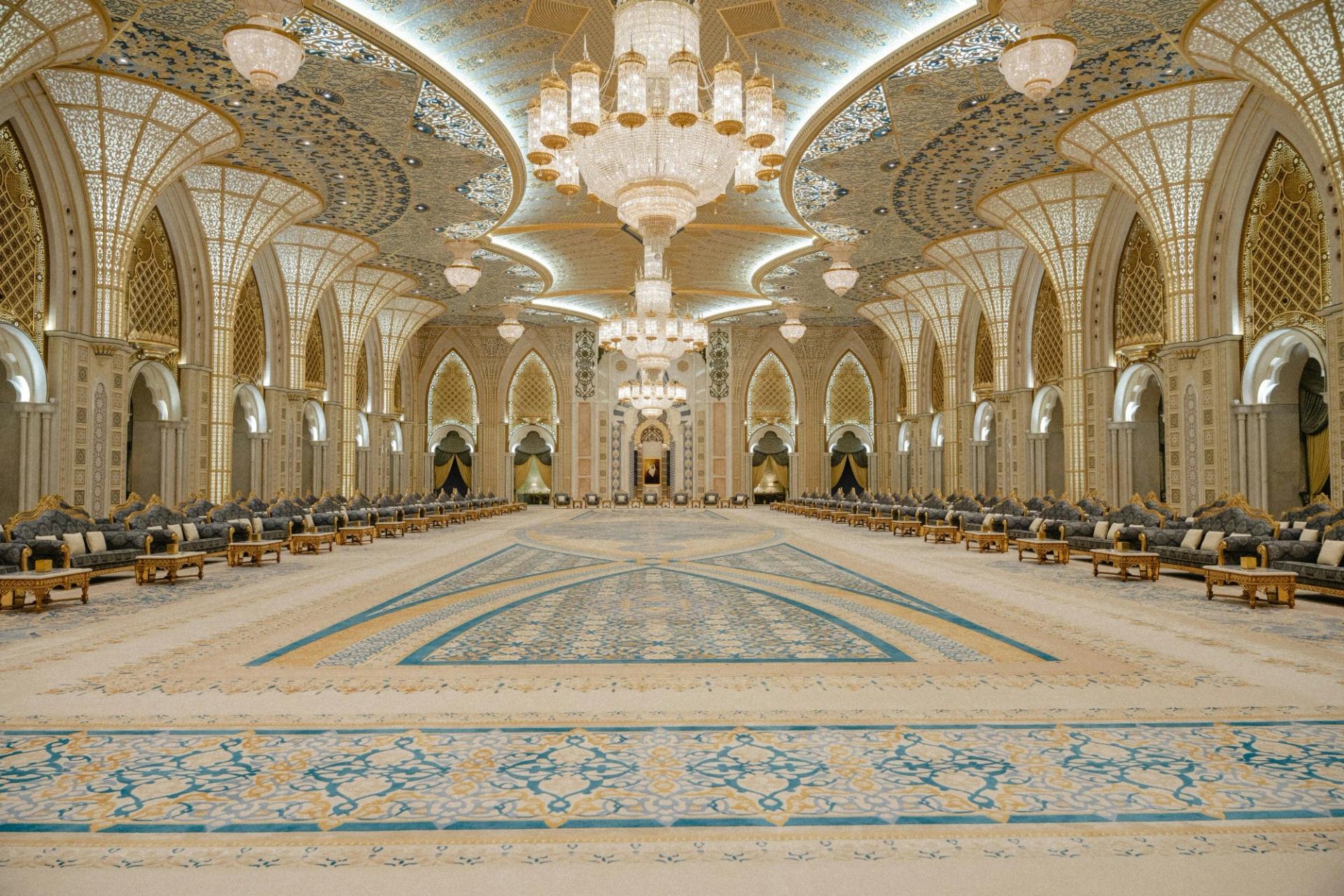
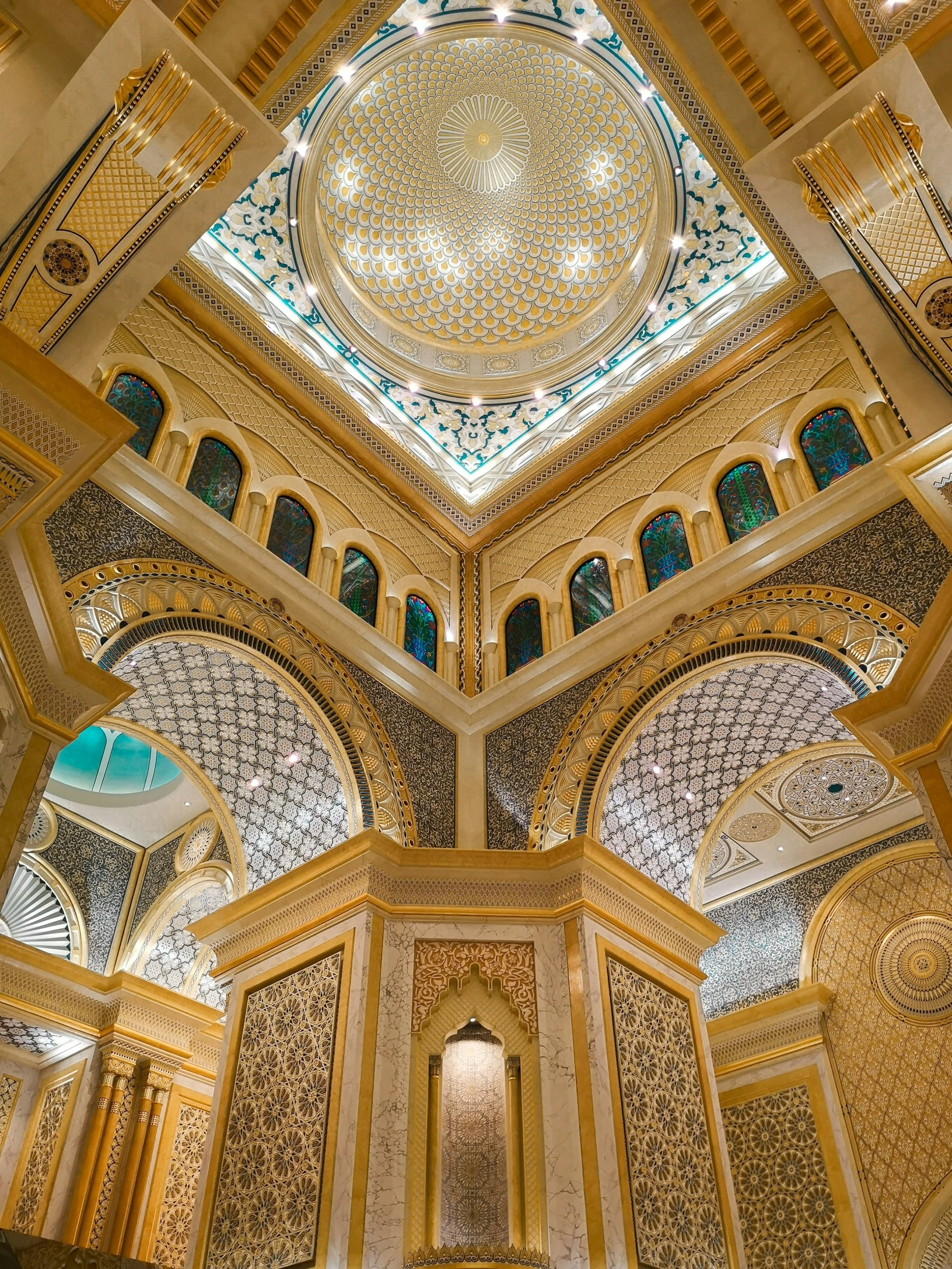
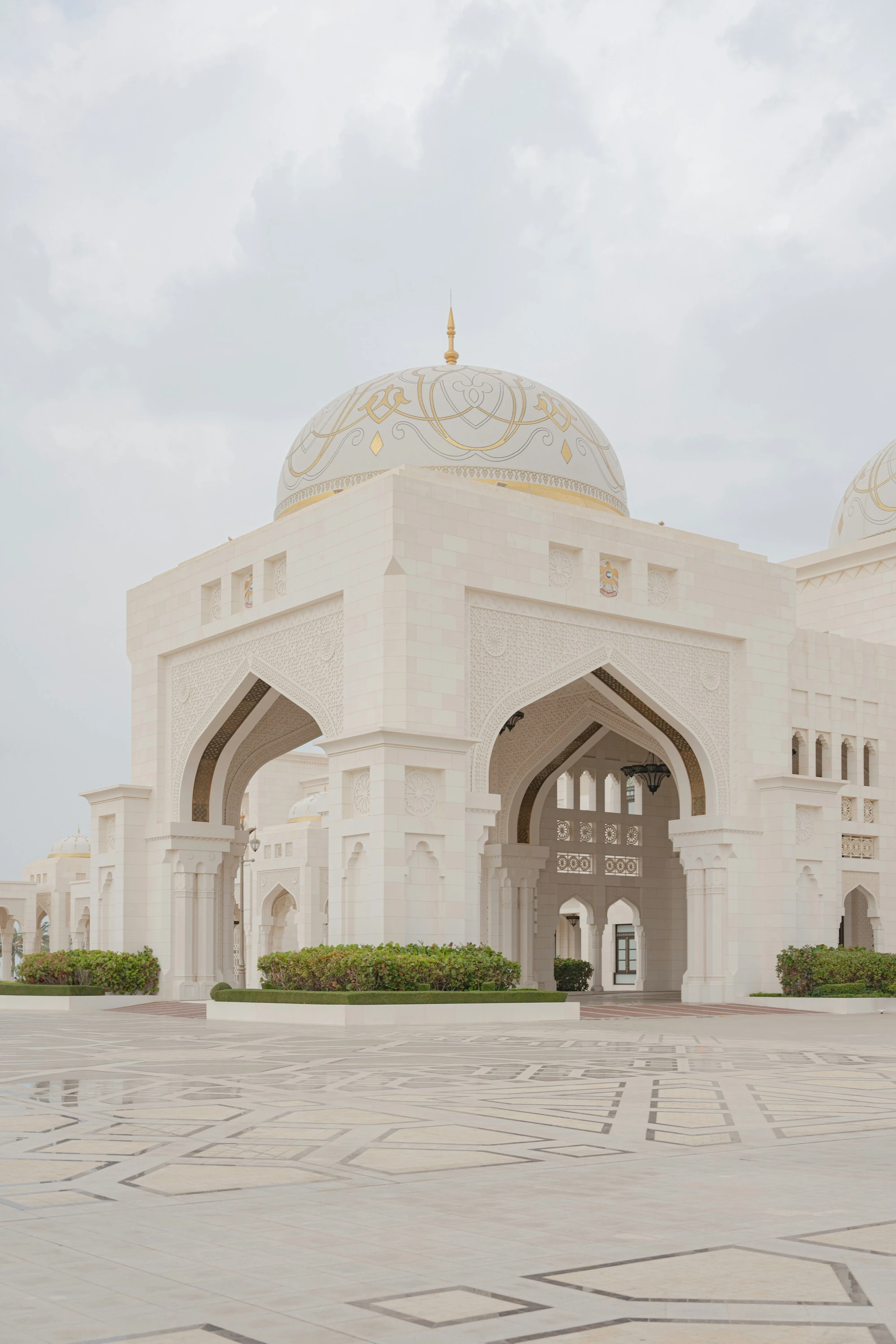
Located within the Presidential Palace complex, Qasr Al Watan (‘Palace of the Nation’ in Arabic) is a cultural landmark in Abu Dhabi that is – unusually for a government building – open to the public. Visitors can take in Islamic art and Arabic calligraphy, as well as viewing gifts given to the country’s rulers and visiting the vast library, which includes rare manuscripts. Visitors describe the Palace in Motion light show as a must-see. Tickets start at AED 65.
4. Al Ain Oasis
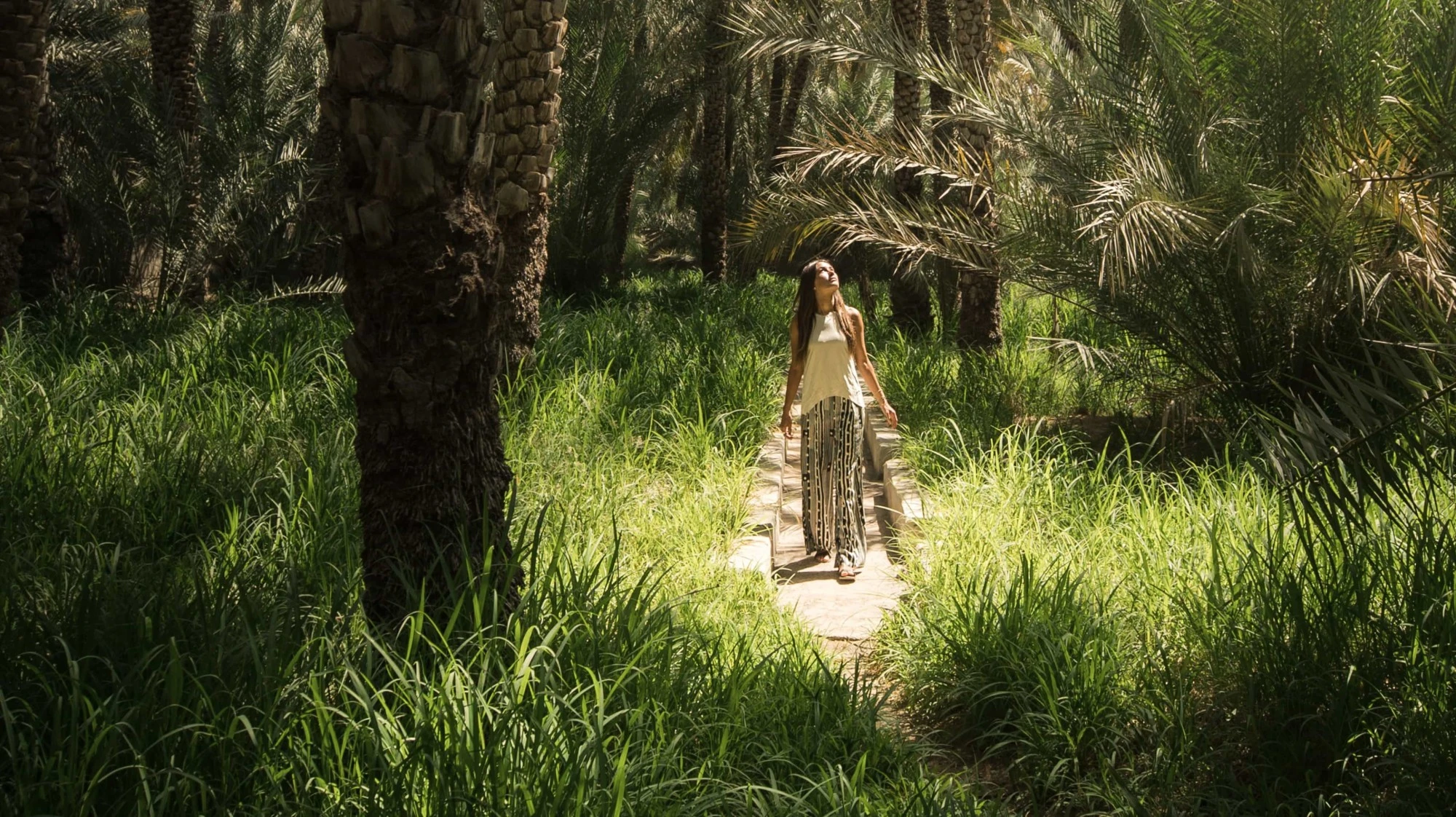
A UNESCO World Heritage Site, Al Ain Oasis is a relatively lush micro-climate in the heart of the desert fed by an ancient falaj irrigation system that dates back 3,000 years. Visitors can walk on pathways lined with date palms, past mudbrick houses, and shaded water channels that provide a window into early agricultural life in the UAE. It is flat and buggy-friendly, making it ideal for families. Entrance to Al Ain is free, and the nearby Eco-Centre has interactive exhibits about sustainable farming and desert ecology. Unless you want to shell out for a taxi, or run the gauntlet of local buses, you need your own car.
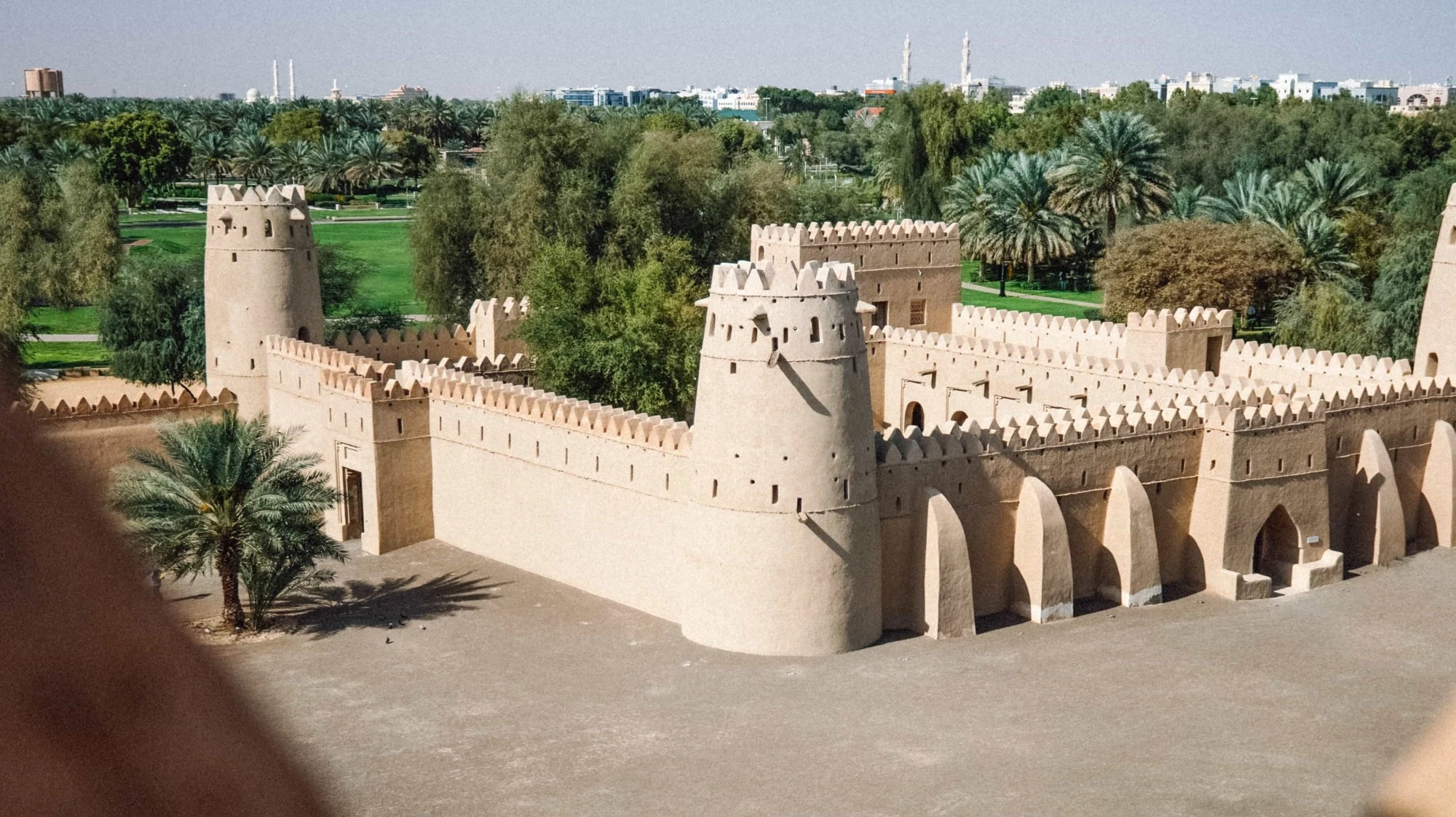
5. Al Jahili Fort
Built in the 1890s to defend the city and protect its palm groves, Al Jahili Fort in Al Ain is one of the UAE’s most picturesque forts, and was mentioned in the writings of British explorer Wilfred Thesiger, who visited Abu Dhabi and met Sheikh Zayed in a journey that was later immortalised in the book, Arabian Sands. The fort now contains an exhibition about Thesiger, as well as a number of other exhibits and cultural events. An essential stop on a trip to Al Ain.
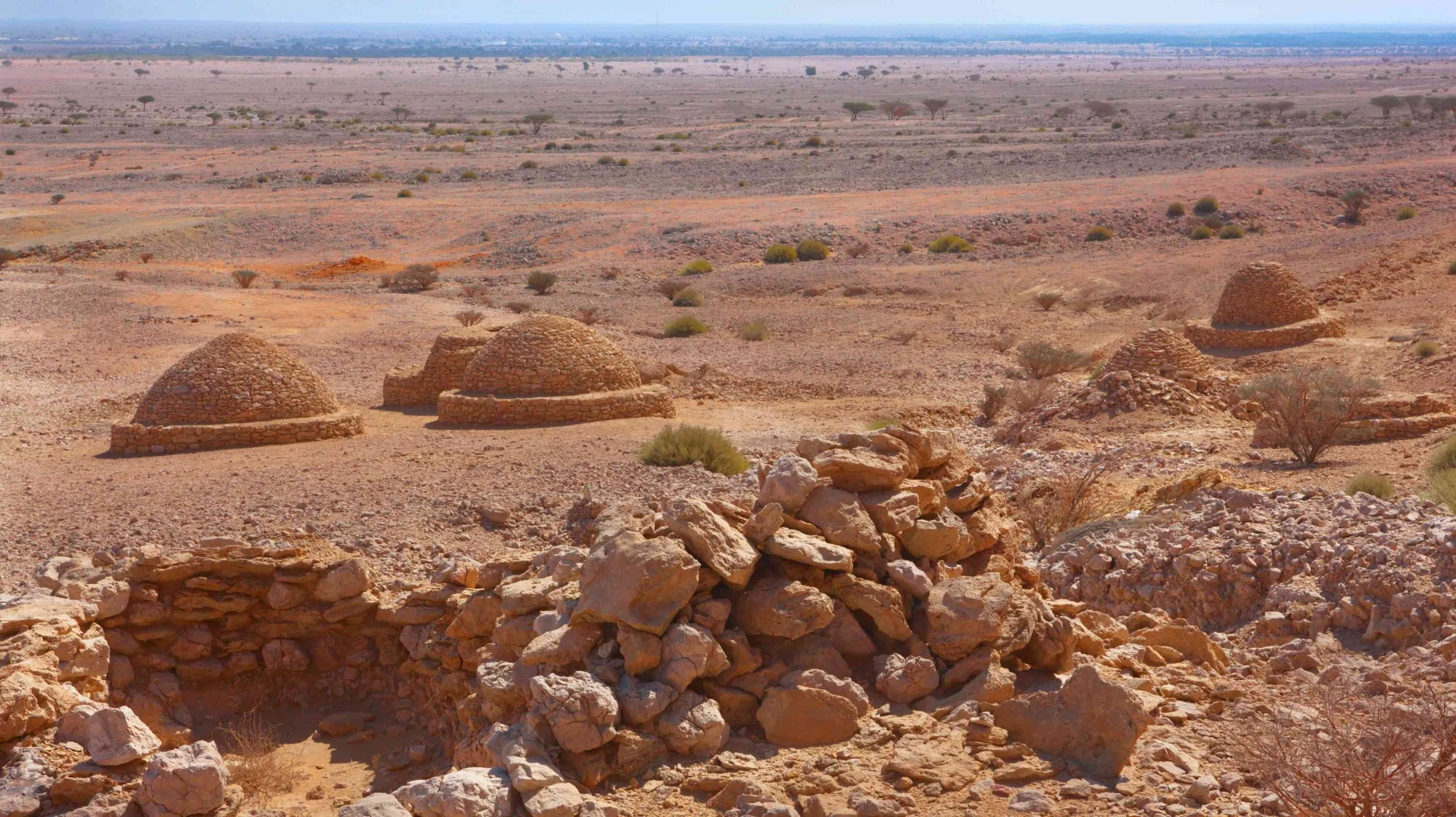
6. Jebel Hafit Tombs
Just outside Al Ain, the beehive-shaped Jebel Hafit Tombs date back to the Bronze Age, circa 3,000 BCE, and are some of the oldest archaeological sites in the UAE. You’ll need a car or guided tour to reach them, but the journey through the dramatic desert mountain landscape is well worth it. There is no entry fee, but bring water and sun protection.
7. Bait Mohammed bin Khalifa
This newly restored house-turned-cultural centre in Al Ain offers a rare look at mid-20th-century Emirati life. Built in the 1950s, Bait Mohammed bin Khalifa served as the home of a prominent political figure and is a great example of how traditional architecture adapted to modern life. It now hosts exhibitions, performances and workshops that highlight the country’s heritage. Entry is free, but check ahead for event schedules.