




Last night, on the evening of Sunday, May 17, into the morning of Monday, May 18, the moon sighting was confirmed by the government, and so too were the official dates of Arafat Day and Eid Al Adha.
A significant celebration in Islam, Eid Al Adha is known as the Festival of Sacrifice, and is observed on the tenth day of Dhul Hijjah. Across the Muslim world, Eid Al Adha serves as a reminder of faith, gratitude, and the importance of giving, strengthening communal ties and spiritual reflection.
When will Eid Al Adha be celebrated in Saudi?
You Might Also Like: Best Eid al Adha hotel deals in Saudi to book before its too late
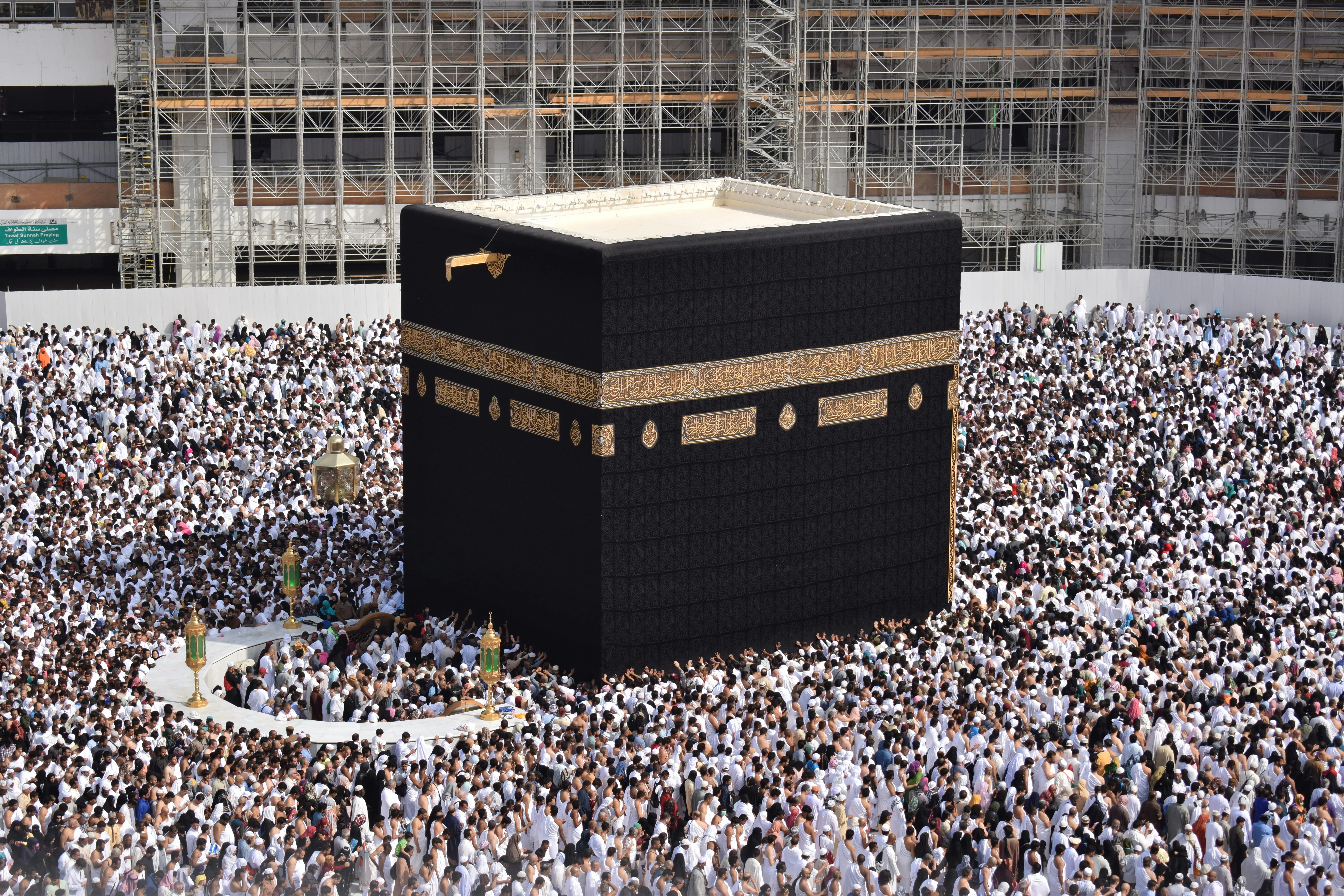
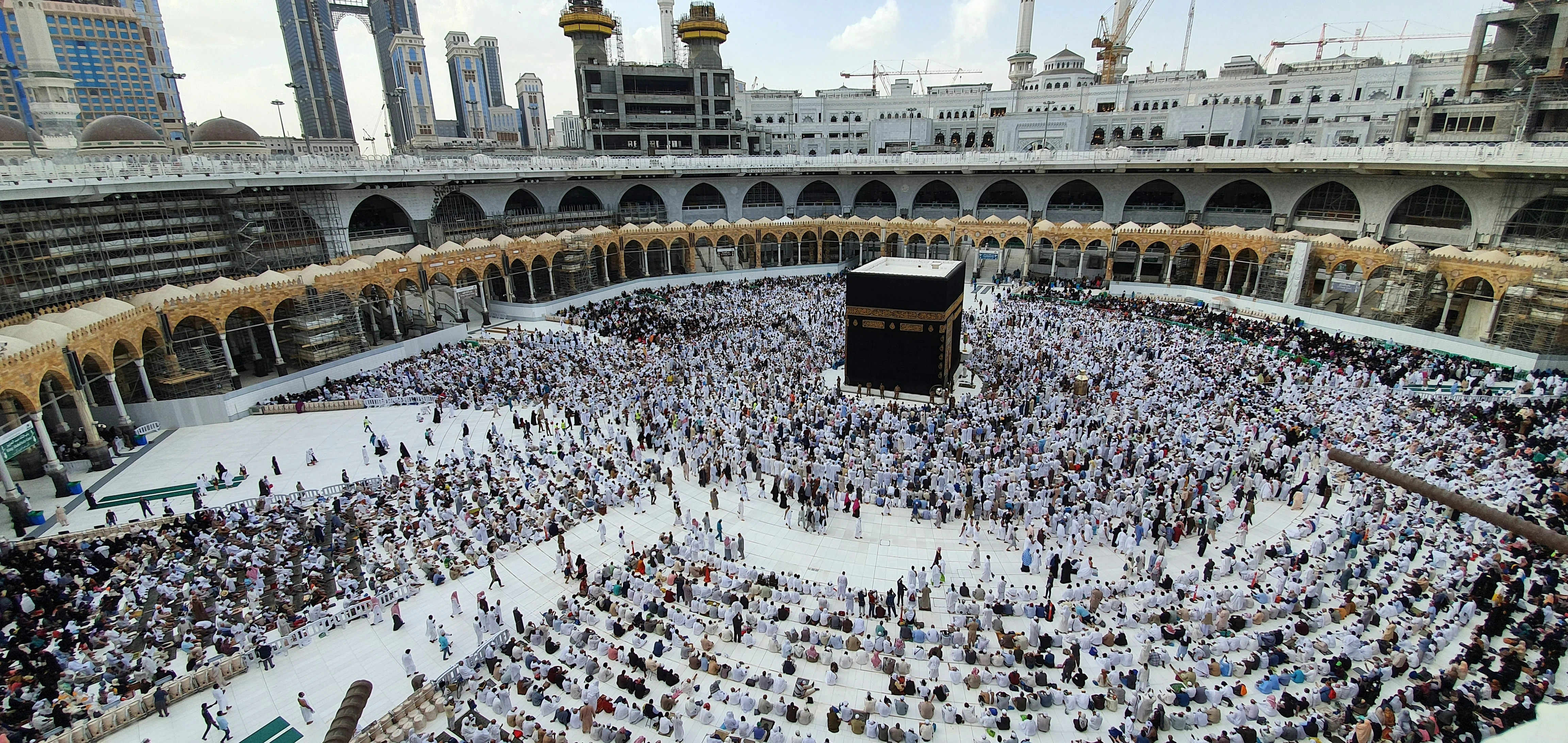
Following the sighting of the crescent moon on Monday, May 18, the Supreme Court declared that today, Monday, May 18 would be the first day of Dhul Hijjah, the sacred month during which Hajj takes place. And as a result, in Saudi Arabia, Arafat Day, the most significant day of Hajj, will fall on Tuesday, May 26, and so will begin a public holiday across the Kingdom. With these dates in mind, Eid Al Adha, the festival of sacrifice, will also then be observed on Wednesday, May 27.
This means that the official holiday dates for Eid Al Adha in Saudi Arabia will fall between Tuesday, May 26 and Friday, May 30, 2026.
How many days will I get off work?
Public sector workers will have Tuesday, May 26 (Arafat Day), Wednesday, May 27 (Eid Al Adha), and Thursday, May 28 (Eid public holiday) officially off work.
And more good news comes as these dates lead into the weekend, meaning public sector workers will be able to enjoy an extra long weekend, from Tuesday, May 26 through to Saturday, May 30, with offices set to re-open as normal on Sunday, May 31, 2026.
However, many government entities and public companies across Saudi Arabia and the wider GCC region may opt to extend the holiday dates and give employees a longer vacation to celebrate.
What is Eid Al Adha?
Eid Al Adha, also known as the Festival of Sacrifice, is one of the most significant celebrations in Islam, observed by millions of Muslims worldwide.
The festival commemorates Prophet Ibrahim’s (Abraham’s) unwavering faith and devotion to Allah, as demonstrated through his willingness to sacrifice his son — before Allah intervened and provided a ram instead. Eid Al Adha is a time of spiritual reflection, generosity, and communal unity, marked by special prayers, charitable giving, and the symbolic act of sacrificing livestock.
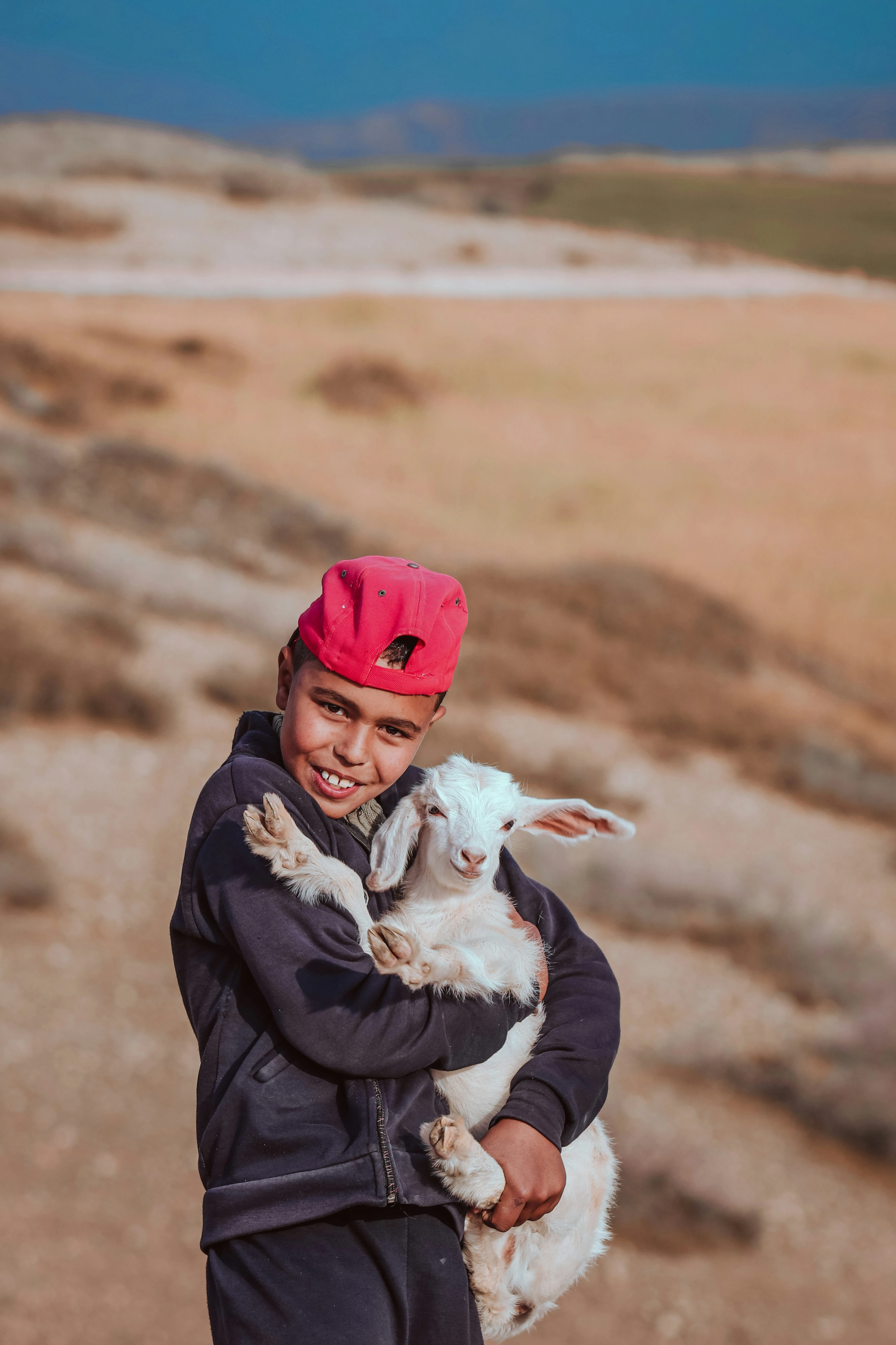
The ritual sacrifice of livestock is a tradition central to Eid Al Adha, including sheep, goats, and cows, with the meat divided into three portions: one for family, one for relatives and friends, and one for those in need.
Beyond its religious significance, the festival fosters a sense of togetherness, as families gather to celebrate, exchange gifts, and extend kindness to others.
You Might Also Like: Top Eid Al Adha staycation deals to book in the Red Sea