
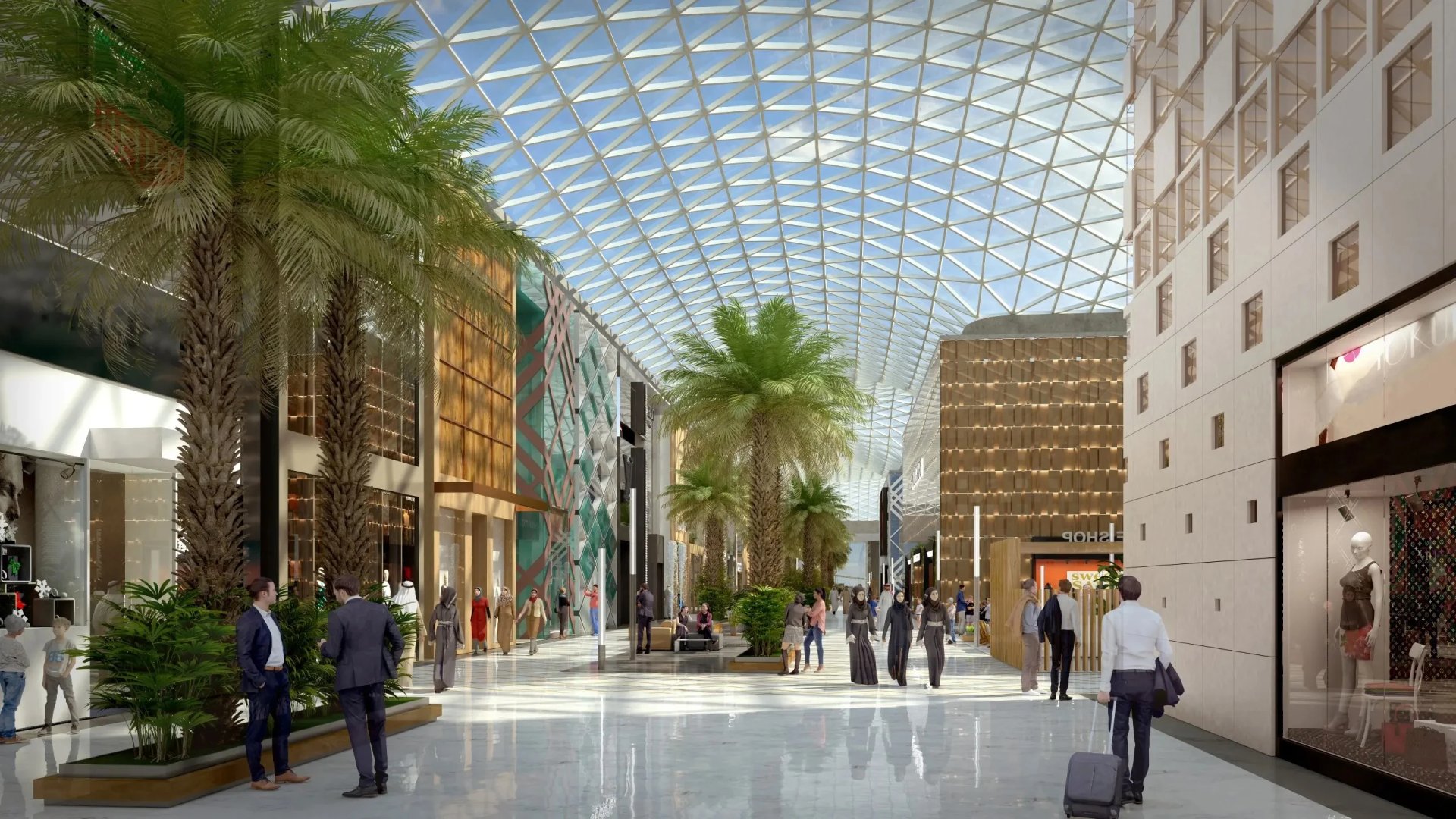
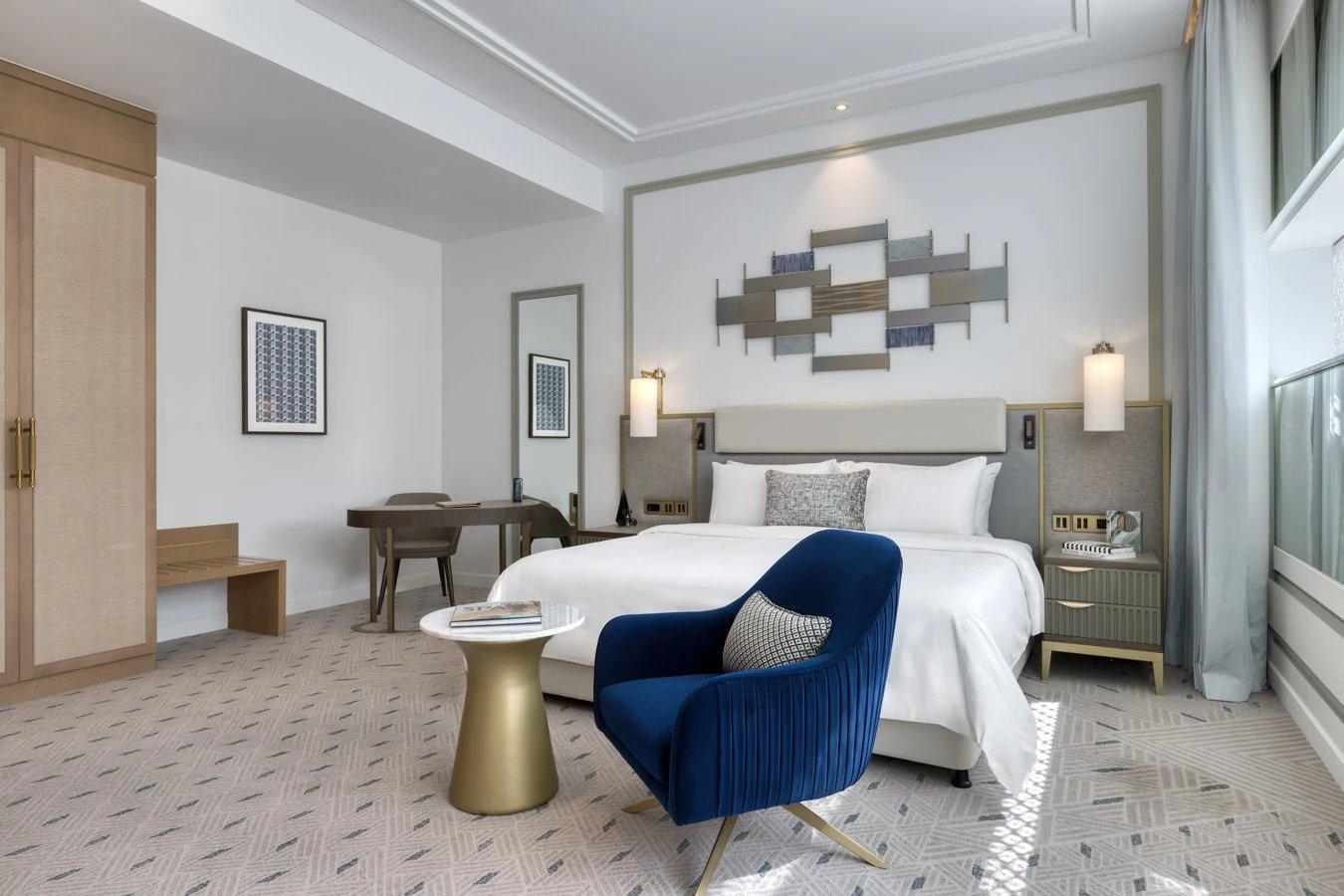


For many visitors, Qatar is synonymous with futuristic buildings, luxury hotels, and world-class football stadiums. But beneath the modern veneer is a peninsula that was a thriving community well before the discovery of natural gas made it one of the richest countries in the world. In recent years, some of that heritage has been meticulously restored.
From centuries-old forts and watchtowers to 3rd-century rock carvings and vibrant souqs, the country offers a diverse array of historical sites that give travelers a glimpse into its storied past. Most are easily reachable from Doha and offer everything from family-friendly outings to immersive cultural tours. These are the top historical sites worth adding to your itinerary.
1. Al Zubara Fort and Archaeological Site
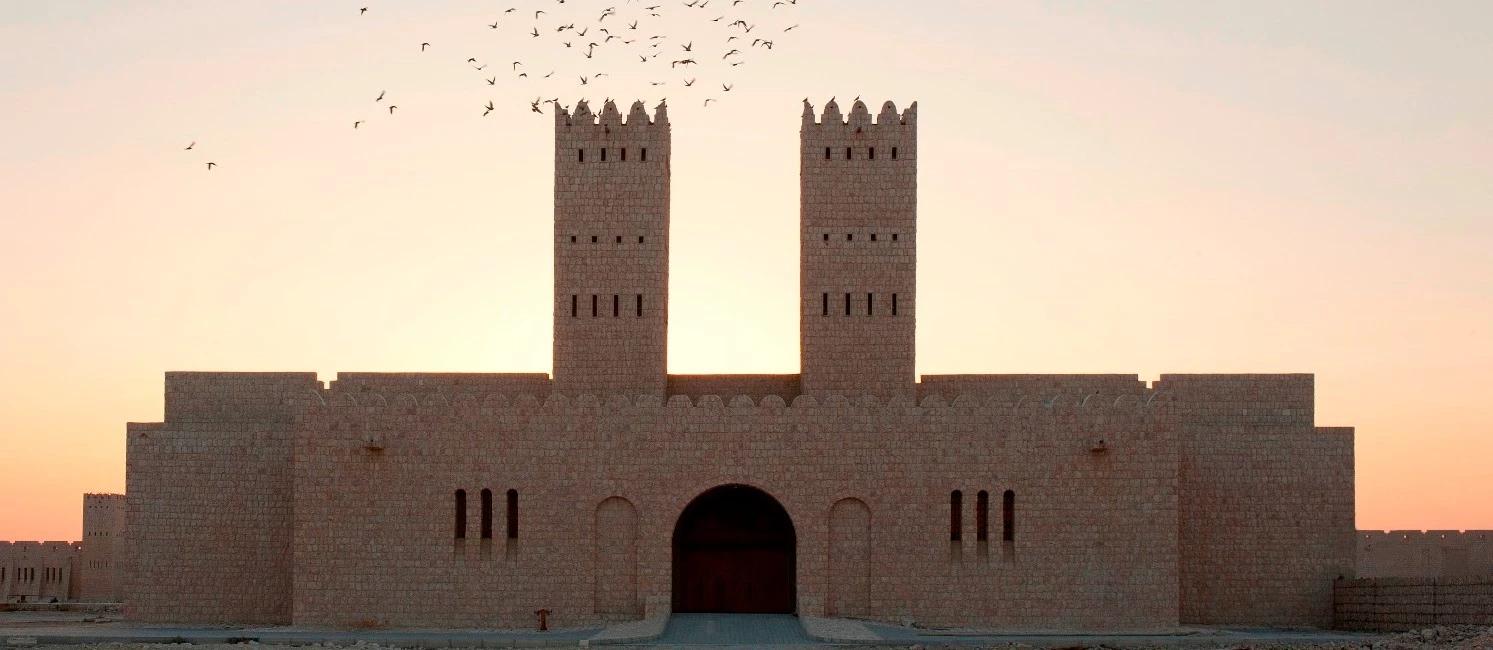
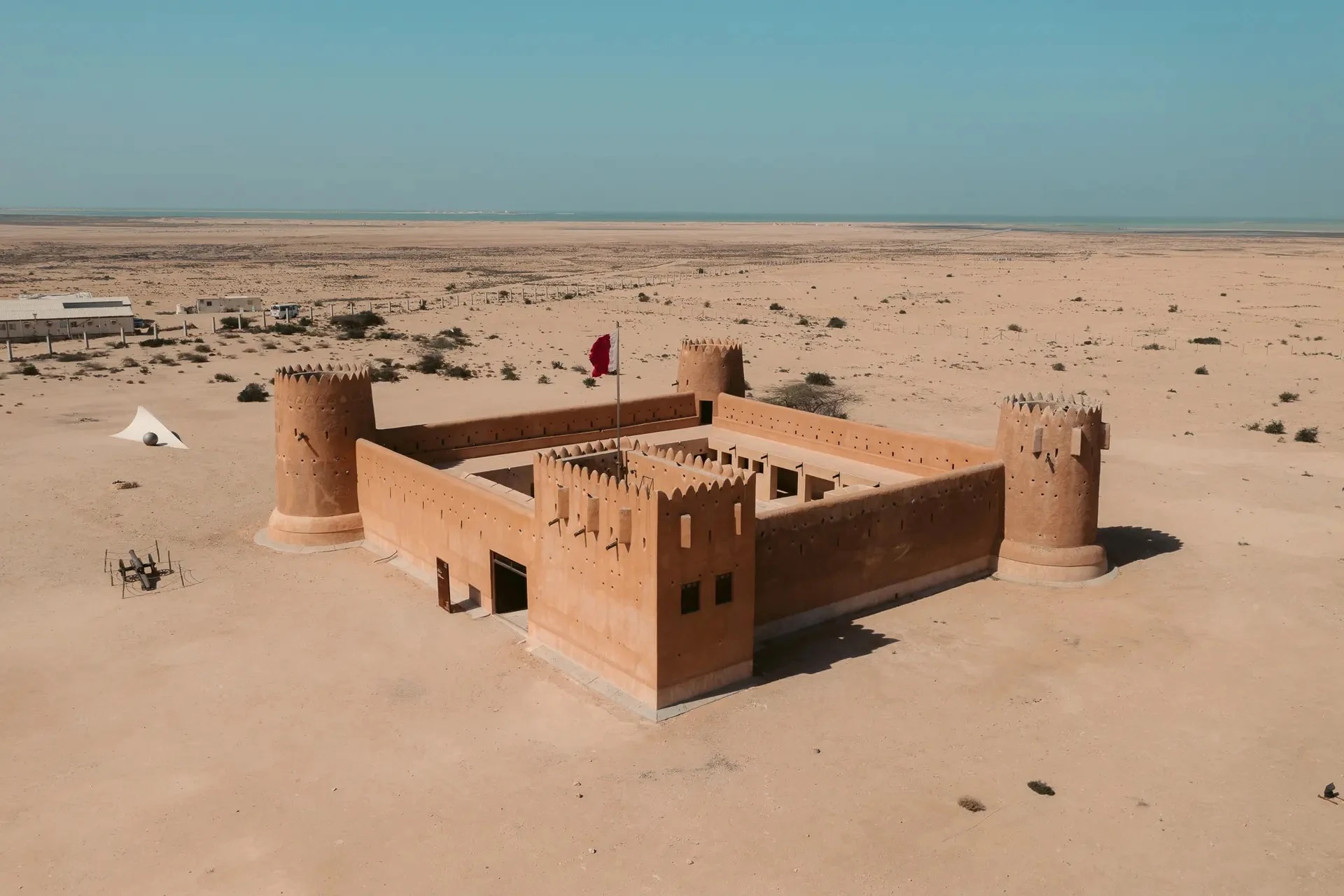
Al Zubara Fort is a UNESCO World Heritage Site and Qatar’s most famous historical landmark. The fort itself dates from the 18th century but the ruins that surround it – which are still being explored by archaeologists – date back several hundred years and include the remains of mosques, houses and date presses from when Al Zubara was a thriving pearl-fishing hub.
Inside the fort’s well-preserved interior is a small museum with artefacts and exhibits on the area's history, while raised boardwalks allow visitors to walk amongst the ruins of the original village. The easiest way to reach Al Zubara is with your own car or on a guided tour. There is not much in the way of facilities or shade, so bring water and consider coming in the evening.
2. Barzan Towers
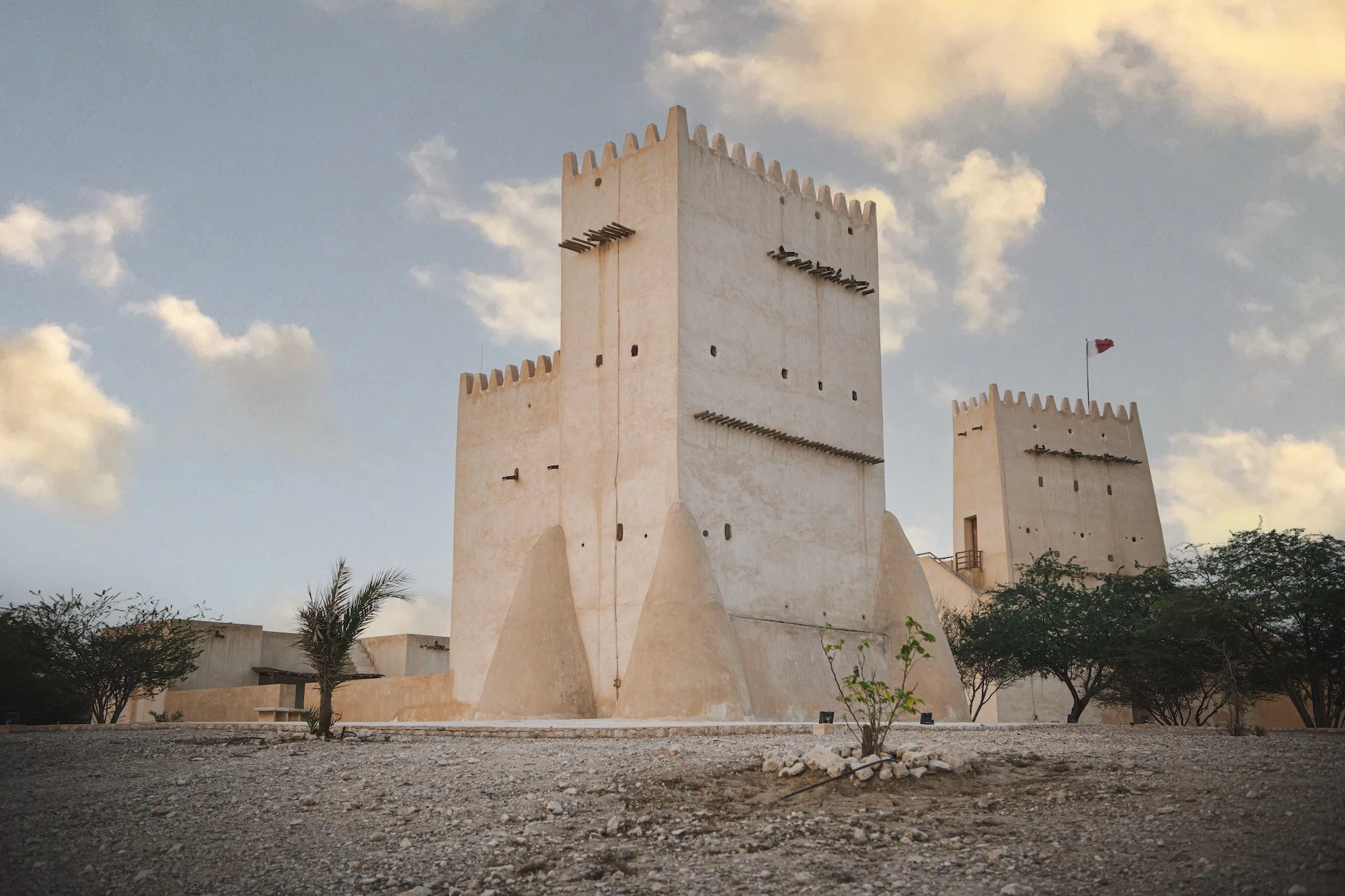
If you don’t want to make the trek to Al Zubara but want to get your pre-oil boom-Qatar fix, head to the Barzan Towers in Doha’s northern suburbs. Meaning ‘High Place’ in Arabic, towers are thought to have existed on this site since the 1800s, but the current towers were constructed during a renovation in 1910 and form the southern part of defensive walls built around a prominent well. It has been speculated that the towers may also have been used to monitor the tide for pearl divers, and observe the path of the moon across the night sky.
The best way to reach the towers is by taxi (20 minutes from downtown) and you’ll need to come in the morning Sunday to Thursday (8.30am to 12.30pm) or Friday afternoon (3pm to 6pm) if you want to go inside them. Entry is free.
While you’re in the neighbourhood, stop in at Umm Salal Mohammed Fort and Mosque, a 19th-century site that includes a traditional mosque and remains of a fortification.
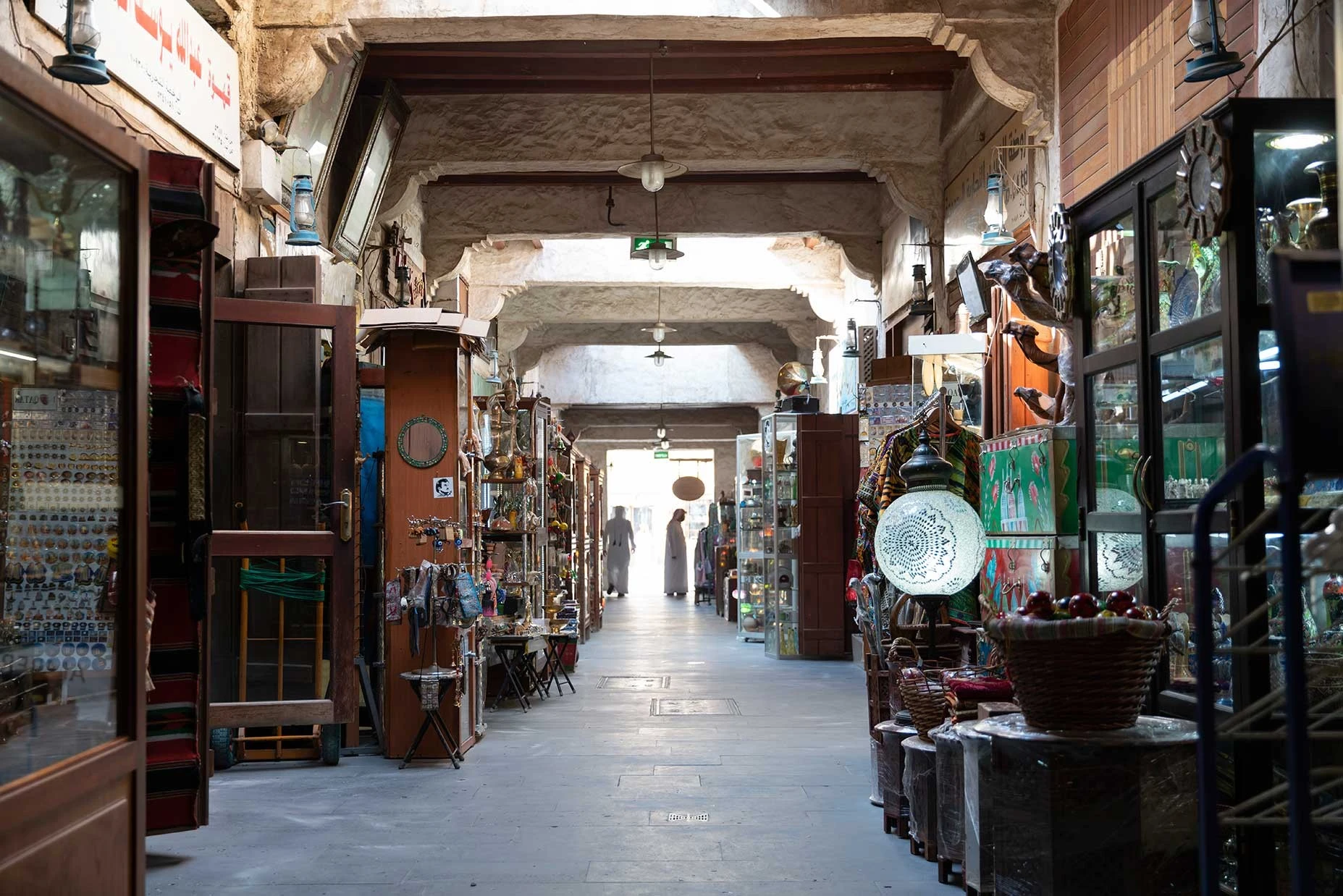
3. Souq Waqif
Although Souq Waqif is no longer ‘historical’ (the original Bedouin market was bulldozed and replaced with a modern edifice), the souq is still an atmospheric site where you can imagine what this bustling market was like two hundreds years ago.
Visitors can spend hours wandering its winding alleys, shopping for souvenirs, trinkets and spices in between cups of karak spiced tea at the authentic little cafes. Stallholders – many of them older Qatari men – will happily share their own histories and recollections of the country.
Do not miss the so-called ‘Falcon Souq’, where the hunting birds and the kit needed to hunt with them are for sale and visitors can often have their picture taken with a falcon on their shoulder.
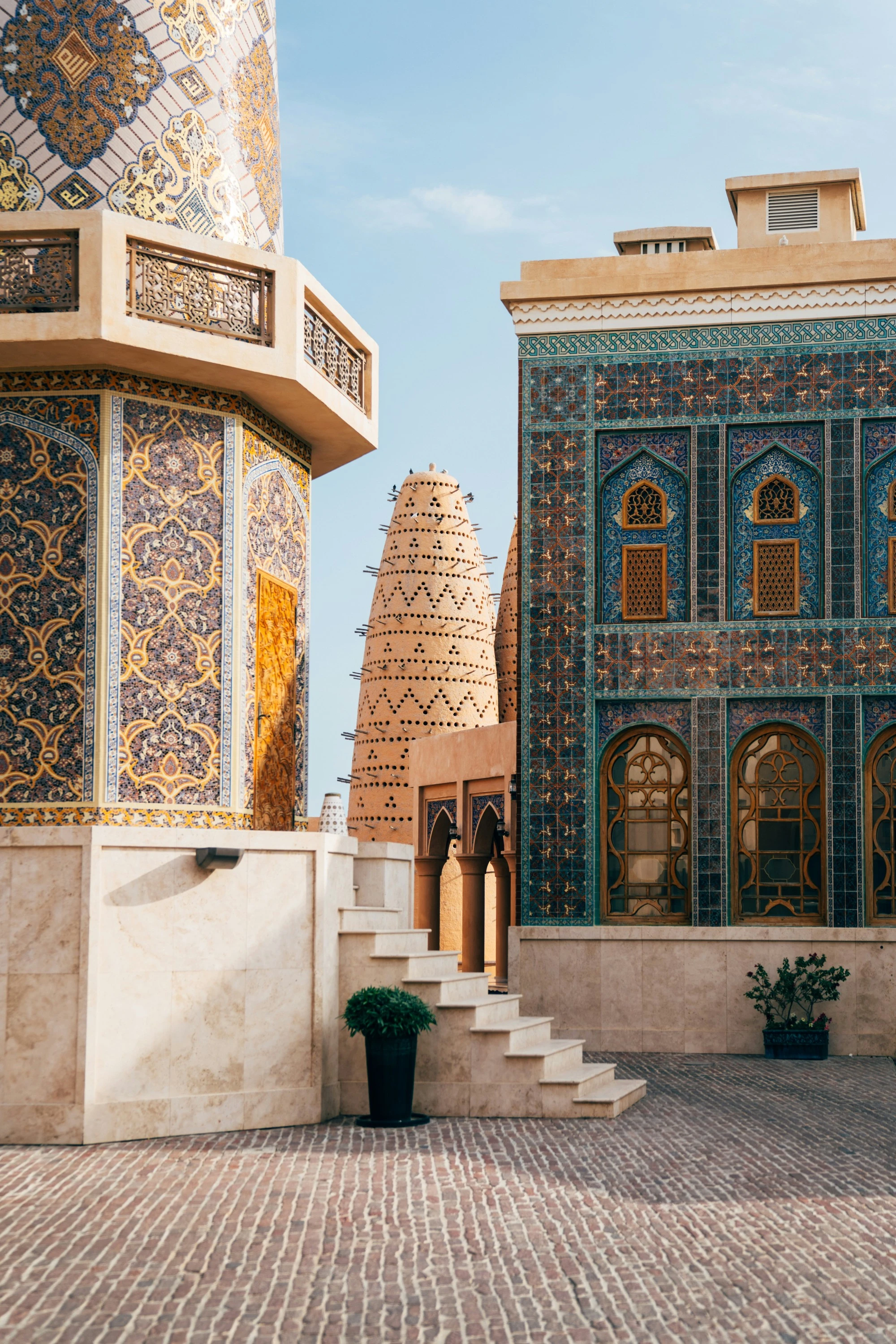
4. Katara Cultural Village
Like Souq Waqif, there is not a lot about Katara that is ‘historical’ in the sense that it was all built relatively recently, although the architects have taken great pains to design the buildings with traditional Islamic architecture in mind.
The pigeon towers and Katara’s ‘Blue Mosque’, designed as an homage to the original Blue Mosque in Istanbul, are particular highlights. The amphitheatre, which seats 5,000 people, and surrounding buildings often hold cultural events and exhibitions. If you want to cool off, Katara Beach is walking distance, with separate areas for women, families, and solo male visitors.


5. Qatar National Library (Heritage Library)
Hidden within the modern edifice of the Qatar National Library is the Heritage Library, which houses rare manuscripts, maps, and documents dating back to the 15th century, many of which chronicle the history of the Arabian Peninsula. You can view early Islamic texts, antique travel logs, and photographs that trace Qatar’s evolution. Located in Education City, the library is free.
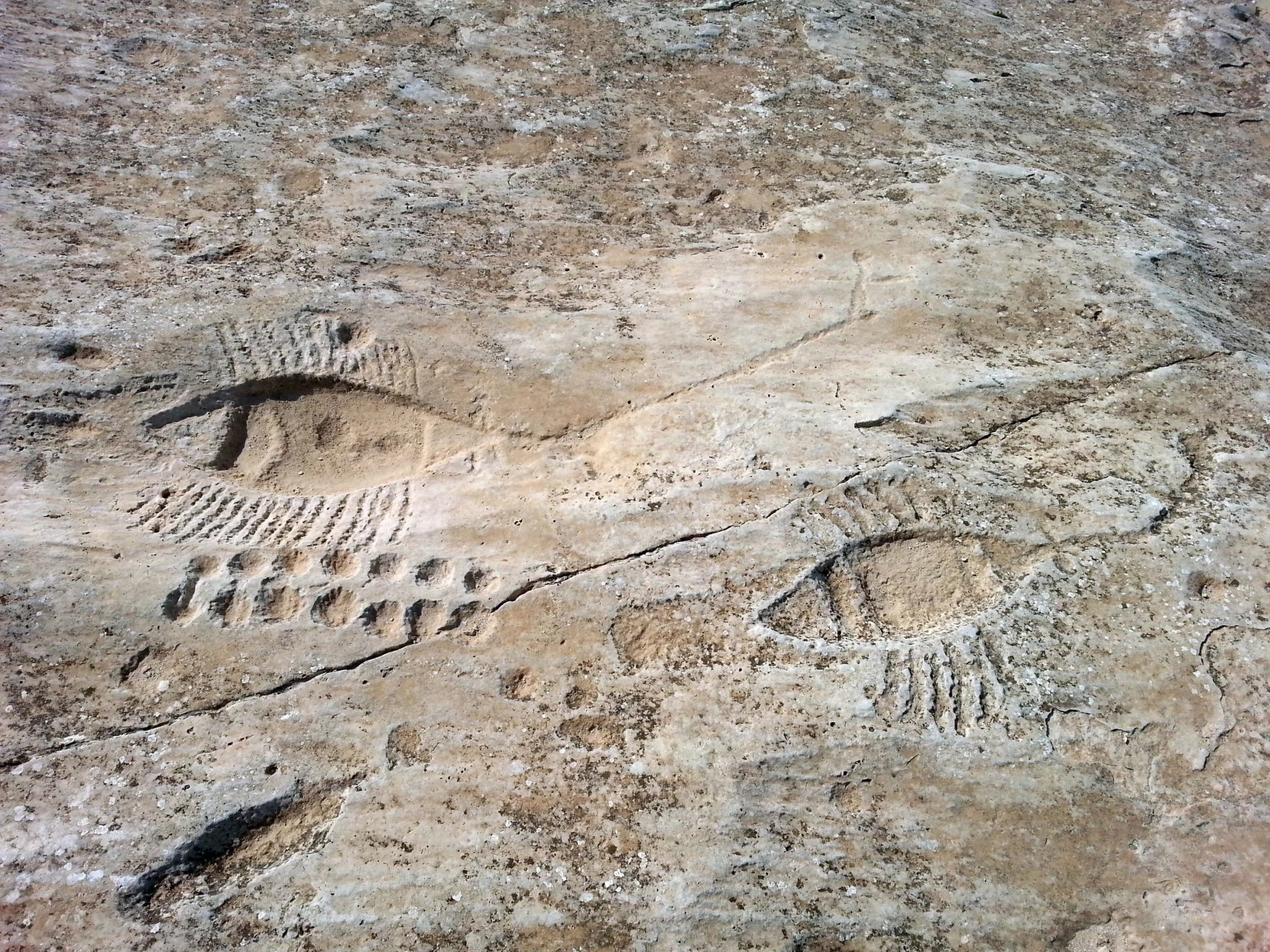
6. Al Jassasiya Rock Carvings
A standout site on any Qatari itinerary is Al Jassasiya, the country’s only rock art site which is home to over 900 mysterious carvings etched into limestone. These petroglyphs are unique in design among those of the Gulf, and mostly consist of ‘cup’ marks in various patterns, including rows and stars. There are also figurative carvings, including boats, animal figures, and enigmatic symbols and signs.
Discovered in 1957, the site wasn’t studied in any detail until 1974, when the carvings were catalogued. Experts think that the cup marks may have been used to play an ancient sort of board game known as Al Haloosa or Al Huwaila, better known as Mancala. While it is tempting to think that the signs may be prehistoric, some sceptics suggest they may be far more modern – indeed, new evidence suggests they could have been made as recently as 250 years ago.
The only way to reach Al Jassasiya is by car. It’s about an hour’s drive from Doha, and there are no facilities on site, so bring lots of water and sun protection.
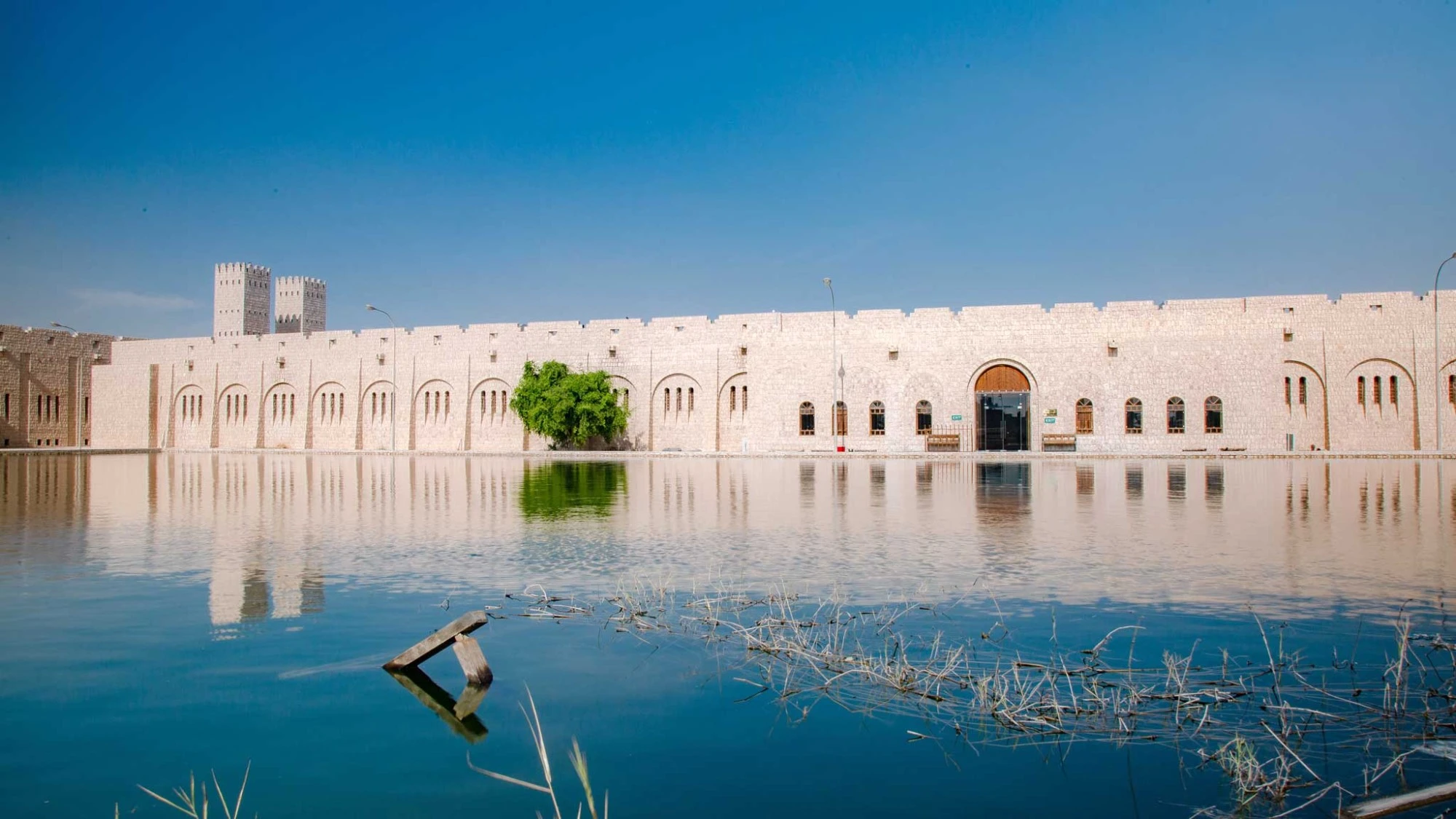
7. Sheikh Faisal Bin Qassim Al Thani Museum
This privately owned museum, just outside Doha, houses an eclectic range of exhibits from ancient coins to vintage cars that was previously the private collection of Sheikh Faisal Bin Qassim Al Thani, a prominent businessman. Located about 30 minutes west of Doha, it’s best reached by car or as part of an organised tour.
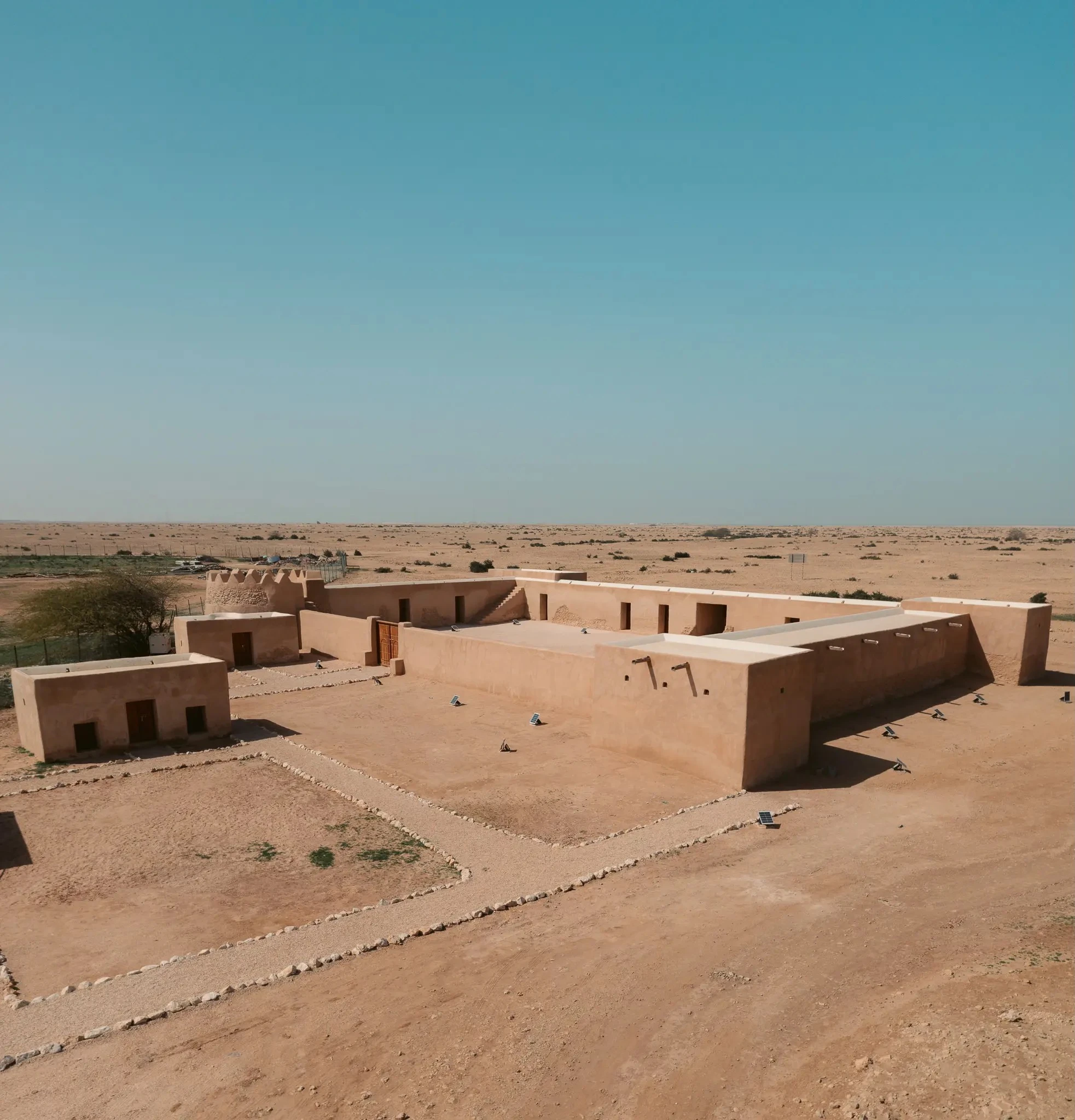
8. Al Rekayat Fort
On the road between Al Zubara and Madinat Al Shamal, Al Rekayat Fort is the best of a collection of semi-derelict fortifications and villages that date from the 19th century, when this part of the country was the most populated due to its proximity to both Bahrain and the sea. Al Rekayat means ‘well’ in Arabic, so it is thought that it was built to protect a water source.
The good news is that Al Rekayat was restored in 2021, and now provides an excellent window into the architecture of the region prior to the discovery of gas. There are few facilities on site and it is an hour’s drive from Doha, so consider making it a stop on a wider tour of the historical sites of northern Qatar, including Al Zubara Fort.