

On the occasion of the 95th Saudi National Day, the LIST Team is highlighting and celebrating 95 standout reasons to explore Saudi Arabia.
Whether you're a proud countryman, a long-term resident who calls Saudi Arabia 'home,' or an international visitor hoping to learn more about the Kingdom, we explore everything from the historical sites that have had a significant impact on shaping the past and present of the Kingdom of Saudi Arabia and the destinations that will play a vital role in drawing new visitors to the Kingdom in the future.
The LIST Team has curated a collection of Saudi Arabia’s world-class hotels, internationally renowned attractions, breathtaking landscapes, cultural gems, and legendary landmarks. Each destination reflects the Kingdom’s rich and diverse heritage while showcasing its dynamic, forward-looking spirit. Together, they paint a vivid picture of a nation rooted in tradition and poised for an exciting future.
Here are 95 reasons to celebrate Saudi Arabia this National Day.
Saudi Arabia's UNESCO World Heritage Sites
As many will know, Saudi Arabia is a land rich in history and culture, the Kingdom boasts a remarkable collection of UNESCO World Heritage Sites. These sites offer a glimpse into the Kingdom's ancient past, showcasing its architectural marvels, archaeological treasures, and cultural significance.
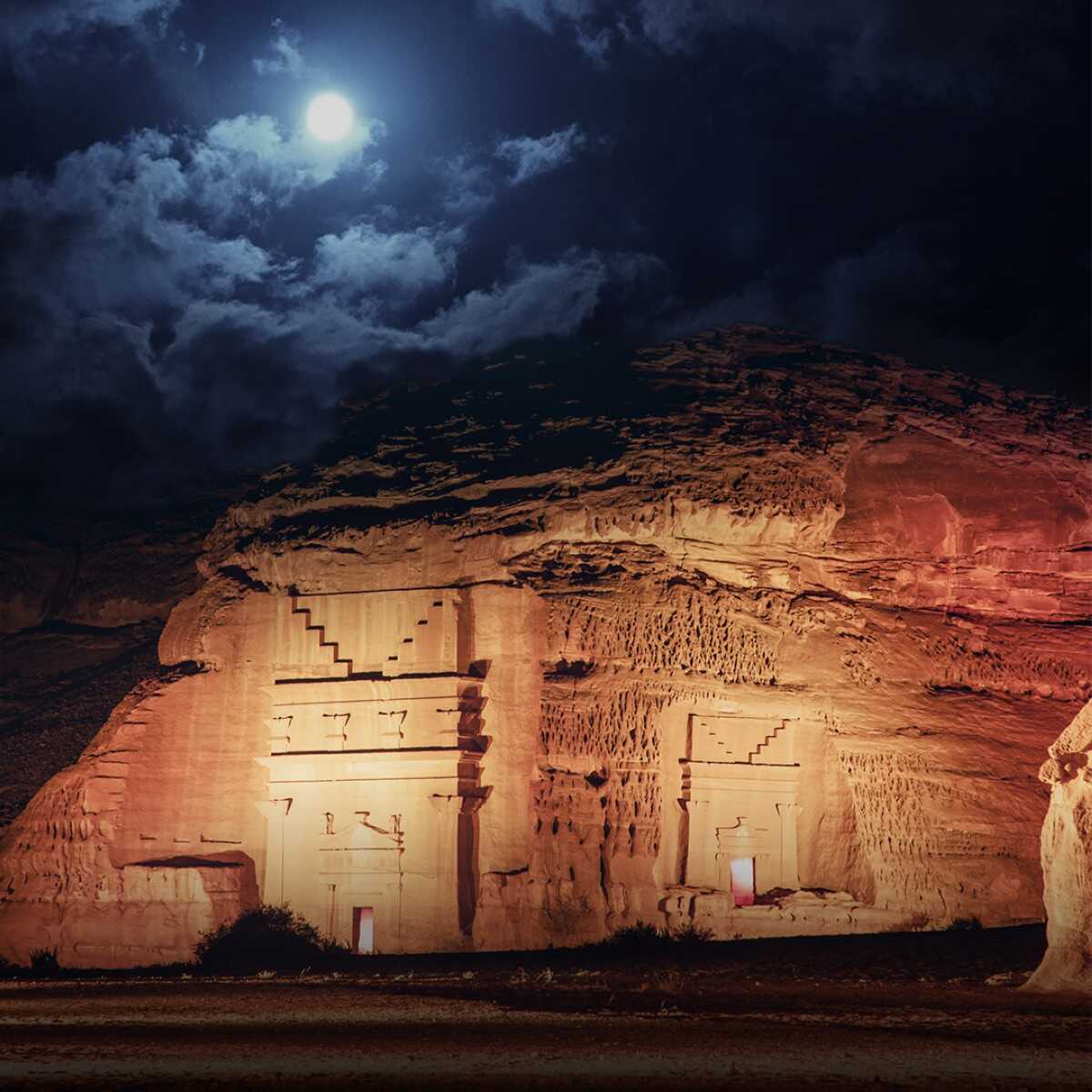
1 - Al Hijar Site (Madain Saleh): Home to what might be considered the Kingdom's most famous historical archaeological site, Hegra or Madain Saleh, in the AlUla region, the Al Hijar Site encompasses huge tombs dating back to the first century BC, and the site also contains 50 stone inscriptions and several cave paintings.
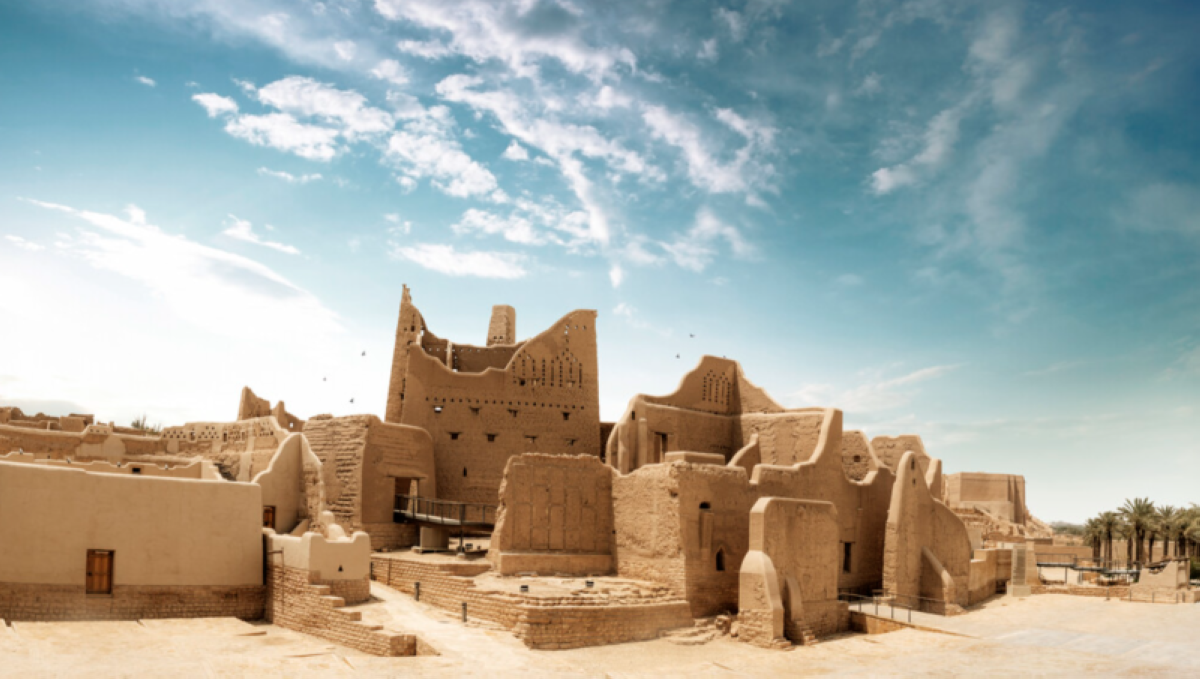
2 - At-Turaif, Diriyah: At-Turaif is one of the capital's most famous UNESCO destinations, found in the historic city of Diriyah, At-Turaif was originally the capital of the first Saudi state. Today it plays a vital role in the tourism sector, and previously has been the destination of a number of Formula E race.
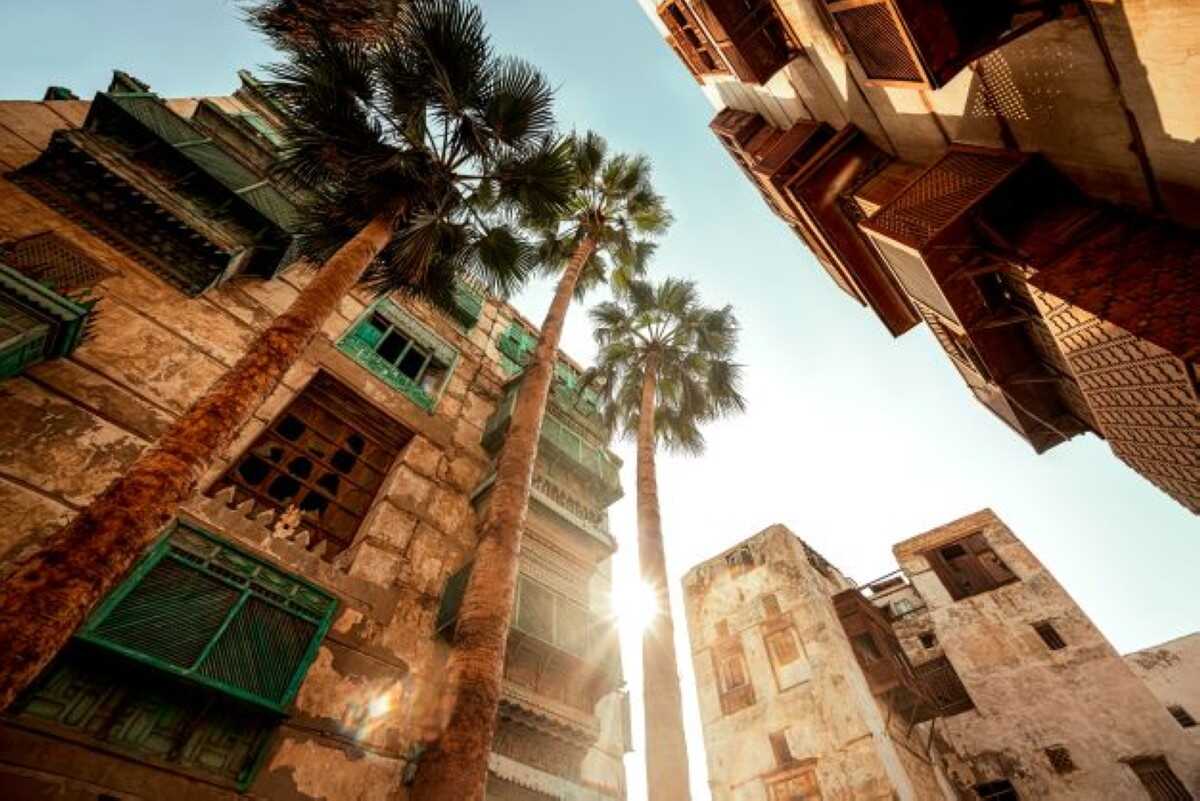
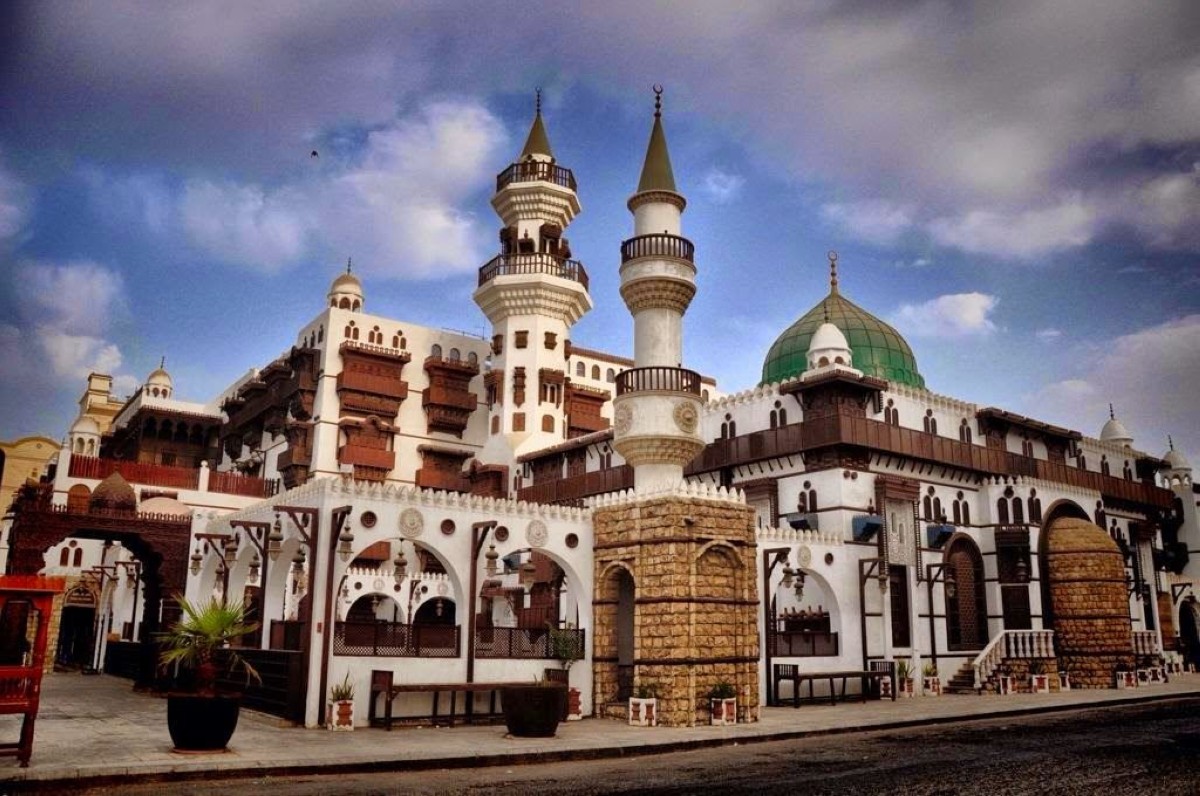
3 - Historic Jeddah (Al Balad): A historic neighbourhood located in the centre of Jeddah, Al Balad is an area of Jeddah where a large number of historical, traditional and culturally important buildings, some of which have been converted into hotels and museums, turning Al Balad into an important tourist attraction.
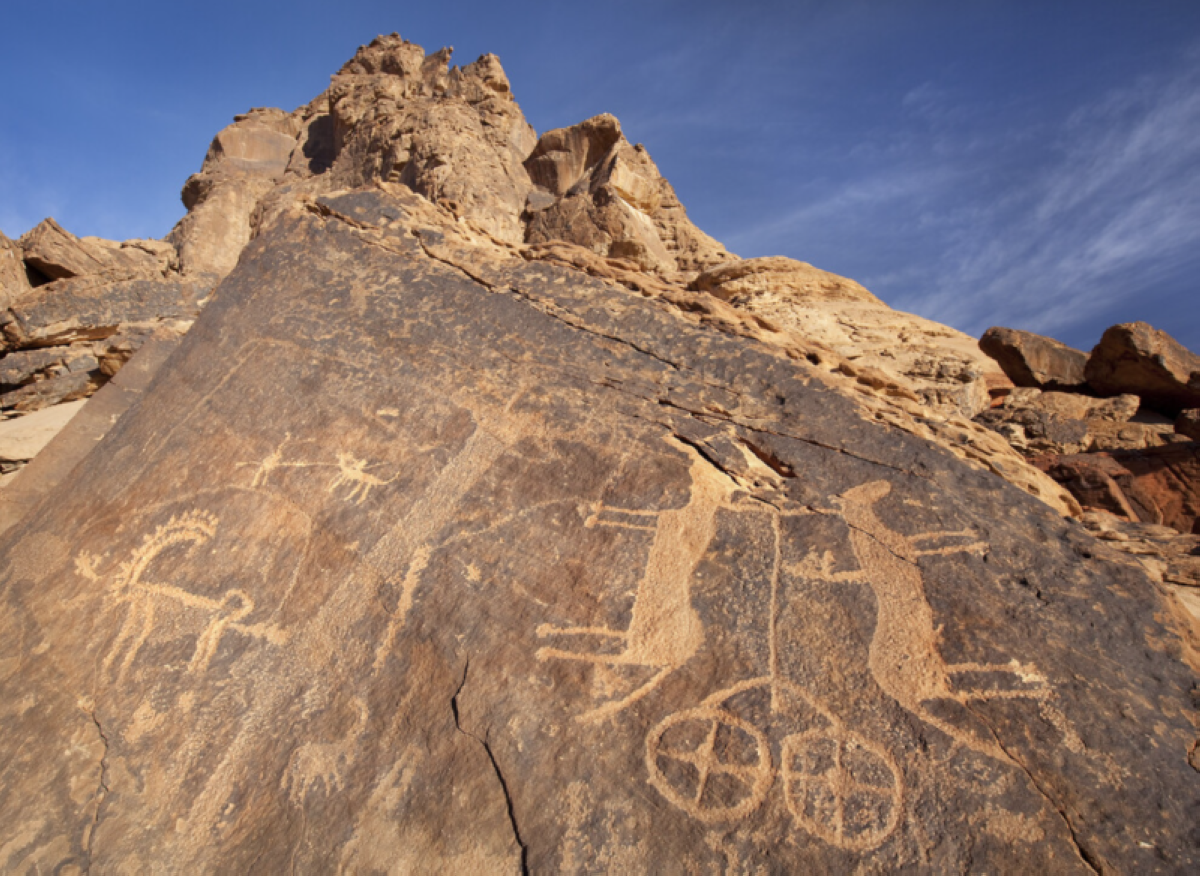
4 - Rock Art in Ha'il: Excellent examples of relatively untouched ancient rock art depicting hunting scenes and even more playful scenes of day-to-day life, can be found in Ha'il. Dating back to the era of the first ancient man ten thousand years ago, the inscriptions and drawings are found in the area of Jabel Umm Sinman and the Al Manjour area in Al-Shuwaymis.
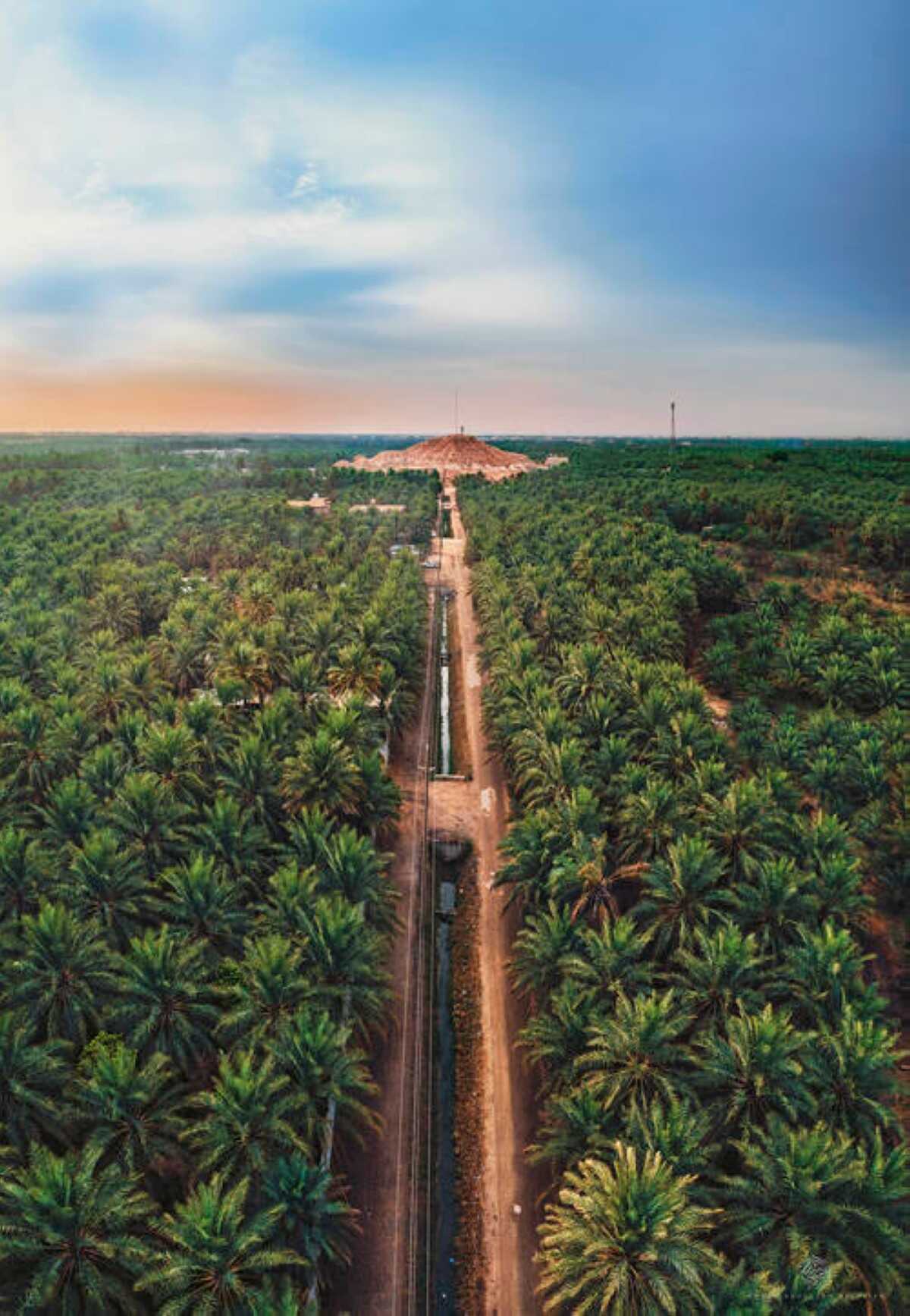
5 - Al-Ahsa Oasis: As the name might suggest, Al Ahsa Oasis is a lush oasis area that rich in palm trees with more than one and a half million trees growing in it, and it is considered the largest palm oasis surrounded by sand in the world.
6 - Hima Cultural Area: Located in the Saudi province of Najran, Hima envelops several prehistoric stone inscriptions that include human and animal drawings as well as writings in the Thamudic language, Southern Musnad script, and Kufic script.
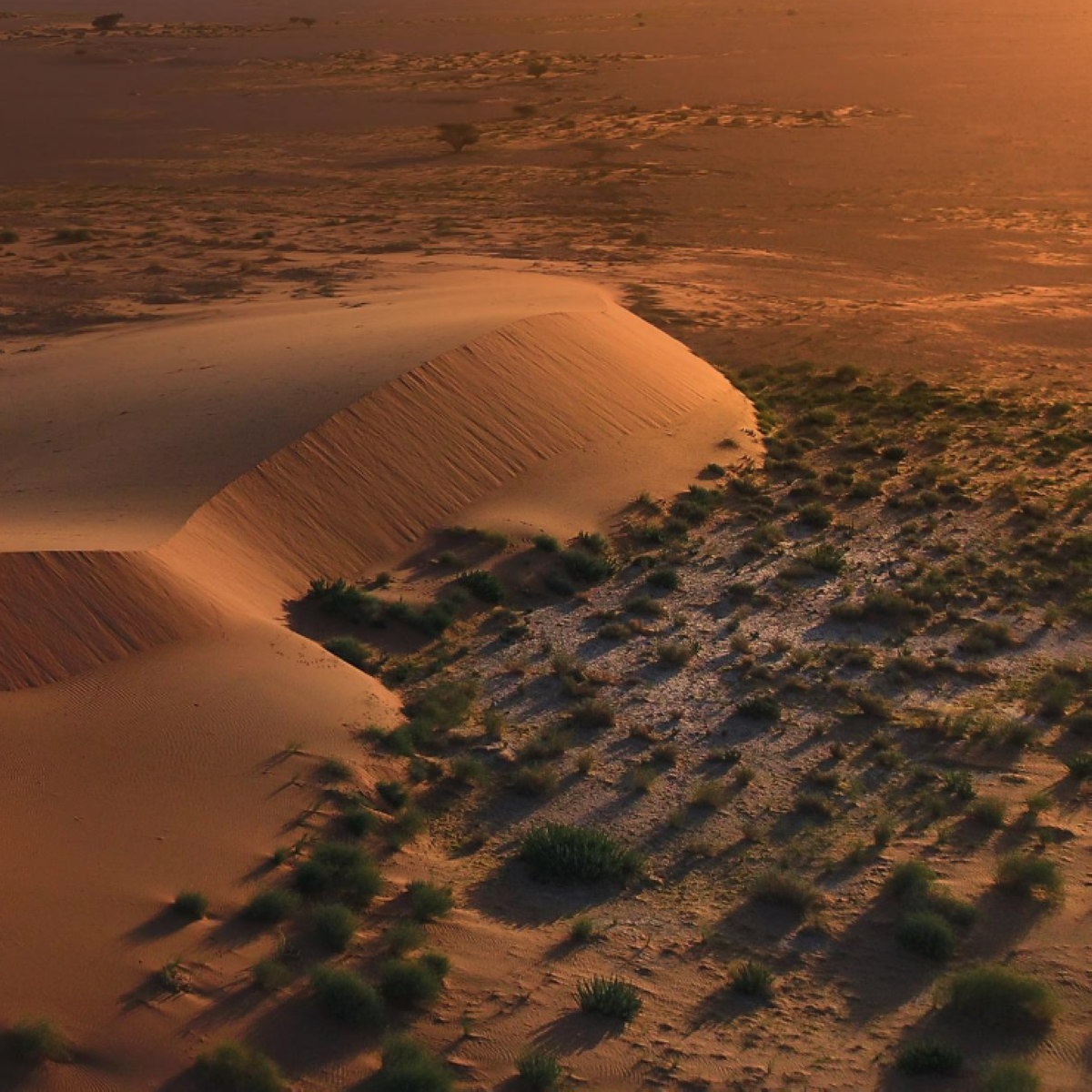
7 - Uruq Bani Ma'arid Reserve: Also located in Najran Governate, ‘Uruq Bani Mu’arid Reserve borders the western end of the Empty Quarter Desert, and is a significant botanical reserve in which more than 106 species of plants have been recorded, and it is home to the Arabian Oryx and more than 104 species of birds.
8 - Al-Faw Archaeological Area: The newest addition to the Kingdom's list of UNESCO Heritage Sites, Al Faw is the historical capital of Saudi and was an important historical trade centre for one of the most important kingdoms that arose in the Arabian Peninsula.
Tourist Attractions
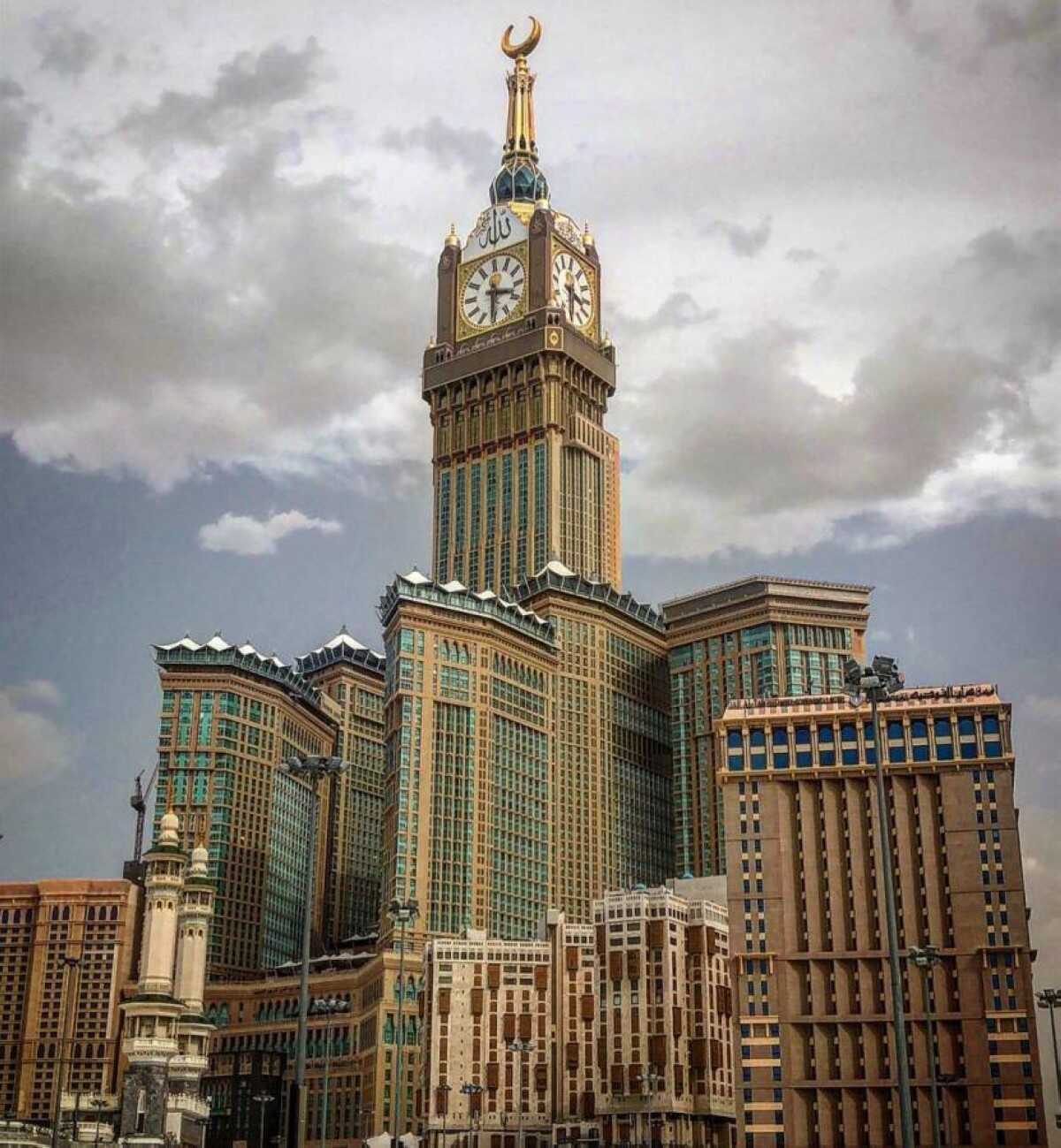
9 - The Clock Towers Complex: The Clock Towers Complex consists of seven skyscrapers opposite the Grand Mosque of Mecca, the tallest of these towers reaches 601 meters in length, which is classified as the third tallest tower in the world.
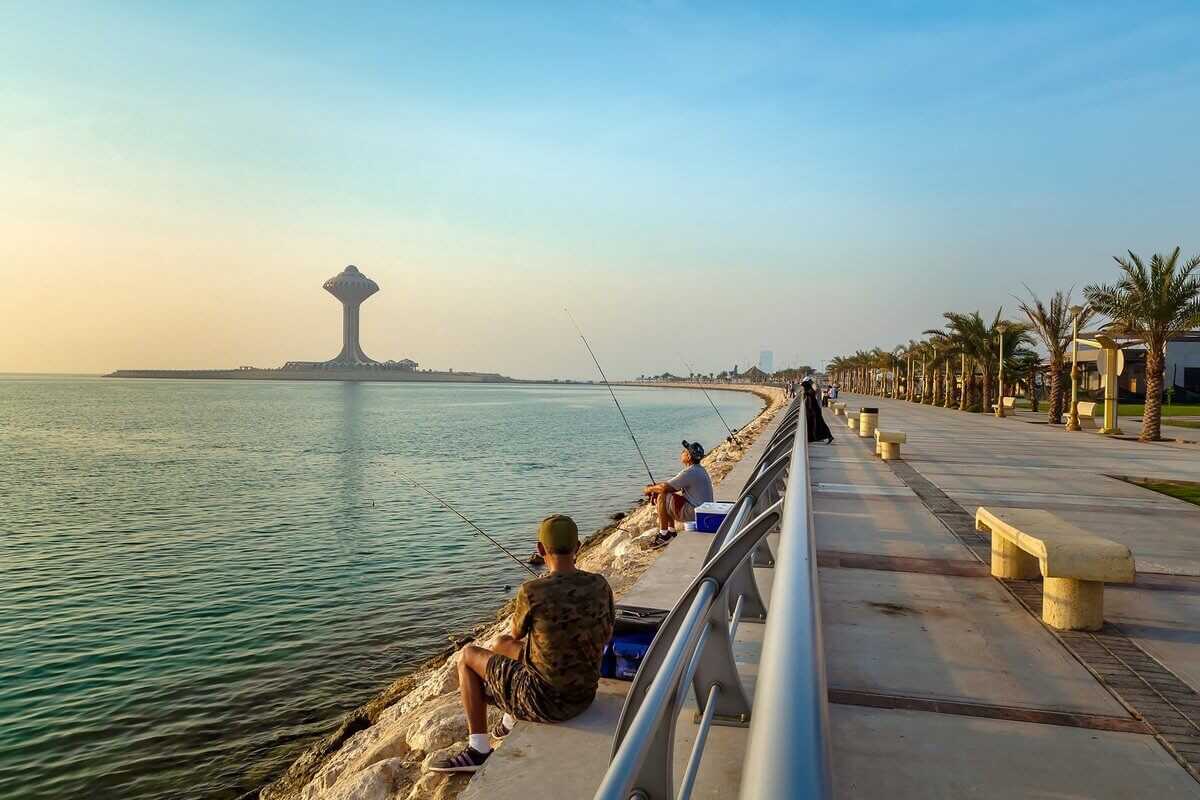
10 - Half Moon Beach: The beach is one of the most prominent tourist attractions in the Eastern Province of Saudi Arabia, whose coastline is the longest in the Gulf region, with an estimated length of about 700 kilometres.
11 - Sunset Beach Resort: The five-star Sunset Beach Resort is one of the most prestigious resorts and residential units in the city of Al Khobar in the Kingdom.
12 - Bab Makkah: Bab Makkah is one of the eight gates of the Jeddah Wall. Bab Makkah is located in Historic Jeddah in the centre of the city of Jeddah in western Saudi Arabia. Bab Makkah is Jeddah's eastern gateway.
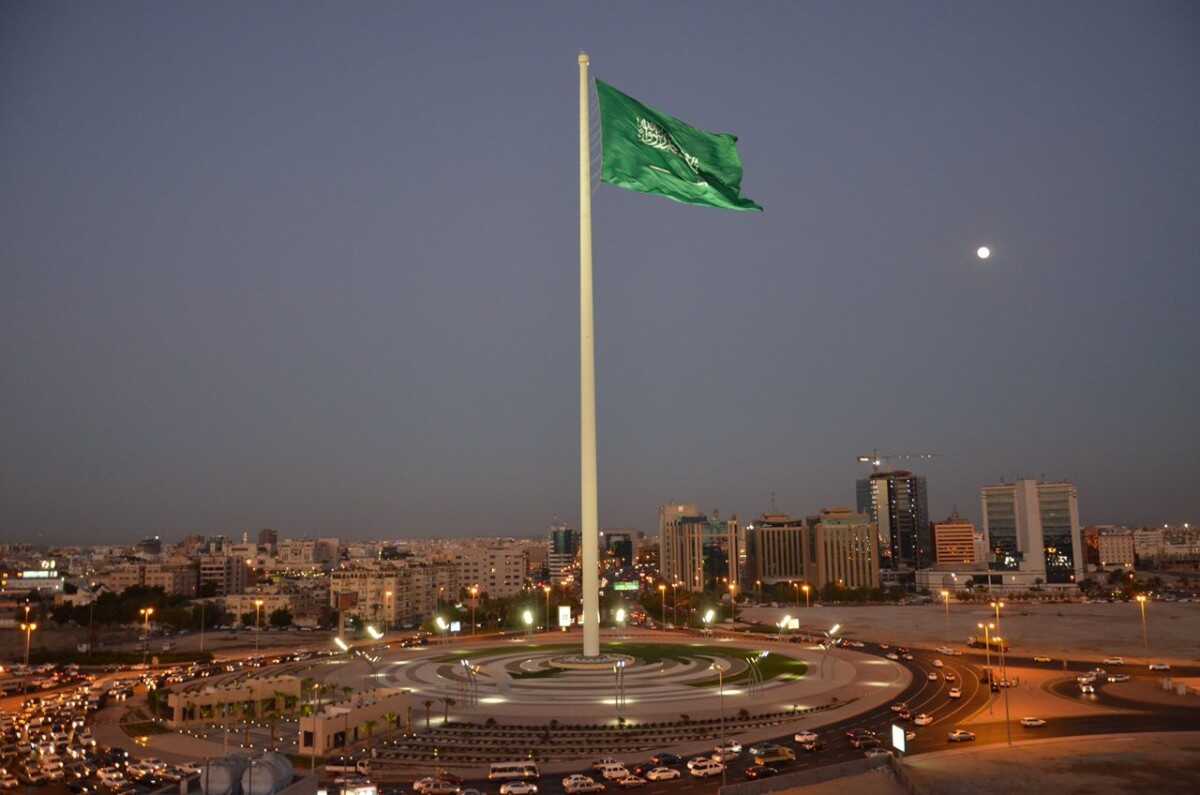
13 - Flagpole: Located in the square of the Custodian of the Two Holy Mosques King Abdullah bin Abdulaziz, the flagpole has been registered in the Guinness Book of Records as the tallest flagpole in the world, as its height exceeds 171 meters.
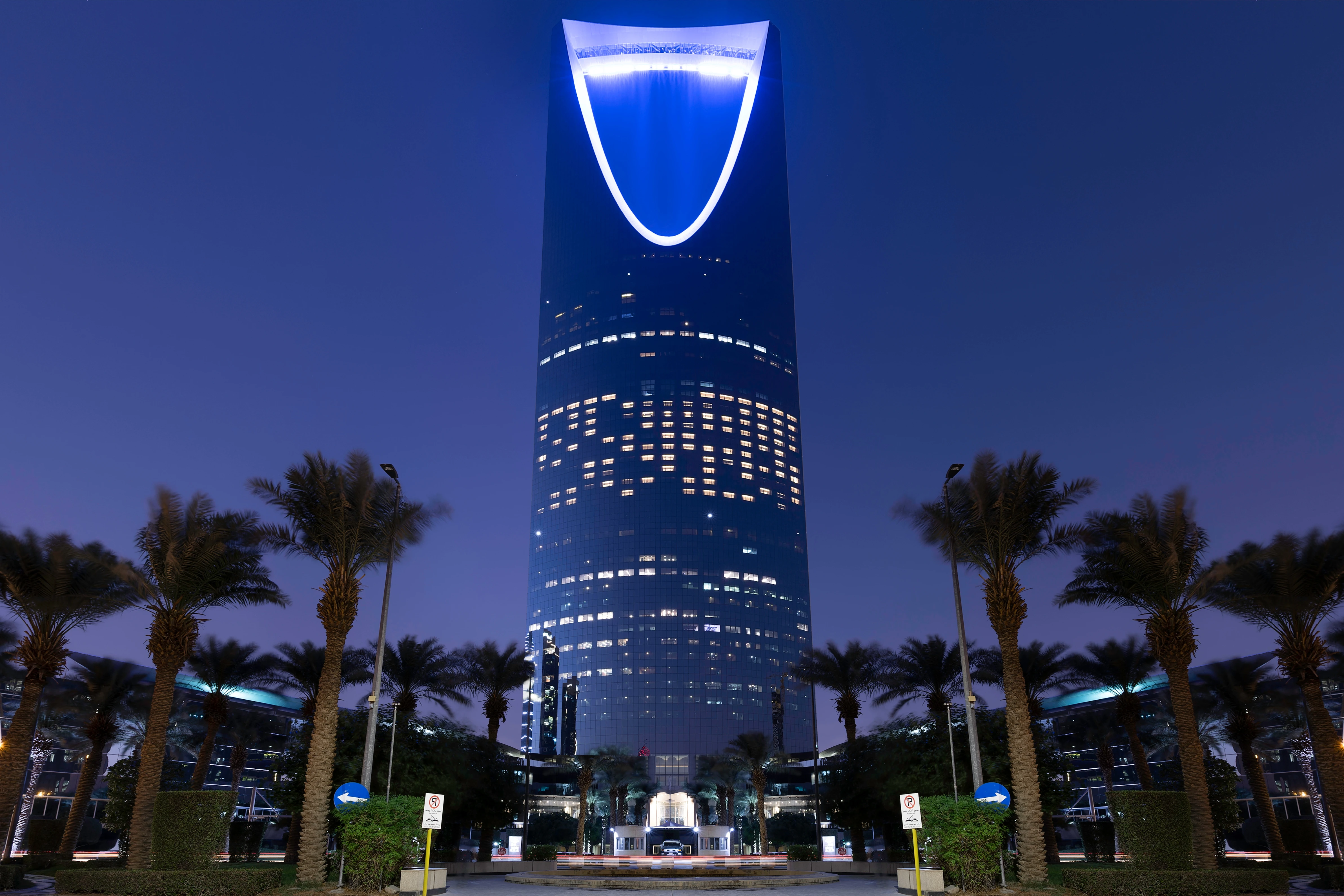
14 - King's Road Tower: A huge 34-story tower, located on King Abdulaziz Road, is considered one of Jeddah's newest landmarks because it contains the largest LED advertising screen in the world.
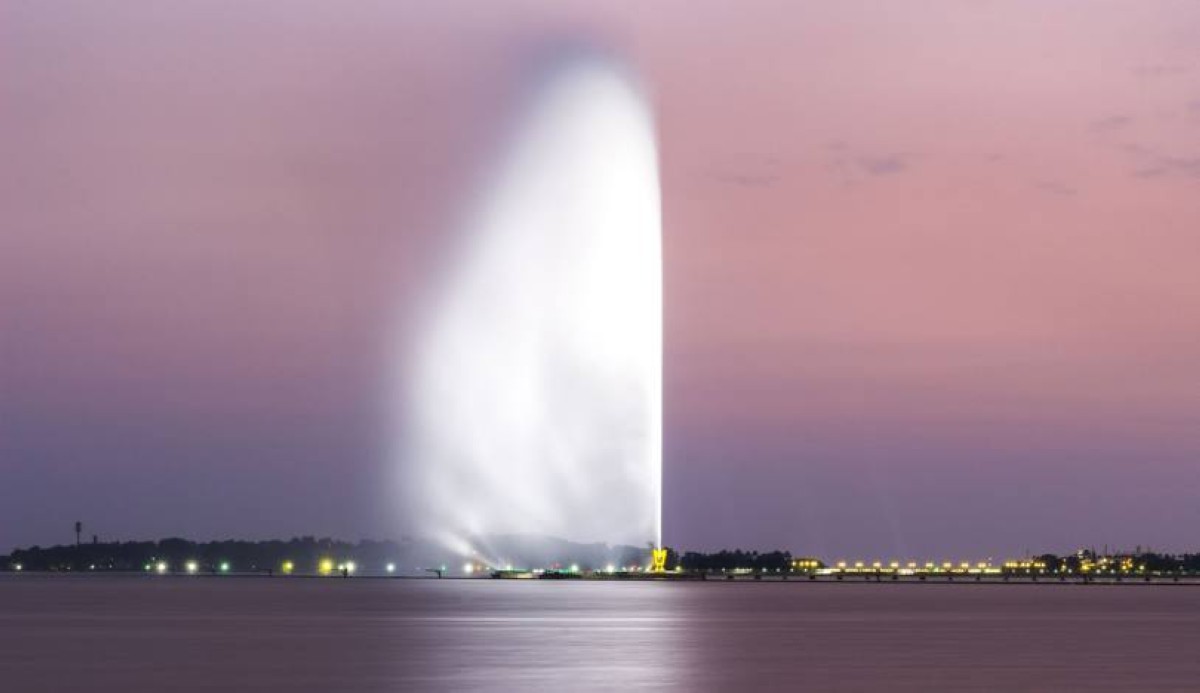
15 - King Fahd’s Fountain: The highest fountain of its kind in the world according to Guinness World Records. It is located on the western shore of Saudi Arabia on the Red Sea.
16 - Al Hamra Corniche: Al Hamra Corniche enjoys an exceptional location that extends along the sea from south of Al Salam Palace to the Equestrian Club. This corniche is characterised by an abundance of green spaces and gardens.
17 - Al-Okhdood Archaeological Site: A square-shaped city with an area of 4 kilometres, located on the southern belt of Wadi Najran, 25 kilometres from Najran city, between the villages of Al Qabel and Al-Jarba.
18 - Madain Shuaib: An archaeological city that includes ancient houses and temples carved into the rock and mountains, located in the Hijaz region in the west of the Kingdom.
19 - Thee Ain Historical Village: An archaeological village located in Tihama in the west of the Kingdom, approximately 20 kilometres from Al-Makhwah Governorate and 24 kilometres from Al Baha. The village was built on top of a white mountain and is famous for the cultivation of bananas, lemons, peppers, basil, kadi, and handicrafts.
20 - Al-Khalaf and Al-Khalif: Al-Khalaf and Al-Khalif are two of the oldest ancient villages in Al Baha region, famous for their architectural style based on local hard stone, embellished with arches and red stucco. The villages of Al Khalaf and Al Khalif are located approximately five kilometres north of Qalwa Governorate, Al Baha.
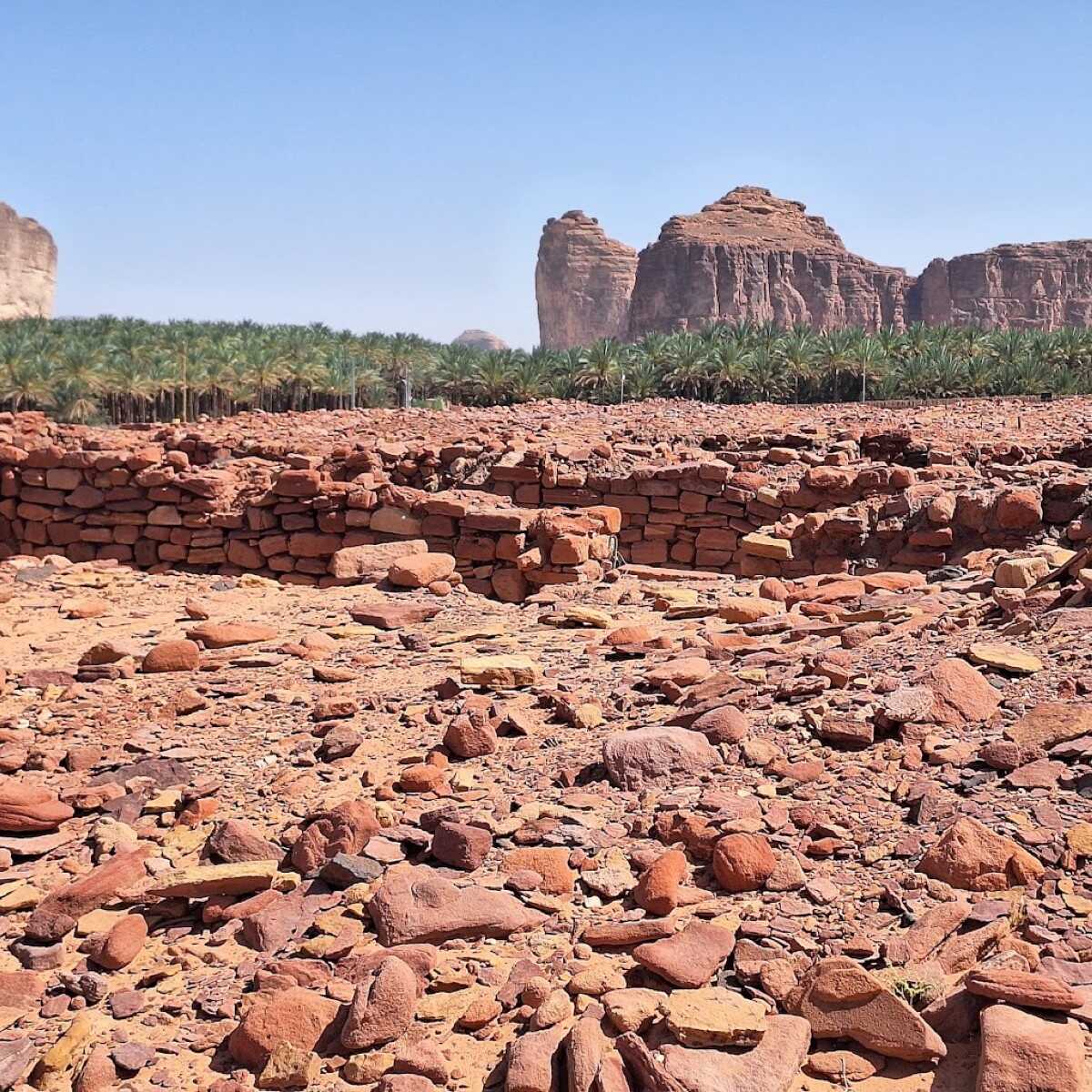
21 - Tel Sai'i: It is one of the remaining ruins in the Al-Jouf region in the north of the Kingdom. The site is the remains of a fortress built during the Palmyra civilisation, surrounded by caves and a temple. Tel Sai'i overlooks the ancient city of Sakaka.
22 - Faid Historic City: The city is located southeast of Ha'il. Historians' books describe the status of the Faid Historic City as the third most important ancient city. The city is characterised by many inscriptions on the rocks of its mountains, and is famous for having a large number of wells, water pools, and a network of irrigation canals dating back to the early Islamic period.
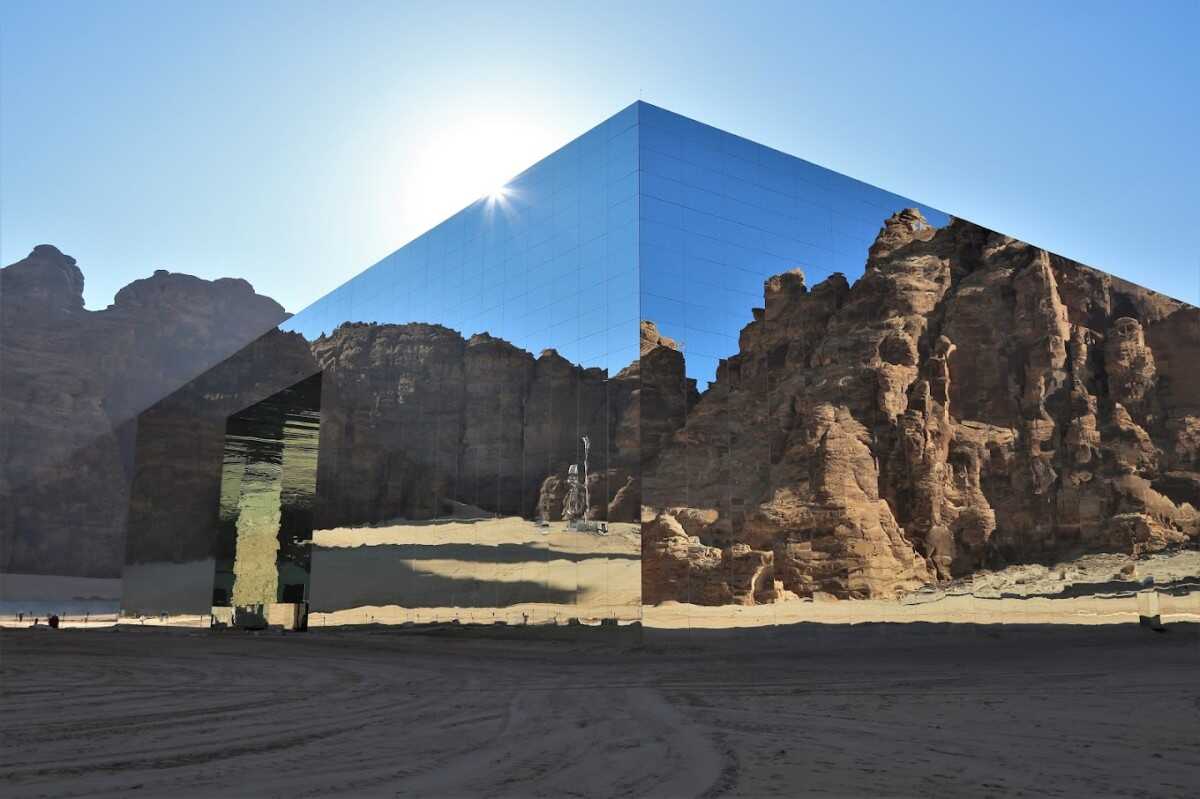
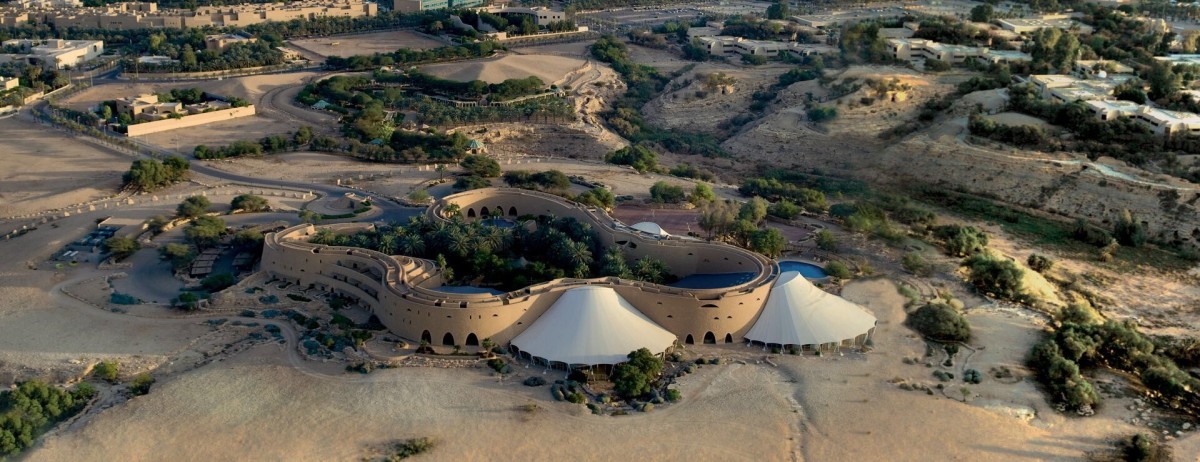
23 - Maraya Concert Hall: An amazing architectural structure that attracts visitors from all over the world to AlUla. It welcomes culture and art lovers amidst the desert landscape of Ashar Valley, and hosts many unique arts and entertainment events.
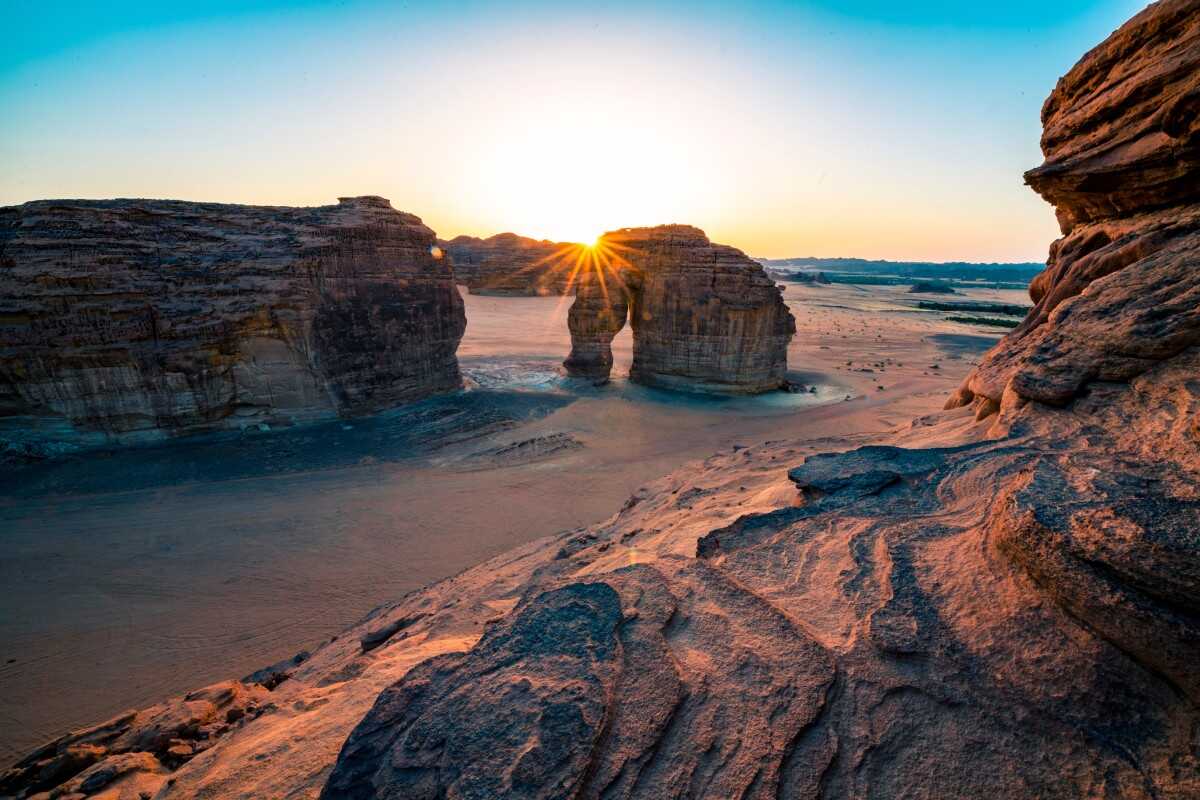
24 - Elephant Rock: It is considered one of the most important landmarks of AlUla, and its name is due to its huge size, which resembles an elephant. The mountain is shaped like a rock and is 50 meters high.
25 - The ancient city of Dadan: The ancient city of Dadan in AlUla, the capital of the kingdoms of Dadan and Lahyan, is one of the most important archaeological discoveries in AlUla. Built in the 9th century BC from stones found in the Oasis Valley, this historic city is home to more than a dozen tombs carved into the red rock cliffs.
26 - Water Village: One of the most important tourist attractions in Tabuk, attracting a large number of tourists and locals, due to its service facilities, most notably swimming pools, wonderful water slides, and restaurants.
27 - Mills Market: The market is a landmark in the old town of Tabuk. It is one of the most important tourist destinations for visitors and a destination for tourists because of its castles, markets, and squares.
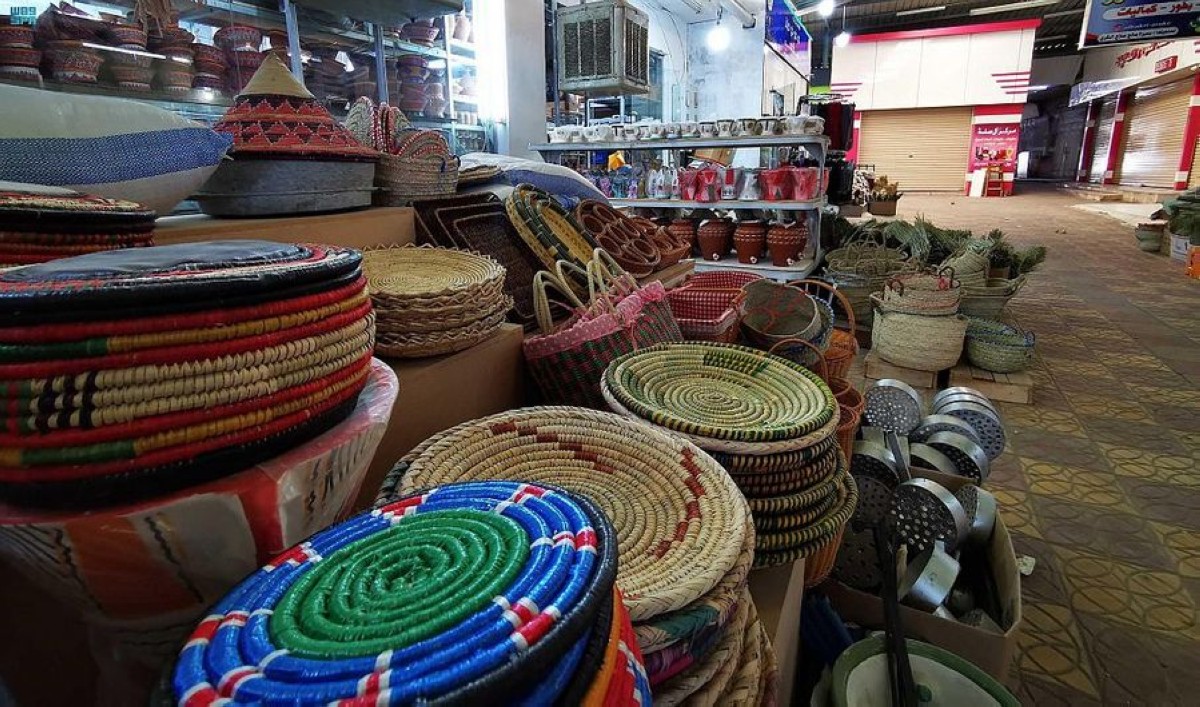
28 - Najran's markets: There are many popular markets in Najran, which use the region's crafts as a tool for trade such as the Janabi Market for pottery, soapstone, wood, jewellery, and leather.
Hotels and Resorts
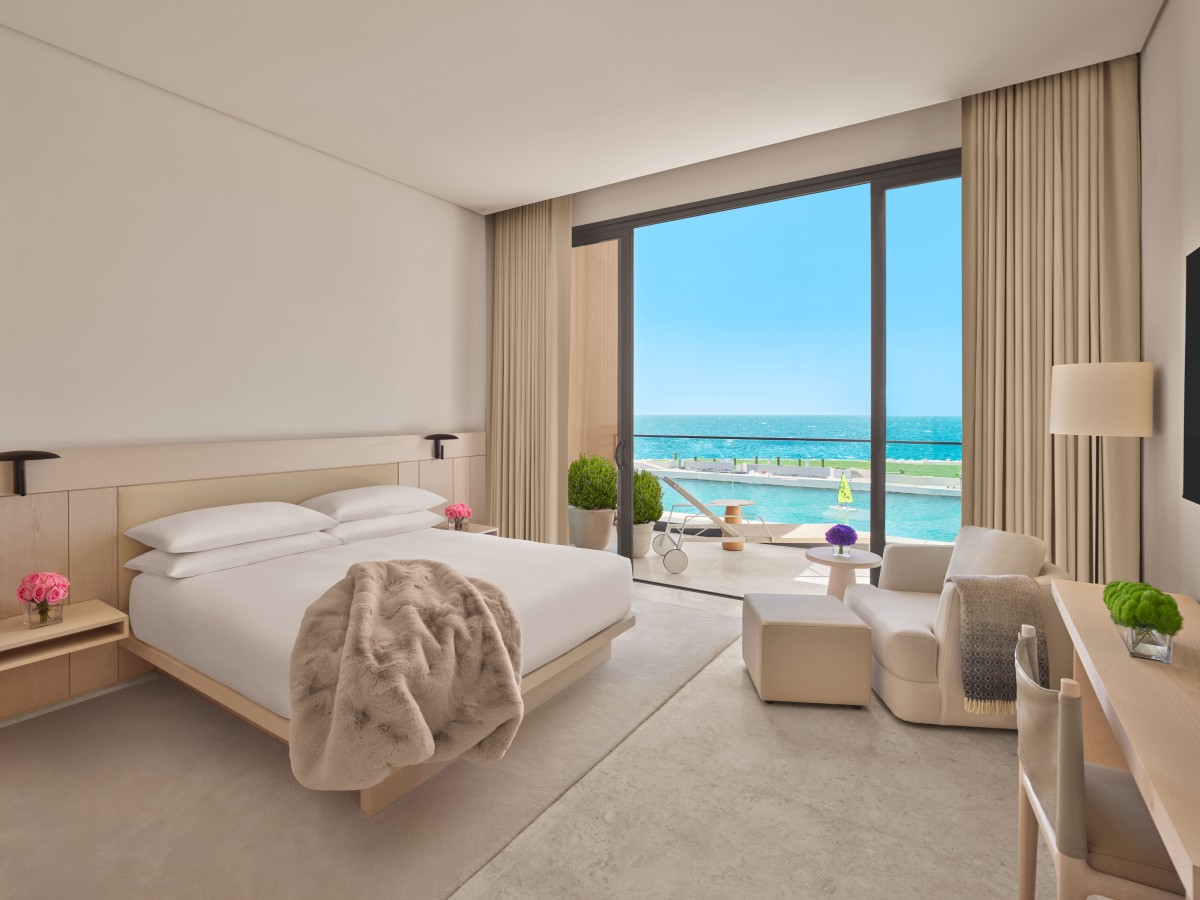
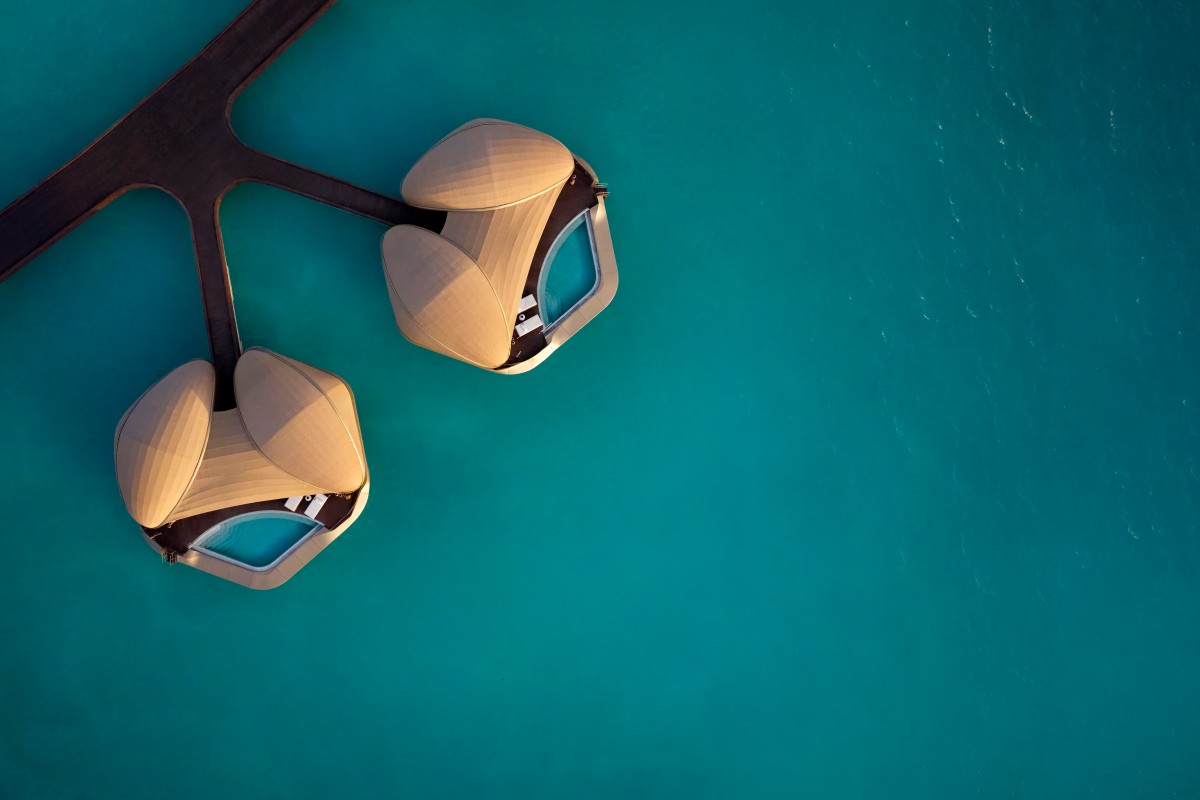
29 - Kimpton KAFD: Marking the Kimpton brand’s debut in Saudi Arabia, Kimpton KAFD offers business people and tourists seeking a fresh, design-forward experience a new destinations of excellence in the Kingdom's capital city.
30 - Jeddah EDITION: The first location of the EDITION brand to touch down in Saudi, the Jeddah destination is located in Jeddah Yacht Club & Marina, with a backdrop of the Formula One racetrack and panoramic Red Sea vistas, the Jeddah EDITION is one of the city's newest, modern luxury openings.
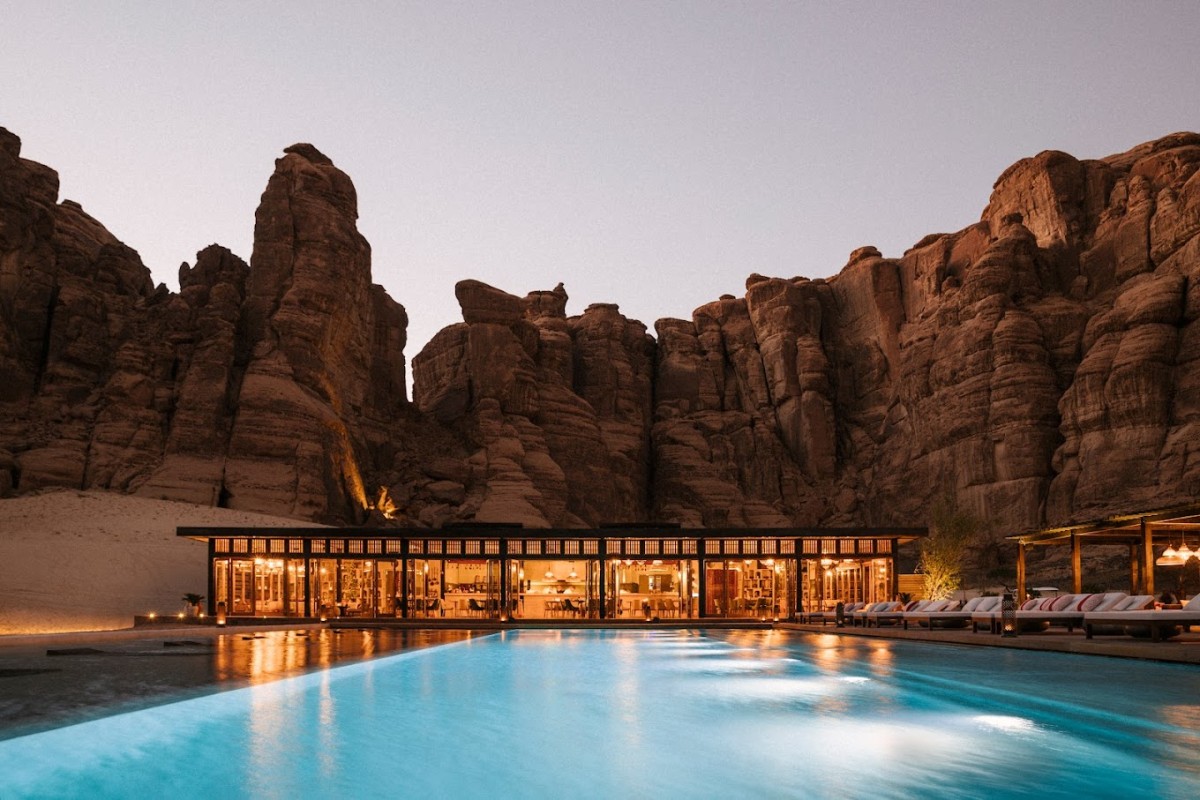
31 - Our Habitas, AlUla: Set against a backdrop of towering sandstone cliffs and endless expanses of iconic red sands, the resort is tranquillity and mystery rolled into one. Combining pioneering sustainable hospitality with luxury lifestyle, Our Habitas, AlUla encourages guests to enjoy wellness and healing experiences, and find self-connection in a desert setting.
32 - Nujuma, a Ritz Carlton Reserve: The seventh Ritz-Carlton reserve in the world, and the first in the region, Nujuma, a Ritz Carlton Reserve opened its doors in May of 2023. Inviting visitors to immerse themselves in a journey like no other, Nujuma explores the secrets of one of the world's most magical and thriving coral reefs.
33 - The St. Regis Red Sea Resort: The St. Regis Red Sea Resort's design draws on the stunning natural formations and rich cultural history of the region, using a variety of materials inspired by the natural elements of the pristine island throughout the resort.
34 - Bab Samhan, a Luxury Collection Hotel, Diriyah: A new addition to the Kingdom's luxury hospitality scene, Bab Samhan offers guests an immersive stay within Saudi Arabia’s most storied district of Diriyah, blending Najdi architecture with refined modern design. With 134 rooms and suites, the property features curated cultural experiences, including poetry readings and culinary tours that reflect Diriyah’s rich heritage.
Natural Sites
The Kingdom is home to endless breathtaking landscapes and diverse natural wonders, from towering mountains to cascading waterfalls and ancient archaeological sites, the Kingdom offers a multitude of opportunities for exploration and adventure.
35 - Jabal al Soudah: Saudi Arabia's highest mountain in the Asir Mountains range, with a height of 3,133 meters.
36 - Abha Dam Lake: At 300 meters long, the dam is a breathtaking view of the shimmering Blue Lake. The dam was built a kilometre long on the lake. The dam plays an important role in protecting the topography of the region.
37 - Dahna Waterfall: Located in Tanouma Governorate, this waterfall is a great destination for nature and adventure lovers. It has attracted visitors from the Kingdom and the world.
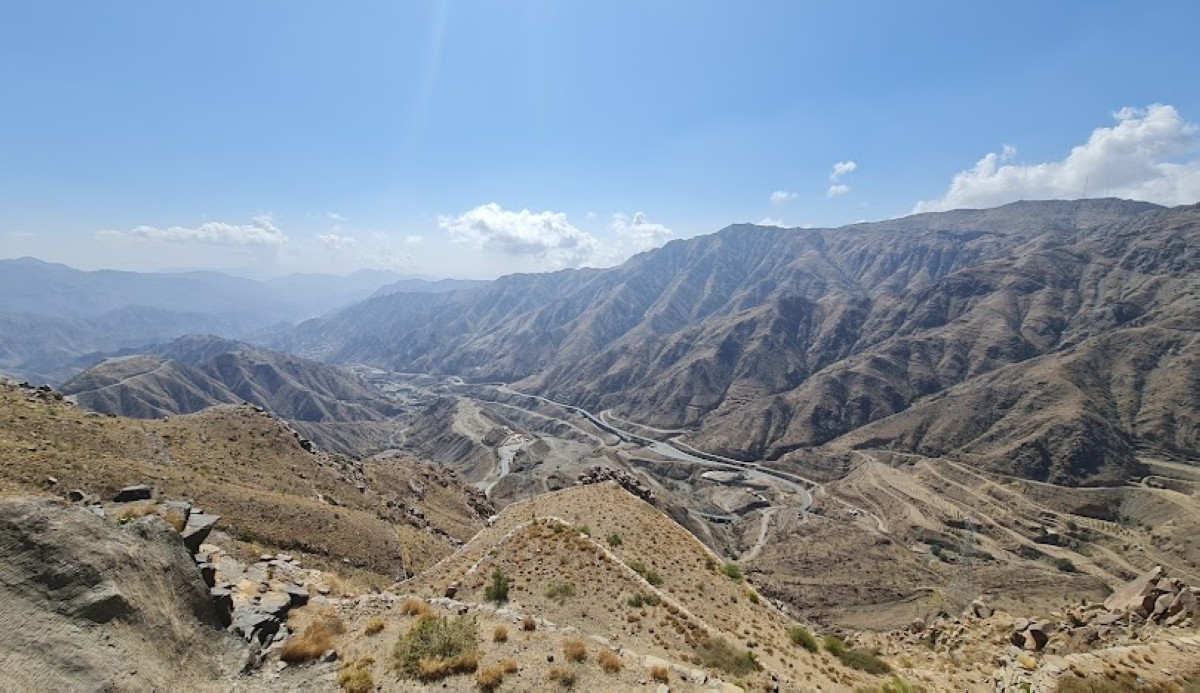
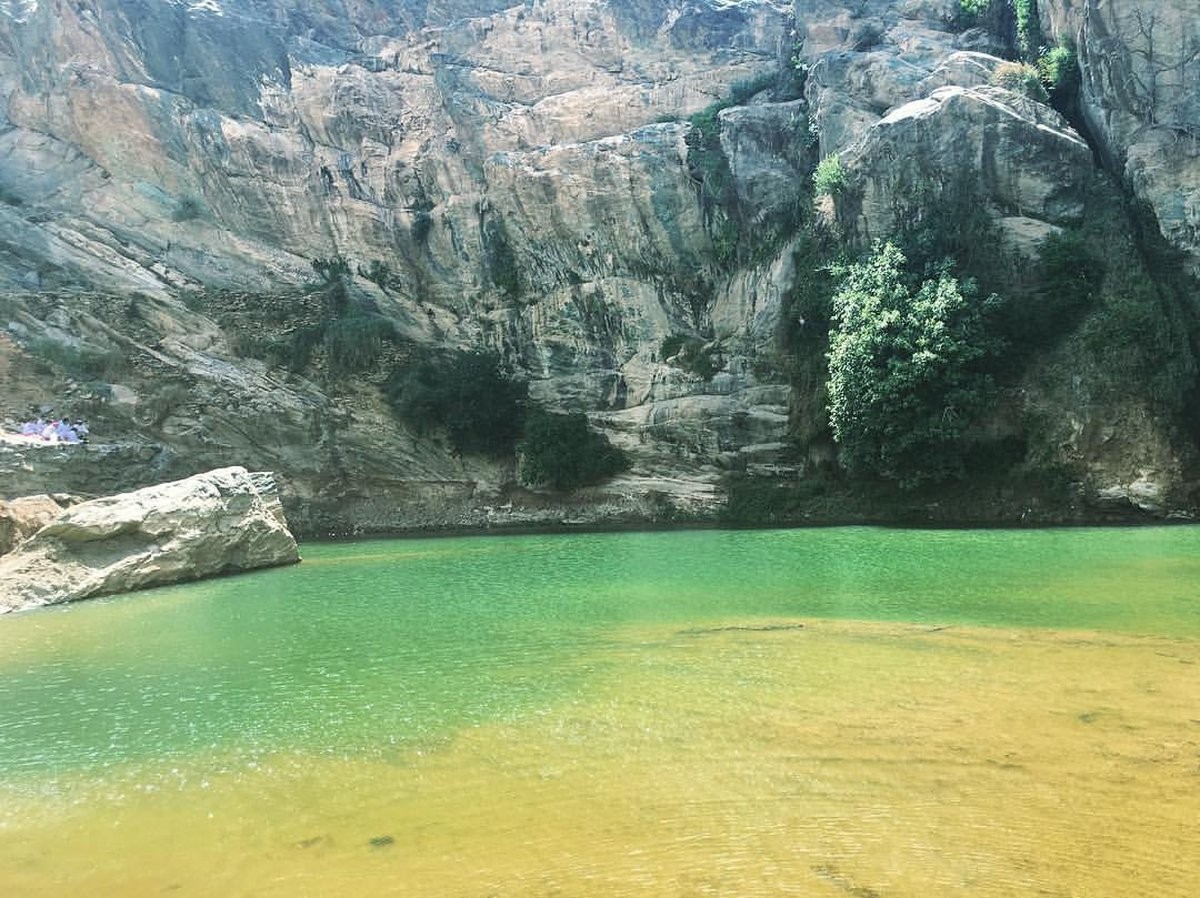
38 - Fog Walkway: One of the natural wonders in the Arab region, located in the Al-Dabab neighbourhood overlooking the Tihama Mountains. It is a 14-meter-wide walkway that stretches for 7 kilometres.
39 - Jebel Al-Lawz: Located about 200 kilometres northwest of Tabuk. Named Jebel Al-Lawz (Almond Mountain) because of the presence of almond trees in the area, rock paintings dating back to about 10,000 BC, in addition to ancient inscriptions and Islamic writings, are scattered in the area.
40 - Wadi Al Disah: One of the locations of the city of Tabuk, characterised by the abundance of water streams, palm trees, and wild herbs, which made it acquire a unique nature, in addition to being one of the most important natural pillars of the NEOM project.
41 - Wadi Al-Malad: Wadi Al-Malad waterfall in the Sarawat Mountains in Al Baha, characterised by its blue water flowing from the slopes of the mountain, and the water bodies between the peaks and rock formations in the valleys. It is visited by visitors from all over the world.
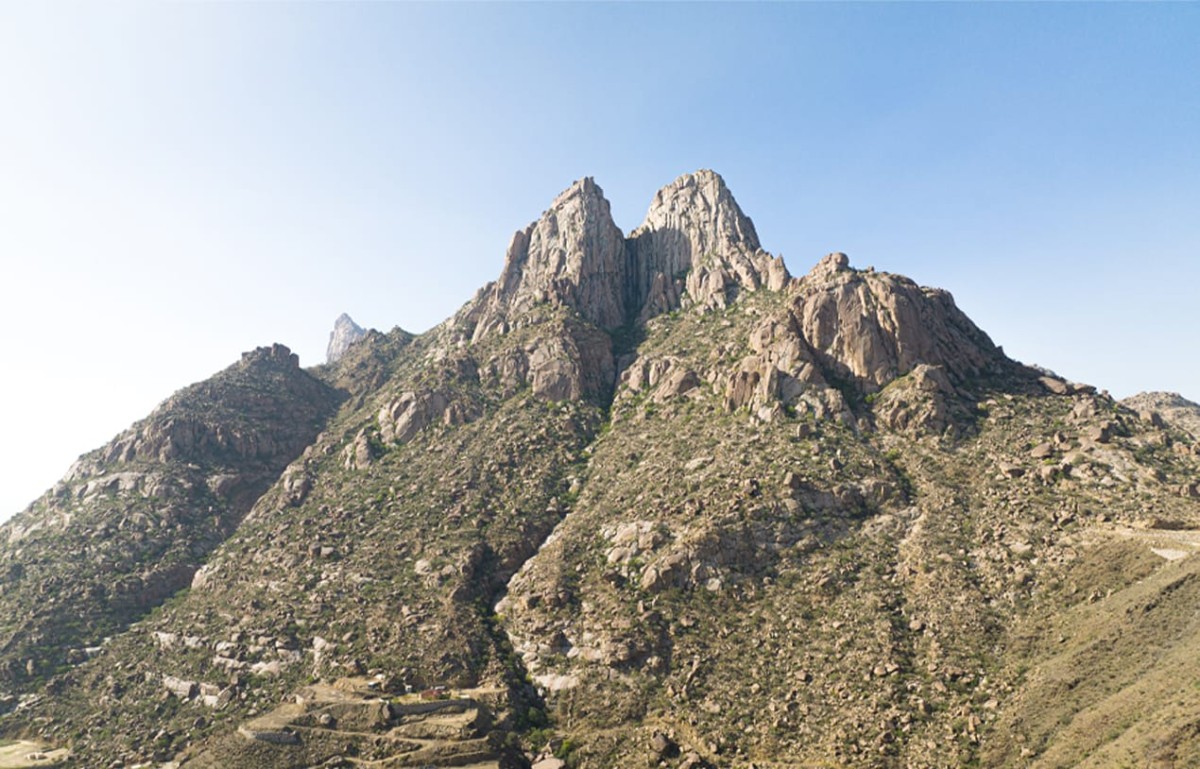
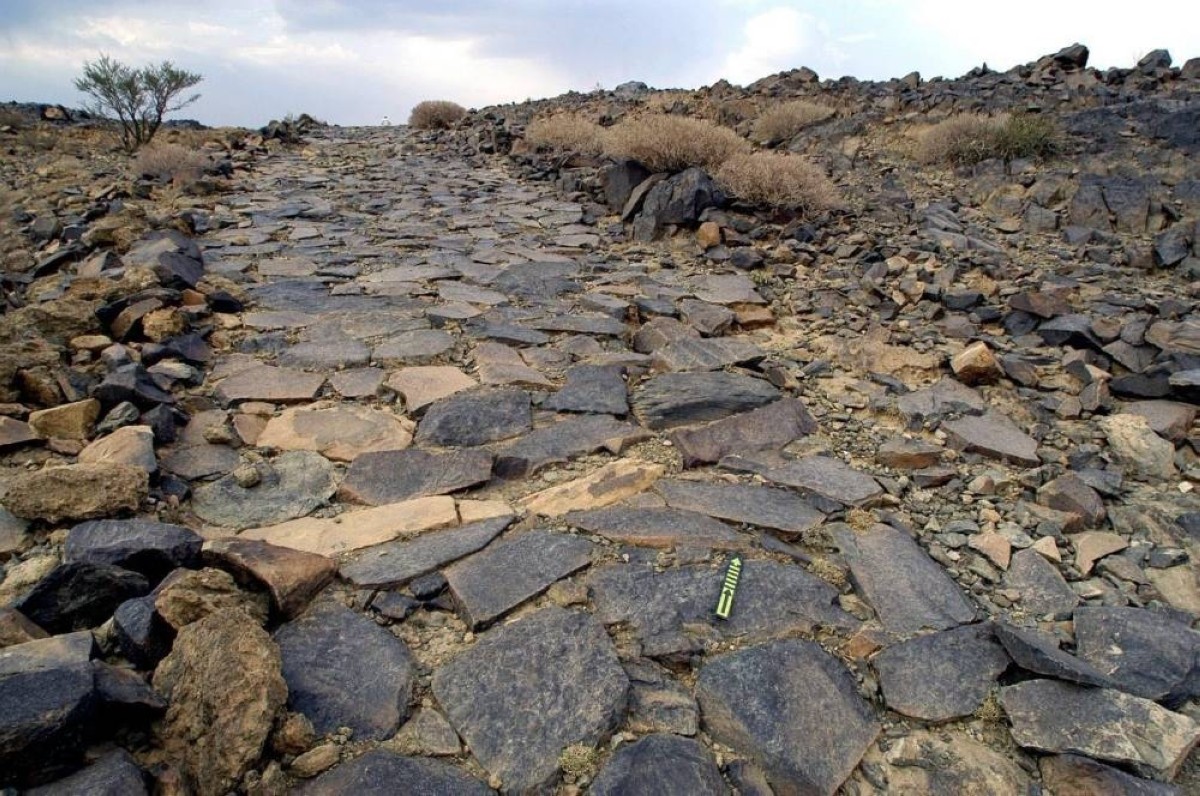
42 - The Road of the Elephant: One of the most important archaeological sites, the Elephant Road is located in the northeast of the Al Baha region, about 24 kilometres from the town of Jarab. Elephant Road is characterised by paving in an artistic and technical way.
43 - Upper Shada Mountain: A high rocky mountain, it is the highest mountain in the Tihama Plain, located approximately between the cities of Qalwa and Al-Makhawah in the southwest of the Kingdom. The height of the mountain's summit is estimated at 2200 meters above sea level.
44 - Badna Valley: It is considered the second largest valley that flows in Arar Governorate, located in the Al Jawf region in the north of the Kingdom. It is one of the distinctive landmarks of the region.
Nature Reserves in the Kingdom of Saudi Arabia
In addition to the UNESCO World Heritage-listed Uruq Bani Ma'arid Reserve, there are many other Saudi reserves that the Kingdom seeks to preserve in order to preserve the nature, ecosystems, and cultural values of the Kingdom.
45 - Prince Mohammed bin Salman Royal Reserve: Located south of NEOM, north of AlUla, and the Red Sea Project, the reserve is located in an important strategic location that encompasses many natural habitats ranging from the volcanic peaks of the Al Harra plateau to the vibrant green valleys to the coral reefs of the Red Sea.
46 - Shada Mountain Reserve: Located in the southwest of the Al Baha region, Jabal Shada is an extension of the Sarawat Mountains and rises 2200 meters above sea level, and this reserve is home to the Arabian wolf and the Arabian tiger.
47 - Jurf Reedah Reserve: One of the smallest reserves in the Kingdom of Saudi Arabia, with an area of less than 10 km, located in the southwest of the Sarawat Mountains and includes the highest mountain height in Saudi Arabia with a height of 3000 meters above sea level.
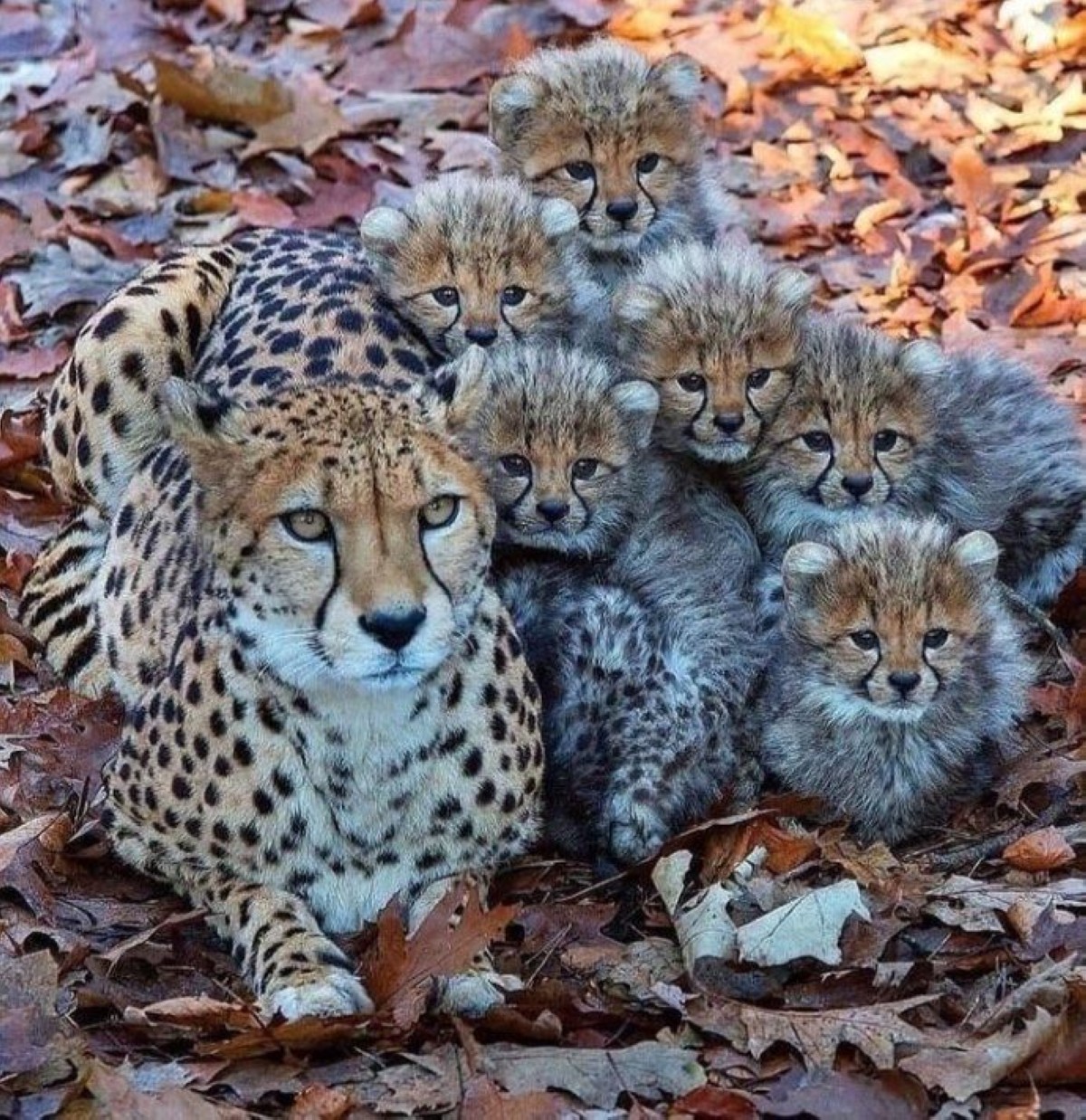
48 - Nafud Al-Urayq Reserve: Located in the central region, southwest of the city of Qassim, with an area of 2036.1 km and includes some granite and basalt mountains and a good vegetation cover that contributed to the resettlement of some birds such as houbara.
49 - The Ibex Reserve: Located in the central region west of Hotat Bani Tamim, 180 km from Riyadh, with an area of 1840 square kilometres. It is a large plateau within the Tuwaiq mountain range interspersed with many valleys and reefs.
50 - Majami'al-Hadb Reserve: With an area of 2256 square kilometres, the Majami'al-Hadb Reserve is characterised by dark volcanic mountains, desert plains, and granite domes.
51 - Umm al-Qamari Islands Reserve: Located southwest of the city of Al-Qunfudhah in the Red Sea, the reserve consists of two islands, Umm Al-Qamari al-Braniah and Umm Al-Qamari al-Fuqaniah, with a total area of 4.03 square kilometres. It is named after the abundant presence of tamarins, especially during the migration season.
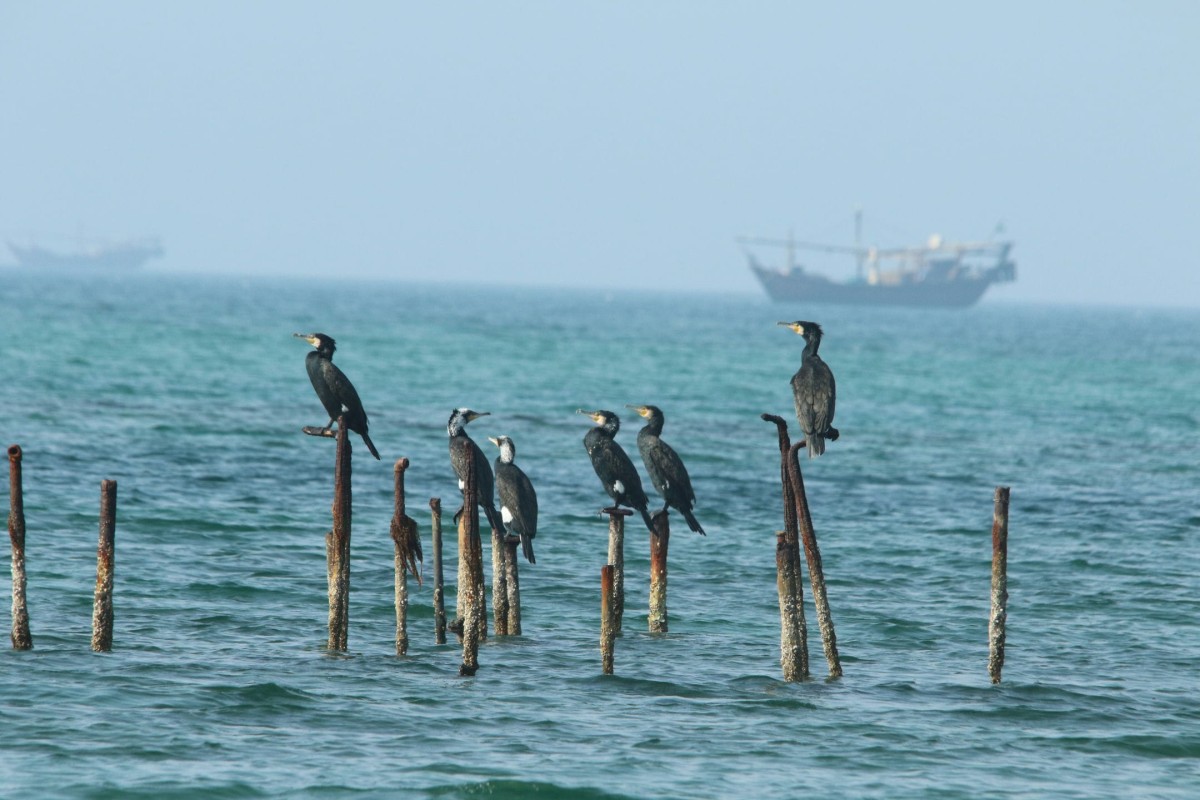
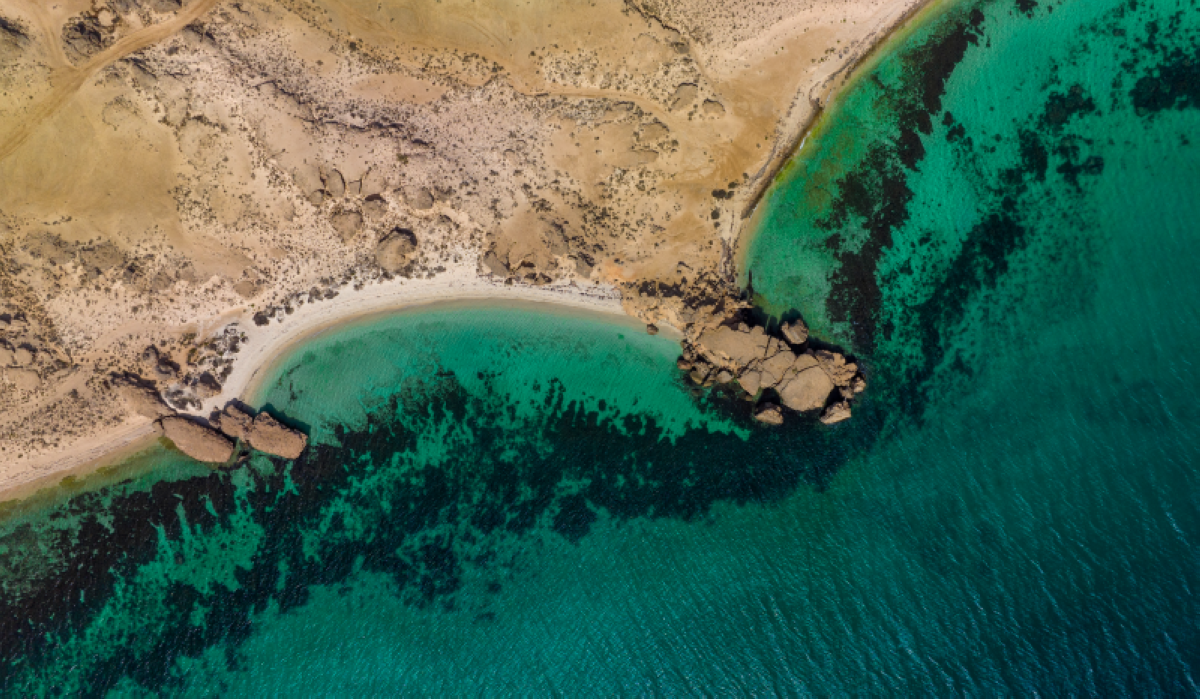
52- Imam Saud Bin Abdulaziz Royal Reserve: This reserve is home to a vegetation cover that has helped preserve the genetic origins of some endemic and rare mammals, birds, and reptiles. It is located 180 kilometres north of Taif and extends over an area of 2240 square kilometres. It is also known as the Mahazat Al-Sayd Protected Area.
53 - Jubail Marine Wildlife Sanctuary: It is located north of the industrial city of Jubail and extends from Abu Ali Island in the south to Ras al-Zour in the north with an area of 2410 square kilometres along the western shore of the Arabian Gulf.
54 - Farasan Islands Protected Area: Located in the Red Sea region, the Farasan Islands are the Kingdom's unexplored treasures, and are arguably one of the nation's best kept secrets, the hidden gem of mangroves and aqua blue waters spans an area of over 5400 square kilometres.
55 - Imam Turki Bin Abdullah Royal Reserve: Covering 91,500 square kilometres in northeastern Saudi Arabia, the Imam Turki Bin Abdullah Royal Reserve is a haven for biodiversity. With 12 land reserves and 3 marine reserves, this protected area boasts over 120 plant species and 60 animal species.
Parks
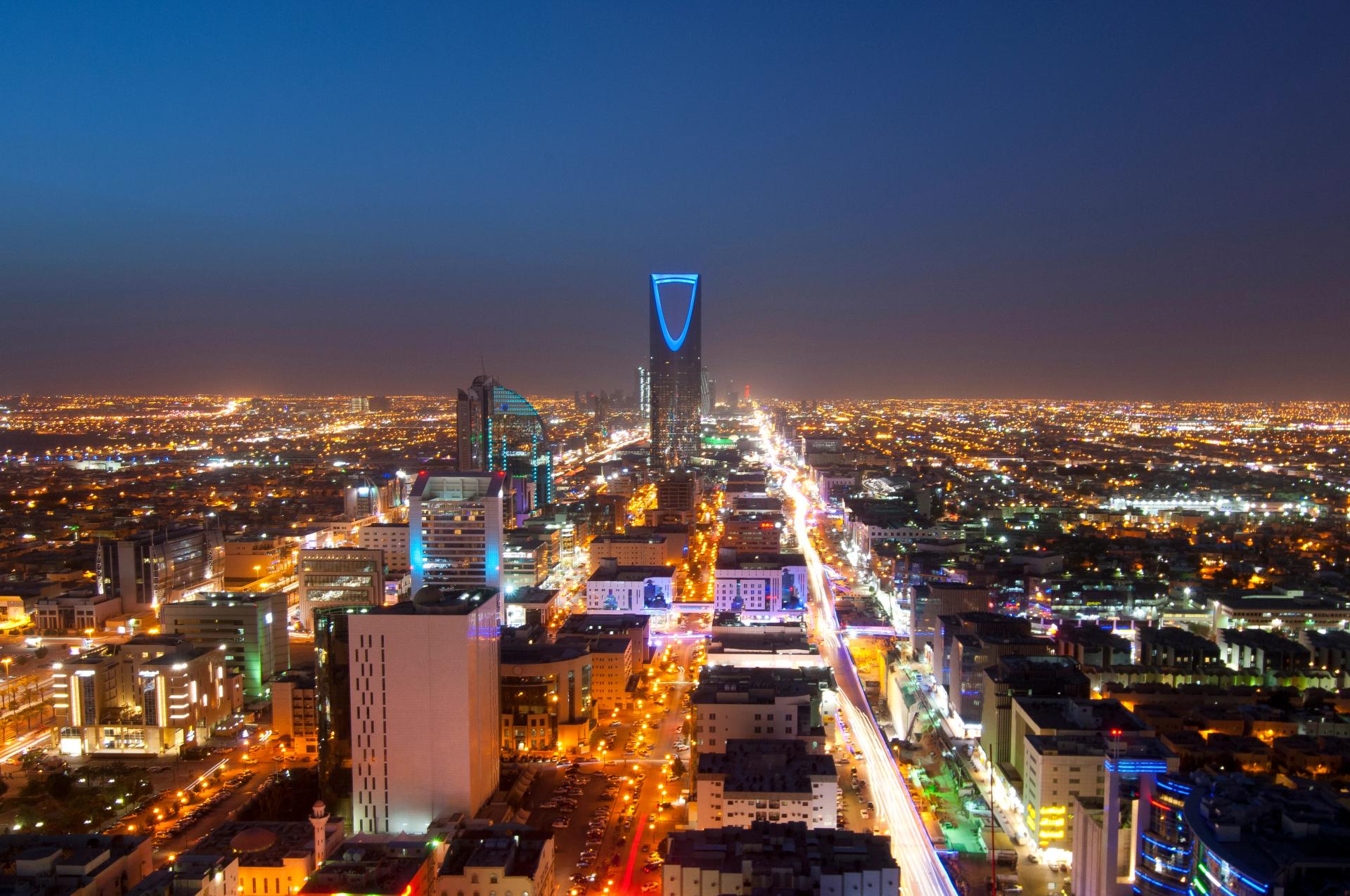
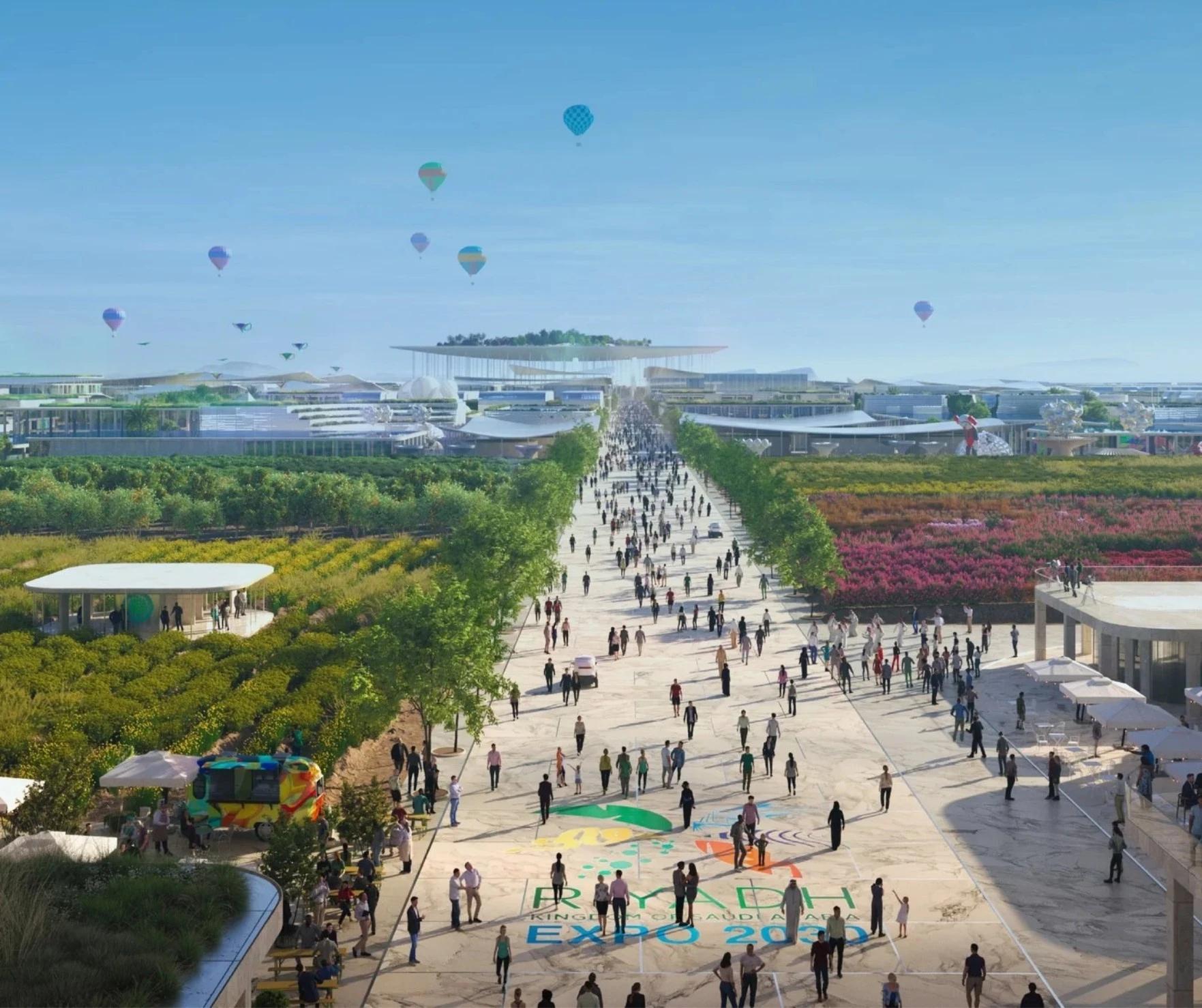
Creating and developing usable green spaces in the capital and across the nation, is part of the Kingdom's prioritisation in achieving a crucial objective outlined in the Saudi Vision 2030, aiming to enhance Riyadh's standing as one of the world's top 100 most desirable places to live.
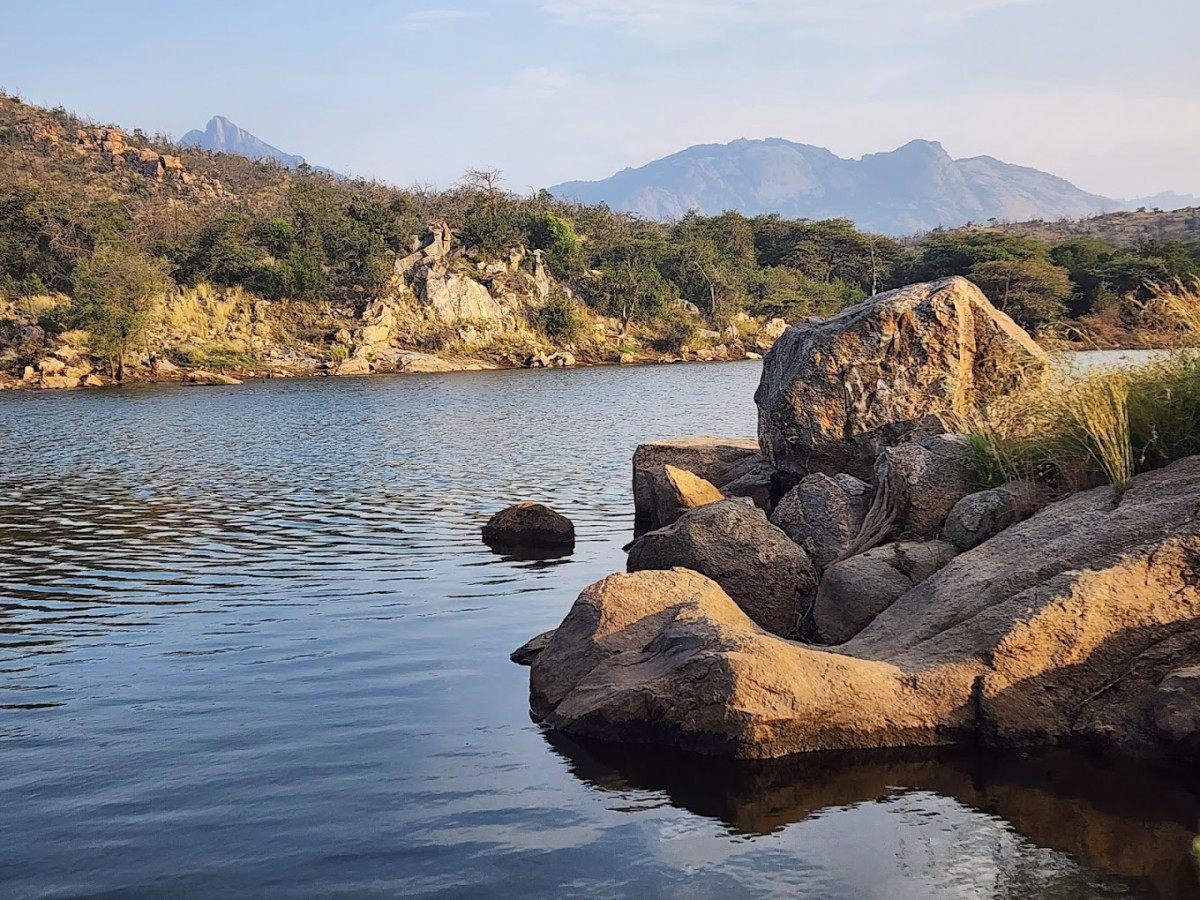
56 - King Abdullah Park: One of the most important tourist places in the Kingdom, attracting tourists and visitors from all over the world. It was established in the centre of Riyadh on an area of 320 thousand square meters, with 5 separate doors to allow visitors to enter freely from all directions.
57 - Prince Faisal Bin Bandar Park: A large park, ideal for families or getting some exercise, Prince Faisal Bin Bandar Park is one of the most visited parks in the city of Al-Bada'i in Qassim.
58 - Al-Sawda Park: Located west of Abha, Al-Sawda Park is located at an altitude of 3015 above sea level, and has moderate climate throughout the year. Many recreational activities such as cable car rides and parachute jumping can be practiced.
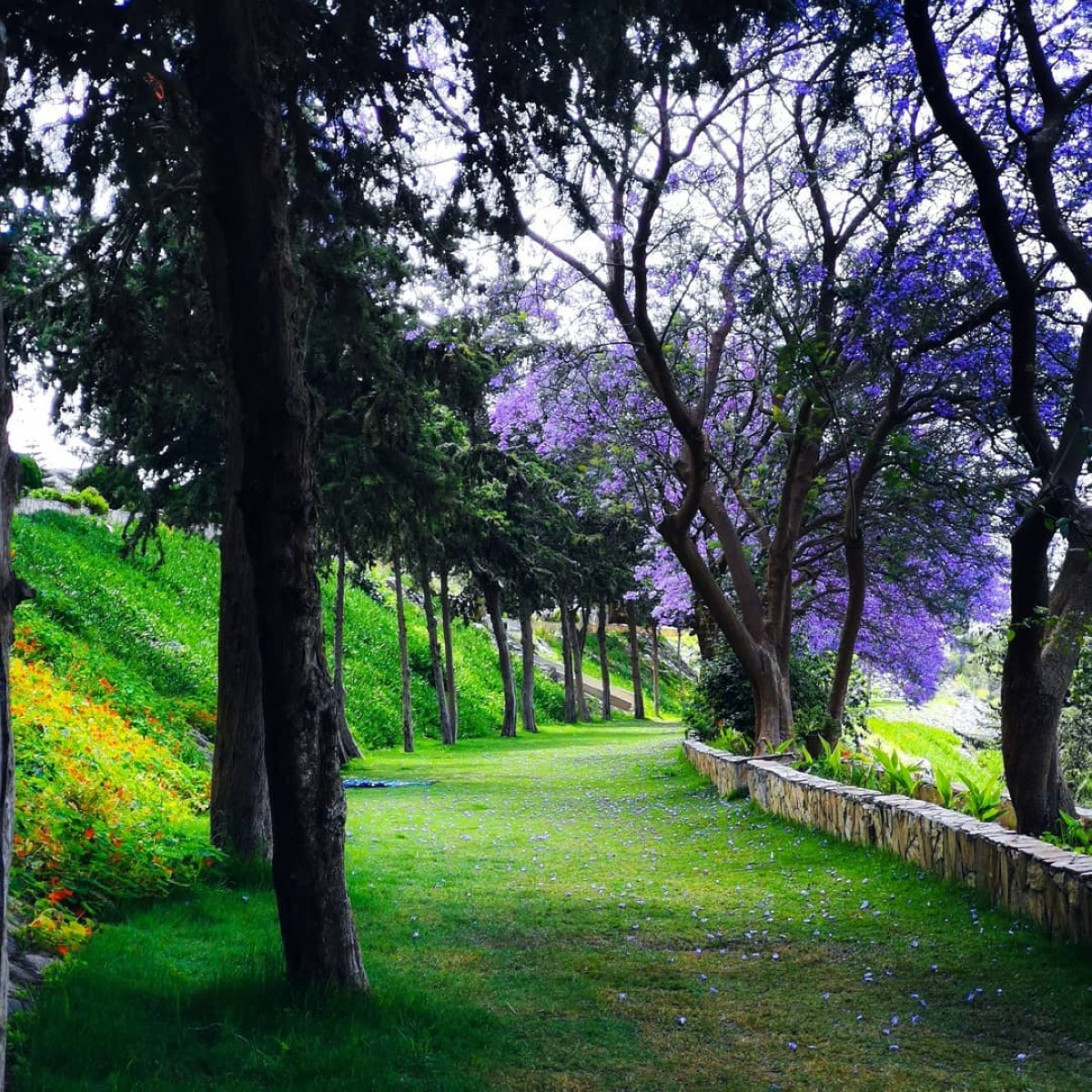
59 - Abu Kheyal Park: A hilltop park in Abha, Abu Kheyal Park offers visitors a gorgeous lush green park area, but also incredible panoramic views over Abha.
60 - King Abdulaziz Park: One of the important landmark parks in Asir, the King Abdulaziz Park is found just north of Jabal al Soudah, and has a thriving natural landscape and bio-diversity.
61 - Prince Sultan Park: One of the largest and most beautiful parks in Hail, located in the southeast of the city on King Saud Road, and is a destination for many visitors to enjoy the green spaces.
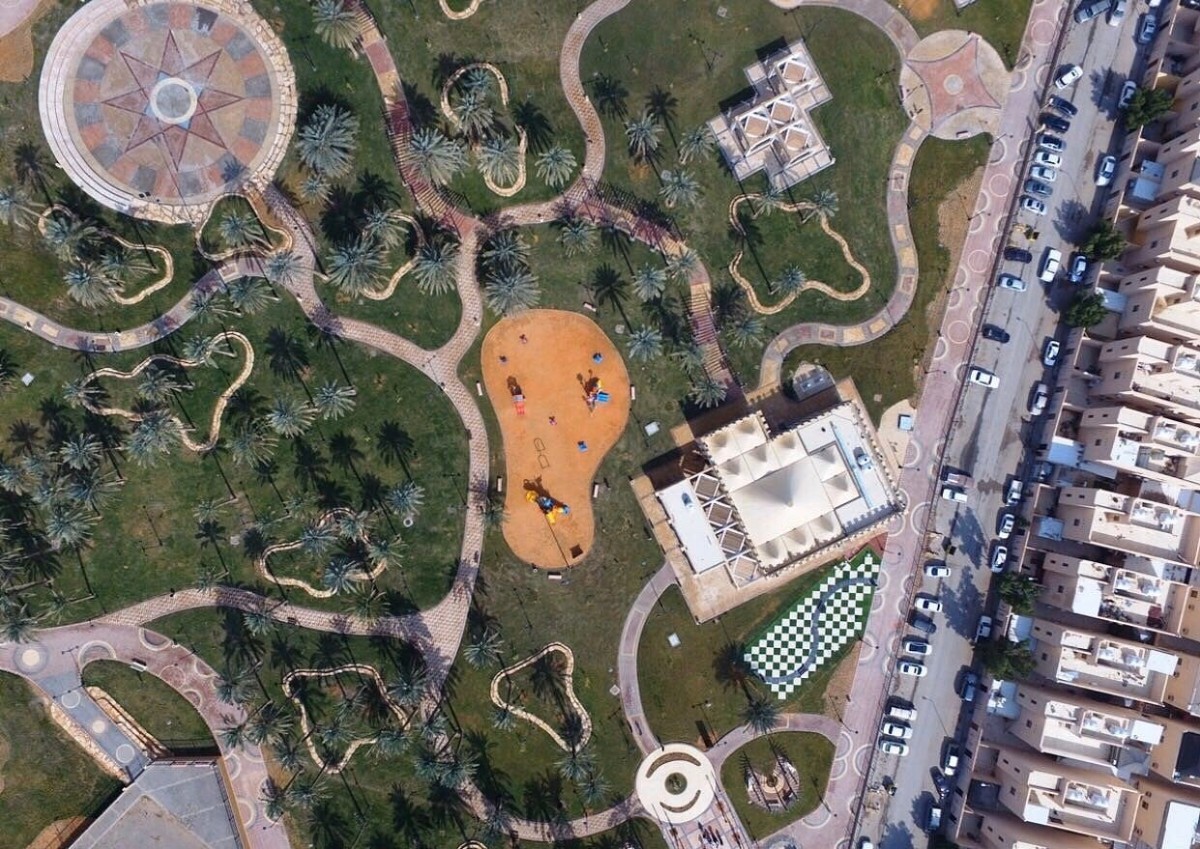
62 - Zarayib Forest: Located in the Al Baha region, the forest is ideal for nature lovers, and has beautiful waterfalls. The forest also has a medium-sized dam called Al-Amer Dam. The forest can be found between some villages, including Khairah, Al-Amer, and Al Shaaf villages.
63 - Al Qama Park: Al-Qama Park in Jabal Athrab, Baljurashi Governorate, is one of the most beautiful and charming parks in the Al Baha region, due to the density of trees and the beauty of nature in it.
Archaeological Palaces and Castles
Saudi Arabia boasts a rich history, reflected in its numerous archaeological palaces and castles. These architectural gems offer a glimpse into the Kingdom's past, showcasing diverse styles, historical significance, and cultural influences.
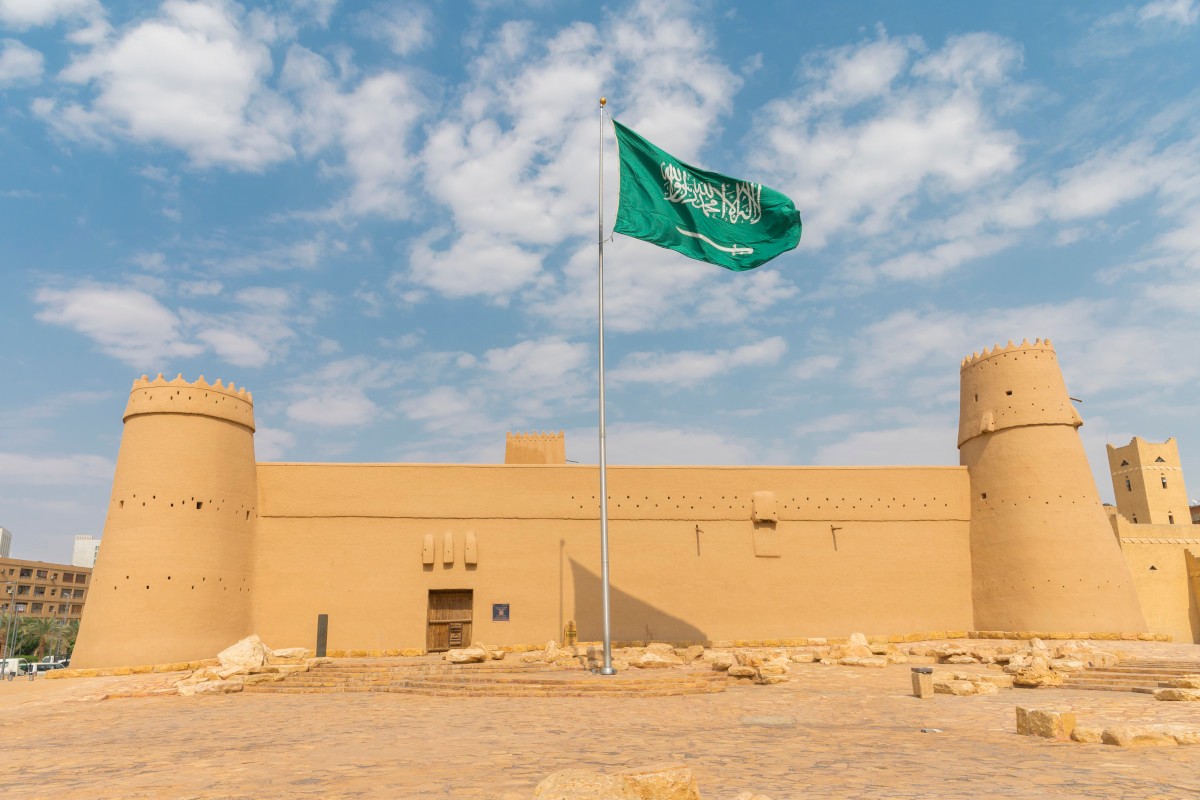
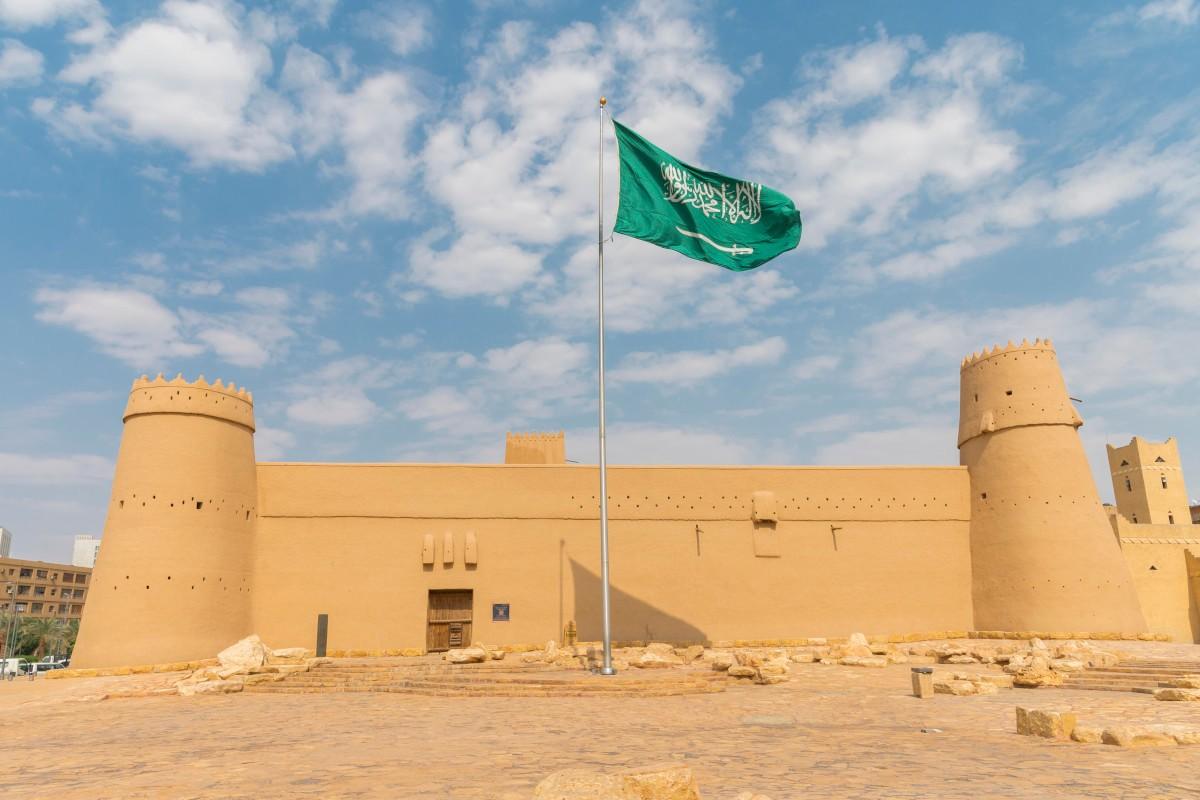
64 - Al Masmak Palace: It is one of the most prominent tourist destinations that includes vivid images of the story of the unification of the Kingdom. The palace was built in the fourteenth century AH, during the reign of Imam Abdullah bin Faisal. The palace was built in 1895. It now contains a museum dedicated to the contents of the unification of the Kingdom.
65 - Al-Hakam Palace: It is an ancient historical and political palace, established in the city of Riyadh. The palace has witnessed important historical events from its establishment to the present day, and the palace was known as the Palace of the Sheikhs.
66 - Tuwaiq Palace: One of the distinctive projects in the city of Riyadh, the palace is located in the Diplomatic Quarter in the west of the capital city. The palace is considered one of the most important venues for seminars, art and cultural exhibitions, and official receptions.
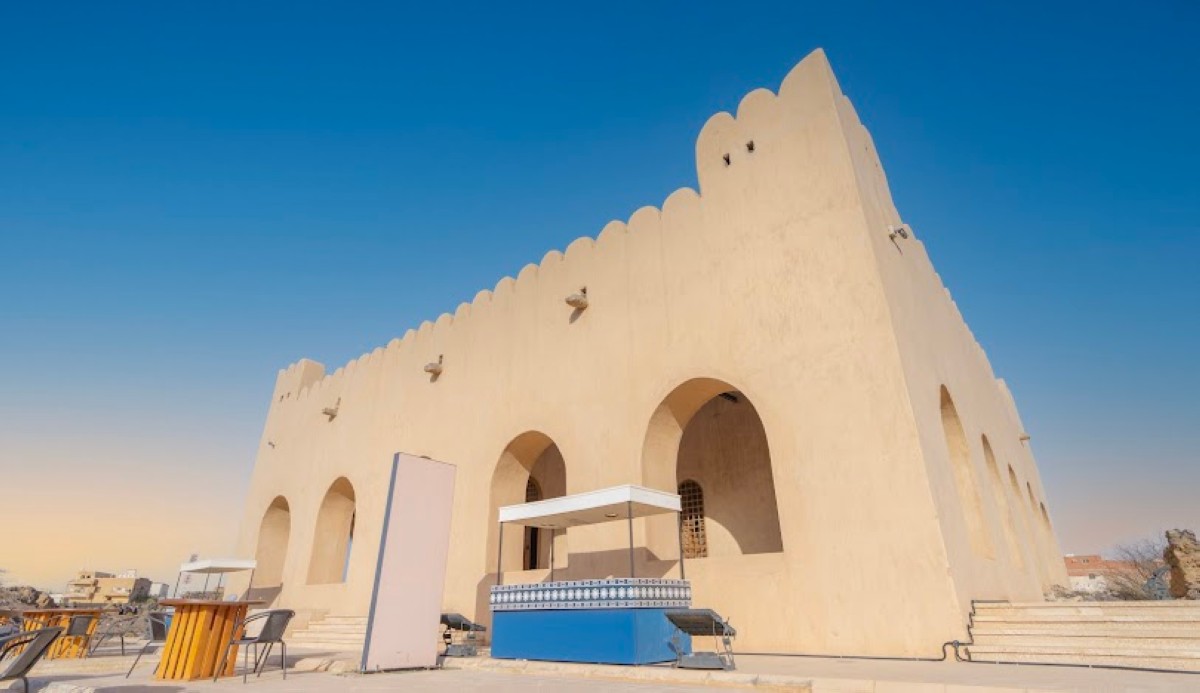
67 - Nassif House: One of the historical palaces that was established in Jeddah in 1289 AH, it gained historical and political importance as an ancient palace of hospitality for those visiting the Hejaz, where a number of kings and princes stayed, including King Abdulaziz bin Abdulrahman Al Saud.
68 - Urwa bin Al-Zubayr Palace: The most famous historical palace built on the banks of Wadi al-Aqiq, located west of Medina along the road leading to the Dhu al-Hulayfah Mosque, about 3.5 kilometres from the Prophet's Mosque.
69 - Shada Palace: The White Palace is one of the most important historical sites in the city of Abha. Its importance lies in the fact that it was built in the traditional Asir architectural style.
70 - Ithrah Old Castle (Almuthhin): It is located in Al Qurayyat in the north of the Kingdom. It is an archaeological building built from black basalt stones.
71 - Al Bassam Heritage House: Located near the western gate of the city of Unaizah, Al Bassam Heritage House is a unique example of Najdi architecture. Its foundations were constructed of stone, and the roofs, doors, and windows were made of oak wood.
72 - Arif Castle: An ancient castle located in the Hail region of northern Saudi Arabia, the castle is believed to have been built in 1840. It is considered one of Hail's heritage landmarks and is characterized by its location, which is easy to see from all parts of the city.
73 - Tabuk Castle: The ancient citadel of Tabuk is one of the stops on the Levantine pilgrimage route linking the Levant and the Hejaz. The castle was built in 967 AH - 1559 AD.
74 - The Amara Palace: It is one of the old palaces in the northern border region of the Kingdom. The palace was built during the reign of King Saud bin Abdulaziz Al Saud in late 1373 AH (1953 AD).
75 - Zaabal Castle: An ancient castle located north of the city of Sakaka in the Al-Jawf region in the north of the Kingdom. The castle is a wall built of stone and mud with four towers at its corners. The castle is more than 900 years old.
Museums
There are many museums across Saudi from unique and boutique home museums, to internationally renowned museums with seriously impressive exteriors and exhibitions that cannot be missed. From global art showcases to local creative talent and ancient archaeological finds, Saudi's museums are amongst the best in the world.
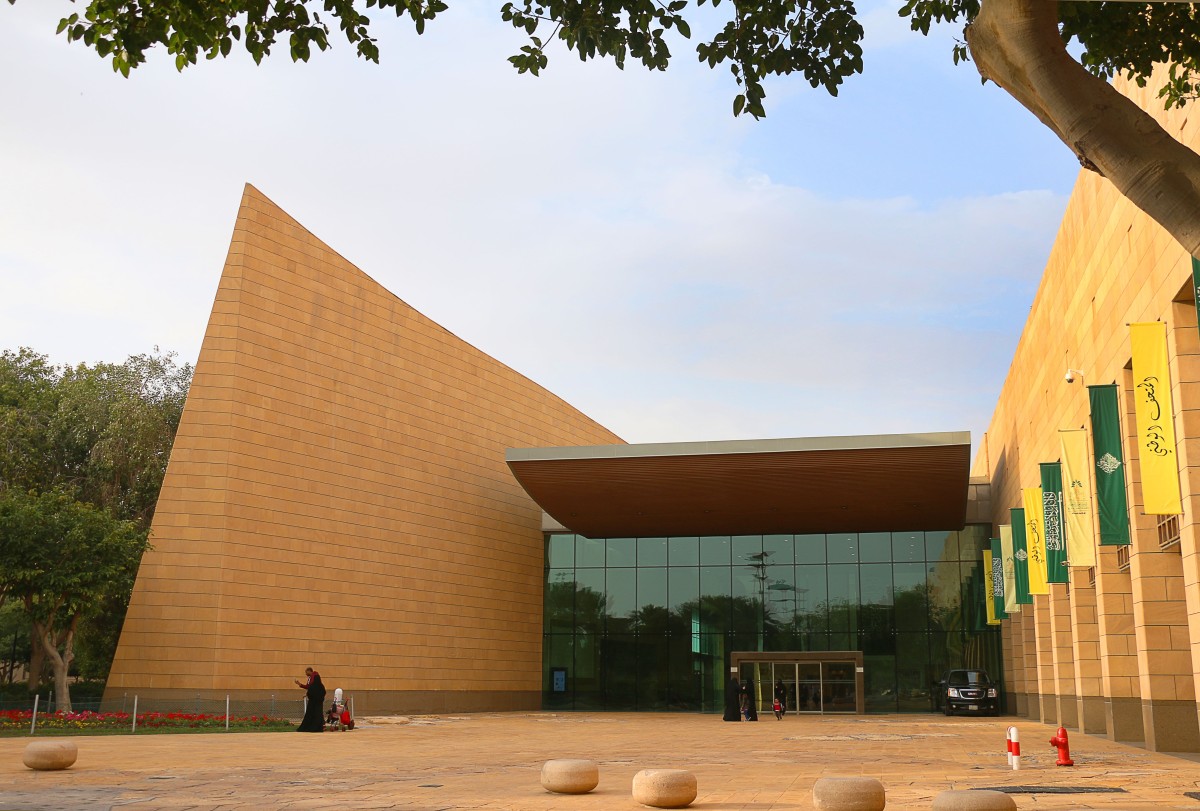
76 - The Saudi National Museum: One of the Kingdom's national landmarks. It is a reference to the country's ancient history and is a major centre for archaeological and museum services. It is located in the eastern part of the King Abdulaziz Historical Center in the capital.
77 - Dar al-Madinah Museum: Dar al-Madinah Urban and Built Heritage Museum is the first museum specialised in presenting the cultural, civilisational, and Islamic history of Madinah.
78 - Abdul Raouf Khalil Museum: The Abdul Raouf Khalil Museum is one of the most important and beautiful museums and tourist attractions in Jeddah due to its cultural and archaeological importance. The museum has been visited by many politicians and princes, most notably King Charles and Princess Diana.
79 - Al-Uqailat Museum: One of the museums of the Qassim region, located in Buraydah. The museum contains more than 10,000 historical documents related to the Al-Uqailat. Al-Uqailat is a trade movement that starts from Najd, especially Qassim, towards the countries bordering the Arabian Peninsula, dating back about 300 years ago and ending with the demarcation of borders.
80- Al Hamdan Heritage Museum: It is one of the museums of the Qassim region, located in the province of Unaizah, founded by Ibrahim bin Saleh bin Hamad Al-Hamdan. It is a large farm with a large number of heritage buildings. The museum tells the history of the region and its civilization.
81 - Buraydah Museum: Buraydah Museum is a historical experience for visitors by conveying history through exhibits that are worth exploring, as it has exhibits about the country's history and glories.
82 - Jadeah Castle: It is one of the museums of the Qassim region located in Al-Rass governorate, founded by Khalid bin Mohammed Al-Jada'i. It is a castle that contains a group of old buildings and rooms, the famous Bait Al Jaddah, a mosque, and more than 33,000 valuable and rare heritage items.
83 - Northern Border Museum: The museum, located in the city of Arar, contains exhibition halls, the Kingdom's archaeology hall, natural history, and geology, which includes geological images of the Northern Borders region, its environments, and its most important components.
84 - Najran Regional Museum: The museum was built in 1403 AH - 1983 AD near the Al-Okhdood archaeological site. The entrance hall contains maps of archaeological sites in the Najran region, the network of museums in the Kingdom, photographs, heritage exhibits, and a prehistoric pavilion.
85 - Regional Museum of Antiquities and Heritage in Al-Baha: On an area of 9,000 square meters, next to the Raghadan Tourist Village, Al-Baha Museum was built in a modern architectural style, with 4 floors and 8 halls, to give its guests the opportunity to follow chapters of the history of Al-Baha and the region.
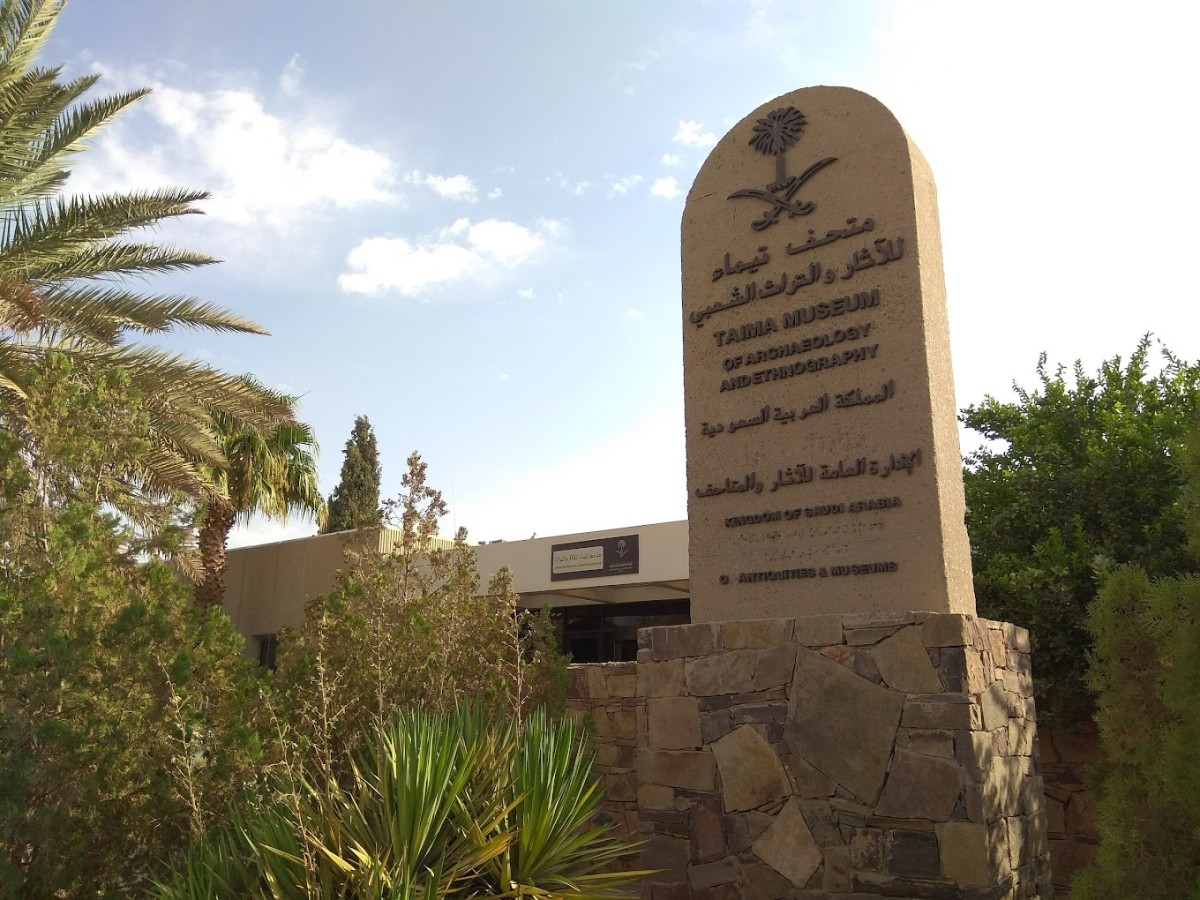
86 - Taima Museum: It is an archaeological museum located in the city of Taima. The museum contains paintings of maps of archaeological sites in Taima and displays a group of artefacts, writings, and ancient rock inscriptions spread in the region, the most important of which is the Taima Obelisk, which was exhibited for some time in the Louvre Museum in Paris.
Libraries
87 - King Fahd National Library: Located in Riyadh, the King Fahd National Library is a living example of Arab civilisation, as it contains rare manuscripts and books. The library also takes an active part in local and Arabic exhibitions.
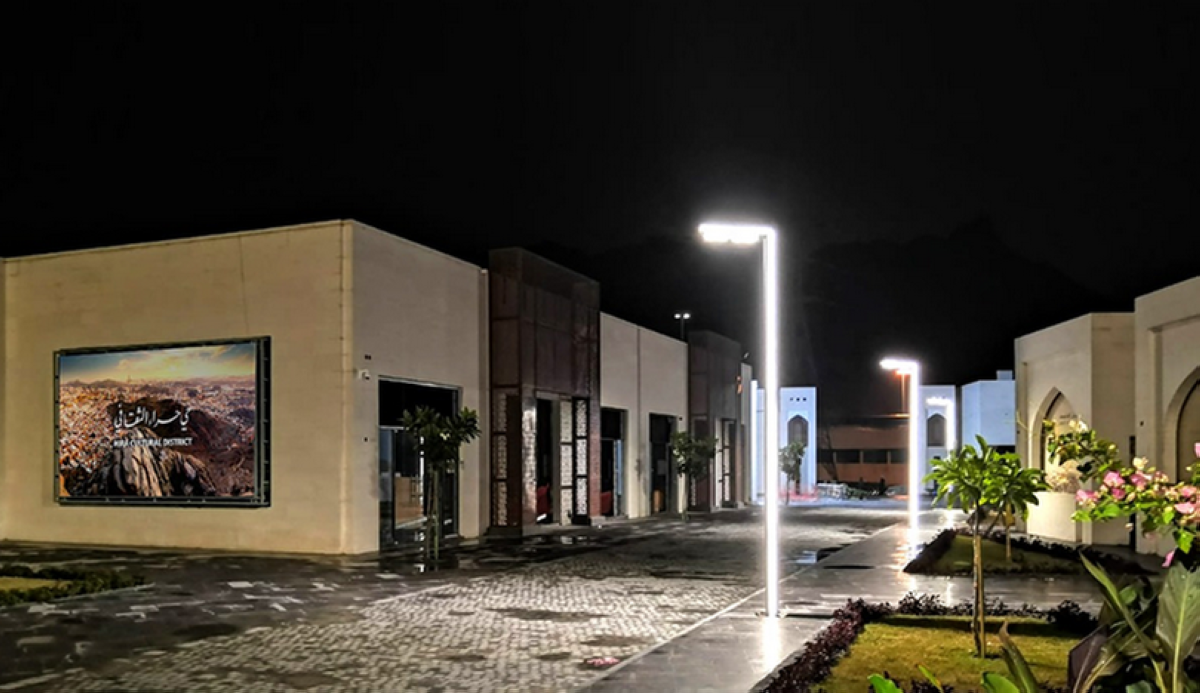
88 - Hira Cultural District: A unique tourist attraction in Makkah, the Hira Cultural District offers a unique enrichment experience, in a cultural, historical, and recreational journey to the worlds of the past, to remain alive in the memory. The area of the district is estimated at approximately 67,000 m2.
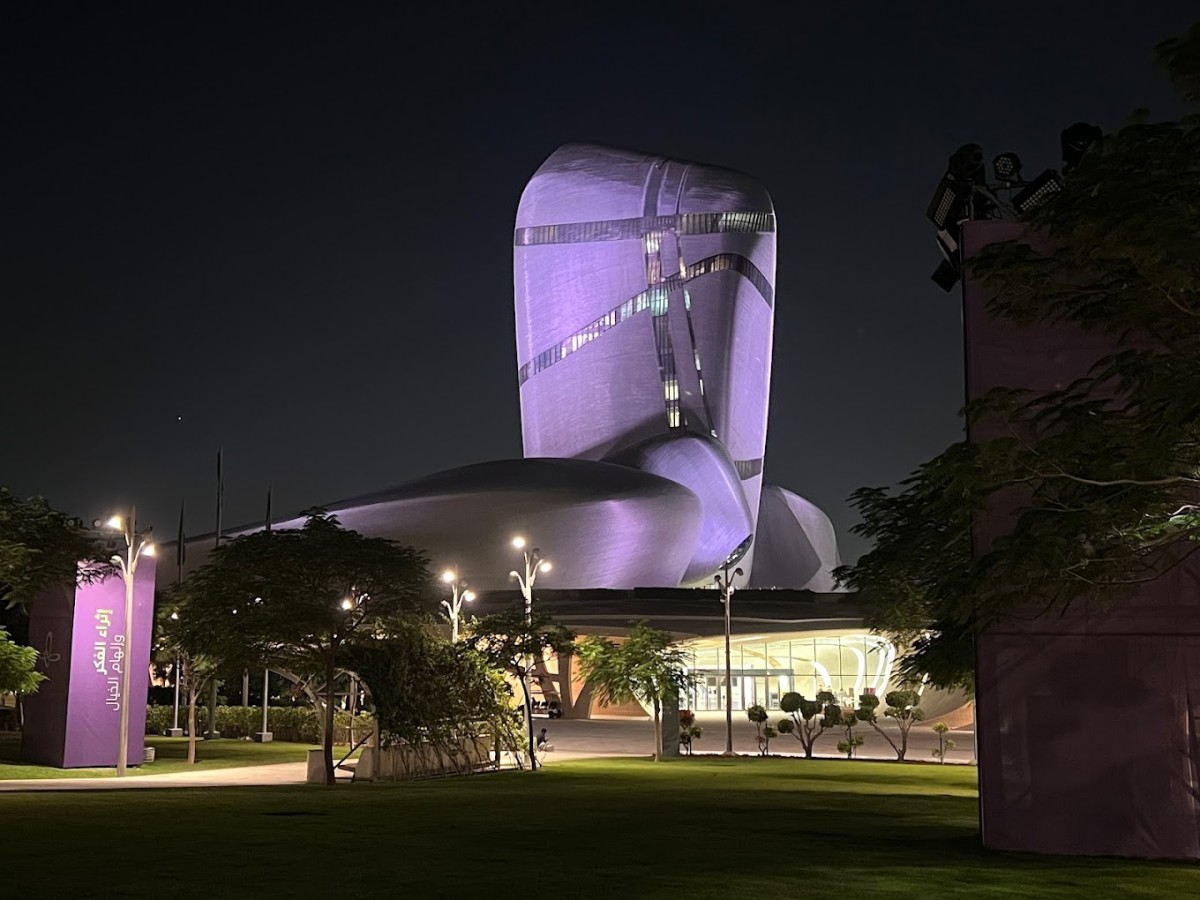
89 - King Abdulaziz Centre for World Culture (Ithra): A global cultural centre and an initiative of Saudi Aramco, located near the Bir al-Khair site in Dhahran. It contains several facilities, including a modern library, a laboratory, a museum with multiple halls, a theatre, a cinema, an energy gallery, a large hall to hold the largest exhibitions and host the most important events, and a children's museum.
90 - Wadi Arar: Wadi Arar starts about 125 km from the city of Arar, and flows southwest to northeast, behind the city of Arar and merges with many valleys and reefs.
Cities, Villages, and Neighbourhoods
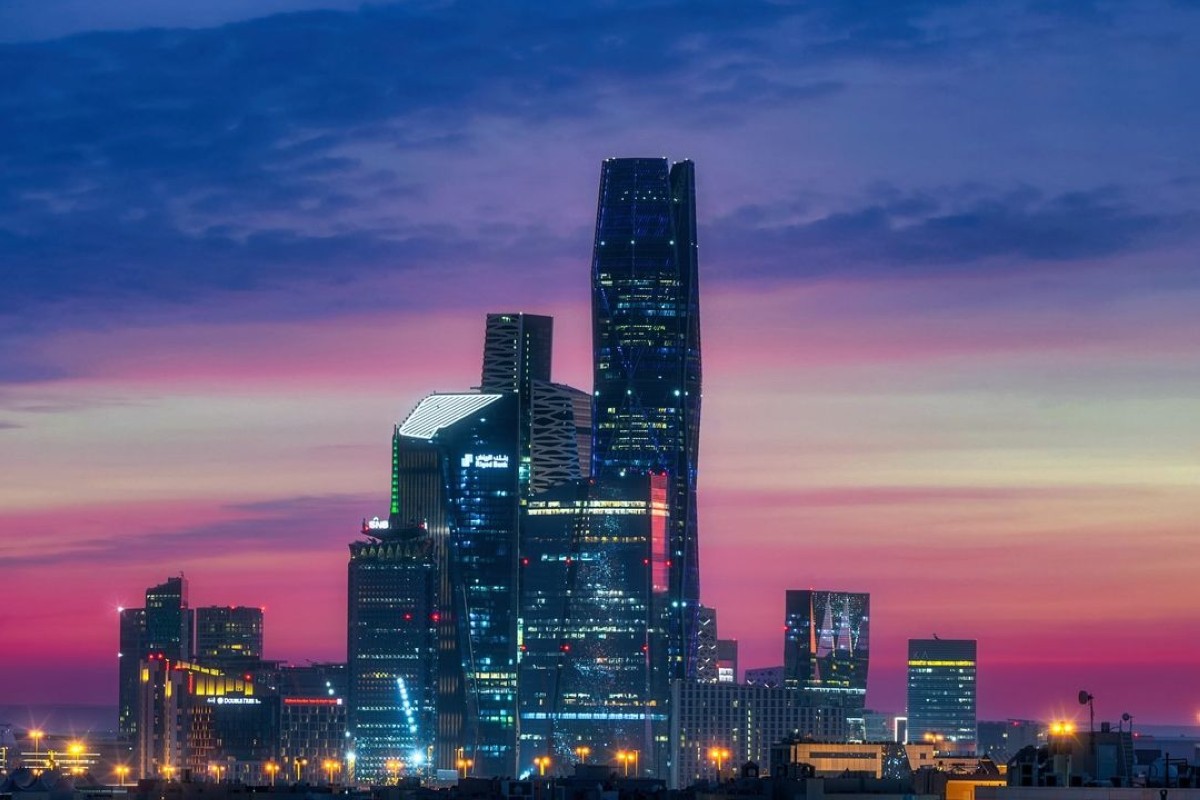
91 - Diplomatic Quarter: The Quarter is located in the west of the city of Riyadh and was built on a land area of about eight square kilometres. The area in which the neighbourhood is located has become one of the most important modern development areas in Riyadh.
92 - Al-Basta District: One of the oldest residential neighbourhoods in Abha, as it has become a heritage and architectural painting in the region, decorated with its inscriptions and bright colours. It contains a number of distinctive cafes with a popular style, outdoor seating, and markets.
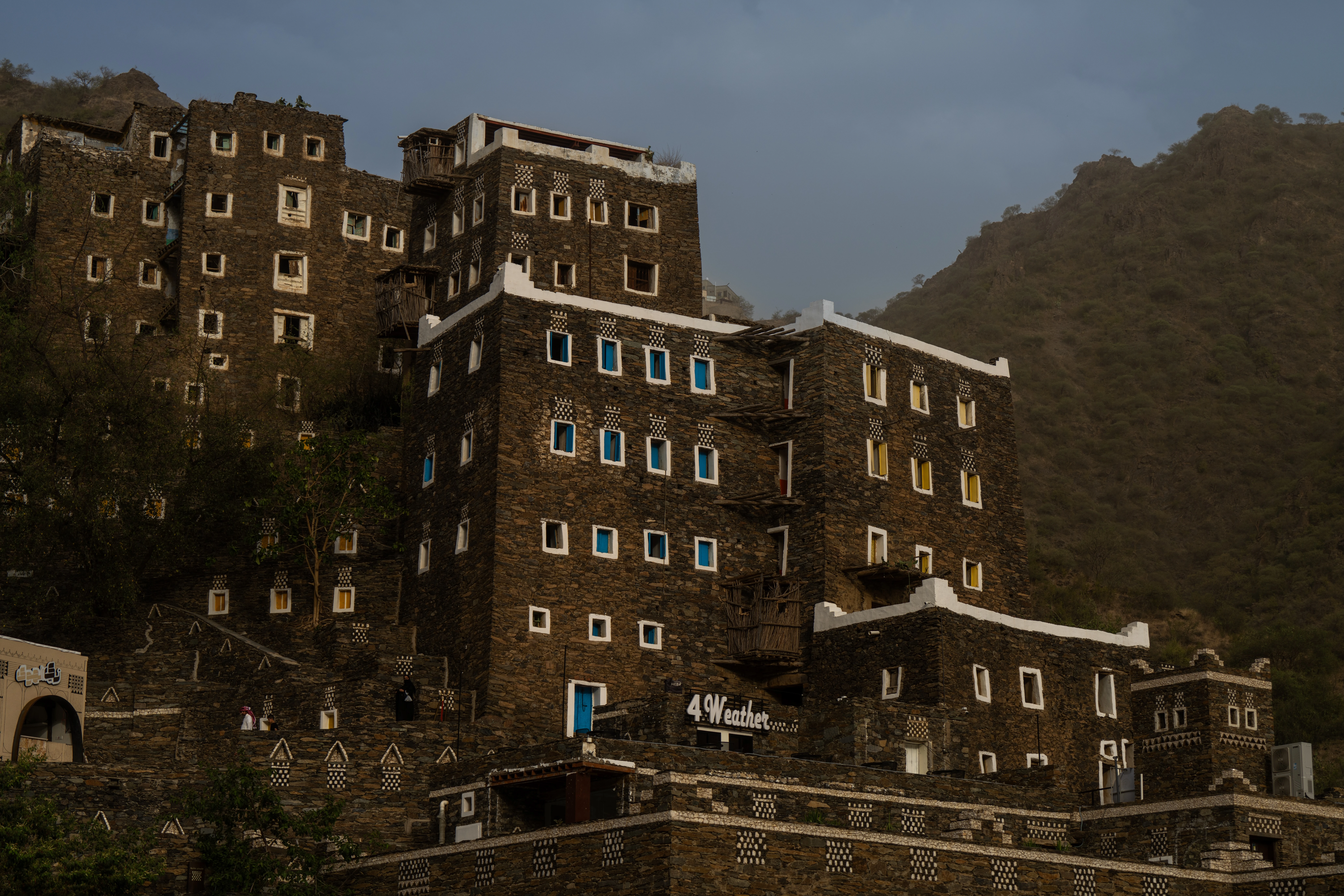
93 - Rijal Almaa Village: It is a heritage village located in Rijal Almaa governate in the Asir region in southwestern Saudi Arabia. It has geographical and cultural advantages that enable it to be a tourist destination for tourists.
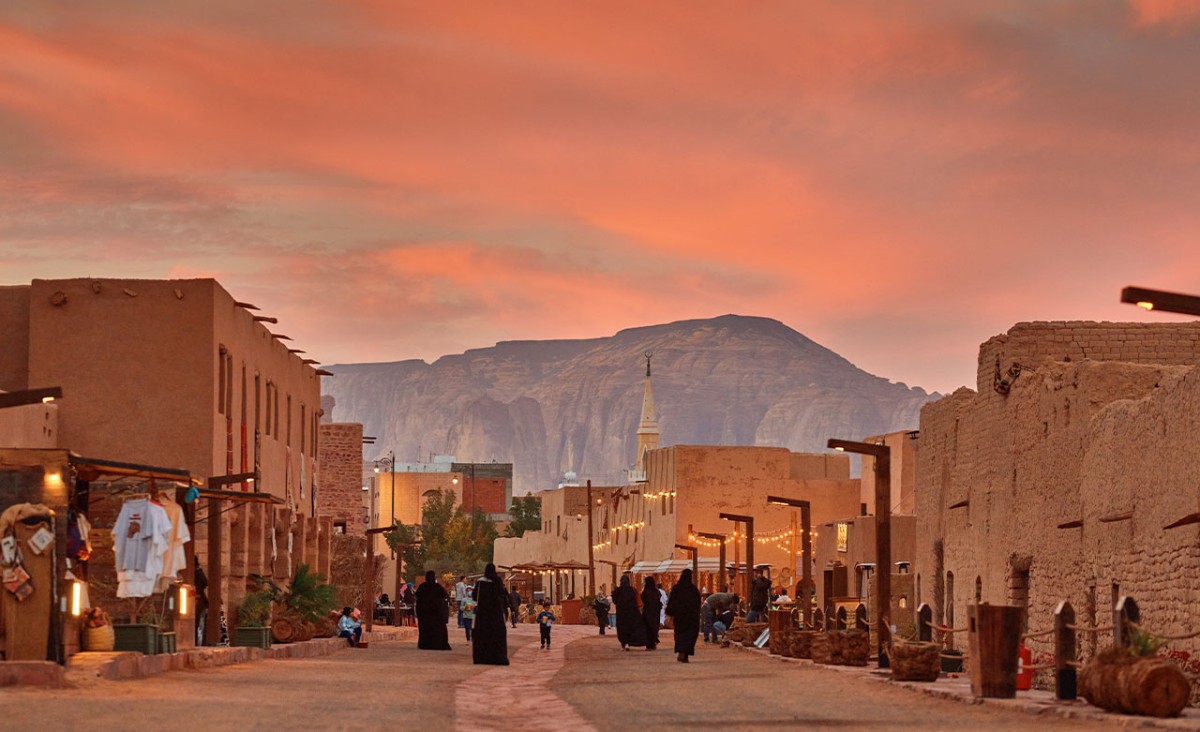
94 - AlUla Old Town: Don't miss out on the complete AlUla experience, and ensure you visit the alleys and souks of AlUla's Old Town, a village that represents the Kingdom's traditional architecture as numerous houses and buildings are still made of brick and mud.
95 - Al Jadidah Arts District: An arts and culture hub in the heart of AlUla, this neighbou rhood offers visitors an exceptional heritage experience through its souks and restaurants.