



Qatar is full of surprises when it comes to parklands and biodiversity – 23 per cent of the nation’s landmass is dedicated to conservation, including protected islands, expansive deserts and coastal mangroves home to oryx, camels, flamingos and endangered turtles, to name but a few species.
In addition, ornithologists have identified some 280 species of birds, 25 of which live in Qatar year‐round. The nation’s nature reserves are uncrowded and its parks are peaceful places, with tonnes of sporting facilities, offering an antidote to the mega malls and high-rises of Doha. Going in search of Qatar’s wildlife is all part of the experience, whether it be by an urban lake, on desert safari on a 4WD or silently kayaking around the nation’s coastal waters in the salty breeze.
1. Al Reem Biosphere Reserve
With coastal cliffs, salt flats, and desert scrub, Al Reem is a full Arabian wilderness experience. Located in the county’s northwest, Al Reem is Qatar's first UNESCO-recognised biosphere reserve, accounts for around 10 per cent of the nation’s landmass, and is home to the Arabian oryx, Qatar's national animal. Visitors can go on off-road safaris, in search of wildlife such as foxes, wildcats, caracals, desert hares, wild ibex and of course oryx – these antelope-like creatures are graceful, but can be territorial, so observe them from a distance. Stick around after dark, the dry atmosphere and virtually no light pollution means epic stargazing. Bring snacks and water, there’s nothing for miles around in this remote, wild place.
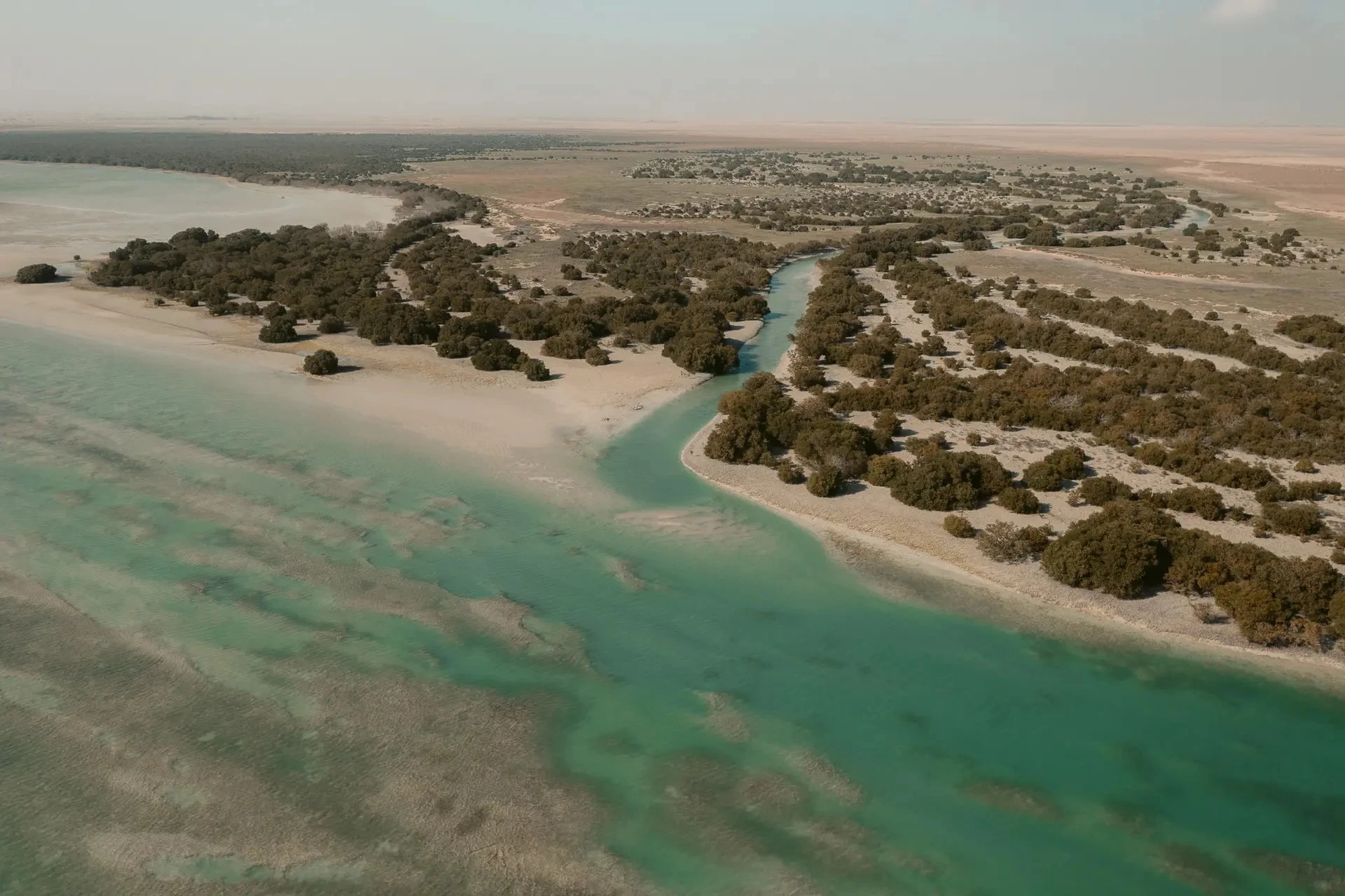
2. Al Thakira Mangroves
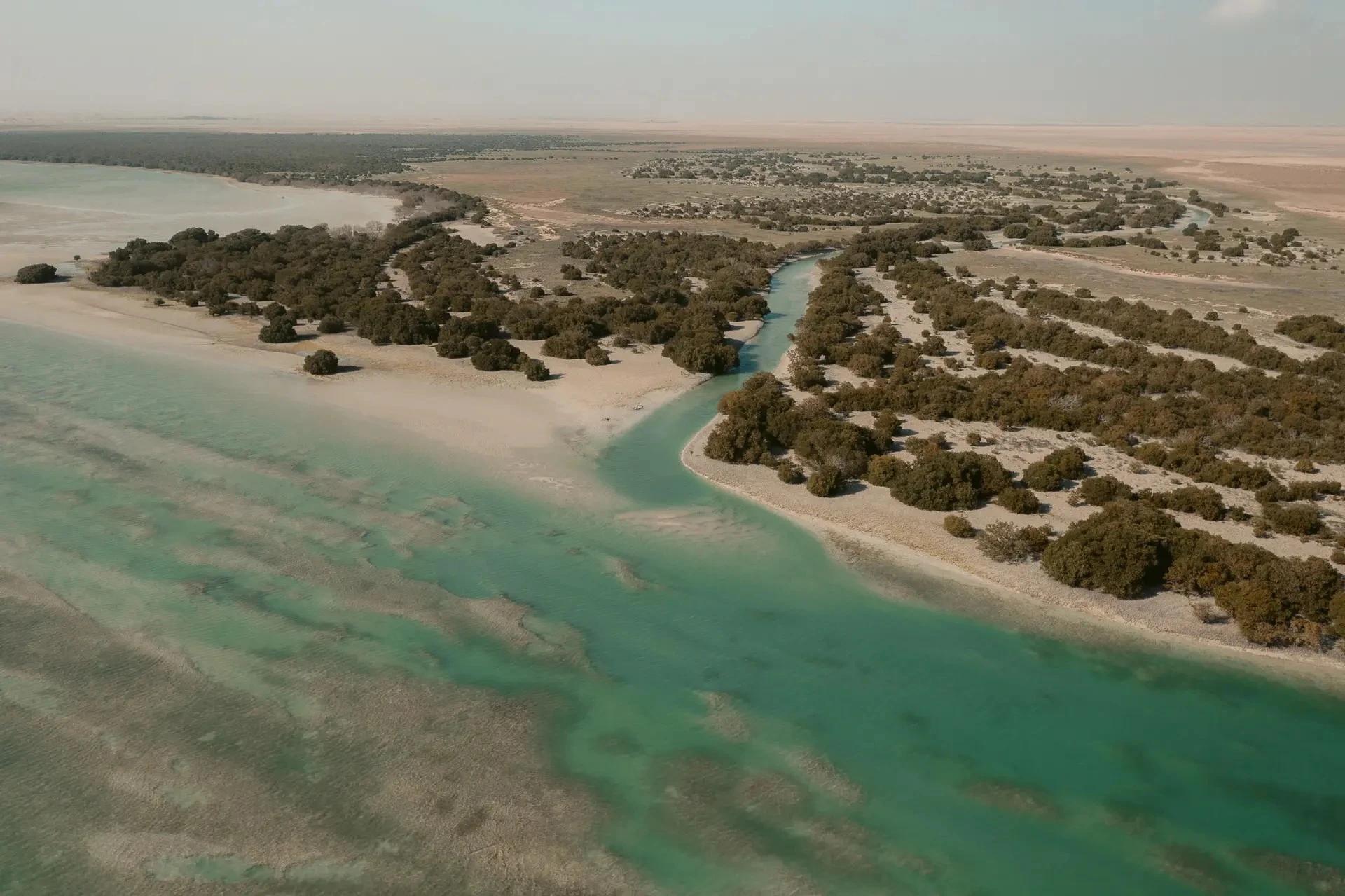
Qatar is mostly desert, but in the country’s northeast hides a completely unexpected lush green oasis of mangroves, specifically the grey or white Avicennia Marina, which has evolved to grow in salt water. With this unique foliage comes a captivating ecosystem. By kayak, visitors can silently glide through the labyrinthine mangroves going in search of flamingos and herons. Fish, crustaceans (especially crabs), and the occasional curious fox can also be spied in and around these waters. Birders should visit in the cooler months, when various species such as gulls, cormorants, waders, geese, mallards, and teal migrate here.
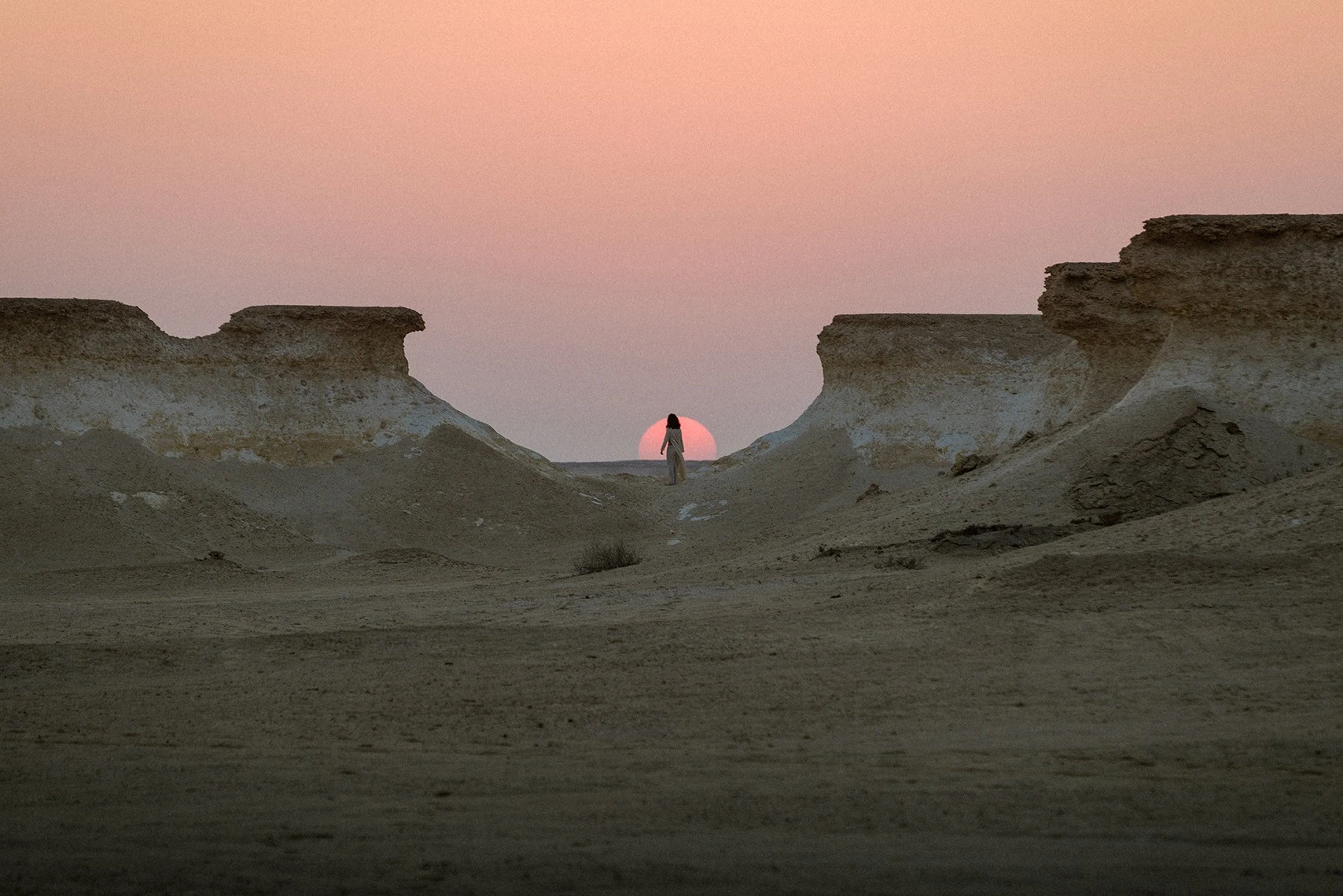
3. Ras Abrouq Nature Reserve
Expect mushroom-shaped limestone rock formations and fossilised beaches in the geologically fascinating area of Ras Abrouq, with resident wild deer, ostriches and Arabian sand gazelles. Early morning and dusk are best for animal spotting, before the scorching midday heat. Combine wildlife viewing with a visit to the nearby Richard Serra sculptures for a surreal, art-meets-nature moment.
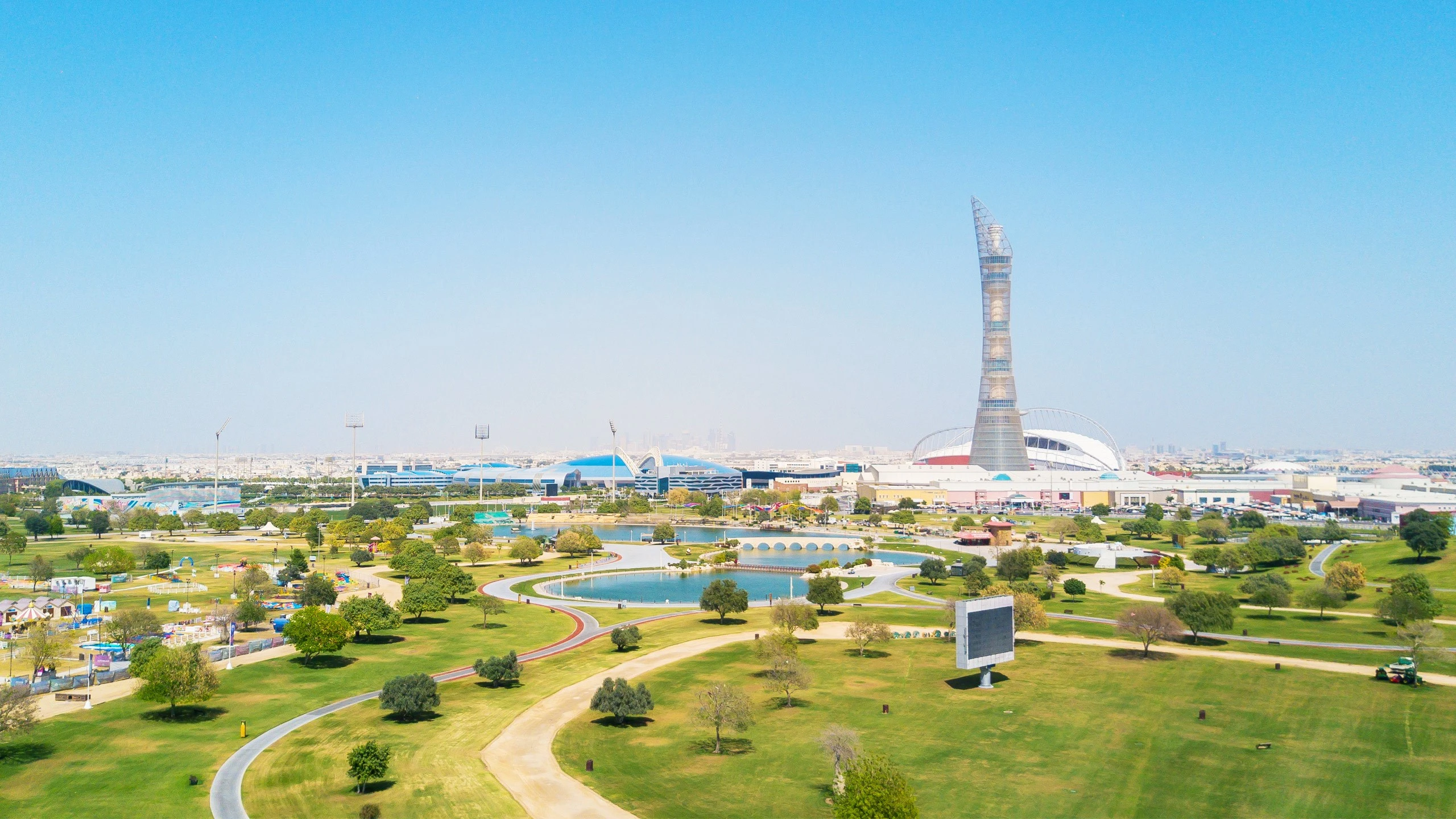
4. Aspire Park
In the shadow of the Torch Doha, the 300-metre-tall beacon for the 2006 Asian Games, is Aspire Park – Doha’s biggest green space, just under a square kilometre in size. It has manicured lawns, a lovely artificial lake, and lots of facilities – playgrounds, running tracks, and even an outdoor gym (open 24 hours). The place is buzzing with life in the cooler winter months with families, joggers and nature lovers. There are palms, bougainvillaea, and the occasional heron to spot on the water.
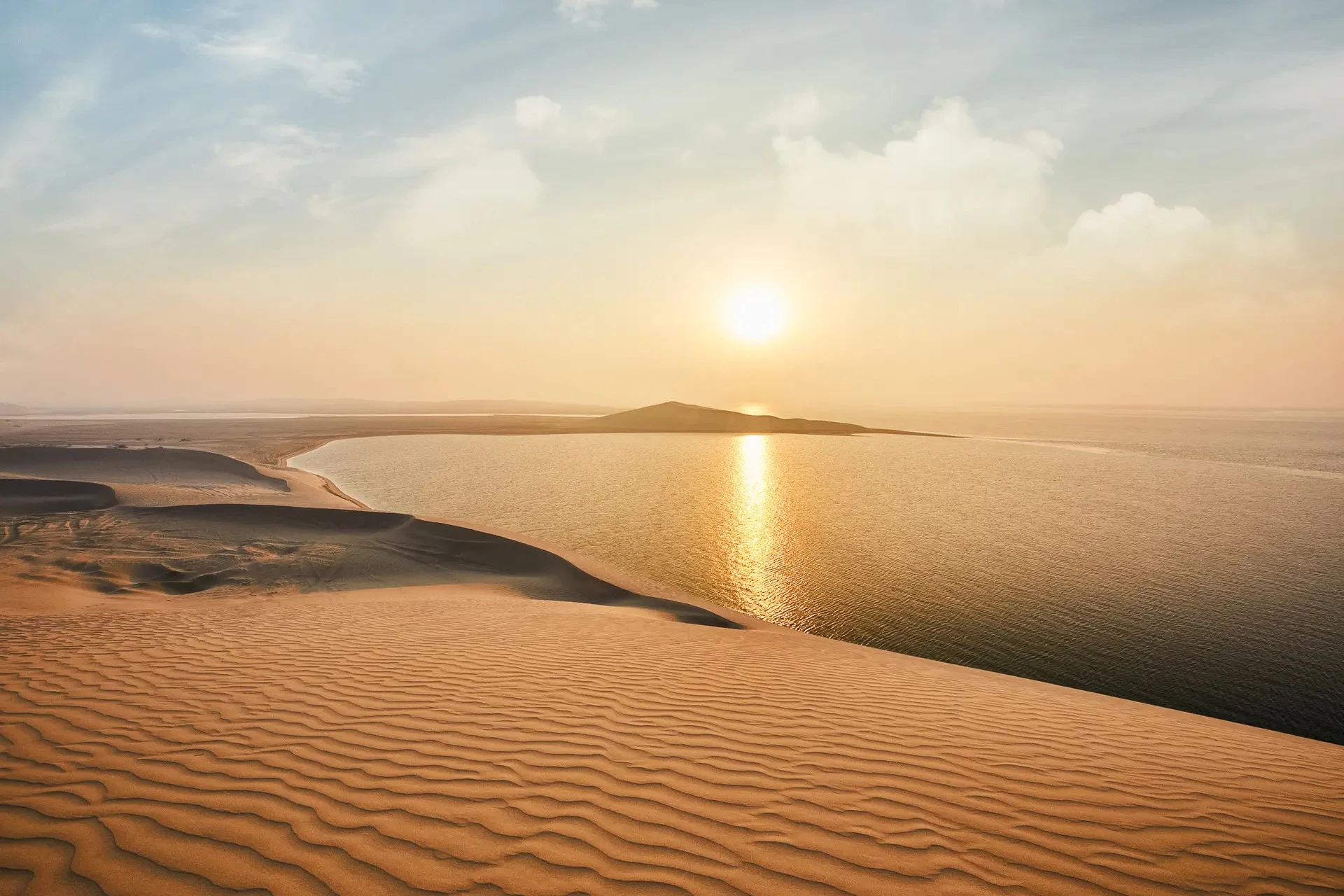
5. Khor Al Adaid
Qatar's ‘inland sea’ is surrounded entirely by rolling desert dunes, offering the most striking scene. Only accessible by 4x4, the UNESCO-recognised Khor Al Adaid site stands between Qatar and Saudi Arabia, and is a refuge for dugongs and migratory birds. It’s also a breeding ground for the endangered hawksbill turtle, which return annually to nest. No visit or photo is entirely the same, thanks to the shifting sand dunes and tidal embayments.
6. Dahl Al Misfir Cave Reserve
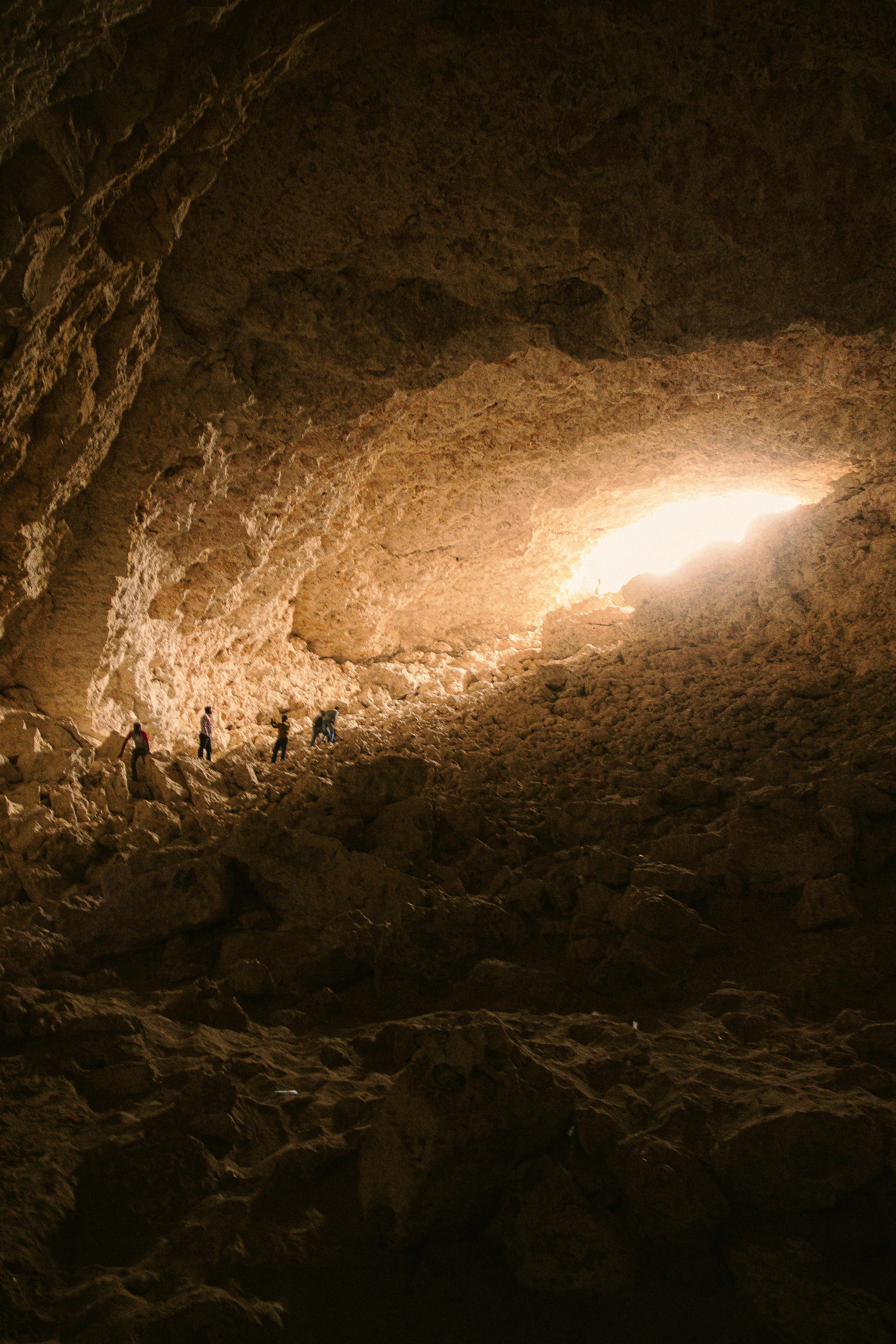
Located in central Qatar, Dahl Al Misfir is a deep sinkhole cave, reaching 40-metres into the ground, which is formed of gypsum crystals that glow under light. Outside look for wagtails, nightjars, bee-eaters and Eurasian hoopoes overhead, and, while there’s not an abundance of wildlife in these dark passages, you may spot lizards or insects in the cave. Geologists will be in their element – look out for ‘desert roses’ here, these rocks with dainty petal-shaped formations are made of gypsum crystals.
7. Al Mashabiya Nature Reserve
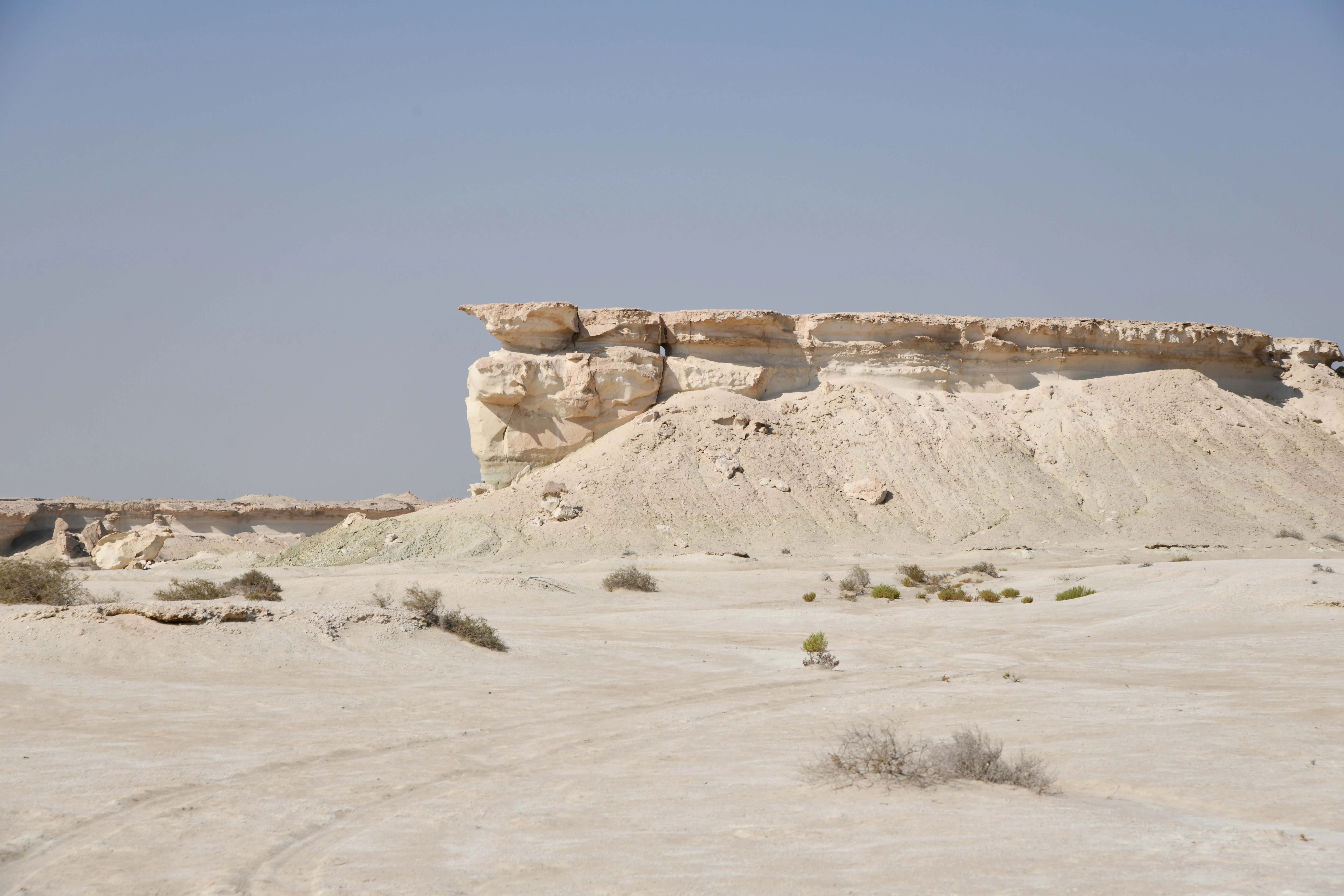
This sleepy reserve is all about going slowly and complete solitude. Set up a nature-watching base with chairs and shade and watch quietly – you may see shy Arabian sand boas, jerboas, and foxes among the acacias, and hardy desert grass and shrubs, which can thrive in these starkly arid plains.
8. Rawdat Al Faras Reserve
During the few times a year that it rains in Qatar, the nation’s ‘rawdats’ (or natural depressions), fill with water. During these moments of moisture, Rawdat Al Faras, in Al Khor, turns into a wetland oasis, attracting birds, insects, and wildflowers. Catch it in spring after a rain to see it explode with colour, and attract butterflies and bees. The whole year it offers peaceful hikes and picnics under birdsong.
9. Fuwairit Beach Turtle Reserve
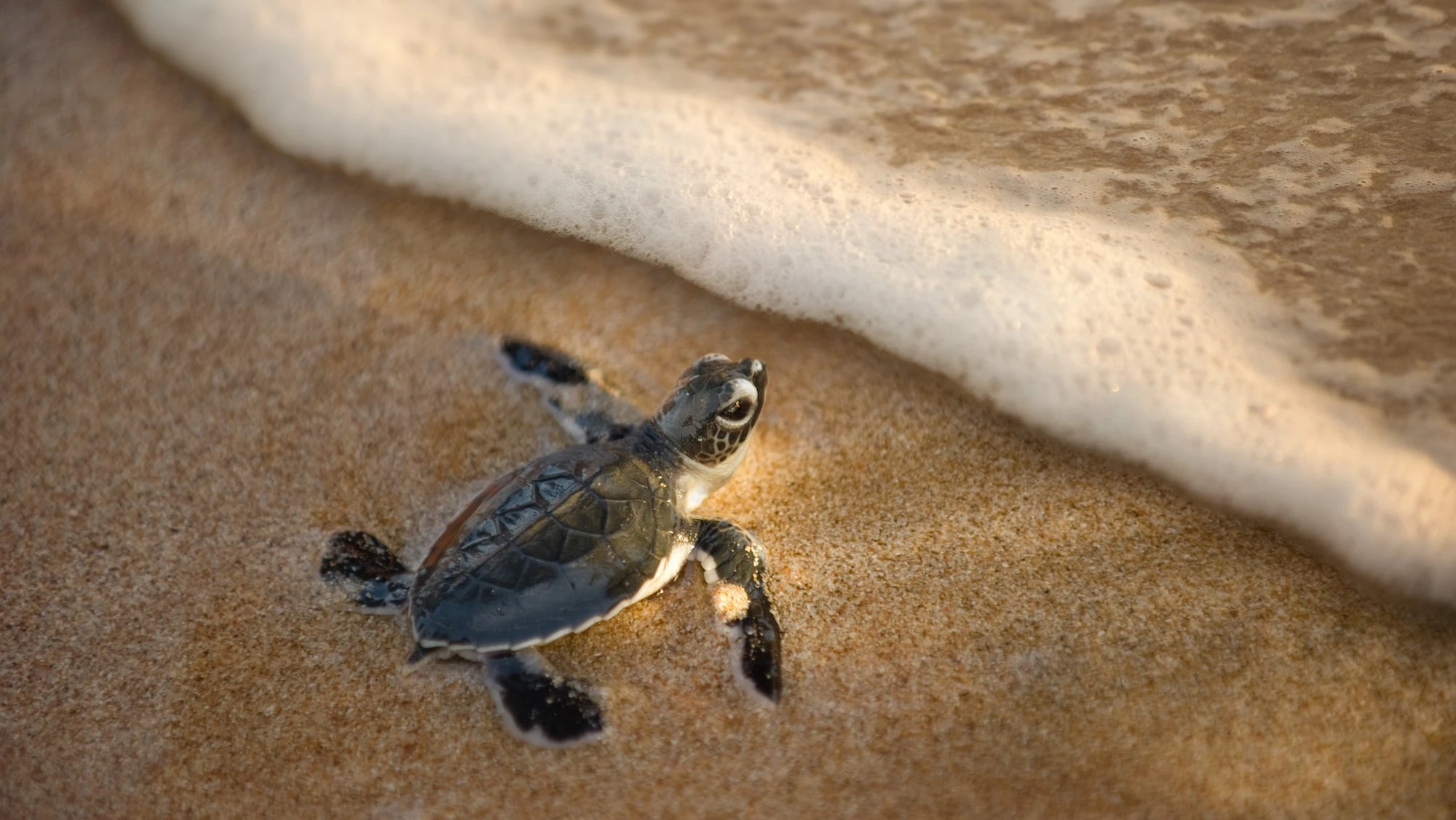
At night between April and July, Fuwairit Beach becomes a maternity ward for hawksbill turtles, while the beach can be closed off to protect these endangered mums and their babies, conservation projects allow volunteers to guard the nest and their hatchlings, and sometimes offer guided visits, in association with Qatar Museums, allowing people to see the heartwarming scene of baby turtles making a run for it into the sea for their first swims.
10. Al Bidda Park
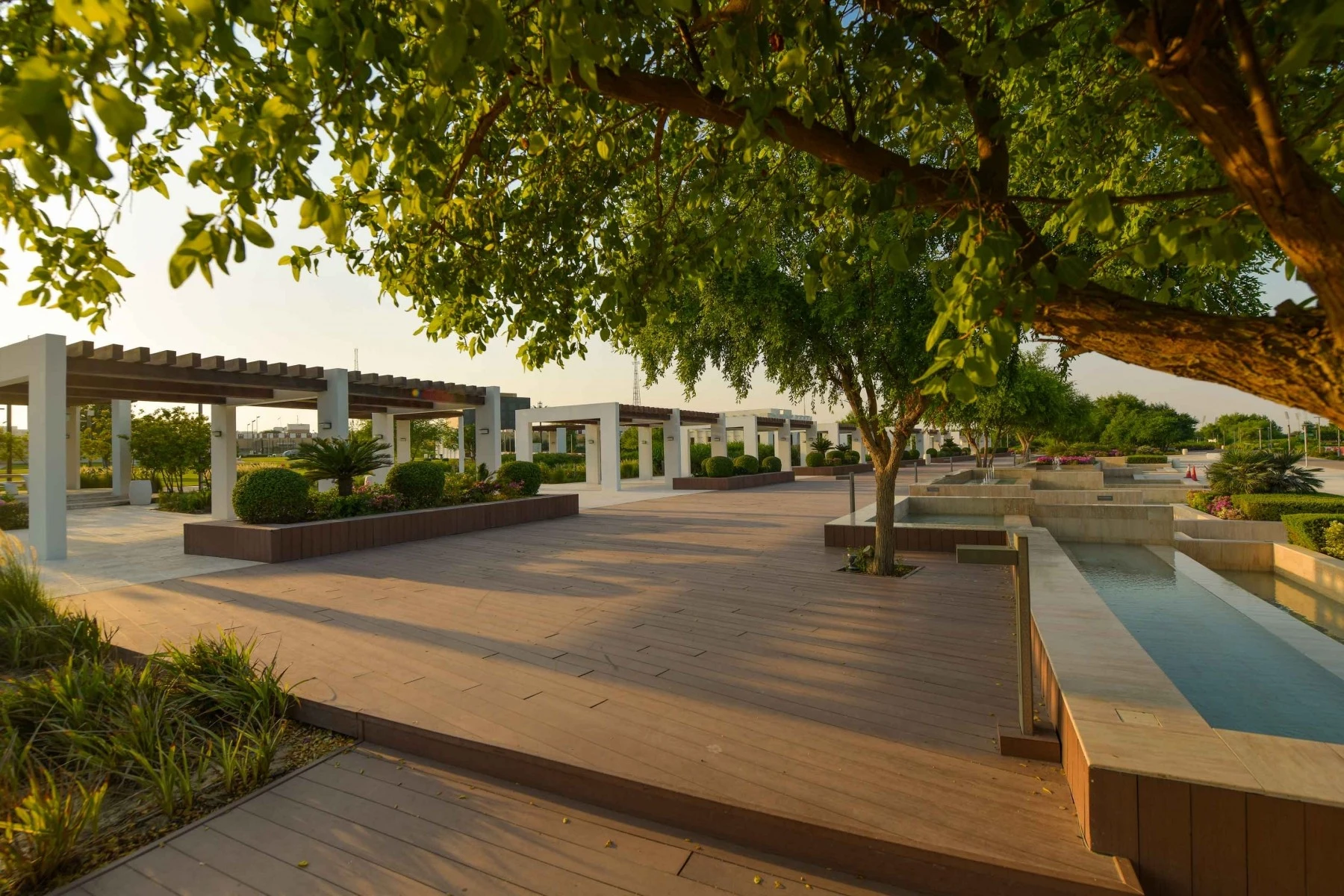
On Doha’s Corniche, Al Bidda Park fuses lush greenery with urban life. It’s packed with walking and cycling tracks, some on hills, plus sports courts, barbecue areas, and gazebo-covered picnic spots. The well-maintained lawns and gardens cover an area of around 800,000 square metres, with sidra trees, vibrant flower beds and two mazes to get lost in. Look out for sports tournaments on the park website for both adults and children.
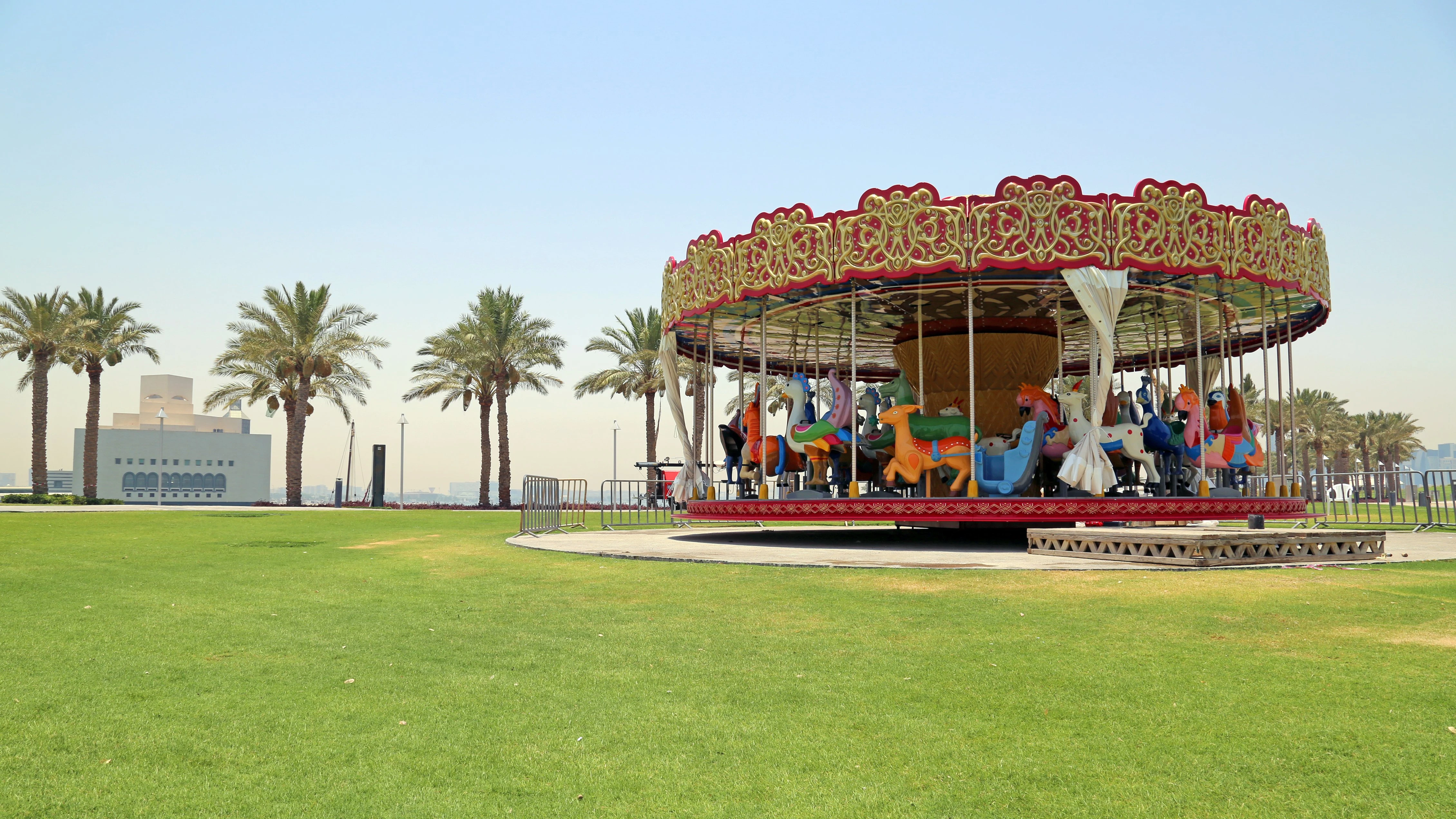
11. MIA Park
Where culture and calm collide, MIA Park sits behind the striking Museum of Islamic Art. This is the spot to take in the sweeping views of Doha’s skyline and the buzz of the palm tree-lined waterfront promenade, where there’s occasional coffee trucks, yoga sessions, and open-air markets. There’s a large playground for kids and art installations scattered throughout, which the whole family can enjoy. Rent a bike or scooter to explore the promenade further.