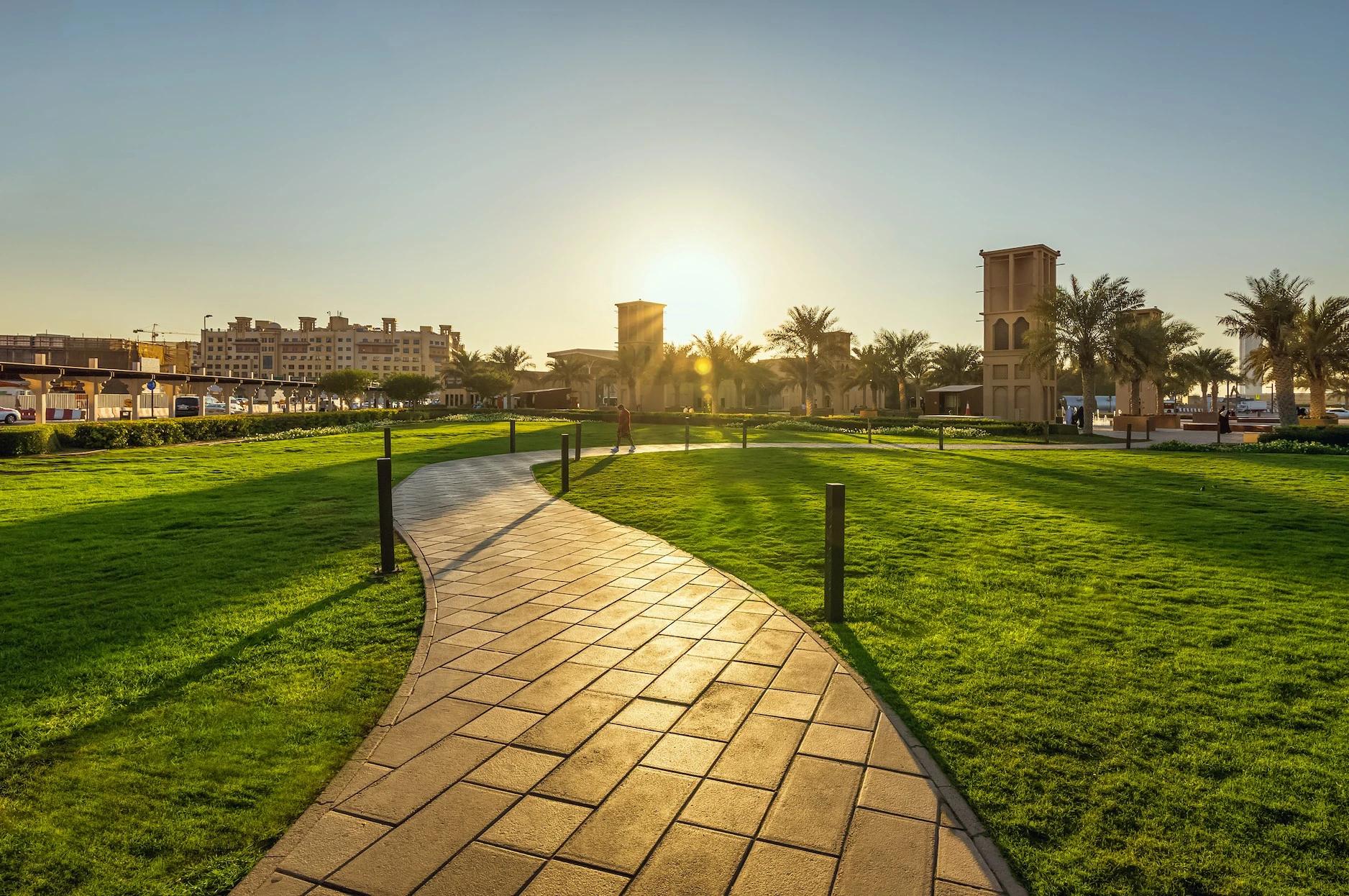




Futuristic cityscapes are often the thing that comes to mind thinking of the United Arab Emirates – Dubai’s iconic architectural Goliaths, the Burj Khalifa and Burj Al Arab, and Abu Dhabi’s Sheikh Zayed Grand Mosque.
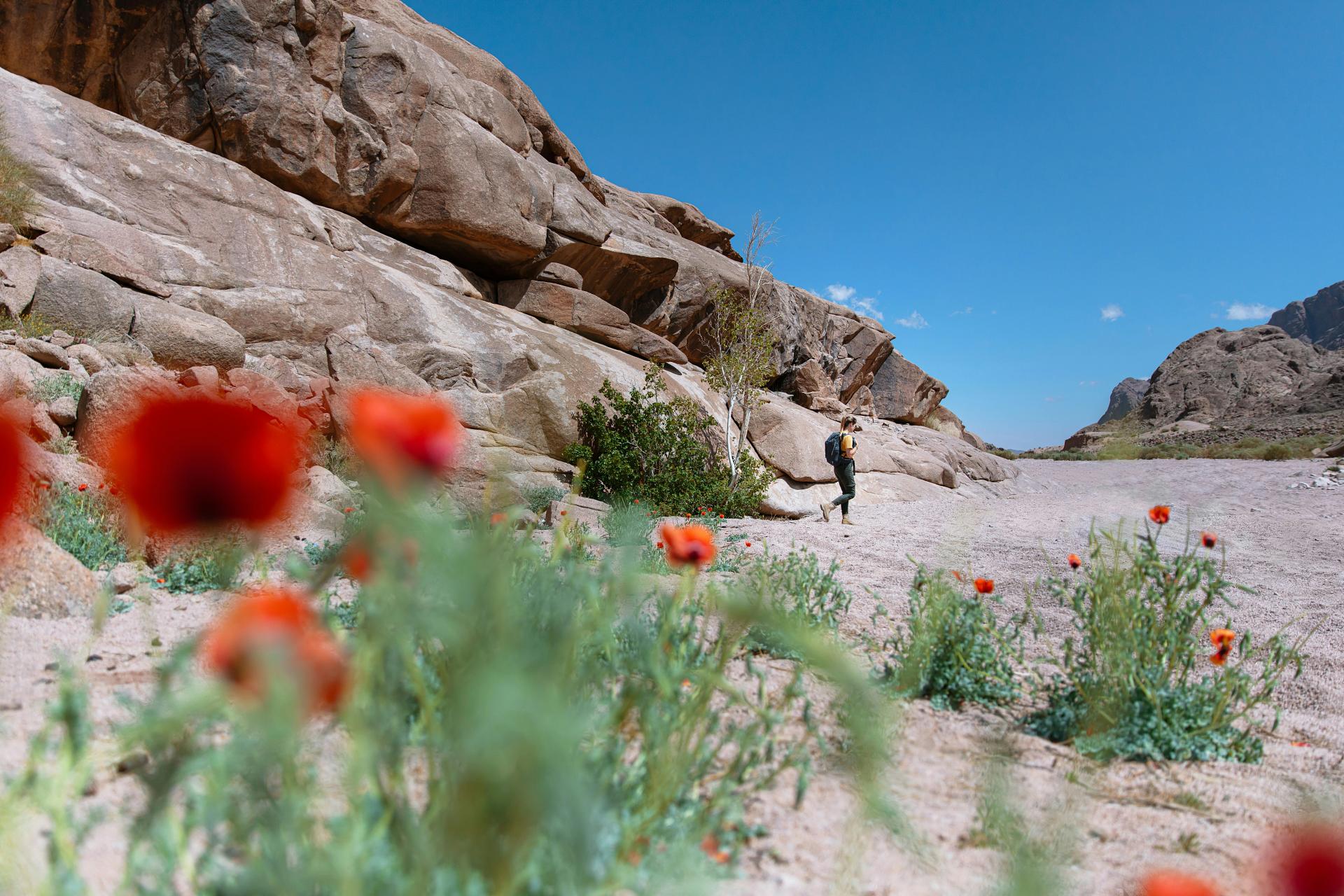
What many don’t realise is that 80 percent of the country is wild and untamed, with landscapes ranging from vast desert to soaring craggy peaks.
These biodiversity havens are home to conservation areas and rare species including the Arabian oryx and endangered tahr, plus the Arabian wolf and striped hyena.
There’s also an abundance of marine life to discover off the nation’s more than 1,300 km of coastline and marine reserves. These are some of our favourite places to discover flora and fauna in the UAE’s nature reserves and parks.
Dubai Desert Conservation Reserve
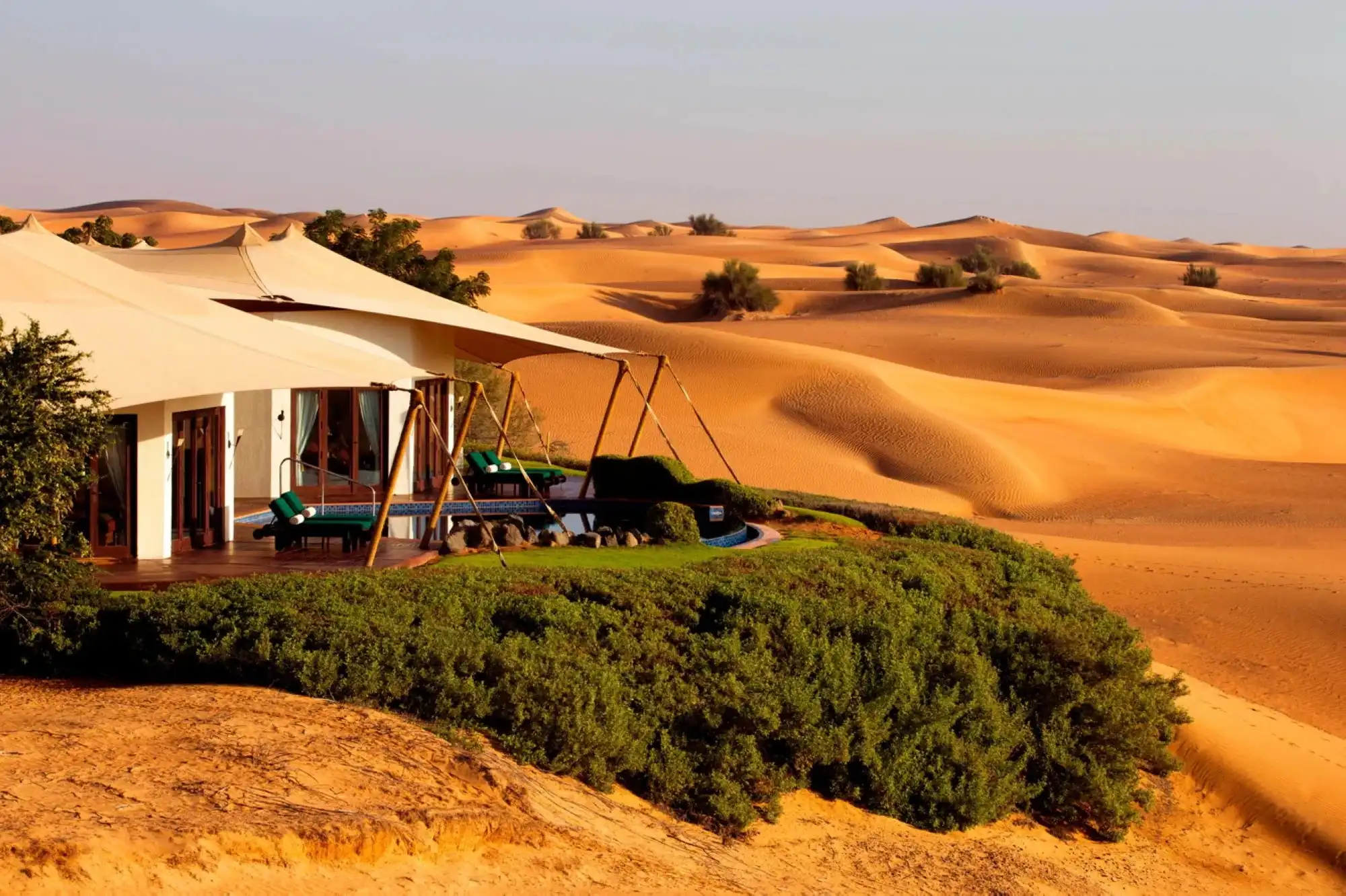
The emirate’s largest area of desert wilderness stretches across 225 sq km. Just 55km southeast of downtown Dubai, a trip here will have you thinking that you’ve just driven into an entirely different country. More than 500 species live in these caramel-coloured dunes. Highlights include the chance to see endangered lappet-faced vultures, one of the largest vulture species in the world. The park also protects species such as the Praying Mantis insect, Arabian gazelle, oryx, Arabian hare and red fox, plus sand geckos. There are several ways to enjoy the park including silently gliding over the dunes via a hot air balloon flight or an immersive overnight experience in a luxury tent for sounds of nature all around and incredible stargazing. Visit in the cooler winter months as temperatures can be near 50°C in the summer.
Al Wathba Wetland Reserve
Around 50km southeast of downtown Abu Dhabi lies this artificially created body of water inside a natural wetland area that attracts as many as 4,000 Greater Flamingos, famous for their bright pink plumage.
They migrate here in autumn and spring and feed on crustaceans including shrimp, mollusks, algae and insects. There are more birds to be spotted too, some 260 species, plus several mammals, reptiles and more than 30 plant species. Two self-guided walking trails include a 1.5km and 3km ramble (don’t forget your binoculars). The best time to visit is between March and May and September to November. The park closes in summer.
Sir Bani Yas Island
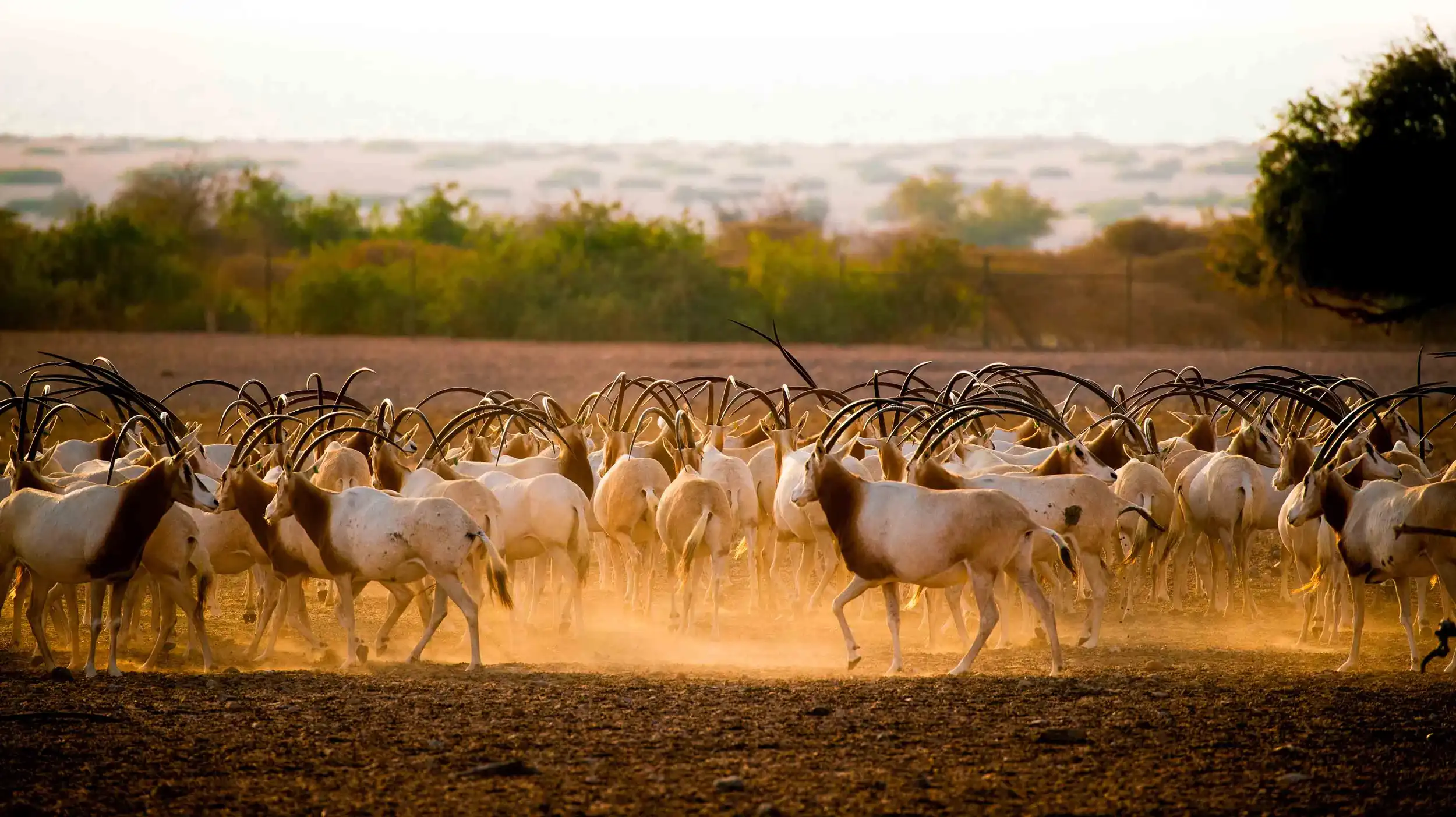
In true UAE style, Sir Bani Yas is about as flash as nature reserves get – more like a luxury safari than a conservation park. Sitting 9km offshore from Jebel Dhanna, this Royal Nature Reserve was once the largest wildlife reserve in Arabia. It remains the UAE’s largest nature reserve with some 17,000 animals, including the once-extinct Arabian oryx, plus some utterly unexpected non-native species, including free-roaming cheetahs, giraffes and ostriches. Here you can do a luxury jeep safari to spot up to 30 mammals by day. By night, bed up in a secluded castaway luxury lodge at the island’s Anantara resort – each abode has its own pool and the chance to view migratory birds on an outdoor terrace. Sir Bani Yas is 170km from downtown Abu Dhabi.
Al Zorah Natural Reserve
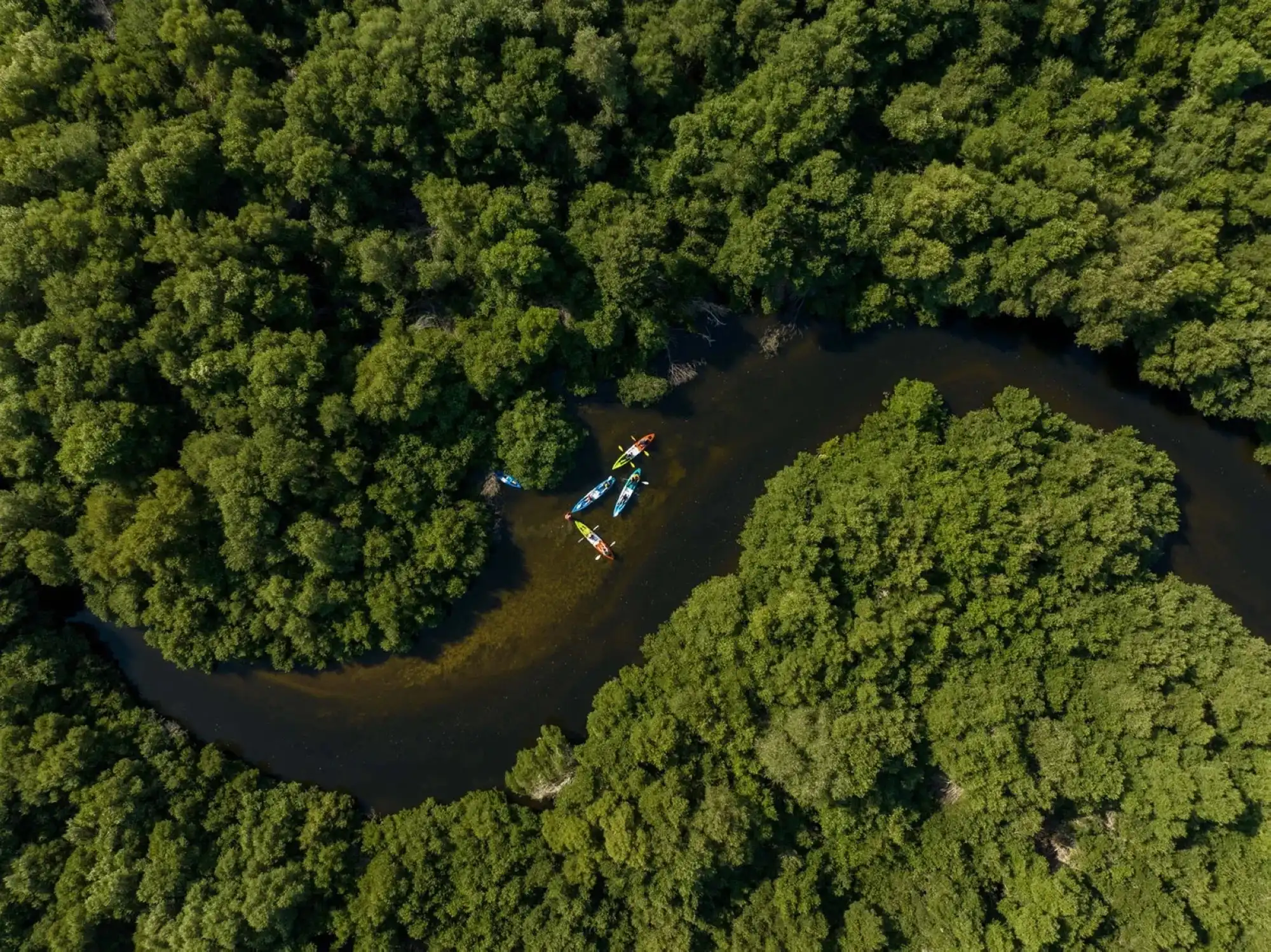
In a rich area of biodiversity in the emirate of Ajman (around 50km north of downtown Dubai) is a tidal creek and 6,000 year-old mangrove forest teeming with birdlife. Some 60 species of migratory birds can be spotted in this tranquil place full of Avicennia marina (grey mangroves), which thrive in high-salinity habitats. The reserve is generally closed to the public but its possible to spot Greater Flamingo, egret, Osprey, Mudskippers and heron while eating breakfast from the terrace of the Grove Restaurant, or enter the park for a closer look at the mangroves on a kayak tour with a local operator.
Hatta Mountain Conservation Reserve
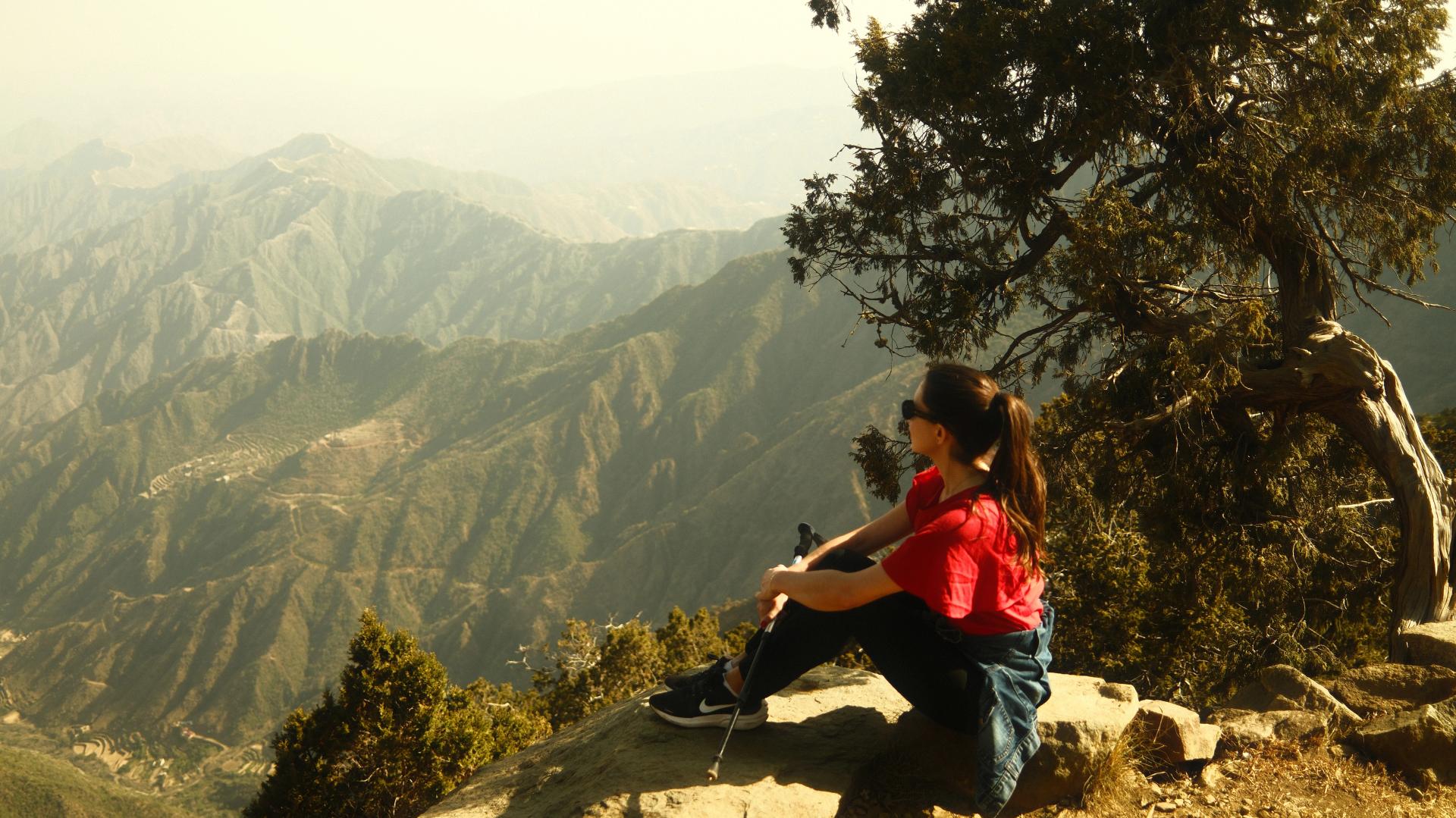
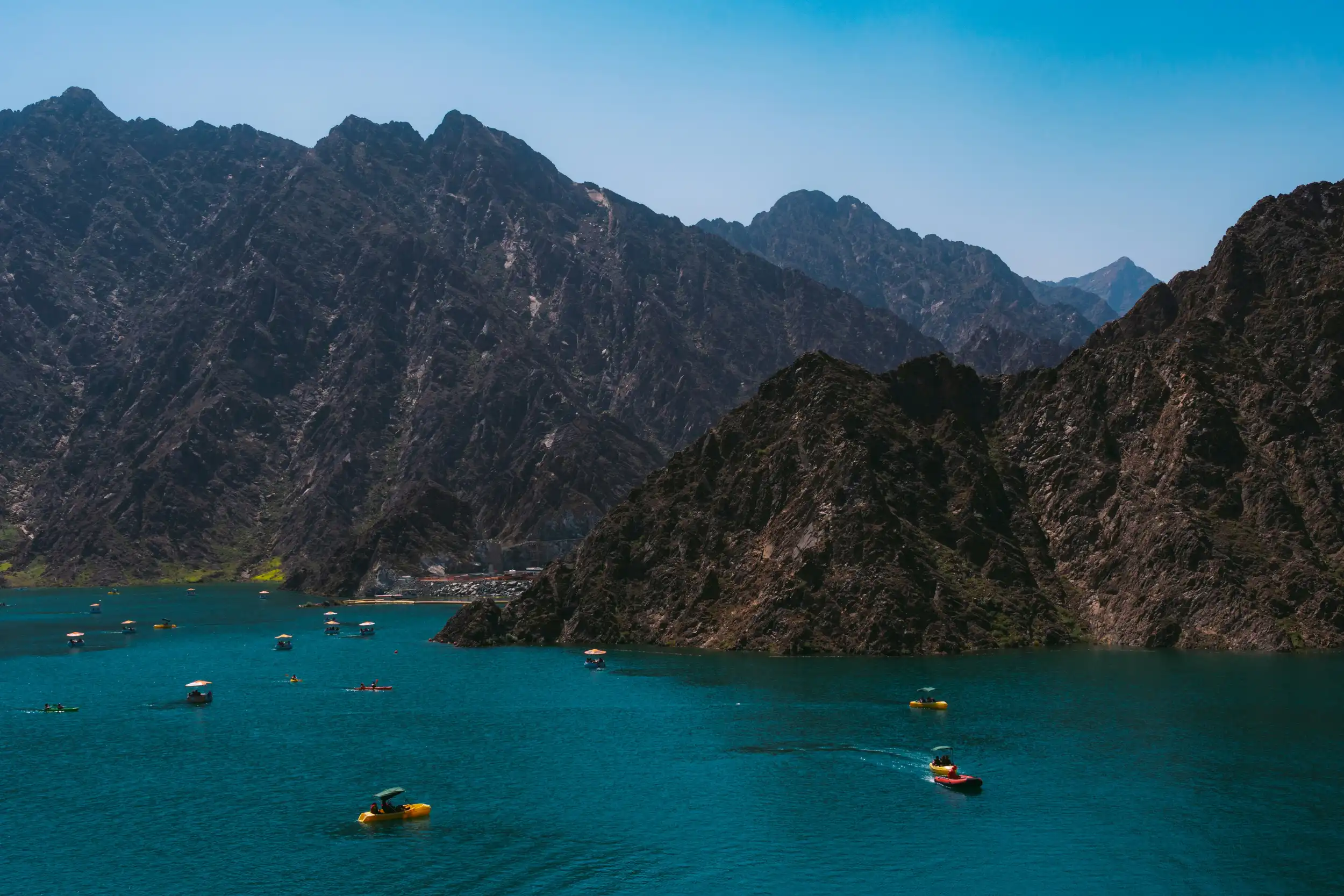
The hiker’s paradise of Hatta has rugged craggy mountain peaks as far as the eye can see, rising to almost 1,300m in places. There are 21 cycling routes and 17 walking trails here, all featuring breathtaking views. Hatta is also an oasis of freshwater springs, rock pools and waterfalls, plus the large Hatta Dam – a piercing blue body of water ideal for watersports.
Many don’t realise that nearby Hatta Mountain Conservation Reserve is home to the largest population of the endangered Arabian Tahr in the UAE. The goat-like mammal is endemic to the UAE and can be recognised by a dark stripe running down the back of its long, reddish-brown hair. There are fewer than 2,500 Arabian Tahr adults in the wild.
Also keep your eyes peeled for gazelles, oryx, and bird species such as the desert lark, great egret and grey heron. Hatta is best explored between December and March, but it's also a good spot for summer mornings – as it’s slightly cooler here than at the beach, due to the higher elevation.
Abu Dhabi Mangrove National Park
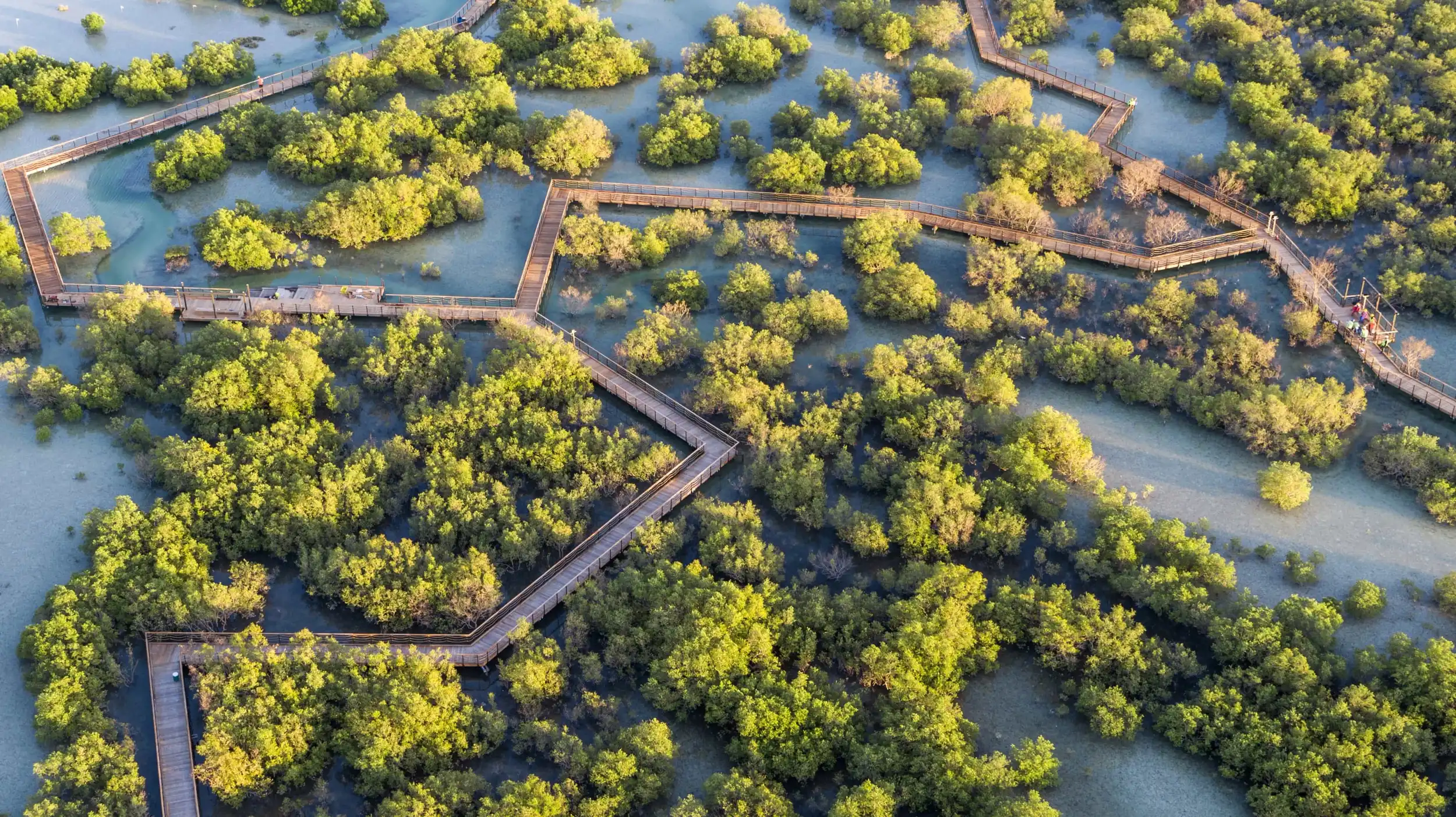
With one of the most diverse coastal ecosystems in the UAE, the Abu Dhabi Mangrove National Park contains 19 sq km of magnificent mangrove forest rising up to five metres in places, and acting as a green lung in the city.
This area is a breeding ground for Greater Flamingo and Western Reef Heron (between April and July) and there are around 60 species of birds to spot, many of which come to feed on the abundance of fish, mottled crabs and shrimp. Larger creatures that have been spotted in the area include foxes, dolphins, turtles and even dugongs!
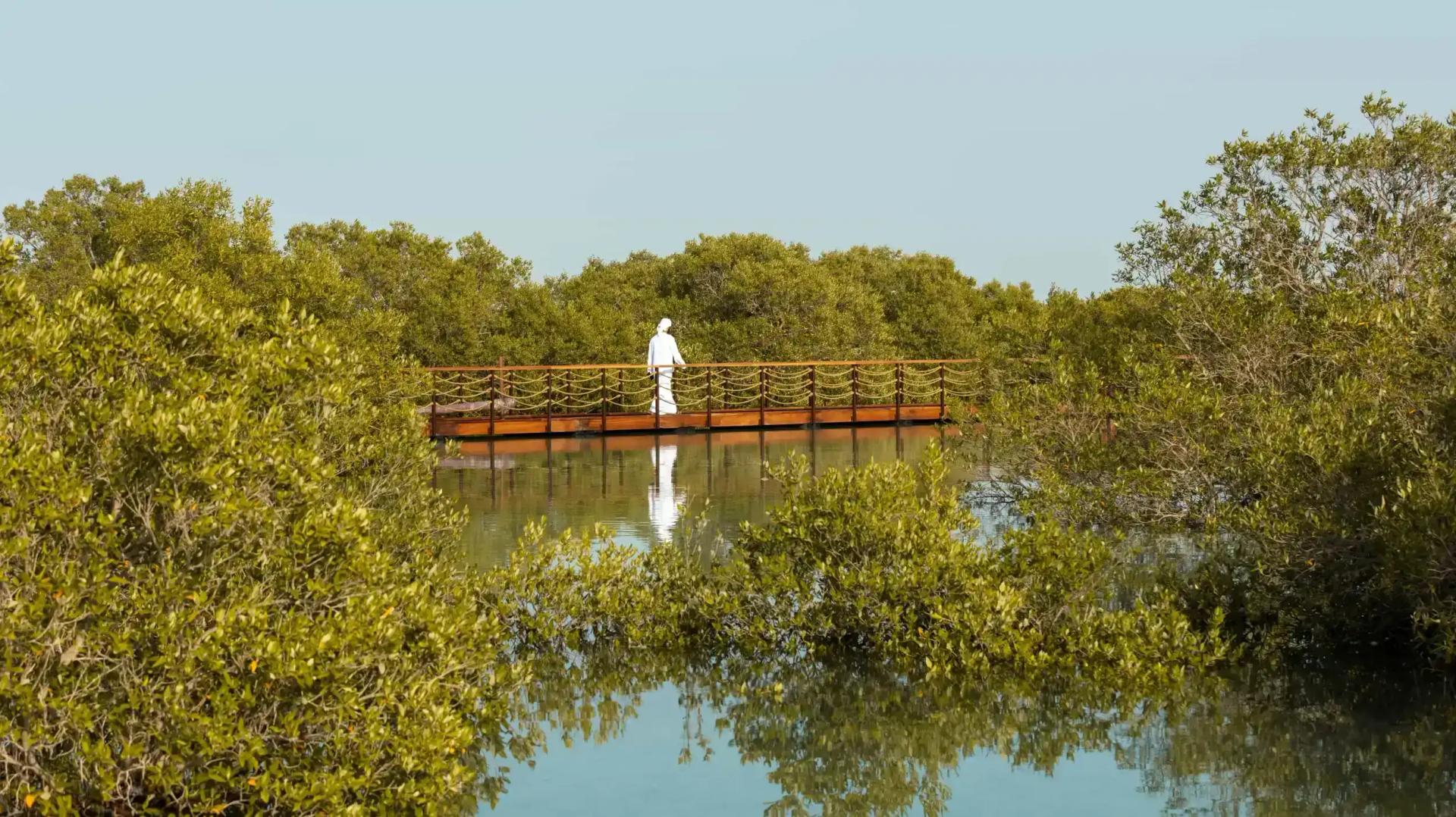
The best way to maximise wildlife spotting is to silently glide along the natural water channels between the mangroves by kayak or stand-up paddleboard. At the time of writing the park had been temporarily closed to allow for conservation recovery, but tour operators regularly run daily kayak excursions to the nearby smaller Jubail Mangrove Park with a boardwalk that meanders through the mangroves, and similar species to spot.