
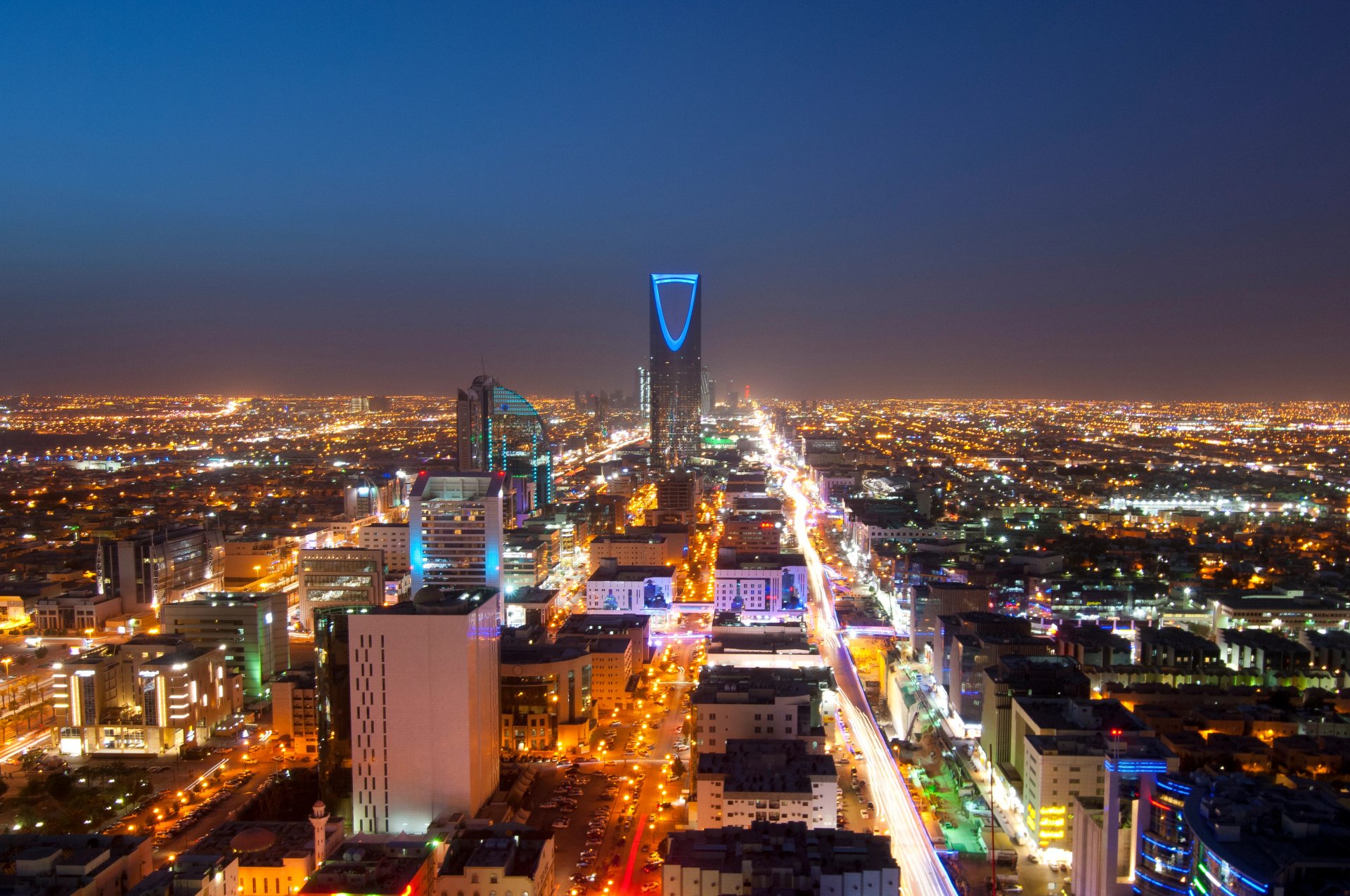
It seems that barely a month goes by without the announcement of a new museum in Saudi Arabia. In 2024, the Kingdom revealed plans for a Black Gold Museum in Riyadh (scheduled to open in 2026) that will document humanity’s history with oil, while in the holy city of Makkah (also known as Mecca) a new museum will focus on Jabal-Al-Nour, which holds the cave where the Prophet Mohammad first received his revelation.
But it is in Jeddah – the storied port city that is itself something of a living museum – where the most significant new historical projects have been launched in recent years, most concentrated around the UNESCO-listed neighbourhood of Al Balad.
Jeddah’s identity was forged by the steady stream of Muslim pilgrims that stayed in the city while performing Hajj in nearby Makkah and then stayed, and many of these new institutions pay homage to that.
The good news is museums tend to be inexpensive in Saudi Arabia; indeed, many of them are free. Some institutions may have specific times reserved for families or solo men and women – ask at the entrance for details. This is everything you need to know about the best museums in Saudi Arabia.
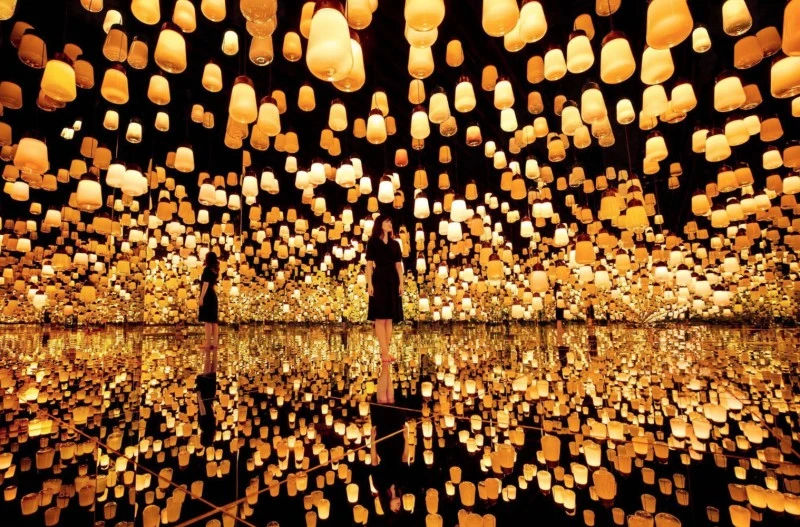
1. Borderless Jeddah
Newly opened in June 2024, teamLab Borderless Jeddah is a collaboration between the Saudi Ministry of Culture and the teamLab art collective, which has previously held exhibitions in New York, Paris, Singapore,and Beijing.
Tokyo-based teamLab create immersive exhibitions using sound and light, including virtual flower gardens and waterfalls, in what its creators call “a museum without a map”. The Jeddah installation exhibits more than 50 experimental artworks in a new building on the shore of the Al Arbaeen lagoon near Jeddah’s historic district.
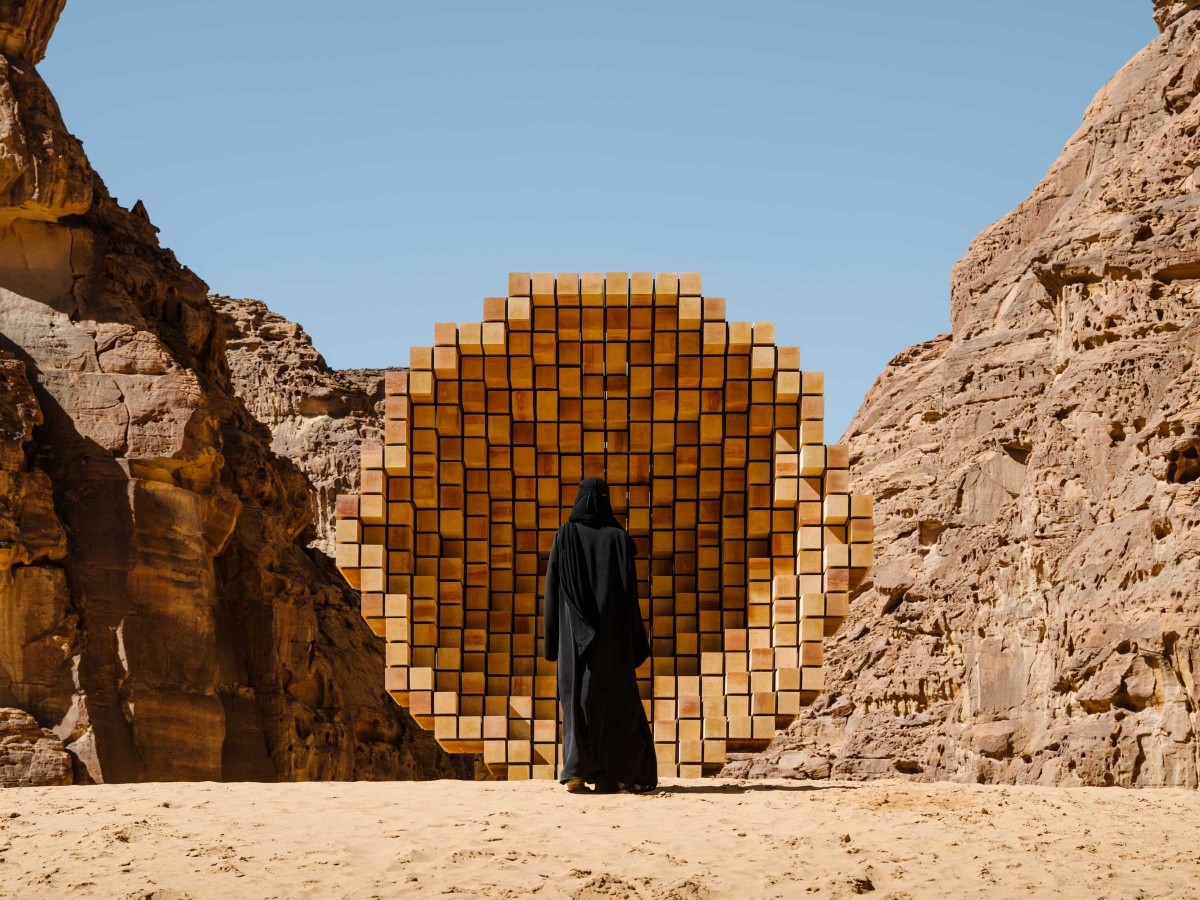
2. Desert X AlUla, AlUla
Now in its fifth incarnation, this international exhibition in the ancient desert region of AlUla features exhibits along the theme of “Space Without Measure” and invited 15 artists to stage new encounters with the landscape across three different locations.
This free gallery is held close to the remarkable archaeological sites of AlUla, including the 3000-year-old Iron Age temple complex of Tayma. It wrapped up at the end of February 2026 but there are high hopes it will return for another incarnation in 2027.
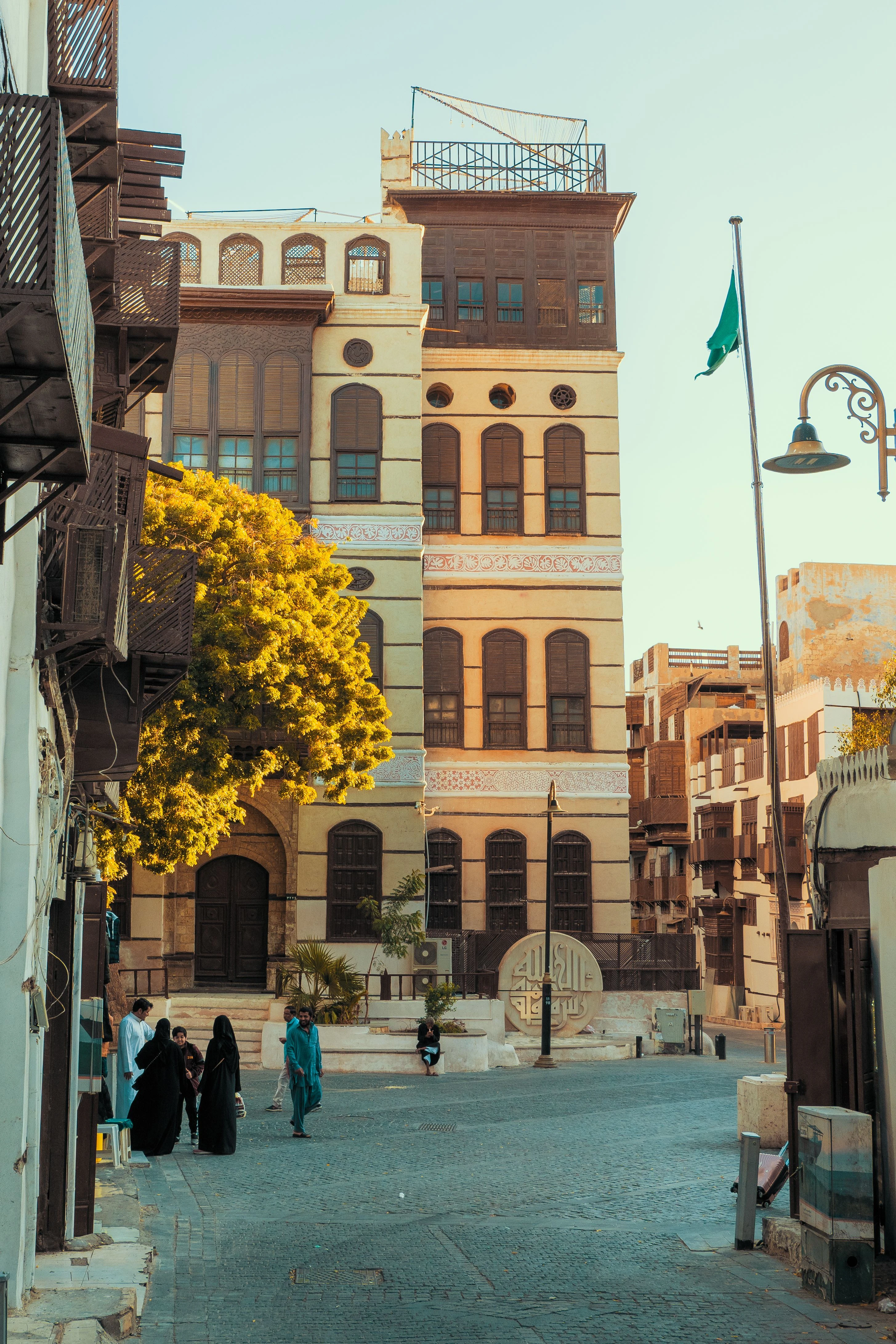
3. Beit Nassif, Jeddah
Located amongst the beautiful, mashrabiya-fronted merchant houses of Jeddah’s old town, Beit Nassif (Nassif’s House) is a museum and cultural centre that was once the home of King Abdulaziz bin Saud, the founder of modern Saudi Arabia. Over the decades, the house welcomed ambassadors from overseas and pictures of their visits line the walls along with art and Arabic calligraphy.
Beit Nassif used to be referred to as “House of the Tree” because it was the only property in the neighbourhood to have one. The tree remains in a small square to the north of the property and is thought to be the oldest in Jeddah. The house is open from 8am until midday daily and from 6pm until midnight on Sunday evenings.
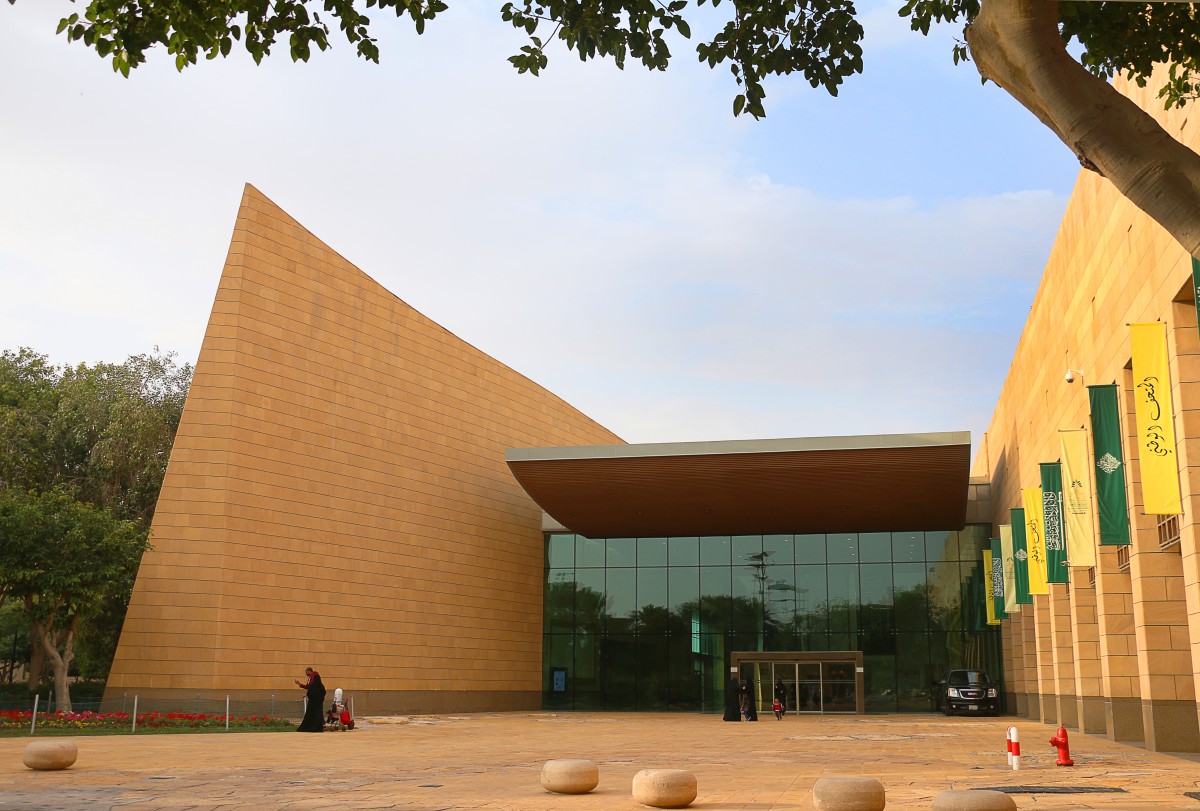
4. The National Museum of Saudi Arabia, Riyadh
The monumental two-storey edifice that is the National Museum of Saudi Arabia in Riyadh brings together centuries of art, culture and history from prehistoric Arabia up to the present day. The space covers 28,000 square metres and eight galleries, showcasing exhibits on Arabia both before and after the advent of Islam. There is also a fascinating documentary on the formation of the Saudi state, as well as a gallery dedicated to the holy cities of Makkah and Madinah (also known as Mecca and Medina, respectively).
It is open to visitors from 9am to 7pm Saturday to Wednesday, and from 2pm to 10pm on Thursdays and Fridays. It is closed on Sundays and the entrance fee is SAR 10.
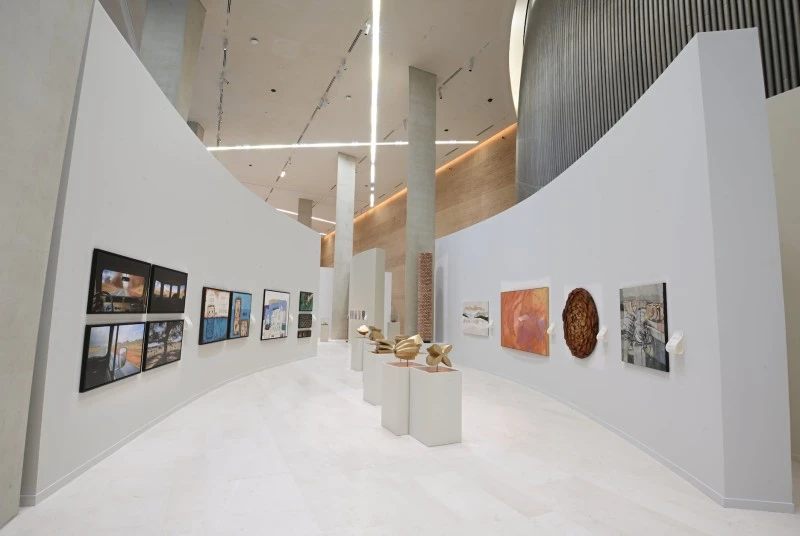
5. King Abdulaziz Center for World Culture, Dharan
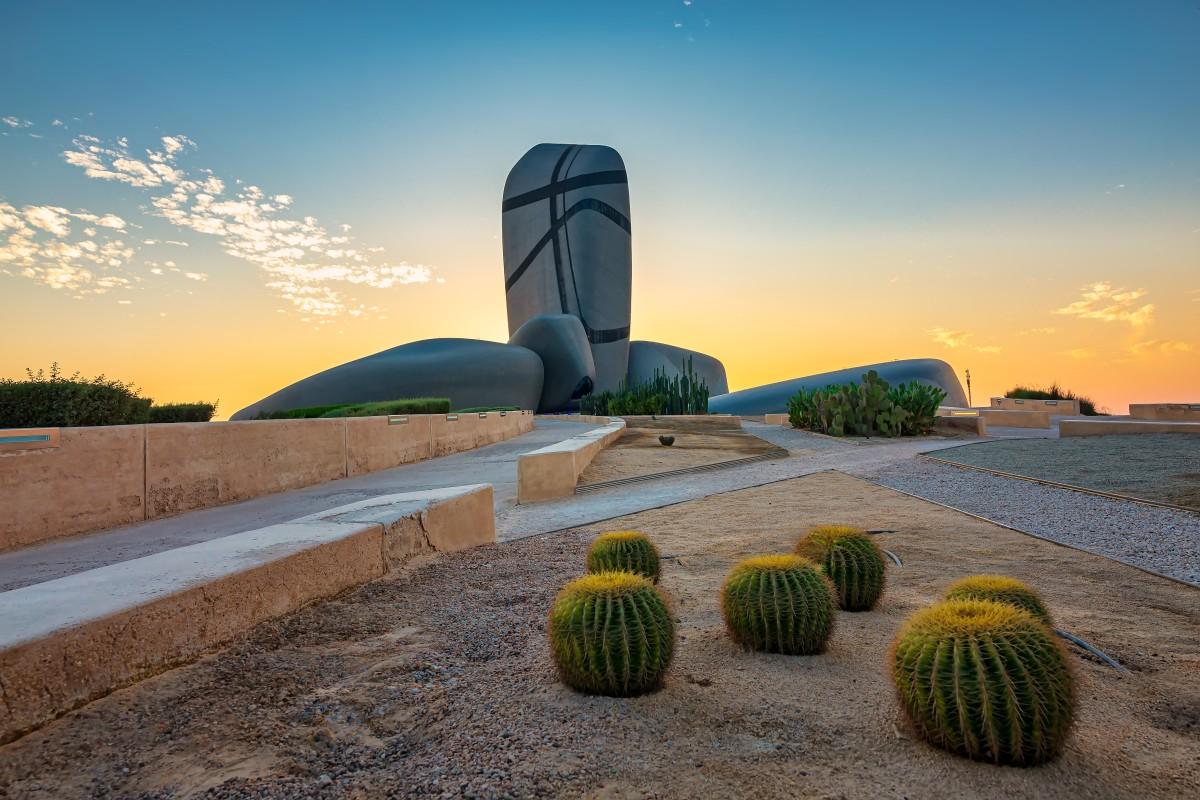
Opened in 2018 and designed by the Norwegian architecture firm, Snøhetta, the King Abdulaziz Center for World Culture – known as Ithra in Arabic – is an architectural delight in Dharan, Saudi Arabia’s Eastern Province. Designed to represent a cluster of supporting stones (a nod to the fact that “petroleum” translates as “rock” in Arabic), the forms are wrapped in a massive 360km of steel pipe.
Inside is an 80,000-sq-m, five-gallery museum that includes a library, cinema and theatre as well as the Idea Lab and Ithra Tower. It is open 9am to 11:30pm Saturday to Wednesday, 9am to 12:30am on Thursday, and 4pm to 12:30am on Friday; the museum is shut on Sundays. Entrance is free.
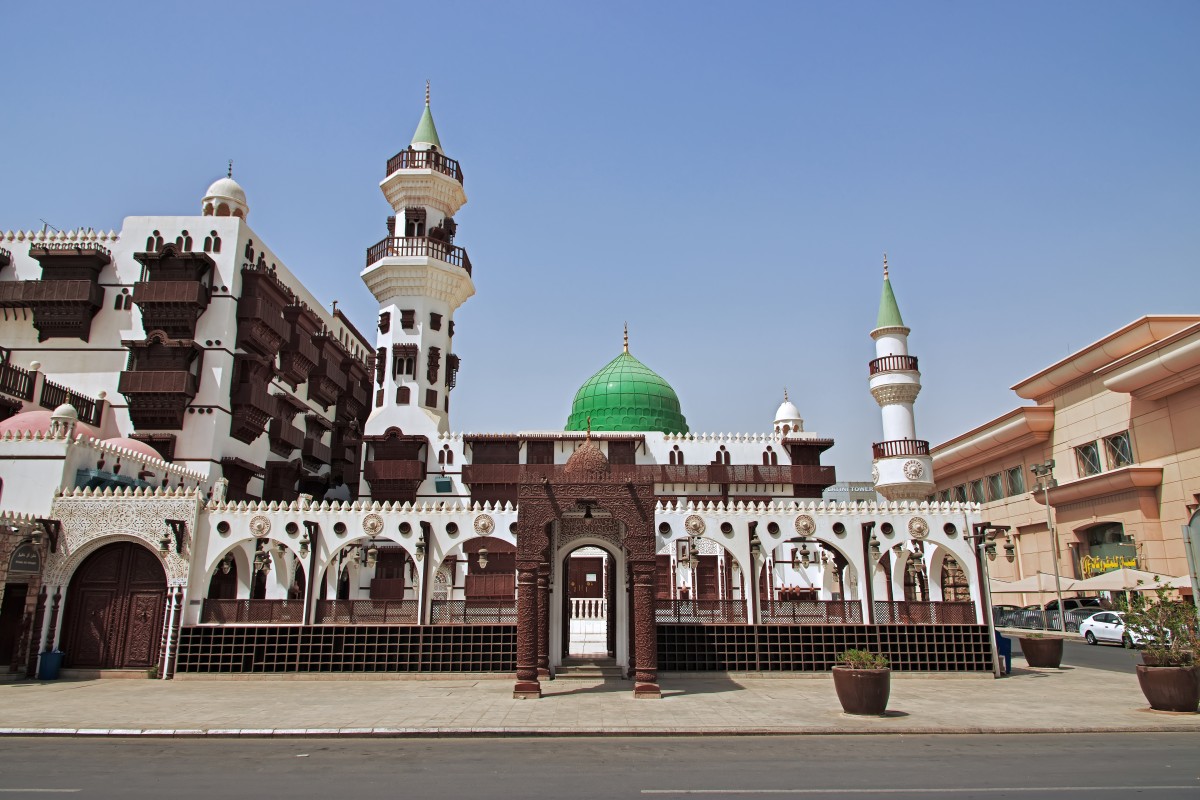
6. Al Tayebat Museum, Jeddah
This huge museum complex in Jeddah is spread across 10,000 square metres, including 12 buildings and more than 300 rooms. Built to reflect Jeddah’s traditional Hijazi architecture over 15 years, it contains myriad artefacts, Islamic manuscripts, ancient tribal costumes and coins, as well as weapons, furniture and utensils from across the Arab world.
Located in Jeddah’s Al Faisaliyah district, several of the buildings focus on the origins of the city itself, and exhibits cover key events in the city’s history such as the Siege of Jeddah and the Battle of Uhud.
Due to the presence of an incredible collection of Qurans, gathered from numerous eras, a visit to the museum is often included as part of a pilgrimage package, but individuals can visit the museum for a fee of SAR 80. It is open from 9am to 12pm and 5pm to 9pm daily except Fridays.
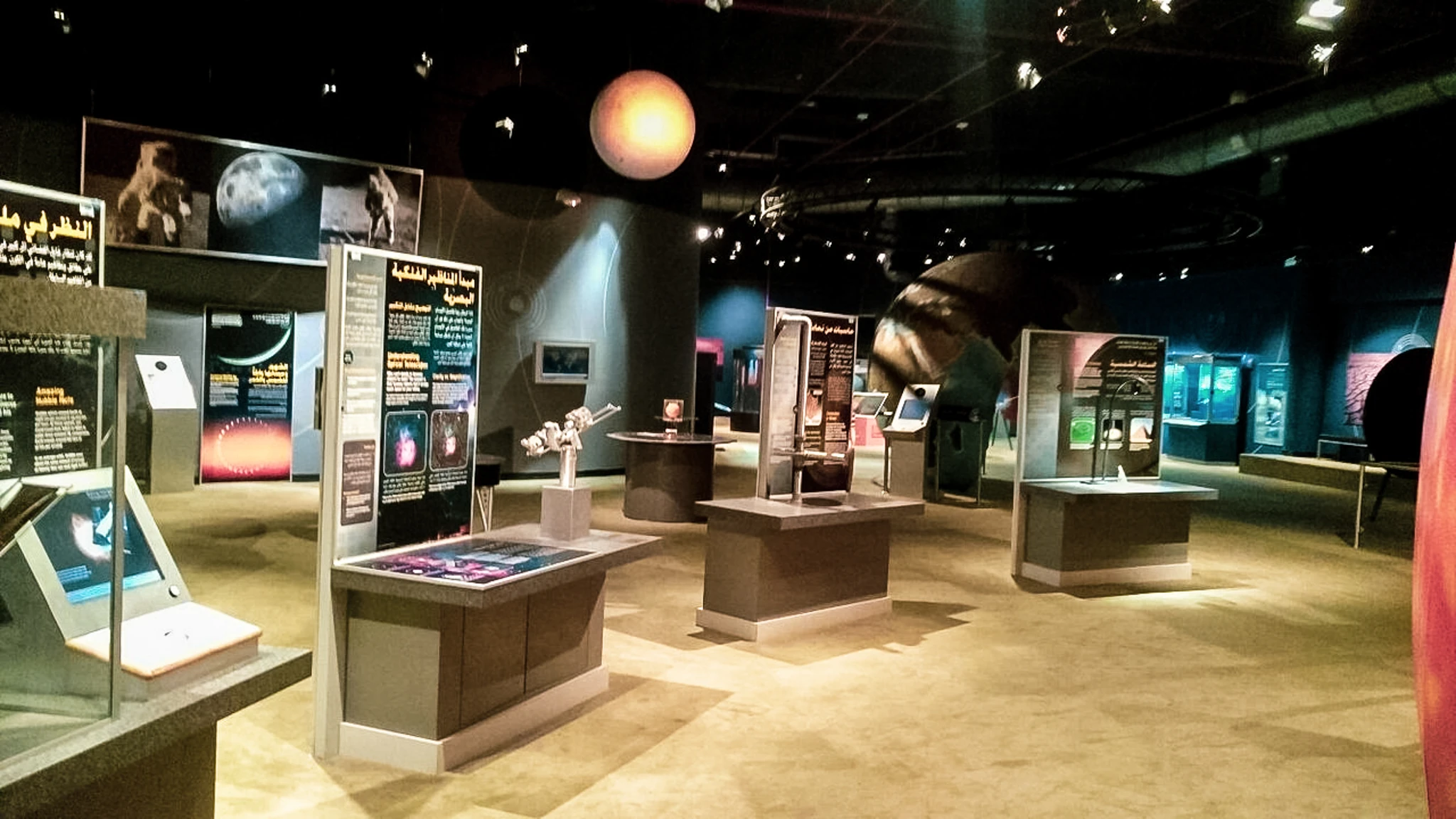
7. Scitech, Al Khobar
This is a standout destination in Saudi Arabia’s Eastern Province for families with kids, Scitech (Prince Sultan Science And Technology Center) contains exhibitions on natural history and space travel, plus an astronomical observatory and an IMAX cinema. Delighting visitors for almost 25 years, this Al Khobar institution has seven quirky scientific halls and its observatory contains a modern telescope that can be used by visitors.
It hosts an impressive aquarium, and the space halls contain models of the Hubble Space Telescope, as well as models explaining how the moon was formed. It is open from 9 am to 12 pm in the morning and 4pm to 10pm in the evening. On Friday it only opens in the evening. The most expensive museum on this list, Scitech costs SAR 23 for children and SAR 46 for adults.